Themed Gardening: Transform Your Outdoor Space with Creativity!

Introduction

Gardening is more than just planting flowers and shrubs; it’s an art form that allows you to express your creativity and personality. Themed gardening takes this concept to the next level by creating a cohesive and immersive experience in your outdoor space. Whether you’re a seasoned gardener or a beginner, themed gardening can add a unique touch to your garden. In this article, we’ll explore various garden themes, how to plan and implement them, and tips for maintaining your themed garden.

What is Themed Gardening?

Themed gardening involves designing your garden around a specific concept or style. This could be inspired by a particular culture, historical period, or even a favorite book or movie. The goal is to create a harmonious and visually appealing space that tells a story or evokes a particular feeling.

Popular Garden Themes

1. Japanese Zen Gardens

Elements: Zen gardens are known for their simplicity and tranquility. Key elements include rocks, gravel, water features, and carefully pruned plants.

Plants: Bamboo, Japanese maple, and moss are popular choices.

Tips: Focus on creating a sense of balance and harmony. Use natural materials and avoid clutter.

2. Cottage Gardens

Elements: Cottage gardens are characterized by their informal, romantic style. They frequently include a combination of flowers, herbs, and vegetables.

Plants: Roses, lavender, and hollyhocks are common.

Tips: Plant densely to create a lush, overflowing look. Use winding paths and rustic garden furniture to enhance the charm.

3. Mediterranean Gardens

Elements: These gardens are designed to thrive in hot, dry climates. They often include terracotta pots, gravel paths, and drought-tolerant plants.

Plants: Olive trees, lavender, and rosemary are ideal.

Tips: Incorporate water-saving techniques like drip irrigation. Use bright, sun-soaked colors in your plant choices and decor.

4. Wildlife Gardens

Elements: Wildlife gardens aim to attract and support local wildlife, including birds, bees, and butterflies.

Plants: Native plants, wildflowers, and berry-producing shrubs.

Tips: Provide water sources and shelter. Please remember to avoid the use of pesticides and instead opt for organic gardening methods.

5. Herb Gardens

Elements: Herb gardens are both functional and beautiful. They can be designed in formal patterns or more casual arrangements.

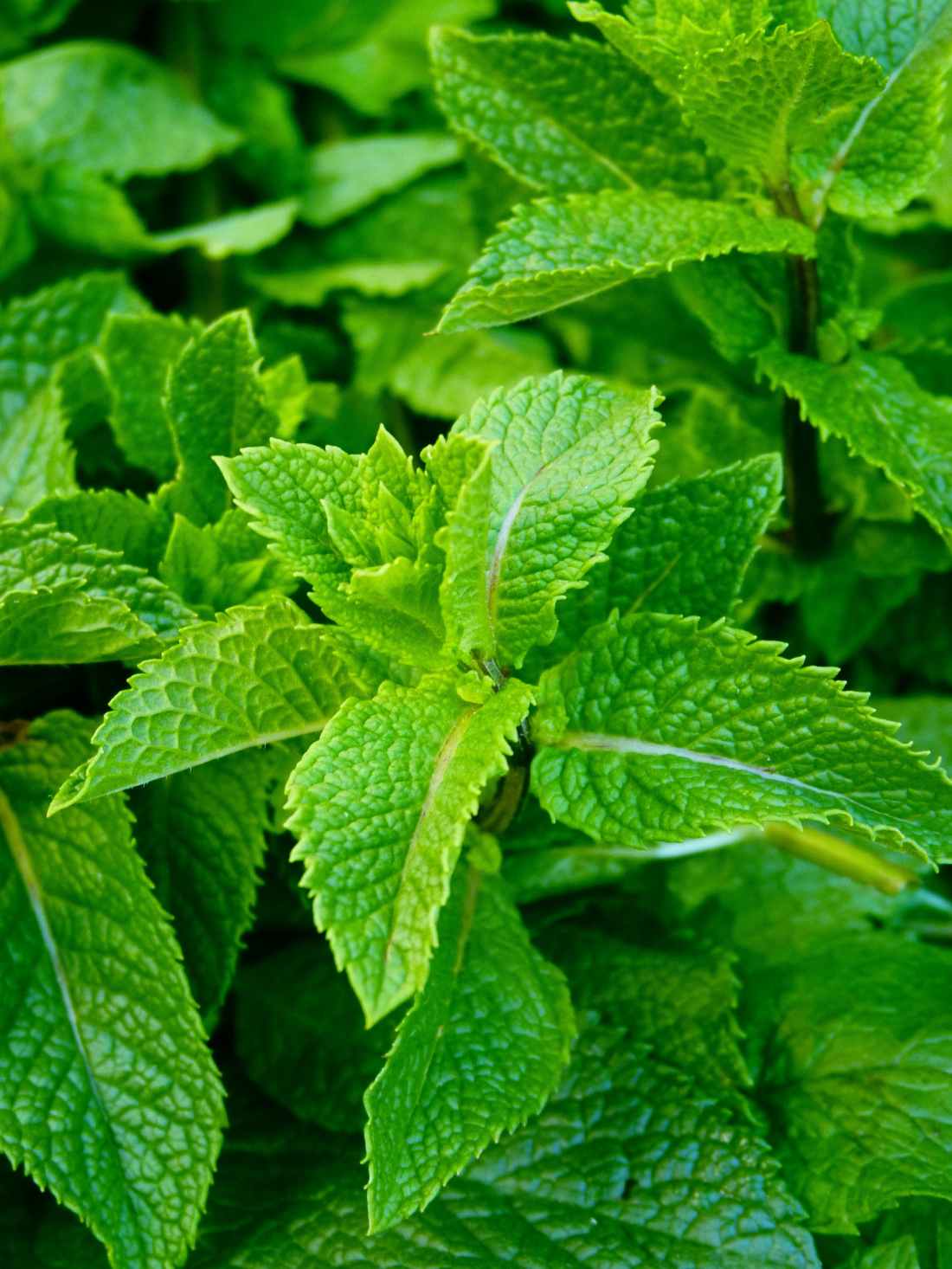
Plants: Basil, thyme, mint, and parsley.

Tips: Plant herbs in well-drained soil and ensure they receive plenty of sunlight. Consider creating a dedicated herb spiral or raised beds.


Similar Posts:


Planning Your Themed Garden

Assess Your Space and Climate

Examine the dimensions, layout, and condition of your garden area. Think about elements like climate, soil type, and sunlight.

Choose a Theme

Select a theme that resonates with you and suits your environment. Research different themes and gather inspiration from books, magazines, and online resources.

Create a Design Plan

Sketch a layout of your garden, including the placement of plants, paths, and features. Think about how different elements will complement one another to produce a unified style.

Select Plants and Materials

Choose plants that fit your theme and are suitable for your climate. Select materials for paths, borders, and garden structures that complement your theme.

Implementing Your Garden Theme

Prepare the Soil

Ensure your soil is healthy and well-drained. Add vermicompost or other organic manure to improve soil quality.

Planting

Follow your design plan and start planting. Always group plants which have similar water and sunlight needs together.

Incorporate Hardscape Elements

Add paths, benches, water features, and other hardscape elements. These features can enhance the theme and provide structure to your garden.

Use Garden Art and Accessories

Decorate your garden with themed accessories like statues, lanterns, or decorative pots. These will add personality and charm to your garden space.

Maintaining Your Themed Garden

Regular Upkeep

Maintain your garden on a regular basis to keep it looking its best. This covers fertilization, pruning, weeding, and watering.

Seasonal Tasks

Adjust your care routine based on the season. For example, protect delicate plants in winter and ensure adequate watering in summer.

Pest Control

Use organic methods to manage pests. Encourage beneficial insects and use natural remedies to keep harmful pests at bay.

Adapt and Evolve

Gardens are dynamic and ever-changing. Be open to making adjustments and improvements as your garden matures.

Conclusion

Themed gardening is a wonderful way to personalize your outdoor space and create a unique, immersive experience. By choosing a theme that resonates with you and carefully planning and maintaining your garden, you can transform your yard into a beautiful and harmonious retreat. Whether you opt for the tranquility of a Japanese Zen garden or the vibrant charm of a cottage garden, themed gardening offers endless possibilities for creativity and enjoyment.

Happy Gardening!
Creating and Sustaining a Flourishing Kitchen Garden!

Introduction

Planning a kitchen garden is more than just choosing your favorite herbs or vegetables; it’s a blueprint for sustainable, homegrown produce. Here’s a comprehensive guide on how to craft and maintain a thriving kitchen garden.

Choose Your Plot:

Begin by selecting the ideal location for your kitchen garden. Pick a spot that receives ample sunlight and has good drainage. If space is limited, consider container gardening or vertical setups.

Select Your Plants Wisely:

Assess your culinary preferences and climate conditions before choosing the plants. Opt for a mix of vegetables, herbs, and fruits that thrive in your region and suit your cooking needs.

The ideal plants for a kitchen garden are those that not only fit your culinary preferences but also thrive in your local climate. Here are some popular choices:

  • Herbs: Herbs like basil, parsley, cilantro, thyme, rosemary, and mint are kitchen staples. They’re versatile, require minimal space, and can flourish in pots or directly in the ground.
  • Leafy Greens: Lettuce, spinach, kale, and Swiss chard are fast-growing leafy greens perfect for salads and smoothies. They’re relatively easy to grow and provide a continuous harvest.
  • Tomatoes: A favorite among gardeners, tomatoes come in various sizes and colors. They need ample sunlight and support for their vines but reward with abundant fruits.
  • Peppers: Bell peppers, chili peppers, and sweet peppers add zest to meals. They grow well in warm climates and containers, providing a vibrant splash of color to your garden.
  • Cucumbers: These vine-growing vegetables thrive in warm weather and offer a bounty of fresh, crisp cucumbers for salads and pickling.
  • Carrots and Radishes: Root vegetables like carrots and radishes are easy to grow and do well in loose, well-drained soil. They’re perfect for beginners due to their low maintenance.
  • Green Onions: These versatile onions are easy to grow from scraps and are a constant source of fresh flavors for various dishes.
  • Strawberries: Compact and versatile, strawberries can be grown in containers or hanging baskets, providing a sweet, juicy treat during the growing season.
  • Bush Beans: Beans are prolific growers and offer a harvest in a relatively short time. Bush beans, like green beans or snap beans, don’t require trellises and can be grown in limited space.
  • Zucchini and Squash: These prolific growers are perfect for larger spaces. They produce abundant fruits that can be used in various dishes.

Choose plants that suit your taste, available space, and local climate conditions for a successful and bountiful kitchen garden.


Similar Posts


Design and Layout:

Plan the layout of your garden, considering the growth patterns and space requirements of each plant.

  • Companion Planting: Pair plants that benefit each other when grown nearby which can maximize space and yield. For instance, planting basil near tomatoes can deter pests and improve the flavor of tomatoes.
  • Succession Planting: Plan your garden to ensure continuous harvests. As one crop finishes, replant that space with another crop suitable for the upcoming season.
  • Vertical Gardening: Utilize vertical space by growing climbers like peas, beans, or cucumbers on trellises or vertical supports. This maximizes space and promotes healthier plants.

Prepare the Soil:

Well-draining, nutrient-rich soil is the backbone of a successful kitchen garden. Invest time in preparing the soil by adding compost or organic matter to boost fertility.

Planting Techniques:

Follow planting guidelines specific to each crop. Some plants prefer direct sowing while others thrive better as seedlings. Pay attention to spacing and depth requirements.

Watering and Maintenance:

Regular watering is crucial, especially during the initial growth phase. Mulching helps retain moisture and suppresses weeds. Prune, weed, and monitor for pests to ensure healthy growth.

Harvest and Rotate:

Harvest crops at their peak to enjoy the freshest produce. Rotate crops annually to prevent nutrient depletion and minimize pest problems.

Seasonal Considerations:

Adjust your garden according to seasonal changes. Plant cool-season crops in spring and fall, and warm-season crops during the summer. Consider coverings or cold frames to extend the growing season.

Compost and Sustainability:

Implement composting to recycle kitchen scraps and garden waste. This sustainable approach enriches the soil and reduces waste, promoting eco-friendly gardening practices.

Continuous Learning:

Gardening is a continuous learning process. Stay updated on best practices, watch for plant-specific issues, and be open to adapting and improving your gardening methods.

By meticulously planning and nurturing your kitchen garden, you’re not only cultivating fresh produce but also fostering a deeper connection with nature and a sustainable way of living.

 Happy gardening!

Herb Gardening 101: How to Cultivate a Flourishing Herb Garden in Your Home!

Introduction:

Herb gardening offers a delightful way to infuse your culinary endeavors with fresh flavors and elevate the aesthetics of your home. Whether you’re a seasoned gardener or a novice, cultivating a thriving herb garden is an enriching and rewarding experience. This comprehensive guide will walk you through the essentials of starting and maintaining a successful herb garden right in your own home.

Understanding Your Herbs:

Begin by selecting herbs that align with your culinary preferences and growing conditions. Herbs like basil, rosemary, thyme, mint, and parsley are popular choices due to their versatility and ease of growth. Consider their sunlight requirements, soil preferences, and watering needs to create an optimal environment for each herb.

Choosing the Right Location:

For optimal growth, it’s recommended to choose a spot for your herb garden that receives plenty of sunlight. Most herbs tend to do well in areas that are exposed to full sunlight. Ensure adequate drainage and good air circulation to prevent issues like root rot and fungal diseases. For indoor herb gardens, windowsills or areas receiving ample natural light are ideal.

Preparing the Soil:

Well-draining soil is crucial for herb cultivation. Incorporate organic matter like compost or peat moss to enhance soil fertility and drainage. Aim for a slightly acidic to neutral pH level, typically between 6.0 and 7.0, to create an optimal growing environment for your herbs.

Planting Your Herbs:

When planting your herbs, maintain appropriate spacing between each plant to allow for proper airflow and growth. Consider using containers or raised beds for better control over soil quality and moisture levels. Follow planting guidelines specific to each herb to ensure optimal growth.


Similar Posts


Caring for Your Herb Garden:

Regular watering is essential, but be mindful not to overwater your herbs. To prevent waterlogged conditions, it’s best to let the soil dry out slightly between waterings. Pruning and harvesting your herbs regularly promote healthy growth and stimulate new foliage.

Combatting Pests and Diseases:

Keep a vigilant eye for common pests like aphids, mites, and fungal infections that can affect herb plants. Consider natural pest control methods like neem oil or companion planting to deter pests without harsh chemicals.

Harvesting and Enjoying Your Herbs:

To get the most intense flavors out of herbs, it’s best to harvest them in the morning. Use sharp scissors or shears to trim the plants, leaving sufficient foliage for regrowth. Enjoy the freshest flavors by incorporating your homegrown herbs into culinary delights or drying them for future use.

Conclusion:

Embarking on an herb gardening journey is a fulfilling endeavor that brings the joys of fresh flavors and fragrances right to your doorstep. By following these fundamental steps, you can cultivate a thriving herb garden, adding a touch of greenery and zest to your home-cooked meals.

Start your herb garden today and savor the delights of homegrown herbs in your culinary creations!

Happy Gardening!

Terrace Garden Triumph: Mastering the Art of Greenery with Diverse Plant Selection!

Introduction

Hey there, urban garden enthusiasts! If you’ve got a sunny terrace and a green thumb itching for action, you’re in for a treat. Terrace gardening has taken the urban landscape by storm, bringing a burst of life to concrete jungles. But the real magic lies in the variety of plants you can grow in these cozy, elevated spaces. In this article, we’ll explore the delightful world of terrace gardening, highlighting different types of plants that thrive in this environment. From vibrant flowers to fresh herbs and even small fruit trees, we’ve got your terrace covered with the ultimate plant palette.

1. Blooms of Joy: Ornamental Plants

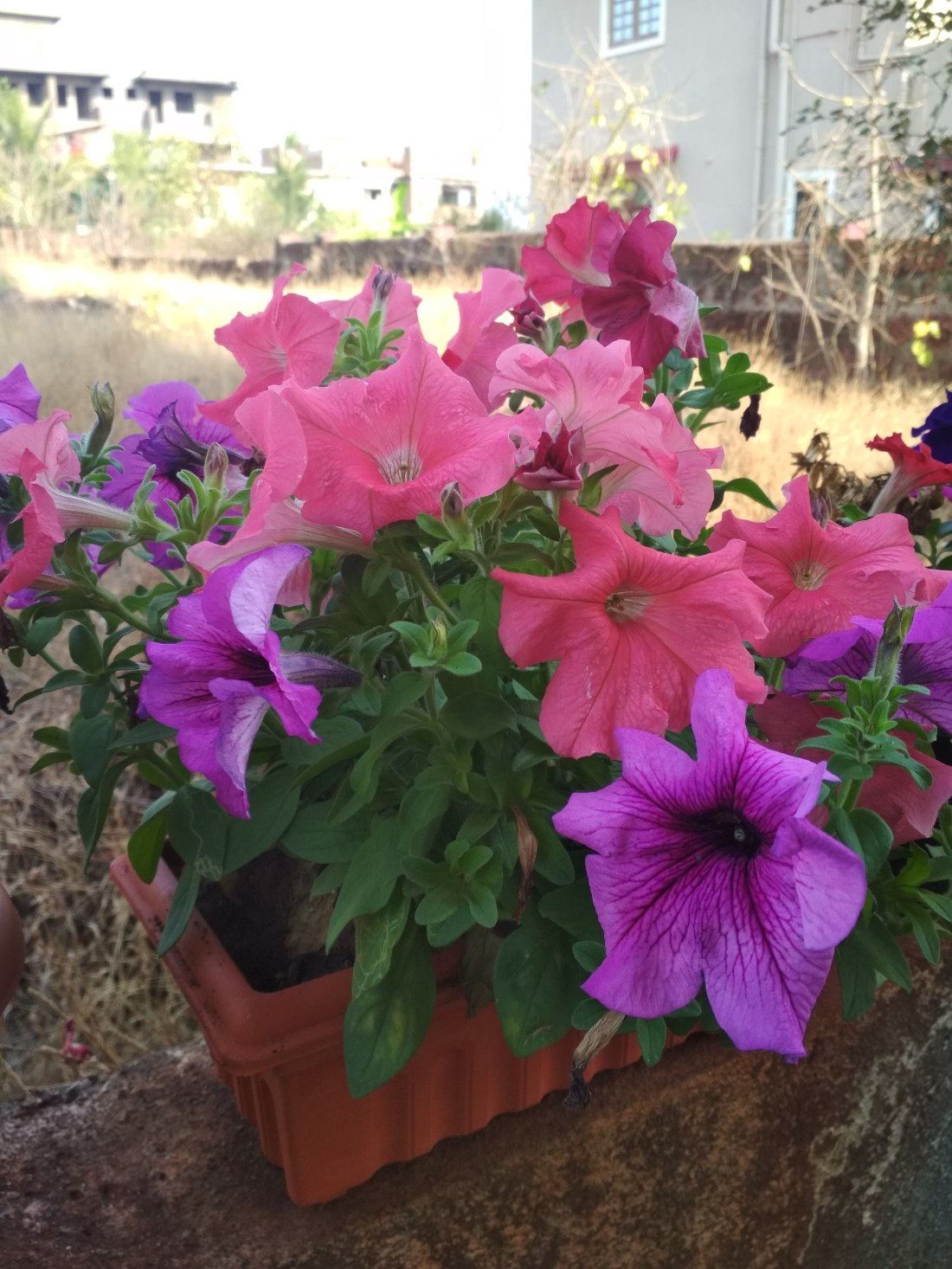
First up, let’s talk aesthetics. If you want to transform your terrace into a picturesque oasis, ornamental plants are your best friends. Think marigolds, petunias, pensy, dahlia, zinnia, and begonias, which add a pop of color and charm to your outdoor space. These beauties thrive in pots or containers, making them ideal for compact terraces. Furthermore, they require minimal maintenance, so even those with limited gardening experience can enjoy their vibrant blooms throughout the seasons.

2. Green Freshness: Herbs

Who doesn’t love the idea of plucking fresh basil for a caprese salad or mint for a mojito right from your terrace? Herbs like basil, mint, rosemary, and thyme flourish in pots or hanging baskets. They’re not only practical but also add a delightful fragrance to your space. Moreover, growing herbs on your terrace can promote sustainable living by reducing the need for store-bought herbs that often come in plastic packaging, making it an eco-friendly choice. Additionally, having these herbs readily available can inspire your culinary adventures, elevating your cooking and giving your dishes that special, homegrown touch.

3. Leafy Delights: Leafy Greens

If you’re into salads or simply want to enjoy the satisfaction of growing your own food, leafy greens are the way to go. Spinach, lettuce, and kale are space-efficient and perfect for terrace gardening. Plus, they’re packed with nutrients and freshness. To make the most of your terrace space, consider using vertical planters or tiered containers to maximize your leafy green yield. Additionally, growing your own greens allows you to have a constant supply of organic, pesticide-free produce at your fingertips, promoting a healthier lifestyle while reducing your carbon footprint. Experiment with different varieties and enjoy the versatility of these greens in your daily meals.

4. Sweet Rewards: Small Fruit Trees

Dreaming of picking your own fruits without needing a sprawling orchard? Well, dwarf varieties of fruit trees like apple, lemon, and fig are terrace-friendly and produce a modest yield of scrumptious fruits. They’re a bit of a long-term investment, but the taste is oh-so-worth-it. Additionally, small fruit trees can serve as both decorative and functional elements on your terrace, providing shade, privacy, and beauty as they blossom and bear fruit. Moreover, they offer a unique opportunity to connect with nature and experience the joy of harvesting your very own tree-ripened fruits, making your terrace truly special.


Similar Posts


5. Tropical Vibes: Palms and Succulents

If you want to infuse a bit of tropical paradise into your city life, consider palm trees and succulents. These low-maintenance wonders thrive in the warm, sunny conditions often found on terraces, and their unique aesthetics can transport you to a beachy haven. Furthermore, palms like the majesty palm or areca palm not only provide an exotic flair but also act as natural air purifiers, enhancing the overall air quality on your terrace. Additionally, the diversity of succulent species available allows you to create stunning arrangements that require minimal watering, making them an excellent choice for busy urban dwellers seeking a touch of natural beauty in their daily lives.

6. Aromatic Bliss: Lavender and Jasmine

Want your terrace to be a fragrant escape? Lavender and jasmine are perfect choices. Their soothing scents can turn your small outdoor space into a mini spa retreat. Additionally, these aromatic plants have been known for their relaxation-inducing properties, making them ideal for creating a tranquil ambiance for meditation or simply unwinding after a long day. Incorporate them into your terrace design, and you’ll have a sensory oasis that enhances your well-being and offers a refreshing break from the hustle and bustle of daily life.

7. Vertical Greenery: Climbing Plants

Don’t forget the vertical space! Climbing plants like ivy, morning glory, nasturtium, english ivy, and money plants can transform your terrace into a lush, green haven. They also provide a natural privacy screen and shade. Moreover, vertical greenery can help reduce ambient temperatures on your terrace, making it a more comfortable place to spend time during the hot summer months. These climbing plants not only beautify your space but also contribute to a healthier microenvironment, promoting biodiversity by attracting beneficial insects and birds, thus adding to the overall vibrancy of your outdoor oasis.

Conclusion:

Remember, successful terrace gardening is all about understanding your space, its microclimate, and the specific needs of your chosen plants. Make sure you provide the right containers, well-draining soil, and ample sunlight. Regular watering and occasional fertilization are the keys to keeping your green buddies happy.

So, there you have it, fellow terrace gardeners! Whether you’re aiming for a picturesque paradise or a bountiful harvest, there’s a wide range of plants waiting to thrive on your terrace. Start planting, and watch your urban oasis grow and flourish.

Happy gardening!