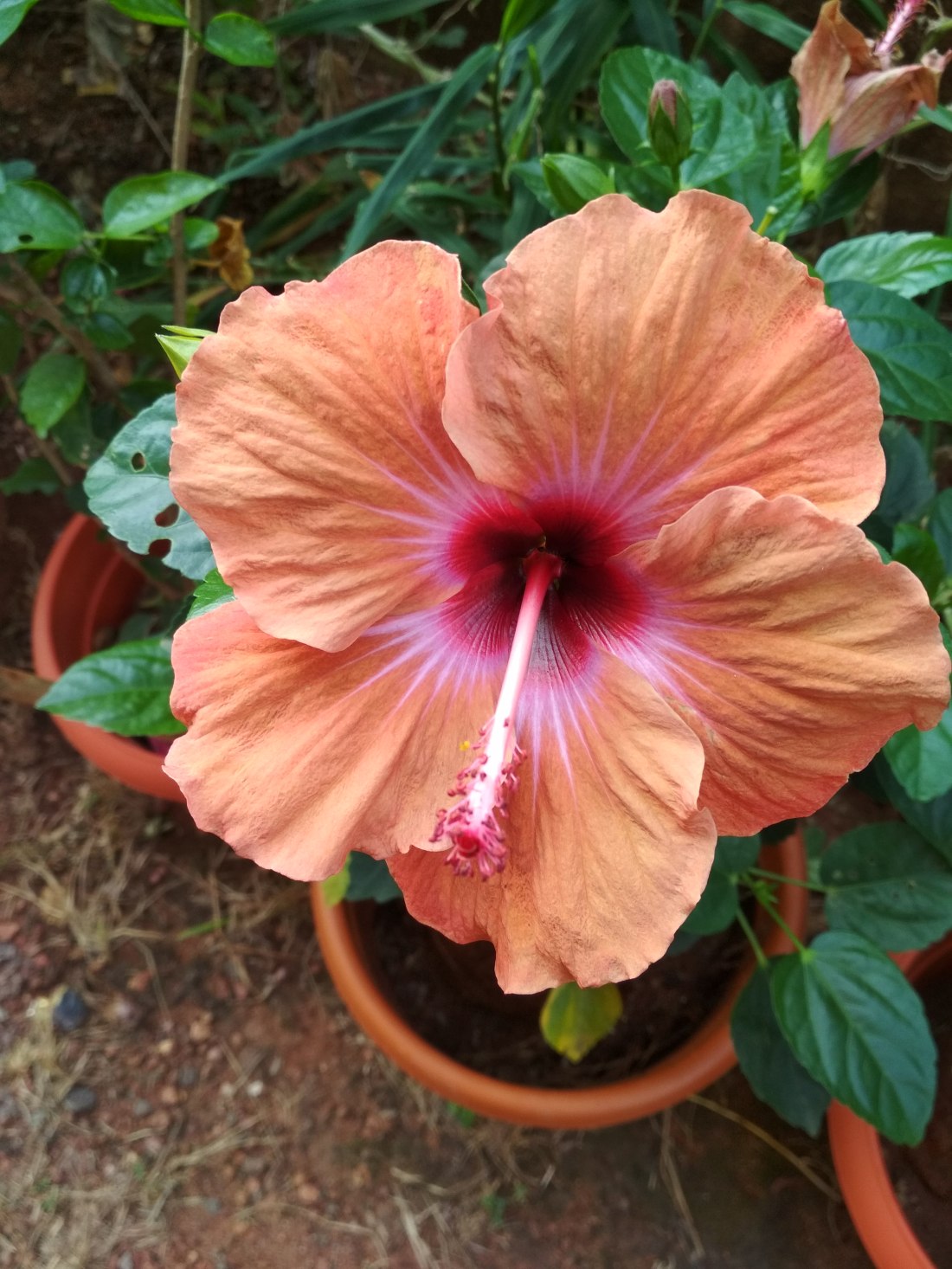
Unveiling the Art and Science of Hibiscus Hybridization: Breeding Blooms for Beauty and Resilience!

Introduction:

Hibiscus, with its captivating blooms and vibrant colors, has been a garden favorite for centuries. The beauty of hibiscus lies not only in its natural charm but also in the world of possibilities that opens up through hybridization. The process of hibiscus hybridization combines both art and science, allowing horticulturists and enthusiasts to create new varieties with unique traits. In this exploration, we will dive into the intricate world of hibiscus hybridization, understanding the methods, benefits, and the fascinating journey of breeding blooms for beauty and resilience.

Understanding Hibiscus Hybridization:

Hibiscus hybridization involves the controlled cross-breeding of two different hibiscus plants to produce offspring with desirable characteristics. This process aims to combine specific traits from each parent plant, such as color, size, shape, and disease resistance, to create a new and improved hibiscus variety.

Methods of Hibiscus Hybridization:

Hand Pollination:

Hand pollination is a common method in hibiscus hybridization. Breeders carefully select parent plants based on desired traits and manually transfer pollen from the male parent (anther) to the female parent (stigma) using a brush or other tools. This controlled pollination ensures the inheritance of specific characteristics.

Natural Pollination:

In some cases, hibiscus hybridization occurs through natural pollination, where bees, butterflies, or other pollinators transfer pollen between hibiscus plants. While this method is less controlled, it can result in unexpected and unique hybrids.

Embryo Rescue:

Embryo rescue is a technique used when certain hibiscus hybrids may not develop properly on their own. It involves removing embryos from developing seeds and cultivating them in a nutrient-rich medium until they can be planted and grown into mature plants.


Similar Posts


Benefits of Hibiscus Hybridization:

Color Variation:

One of the primary goals of hibiscus hybridization is to introduce new and vibrant colors to the blooms. Hybridization allows breeders to create hibiscus varieties with unique shades and color patterns, expanding the palette beyond the naturally occurring colors.

Size and Shape:

Hybridization enables the modification of flower size and shape. Breeders can experiment with creating larger or smaller blooms, as well as altering petal arrangements and overall flower structure to enhance visual appeal.

Disease Resistance:

Creating hibiscus varieties with increased resistance to pests and diseases is a crucial aspect of hybridization. By combining the natural resilience of certain species, breeders can produce hybrids that are hardier and less susceptible to common hibiscus ailments.

Adaptability:

Hybridization allows for the development of hibiscus varieties that can thrive in various environmental conditions. This adaptability is particularly valuable for expanding the range of hibiscus cultivation, making it possible to grow these beauties in diverse climates.

The Fascinating Journey of Hibiscus Hybridization:

Selection of Parent Plants:

The journey begins with the careful selection of parent plants, each chosen for specific desirable traits. This may involve assessing a plant’s color, size, shape, and any unique characteristics it possesses.

Pollination and Cross-Breeding:

Whether through hand pollination or natural pollination methods, the pollen from the selected male parent is introduced to the stigma of the chosen female parent. This deliberate cross-breeding sets the stage for the creation of a hybrid.

Seed Development and Germination:

Once pollination is successful, seeds develop in the hibiscus pods. Breeders carefully collect and store these seeds until the germination process begins. Each seed harbors the potential for a unique hibiscus hybrid.

Seedling Selection and Cultivation:

As the seeds germinate, breeders carefully observe and select seedlings based on their growth characteristics and adherence to the desired traits. These selected seedlings are then cultivated to maturity.

Evaluation and Naming:

The mature hibiscus plants are thoroughly evaluated for the expression of desired traits. If the hybrid meets the breeder’s expectations, it is officially named and introduced to the world of horticulture.

Conclusion:

Hibiscus hybridization is a captivating blend of artistry and scientific precision, opening up new horizons for horticultural enthusiasts. The process allows us to witness the creation of hibiscus varieties that transcend the limitations of nature, offering an array of colors, sizes, and disease-resistant traits. As hybridizers continue to explore the possibilities, the world of hibiscus will undoubtedly bloom with new and enchanting varieties, each telling a unique story of creativity and innovation. Embrace the beauty of hibiscus hybridization and the remarkable blooms it brings forth, adding a touch of splendor to gardens around the globe. Happy hybridizing!

Happy Gardening!
Hibiscus: Queen Of My Garden!

This blog is dedicated to all hibiscus lovers. Here I am writing about a brief history of hibiscus and how I went gaga for this lovely blossom. I stay in the western coast of India. Right now, I own 36 varieties of hibiscus and searching for new varieties in the nursery and also online sites. Plz, help me in my endeavor.

I searched many websites for different varieties of hibiscus but unable to find any useful sites. There are some sites which offer common varieties but the price ranges between Rs.250 to Rs.500. I found one useful site which offers many varieties, but the price is over my budget as they are selling it in dollars. If you want to check, then this is the link.

Normally, I buy all of my garden plants from a nearby nursery. Each hibiscus plant costs Rs. 50 each (without pots). These plants are always in a healthy condition and have lots of buds.

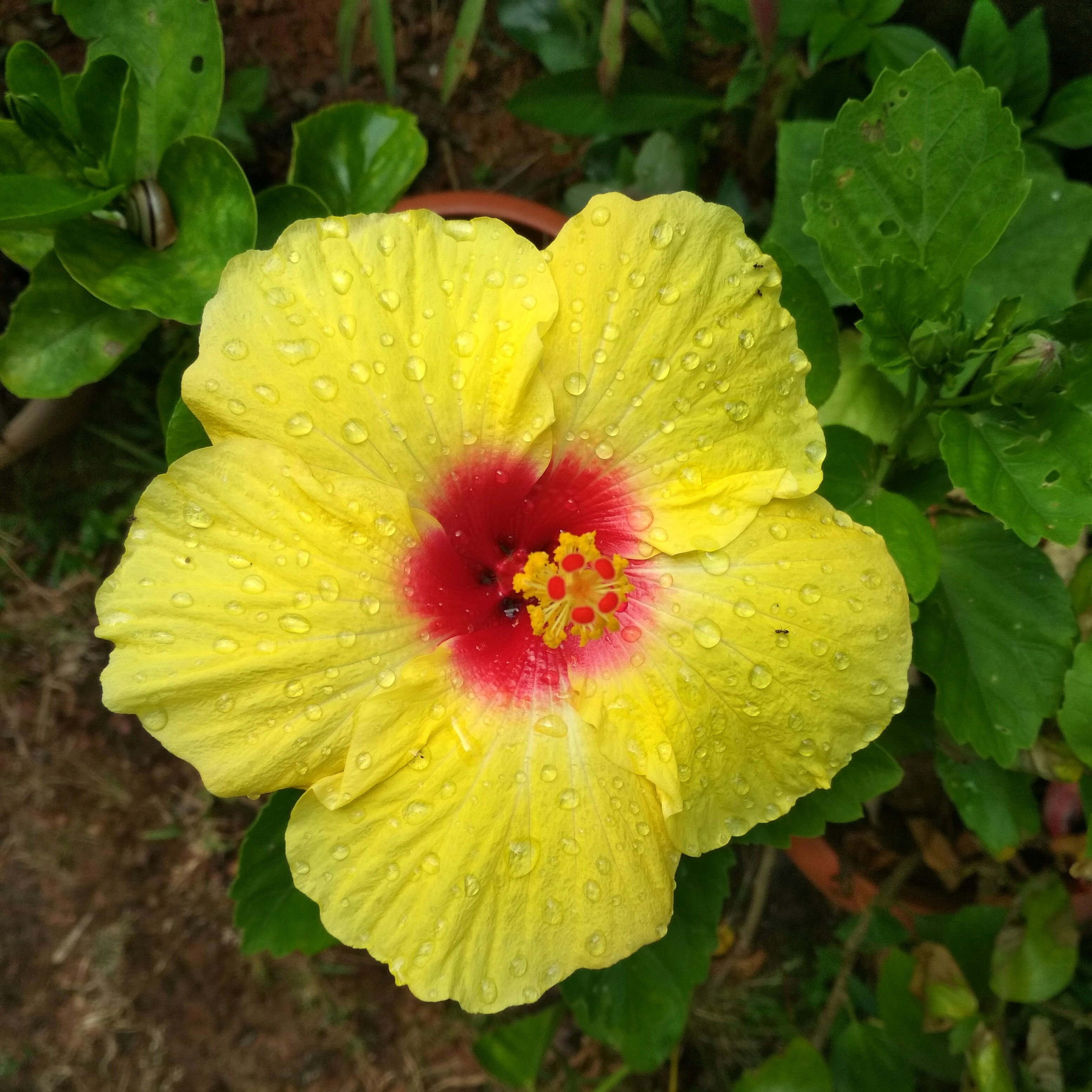
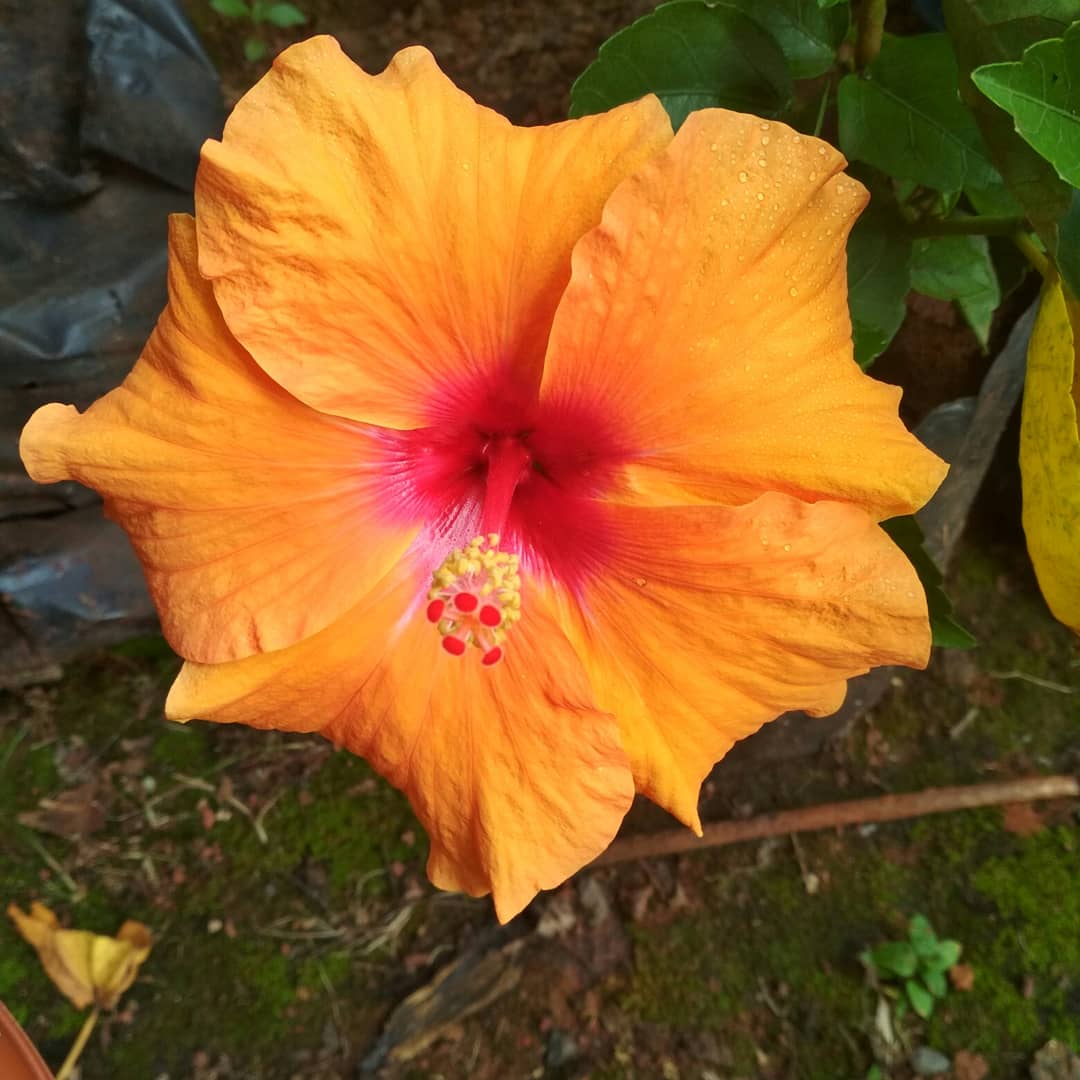
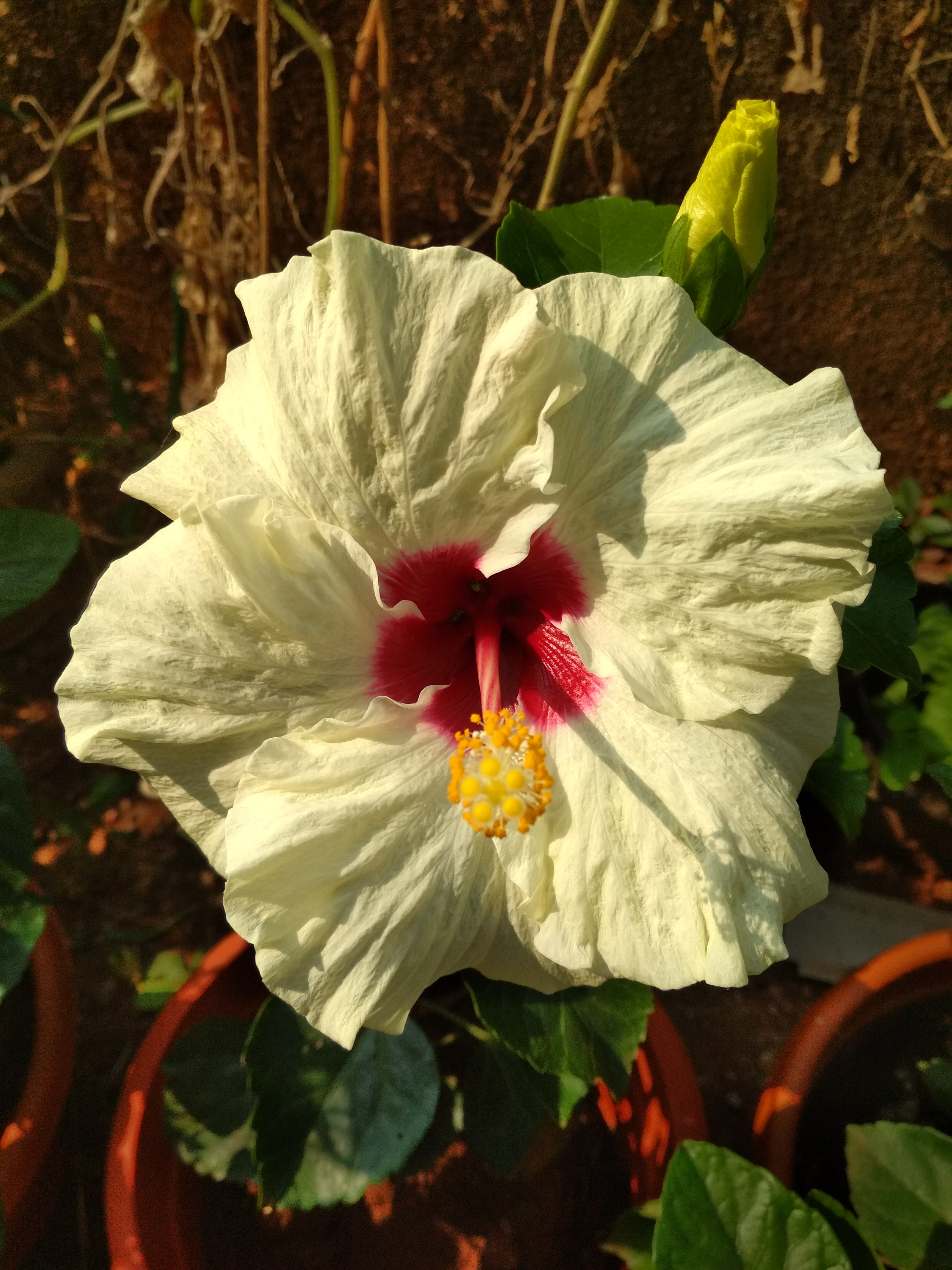
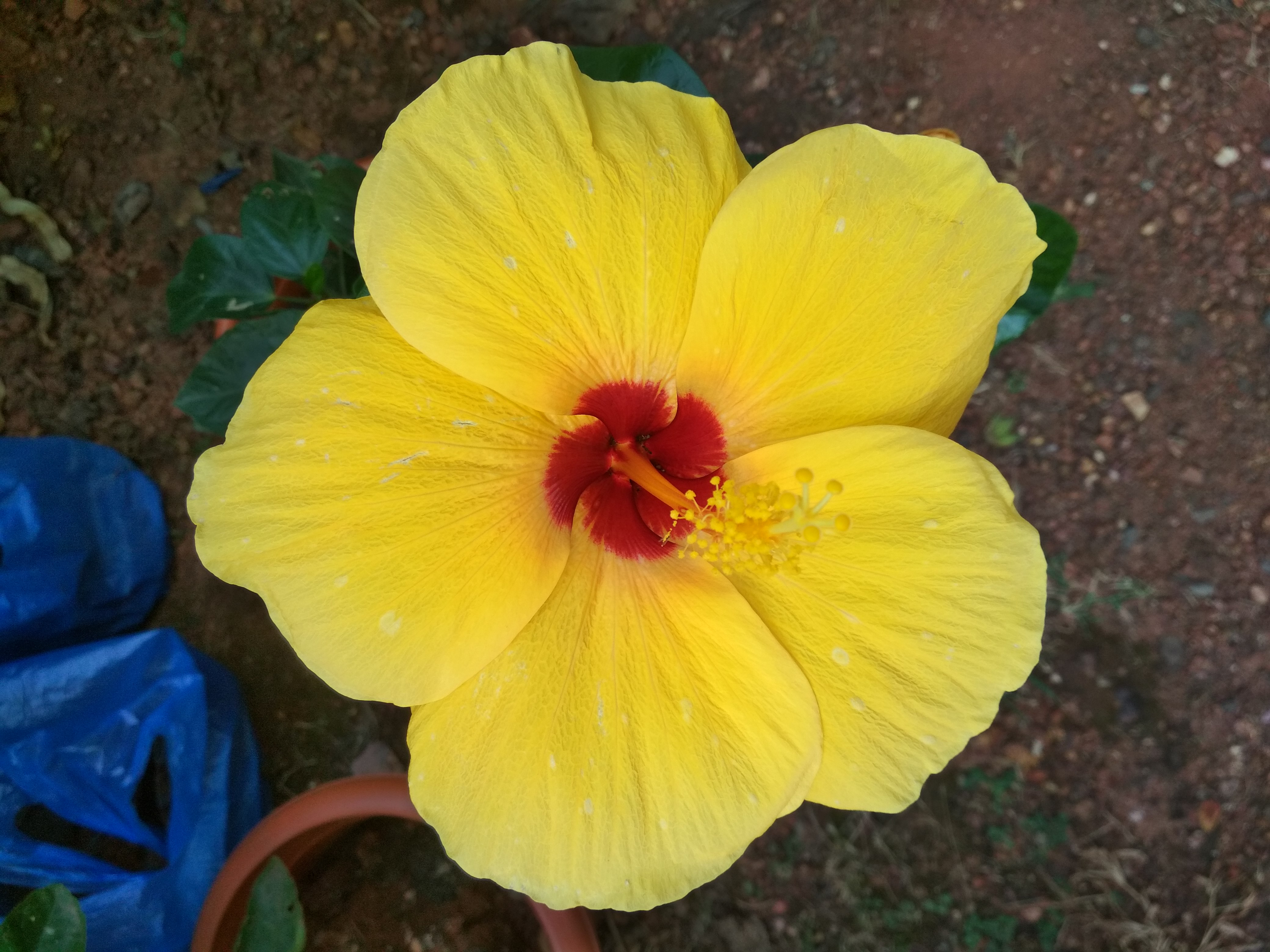
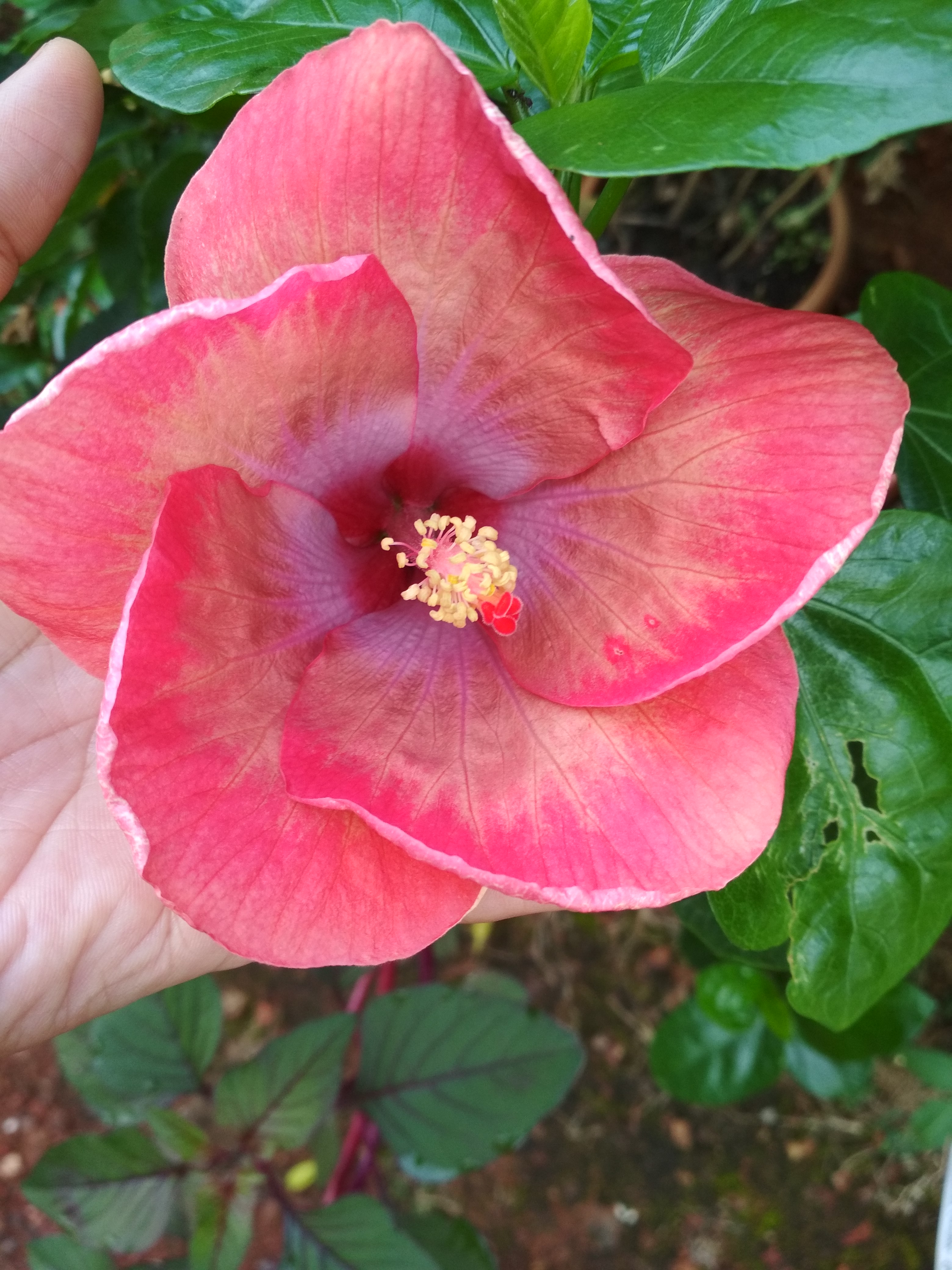
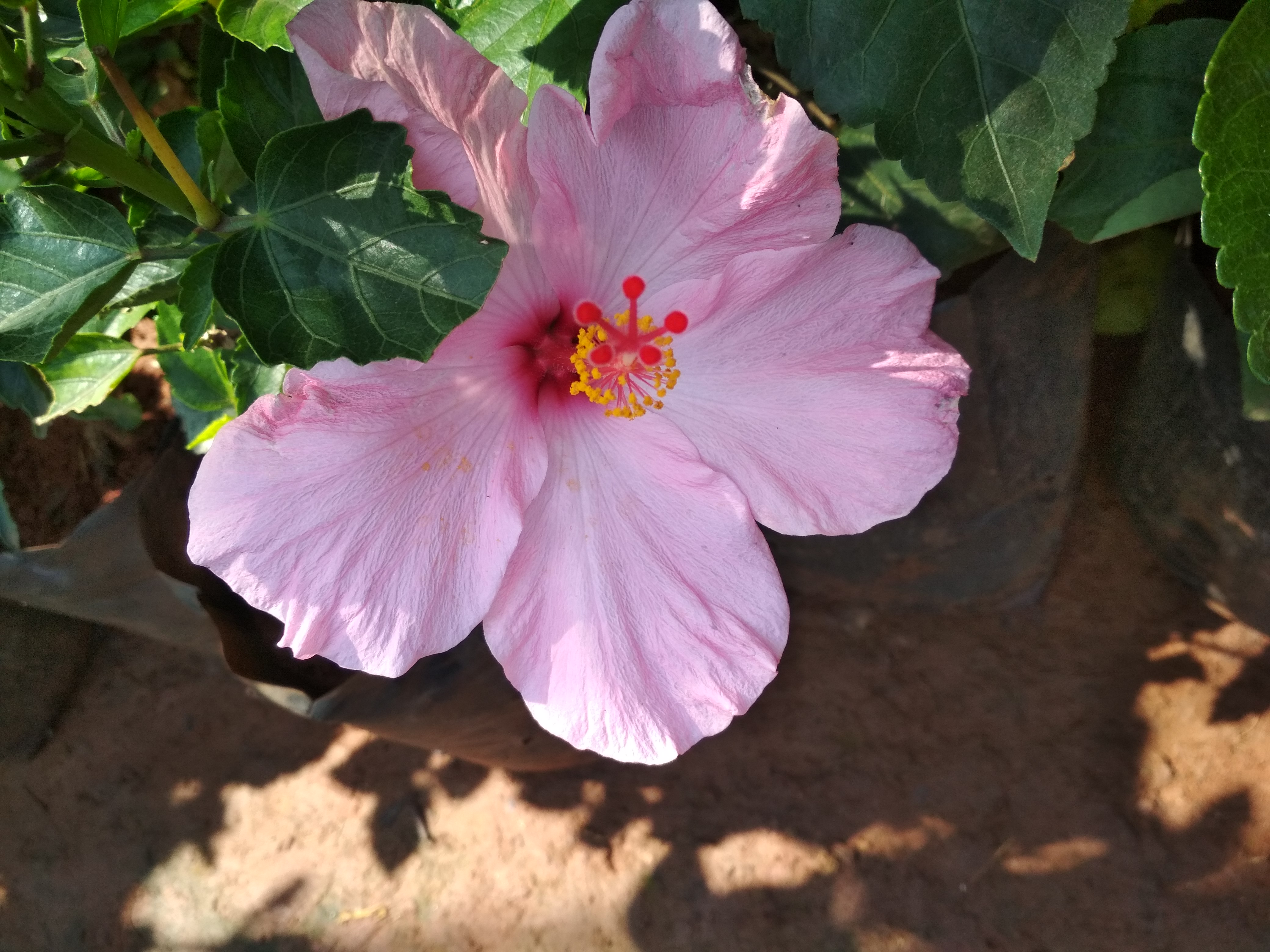
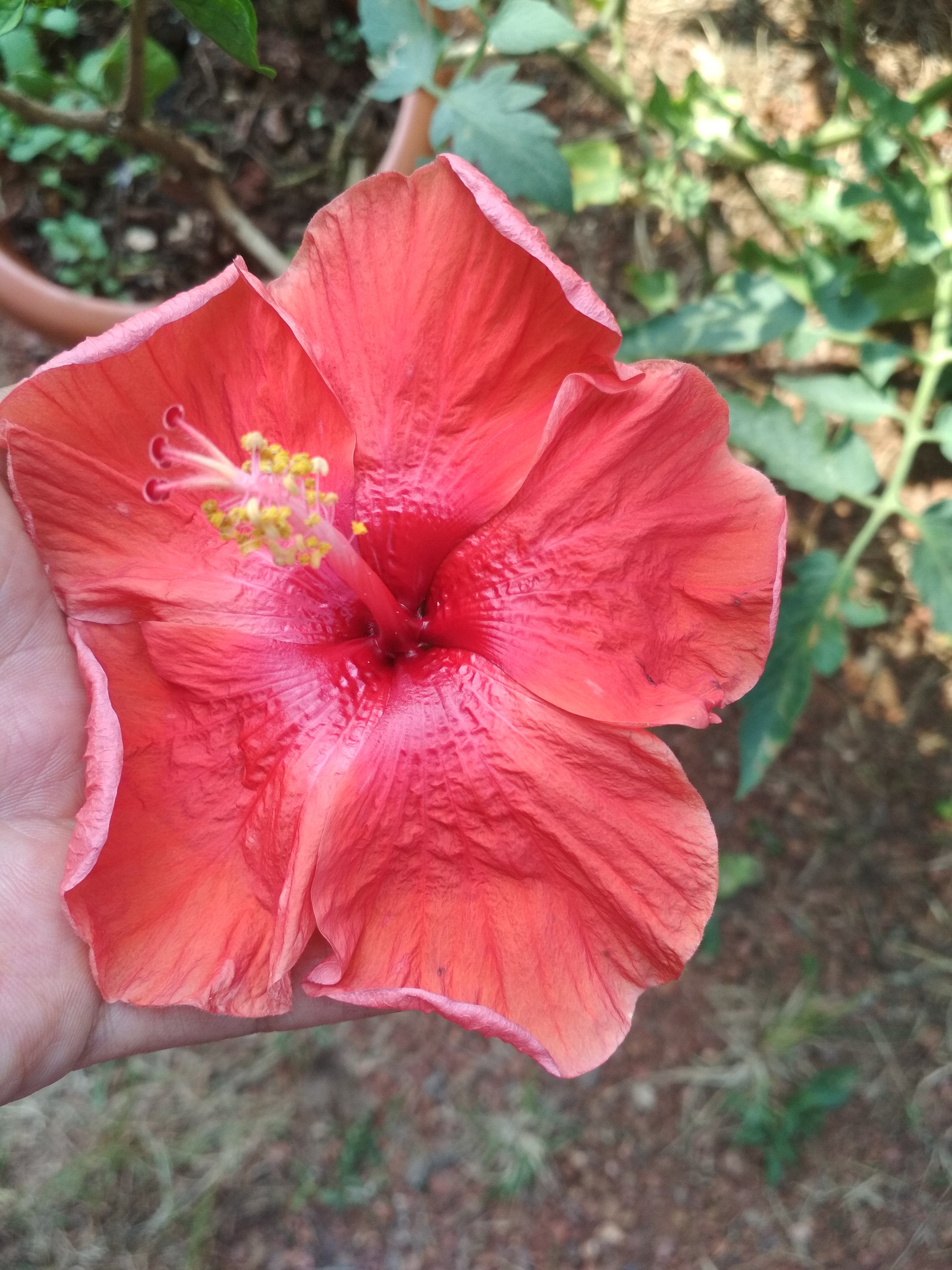
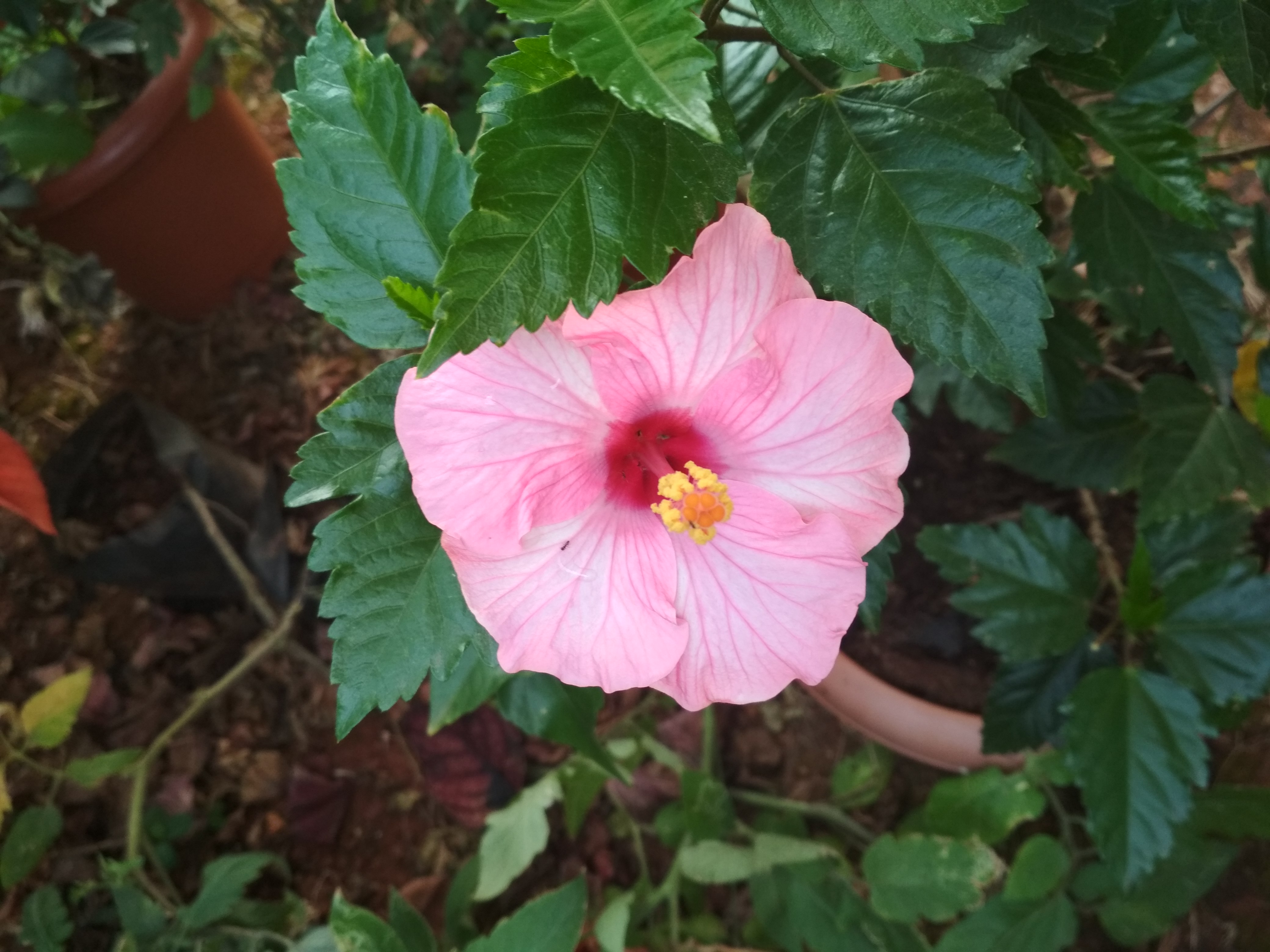
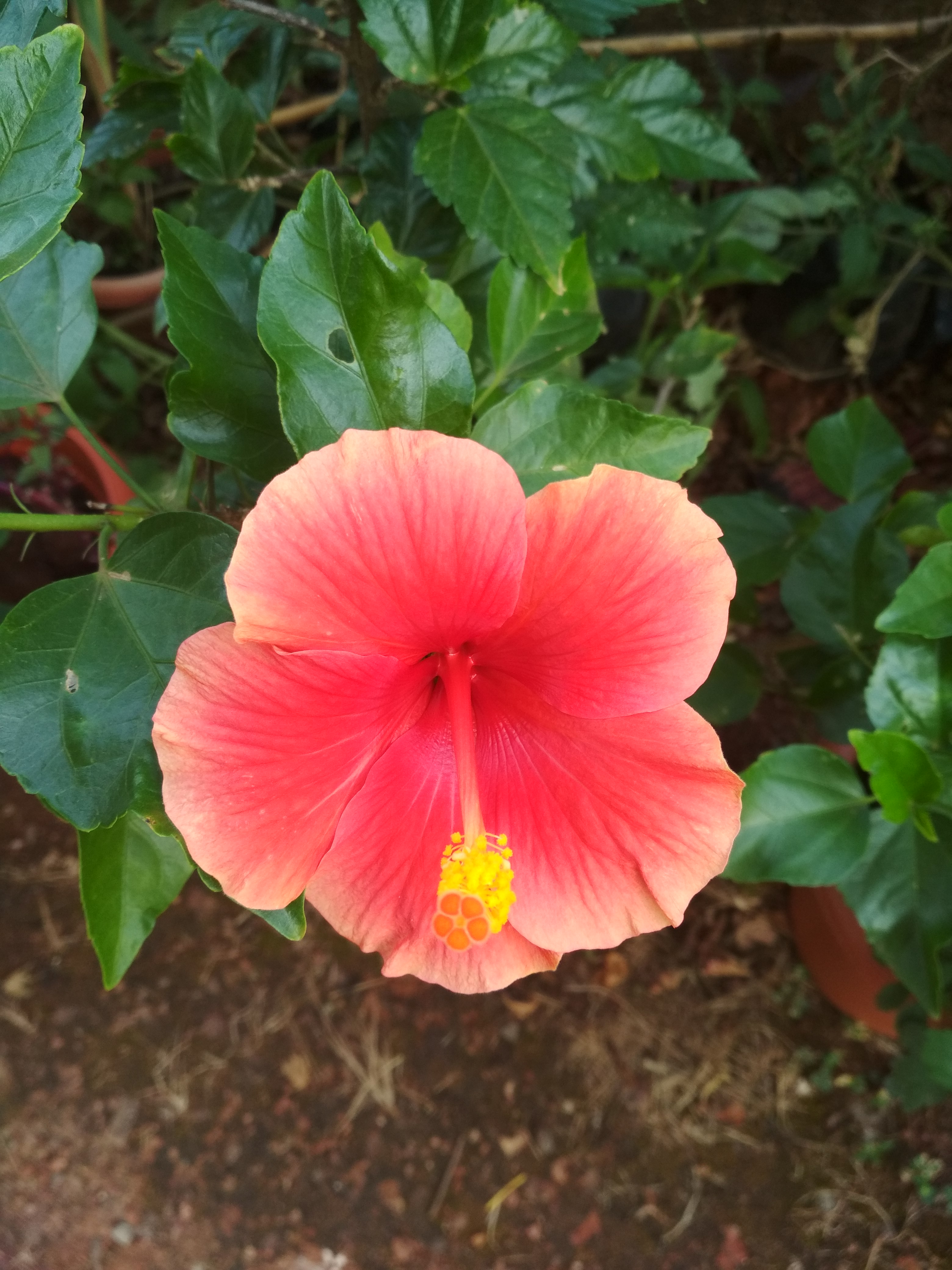
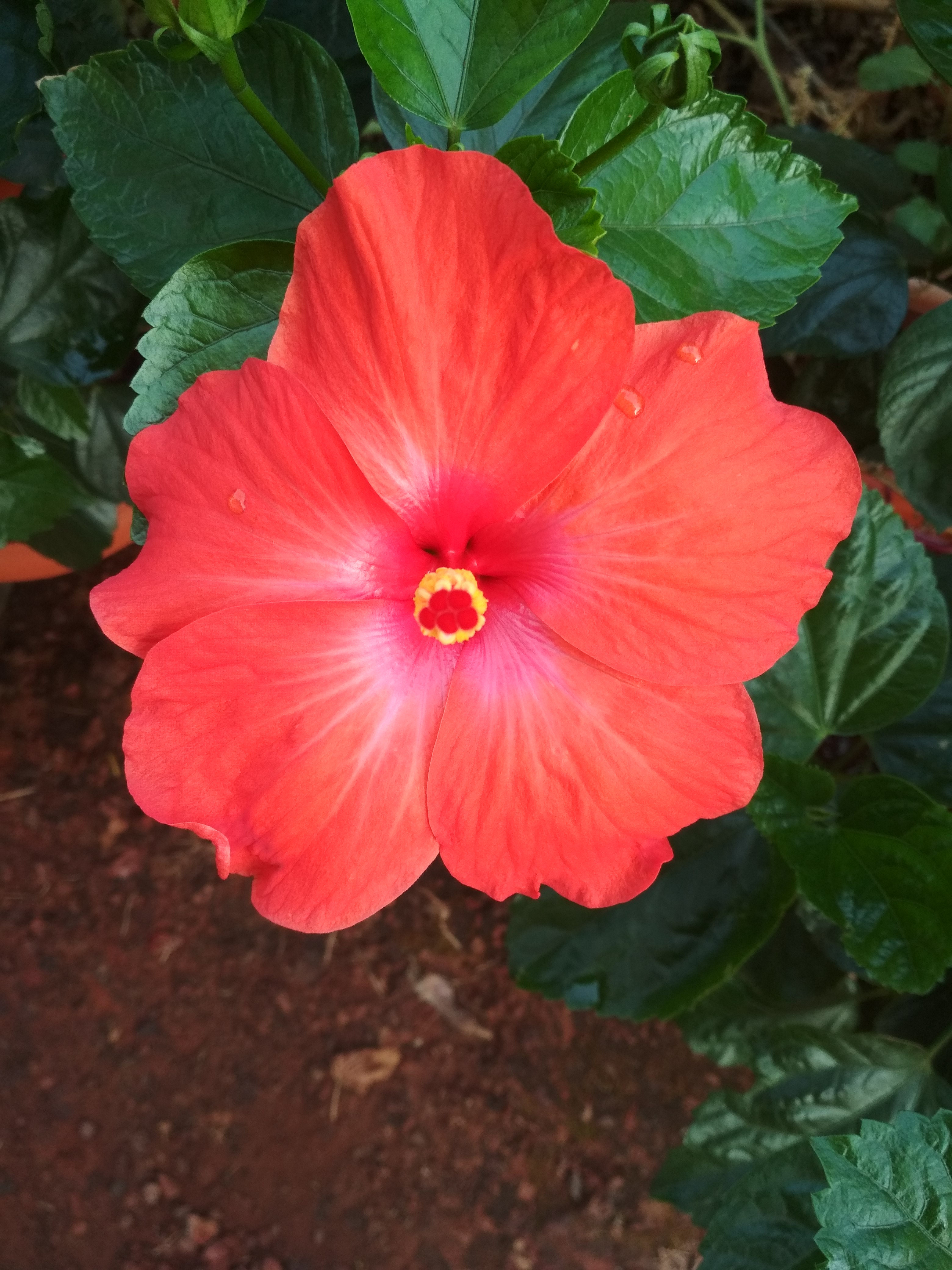
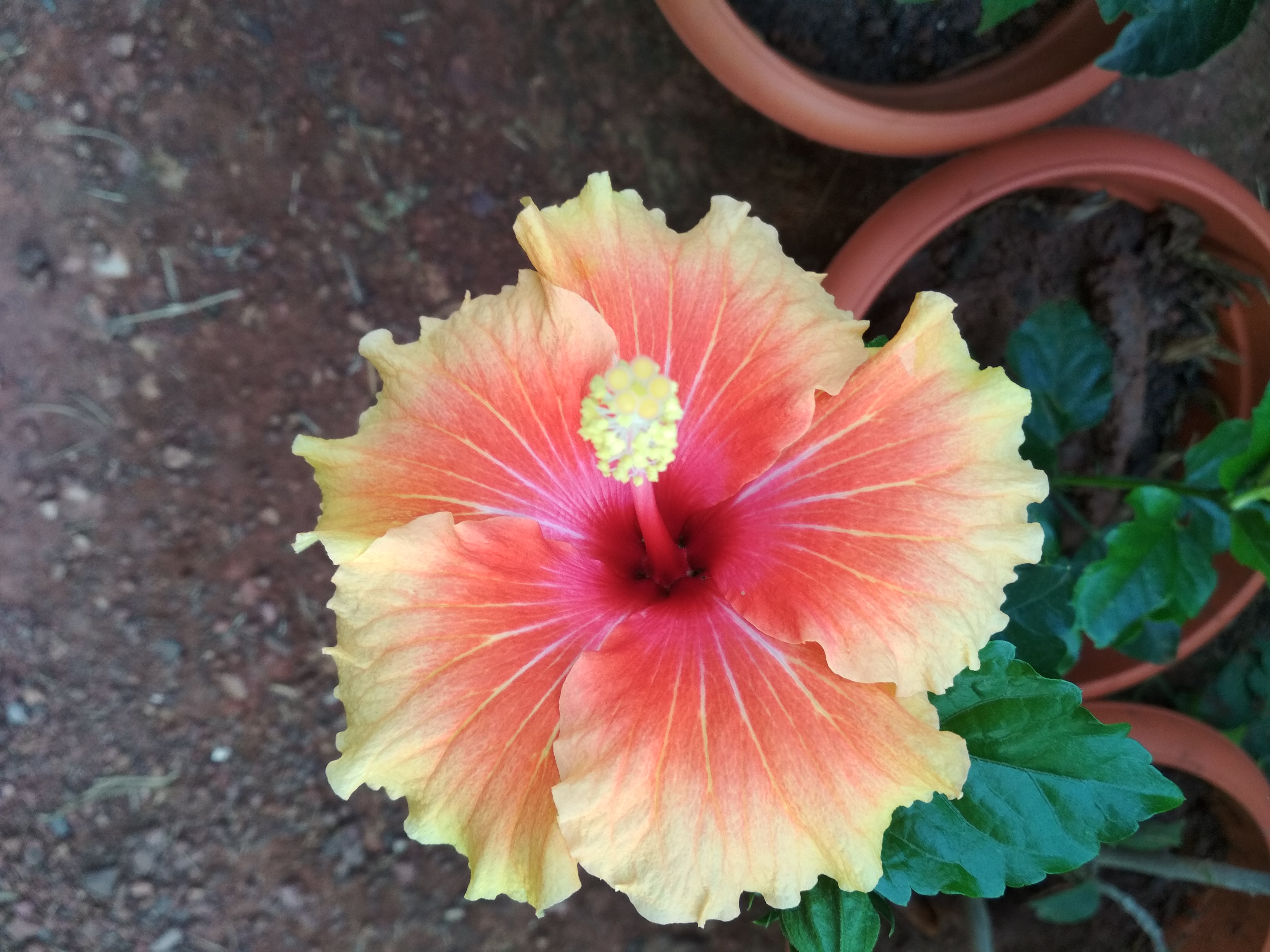
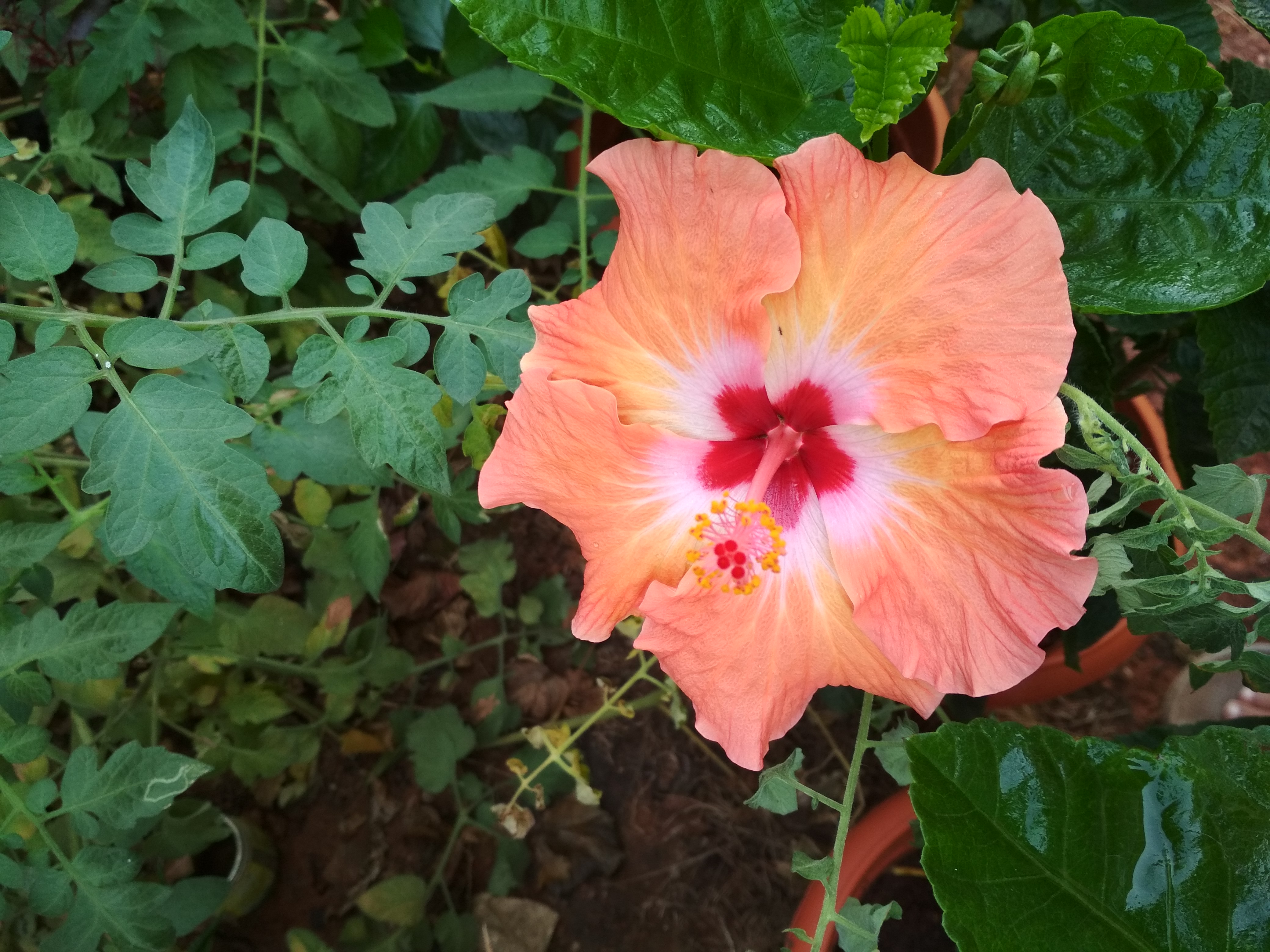
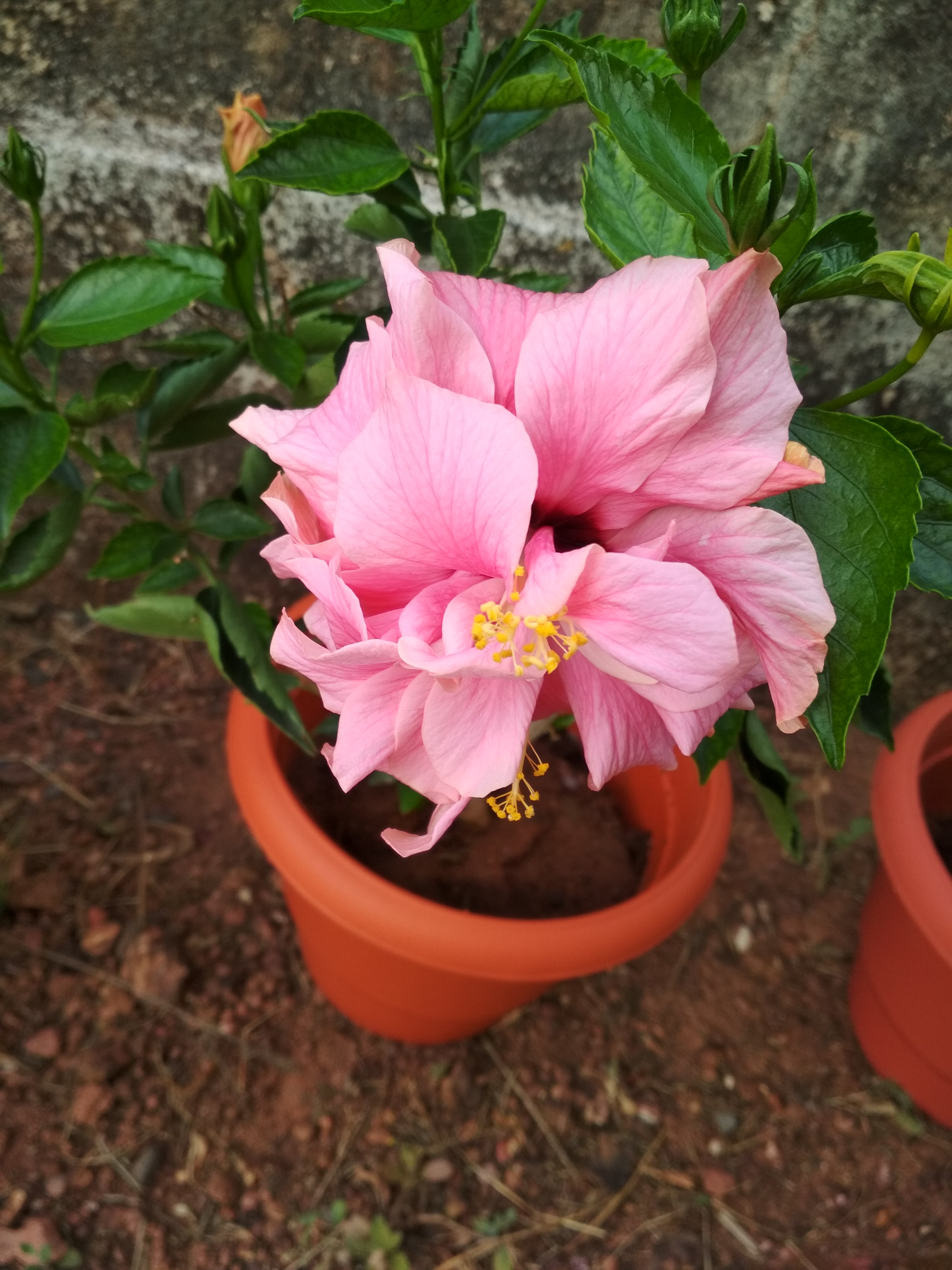
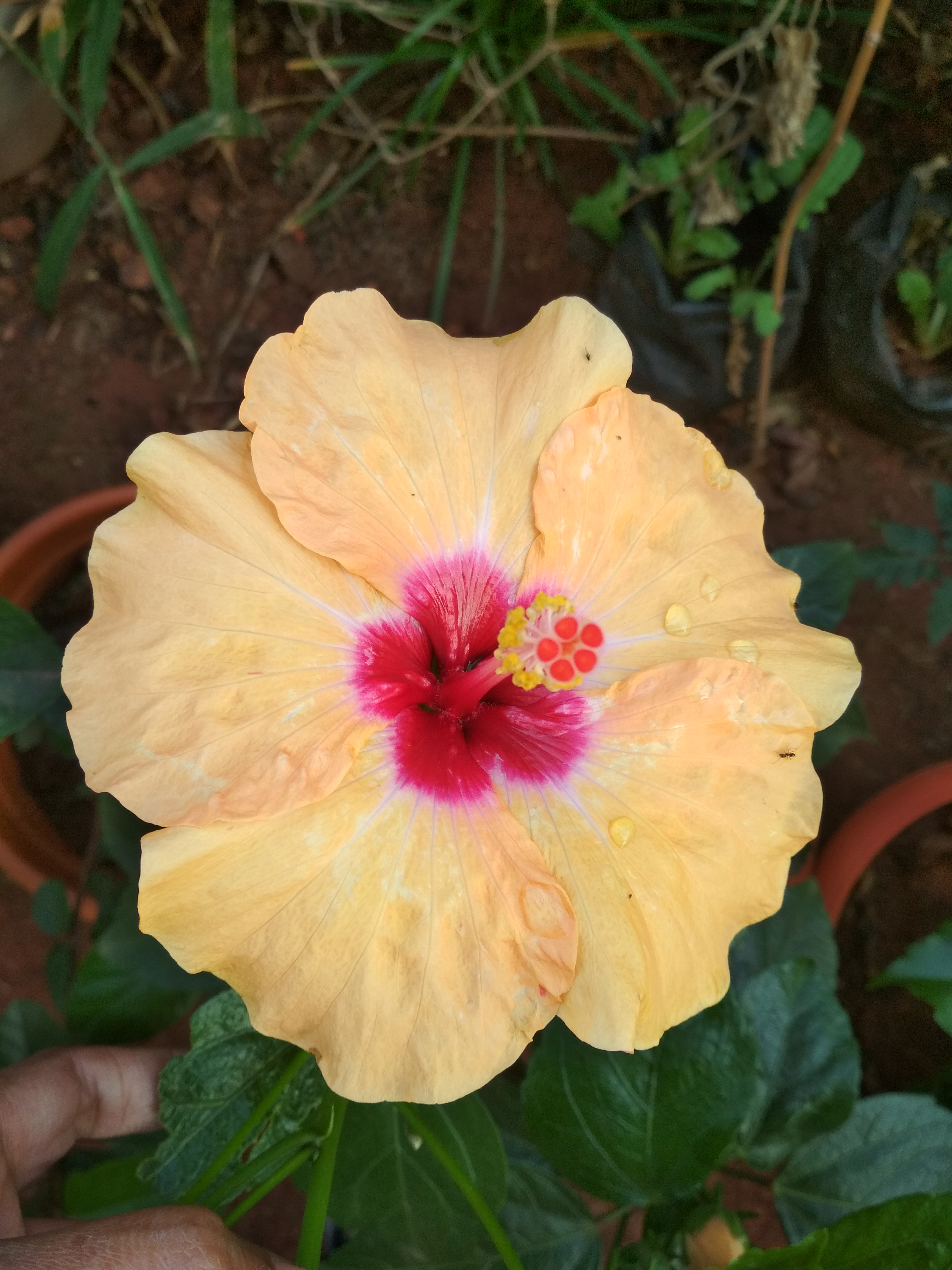
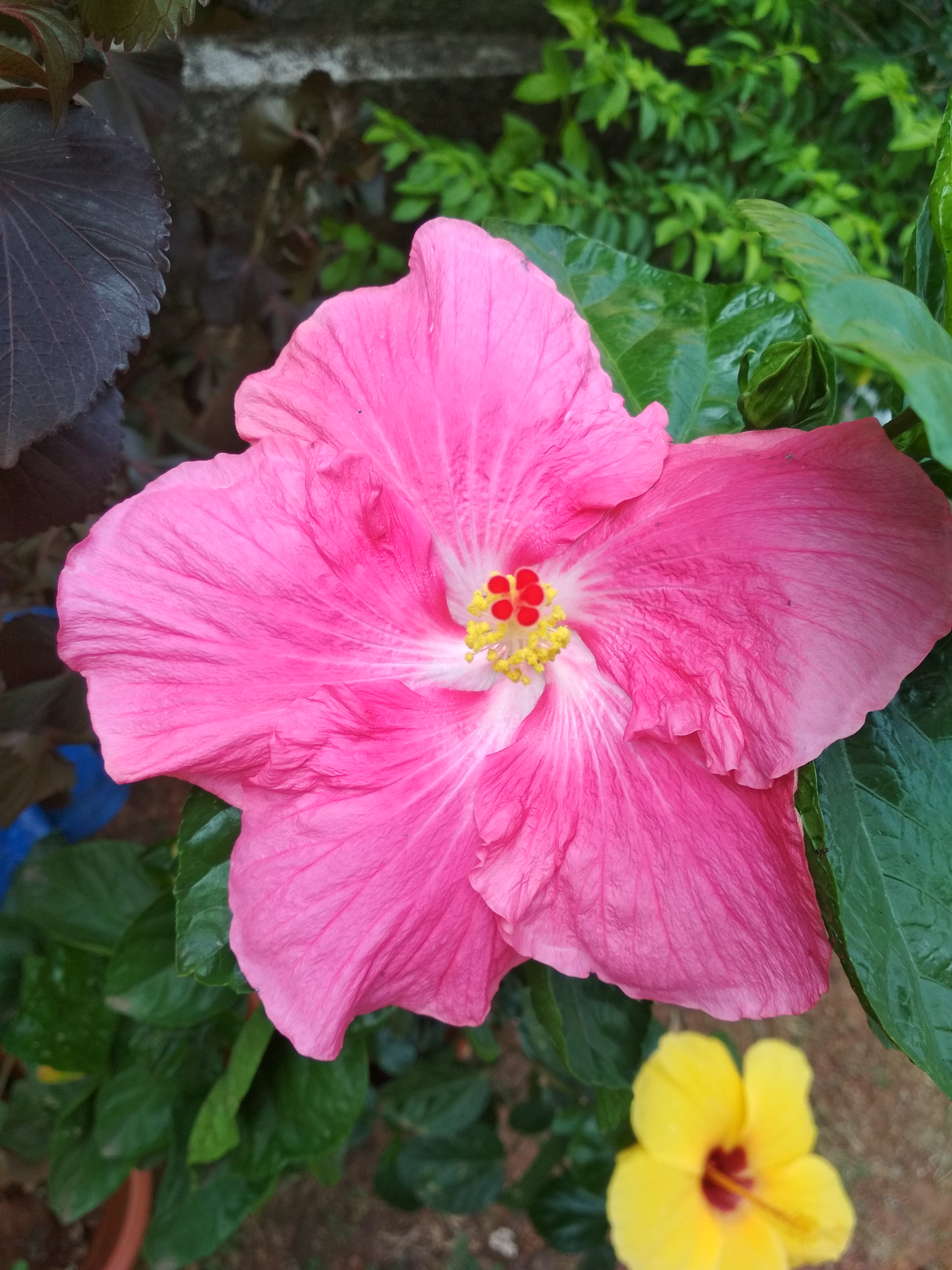
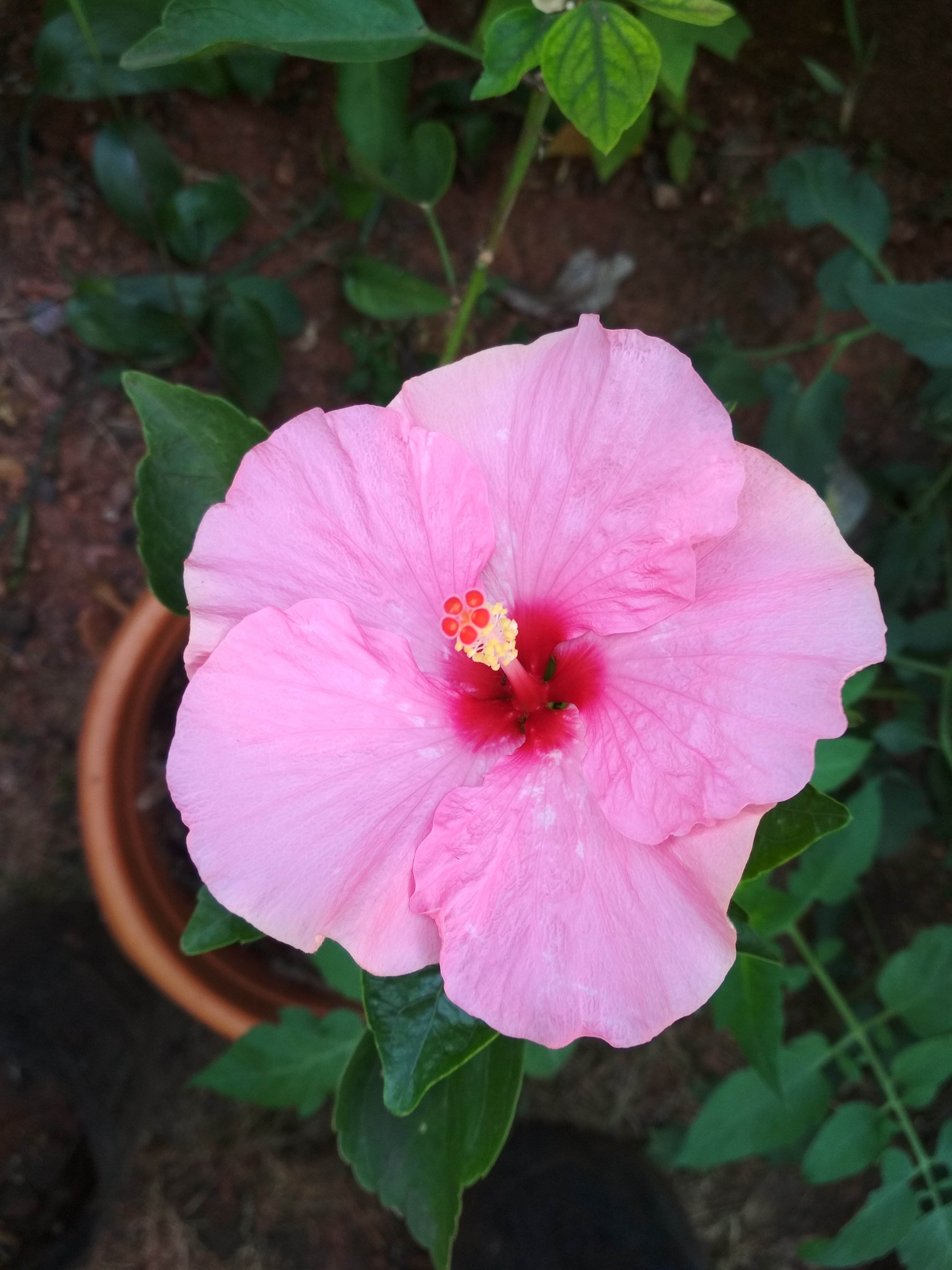
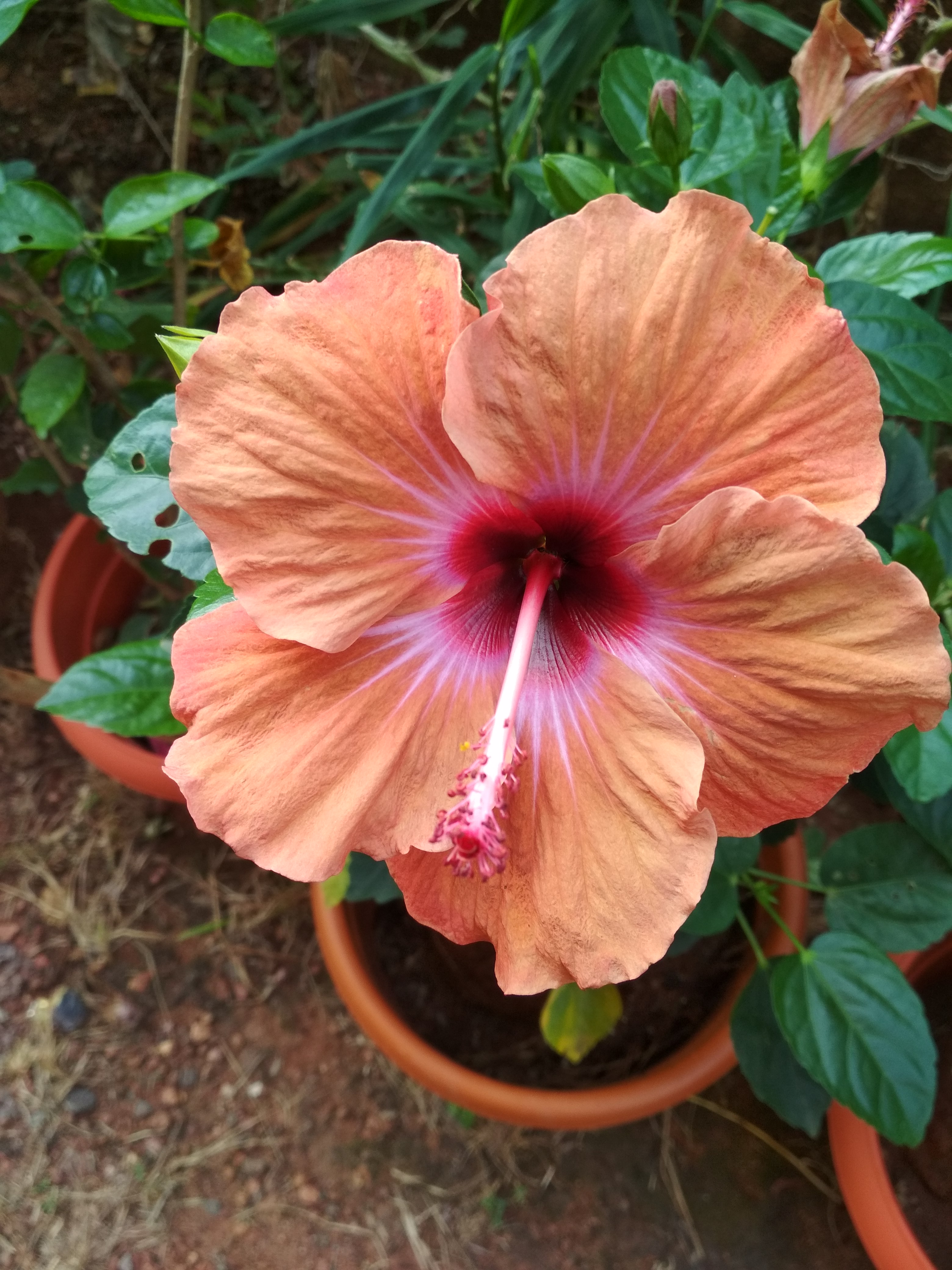
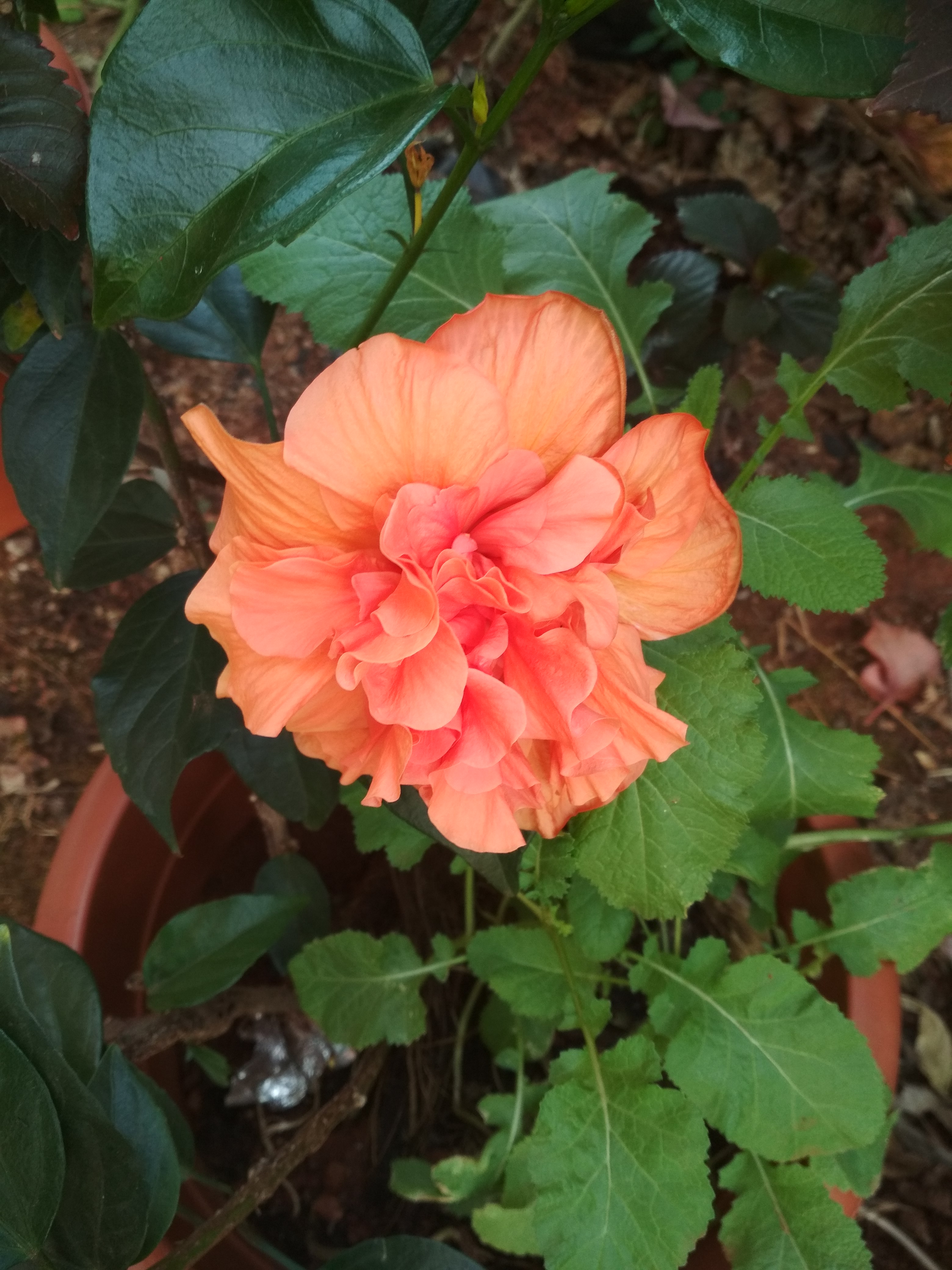
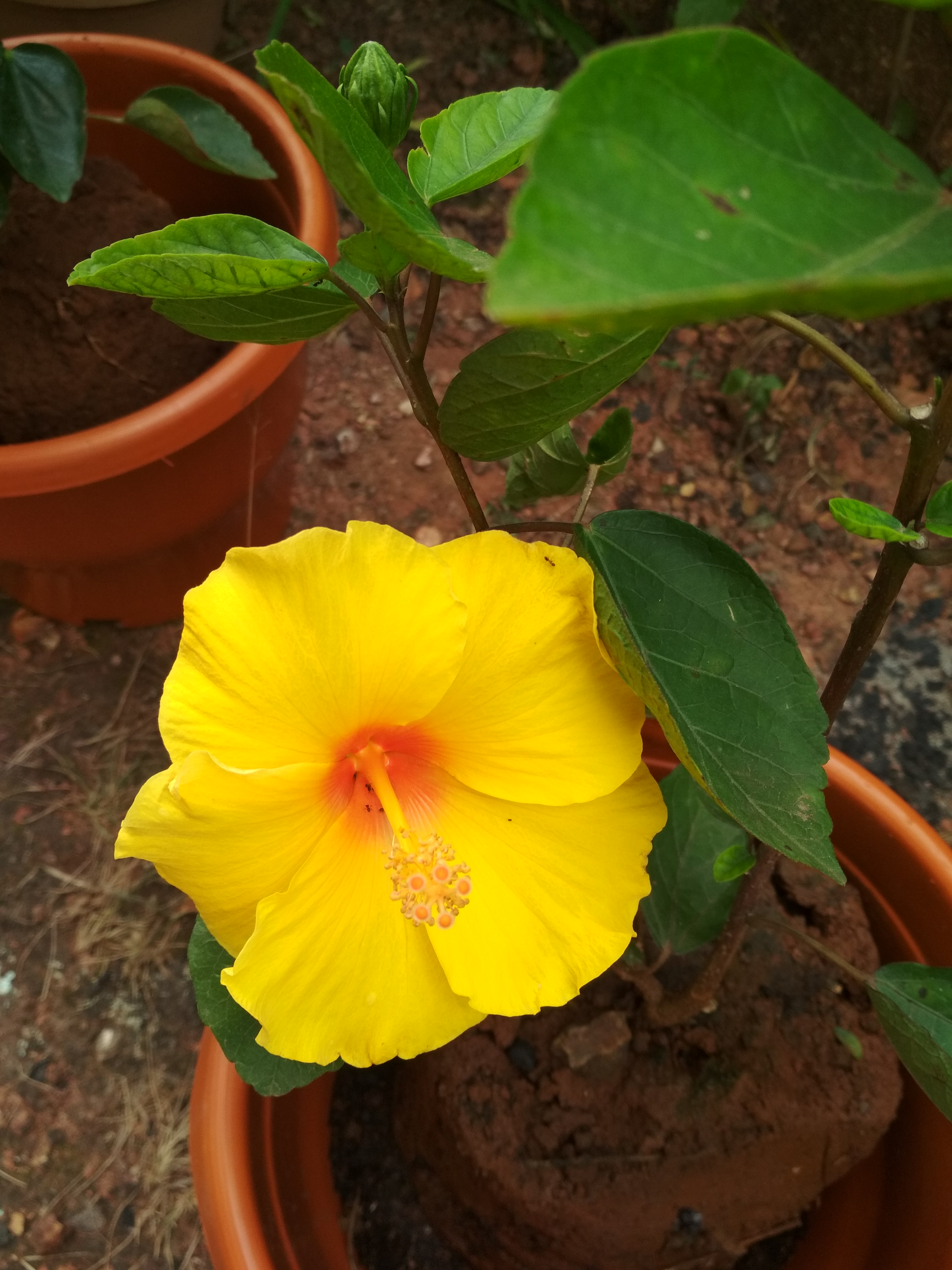
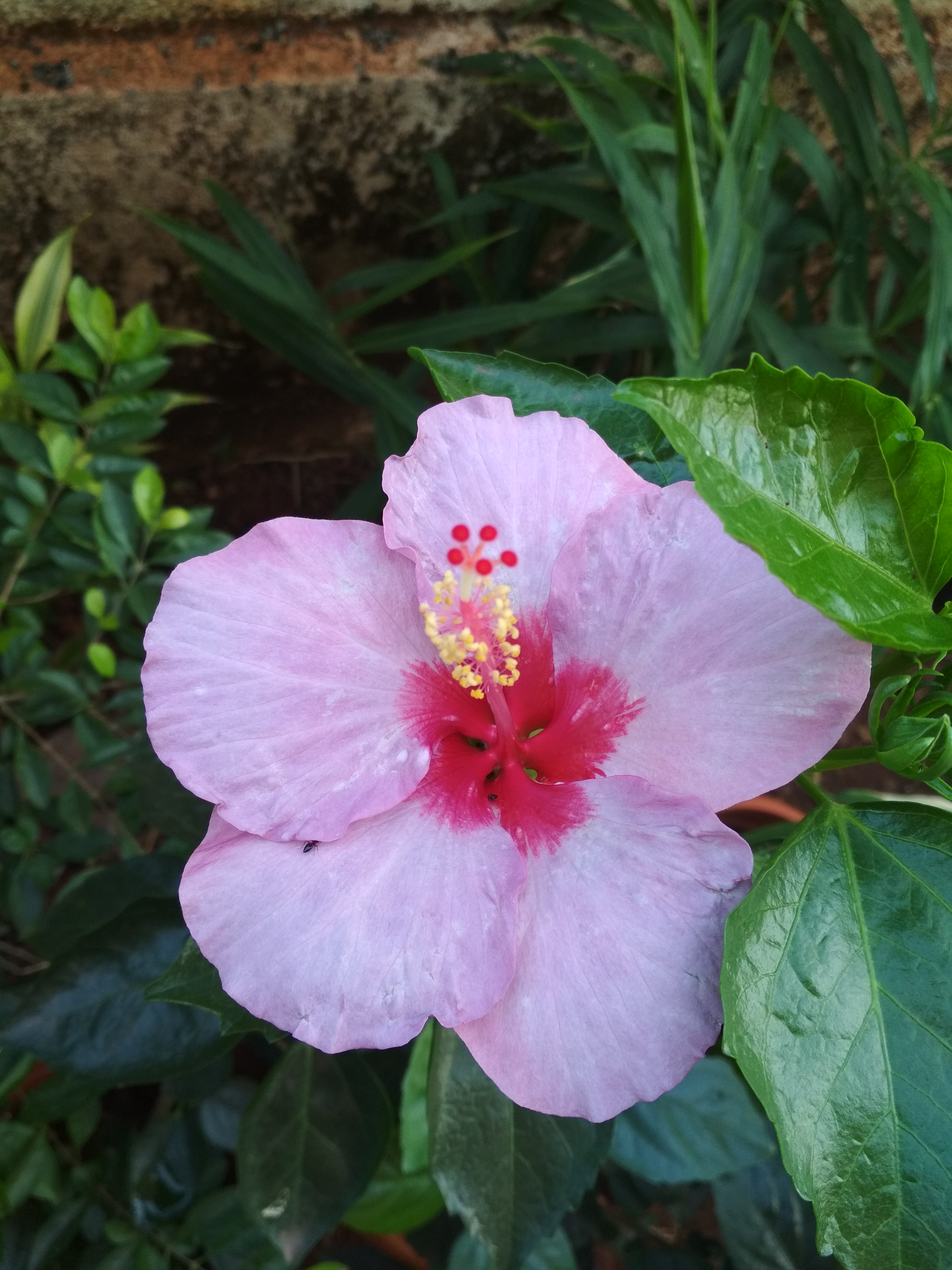
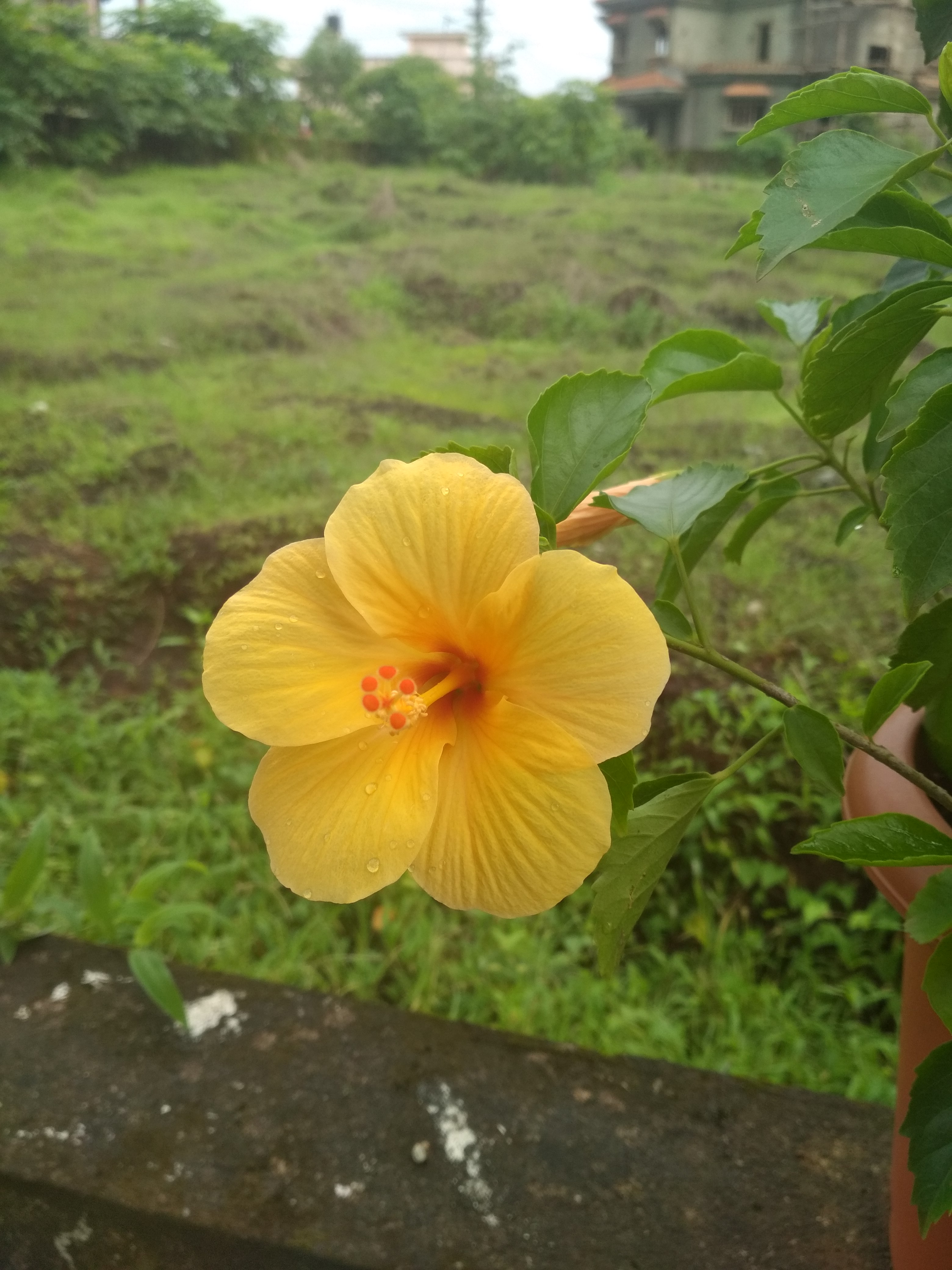
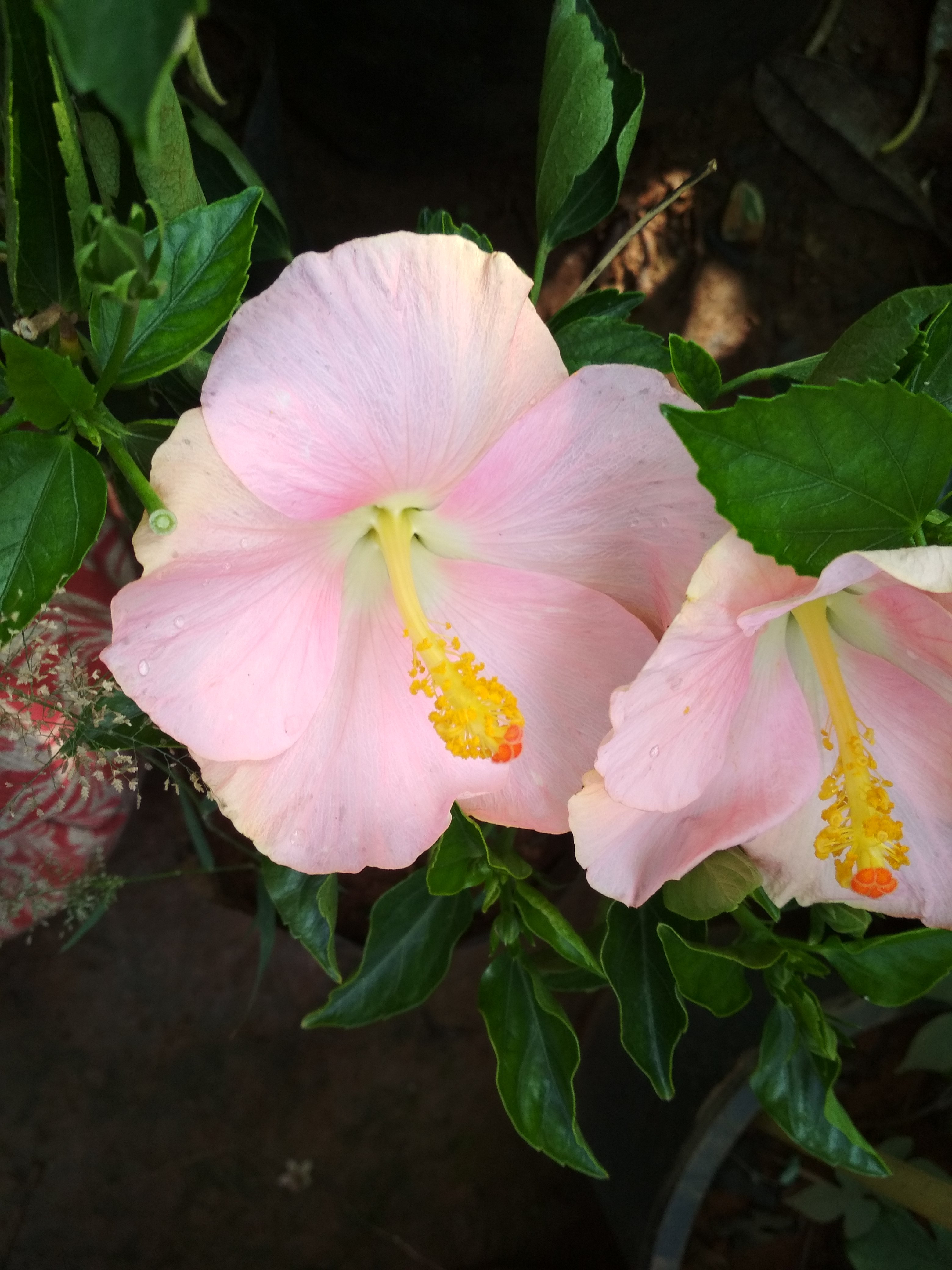
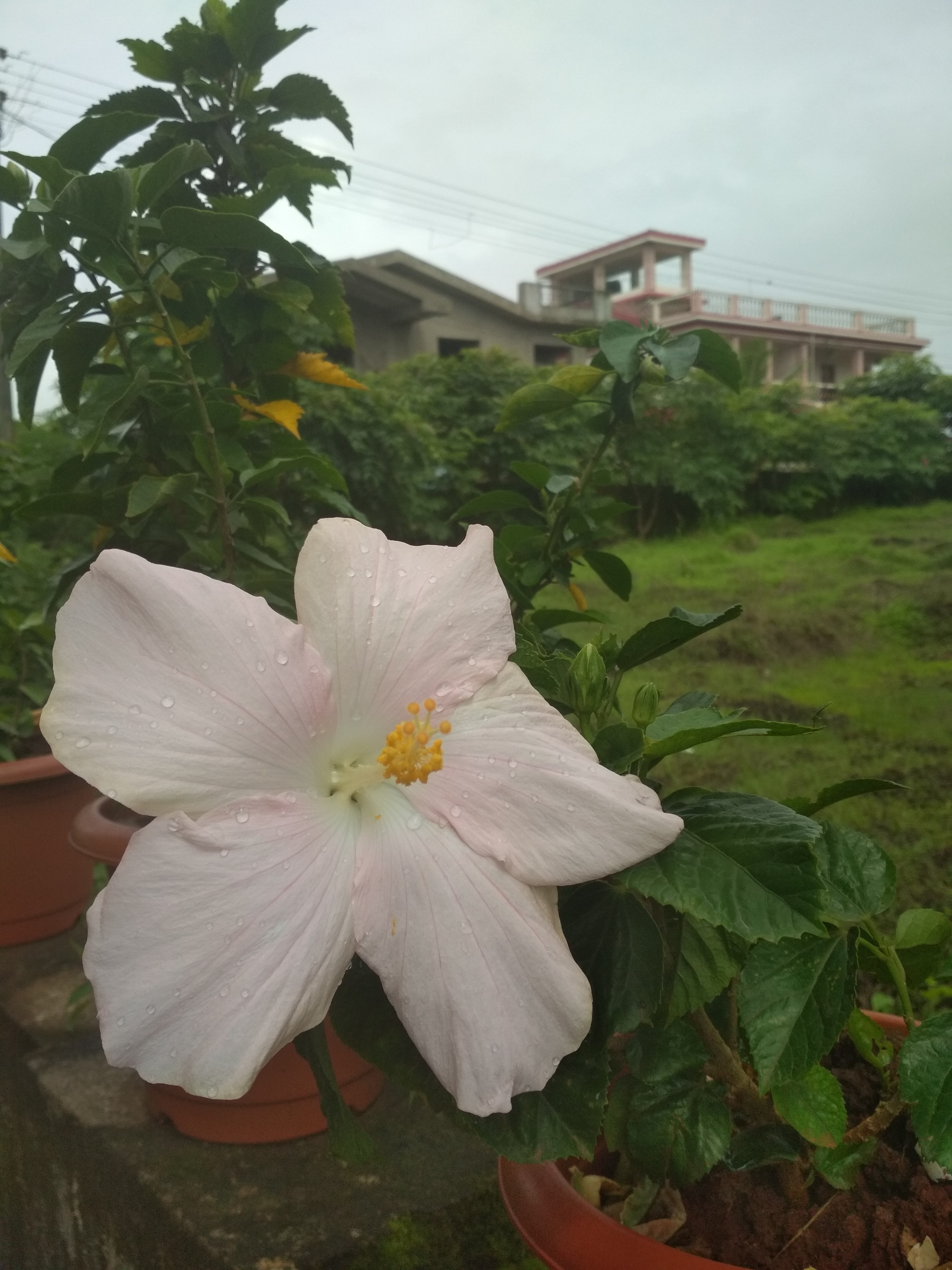
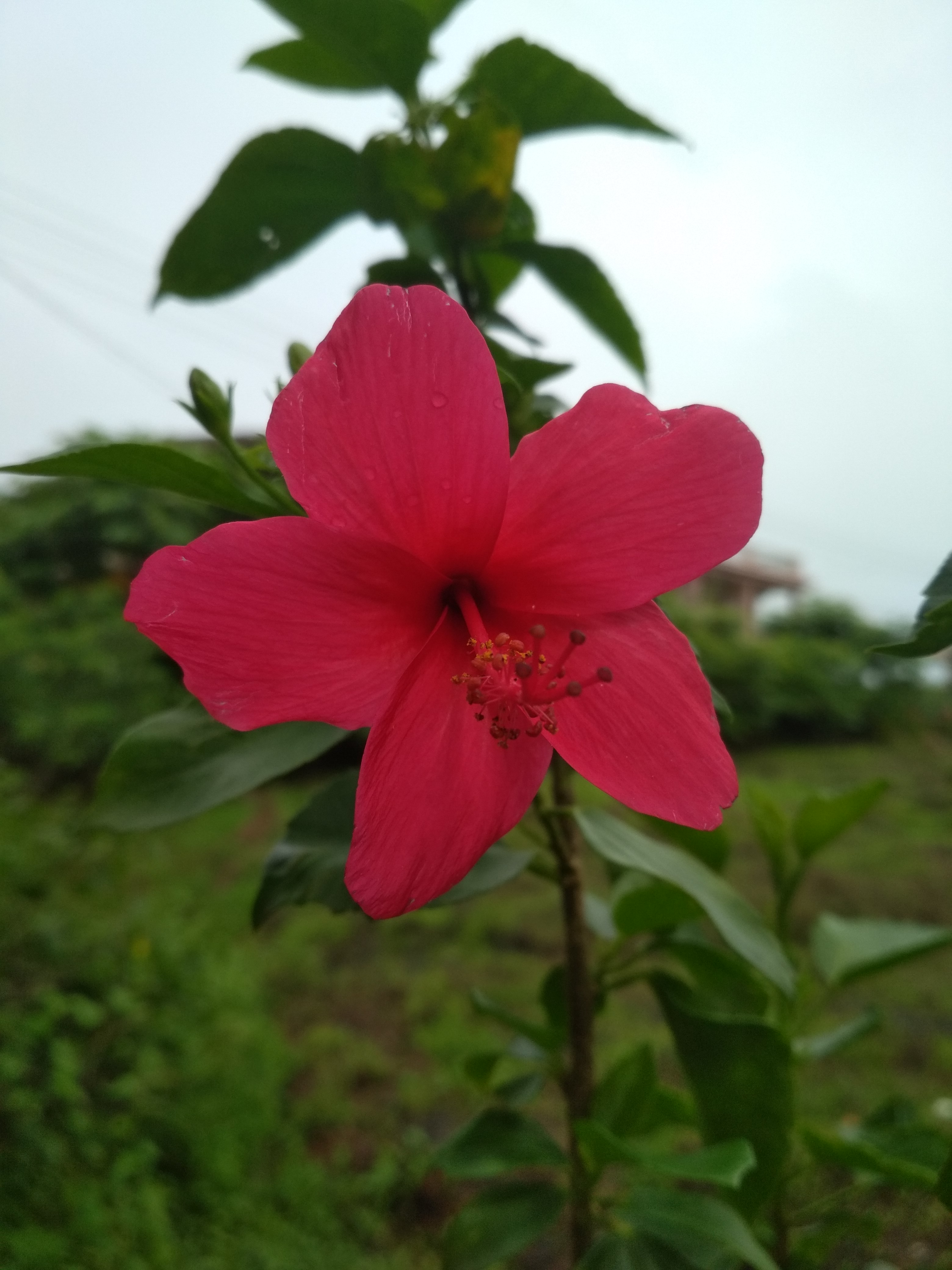
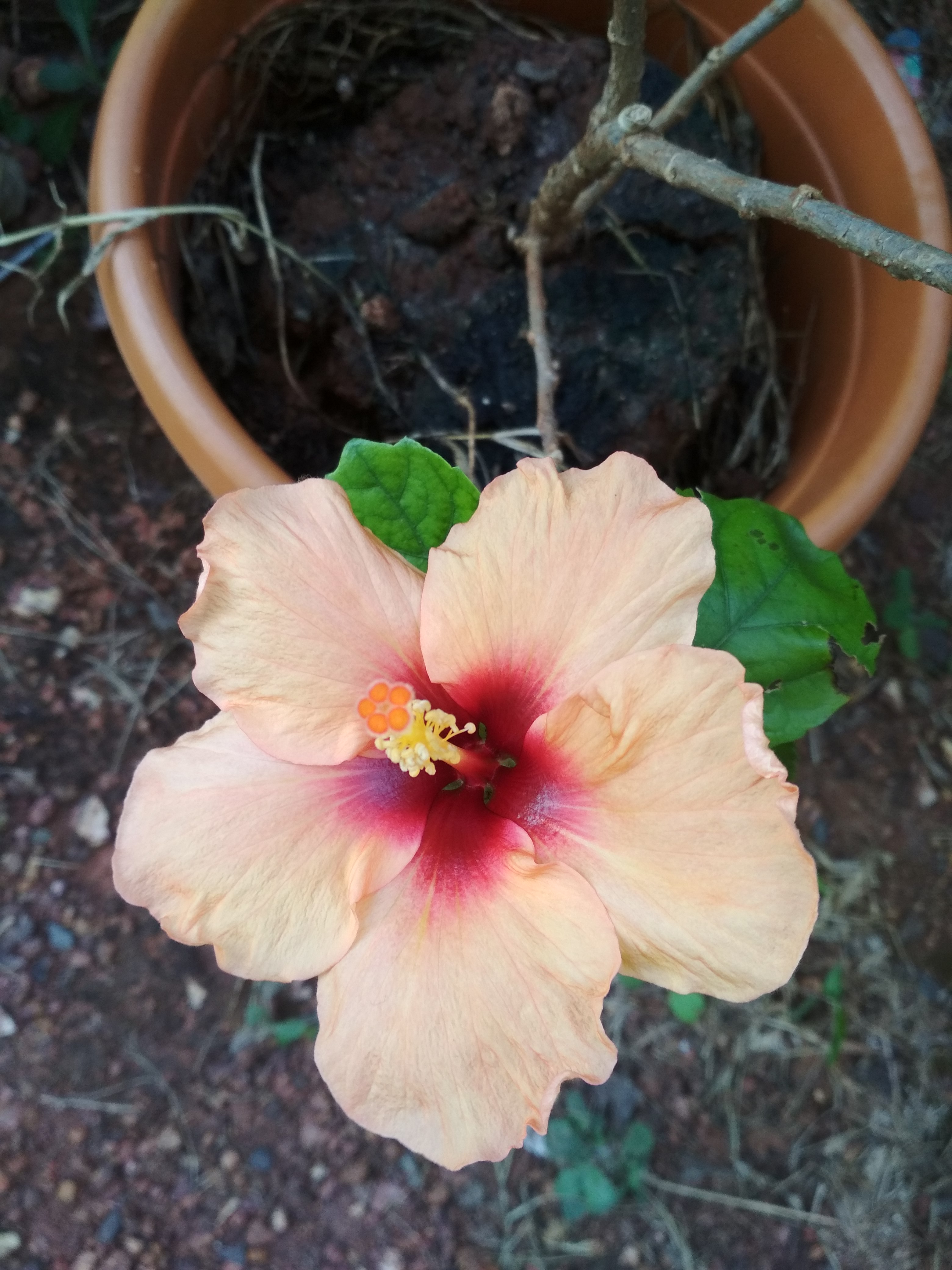
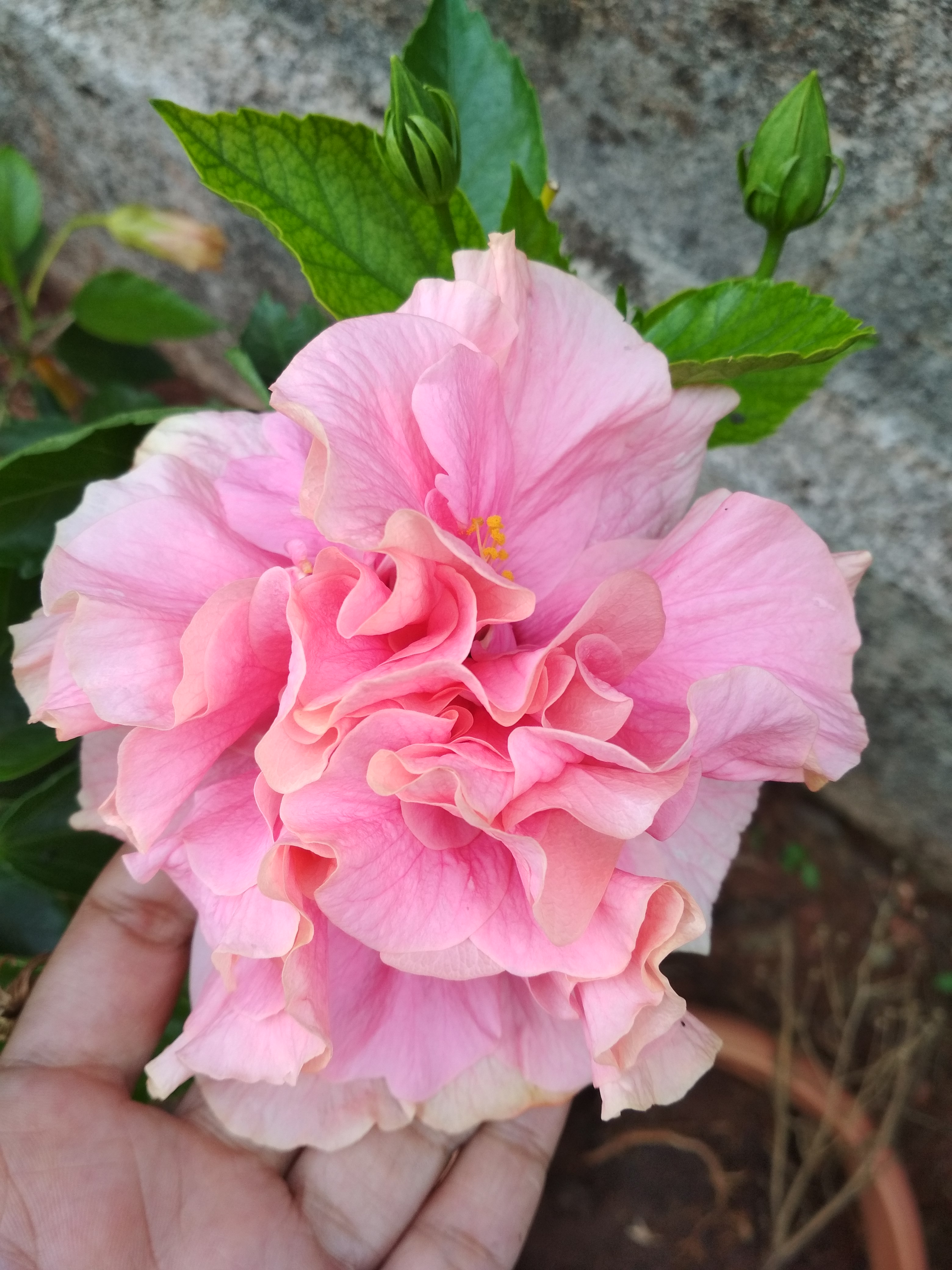
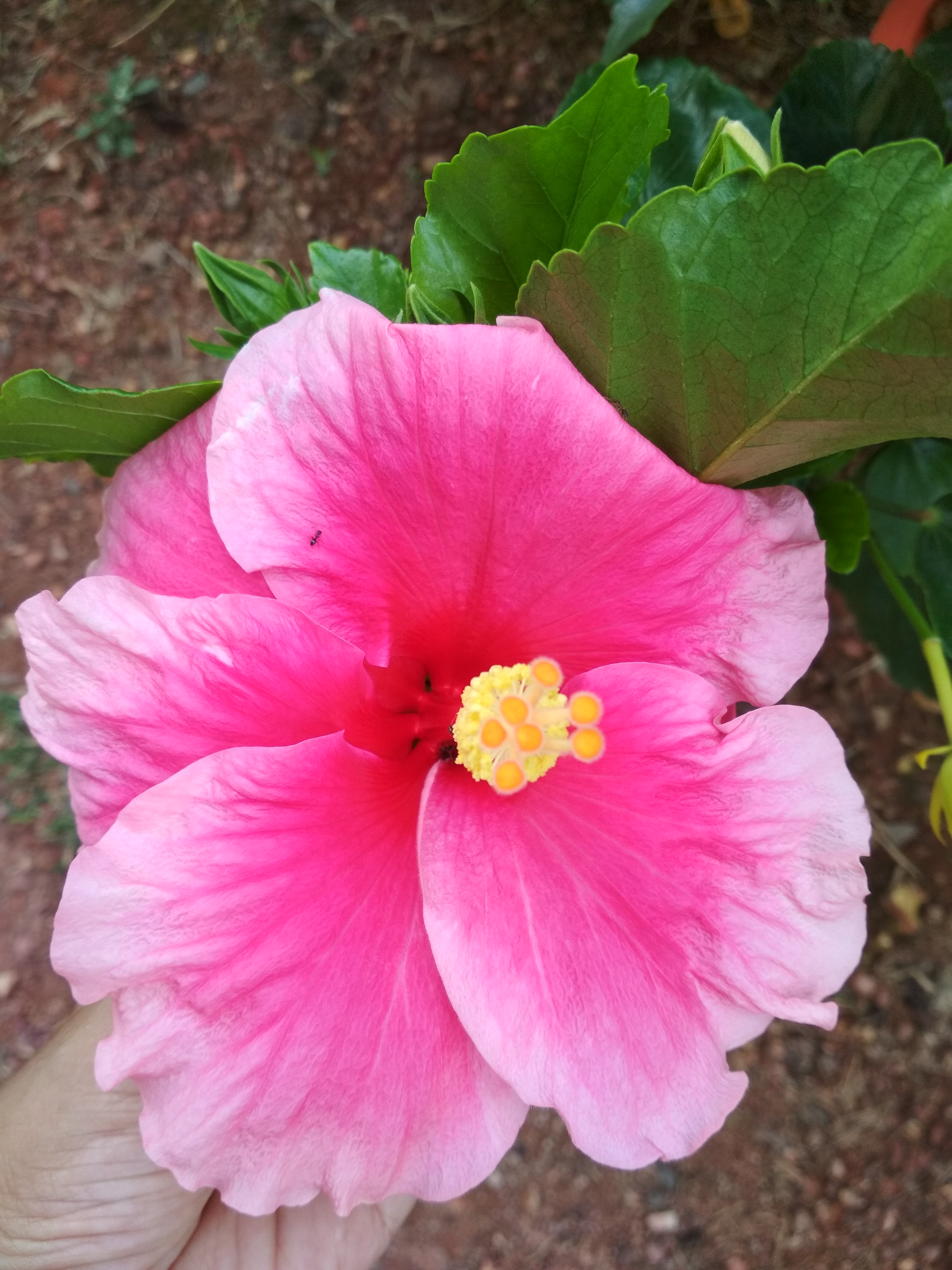
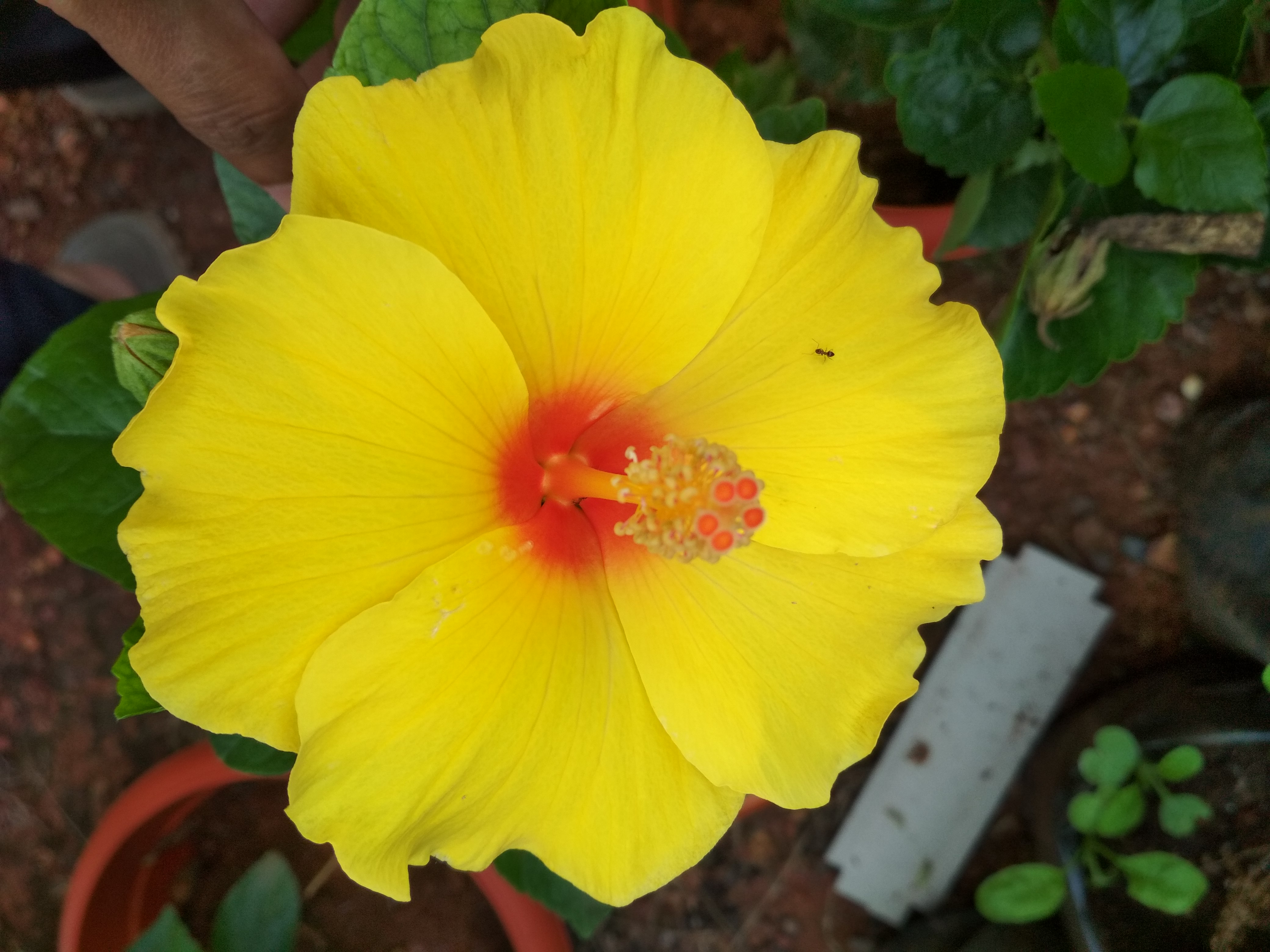
These are the photos of hibiscus which I own.

History

Lets know about a brief history of hibiscus. Hibiscus is a perennial plant and belongs to the family Malvaceae. It can grow up to 10meters. There are about 300 species of hibiscus. The exact origin of hibiscus is unknown but they are found throughout the tropic.

Unknown Facts

These lovely flowers in addition to adding beauty to your garden also have many benefits. The leaves and flowers of hibiscus plants are used in many herbal shampoos and conditioners. They also have medicinal properties and are used in many Ayurvedic medicines especially the white flowers. Even we use the leaves and flowers of white hibiscus for our hair. We boil it and then apply that lukewarm water to our scalp and leave it for 20 minutes. It reduces hair fall, makes hair smooth, and also absorbs heat and you will feel very relaxed.


See Also:

American and Taiwan variety hibiscus
My water lily collection

How I Take Care of my Hibiscus

I have planted all my hibiscus in plastic pots as I stay in a rented apartment. While taking care of any plants you have to consider three main points

1)Proper Watering

2)Fertilizer

3)Pest Control

Watering

depends on the season. In the rainy season, the rainwater is enough, so I don’t go for watering. In winter they require very less water i.e. once in a day. Early morning is the best time to water this plant. Since it will be very cold outside, so I prefer evening as it also suits my schedule. In summer, hibiscus require a large amount of water. I water them twice a day early in the morning and late evening.

Fertilizer

I always prefer organic farming as I don’t want to pollute the soil as well as the environment. I use kitchen waste like vegetables, eggshells, used tea, fish water, and coconut shells. Apart from this I also use an organic fertilizer which I buy from the nursery. They sell it for Rs. 20/kg. I use this fertilizer once in a week (on Sunday as I have a holiday). I use about one tablespoon for each plant.

Pest control

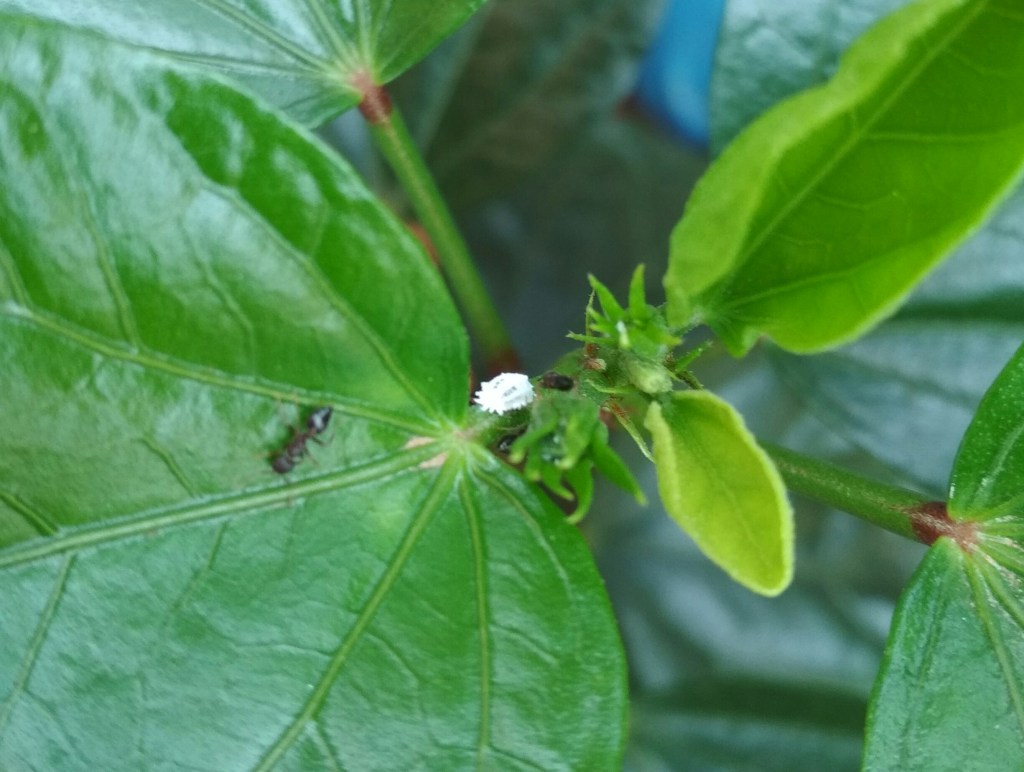
This is a major part of any plant care. If you do proper watering and used good fertilizer but not done anything for pest control, then your efforts will be in vain. The main pests which affect your hibiscus plants are aphid, mealybugs, thrips, caterpillar and ants.

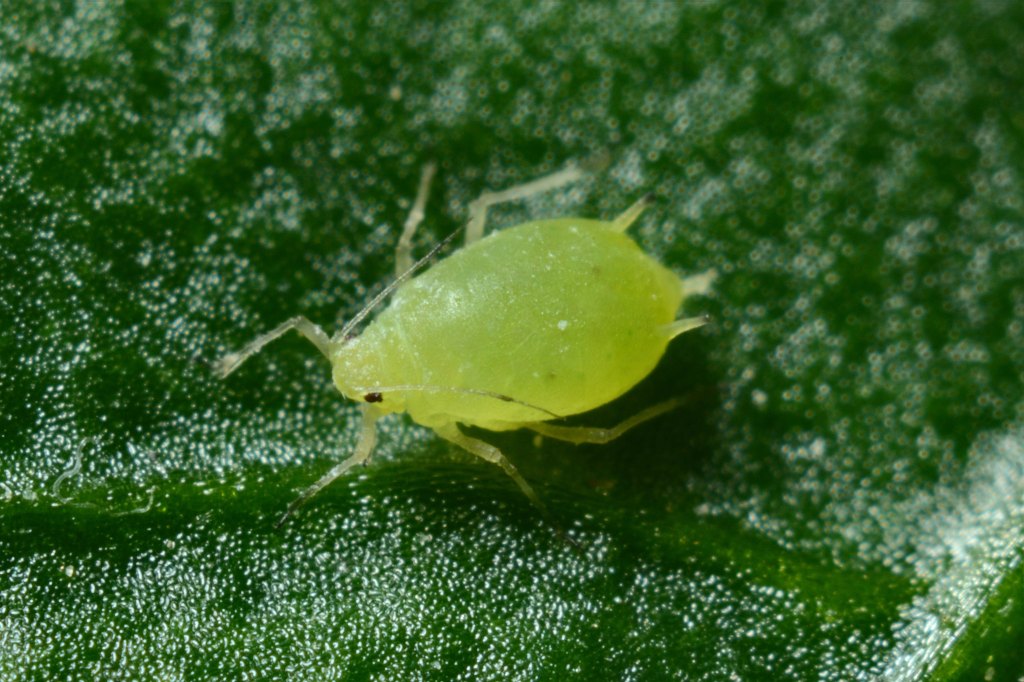
Aphid: These pets are usually found in clusters and are black, white or green in color. They suck the juices from foliage. If you do not control these pests, they will kill your entire plant. Four of my hibiscus plants died because of this pest.

Aphid

Mealybugs: These little unwanted guests will destroy your entire garden. Hibiscus foliage is their favorite food. These pests not only kill hibiscus but also affect other plants like rose, tomato and eggplant. Very difficult to control.

Mealybug

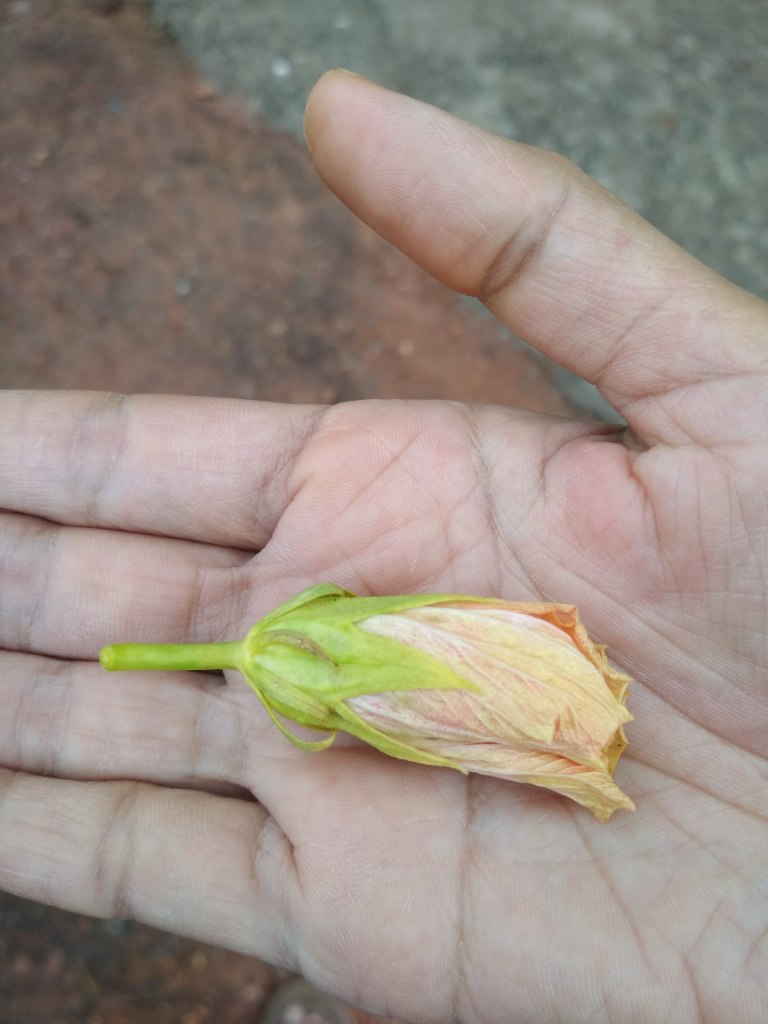
Thrips: These pests cause hibiscus buds to drop before flowering as they lay eggs inside the buds. I faced this problem a lot. These pests are difficult to detect as your plant will be in a healthy condition and you cannot see these pests. Only when you open the fallen bud you can see the patches inside it that also with a magnifying glass.

Buds Affected with Thrips

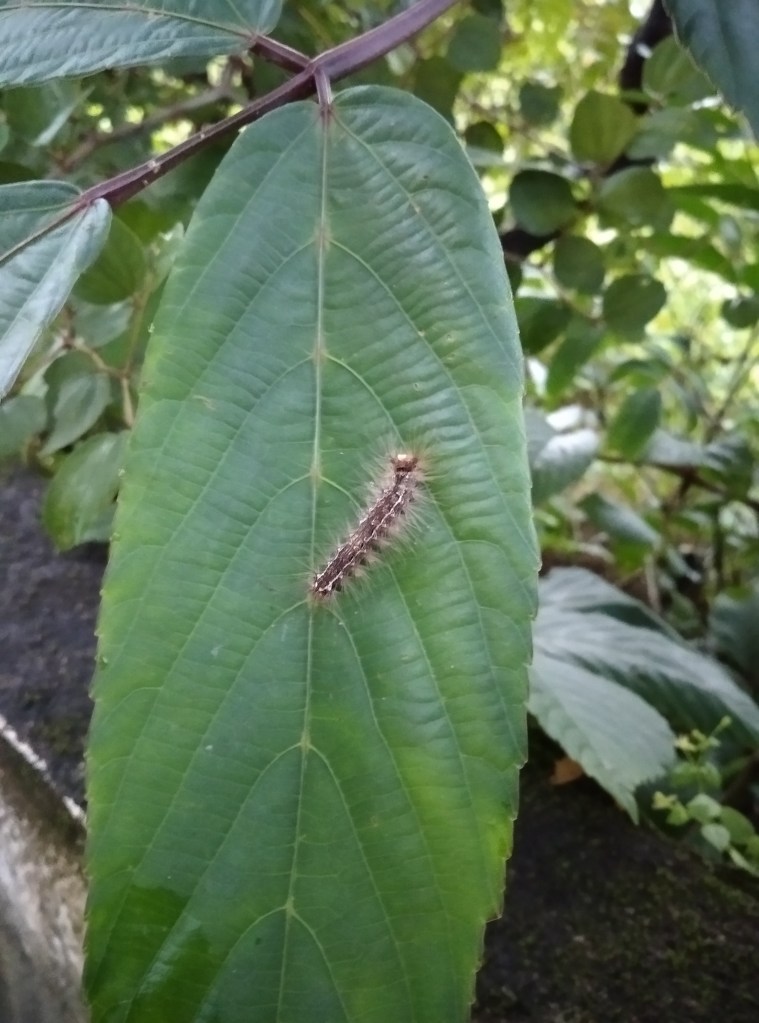
Caterpillar: These will affect your plant during the rainy season. They will eat away all the leaves within few hours. Sometime the leaves will be folded. When you open this fold, you can see tiny green caterpillar.

Caterpillar

Ants: These won’t directly affect your plant, but they help in the propagation of above-mentioned pests.

Ants

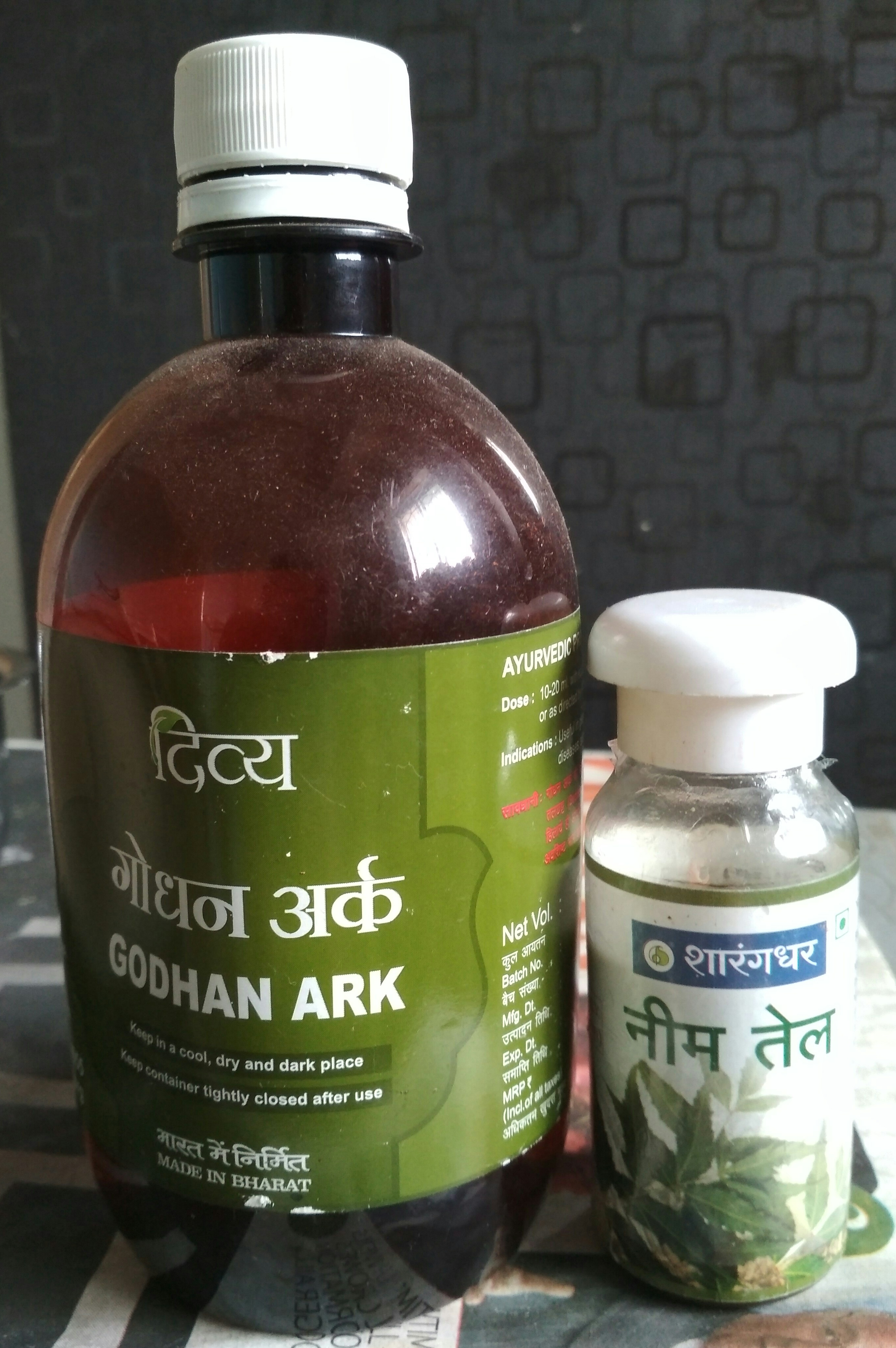
For all these pests I am using neem oil and cow urine as pesticides. I mix 1 tablespoon of cow urine or neem oil in 500ml of water and spray it on entire plant once in a week. This works as a precautionary measure but won’t help your plants if it is badly affected by pests.

In such case you have to use soap water or shampoo water. When my plant was affected with mealy bugs, I tried this method and it worked. As I told you that I always do organic farming, so I am using herbal shampoo once in a week. Again, the spray includes 1 tablespoon of herbal shampoo in 500ml of water.

If you still can’t get rid of these pests, then pruning is the only option. Prune the affected leaves and branches and throw it in far places or burry them as there are chances that they may return through wind or ants.

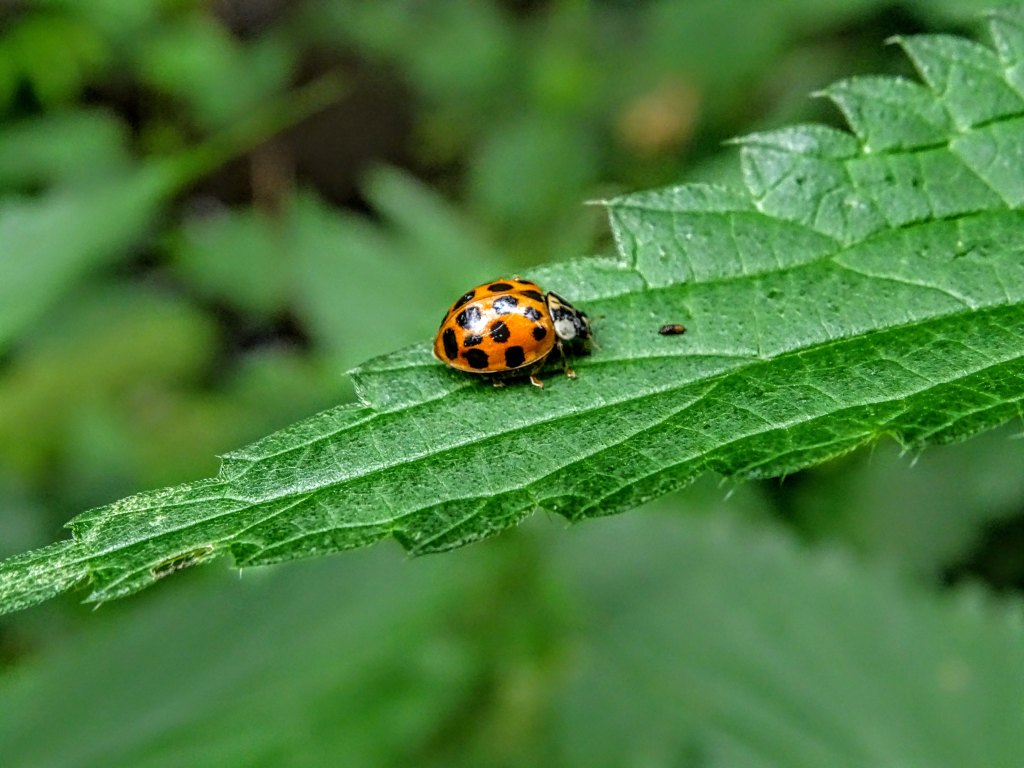
Encourage beneficial insects like lady bugs (only work with temperatures 62-88°F) which eats about 50 aphids a day.  There are other useful insects like green lacewing and pirate bugs which helps in controlling the harmful pests in a natural way.

Lady bug


Thank you so many guys for reading this post. I hope this information is useful to you. If you know any website or nursery which deliver plants to Goa, plz give me information regarding that. Plz, add your suggestions in the comment box. Tell me how many hibiscus plants you have and from where you bought these plants. Plz, share photos of your hibiscus flowers too.

Happy Gardening!!!