Low-Maintenance Plants for a Busy Lifestyle: The Perfect Green Companions!

Introduction

Gardening can be a therapeutic and rewarding hobby, but for those with a busy lifestyle, maintaining a lush garden or even a few houseplants can seem like a daunting task. Thankfully, there are plenty of low-maintenance plants that are ideal for people who love greenery but have little time to tend to it. Whether you want to add some life to your home or office, or you’re looking to green up your outdoor space, these plants require minimal care and are perfect for the busiest of individuals.

1. Snake Plant (Sansevieria trifasciata)

Why it’s perfect for a busy lifestyle: The snake plant, also known as mother-in-law’s tongue, is one of the toughest houseplants around. With its ability to thrive in low light and minimal need for watering, this plant is both low-maintenance and resilient. Snake plants are also excellent at purifying the air, making them perfect for both homes and offices.

Care Tips:

Light: Prefers indirect sunlight but can tolerate low light.

Water: Water your plant every two to six weeks, and make sure the soil dries out completely between waterings.

Soil: Well-draining potting mix is ideal.

2. ZZ Plant (Zamioculcas zamiifolia)

Why it’s perfect for a busy lifestyle: The ZZ plant is another nearly indestructible houseplant. It’s known for its ability to thrive in low light and survive on minimal water. The waxy, dark green leaves unquestionably add a touch of elegance to any room.

Care Tips:

Light: Can survive in low to bright indirect light.

Water: Water the ZZ plant when the top of the soil is dry. Overwatering can cause root rot.

Soil: Use a well-draining potting mix.

3. Succulents and Cacti

Why they’re perfect for a busy lifestyle: Succulents and cacti are the ultimate low-maintenance plants. They store water in their leaves and stems, allowing them to go for extended periods without watering. With their diverse shapes, sizes, and colors, they can be a beautiful addition to any space.

Care Tips:

Light: Need plenty of bright, direct sunlight.

Water: Water every 2-4 weeks, depending on the environment. Ensure that the soil is completely dry before watering it again.

Soil: A cactus or succulent mix is ideal, ensuring good drainage.

4. Pothos (Epipremnum aureum)

Why it’s perfect for a busy lifestyle: Pothos, also known as devil’s ivy, is a versatile plant that can grow in both water and soil. It’s very forgiving and can survive in a range of lighting conditions. This trailing plant is perfect for hanging baskets or shelves and is known for its air-purifying properties. “It is also considered a lucky plant.

Care Tips:

Light: Tolerates low to medium light but thrives in bright, indirect sunlight.

Water: Water pothos when the top inch of soil is dry.

Soil: Standard potting soil works well for pothos.

5. Spider Plant (Chlorophytum comosum)

Why it’s perfect for a busy lifestyle: Spider plants are resilient and adaptable, making them great for beginners or busy individuals. They can tolerate neglect and still produce vibrant green and white striped leaves. They are also excellent at removing indoor pollutants.

Care Tips:

Light: Thrives in bright, indirect light but can also survive in lower light levels.

Water: Water moderately, keeping the soil lightly moist. Reduce watering in winter.

Soil: Any well-draining potting mix.


Similar Posts:


6. Peace Lily (Spathiphyllum)

Why it’s perfect for a busy lifestyle: Peace lilies are known for their striking white flowers and ability to thrive in low light. They are low-maintenance and only need to be watered when their leaves begin to droop. The peace lily is also believed to bring prosperity.

Care Tips:

Light: Prefers low to medium indirect light.

Water: Water Peace Lily when the top inch of the soil is dry. They’re sensitive to chlorine, so use filtered water if possible.

Soil: A well-draining potting mix is best.

7. Aloe Vera

Why it’s perfect for a busy lifestyle: Aloe vera is not only a low-maintenance plant but also a functional one. Its gel can be used for various skin ailments, making it a great plant to have around the house. Aloe vera thrives on neglect, needing very little water and care. It can survive without water and soil for many days. This plant is also considered to be lucky.

Care Tips:

Light: Prefers bright, indirect sunlight.

Water: Water every 3-4 weeks, allowing the soil to dry out completely between waterings.

Soil: Use a cactus or succulent mix for best drainage.

8. Cast Iron Plant (Aspidistra elatior)

Why it’s perfect for a busy lifestyle: As its name suggests, the cast iron plant is nearly indestructible. Its resilience allows it to thrive in low light, withstanding irregular watering and fluctuating temperatures. This plant is perfect for those who often forget to water or have less-than-ideal conditions.

Care Tips:

Light: Castor Iron Plant can thrive in low to bright indirect light.

Water: Water this plant when the top inch of soil is dry.

Soil: Well-draining potting soil is ideal.

9. Rubber Plant (Ficus elastica)

Why it’s perfect for a busy lifestyle: The rubber plant is a hardy indoor plant that can grow quite large with minimal care. It’s known for its glossy leaves and ability to purify the air.

Care Tips:

Light: Rubber Plant prefers bright, indirect sunlight but can also survive in lower light.

Water: Water Rubber Plant when the top few inches of soil are dry.

Soil: A well-draining potting mix is recommended.

10. Chinese Evergreen (Aglaonema)

Why it’s perfect for a busy lifestyle: Chinese evergreens are among the easiest houseplants to grow, tolerating low light and requiring little water. They come in a variety of colors and patterns, adding beauty to any indoor space.

Care Tips:

Light: Thrives in low to medium light.

Water: Water Aglaonema when the top inch of soil is dry.

Soil: Use a well-draining potting mix.

Conclusion

Maintaining greenery in your living or working space doesn’t have to be time-consuming. With these low-maintenance plants, you can enjoy the benefits of having plants around, such as cleaner air and a more pleasant environment, without the need for constant care. Choose any of these hardy plants to suit your style and space, and enjoy the beauty and tranquility they bring to your busy life.

By selecting the right plants and following simple care instructions, even the busiest individuals can enjoy a vibrant and thriving garden or indoor plant collection.

Happy Gardening!

Unveiling the Secrets of Growing a Thriving Lemon Plant Indoors!

Introduction:

Lemon plants, with their glossy foliage and vibrant fruits, add a refreshing touch to any indoor garden. Beyond their ornamental value, these citrus wonders offer the allure of homegrown lemons right at your fingertips. Cultivating a lemon plant indoors is not only rewarding but also surprisingly straightforward, even for novice gardeners. In this comprehensive guide, we’ll delve into the essential steps and expert tips to help you grow a healthy and fruitful lemon plant in your home.

Choosing the Right Variety

Before you embark on your lemon-growing journey, it’s crucial to select the right variety for indoor cultivation. Dwarf lemon varieties, such as Meyer lemons or Ponderosa lemons, are ideally suited for growing indoors due to their compact size and adaptability to container life.

Selecting the Perfect Container

When it comes to containers for lemon plants, bigger is often better. Choose a container that provides ample space for root development and drainage. Opt for a pot with drainage holes to prevent waterlogging, and consider placing a saucer underneath to catch excess water.

Preparing the Potting Mix

Lemon plants thrive in well-draining, slightly acidic soil. Prepare a potting mix by combining equal parts of peat moss, perlite, and compost. This nutrient-rich blend provides the ideal growing medium for your lemon plant and ensures adequate aeration and moisture retention.

Planting Your Lemon Tree

  1. Preparing the Soil: Fill the bottom of the container with a layer of potting mix, then gently remove the lemon plant from its nursery container and place it in the center of the pot.
  2. Backfilling: Fill the remaining space around the plant with potting mix, ensuring that the top of the root ball is level with the soil surface. Firmly pat down the soil to eliminate air pockets.
  3. Watering: Give your newly planted lemon tree a thorough watering to settle the soil. Water until it begins to drain from the bottom of the pot, then empty the saucer to prevent water buildup.

Light and Temperature Requirements

Lemon plants require ample sunlight to thrive, so choose a sunny location for your indoor garden. Place your lemon tree near a south-facing window where it can receive at least 6-8 hours of sunlight per day. During the winter months, consider supplementing natural light with a grow light to ensure optimal growth.

Maintain a consistent temperature range of 60-70°F (15-21°C) during the day and slightly cooler temperatures at night. Avoid placing your lemon plant near drafty windows or heating vents, as extreme temperature fluctuations can stress the plant.

Watering and Fertilizing

  1. Watering Frequency: Lemon plants prefer evenly moist soil but are susceptible to root rot if overwatered. Allow the top inch of soil to dry out between waterings, then water thoroughly until excess moisture drains from the bottom of the pot.
  2. Fertilizing: Feed your lemon plant regularly during the growing season with a balanced, water-soluble fertilizer formulated for citrus plants. Apply fertilizer every 4-6 weeks from spring to early fall, following the manufacturer’s instructions for dilution and application rates.

Pruning and Maintenance

Regular pruning is essential for shaping your lemon plant and promoting healthy growth. Remove any dead, damaged, or crossing branches, as well as any suckers or shoots emerging from the base of the plant. Prune selectively to maintain an open, airy canopy that allows sunlight to penetrate the interior of the plant.

Pest and Disease Control

Keep an eye out for common pests such as aphids, scale insects, and spider mites, which can infest lemon plants indoors. If you notice any signs of pest infestation, such as yellowing leaves or sticky residue, treat the affected plant with insecticidal soap or neem oil spray.

Harvesting Your Lemons

With proper care and patience, your lemon plant will reward you with a bountiful harvest of fresh, juicy fruits. Most lemon varieties take 6-12 months to ripen, depending on environmental conditions and the age of the plant. Harvest lemons when they reach full size and color, giving them a gentle twist to detach them from the branch.

Conclusion

Growing a lemon plant indoors is a fulfilling endeavor that brings the joy of citrus cultivation into your home. By following these expert tips and guidelines, you can cultivate a healthy, productive lemon tree that provides an abundant harvest of homegrown lemons year-round.

Happy Gardening!

Amaryllis Growing Guide: Cultivating Elegance Indoors!

Introduction:

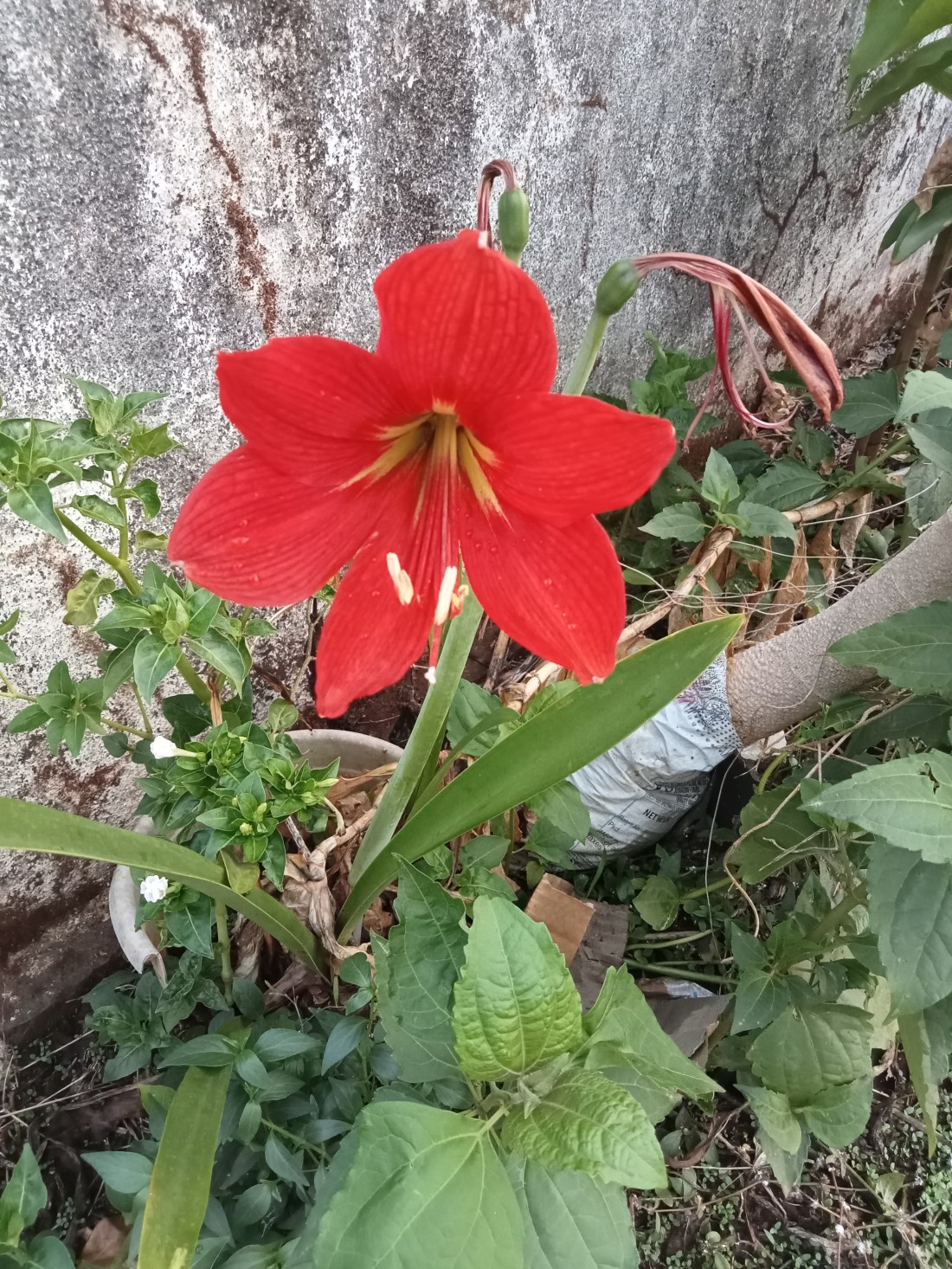
Amaryllis, with its striking blooms and effortless elegance, is a favorite among indoor plant enthusiasts. Known for its vibrant colors and easy care, this beautiful plant can brighten up any room, especially during the winter months when outdoor gardening is limited. Whether you’re a seasoned gardener or a beginner, growing Amaryllis can be a rewarding experience. In this guide, we’ll walk you through the steps to successfully grow and care for this stunning plant.

Choosing the Right Bulb

The journey to growing a beautiful Amaryllis starts with selecting the right bulb. When buying bulbs, look for ones that are firm, plump, and free from mold or blemishes. Larger bulbs often produce more flowers, so opt for bulbs that are at least 2-3 inches in diameter.

Planting Your Amaryllis

Choosing a Container: Amaryllis bulbs don’t require deep pots. Choose a pot that’s about 1-2 inches wider than the bulb to allow for growth.

Soil: Use a well-draining potting mix.A blend of peat moss, perlite, and compost proves to be effective. Avoid using soil from your garden, as it may not provide the right balance of nutrients and drainage.

Planting: Place the bulb in the pot with the pointed end facing up. Leave the top third of the bulb exposed above the soil. Firmly pack the soil around the bulb to provide support.

Watering and Care

Initial Watering: After planting, give your Amaryllis a thorough watering. Irrigate the plant until the surplus water flows out from the bottom of the pot.

Watering Frequency: Amaryllis prefers to dry out between waterings. Water sparingly until you see new growth, then increase the frequency. Overwatering can lead to bulb rot, so it’s essential to find the right balance.

Light: Place your Amaryllis in a bright location with indirect sunlight. Occasionally rotating the pot ensures even growth. Too little light can result in leggy growth, while too much direct sunlight can scorch the leaves.

Temperature: Amaryllis prefers temperatures between 60-75°F (15-24°C). Avoid placing it near drafts or heaters, as extreme temperature fluctuations can stress the plant.

Fertilizing

To encourage healthy growth and abundant blooms, fertilize your Amaryllis regularly during the growing season. Apply a balanced fertilizer containing equal parts of nitrogen, phosphorus, and potassium. Start fertilizing when new growth appears and continue every 2-4 weeks.

Supporting Blooms

As your Amaryllis grows, it may require some support to prevent the flowers from drooping. Use bamboo stakes or decorative supports to gently prop up the stems.

Post-Blooming Care

After your Amaryllis has finished blooming, it will enter a dormant period. Here are the steps for its care during this period:

Stop Fertilizing: Once the flowers fade, stop fertilizing your Amaryllis.

Watering: Reduce watering gradually as the leaves turn yellow and die back. Eventually, the plant will go into dormancy.

Dormancy: During dormancy, it’s essential to keep the bulb dry. You can either leave it in the pot or remove it, clean off any remaining soil, and store it in a cool, dark place until it’s time to replant.

Reblooming Your Amaryllis

With proper care, your Amaryllis can rebloom year after year. To encourage reblooming:

Repotting: Every 2-3 years, repot your Amaryllis bulb in fresh soil.

Forcing Dormancy: If you want your Amaryllis to bloom again around the holidays, you can force it into dormancy by cutting back on watering and placing it in a cool, dark place for 8-10 weeks.

Restarting Growth: After the dormant period, bring your Amaryllis back into a bright, warm location, resume watering, and watch as new growth appears.

Conclusion

Growing Amaryllis is a delightful and rewarding experience. With its vibrant blooms and minimal care requirements, it’s a perfect choice for both novice and experienced gardeners alike. By following these tips and guidelines, you’ll be well on your way to enjoying the beauty of Amaryllis in your home year after year.

Happy Gardening!

A Beginner’s Guide to Growing Cacti!

Introduction:

Cacti are iconic symbols of arid landscapes, renowned for their unique appearance, low maintenance requirements, and resilience in challenging environments. Whether you’re a seasoned gardener or new to gardening, cultivating cacti can be a fulfilling experience. In this comprehensive guide, we’ll explore everything you need to know about growing and caring for cacti, from selecting the right species to providing optimal growing conditions and essential maintenance tips.

Understanding Cacti:

Before diving into the care and cultivation of cacti, it’s essential to understand the characteristics and requirements of these succulent plants. Cacti belong to the family Cactaceae and are known for their fleshy stems, spines, and unique growth habits. These plants have evolved to thrive in dry, desert-like conditions, storing water in their tissues to survive periods of drought.

Selecting the Right Species:

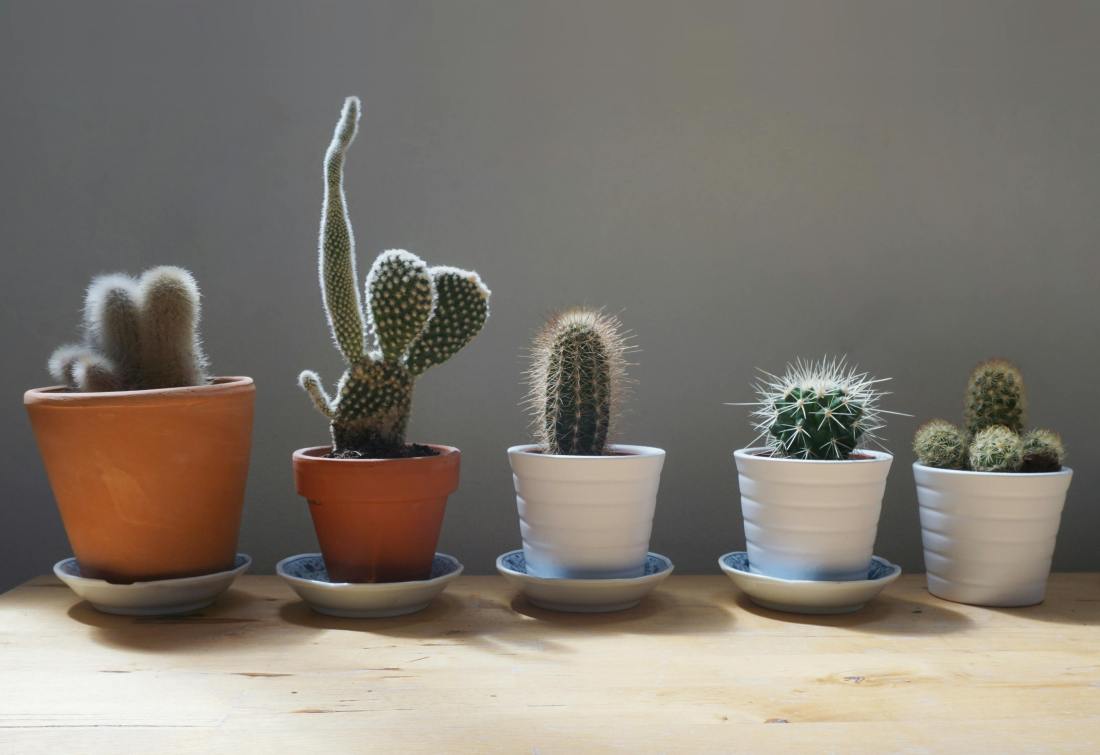
With thousands of cactus species to choose from, selecting the right plants for your garden or indoor space can seem daunting. Consider factors such as growth habit, size, and appearance when choosing cacti for your collection. Some popular species for beginners include the Golden Barrel Cactus (Echinocactus grusonii), Bunny Ear Cactus (Opuntia microdasys), and Christmas Cactus (Schlumbergera truncata).

Providing Optimal Growing Conditions:

Cacti thrive in bright, indirect light and well-draining soil. Choose a location with plenty of sunlight, such as a south-facing window or a sunny outdoor spot. Avoid placing cacti in direct sunlight for extended periods, as this can cause sunburn and damage the plant tissue. Use a specialized cactus or succulent potting mix that provides excellent drainage to prevent waterlogging and root rot.

Watering Wisely:

One of the most critical aspects of caring for cacti is proper watering. While these plants are adapted to dry conditions, they still require periodic watering to thrive “It is crucial to ensure that the soil dries out completely before watering. Water the plant thoroughly until excess water drains from the bottom of the pot. During the dormant season, reduce watering frequency to mimic the plant’s natural growth cycle.


Similar Posts:


Fertilizing Sparingly:

Cacti have relatively low nutritional requirements and can thrive in nutrient-poor soils. Fertilize your plants with a balanced water-soluble fertilizer diluted to half strength, sparingly during the growing season. Apply fertilizer once every 4-6 weeks to provide essential nutrients without risking overfertilization. Avoid fertilizing during the dormant season, as this can stimulate unwanted growth.

Avoiding Common Pitfalls:

While cacti are relatively low maintenance, they are susceptible to a few common issues that can impact their health and appearance. Overwatering is the most common cause of cactus problems, leading to root rot and fungal diseases. Ensure that your cacti are planted in well-draining soil and water them only when necessary. Additionally, watch for signs of pests such as mealybugs, spider mites, and scale insects, and treat infestations promptly with insecticidal soap or neem oil.

Practicing Proper Maintenance:

Regular maintenance is essential for keeping your cacti healthy and vibrant. Remove dead or damaged growth with clean, sharp pruning shears to promote new growth and maintain the plant’s shape. Inspect your cacti regularly for signs of stress, disease, or pest infestations, and take appropriate action to address any issues that arise.

Conclusion:

Caring for cacti can be a rewarding and enjoyable experience, allowing you to cultivate beautiful and resilient plants with minimal effort. By understanding the unique characteristics and requirements of cacti, selecting the right species, providing optimal growing conditions, and practicing proper maintenance, you can create a stunning cactus collection that thrives for years to come. With a little knowledge and care, you’ll be well on your way to becoming a successful cactus gardener.

Happy Gardening!

Herb Gardening 101: How to Cultivate a Flourishing Herb Garden in Your Home!

Introduction:

Herb gardening offers a delightful way to infuse your culinary endeavors with fresh flavors and elevate the aesthetics of your home. Whether you’re a seasoned gardener or a novice, cultivating a thriving herb garden is an enriching and rewarding experience. This comprehensive guide will walk you through the essentials of starting and maintaining a successful herb garden right in your own home.

Understanding Your Herbs:

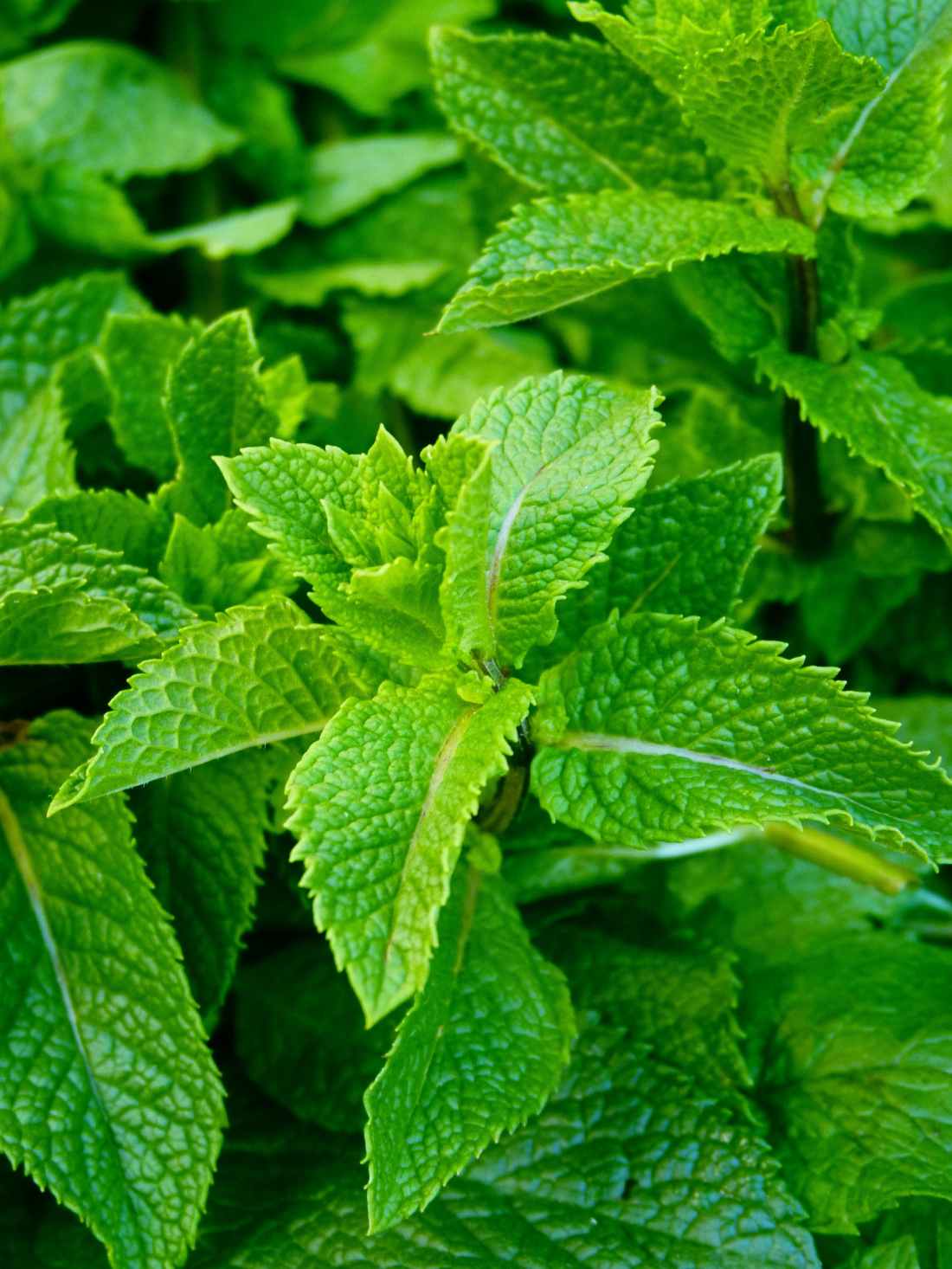
Begin by selecting herbs that align with your culinary preferences and growing conditions. Herbs like basil, rosemary, thyme, mint, and parsley are popular choices due to their versatility and ease of growth. Consider their sunlight requirements, soil preferences, and watering needs to create an optimal environment for each herb.

Choosing the Right Location:

For optimal growth, it’s recommended to choose a spot for your herb garden that receives plenty of sunlight. Most herbs tend to do well in areas that are exposed to full sunlight. Ensure adequate drainage and good air circulation to prevent issues like root rot and fungal diseases. For indoor herb gardens, windowsills or areas receiving ample natural light are ideal.

Preparing the Soil:

Well-draining soil is crucial for herb cultivation. Incorporate organic matter like compost or peat moss to enhance soil fertility and drainage. Aim for a slightly acidic to neutral pH level, typically between 6.0 and 7.0, to create an optimal growing environment for your herbs.

Planting Your Herbs:

When planting your herbs, maintain appropriate spacing between each plant to allow for proper airflow and growth. Consider using containers or raised beds for better control over soil quality and moisture levels. Follow planting guidelines specific to each herb to ensure optimal growth.


Similar Posts


Caring for Your Herb Garden:

Regular watering is essential, but be mindful not to overwater your herbs. To prevent waterlogged conditions, it’s best to let the soil dry out slightly between waterings. Pruning and harvesting your herbs regularly promote healthy growth and stimulate new foliage.

Combatting Pests and Diseases:

Keep a vigilant eye for common pests like aphids, mites, and fungal infections that can affect herb plants. Consider natural pest control methods like neem oil or companion planting to deter pests without harsh chemicals.

Harvesting and Enjoying Your Herbs:

To get the most intense flavors out of herbs, it’s best to harvest them in the morning. Use sharp scissors or shears to trim the plants, leaving sufficient foliage for regrowth. Enjoy the freshest flavors by incorporating your homegrown herbs into culinary delights or drying them for future use.

Conclusion:

Embarking on an herb gardening journey is a fulfilling endeavor that brings the joys of fresh flavors and fragrances right to your doorstep. By following these fundamental steps, you can cultivate a thriving herb garden, adding a touch of greenery and zest to your home-cooked meals.

Start your herb garden today and savor the delights of homegrown herbs in your culinary creations!

Happy Gardening!

Unlocking the Green Power: Growing Microgreens and Its Abundant Benefits!

Introduction

In today’s fast-paced world, where health consciousness and sustainability go hand in hand, microgreens have emerged as a rising star on the culinary scene. These tiny, vibrant, and nutrient-packed greens have garnered immense popularity not only for their culinary appeal but also for their ease of cultivation. In this article, we will delve into the art of growing microgreens and explore the myriad benefits they bring to our plates and our planet.

What Are Microgreens?

Microgreens are edible plants that are harvested at an early stage of growth, typically after the first true leaves have developed. They are a diverse group of tiny greens, including varieties like kale, arugula, radishes, and mustard greens, among others. Microgreens burst with flavor and color, making them a favorite among chefs and home cooks alike.

Cultivation: Simple and Accessible

One of the most significant advantages of microgreens is their accessibility to virtually anyone, regardless of their gardening experience or space constraints. Here’s a step-by-step guide to growing microgreens:

  1. Choose the Right Container

 You can grow microgreens in various containers like trays, shallow pots, or even repurposed plastic containers with drainage holes.

2. Select Your Seeds

 Opt for high-quality, untreated seeds of your preferred microgreen varieties. Organic seeds are always a good choice.

Commonly grown microgreen vegetable species include beet, Swiss chard, spinach, lettuce, mustard, fenugreek, chicory, endive, cabbage, carrot, celery, fennel, leek, onion, and cucumber.

3. Prepare the Growing Medium

Fill your chosen container with a soilless growing medium, such as peat moss, coconut coir or hemp mats. Ensure it’s well-moistened but not waterlogged.

4. Sow the Seeds

Sprinkle the seeds evenly over the growing medium, pressing them gently into the soil. You don’t need to bury them.

5. Provide Adequate Light

Microgreens thrive in bright, indirect sunlight. If natural light is insufficient, you can use fluorescent or LED grow lights. The optimal soil temperature range for germinating microgreens is between 60 and 75°F, while air temperatures should be kept between 60 and 70°F.

6. Maintain Proper Moisture

 Keep the growing medium consistently moist, but avoid overwatering, as this can lead to mold and rot. Microgreens can easily germinate with the proper humidity level of 90%.

7. Harvest at the Right Time

Most microgreens are ready to harvest within 7-14 days, depending on the variety. Use scissors to cut them just above the soil line.


Similar Posts


Benefits of Microgreens

The decision to grow microgreens goes beyond their delightful taste and visual appeal. Let’s explore some of the benefits they offer:

  • Exceptional Nutrient Density

Despite their diminutive size, microgreens are nutritional powerhouses. Studies have shown that they can contain up to 40 times more vitamins, minerals, and antioxidants than their mature counterparts.

  • Culinary Versatility

Microgreens add a burst of flavor and texture to dishes, making them a versatile ingredient for salads, sandwiches, soups, and garnishes. Their diverse flavors range from peppery to nutty, catering to a wide range of taste preferences.

  • Rapid Growth

Microgreens are one of the fastest-growing crops, making them an ideal choice for impatient gardeners. You can enjoy a fresh harvest in just a matter of days or weeks.

  • Sustainable Farming

Cultivating microgreens at home reduces the need for transportation and packaging, contributing to a smaller carbon footprint. Plus, you can grow them year-round, regardless of the weather.

  • Cost-Effective

Buying microgreens from the store can be pricey. By growing your own, you save money while enjoying a continuous supply of fresh greens.

  • Health Benefits

Incorporating microgreens into your diet can boost your immune system, support digestion, and help manage weight due to their high fiber content.

  • Educational Experience

 Growing microgreens is an excellent way to introduce children to gardening and healthy eating habits. It’s a hands-on, educational experience that can foster a lifelong love for plants and nutrition.

Conclusion

Microgreens are proof that great things come in small packages. With their ease of cultivation, remarkable nutrient density, and versatility in the kitchen, they offer a plethora of benefits to both seasoned gardeners and newcomers to the world of green thumbs. Moreover, growing microgreens is an eco-conscious choice that aligns with the growing demand for sustainability and fresh, locally sourced produce.

So, whether you have a green thumb or are just starting your gardening journey, consider adding microgreens to your repertoire. Not only will you enjoy a continuous supply of flavorful, nutritious greens, but you’ll also be contributing to a healthier, more sustainable future for all.

Happy Gardening!

Terrarium Gardening: A Miniature Oasis of Greenery for Your Home!

In today’s fast-paced world, people are constantly seeking ways to bring nature closer to their lives, even when space and time are limited. Terrarium gardening has emerged as a charming solution, allowing you to create a captivating, miniature ecosystem right in your own home. In this article, we’ll explore the art of terrarium gardening, its benefits, and how to create your own stunning terrarium.

The Enchantment of Terrariums

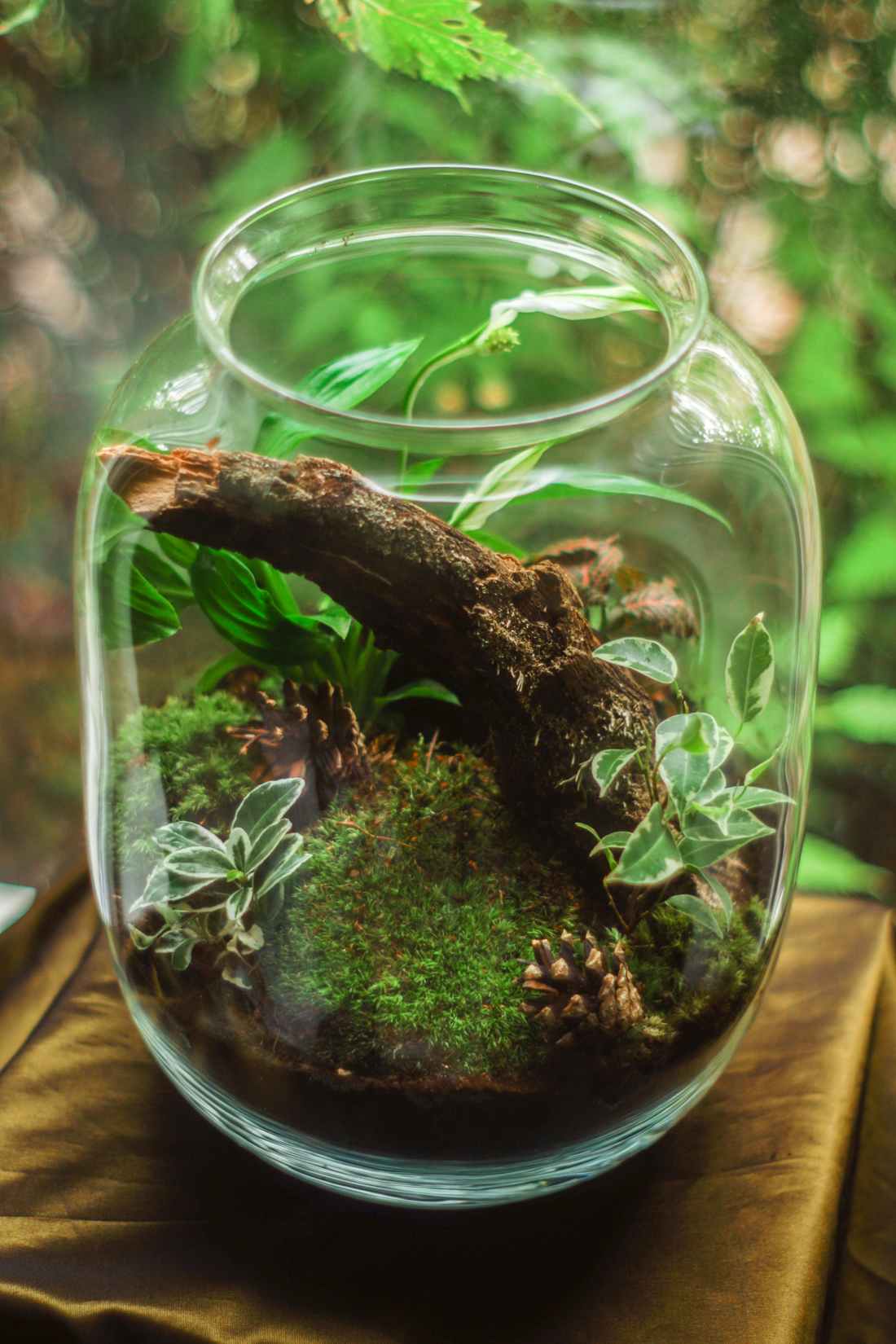
Terrariums are like small, self-contained worlds enclosed within glass containers. These enchanting miniature gardens are captivating not only for their beauty but also for the sense of tranquility they bring. Whether you’re a seasoned green thumb or a novice gardener, terrariums are the perfect way to indulge your love for plants in a compact and manageable space.

Benefits of Terrarium Gardening

1. Low Maintenance

Terrariums are exceptionally low-maintenance compared to traditional outdoor gardens. With their enclosed environment, they require minimal attention and watering. In fact, many terrariums can thrive with just a monthly watering, making them ideal for individuals with busy lifestyles.

2. Year-Round Greenery

Terrariums allow you to enjoy lush greenery year-round, regardless of the season or climate. This is especially appealing to those living in regions with harsh winters or dry summers.

3. Stress Reduction

Studies have shown that indoor plants, including those in terrariums, can reduce stress and promote relaxation. The act of caring for your tiny ecosystem can provide a soothing and rewarding escape from the stresses of daily life.

4. Space-Saving

Terrariums are perfect for those with limited living space. They can be placed on tabletops, windowsills, or even hung from the ceiling, adding a touch of nature to any room without taking up much space.

5. Creativity Unleashed

Creating a terrarium allows you to unleash your creativity. You can personalize your mini garden with various plants, decorative elements, and themes, making each terrarium a unique work of art.


Similar Posts


Building Your Terrarium

Now that you’re excited about the prospect of having your own mini garden, let’s get into the steps of building your terrarium:

Materials You’ll Need:

  • A glass container or jar with a lid or cork stopper.
  • Small pebbles or gravel for drainage.
  • Activated charcoal (available at garden centers) to prevent mold and odors.
  • Potting soil appropriate for your chosen plants.
  • Various small plants are suitable for terrariums (succulents, air plants, ferns, and moss are popular choices).
  • Decorative elements like small figurines, stones, or miniature furniture (optional).
  • Long-handled tweezers or chopsticks for arranging and planting.

Step-by-Step Guide:

  1. Start by placing a layer of small pebbles or gravel at the bottom of your glass container to create a drainage layer. This helps prevent root rot by allowing excess water to collect at the bottom.
  2. Add a thin layer of activated charcoal over the pebbles. This acts as a natural filter, purifying the air inside the terrarium and preventing unpleasant odors.
  3. On top of the charcoal, spread a layer of potting soil. The depth will depend on the size of your container and the types of plants you’re using. Generally, you want enough soil to accommodate the root systems of your chosen plants.
  4. Plant your chosen plants in the soil with caution. Use the long-handled tweezers or chopsticks to position them as desired. Be mindful of the size of your container; overcrowding can lead to plant competition for resources.
  5. Add any decorative elements you like. This is where your creativity can shine. Miniature figurines, small stones, or tiny furniture pieces can enhance the visual appeal of your terrarium.
  6. Water your terrarium sparingly. Overwatering can be a common mistake. Use a spray bottle to mist the soil and plants, or pour a small amount of water into the soil, being careful not to flood the container.
  7. Place the lid or cork stopper on your terrarium to create a closed environment. This will help maintain the humidity levels inside, ensuring that your plants thrive.

Maintaining Your Terrarium

To keep your terrarium healthy and thriving, follow these maintenance tips:

  • Monitor Moisture: Keep an eye on the moisture levels inside the terrarium. If you notice excessive condensation, remove the lid for a few hours to allow excess moisture to evaporate.
  • Trim and Prune: As your plants grow, you may need to trim and prune them to maintain the desired appearance and prevent overcrowding.
  • Rotate: Rotate your terrarium occasionally to ensure all sides receive adequate light and your plants grow evenly.
  • Fertilize Sparingly: Fertilize your terrarium sparingly, as the enclosed environment doesn’t require as much nutrients as outdoor gardens.

Conclusion

Terrarium gardening is a delightful hobby that brings nature’s beauty into your home while providing a sense of tranquility and creativity. Whether you’re a busy urbanite or a seasoned gardener, creating your own mini ecosystem is a rewarding and therapeutic experience. So, why not embark on this green journey and discover the enchanting world of terrariums today? Your miniature oasis of greenery awaits!

Happy Gardening!

The Ultimate Guide to Succulents: Care, Types, and Aesthetic Appeal!

Introduction:

Succulents have taken the gardening and interior decor world by storm with their unique charm, low maintenance requirements, and stunning visual appeal. These resilient plants have captured the hearts of both seasoned gardeners and newcomers alike. In this comprehensive guide, we will delve into everything you need to know about succulents – from their care tips to the various types available, and how to incorporate them into your space for an Instagram-worthy aesthetic.

1.What Are Succulents?

Succulents are a diverse group of plants with parts that are thickened, and fleshy, as they store water in their leaves, stems, or roots. This water storage adaptation makes them particularly well-suited for arid climates and environments with infrequent rainfall.

2.Popular Types of Succulents:

These charming and low-maintenance plants come in a wide variety of shapes, sizes, and colors, making them a favorite among both experienced gardeners and beginners. But with so many succulent varieties to choose from, where should you start? Here we’ll explore some of the most popular types of succulents, each with its unique charm and care requirements.

1.Echeveria:

 These rosette-shaped succulents come in a range of colors, from pastel blues to vibrant pinks. Echeverias are easy to care for and thrive in well-draining soil with plenty of sunlight. They are perfect for adding a pop of color to your garden or indoor space.

2.Sedum:

Sedums are versatile succulents that can adapt to various conditions. With their diverse growth habits and hardy nature, sedums are a popular choice for both beginners and experienced gardeners. They are available in creeping varieties as well as taller, upright forms. They are often used in ground cover plantings and rock gardens due to their low profile and spreading growth habit. Some sedums produce lovely star-shaped flowers in the summer, adding even more beauty to your garden.

3.Aloe Vera:

This well-known succulent not only adds visual interest but also offers numerous health benefits. Its thick, fleshy leaves contain a soothing gel that’s used to treat various skin conditions, including sunburn. It is believed that the aloe vera plant is associated with good fortune. Aloe vera is easy to grow indoors and requires minimal care, making it an ideal choice for beginners.

4.Haworthia:

Haworthias are small succulents with a distinctive appearance. They have thick, fleshy leaves arranged in a rosette-like fashion. Known for their striking geometric patterns and compact size, haworthias are perfect for small spaces and make excellent choices for terrariums or as desk decor. They prefer indirect sunlight and occasional watering.

5.Agave:

Agave plants are known for their dramatic and architectural appearance. These succulents have sharp, pointed leaves that form a striking rosette shape. While some agave species can grow quite large, there are smaller varieties suitable for container gardening. These plants flourish in areas with ample sunlight and soil that drains well.

6.Jade Plant (Crassula ovata)

Jade plants are often associated with good luck and prosperity. These succulents have thick, glossy leaves that resemble small, green coins, making them a symbol of wealth in many cultures. Jade plants are easy to care for and can thrive for years with minimal attention.

7.String of Pearls (Senecio rowleyanus)

String of Pearls is a unique succulent with trailing stems adorned with small, bead-like leaves. This succulent looks stunning in hanging baskets or cascading from shelves. It prefers bright, indirect light and infrequent watering, making it an excellent choice for those with busy lifestyles.

8.Snake Plant (Sansevieria)

Snake plants, also known as Mother-in-Law’s Tongue, are renowned for their air-purifying qualities. They have tall, upright leaves with variegated patterns that add interest to any space. Snake plants are incredibly low-maintenance and can tolerate low light conditions, making them a top choice for indoor gardens.

9.Sempervivum (Hens and Chicks)

Sempervivum, commonly referred to as Hens and Chicks, are small, rosette-forming succulents that reproduce by producing offsets (the “chicks”) around the parent plant (the “hen”). These hardy succulents come in a variety of colors and are perfect for rock gardens and container arrangements.

10.Kalanchoe

Kalanchoe is a genus of succulents that includes species with vibrant, long-lasting flowers. They are often grown as houseplants and can brighten up your indoor space with their colorful blooms. Kalanchoes require bright light and well-draining soil.


Similar Posts


3.Care and Maintenance:

Succulents are cherished for their minimal care requirements, but a little attention can go a long way in ensuring their longevity and vitality.

  • Light: Most succulents thrive in bright, indirect sunlight. A sunny windowsill or a well-lit spot in your garden is ideal.
  • Watering: Allow the soil to dry out completely between waterings. Overwatering can lead to root rot, so err on the side of underwatering.
  • Soil: Use a well-draining succulent or cactus mix to prevent waterlogged roots.
  • Container: If growing succulents in containers ensure they have drainage holes to prevent excess water accumulation.
  • Temperature: Succulents generally prefer warm temperatures but can withstand a range of climates.

4.Incorporating Succulents into Your Decor:

Succulents not only thrive in gardens but also add a touch of greenery to your indoor spaces.

  • Terrariums: Create mini landscapes using glass containers, layering different types of succulents and decorative stones.
  • Hanging Gardens: Hang succulents in decorative planters to elevate your interior design.
  • Wreaths and Wall Art: Craft wreaths or living wall art by arranging succulents in a creative pattern.
  • Centerpieces: Succulents can serve as unique and long-lasting centerpieces for your dining table or special occasions.

5. Benefits of Growing Succulents:

  • Low Maintenance: Perfect for busy individuals or those new to gardening.
  • Air Purification: Succulents can help improve indoor air quality by absorbing toxins.
  • Stress Relief: Caring for plants has been shown to reduce stress and improve mental well-being.

Conclusion:

Succulents are not just plants; they’re living sculptures that add character and beauty to any setting. Incorporating succulents into your garden or indoor space is not only aesthetically pleasing but also rewarding due to their low-maintenance nature. Whether you’re a seasoned gardener or a newbie, there’s a succulent variety for everyone. With the right care and attention, these popular succulents can thrive and bring beauty to your home or garden for years to come. So go ahead, pick out your favorite succulents, and embark on a journey of green-thumb satisfaction!

Happy Gardening!

Embrace Green Living Indoors: A Comprehensive Guide to Indoor Gardening!

Indoor Gardening refers to growing plants indoors it may be your home, office, or any other enclosed area. Urban regions are now seeing a surge in indoor gardening. It has also become a part of interior design. Plants not only beautify your home but will also improve the quality of the air. It is considered good from Vastu’s point of view also. There are different types of gardening like container gardening, vertical gardening, terrariums, hydroponics, etc. The most common type among them is container gardening which we will be discussing in this article.

Before beginning indoor gardening, there are a few things you need to keep in mind:

Selecting Plants

The selection of indoor plants depends mainly on your house structure. How much space is available, availability of sunlight, movement of people in the house, and purpose of gardening. If you want to grow vegetables, then you can grow plants such as tomatoes, eggplant, onion, and cabbage. These plants require sunlight so you need to keep them in south facing corner of the house or you can keep them in the gallery. If you want to grow herbs, then you can grow basil, ginger, and aloe vera. If you want to grow decorative plants, then you can grow money plants, spider plants, snake plants, English ivy orchids, and bamboo plants.

Placement

The placement of the plant depends on the types of plants and also the convenience of the people in the house. Don’t keep plants in a place where there is regular movement. Also, keep plants away from pets or toddlers. keep a plate below the container so that the excess water want flows over the floor. And empty it frequently to avoid mosquito larvae.

Light Source

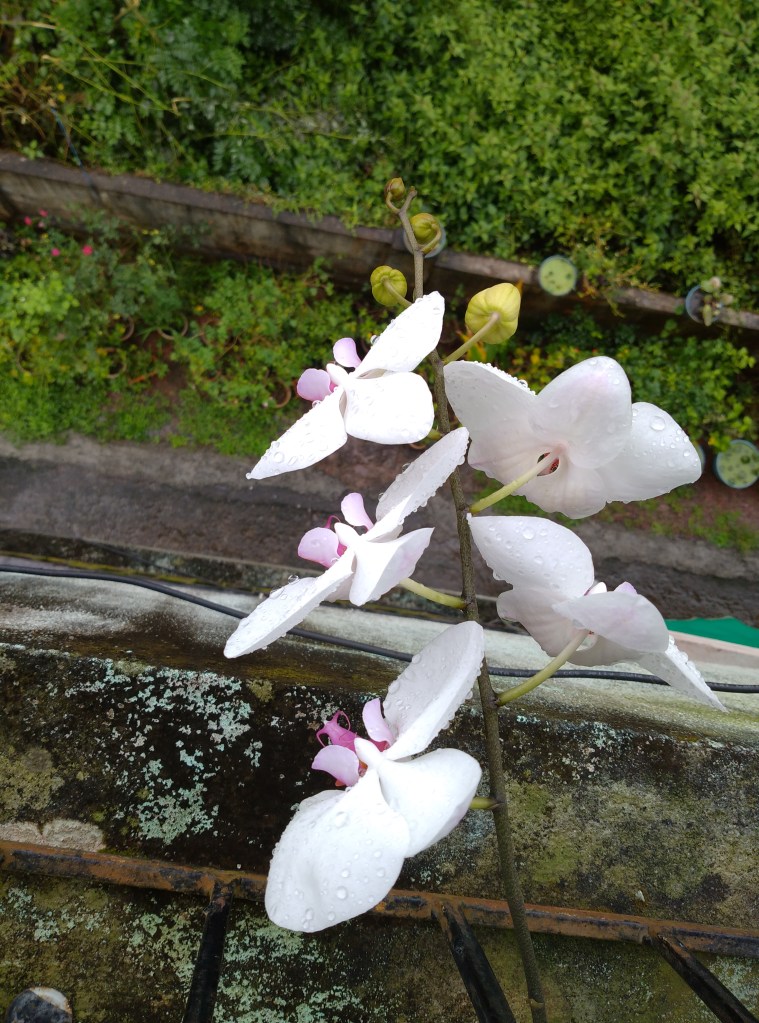
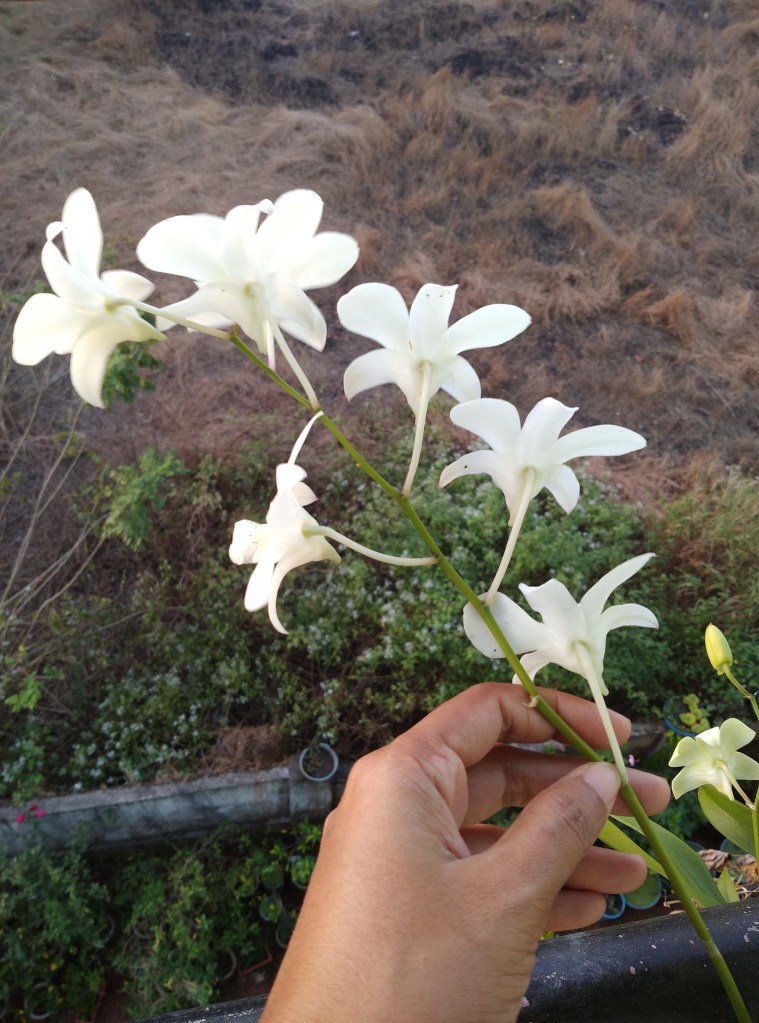
Sunlight is very important for the growth of plants. With the help of sunlight, plants prepare their food through a process known as photosynthesis. The requirement for sunlight may be different for different varieties of plants. Plants that require more sunlight should always be placed in south facing direction as I have mentioned earlier. Plants like orchids require indirect sunlight for flowering. These should be kept near the window which gets partial or indirect sunlight.

You can also use an artificial light source such as led light for growing your indoor plants.

Growing Medium

The growing medium is very important in growing any plant. Since you are growing your plants indoors it’s better to use a well-drained potting mix. Avoid using cocopeat as it keeps the soil moist. If you are using it then don’t overwater your plants. The growing medium should be composed of garden soil, vermicompost, and sand(2:2:1). Again the potting ratio and the medium may differ depending on the plants.

Fertilizer

The requirement for indoor plants is less as compared to garden plants, especially for pothos(money plants), spider plants, snake plants, and English ivy. If you are growing vegetables or herbs or flowering plants then you need to fertilize them regularly. Fertilize these plants once in 15 days. Avoid using organic fertilizer. You can use vermicompost. You can also prepare your fertilizer from your kitchen waste.

Pest control

As I mentioned earlier foliage plants like pothos spider plants and snake plants are hardy, they don’t require much care. Only vegetables, herbs, and flowering plants are prone to diseases and get affected by pests. Common types of bugs are aphids, mealy bugs, and caterpillars. As it said precaution is better than cure. It’s better to make your plants resistant to diseases rather than treating infected plants. For these spray dilutes neem oil on leaves twice a month.

Water requirement

This is another factor you need to consider while gardening. As indoor plants require very less sunlight the water requirement will also be less. You can water them once in two days. Aloe vera and orchids require very less water. You can water these plants once a week. For orchids, you can put ice cubes.

Repotting

Repotting is required if the plant becomes weak or it grows too big. If your plants suddenly start shedding leaves or the leaves become yellow or the plant doesn’t grow or flower then it’s better to report the plants. after removing the plants from the container check their roots. If the roots are rotted then cut those roots and dip them in water containing fungicide or you can simply clean them by rubbing them with cotton dipped in neem oil. Keep it in a shade for a day then report it.

Types Of Indoor Plants

You can grow anything indoors if you provide proper light, potting mix, and fertilizer. But it is difficult and a little costly to do so. Therefore I am listing some indoor plants which you can grow easily in your house or office.

Foliage Plants

  • Money Plant
  • Peace Lily
  • Spider Plant
  • Rubber Plant
  • Ficus Plant

Flowering Plants

  • Orchid
  • Hoya carnosa
  • Anthurium
  • Christmas Cactus
  • Kalanchoe

These plants require a sufficient amount of sunlight for flowering. So keep these plants in a south-facing window or on your balcony

Herbs or Medicinal Plants

  • Tulsi/Basil
  • Alovera
  • Mint
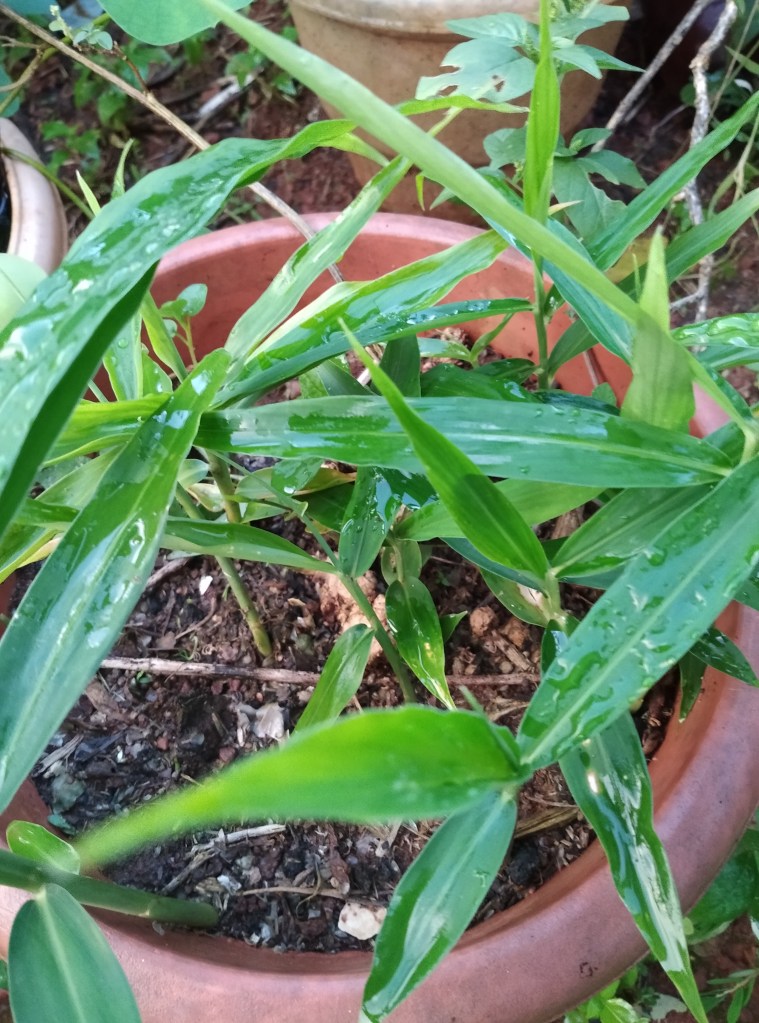
  • Ginger
  • Garlic

Vegetables

  • Pepper
  • Tomato
  • Potato
  • Brinjal
  • Beans
  • Lady’s Finger
  • Onion

These plants also require a good amount of sunlight, so it’s better to keep them on a balcony that gets good sunlight.

The first two categories of plants are good for beginners. After getting some experience start growing the last two categories of plants.

Benefits Of Indoor Gardening

1. The first benefit is you can grow any Grow Anything At any time irrespective of the weather.

2. Indoor plants improve air quality by taking carbon dioxide and giving out oxygen. Plants like peace lilies, pothos, and spider plants also absorb toxins.

3. The temperature of the house is lowered by indoor plants.

4.Plants are theraupatic.They help in reducing stress levels.

5. Plants increase productivity by sharpening our focus.

Now you must have come to know the vast benefits of indoor gardening. So start your indoor garden by buying your first plant. All The Best.

Happy Gardening!!!