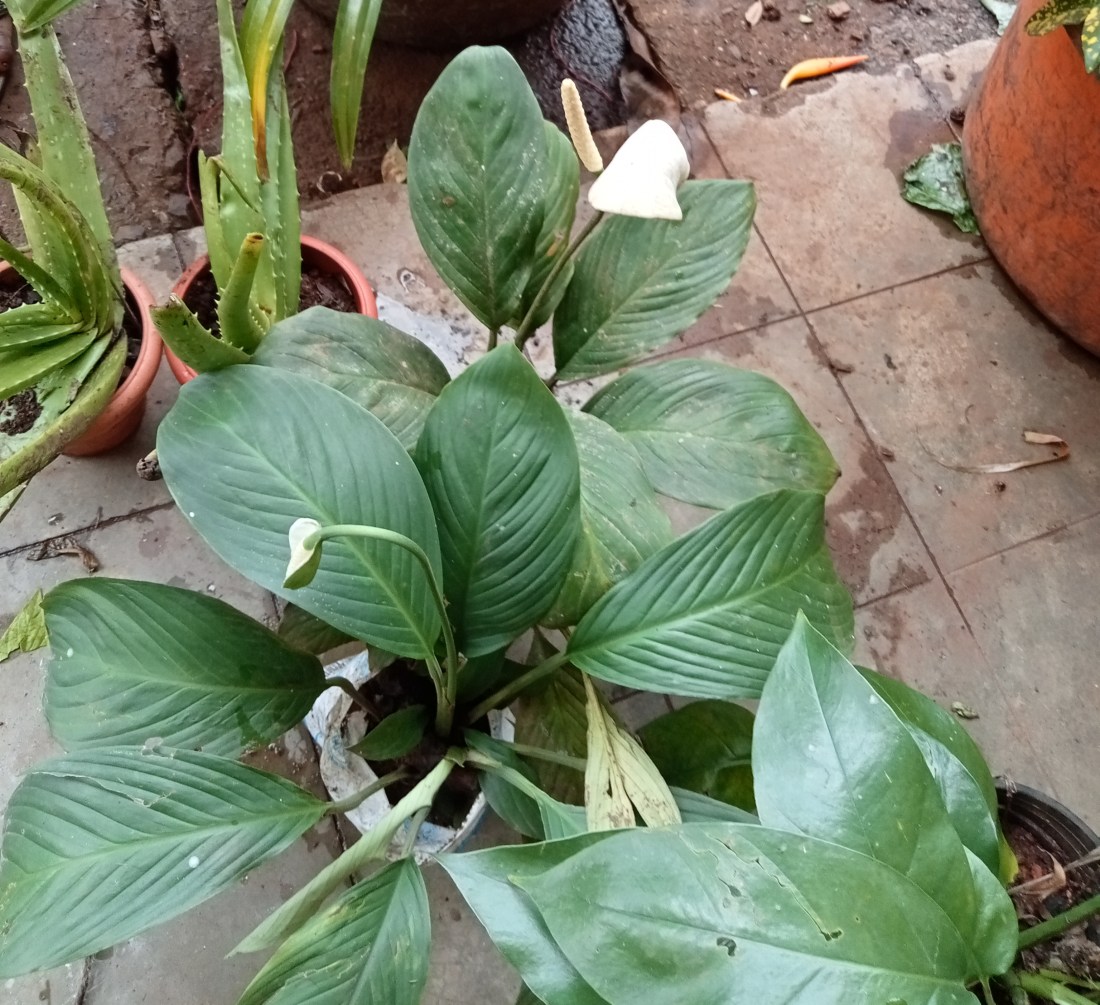
Growing Night Queen (Epiphyllum) – A Guide to Enchanting Blooms!

Introduction:

The Night Queen, scientifically known as Epiphyllum, is a captivating plant known for its stunning nocturnal blooms and easy-care nature. Originating from the tropical regions of Central and South America, this epiphytic cactus has gained popularity among plant enthusiasts for its enchanting beauty and unique flowering habits. In this article, we’ll delve into the world of growing and caring for the Night Queen, unlocking the secrets to cultivating these mesmerizing plants in your own garden or indoor space.

1. Understanding the Night Queen (Epiphyllum)

Botanical Background

Epiphyllum, commonly known as the Night Queen or Orchid Cactus, belongs to the cactus family but lacks the typical spines associated with cacti. Instead, it features flat, leaf-like stems that provide a striking backdrop for its magnificent blooms. These blooms, which appear primarily at night, are often fragrant and come in a range of colors, including white, pink, red, and orange.

Light Requirements

Being a tropical plant, the Night Queen thrives in bright, indirect light. Place it near a window where it can receive ample sunlight but avoid direct exposure to intense midday sun, which can scorch its leaves. If grown indoors, artificial grow lights can also be used to supplement natural light.

2. Planting the Night Queen

Soil Mix

A well-draining soil mix is essential for the Night Queen’s health. A combination of peat moss, perlite, and orchid bark works well, providing the plant with the moisture retention it needs while ensuring excess water drains away efficiently.

Potting

Choose a pot with proper drainage holes to prevent waterlogging, which can cause root rot. Repotting is generally recommended every two to three years or when a plant has outgrown its existing pot. Use a pot that allows room for the plant to grow and expand its root system.

3. Watering and Feeding

Watering

Moderate watering is key to the Night Queen’s well-being. Water the plant thoroughly once the top inch of soil is dry to the touch, ensuring any excess water can drain off. In the winter, decrease the frequency of watering to reflect its natural period of dormancy.

Fertilization

Fertilize monthly during the growing season, which includes spring and summer,using a balanced liquid fertilizer at half strength. This will provide the Night Queen with the nutrients it needs to produce healthy foliage and vibrant blooms.

4. Temperature and Humidity

Temperature

Maintain a consistent temperature between 65-85°F (18-29°C) for optimal growth. The Night Queen is sensitive to cold temperatures, so avoid exposing it to drafts or sudden temperature drops, which can cause leaf damage.

Humidity

Being a tropical plant, the Night Queen appreciates higher humidity levels. If grown indoors, consider placing the plant on a humidity tray filled with pebbles and water or use a room humidifier to increase moisture levels around the plant.

5. Pruning and Propagation

Pruning

Regular pruning helps maintain the Night Queen’s shape and promotes new growth. Remove any dead, damaged, or overgrown stems using sharp, sterile pruning shears. While pruning can be performed as necessary throughout the year, it is generally best to prune plants during their dormant season to promote healthy growth and blooming.

Propagation

Propagating the Night Queen is relatively straightforward and can be done using stem cuttings. Choose a healthy stem and cut a section that is at least 6 inches long. Allow the cut end to dry and callous for a few days before planting it in a well-draining soil mix. Maintain moist soil and ensure exposure to bright, indirect sunlight until signs of new growth are evident.

Conclusion

The Night Queen, with its mesmerizing blooms and easy-care nature, is a delightful addition to any garden or indoor space. By understanding its light, water, and temperature requirements, as well as proper planting, feeding, and care techniques, you can enjoy the beauty of this enchanting plant year-round. Whether you’re a seasoned gardener or a beginner, growing the Night Queen is a rewarding experience that will captivate your senses and bring joy with its stunning displays.
Maintaining a Clean Home Oasis: Tips for Growing Indoor Plants Dirt-Free!

Introduction:

Bringing the beauty of nature indoors with houseplants adds a touch of greenery and tranquility to any living space. However, keeping your home clean while nurturing indoor plants can sometimes pose a challenge. With the right strategies, it’s possible to enjoy the benefits of indoor gardening without sacrificing cleanliness. In this article, we’ll explore practical tips for maintaining a dirt-free home while growing indoor plants.

Choose Clean Indoor Plants:

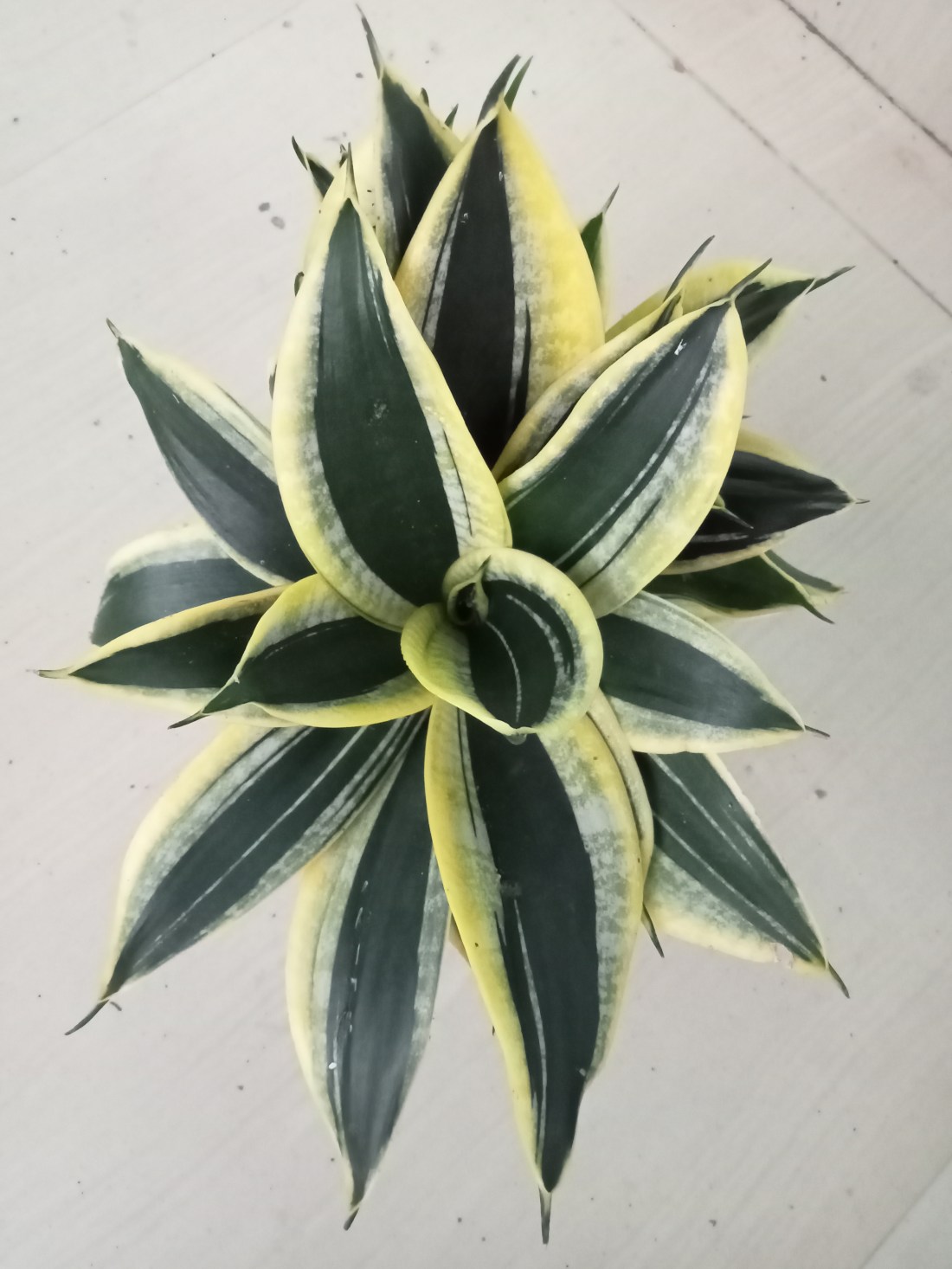
When selecting indoor plants for your home, opt for varieties that are less likely to shed soil or create messes. Look for plants with compact root systems or those that come in clean, soil-free growing mediums like hydroponic setups or air plants. Succulents, snake plants, pothos, and peace lilies are excellent choices known for their low-maintenance nature and minimal mess.

Use Containment Solutions:

To prevent soil spills and water leakage, consider using containment solutions such as decorative pots with built-in saucers or trays. These containers not only catch excess water but also help contain any soil that may escape during watering or transplanting. Additionally, placing plants on trays or trays lined with decorative rocks can further minimize messes and make cleanup easier.

Implement Drip Trays and Watering Techniques:

Drip trays placed underneath pots are essential for catching water runoff during watering sessions. Opt for trays that match the size and aesthetic of your plant containers to maintain a cohesive look. When watering your plants, do so carefully and avoid over-watering to minimize the risk of spills and soil displacement. Using a watering can with a narrow spout or a watering globe can help control water distribution and reduce splashing.

Practice Regular Maintenance:

Routine maintenance tasks such as dusting, pruning, and repotting can help keep indoor plants healthy and minimize messes. Dusting plant leaves with a soft cloth or gentle spray of water removes accumulated dirt and enhances photosynthesis. Pruning dead or yellowing leaves not only improves plant appearance but also prevents soil contamination. Additionally, repotting plants as needed allows for root inspection and prevents overcrowding, which can lead to soil spillage.


Similar Posts


Employ Protective Coverings:

For extra protection against soil spills and water damage, consider using protective coverings such as plastic or silicone mats placed underneath plant containers. These mats provide an additional barrier between the plant and the surface below, preventing water stains and soil residue. Alternatively, decorative waterproof trays or trays lined with waterproof liners can serve as stylish and functional solutions for containing messes.

Opt for Soilless Growing Mediums:

Soilless growing mediums such as coco coir, perlite, or peat moss offer an alternative to traditional potting soil and can help minimize dirt-related messes. These lightweight and sterile mediums provide excellent aeration and drainage for plant roots while reducing the risk of soil-borne pests and diseases. Hydroponic systems, aeroponic towers, and moss poles are innovative soil-free growing methods that eliminate the need for messy soil altogether.

Establish Cleaning Routines:

Regular cleaning routines are essential for maintaining a dirt-free home environment while growing indoor plants. Vacuuming or sweeping floors, wiping down surfaces, and dusting furniture help remove accumulated dirt and debris. Pay special attention to areas around plant containers and windowsills, where soil and dust tend to accumulate. Consider using a handheld vacuum or dusting brush to clean hard-to-reach spaces and tight corners.

Conclusion:

With proper planning and maintenance, it’s possible to enjoy the beauty of indoor plants without compromising cleanliness in your home. By selecting clean plant varieties, using containment solutions, practicing regular maintenance, and implementing protective measures, you can create a dirt-free oasis that enhances both your living space and your well-being. With these tips in mind, you can cultivate a harmonious balance between nature and cleanliness indoors.

Happy Gardening!

Exploring Different Types of Money Plants and Their Benefits!

Introduction

Money plants, also known as Epipremnum aureum or Pothos, are popular houseplants cherished for their attractive appearance and reputed positive effects on the environment and well-being. These plants are not only easy to care for but also come in various types, each with its unique characteristics and benefits. In this article, we will delve into the different types of money plants and explore the advantages they offer.

Golden Pothos (Epipremnum aureum)

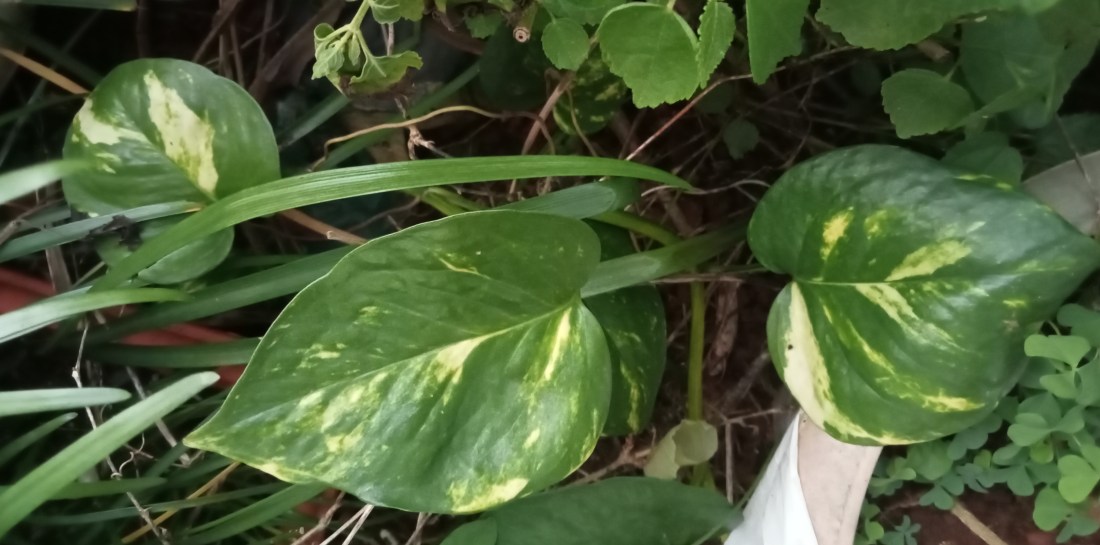
Golden Pothos, often referred to as Devil’s Ivy, is one of the most recognizable and widely cultivated money plant varieties. This plant features heart-shaped, green and golden variegated leaves that are not only visually appealing but also help purify indoor air.

Some of the benefits of having Golden Pothos include:

Air Purification: Golden Pothos is an excellent air purifier, removing toxins like formaldehyde and benzene from the air, thus improving indoor air quality.

Low Maintenance: This variety is easy to care for, making it an ideal choice for beginners or busy individuals.

Feng Shui: Golden Pothos is believed to attract positive energy and financial prosperity according to Feng Shui principles.

Easy Propagation: Golden Pothos is easy to propagate through cuttings in water or soil, making it a great plant for beginners.

Marble Queen Pothos

Marble Queen Pothos is another stunning money plant variant known for its distinctive marbled white and green leaves. It shares many benefits with Golden Pothos, such as air purification and low maintenance. However, its elegant appearance adds a touch of sophistication to any space.

Here are some key features and care tips for Marble Queen Pothos:

Light Requirements: Marble Queen Pothos thrives in bright, indirect light but can tolerate lower light conditions.

Variegation: Its marbled leaves make it a visually appealing choice for home decor.

Low Maintenance: Like other Pothos varieties, it’s easy to care for.

Neon Pothos

Neon Pothos is a vibrant and eye-catching money plant variety. Its bright, fluorescent green leaves are sure to be a focal point in any room. Besides its striking appearance, Neon Pothos offers similar benefits to other Pothos varieties, including air purification and ease of care.

Jade Pothos

Jade Pothos is recognized by its rich, deep green leaves with creamy white or yellow streaks. This type of money plant is not only aesthetically pleasing but also contributes to a healthier living environment.

The benefits of having a Jade Pothos include:

Improved Air Quality: Jade Pothos helps eliminate indoor air pollutants, making it an excellent addition to homes and offices.

Prosperity Symbol: In Chinese culture, the Jade Pothos is considered a symbol of wealth and good fortune.


Similar Posts


Silver Pothos

Silver Pothos stands out due to its striking silver or gray-green leaves. Like its counterparts, it offers advantages such as air purification and minimal care requirements. Its unique coloration adds a touch of elegance and sophistication to any interior.

Key features and benefits of Silver Pothos

Light: Thrives in moderate to bright indirect light.

Foliage: The silver variegation sets it apart from other Pothos types.

Low Maintenance: Perfect for beginners.

Manjula Pothos

Manjula Pothos is characterized by its variegated leaves featuring creamy-white, green, and silvery-gray hues. This money plant variety combines the beauty of its foliage with air-purifying qualities and easy maintenance. Having Manjula Pothos in your living space not only enhances its visual appeal but also contributes to a healthier atmosphere.

Air Quality: Contributes to better indoor air quality by filtering out toxins.

Care: Maintain moderate humidity and water when the topsoil dries out.

Benefits of Money Plants

Now that we’ve explored various types of money plants, let’s dive deeper into the common benefits they offer:

Air Purification:

Money plants are renowned for their ability to filter indoor air by removing harmful pollutants such as formaldehyde, benzene, and xylene. This purification process leads to improved air quality, making them excellent choices for homes and offices.

Low Maintenance:

Money plants are extremely forgiving when it comes to care. They can thrive in a variety of lighting conditions, tolerate irregular watering, and are generally pest-resistant. This makes them ideal for individuals with busy lifestyles or those new to plant care.

Positive Energy:

In Feng Shui and some other belief systems, money plants are considered to attract positive energy and financial prosperity. Placing these plants in specific areas of your home or workspace may enhance your overall well-being and luck.

Aesthetic Appeal:

With their diverse leaf shapes and colors, money plants are not only beneficial but also visually pleasing. They can complement various interior design styles and add a touch of nature’s beauty to your surroundings.

Conclusion

Money plants, in their various forms, offer a multitude of benefits ranging from air purification to aesthetic enhancement and positive energy attraction. Whether you choose the classic Golden Pothos, the elegant Marble Queen, the vibrant Neon Pothos, or any other variant, incorporating these plants into your living or working space can greatly improve your environment and well-being. Their low maintenance requirements make them accessible to everyone, regardless of their gardening experience. So, why not bring a touch of greenery and prosperity into your life by welcoming a money plant into your home or office?

Happy Gardening!

Discover 15 Low-Light Plants for Your Indoor Garden Oasis!

Indoor gardening is a rewarding and therapeutic hobby that allows you to bring a touch of nature into your living spaces. However, not every home has abundant natural light, which can make plant selection a bit challenging. But fear not! There is a diverse range of low-light plants perfectly suited for those dimmer corners of your home. In this article, we’ll introduce you to 15 low-light plants that thrive in indoor settings, adding beauty and tranquility to your living space.

1. Snake Plant (Sansevieria trifasciata)

The Snake Plant, also known as Mother-in-Law’s Tongue, is a hardy, low-maintenance plant that can tolerate low light conditions. Its striking upright leaves make it an attractive addition to any room.

2. Peace Lily (Spathiphyllum)

The Peace Lily is famous for its elegant white blooms and air-purifying properties. It’s well-suited for low light areas and can thrive in humid environments.

3. ZZ Plant (Zamioculcas zamiifolia)

The ZZ Plant is a robust plant with glossy, dark green leaves. It’s virtually indestructible and can thrive in very low light, making it a perfect choice for beginners.

4. Pothos (Epipremnum aureum)

Pothos is a popular trailing plant that can thrive in low to moderate light. Its variegated leaves add a pop of color to your indoor garden.

5. Cast Iron Plant (Aspidistra elatior)

As the name suggests, the Cast Iron Plant is incredibly resilient and can tolerate low light, neglect, and fluctuations in temperature. It’s an excellent choice for low-maintenance indoor gardening.

6. Chinese Evergreen (Aglaonema)

Chinese Evergreens come in various striking varieties, all of which are known for their adaptability to low-light conditions. They add a touch of elegance to your indoor garden.

7. Boston Fern (Nephrolepis exaltata)

Boston Ferns are classic indoor plants that can thrive in low to moderate light. Their lush, feathery fronds add a soft and refreshing ambiance to your space.

8. Spider Plant (Chlorophytum comosum)

The Spider Plant is renowned for its air-purifying qualities and can thrive in indirect light. It produces arching green and white striped leaves, making it an attractive choice.

9. Dracaena (Dracaena spp.)

Dracaenas are a diverse group of plants with various leaf colors and shapes. Many dracaena varieties, such as the Dragon Tree, can adapt to low light conditions.


Similar Posts


10. Parlor Palm (Chamaedorea elegans)

Parlor Palms are compact and elegant plants that can tolerate low light and dry indoor air. They’re perfect for adding a tropical touch to your space.

11. Peperomia (Peperomia spp.)

Peperomias are small, easy-to-care-for plants that do well in low to moderate light. They come in various textures and colors, making them a lovely addition to any indoor garden.

12. Philodendron (Philodendron spp.)

Philodendrons are low-maintenance plants that can adapt to a range of light conditions, including low light. Their heart-shaped leaves add a touch of charm to your home.

13. Lucky Bamboo (Dracaena sanderiana)

Lucky Bamboo is a symbol of good fortune and is well-suited for low light conditions. It’s often grown in water, making it an interesting and low-maintenance choice.

14. Maranta (Maranta leuconeura)

Maranta, also known as the Prayer Plant, features beautiful, patterned leaves that fold upward in the evening. It’s a delightful low-light plant option.

15. Dieffenbachia (Dieffenbachia spp.)

Dieffenbachias are known for their striking variegated leaves. They can adapt to low light areas but keep them away from direct sunlight.

Conclusion

With these 15 low-light indoor plants, you can transform even the dimmest corners of your home into a thriving garden oasis. Whether you’re a seasoned indoor gardener or just starting out, these plants offer beauty, air-purifying benefits, and a sense of tranquility to your indoor spaces.

Happy gardening!