Choosing the Best Sod for Sun and Shade: Your Ultimate Lawn Care Guide!

Introduction

Creating a lush, green lawn is a goal for many homeowners, but choosing the right type of sod can make all the difference, especially when dealing with varying sun and shade conditions. Different sod types thrive under different light conditions, and selecting the most suitable variety for your lawn will ensure its health, beauty, and durability. In this article, we’ll explore the types of sod that are best for both sunny and shady areas, and offer tips on how to make the best choice for your lawn.

Understanding Sod and Its Requirements

Sod is a layer of established grass and soil held together by its roots or a piece of thin material. It’s an effective way to establish a lawn quickly, but it requires choosing the right type based on your yard’s conditions. Before selecting sod, it’s essential to assess how much sunlight different parts of your lawn receive.

Full Sun: Areas that receive 6 to 8 hours of direct sunlight daily.

Partial Shade: Areas that receive 3 to 6 hours of direct sunlight or filtered sunlight.

Full Shade: Areas that get less than 3 hours of direct sunlight.

Knowing your lawn’s sun and shade patterns helps in selecting the right sod that will thrive in those specific conditions.

Best Sod Types for Full Sun

Bermuda Grass

Bermuda grass is a warm-season grass that thrives in full sun and is known for its heat tolerance and drought resistance. It’s an excellent choice for areas with long, hot summers. Bermuda grass forms a dense, durable lawn, making it ideal for high-traffic areas. However, it does not perform well in shaded areas.

Zoysia Grass

Zoysia grass is another warm-season grass that loves the sun. It’s hardy, dense, and can tolerate some shade, although it thrives best in full sun. Zoysia is drought-resistant and recovers well from wear, making it a popular choice for lawns that receive plenty of sunlight. Its dense growth pattern helps prevent weeds, but it can be slow to establish.

St. Augustine Grass

St. Augustine grass is a warm-season grass that prefers full sun but can tolerate some shade better than Bermuda. It’s popular in coastal areas due to its salt tolerance. St. Augustine forms a thick, lush lawn and is relatively easy to maintain. However, it requires more water than other warm-season grasses and isn’t ideal for colder climates.

Best Sod Types for Partial Shade

Zoysia Grass (Varieties for Shade)

While Zoysia grass prefers full sun, certain varieties like ‘Emerald’ and ‘Zeon’ are more shade-tolerant. These types of Zoysia can thrive in partial shade, making them versatile for lawns with mixed sun and shade conditions.

St. Augustine Grass (Shade-Tolerant Varieties)

Varieties such as ‘Palmetto’ and ‘Seville’ are known for their ability to handle partial shade better than standard St. Augustine grass. These varieties are less tolerant of full shade but are suitable for areas that receive some sunlight throughout the day.

Fescue Grass

Fescue grass is a cool-season grass that does well in partial shade, particularly in cooler climates. It is often used in areas with both sun and shade. Fescue has a deep root system that makes it drought-resistant once established, and it remains green year-round in mild climates.


Similar Posts:


Best Sod Types for Full Shade

Fine Fescue

Fine fescue is a cool-season grass that is the most shade-tolerant among turfgrasses. It grows well under trees and in areas that receive little direct sunlight. Fine fescue includes varieties like creeping red fescue, chewings fescue, and hard fescue. It’s an excellent choice for lawns that have dense shade or receive dappled sunlight.

St. Augustine Grass (‘Seville’ Variety)

While no grass thrives in complete shade, the ‘Seville’ variety of St. Augustine grass performs well in very shady conditions compared to other types. It’s often used in areas with low light due to its shade tolerance.

Zoysia Grass (‘Zeon’ Variety)

For those looking for a warm-season grass that can handle substantial shade, ‘Zeon’ Zoysia is an option. It has a high shade tolerance and performs better in low-light conditions than many other warm-season grasses.

Tips for Choosing the Right Sod

Evaluate Your Lawn’s Conditions

Before selecting sod, take a day to observe how much sunlight different parts of your lawn receive. Note areas of full sun, partial shade, and full shade to determine which type of sod will work best.

Consider Climate

Choose a sod that suits your regional climate. Warm-season grasses like Bermuda, St. Augustine, and Zoysia are great for hot, sunny climates, while cool-season grasses like Fescue are ideal for cooler, shaded areas.

Test Your Soil

Testing your soil can provide insight into its pH and nutrient levels, helping you choose a sod type that will thrive. Most grasses prefer a neutral to slightly acidic pH, but some, like Centipede grass, prefer more acidic soils.

Think About Lawn Usage

If your lawn will have heavy foot traffic, choose a sod type that is durable and quick to recover, like Bermuda or Zoysia. For lower-traffic areas, a more shade-tolerant sod like Fescue or St. Augustine may be appropriate.

Plan for Maintenance

Some sod types require more maintenance than others. For example, Bermuda grass needs regular mowing and dethatching, while Fescue requires overseeding in the fall. Consider your willingness and ability to maintain your lawn before choosing a sod type.

Conclusion

Selecting the right sod for your lawn’s sun and shade conditions is crucial for achieving a healthy and vibrant lawn. By understanding the light requirements of different sod types and matching them to your lawn’s conditions, you can create a beautiful, low-maintenance lawn that thrives year-round. Whether your lawn is mostly sunny, mostly shaded, or a mix of both, there’s a perfect sod option out there waiting for you.

Happy Gardening!
Organic Ant Banishment: How to Naturally Rid Your Lawn of Red Ants!

Introduction

Red ants can be a nuisance in any lawn but tackling them organically is an eco-friendly solution to maintain a healthy yard. Here’s a comprehensive guide on naturally getting rid of red ants in your lawn.

Understanding Red Ants

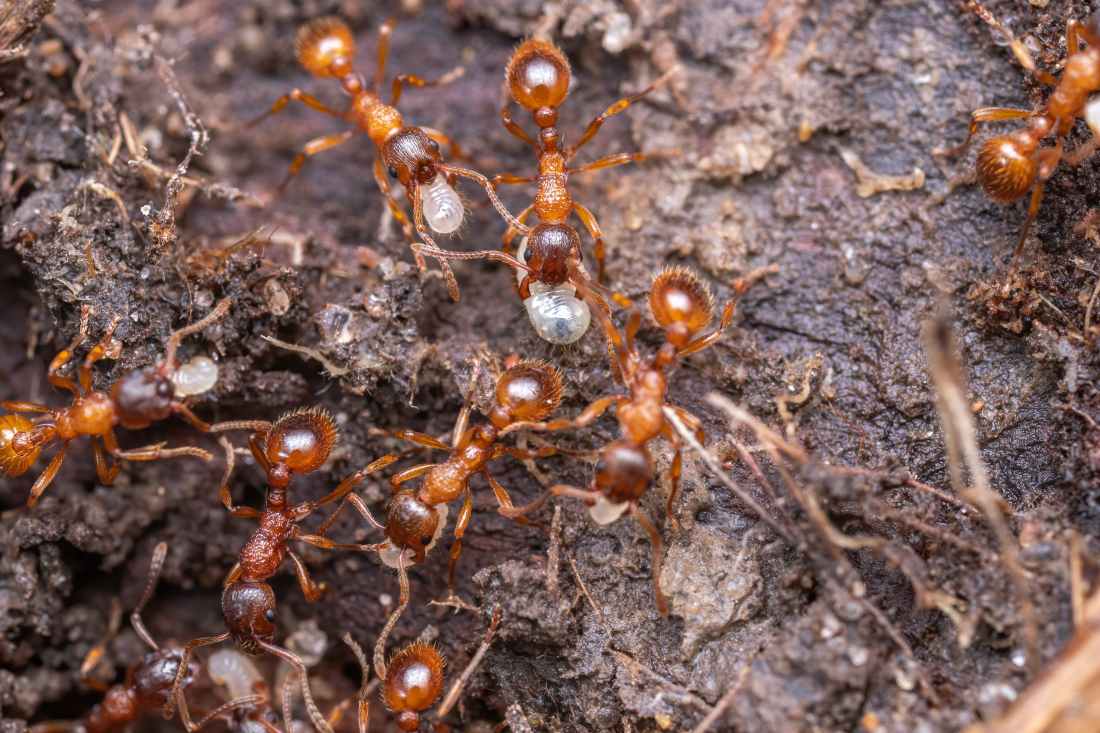
Red ants, also known as fire ants, can sting and cause discomfort. Eliminating them organically ensures a safe and natural approach to managing these pests without harming the environment or other beneficial insects.

Organic Solutions for Red Ants

Boiling Water: Pouring boiling water into ant nests can effectively eradicate them. Locate the nests and slowly pour boiling water directly into the openings.

Diatomaceous Earth: Sprinkling food-grade diatomaceous earth around ant mounds and areas they frequent can dehydrate and kill them. This natural substance doesn’t harm pets or plants.


Chalk: Chalk is composed of calcium carbonate, a substance known to deter ants due to its repellent properties. Its mineral composition disrupts the ants’ ability to navigate, effectively deterring them from entering specific areas.

Vinegar Solution: A mixture of vinegar and water can disrupt ant trails and eliminate the pheromone trails they use to navigate. Spray this solution directly onto the ants or their pathways.

Citrus Peels: Scatter citrus peels around ant nests or areas with high ant activity. The natural oils in citrus fruits act as a deterrent for ants.

Spices and Essential Oils: Using spices like cinnamon, cloves, or essential oils such as peppermint, tea tree, or neem oil around entry points or nests can repel red ants.

Beneficial Nematodes: Introducing beneficial nematodes to the lawn can naturally control ant populations. These microscopic organisms prey on ants and other harmful insects.


Similar Posts


Prevention Measures

Maintain Cleanliness: Keep the lawn free of debris, spills, or food scraps that might attract ants.

Natural Barriers: Creating barriers using substances like chalk, coffee grounds, or powdered charcoal can prevent ants from crossing into specific areas.

Regular Lawn Maintenance: Keeping the lawn healthy through proper mowing, aeration, and adequate watering can deter ant infestations.

Conclusion

Red ants in the lawn can be managed effectively and organically by leveraging various natural remedies. With these eco-friendly methods, you can create a healthy, ant-free lawn without resorting to harsh chemicals.

Remember, consistency in applying these organic solutions is key to effectively controlling red ant populations while maintaining a green and thriving lawn.

Happy Gardening!

Conquer Your Lawn Weeds: A Stress-Free Guide to a Luscious Yard!

Hey there, fellow lawn enthusiast! If you’ve found yourself in a constant battle against those pesky weeds invading your green haven, fear not—help is here! We all dream of a pristine, weed-free lawn, and with a few savvy tricks up your sleeve, you’ll soon be the envy of the neighborhood.

Understanding the Weedy Invaders

First things first, let’s identify the enemy. Weeds are like those uninvited guests crashing your lawn party—they come in various shapes and sizes, from dandelions to crabgrass, but they all share one goal: to take over your beautiful turf.

The Power of Prevention

Prevention is worth a pound of cure, they say, and it’s true for weeds too. A healthy lawn is less inviting to these unwelcome intruders. Regular mowing, proper watering, and appropriate fertilization are your secret weapons. Think of it as giving your grass a power-up while making life miserable for those pesky weeds.

Weeding Out Weeds

Sometimes, prevention isn’t enough, and a few renegades break through. It’s time to get ready for some hands-on work.Pulling weeds by hand might not sound glamorous, but it’s oddly satisfying and effective, especially for smaller infestations. Make sure to grab them by the root to prevent regrowth.

The Herbicide Option

When the weed army seems overwhelming, herbicides can be your cavalry. Choose a selective herbicide that targets specific weeds without harming your precious grass. Read the labels diligently and apply with caution, following the instructions to the letter. Safety first, always!

Using Landscaping Fabric

Similar to other plants, weeds require air and sunlight to thrive. By covering your lawn with landscaping fabric, you can reduce the amount of toxic pesticides you need to apply to control weeds. Additionally, this fabric lets water seep through it, so soil hydration is not a problem.

Mulching Magic

Mulch is a terrific way to get double the protection against weeds that landscaping fabric offers. To go a more natural option, just replace the fabric with cardboard and newspaper. It is not only economical, but it is also organic. A layer of mulch isn’t just for aesthetic appeal; it’s a strategic barrier against weeds. Mulch blocks sunlight, making it harder for weed seeds to germinate. Plus, it keeps the soil moist and regulates temperature, creating an unfavorable environment for weed growth. To go a more natural option, just replace the fabric with cardboard and newspaper. It is not only economical, but it is also organic.

If you prefer an organic approach, a fantastic alternative to landscaping fabric is using newspaper and cardboard. This switch not only maintains an organic methodology but also proves to be cost-efficient, making it a win-win solution for your lawn’s health and your wallet.

Going Natural with Vinegar

In the realm of DIY weed control, vinegar emerges as a hero. Its acidic nature is lethal for many weeds. Mix vinegar with a bit of dish soap and spray directly onto the weeds. Be cautious; vinegar doesn’t discriminate between weeds and your prized plants, so aim carefully!

Nurturing Your Grass

Lastly, remember to pamper your grass. A well-fed, healthy lawn will naturally outcompete weeds for space and resources. Regular feeding with high-quality fertilizer tailored to your grass type will fortify it against weed invasion.

Final Thoughts

Taming lawn weeds might seem like a never-ending saga, but armed with these tactics, you’re well on your way to reclaiming your lawn. Combine prevention, manual removal, selective herbicides, mulching, and some natural remedies to keep those pesky intruders at bay.

With a bit of dedication and these savvy strategies, you’ll soon be kicking back on your weed-free, lush green carpet of grass, sipping lemonade, and enjoying the envy of the neighborhood!

Remember, a weed-free lawn isn’t built in a day, but with consistent effort and these tips, you’re well on your way to victory.

Happy weeding!

Happy Gardening!