
Introduction
Picture this: a lush, thriving garden buzzing with life, where plants flourish, and the ecosystem is in perfect harmony. To achieve this, we need to address a common challenge every gardener faces—pests. But fret not, for in this article, we’ll explore natural and eco-friendly approaches to pest control that will keep your garden healthy and vibrant while protecting the environment.
1. Companion Planting: Nature’s Pest Control Squad
Let’s start with a technique as old as gardening itself—companion planting. This method involves strategically planting certain flowers, herbs, or vegetables alongside your main crops to deter pests or attract beneficial insects. For example, marigolds emit a scent that repels aphids, while herbs like basil can help keep flies and mosquitoes at bay. Not only does companion planting reduce the need for chemical pesticides, but it also enhances biodiversity in your garden.
2. Beneficial Insects: Your Garden’s Allies
Nature has its own army of pest controllers: beneficial insects like ladybugs, lacewings, and parasitic wasps. Attracting these allies to your garden can significantly reduce pest populations. Plant nectar-rich flowers, such as coneflowers and alyssum, to provide food sources for these helpful bugs. Additionally, avoid using broad-spectrum pesticides that can harm both harmful and beneficial insects.
3. Neem Oil: A Natural Pest Repellent
Neem oil, an organic insecticide, is becoming more and more popular as a way to treat everything from fungi to insects. Neem oil derived from the neem tree, is a powerful and eco-friendly tool in your pest control arsenal. It’s effective against a wide range of garden pests, including aphids, mealybugs, and caterpillars. Neem oil can be sprayed on the tops and undersides of your plant’s leaves to help get rid of a variety of pests at all stages of their life cycles, including mites, whiteflies, aphids, thrips, and mealybugs. Neem oil can be used to get rid of powdery mildew as well. As an alternative, you can treat root rot by soaking the roots in neem oil. Neem oil has an advantage over other pesticides in that it doesn’t affect animals, birds, or helpful insects. Neem oil only affects insects that consume the plant since it is absorbed into the tissue of the plant rather than remaining on the surface.
Mix neem oil with water and a bit of dish soap to create a homemade pest spray. Use this spray twice a week in the evening.
Similar Posts
4. Homemade Pest Sprays: DIY Solutions
You don’t need to rely on commercial pesticides to keep pests at bay. Many homemade solutions are effective and environmentally friendly. For instance, a mixture of garlic and chili pepper can deter common garden pests when sprayed on plants. Similarly, a soap and water solution can help control soft-bodied insects like spider mites and whiteflies.
5. Crop Rotation: Outsmarting Pests
Crop rotation is a sustainable practice that helps break the life cycles of garden pests. By changing the location of your crops each season, you make it harder for pests to establish themselves. Additionally, certain plants are known to improve soil health, making it less conducive for pests and diseases to thrive.
6. Handpicking and Pruning: Hands-On Pest Control
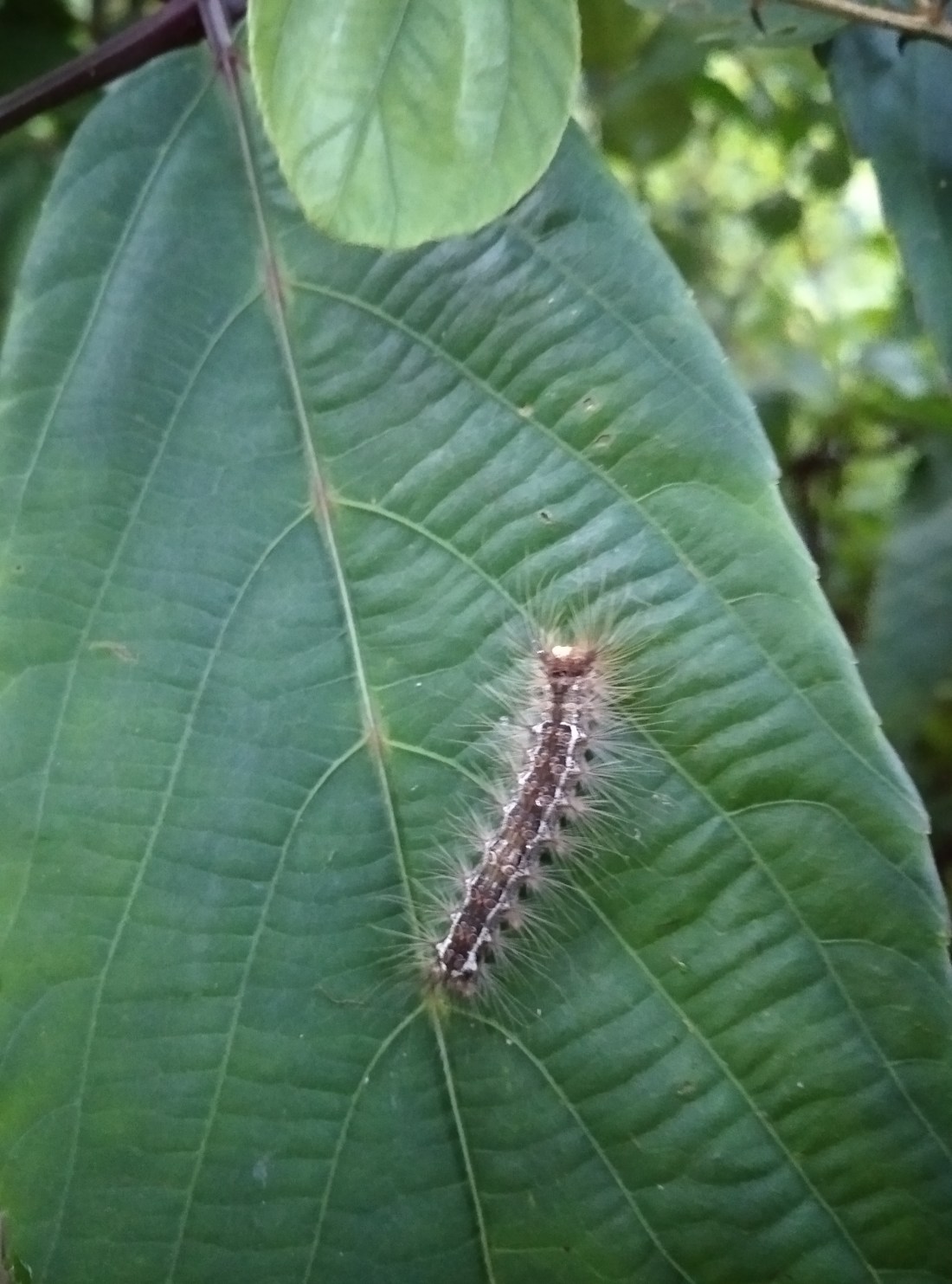
Sometimes, the simplest methods are the most effective. Regularly inspect your plants for signs of pest damage, and if you spot any intruders, like caterpillars or snails, remove them by hand. Pruning affected plant parts can also prevent the spread of diseases and deter pests.
7. Water spray
Spraying water on your plants isn’t just about quenching their thirst; it’s also a savvy way to deter pests. When you give your plants a gentle shower, you’re not only washing off dust and grime but also disrupting the cozy habitats of common garden pests like aphids, spider mites, and mealybugs. Pests often use the leaves of your plants as their personal hideaways, but a good spray-down can send them packing. Plus, it’s like a mini spa day for your green buddies, keeping them healthy and vibrant. So, grab that hose, give your plants a refreshing mist, and bid those pesky critters farewell – the natural way!
Conclusion: Embrace Eco-Friendly Pest Control
In your quest for a beautiful and bountiful garden, don’t forget that the planet deserves some TLC too. Embrace these natural and eco-friendly pest control methods, and you’ll not only protect your garden but also contribute to a healthier environment. Your garden will thrive, and you can bask in the satisfaction of knowing that you’re gardening in harmony with nature.
Happy eco-friendly gardening!
 ILoveGardening