
Introduction
Seaweed is a collective term for numerous species of marine algae that thrive in oceans, rivers, and other water bodies. Ranging in color from green to brown to red, seaweeds are crucial for marine ecosystems, providing food, habitat, and oxygen through photosynthesis. These versatile organisms also have significant human applications, from culinary uses (like nori in sushi) to industrial applications in pharmaceuticals, cosmetics, and biofuels. Despite their simple structure, seaweeds are incredibly diverse and essential for ecological balance and human innovation.
Seaweeds, often overlooked in the grand tapestry of marine life, play a crucial role in our oceans and have a significant impact on human life. These macroscopic, multicellular marine algae are found in various forms and colors, primarily classified into three main groups: red (Rhodophyta), brown (Phaeophyceae), and green (Chlorophyta) algae.
Types of Seaweeds
Red Algae (Rhodophyta):
Red algae are known for their vibrant colors, which come from the pigment phycoerythrin. This pigment allows them to absorb blue light and inhabit deeper waters than other types of seaweed.
Common examples include dulse (Palmaria palmata) and Irish moss (Chondrus crispus), which are often used in food products and cosmetics.
Brown Algae (Phaeophyceae):
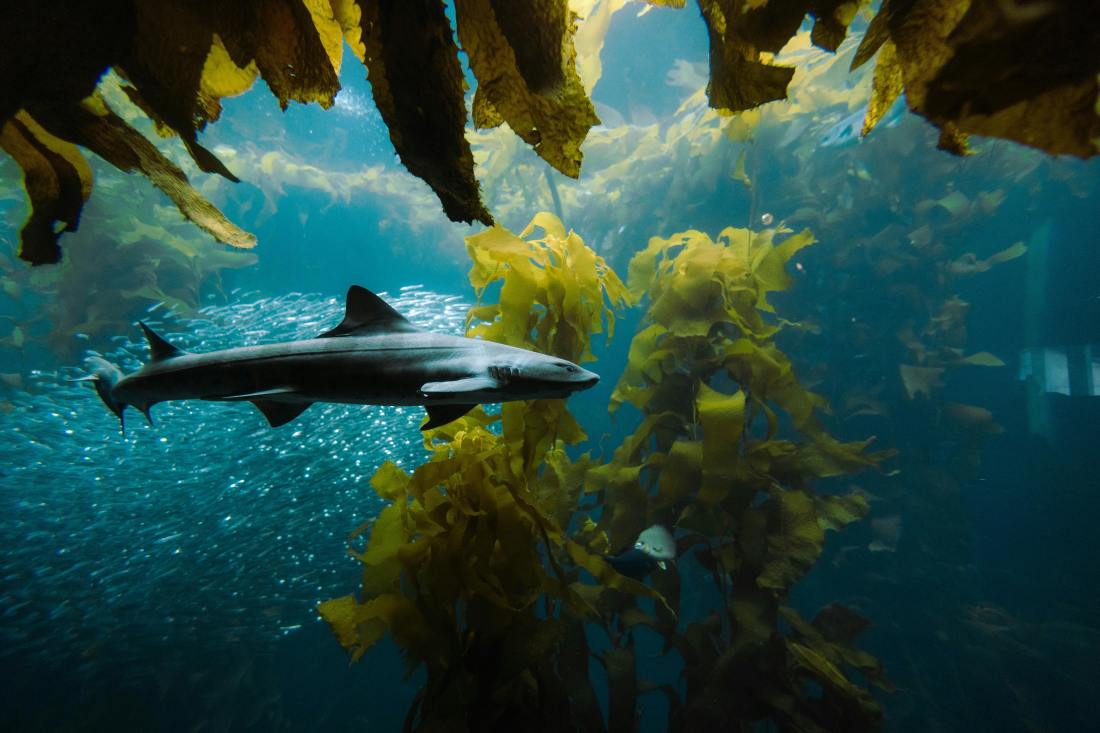
Brown algae are typically found in colder waters and are known for their large size. The giant kelp (Macrocystis pyrifera), which can grow up to 60 meters, is a notable example.
These algae contain fucoxanthin, a pigment that gives them their characteristic brown color. They are often used in the production of alginates, which are used as thickening agents in various industries.
Green Algae (Chlorophyta):
Green algae are more commonly found in freshwater environments but also thrive in marine settings. They contain chlorophyll, which is responsible for their green color.
Sea lettuce (Ulva lactuca) is a well-known green alga that is often used in salads and other culinary dishes.
Ecological Importance
Seaweeds are vital to marine ecosystems. They provide habitat and food for a variety of marine organisms, from tiny invertebrates to large fish. Kelp forests, for example, are among the most productive and dynamic ecosystems on Earth, offering shelter and nourishment to countless species.
Moreover, seaweeds play a significant role in carbon sequestration. They absorb carbon dioxide from the atmosphere, helping to mitigate the effects of climate change. Some studies suggest that seaweed farming could be a viable strategy for reducing atmospheric CO2 levels.
Human Uses
Humans have utilized seaweeds for centuries, and their applications are diverse:
Food:
Seaweeds are a staple in many Asian cuisines. Nori, a delicious ingredient in sushi, is actually a type of red algae that adds not only flavor but also essential nutrients to your meal. Kombu and wakame, both brown algae, are essential ingredients in Japanese soups and broths.
They are rich source of vitamins, minerals, and antioxidants, making them a nutritious addition to any diet.
Agriculture:
Seaweeds are used as fertilizers because they are rich in nutrients. They improve soil structure and provide essential minerals that promote plant growth.
Industry:
Alginates, agar, and carrageenan, extracted from various seaweeds, are used as gelling, thickening, and stabilizing agents in the food, pharmaceutical, and cosmetic industries.
Medicine:
Seaweeds have been found to have anti-inflammatory, antiviral, and antimicrobial properties. They are being researched for their potential in treating various health conditions.
Similar Posts:
Threats to Seaweed Ecosystems
Despite their importance, seaweed ecosystems face numerous threats:
Climate Change:
Rising sea temperatures and ocean acidification can adversely affect seaweed growth and distribution. Some species may struggle to adapt to changing conditions, leading to shifts in marine biodiversity.
Pollution:
Chemical pollutants, plastic waste, and oil spills can damage seaweed habitats. Nutrient runoff from agriculture can lead to algal blooms, which deplete oxygen in the water and harm marine life.
Overharvesting:
Unsustainable harvesting practices can deplete seaweed populations. It is crucial to implement and follow sustainable harvesting guidelines to ensure the long-term health of seaweed ecosystems.
Conservation Efforts
Efforts are being made globally to protect and restore seaweed habitats:
Marine Protected Areas (MPAs):
Establishing MPAs can help safeguard critical seaweed habitats from human activities. These areas provide a refuge for marine life and allow ecosystems to recover and thrive.
Sustainable Farming:
Promoting sustainable seaweed farming practices can reduce pressure on wild populations. This includes rotating harvest areas, using environmentally friendly farming techniques, and monitoring the health of seaweed beds.
Research and Education:
Continued research into the ecological roles and benefits of seaweeds is essential. Public education campaigns can raise awareness about the importance of seaweeds and the need to protect them.
Conclusion
Seaweeds are more than just marine plants; they are a cornerstone of marine ecosystems and have a profound impact on human life. From providing habitat and food for marine organisms to offering numerous benefits to humans, seaweeds are indispensable. However, they face serious threats that necessitate coordinated conservation efforts. By understanding and protecting these vital organisms, we can ensure the health and sustainability of our oceans for future generations.
Happy Gardening!
 ILoveGardening