
Introduction
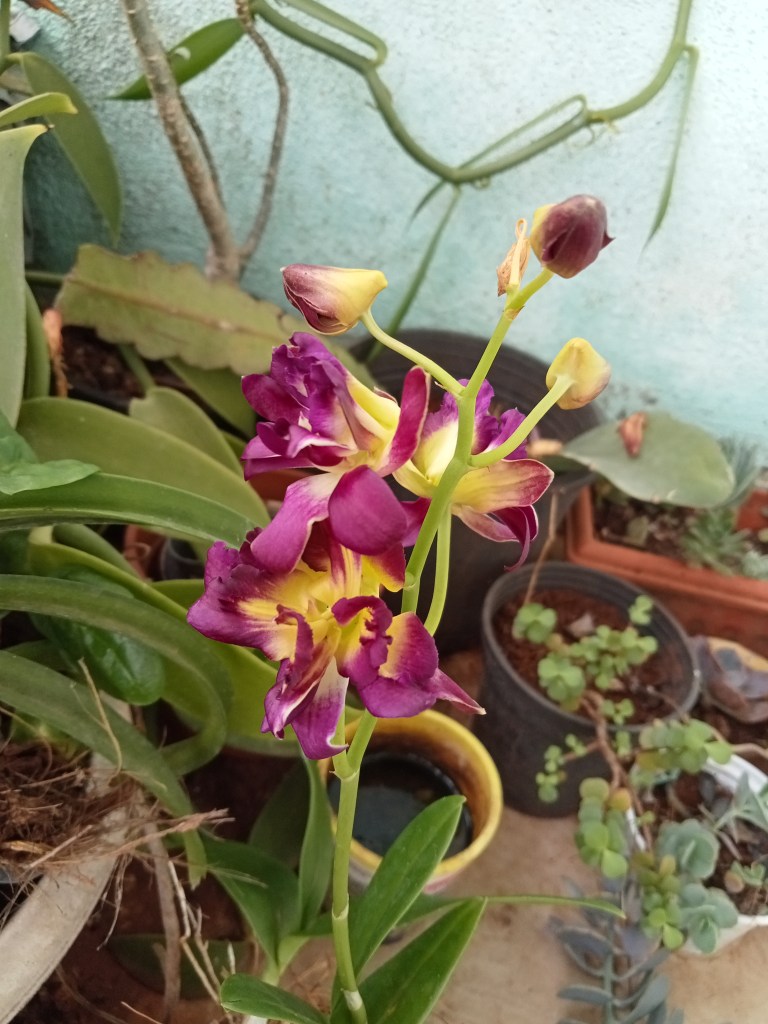
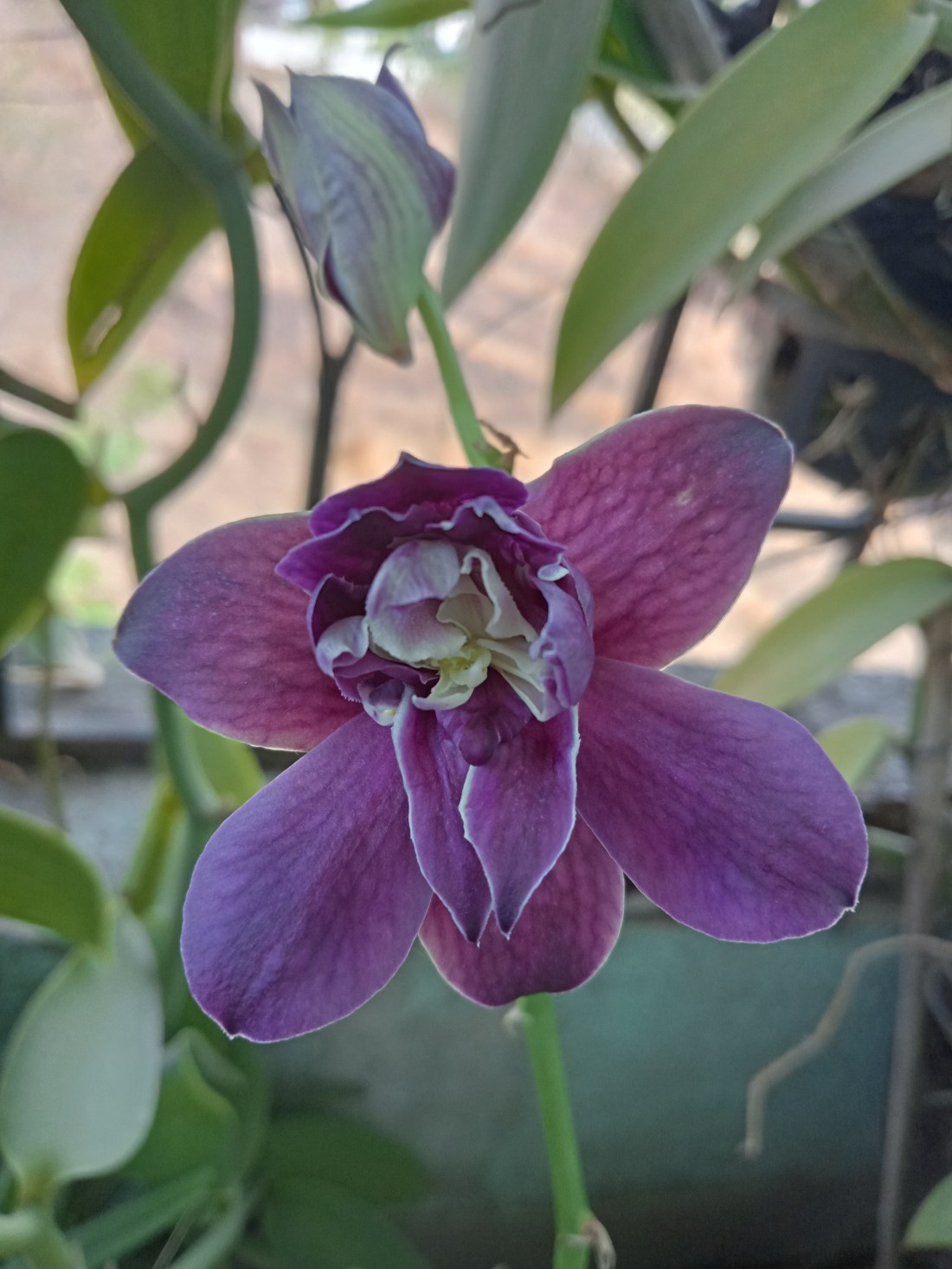
Orchids are among the most exotic and enchanting flowers, known for their stunning beauty and diversity. Like all plants, they can be affected by a variety of pests and diseases. These issues can damage or even kill orchids if not addressed promptly. Fortunately, there are natural and organic remedies that can help manage these problems effectively. This article explores some common pests and diseases affecting orchids and provides natural solutions to keep your orchids healthy and thriving.
Common Pests Affecting Orchids
1. Aphids
Aphids are small, soft-bodied insects that feed on the sap of orchids, causing yellowing and distortion of leaves and flowers. They also produce a sticky substance known as honeydew, which can result in the growth of sooty mold.
Natural Cure:
Neem Oil: Neem oil is a very good and effective organic pesticide. Mix one teaspoon of neem oil with one liter of water and a few drops of mild dish soap. Spray the solution on the affected areas of the orchid.
Ladybugs: Introduce ladybugs to your garden because they are natural predators of aphids.
2. Mealybugs
Mealybugs are small, white, cottony insects that cluster on the leaves, stems, and roots of orchids. They feed on the sap of the plant, which results in stunted growth and yellowing leaves.
Natural Cure:
Rubbing Alcohol: Rub alcohol-dipped cotton swabs to the mealybugs. This will kill them on contact.
Garlic Spray: Blend the garlic cloves with water, then strain the mixture. Spray the solution on the affected areas to repel mealybugs.
3. Spider Mites
Spider mites are tiny, red or yellowish pests that cause fine webbing on the undersides of orchid leaves. They suck the sap, leading to speckled leaves and overall plant weakness.
Natural Cure:
Water Spray: Use a strong spray of water to remove spider mites from the plant. Repeat this process regularly.
Essential Oils: Mix a few drops of rosemary or peppermint oil with water and spray on the affected areas. These oils deter spider mites.
4. Scale Insects
Scale insects appear as small, immobile bumps on orchid stems and leaves. They consume sap of the leaves, which leads to yellowing and wilting of the plant.
Natural Cure:
Insecticidal Soap: Use a mild insecticidal soap solution to wash off scale insects from the plant. Repeat the application as needed.
Horticultural Oil: Use horticultural oil to suffocate and eliminate scale insects.
Similar Posts:
Common Diseases Affecting Orchids
1. Root Rot
Root rot is a fungal disease that occurs due to overwatering and inadequate drainage. It leads to mushy, blackened roots and eventually leads to the death of the plant.
Natural Cure:
Cinnamon: Cinnamon is a natural fungicide. Dust cinnamon powder on the affected roots after trimming off the rotten parts.
Hydrogen Peroxide: Soak the roots in a hydrogen peroxide solution (one part hydrogen peroxide to four parts water) to disinfect and promote healthy root growth.
2. Leaf Spot
Leaf spot is a fungal or bacterial disease that causes black or brown spots on orchid leaves. In humid environments, it can spread rapidly.
Natural Cure:
Baking Soda Spray: Mix one teaspoon of baking soda with one liter of water and a few drops of mild dish soap. Spray the solution on the affected leaves to inhibit fungal growth.
Garlic Extract: Blend garlic cloves with water, strain, and spray on the affected areas to prevent the spread of leaf spot.
3. Powdery Mildew
Powdery mildew appears as a white, powdery coating on orchid leaves and stems. It thrives in warm, dry conditions and has the potential to weaken the plant.
Natural Cure:
Milk Spray: Combine one part milk with two parts water, then spray the mixture onto the affected areas. The proteins in milk help combat powdery mildew.
Neem Oil: Neem oil can also be used to control powdery mildew. Spray a neem oil solution on the affected parts of the plant.
4. Black Rot
Black rot is a serious fungal disease that affects the leaves and pseudobulbs of orchids. It causes black, mushy lesions and can quickly spread if not treated.
Natural Cure:
Lemon Juice: Apply diluted lemon juice to the affected areas to inhibit fungal growth.
Fungicidal Soap: Use a fungicidal soap solution to clean the plant and prevent the spread of black rot.
Preventive Measures
Prevention is always better than cure. Here are some tips to prevent pests and diseases in orchids:
1. Proper Watering
Overwatering is a common cause of many orchid diseases. Only when the top inch of the potting material is dry you should water the orchids. Make sure to provide proper drainage to avoid waterlogged conditions.
2. Good Air Circulation
Ensure good air circulation around your orchids to reduce humidity and prevent fungal and bacterial growth. Use fans or place your orchids in a well-ventilated area.
3. Sterilize Tools
Always sterilize your gardening tools before and after use to prevent the spread of diseases. To disinfect tools, use either rubbing alcohol or a bleach solution.
4. Monitor Plants Regularly
Make sure to regularly check your orchids for any signs of pests or diseases. Detecting and treating issues early can protect your plants from serious damage.
5. Use Clean Potting Medium
Use a clean, sterile potting medium to repot your orchids. Avoid reusing potting mix, which can harbor pests and diseases.
Conclusion
Orchids are delicate and require proper care to thrive. By understanding the common pests and diseases that affect orchids and using natural and organic remedies, you can keep your orchids healthy and beautiful. With preventive measures and timely treatments, you can enjoy the stunning beauty of your orchids for years to come.
Happy Gardening! 🌸🌿
 ILoveGardening