
Introduction
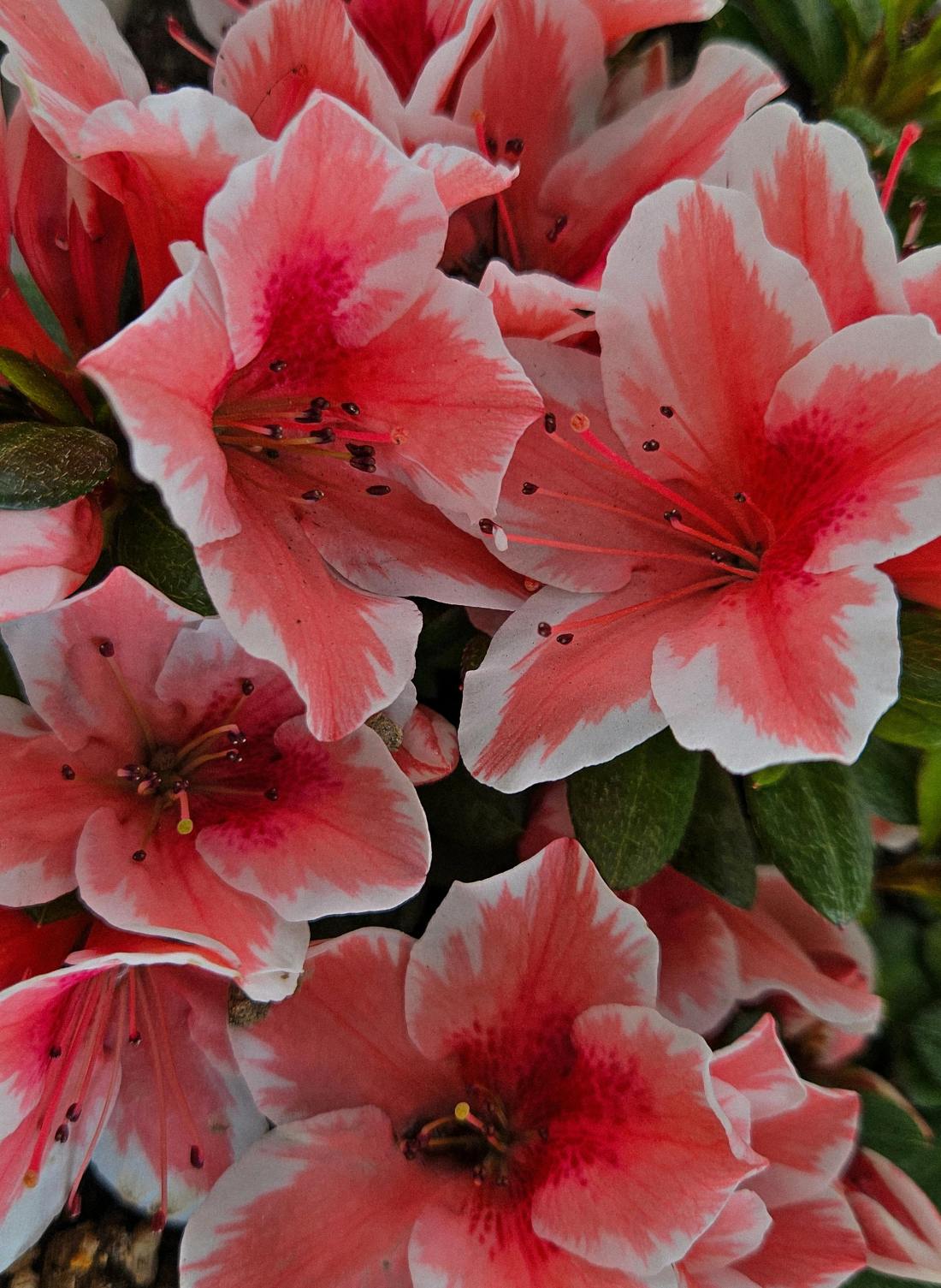
Azaleas, with their vibrant blooms and lush foliage, are beloved ornamental shrubs that can add a touch of elegance to any garden landscape. Known for their stunning flowers and relatively low maintenance, azaleas are a popular choice among gardeners looking to enhance their outdoor spaces. In this comprehensive guide, we’ll explore everything you need to know about growing and caring for azalea plants, from selecting the right variety to providing the optimal conditions for their flourishing growth.
Understanding Azalea Plants
Azaleas belong to the genus Rhododendron and are part of the Ericaceae family. These deciduous or evergreen shrubs are native to Asia, Europe, and North America, with hundreds of species and cultivars available to choose from. Azaleas are prized for their showy, funnel-shaped flowers that bloom in a wide range of colors, including shades of pink, purple, red, white, and orange. Depending on the variety, azaleas can bloom in early spring, late spring, or even summer, providing a spectacular display of color in the garden.
Selecting the Right Variety
When choosing azaleas for your garden, it’s essential to select the right variety based on your climate, soil type, and desired bloom time. Some popular types of azaleas include:
Southern Indica Azaleas: These evergreen azaleas are well-suited to warm climates and bloom profusely in the spring.
Encore Azaleas: Known for their ability to bloom multiple times throughout the year, Encore azaleas offer an extended flowering season.
Native Azaleas: Indigenous to North America, native azaleas are prized for their fragrant flowers and vibrant fall foliage.
Hybrid Azaleas: Hybrid varieties combine the best traits of different azalea species, offering a wide range of colors, sizes, and bloom times.
Before purchasing azaleas, research the specific requirements of each variety to ensure they are suitable for your garden conditions.
Similar Posts
Planting Azaleas
Azaleas thrive in well-drained, acidic soil with a pH between 4.5 and 6.0. Choose a planting location with partial shade or filtered sunlight, as azaleas prefer dappled sunlight rather than full sun exposure. When planting azaleas, follow these steps for success:
Prepare the Soil: Amend the soil with organic matter such as compost or peat moss to improve drainage and acidity.
Dig the Hole: Dig a hole twice as wide as the azalea’s root ball and slightly shallower than its depth.
Plant the Azalea: Gently remove the azalea from its container and place it in the center of the hole. After planting, add soil to fill the hole and make sure to water it sufficiently to help the roots settle in.
Mulch and Water: Apply a layer of mulch around the base of the plant to retain moisture and suppress weeds. Water the newly planted azalea regularly to keep the soil consistently moist but not waterlogged.
Caring for Azaleas
Once established, azaleas require minimal maintenance to thrive. Here are some essential care tips to ensure your azaleas remain healthy and vibrant:
Watering: Azaleas have shallow roots and are sensitive to drought, so it’s crucial to water them regularly, especially during dry periods. It’s recommended to avoid overhead watering since it can cause the foliage to become wet, which increases the risk of fungal diseases.
Fertilizing: Feed azaleas with a balanced, slow-release fertilizer formulated for acid-loving plants in early spring, just before new growth begins. Avoid using high-nitrogen fertilizers as they promote excessive foliage growth, which can negatively impact flower growth..
Pruning: Prune azaleas after they finish blooming to shape the shrub and remove dead or diseased branches. Avoid heavy pruning, as it can reduce the following year’s flower production.
Disease and Pest Control: Keep an eye out for common azalea pests and diseases, such as lace bugs, spider mites, powdery mildew, and root rot. Treat any issues promptly with organic or chemical control methods as needed.
Overwintering Azaleas
In colder climates, protecting azaleas from winter weather is essential to ensure their survival. Here are some tips for overwintering azaleas:
Mulch: Apply a thick layer of mulch around the base of the plant to insulate the roots and retain soil moisture.
Wind Protection: Shield azaleas from harsh winds by planting them in a sheltered location or using windbreaks such as fences or evergreen shrubs.
Anti-Desiccant Spray: Apply an anti-desiccant spray to azalea foliage in late fall to reduce moisture loss through transpiration.
Wrapping: For added protection, consider wrapping azaleas with burlap or frost cloth during periods of extreme cold.
Conclusion
With their stunning blooms and relatively low maintenance requirements, azaleas are a fantastic addition to any garden landscape. By selecting the right variety, providing the optimal growing conditions, and following proper care techniques, you can enjoy the beauty of azaleas in your garden for years to come.
Happy Gardening!
 ILoveGardening