The Ultimate Guide to Hugelkultur: Elevating Your Garden with Hugel Beds!

Introduction

Hugel Beds

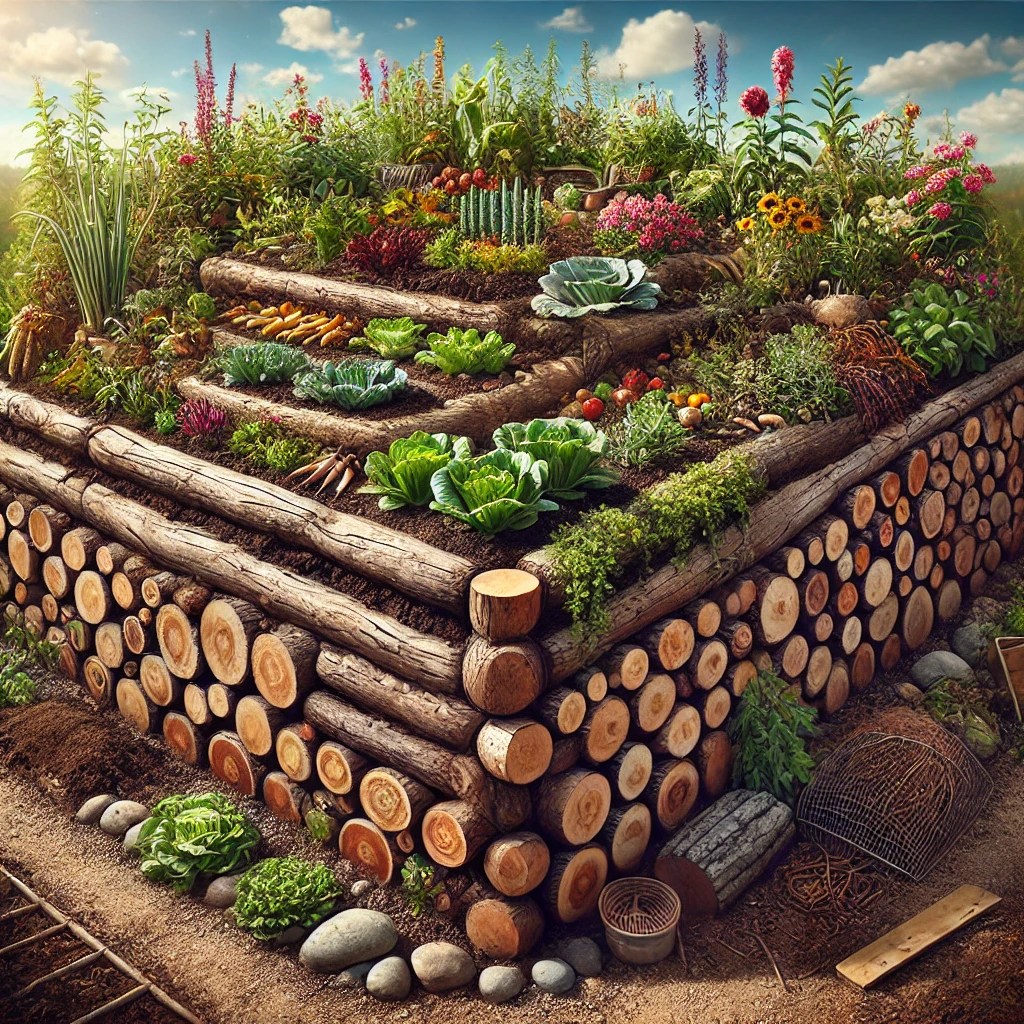
Hugelkultur, also known as hugel beds, is an ancient gardening method that has been embraced by modern permaculturists for its sustainability and efficiency. Originating from Eastern Europe and Germany, this technique involves creating raised beds filled with decaying wood and organic matter. Hugel beds are celebrated for their ability to retain moisture, improve soil health, and boost plant growth. In this comprehensive guide, we’ll explore the benefits of hugel beds, how to create them, and tips for maintaining these garden powerhouses.

What is Hugelkultur?

Hugelkultur, which translates to “hill culture” or “mound culture,” is a gardening method where a mound is constructed using decaying wood debris and other organic materials. The mound is then covered with soil and used as a planting bed. The decaying wood at the core of the mound acts as a sponge, absorbing and retaining water, which reduces the need for frequent watering.

Benefits of Hugel Beds

Water Retention and Conservation: One of the most significant advantages of hugel beds is their ability to retain water. The decaying wood absorbs rainwater and slowly releases it into the surrounding soil. This natural irrigation system reduces the need for frequent watering, making hugel beds ideal for areas prone to drought.

Enhanced Soil Fertility: As the wood and organic materials decompose, they enrich the soil with nutrients. This slow release of nutrients provides a long-term food source for plants, resulting in healthier and more vigorous growth. The decomposition process also encourages beneficial microbial activity, further enhancing soil fertility.

Improved Soil Structure: Hugel beds improve soil structure by increasing aeration and drainage. The mound’s layered composition prevents soil compaction and promotes root penetration. This leads to stronger root systems and healthier plants.

Pest and Weed Management: The raised nature of hugel beds can help with pest control by creating a physical barrier that deters some ground-dwelling pests. Additionally, the dense planting often associated with hugel beds can suppress weed growth, reducing the need for chemical herbicides.

Carbon Sequestration: By incorporating large amounts of woody debris into the soil, hugel beds contribute to carbon sequestration. This process helps mitigate climate change by trapping carbon in the soil and reducing greenhouse gas emissions.

Extended Growing Season: The decomposition process in hugel beds generates heat, which can create a warmer microclimate for plants. This can extend the growing season, allowing gardeners to plant earlier in the spring and harvest later in the fall.


Similar Posts:


How to Create a Hugel Bed

Creating a hugel bed involves several steps, but the process is straightforward and can be adapted to any garden size or layout.

1. Choose a Location: Select a well-drained site with good sunlight exposure. Consider the bed’s proximity to water sources and other garden features.

2. Gather Materials: You’ll need a variety of organic materials, including:

  • Large logs or branches
  • Smaller branches and twigs
  • Leaves, grass clippings, and straw
  • Compost or manure
  • Topsoil

3. Build the Base: Start by laying large logs or branches directly on the ground. These will form the core of your hugel bed. Organize them in a manner that forms a stable base.

4. Add Layers: Layer smaller branches and twigs on top of the large logs. Follow with a layer of leaves, grass clippings, or straw. These materials will fill in the gaps and add more organic matter to the bed.

5. Add Compost or Manure: Add a layer of compost or manure to provide additional nutrients. This layer will kickstart the decomposition process and enrich the soil.

6. Cover with Topsoil: Finally, cover the entire mound with a thick layer of topsoil. The soil layer should be deep enough to allow for planting.

7. Water Thoroughly: Water the hugel bed thoroughly to settle the materials and start the decomposition process.

8. Plant Your Garden: Once the hugel bed is built and settled, you can start planting. Choose a mix of shallow-rooted and deep-rooted plants to maximize space and resources.

Maintaining Your Hugel Bed

Maintaining a hugel bed is relatively easy, but there are a few key practices to keep in mind:

Watering: Initially, you may need to water the hugel bed more frequently until the wood becomes fully saturated. After this period, the bed will require less water due to its natural water retention capabilities.

Mulching Add a layer of mulch to the surface of the hugel bed to help retain moisture, suppress weeds, and add organic matter as it decomposes.

Crop Rotation: Practice crop rotation to prevent soil depletion and manage pests. Rotate different plant families through your hugel bed to maintain soil health and productivity.

Periodic Inspections: Regularly check your hugel bed for signs of pests, diseases, or nutrient deficiencies. Make sure to address any issues quickly to maintain the health and vitality of your garden.

Conclusion

Hugelkultur is a time-tested gardening technique that offers numerous benefits for gardeners looking to create sustainable and productive growing spaces. By utilizing decaying wood and organic matter, hugel beds enhance soil fertility, improve water retention, and support robust plant growth. Whether you’re an experienced gardener or a novice, incorporating hugel beds into your garden can transform your gardening experience and yield impressive results. Embrace the principles of hugelkultur and watch your garden flourish!

Happy Gardening! 🌱

Harmony in Nature: Exploring the Essence of Permaculture!

Permaculture, a design approach that harmonizes human habitats with natural ecosystems, offers sustainable solutions for creating regenerative and resilient environments. Discover how this holistic approach to gardening and living transforms landscapes while nurturing the planet.

Permaculture: A Holistic Approach to Sustainable Living

Permaculture is more than just a gardening technique; it’s a philosophy that embraces sustainable living by mimicking natural patterns and processes. At its core, permaculture aims to create productive ecosystems that require minimal intervention while maximizing output.

Key Principles of Permaculture

Permaculture operates on several fundamental principles:

  • Observation and Interaction: Understanding and observing natural systems is crucial to creating sustainable designs.
  • Catch and Store Energy: Utilizing renewable energy sources, such as sunlight and rainwater, efficiently.
  • Obtain a Yield: Designing systems that produce not just one, but multiple yields, ensuring productivity.
  • Apply Self-Regulation and Feedback: Using feedback loops to adapt and improve systems over time.
  • Use and Value Renewable Resources and Services: Embracing renewable resources while minimizing waste.
  • Design from Patterns to Details: Considering the big picture first, then delving into specific elements of the design.
  • Integrate Rather Than Segregate: Creating connections between elements to create a functioning whole.
  • Use Small and Slow Solutions: Implementing gradual, manageable changes that have lasting effects.
  • Use and Value Diversity: Encouraging diversity in plants, animals, and ecosystems to increase resilience.
  • Creatively Use and Respond to Change: Embracing change as an opportunity for innovation and adaptation.

Application of Permaculture Principles

In practice, permaculture principles can be applied in various ways, such as:

  • Creating food forests that mimic natural ecosystems and provide diverse yields.
  • Designing water catchment systems to conserve and utilize rainwater effectively.
  • Incorporating companion planting and polycultures to enhance soil fertility and deter pests.
  • Building structures using sustainable materials and energy-efficient designs.
  • Establishing integrated animal systems that contribute to the ecosystem’s health.

Similar Posts


Getting Started with Permaculture: A Step-by-Step Guide to Sustainable Design and Implementation

Starting with permaculture involves understanding its principles and applying them to design sustainable and regenerative systems. Here’s a guide to help you begin:

1. Study Permaculture Principles and Ethics

Principles: Learn about permaculture principles like observing and interacting, catching and storing energy, obtaining a yield, applying self-regulation and accepting feedback, using and valuing renewable resources, producing no waste, etc.

Ethics: Understand the core ethics of permaculture—earth care, people care, and fair share.

2. Gain Knowledge

Read Books and Online Resources: There are several books, articles, and resources available online. “Permaculture: A Designer’s Manual” by Bill Mollison is a comprehensive guide.

Courses and Workshops: Consider taking permaculture courses or attending workshops to gain hands-on experience and learn from experts.

3. Start Small

Observation: Observe your surroundings—climate, soil, water sources, flora, and fauna. Understand how nature works in your area.

Small-Scale Projects: Begin with small projects like creating a vegetable garden, planting fruit trees, or setting up a composting system.

4. Design and Implementation

Zone and Sector Planning: Design your space considering zones (intensity of use) and sectors (natural forces like sun, wind, water flow).

Utilize Patterns: Apply natural patterns in your design—like using polycultures, mimicking forest layers, and using swales for water harvesting.

Implement Changes Gradually: Start making changes one step at a time.

5. Use Sustainable Techniques

Mulching: Use organic mulch to retain soil moisture and improve fertility.

Composting: Create compost from organic waste to enrich soil.

Water Harvesting: Implement rainwater harvesting techniques such as rain barrels, swales, or ponds.

Polyculture: Planting a variety of crops together to mimic natural ecosystems and increase biodiversity.

6. Community and Collaboration

Connect with Others: Join local permaculture groups, attend meetups, and engage with the permaculture community.

Collaborate: Work with neighbors, friends, or community groups to share knowledge and resources.

7. Continuous Learning and Adaptation

Observe and Learn: Continuously observe and learn from the changes you make. Adapt and refine your designs based on feedback from the environment.

8. Legal and Social Considerations

Local Regulations: Understand any local regulations or permits required for certain activities.

Sharing Excess Produce: Consider sharing surplus produce with neighbors or local communities.

9. Document and Reflect

Keep Records: Document your designs, implementations, successes, and failures. It helps in learning and improving over time.

Reflect and Improve: Regularly reflect on your practices and make adjustments accordingly.

Conclusion

Permaculture is about observing, mimicking nature, and creating sustainable systems. Starting small, observing, learning, and adapting are key elements to successfully implementing permaculture principles.

Happy Gardening!