
Introduction:
Scale bugs, with their small size and cryptic appearance, can wreak havoc on your garden plants if left unchecked. These pesky pests feed on plant sap, causing yellowing leaves, stunted growth, and overall decline in plant health. However, with the right strategies and diligent monitoring, you can effectively combat scale infestations and restore your garden to its former glory. In this comprehensive guide, we’ll explore everything you need to know about identifying, preventing, and eradicating scale bugs from your garden.
Identifying Scale Bugs
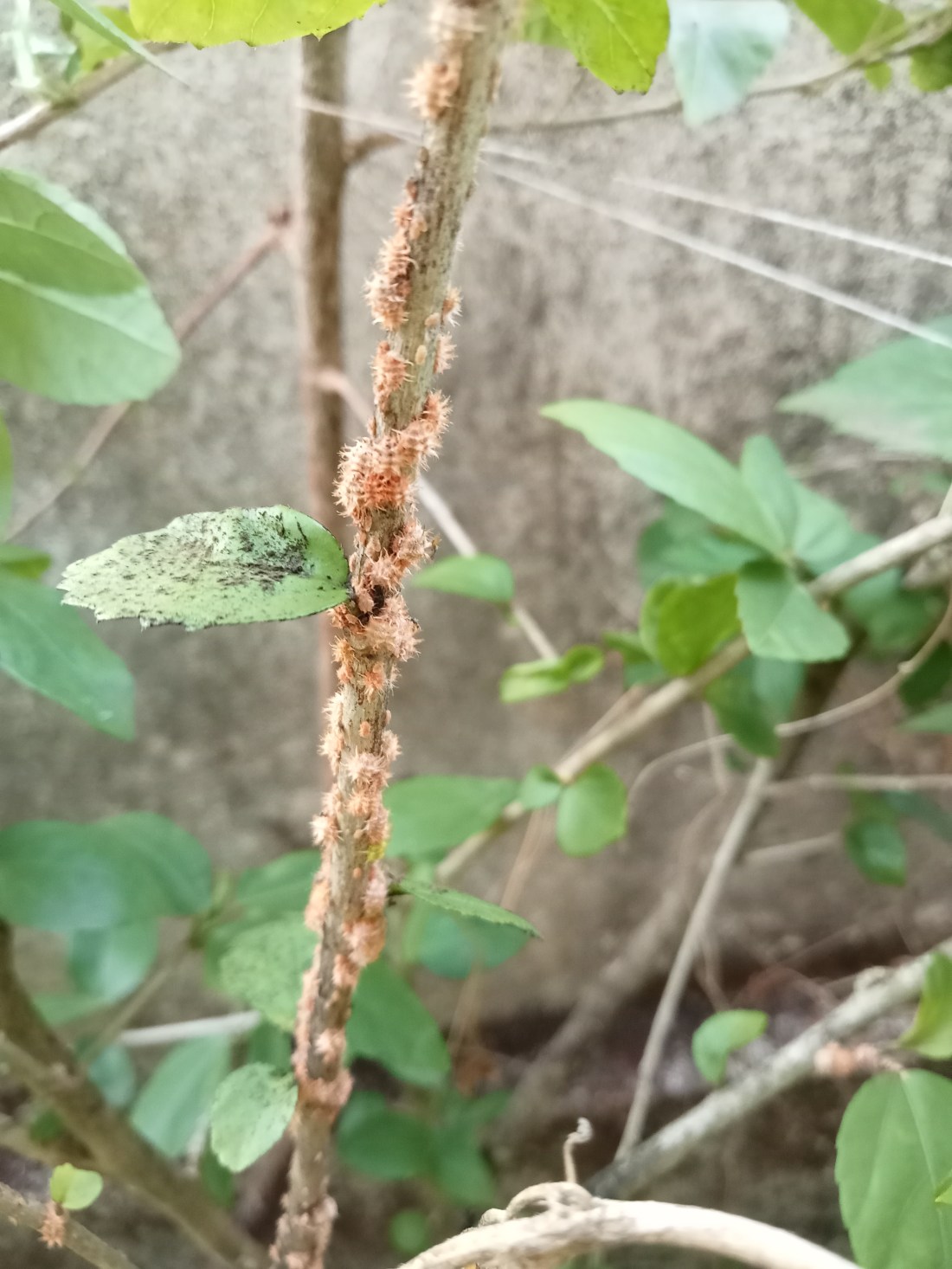
Before you can tackle a scale bug infestation, it’s essential to accurately identify these sneaky pests. Scale bugs are small, oval-shaped insects that attach themselves to plant stems and leaves. They often resemble tiny bumps or scales, hence their name. Scale bugs come in various colors, including white, brown, black, and even pink, depending on the species and life stage.
Signs of Scale Infestation
Keep a close eye on your garden plants for signs of scale infestation, including:
Sticky Residue: Scale insects secrete honeydew, a sugary substance that attracts ants and promotes sooty mold growth.
Yellowing Leaves: Plants infested with scale bugs may exhibit yellowing or wilting leaves, as the pests drain the plant’s sap and nutrients.
Stunted Growth: Severe scale infestations can cause stunted growth and overall decline in plant vigor.
Visible Insects: Look for clusters of scale bugs on the undersides of leaves, along stems, or in the crevices of plant joints.
Similar Posts:
Preventing Scale Infestations
Prevention is key when it comes to managing scale bugs in your garden. Here are some proactive measures you can take to minimize the risk of infestation:
Inspect New Plants: Before introducing new plants to your garden, thoroughly inspect them for signs of scale bugs or other pests. Quarantine new additions for a few weeks to monitor for any potential infestations.
Prune Infested Branches: Promptly prune and dispose of any plant branches or leaves infested with scale bugs to prevent the spread of the infestation to healthy plants.
Maintain Plant Health: Healthy, vigorously growing plants are less susceptible to scale infestations. Provide your plants with proper care, including adequate water, sunlight, and nutrients, to boost their natural defenses against pests.
Encourage Natural Predators: Introduce beneficial insects, such as ladybugs, lacewings, and parasitic wasps, to your garden to help control scale bug populations naturally.
Eradicating Scale Bugs
If you discover scale bugs in your garden, it’s essential to take swift action to prevent the infestation from spreading. Here are some effective methods for eradicating scale bugs:
Manual Removal: Use a soft brush or cloth dipped in rubbing alcohol to gently scrub scale bugs off plant surfaces. Be sure to target both adult insects and their eggs for thorough removal.
Horticultural Oils: Apply horticultural oils, such as neem oil or insecticidal soap, to affected plant parts to suffocate and kill scale bugs. For safe and effective application, it is important to carefully follow the instructions on the product label.
Systemic Insecticides: For severe infestations, consider using systemic insecticides that are absorbed by the plant and ingested by feeding scale bugs. Be sure to choose a product labeled for scale bug control and follow the manufacturer’s recommendations for application.
Monitoring and Maintenance
After treating your plants for scale bugs, continue to monitor them regularly for signs of reinfestation. Inspect plant surfaces for any lingering pests or new infestations, and take immediate action to address them. Additionally, maintain good garden hygiene by removing fallen leaves, weeds, and debris that can harbor scale bugs and other pests.
Conclusion:
By staying vigilant and implementing proactive pest management strategies, you can effectively control scale bugs and protect your garden plants from harm. Remember to regularly inspect your plants, practice good gardening practices, and take swift action at the first sign of infestation. With these tips and techniques, you’ll be well-equipped to keep your garden healthy, thriving, and free from scale bugs.
Happy Gardening!

 ILoveGardening