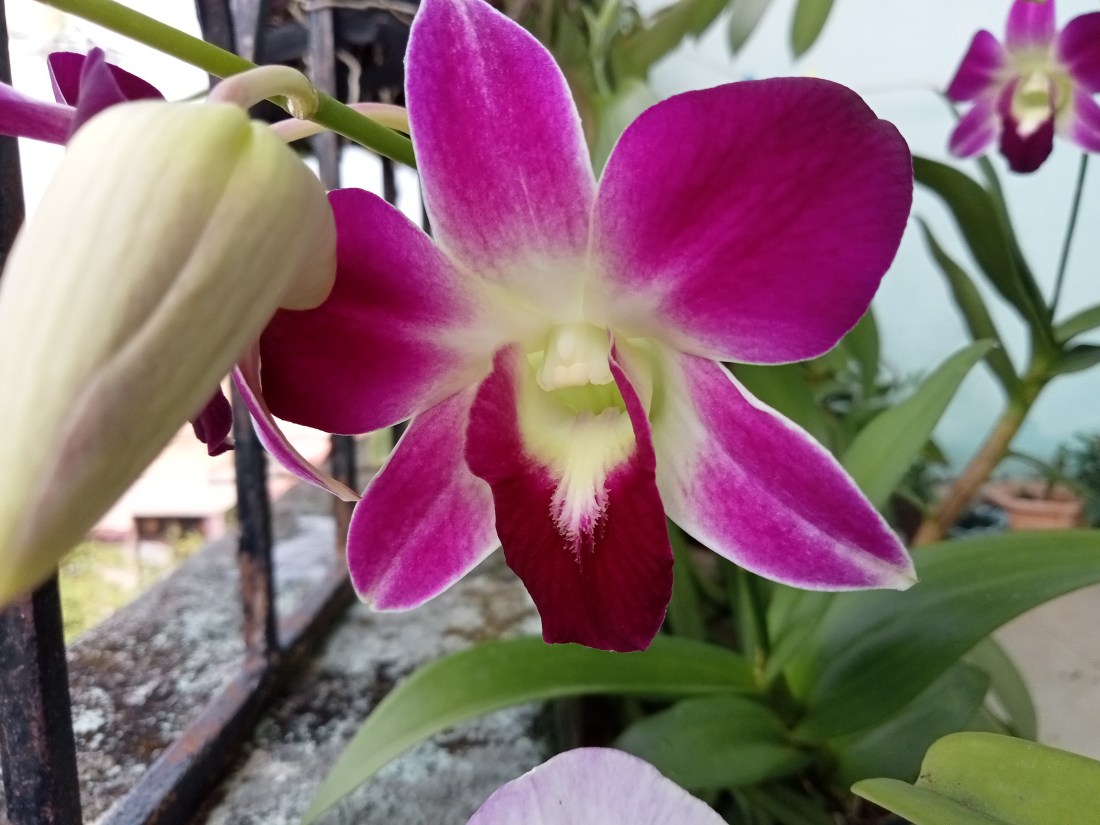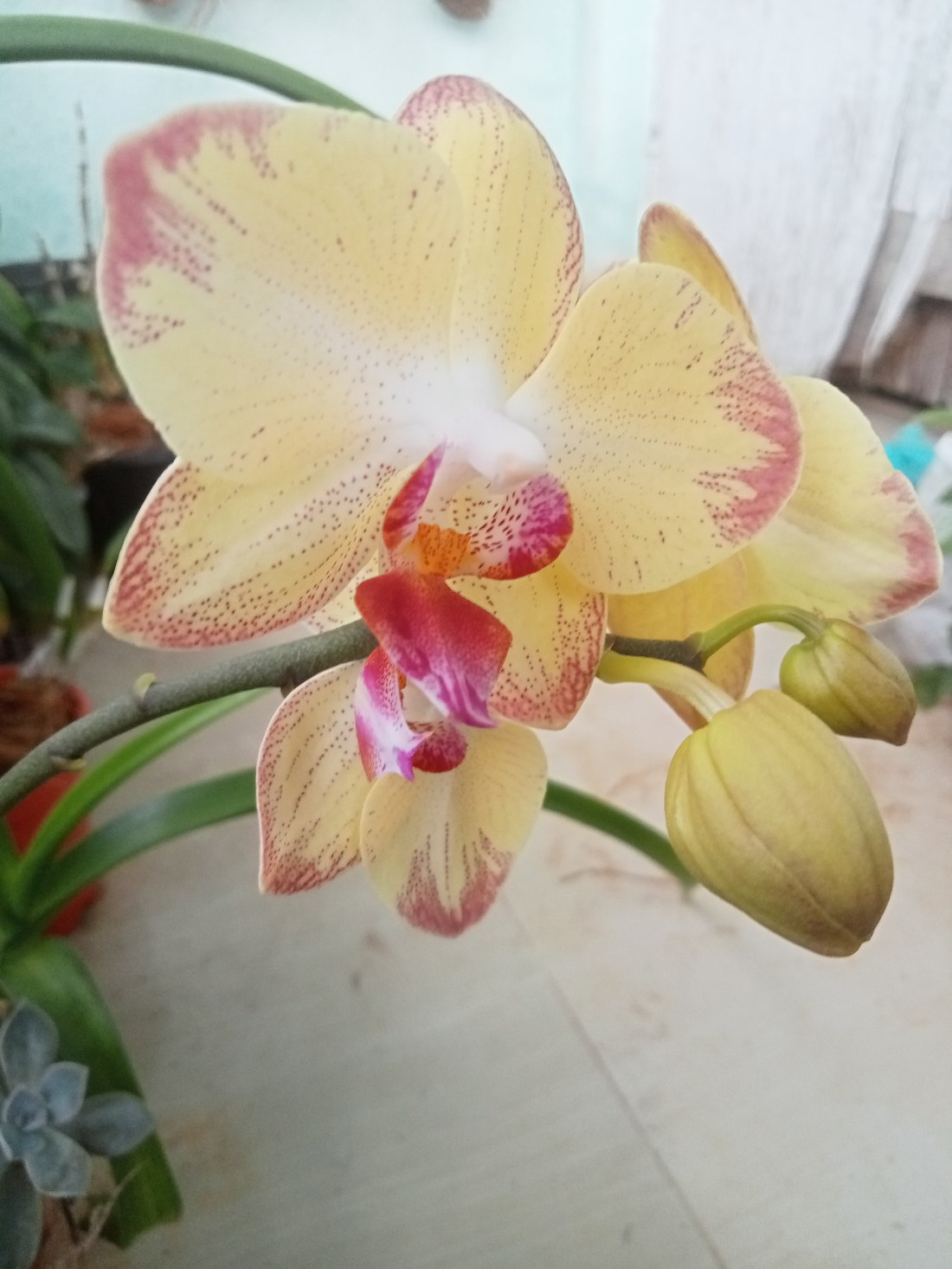
Repotting Orchids: A Comprehensive Guide!

Introduction

Repotting orchids is a crucial aspect of their care, ensuring that they continue to grow healthily and bloom beautifully. Orchids typically need repotting every two to three years, though the frequency can depend on several factors, such as the type of orchid and the condition of the potting medium. Here’s a detailed guide on when and how to repot your orchids effectively.

When to Repot Orchids?

There are several key indicators that it’s time to repot your orchid:

Overgrown Plant: When the orchid outgrows its container and roots start spilling over the edges, it’s time to give it more space.

Deteriorating Potting Material: Over time, the potting medium can break down, losing its structure and ability to provide adequate support and aeration to the roots.

Division Necessity: When the plant becomes too large or if you want to propagate it, division may be necessary, which requires repotting.

It’s generally recommended to repot epiphytic orchids (which grow on other plants) every year to maintain their health. However, Cattleyas, a type of epiphyte, prefer to be left undisturbed and should only be repotted when absolutely necessary.

Best Time for Repotting

The ideal time for repotting orchids is when fresh roots begin to emerge at the base of the previous year’s growth. This indicates that the plant is entering a growth phase, and repotting at this time will minimize stress and promote healthy new root development.

For monopodial climbers (orchids that grow upward from a single stem), repotting or division should be done when new leaf growth appears at the top and new root growth is visible. This ensures that the plant can quickly reestablish itself in its new container.


Similar Posts:


Step-by-Step Repotting Process

Preparation:

Gather all necessary materials: new pot, fresh potting medium (such as bark, moss, or a specialized orchid mix), sterilized cutting tools, and gloves.

Choose a pot that allows for good drainage. Orchids doesn’t survive in waterlogged conditions.

Removing the Orchid from Its Current Pot:

Gently loosen the orchid from its pot. If it is stuck, you can carefully break the pot or cut away the old medium to free the roots.

Check  the orchids for any signs of root rot or disease. Healthy roots are white or green. Trim away any dry, dead, unhealthy  or rotten roots with sterilized scissors.

Preparing the New Pot:

Place a layer of the new potting medium in the bottom of the pot. Position the orchid in the pot, spreading the roots out gently.

Adding Potting Medium:

Fill in around the roots with the fresh potting medium, ensuring that the plant is stable and the roots are well-supported.

Do not pack the medium too tightly, as orchids need good air circulation around their roots.

Aftercare:

After repotting, place the orchid in a location with indirect light for about two weeks to allow it to acclimate to its new environment.

Water the plant gently to avoid disturbing the new setup. Use room-temperature water and ensure it is not applied with force.

Maintaining Repotted Orchids

Proper care after repotting is crucial for the orchid’s recovery and continued growth:

Light: Keep the plant in a less intense light area initially. Gradually move it back to its normal light conditions after two weeks.

Watering: Water the orchid thoroughly but ensure that excess water drains away. Never let the orchid remain in the water.

Humidity and Air Circulation: Orchids thrive in humid environments with good air circulation. Use a humidity tray or a room humidifier if necessary.

Repotting orchids can seem daunting, but with the right approach, it can be a straightforward process that ensures your plants remain healthy and vibrant. By recognizing the signs that your orchid needs repotting and following these steps, you’ll be able to provide the best care for your beautiful blooms. Remember, orchids are resilient and with a little attention to their unique needs, they can thrive and bring joy to your space for years to come.

Happy Gardening!
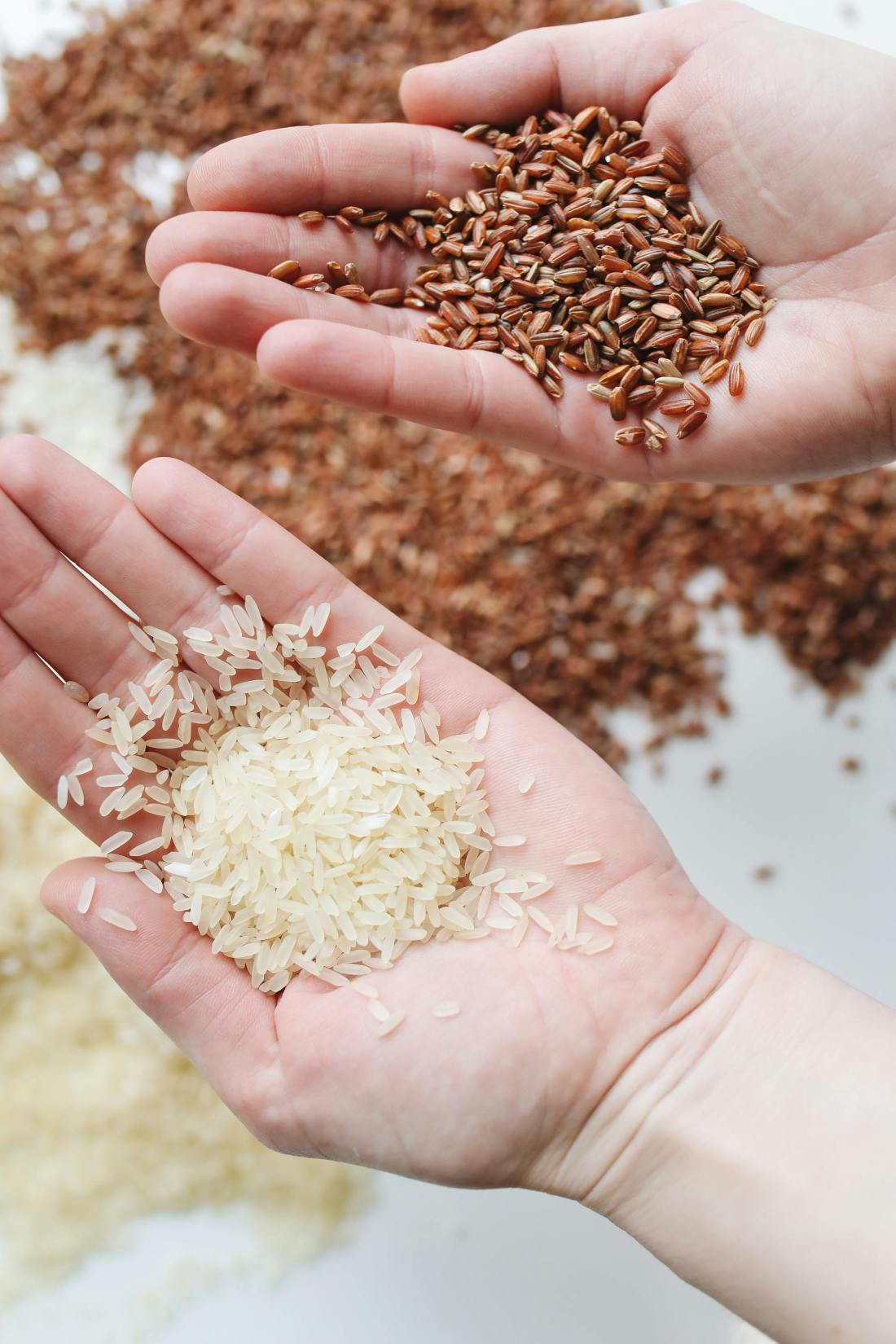
Is Rice Water the Secret to a Thriving Garden? Explore Its Incredible Benefits Now!

Introduction

Garden enthusiasts continually seek natural and effective solutions to boost plant growth and health. One such age-old remedy that has gained attention is rice water. Often discarded after cooking rice, this nutrient-rich liquid is brimming with benefits that can significantly contribute to your garden’s well-being. Let’s delve into the multifaceted uses of rice water in gardening, alongside its advantages and potential drawbacks.

The Nutrient Profile of Rice Water

Rice water, the starchy liquid left behind after rinsing or boiling rice, is packed with essential nutrients that are beneficial for plants. It contains:

  • Vitamins such as B1 (thiamine), B2 (riboflavin), B6 (pyridoxine), and vitamin E.
  • Amino acids: are crucial for plant growth.
  • Minerals like phosphorus and potassium that aid in root development and flowering.
  • Carbohydrates: provide an immediate energy source for plants.

Using Rice Water in Gardening

Soil Conditioner

Rice water serves as an excellent soil conditioner. The nutrients present in the water improve soil fertility, promoting the growth of beneficial microorganisms that aid in breaking down organic matter. This, in turn, enhances nutrient availability for plants, leading to healthier and more vigorous growth.

Fertilizer

One of the primary uses of rice water in gardening is as a fertilizer. Its nutrient content helps in the overall development of plants. Regular application can result in lush foliage, robust root systems, and improved flowering and fruiting. To use rice water as a fertilizer, simply dilute it with an equal amount of water and apply it to the base of your plants.

Pest Deterrent

The starch in rice water can create a protective barrier on plant leaves, making them less appealing to pests. While it may not completely eliminate pests, it can reduce their presence and prevent minor infestations from becoming major problems. Spray diluted rice water on the leaves to create this protective coating.

Seed Soaking Solution

Soaking seeds in rice water before planting can enhance germination rates. The nutrients in the water provide the seeds with a nutrient boost, giving them a head start in their growth journey. Simply soak the seeds in rice water for 12-24 hours before planting them in the soil.

Compost Booster

Adding rice water to your compost pile can speed up the decomposition process. The microorganisms in the compost benefit from the additional nutrients, breaking down organic matter more efficiently. This results in rich, nutrient-dense compost that can be used to nourish your garden.


Similar Posts:


Pros of Using Rice Water in Gardening

Cost-Effective

Using rice water is a cost-effective way to improve your garden’s health. Instead of discarding the water after cooking rice, you can repurpose it, reducing waste and saving money on commercial fertilizers and soil conditioners.

Eco-Friendly

Rice water is an eco-friendly solution that promotes sustainable gardening practices. It reduces the need for chemical fertilizers and pesticides, which can harm the environment and disrupt the balance of your garden ecosystem.

Nutrient-Rich

The nutrient profile of rice water makes it a valuable addition to your gardening routine. It provides essential vitamins, minerals, and amino acids that support plant growth and development.

Enhances Soil Health

Regular application of rice water improves soil health by promoting the growth of beneficial microorganisms. This leads to better nutrient availability and improved soil structure, resulting in healthier plants.

Versatile

Rice water can be used in various ways in the garden, from fertilizing and conditioning the soil to deterring pests and enhancing seed germination. Its versatility makes rice water a valuable asset for a gardener.

Cons of Using Rice Water in Gardening

Potential for Overuse

While rice water is beneficial, overusing it can lead to nutrient imbalances in the soil. Too much starch can create an environment conducive to the growth of harmful microorganisms, which can negatively affect plant health. It’s essential to use rice water in moderation and dilute it before application.

Odor

Rice water can develop an unpleasant odor if left to sit for too long. This can be off-putting for some gardeners and may attract unwanted pests. To avoid this, use fresh rice water or store it in the refrigerator for no more than a week.

Attracts Pests

While rice water can deter some pests, it may attract others, especially if it starts to ferment. Fermented rice water can attract flies and other insects that can become a nuisance in the garden. It’s crucial to monitor its usage and ensure it doesn’t become a pest attractant.

Limited Nutrient Spectrum

Although rice water is nutrient-rich, it doesn’t provide all the essential nutrients that plants need. Relying solely on rice water may result in nutrient deficiencies over time. It’s important to use it as part of a balanced gardening regimen, complementing it with other fertilizers and soil amendments.

Risk of Pathogens

If not properly prepared or stored, rice water can harbor pathogens that can harm plants. It’s vital to ensure that the water is clean and hasn’t been left to sit at room temperature for extended periods. Using boiled rice water can mitigate this risk, as the heat kills potential pathogens.

Conclusion

In conclusion, rice water is a valuable resource for gardeners looking to enhance their plant’s health and promote sustainable gardening practices. Its nutrient-rich profile and versatility make it an excellent addition to your gardening toolkit. However, it’s essential to use it in moderation and be mindful of potential drawbacks to ensure the best results for your garden. By incorporating rice water into a balanced gardening regimen, you can enjoy the benefits of this natural remedy while maintaining the health and vitality of your plants.

Happy Gardening!

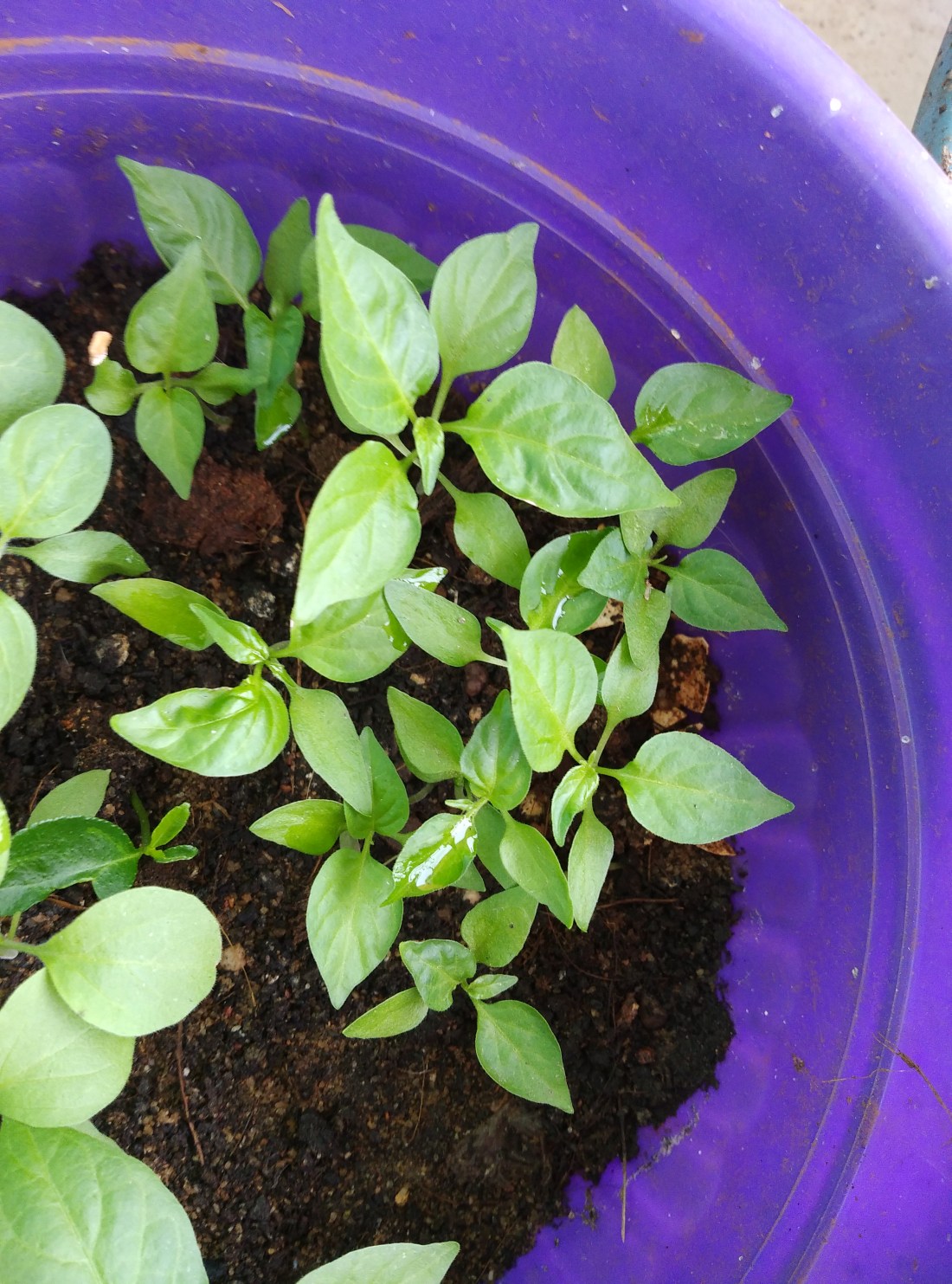
Unveiling the Secrets of Successful Chilli Plant Cultivation: A Comprehensive Guide!

Introduction:

Chilli plants, with their vibrant colors and fiery flavors, are a staple in many gardens and kitchens around the world. Whether you’re a seasoned gardener or a novice enthusiast, growing chillies can be a rewarding and enjoyable experience. From selecting the right varieties to providing optimal growing conditions, there are several key factors to consider when cultivating these spicy delights. In this comprehensive guide, we’ll delve into everything you need to know to successfully grow and care for chilli plants in your garden.

Choosing the Right Chilli Varieties

Before diving into chilli cultivation, it’s essential to choose the right varieties suited to your preferences and growing conditions. With countless cultivars available, ranging from mild to super-hot, there’s a chilli variety to suit every taste and skill level. Consider factors such as heat level, size, color, and growth habit when selecting chilli seeds or seedlings for your garden.

Providing Optimal Growing Conditions

Chilli plants thrive in warm, sunny environments with well-draining soil and ample airflow. Here are some tips for providing optimal growing conditions for your chillies:

Sunlight: Ensure your chilli plants receive at least 6-8 hours of direct sunlight each day to promote robust growth and fruit production. Position them in a sunny spot in your garden or use grow lights for indoor cultivation.

Soil: Plant chillies in well-draining soil with a slightly acidic to neutral pH (pH 6.0-7.0). Incorporate organic matter such as compost or aged manure into the soil to improve fertility and moisture retention.

Watering: Chili plants require more water during hot and dry periods to prevent flower drop and promote chilli production. Water chili plants deeply and evenly, allowing the soil to dry out slightly between waterings to prevent root rot.

Temperature: Chilli plants thrive in warm temperatures between 70°F to 85°F (21°C to 29°C) during the day and above 50°F (10°C) at night. Protect them from frost and cold temperatures, as chillies are sensitive to cold damage.

Planting and Transplanting

When planting chilli seeds or seedlings, follow these guidelines for successful establishment:

Seed Starting: Start chilli seeds indoors 6-8 weeks before the last frost date in your area. Sow seeds in seed trays or small pots filled with seed-starting mix, keeping them warm and moist until germination occurs.

Transplanting: Transplant chilli seedlings into larger containers or into the garden once they have developed 3-4 true leaves and the threat of frost has passed. Space plants 18-24 inches apart in rows or clusters to allow for adequate air circulation and sunlight penetration.


Similar Posts:


Fertilizing and Feeding

Chilli plants are heavy feeders and benefit from regular fertilization throughout the growing season. Here are some tips for feeding your chilli plants:

Organic Fertilizers: Use organic fertilizers such as compost, fish emulsion, or seaweed extract to provide a steady supply of nutrients to your chilli plants. Apply fertilizers according to package instructions, taking care not to over-fertilize, which can lead to salt buildup and nutrient imbalances.

Top-Dressing: Apply a layer of compost or well-aged manure around the base of chilli plants every 4-6 weeks to replenish soil nutrients and improve soil structure.

Foliar Feeding: Spray chilli plants with a dilute solution of liquid seaweed or fish emulsion every 2-4 weeks to provide a quick boost of nutrients and promote healthy growth.

Pest and Disease Management

Chilli plants are susceptible to a variety of pests and diseases, including aphids, thrips, whiteflies, and fungal infections. Here are some tips for managing common chilli plant pests and diseases:

Companion Planting: Plant insect-repellent herbs such as basil, mint, and marigolds near chilli plants to deter pests and attract beneficial insects that prey on garden pests.

Natural Predators: Introduce beneficial insects such as ladybugs, lacewings, and predatory mites to your garden to help control pest populations organically.

Cultural Practices: Practice good garden hygiene by removing weeds, fallen leaves, and debris that can harbor pests and diseases. Avoid overhead watering to minimize fungal infections, and prune overcrowded foliage to improve air circulation around plants.

Harvesting and Storage

Harvest chillies when they reach their mature size and color, typically 60-90 days after transplanting. Use clean, sharp scissors or pruning shears to snip chillies from the plant, taking care not to damage the stems or foliage. Store harvested chillies in a cool, dry place away from direct sunlight, or preserve them by drying, freezing, or pickling for long-term storage.

Conclusion:

With the right knowledge and care, growing chilli plants can be a rewarding and enjoyable experience for gardeners of all skill levels. By selecting the right varieties, providing optimal growing conditions, and implementing effective pest and disease management strategies, you can enjoy a bountiful harvest of spicy peppers to enhance your culinary creations. Follow the tips outlined in this guide, and embark on your journey to becoming a successful chilli gardener!

Happy Gardening!

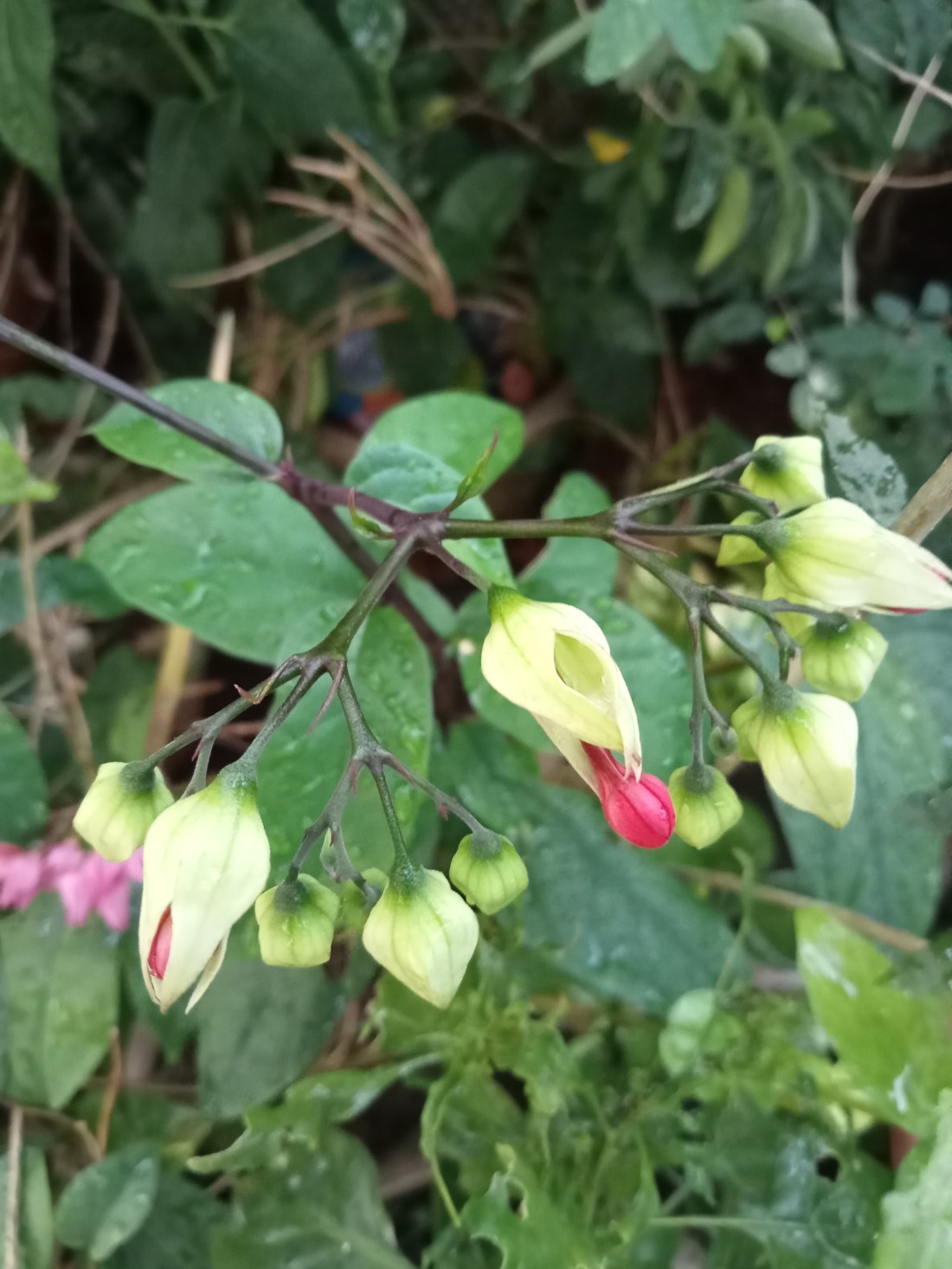
Growing Bleeding Heart Plant: A Guide to Heartwarming Beauty!

Introduction:

The Bleeding Heart plant, known for its heart-shaped flowers that dangle gracefully from arching stems, is a romantic and nostalgic addition to any garden. This enchanting perennial, scientifically known as Dicentra spectabilis, captures the hearts of gardeners with its unique blooms and fern-like foliage. If you’re looking to add a touch of whimsy and elegance to your garden, read on to discover our comprehensive guide on growing and caring for the Bleeding Heart plant.

1. Understanding the Bleeding Heart Plant

Botanical Background

The Bleeding Heart plant is native to Siberia, Northern China, Korea, and Japan. It belongs to the Fumariaceae family and is renowned for its distinctive heart-shaped flowers, which come in shades of pink, red, and white. The flowers typically appear in spring, adding a burst of color to the garden landscape.

Ideal Growing Conditions

Bleeding Hearts thrive in cool, moist conditions and prefer partial shade to full shade. They are typically grown as perennials in USDA hardiness zones 3-9, depending on the variety. While they can tolerate some sunlight, too much direct sun can scorch their delicate foliage, making them more suitable for shaded areas or dappled sunlight.

2. Planting the Bleeding Heart Plant

Soil Requirements

Well-draining soil rich in organic matter is essential for the Bleeding Heart’s health. An ideal soil pH level ranges from 6.0 to 7.0. Incorporating compost or well-rotted manure into the planting area can help improve soil structure and fertility.

Planting Depth and Spacing

Plant Bleeding Hearts at the same depth as they were in their nursery pots, typically around 1-2 inches deep. Space them approximately 18-24 inches apart to allow room for mature growth and optimal air circulation.


Similar Posts:


3. Watering and Feeding

Watering

Consistent moisture is key to the Bleeding Heart’s success. Ensure regular watering, particularly during periods of drought, to maintain even soil moisture without causing waterlogging. Applying mulch around the plant’s base aids in preserving soil moisture and controlling weed growth.

Fertilization

In the early spring, apply a balanced fertilizer following the manufacturer’s guidelines. Avoid over-fertilizing, as excessive nutrients can lead to lush foliage at the expense of flower production.

4. Maintenance and Care

Pruning and Deadheading

Deadheading spent flowers promotes ongoing blooms and helps keep a neat appearance. After the plant has finished blooming for the season, you can cut it back to ground level to promote fresh growth and rejuvenate the plant.

Winter Care

Apply mulch around the plant’s base in late fall to insulate the roots against freezing temperatures. In colder climates, additional winter protection such as covering with burlap or a layer of straw may be necessary.

5. Pests and Diseases

Common Pests

Aphids, slugs, and snails can occasionally be a problem for Bleeding Heart plants. Monitor your plants regularly and treat any infestations promptly using insecticidal soap or other organic pest control methods.

Disease Prevention

Powdery mildew and root rot are potential concerns for Bleeding Hearts. Ensuring proper spacing, facilitating adequate air flow, and refraining from overhead watering are effective strategies to prevent these problems. If signs of disease appear, treat the plant with fungicides or other appropriate treatments as recommended.

Conclusion:

The Bleeding Heart plant, with its heartwarming beauty and easy-care nature, is a delightful addition to any garden. By providing the right growing conditions, regular watering, and minimal maintenance, you can enjoy the charm of these romantic blooms year after year. Whether planted in borders, woodland gardens, or containers, the Bleeding Heart’s unique flowers and elegant foliage are sure to captivate and enchant all who behold them.

Happy Gardening!

Sweet Success: A Guide to Growing Sugarcane in Your Home Garden!

Introduction:

Sugarcane, with its tall stalks and sweet taste, is not only a staple crop but also a delightful addition to any home garden. Cultivating sugarcane at home can be a rewarding experience, providing you with a fresh source of sweetness while adding a tropical touch to your garden landscape. In this comprehensive guide, we’ll explore everything you need to know about growing sugarcane in your own backyard oasis.

Understanding Sugarcane:

Sugarcane (Saccharum officinarum) is a perennial grass native to tropical regions, known for its high sugar content. It thrives in warm, humid climates and can grow up to 20 feet tall under optimal conditions. While sugarcane is primarily cultivated for sugar production on a commercial scale, it can also be grown in home gardens for its ornamental value and culinary uses.

Choosing the Right Variety:

Before you start growing sugarcane, it’s essential to select the right variety for your garden. Some popular sugarcane varieties suitable for home cultivation include:

Red Sugarcane: Known for its striking red-hued stalks and high sugar content, red sugarcane adds a vibrant pop of color to your garden landscape.

Yellow Sugarcane: Yellow sugarcane varieties are prized for their sweet taste and juicy stalks, making them a favorite for fresh consumption and juicing.

Green Sugarcane: Green sugarcane varieties are valued for their versatility and adaptability to different growing conditions. They are suitable for both culinary and ornamental purposes.


Similar Posts:


Planting Sugarcane:

Once you’ve chosen your sugarcane variety, it’s time to plant them in your home garden. Here’s a step-by-step guide to planting sugarcane:

Soil Preparation: Sugarcane thrives in well-draining, fertile soil with a pH level between 6.5 and 7.5. Prepare the planting area by loosening the soil and incorporating organic matter such as compost or aged manure to improve soil structure and fertility.

Planting Method: Sugarcane can be propagated from cuttings known as “seed pieces.” Cut the sugarcane stalks into parts roughly 6 to 8 inches long, ensuring each segment contains at least one bud or “node.” Plant the seed pieces horizontally in furrows or trenches, spacing them 12 to 18 inches apart to allow for proper growth and development.

Watering and Mulching: Sugarcane requires lots of water during its growing season. It’s one of the basic requirements which a gardener needs to consider before growing sugarcane. Keep the soil consistently moist but not waterlogged, especially during the initial stages of growth. Apply a layer of organic mulch such as straw or shredded leaves to retain soil moisture, suppress weed growth, and regulate soil temperature.

Sunlight and Temperature: Sugarcane requires full sun exposure to thrive, so choose a planting location that receives at least 6 to 8 hours of direct sunlight per day. Additionally, ensure that your garden receives adequate warmth, as sugarcane is sensitive to cold temperatures and frost.

Maintenance: Throughout the growing season, monitor your sugarcane plants for signs of pests, diseases, or nutrient deficiencies. The “seed pieces” are more vulnerable to termites in the early stages, and after it begins to grow leaves, animals like chickens and rabbits will come to consume it. Add some ash to the side of the seed piece to deter termites. You can also build a fence to keep rabbits and chicken out. Provide regular water and fertilizer as needed to support healthy growth and development.

Harvesting and Utilizing Sugarcane:

With proper care and maintenance, your sugarcane plants will mature and be ready for harvest within 9 to 24 months, depending on the variety and growing conditions. Here’s how to harvest and utilize sugarcane in your home garden:

Harvesting: To harvest sugarcane, wait until the stalks reach maturity and develop a rich, sweet taste. Use a sharp knife or machete to cut the stalks at ground level, being careful not to damage the surrounding plants.

Processing: Once harvested, peel away the outer husk of the sugarcane stalks to reveal the juicy inner pulp. Sugarcane can be enjoyed fresh by chewing on the stalks to extract the sweet juice or processed into various products such as juice, syrup, or molasses.

Culinary Uses: Fresh sugarcane juice is a popular beverage in many tropical regions, prized for its refreshing taste and nutritional benefits. Additionally, sugarcane syrup and molasses can be used as natural sweeteners in cooking and baking, adding depth of flavor to a wide range of dishes.

Conclusion:

Growing sugarcane in your home garden is a rewarding experience that allows you to enjoy the sweet taste of tropical bliss right in your backyard. By following the steps outlined in this guide, you can cultivate healthy sugarcane plants and harvest a bountiful crop for culinary enjoyment and ornamental beauty. So why wait? Get started on your sugarcane-growing journey today and sweeten up your garden paradise!

Happy Gardening!

Mastering Plant Care in the Summer Heat: Tips for Thriving Gardens!

Introduction:

As the summer sun beats down, maintaining healthy and vibrant plants becomes essential for gardeners. The scorching temperatures and intense sunlight can pose challenges to plant growth, making it crucial to implement proper care strategies. In this comprehensive guide, we’ll explore essential tips and techniques for caring for plants during the summer season, ensuring they thrive despite the heat.

Understanding Summer Plant Care Needs:

Watering:

  • During the summer months, plants require more frequent watering to combat dehydration caused by the heat.
  • Water deeply and thoroughly, ensuring the soil is adequately moistened but not waterlogged.
  • Water early in the morning or late in the evening to minimize evaporation and ensure optimal absorption by the plants’ roots.

Mulching:

  • Apply a layer of organic mulch, such as shredded bark or straw, around the base of plants to help retain soil moisture and regulate temperature.
  • Mulching also suppresses weed growth, which can compete with plants for water and nutrients during the summer.

Sun Protection:

  • Provide shade for delicate plants or those sensitive to intense sunlight by using shade cloth or strategically placing potted plants under awnings or trees.
  • Consider using reflective mulch or light-colored containers to reduce soil temperature and minimize heat stress on plant roots.

Pruning and Deadheading:

  • Regularly prune dead or damaged foliage to encourage healthy growth and improve air circulation around plants.
  • Deadhead spent flowers to promote continuous blooming and prevent plants from expending energy on seed production.

Similar Posts:


Fertilizing:

  • Feed plants with a balanced fertilizer formulated for summer use to replenish nutrients lost due to increased watering and rapid growth.
  • Go for liquid fertilizers as they provide nourishment to plants and also help in reducing the temperature of the soil.
  • Avoid over-fertilizing, as this can lead to nutrient imbalances and burn roots in hot weather.

Pest and Disease Management:

  • Monitor plants closely for signs of pest infestations and diseases, which can proliferate in warm, humid conditions.
  • Use natural remedies or organic insecticides to control pests and prevent damage to plants without harming beneficial insects.

Proper Plant Selection:

  • Choose heat-tolerant plant varieties that are well-suited to your region’s climate and growing conditions.
  • Opt for drought-resistant plants that require less water and are better equipped to withstand prolonged periods of heat and dryness.

Regular Maintenance:

  • Stay vigilant with regular maintenance tasks such as weeding, pruning, and grooming to keep plants healthy and thriving.
  • Monitor soil moisture levels and adjust watering frequency as needed based on weather conditions and plant requirements.

Conclusion:

Plants can undoubtedly thrive in the sizzling heat of summer with proper care and attention. Don’t doubt their resilience! If you’re committed to seeing your plants succeed, you must be vigilant in providing them with what they need to flourish, even in the hottest of temperatures. By implementing these essential tips for watering, mulching, sun protection, pruning, fertilizing, pest management, plant selection, and regular maintenance, gardeners can ensure their plants remain healthy, vibrant, and resilient throughout the summer season. With a little extra effort and care, your garden can continue to flourish and bring joy throughout the hottest months of the year.

Happy Gardening!

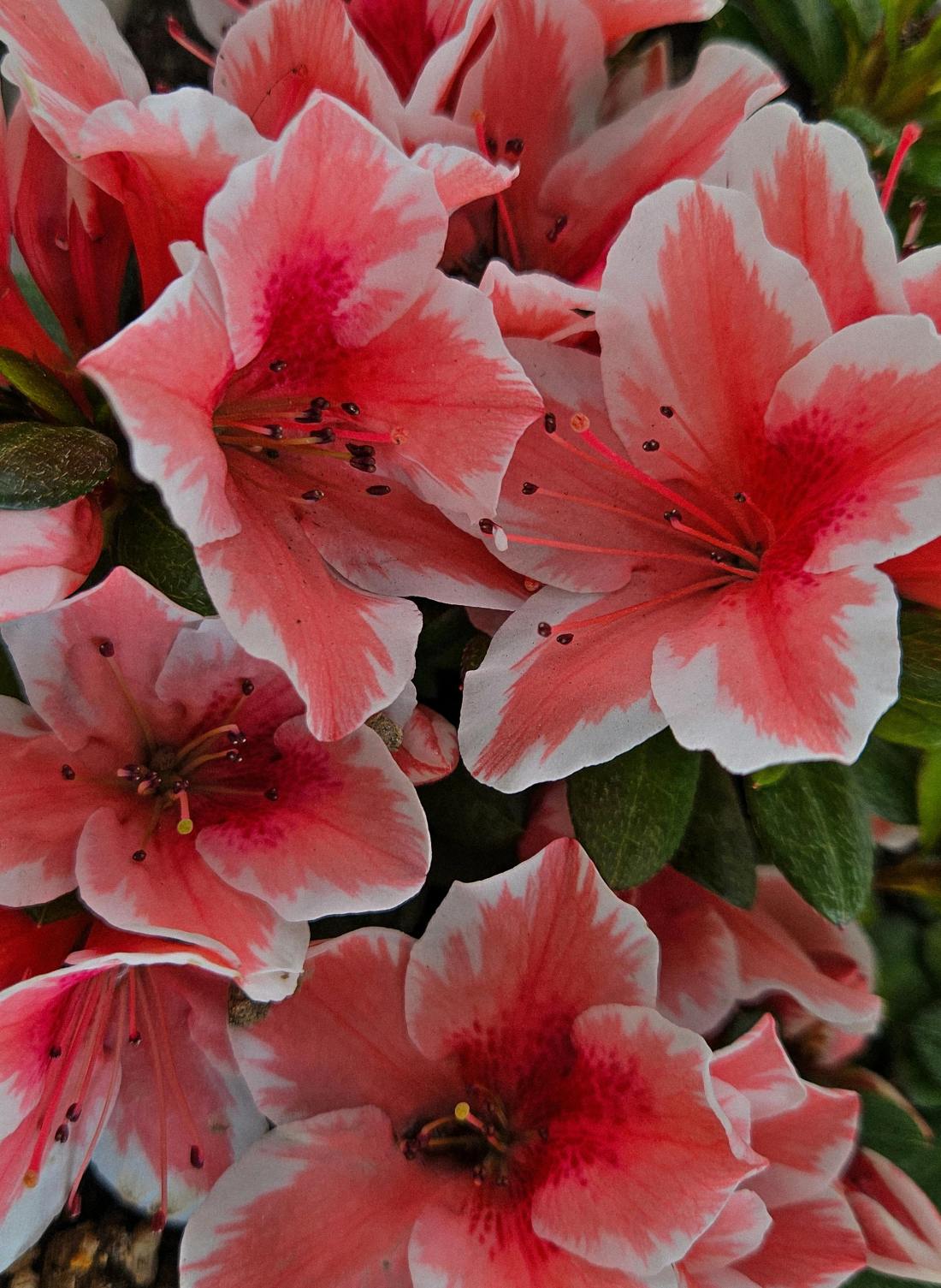
Flourishing Beauty: A Guide to Growing and Caring for Azalea Plants!

Introduction

Azaleas, with their vibrant blooms and lush foliage, are beloved ornamental shrubs that can add a touch of elegance to any garden landscape. Known for their stunning flowers and relatively low maintenance, azaleas are a popular choice among gardeners looking to enhance their outdoor spaces. In this comprehensive guide, we’ll explore everything you need to know about growing and caring for azalea plants, from selecting the right variety to providing the optimal conditions for their flourishing growth.

Understanding Azalea Plants

Azaleas belong to the genus Rhododendron and are part of the Ericaceae family. These deciduous or evergreen shrubs are native to Asia, Europe, and North America, with hundreds of species and cultivars available to choose from. Azaleas are prized for their showy, funnel-shaped flowers that bloom in a wide range of colors, including shades of pink, purple, red, white, and orange. Depending on the variety, azaleas can bloom in early spring, late spring, or even summer, providing a spectacular display of color in the garden.

Selecting the Right Variety

When choosing azaleas for your garden, it’s essential to select the right variety based on your climate, soil type, and desired bloom time. Some popular types of azaleas include:

Southern Indica Azaleas: These evergreen azaleas are well-suited to warm climates and bloom profusely in the spring.

Encore Azaleas: Known for their ability to bloom multiple times throughout the year, Encore azaleas offer an extended flowering season.

Native Azaleas: Indigenous to North America, native azaleas are prized for their fragrant flowers and vibrant fall foliage.

Hybrid Azaleas: Hybrid varieties combine the best traits of different azalea species, offering a wide range of colors, sizes, and bloom times.

Before purchasing azaleas, research the specific requirements of each variety to ensure they are suitable for your garden conditions.


Similar Posts


Planting Azaleas

Azaleas thrive in well-drained, acidic soil with a pH between 4.5 and 6.0. Choose a planting location with partial shade or filtered sunlight, as azaleas prefer dappled sunlight rather than full sun exposure. When planting azaleas, follow these steps for success:

Prepare the Soil: Amend the soil with organic matter such as compost or peat moss to improve drainage and acidity.

Dig the Hole: Dig a hole twice as wide as the azalea’s root ball and slightly shallower than its depth.

Plant the Azalea: Gently remove the azalea from its container and place it in the center of the hole. After planting, add soil to fill the hole and make sure to water it sufficiently to help the roots settle in.

Mulch and Water: Apply a layer of mulch around the base of the plant to retain moisture and suppress weeds. Water the newly planted azalea regularly to keep the soil consistently moist but not waterlogged.

Caring for Azaleas

Once established, azaleas require minimal maintenance to thrive. Here are some essential care tips to ensure your azaleas remain healthy and vibrant:

Watering: Azaleas have shallow roots and are sensitive to drought, so it’s crucial to water them regularly, especially during dry periods. It’s recommended to avoid overhead watering since it can cause the foliage to become wet, which increases the risk of fungal diseases.

Fertilizing: Feed azaleas with a balanced, slow-release fertilizer formulated for acid-loving plants in early spring, just before new growth begins. Avoid using high-nitrogen fertilizers as they promote excessive foliage growth, which can negatively impact flower growth..

Pruning: Prune azaleas after they finish blooming to shape the shrub and remove dead or diseased branches. Avoid heavy pruning, as it can reduce the following year’s flower production.

Disease and Pest Control: Keep an eye out for common azalea pests and diseases, such as lace bugs, spider mites, powdery mildew, and root rot. Treat any issues promptly with organic or chemical control methods as needed.

Overwintering Azaleas

In colder climates, protecting azaleas from winter weather is essential to ensure their survival. Here are some tips for overwintering azaleas:

Mulch: Apply a thick layer of mulch around the base of the plant to insulate the roots and retain soil moisture.

Wind Protection: Shield azaleas from harsh winds by planting them in a sheltered location or using windbreaks such as fences or evergreen shrubs.

Anti-Desiccant Spray: Apply an anti-desiccant spray to azalea foliage in late fall to reduce moisture loss through transpiration.

Wrapping: For added protection, consider wrapping azaleas with burlap or frost cloth during periods of extreme cold.

Conclusion

With their stunning blooms and relatively low maintenance requirements, azaleas are a fantastic addition to any garden landscape. By selecting the right variety, providing the optimal growing conditions, and following proper care techniques, you can enjoy the beauty of azaleas in your garden for years to come.

Happy Gardening!

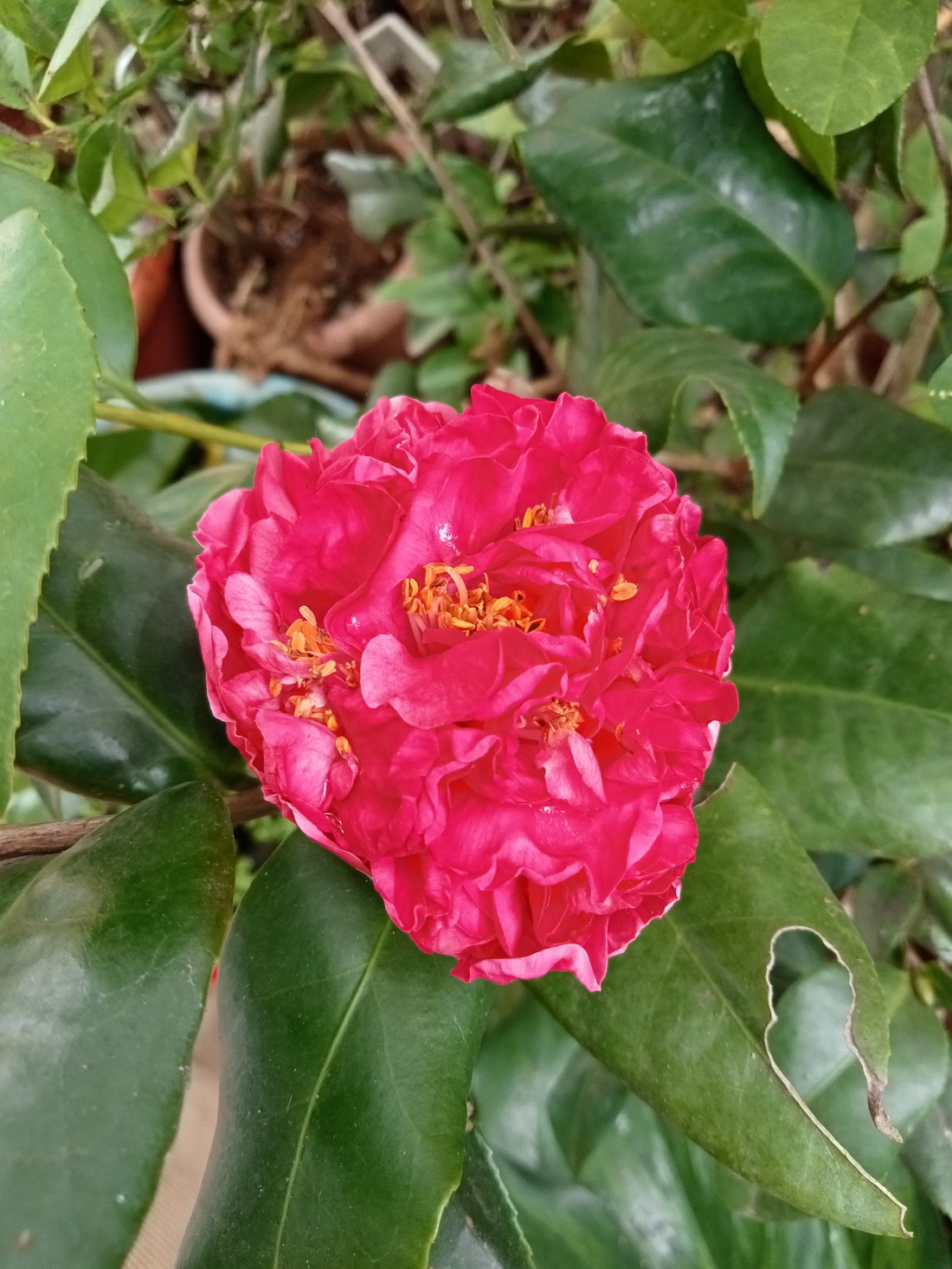
Blooms of Elegance: A Comprehensive Guide to Growing and Caring for Camellia Plants!

Camellias are cherished for their elegant blooms, glossy foliage, and evergreen charm, making them prized additions to gardens around the world. Known for their exquisite flowers that appear in various colors and forms, camellias add a touch of beauty and sophistication to landscapes. Whether you’re a novice gardener or a seasoned enthusiast, learning how to grow and care for camellia plants can elevate your gardening experience and ensure the health and vitality of these beloved ornamentals.

Introduction to Camellias:

Camellias belong to the genus Camellia, which comprises over 300 species, with Camellia japonica and Camellia sasanqua being among the most popular cultivated varieties. Originating from Asia, particularly China and Japan, camellias have been cultivated for centuries for their ornamental value and cultural significance. These evergreen shrubs or small trees are prized for their lush foliage and stunning flowers, which bloom in late fall, winter, or early spring, depending on the species and variety.

Growing Camellias:

Growing camellias begins with selecting the right location and providing optimal growing conditions for these ornamental beauties. Here’s a step-by-step guide to cultivating camellias in your garden:

Choose the Right Location: Camellias thrive in partially shaded to shaded areas with protection from the hot afternoon sun. Select a site with well-draining, acidic soil rich in organic matter.

Planting: Plant camellias in the fall or early spring when the soil is moist and temperatures are mild. Make a hole that is two times as deep and wide as the root ball. Make sure the top of the root ball of the plant is level with the soil surface when you place it in the hole. Backfill the hole entirely with water and soil.

Watering: Consistently keep the soil moist but not waterlogged, water deeply and regularly, and avoid overhead watering to prevent fungal diseases.

Fertilizing: Feed camellias with a balanced, slow-release fertilizer formulated for acid-loving plants in early spring before new growth emerges. Repeat fertilization in late spring or early summer if necessary. Avoid using high-nitrogen fertilizers as they may lead to more foliage growth and less flowering.

Mulching: Apply a layer of organic mulch, such as pine straw or shredded bark, around the base of the plant to conserve moisture, suppress weeds, and regulate soil temperature. Maintain a mulch depth of 2-3 inches, keeping it away from the trunk to prevent rot.

Pruning: Prune camellias selectively to maintain their desired shape, remove dead or diseased branches, and promote air circulation within the canopy. Pruning is best done after flowering to avoid cutting off potential buds.


Similar Posts


Caring for Camellias:

Caring for camellias involves regular maintenance practices to ensure their health, vigor, and prolific blooming. Here are some essential care tips for camellia plants:

Pest and Disease Control: Monitor camellias regularly for signs of pests, such as aphids, scale insects, and spider mites, as well as diseases like camellia leaf spot and root rot. Treat infestations promptly with horticultural oil, insecticidal soap, or neem oil, and remove infected plant parts to prevent the spread of disease.

Winter Protection: In colder climates, provide winter protection for camellias by covering them with frost cloth or burlap during freezing temperatures. Mulch around the base of the plant to insulate the roots and minimize frost damage.

Deadheading: Remove spent flowers promptly to encourage continuous blooming and prevent seed production, which can divert energy away from flower production.

Container Care: If growing camellias in containers, choose a large, well-draining pot and use a soil mix formulated for acid-loving plants. Water container-grown camellias regularly to keep the soil evenly moist, and fertilize them according to label instructions.

Hydration: During periods of drought or high temperatures, provide supplemental irrigation to ensure camellias receive adequate moisture. It is important to avoid overwatering your plants, as damp soil can cause root rot and other issues.

Monitoring pH Levels: Regularly test the soil pH around camellias to ensure it remains acidic, ideally between 5.0 and 6.5. Amend the soil with sulfur or acidic fertilizers if necessary to maintain optimal pH levels.

Conclusion:

Growing and caring for camellias can be a rewarding experience, offering gardeners a glimpse of nature’s beauty and resilience. By providing the right growing conditions, proper maintenance, and tender loving care, you can enjoy the bountiful blooms and lush foliage of these exquisite plants year after year. Whether adorning garden beds, borders, or containers, camellias are sure to captivate with their timeless elegance and charm.

Happy Gardening!

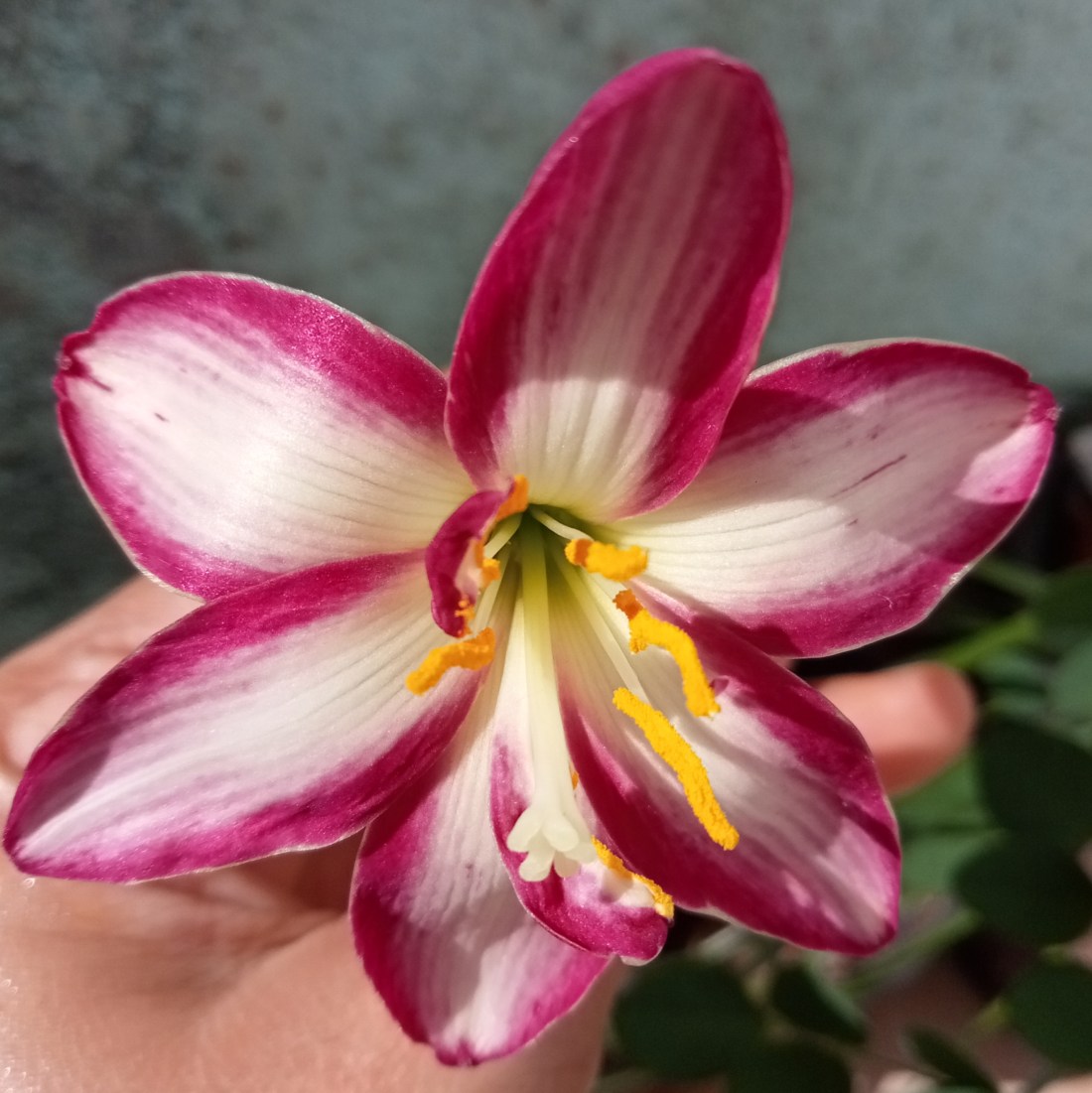
Maximizing Rain Lily Blooms: The Importance of Repotting and Care!

Introduction:

Repotting plays a crucial role in the growth and blooming of rain lilies, ensuring they receive the necessary nutrients and space to thrive. By following specific guidelines and care routines, gardeners can enhance the beauty of these delicate flowers and enjoy vibrant blooms year after year.

Importance of Repotting:

Enhancing Growth and Bloom Potential: Nitrogen is essential for plant growth, making repotting a vital task to replenish soil nutrients and provide adequate space for rain lilies to flourish. It is imperative to ensure that the soil is well-aerated and nutrient-rich to support the rain lilies’ growth and blooming cycle. To achieve optimal blooming, adhering to certain rules during the repotting process is essential.

Propagation and Expansion: Repotting presents an opportunity not only to rejuvenate existing rain lilies but also to propagate and expand your collection. As bulbs multiply over time, consider dividing them during repotting to create new plants.


Similar Posts


How to Repot Rain Lilies:

Repotting rain lilies requires attention to detail and a systematic approach to ensure the best results. Here’s a step-by-step guide to repotting rain lilies effectively:

Removing Bulbs:

Carefully turn the pot upside down to remove the bulbs. Trim any excess roots and leaves, preparing them for transplantation into fresh soil.

Soil Mix:

Prepare a suitable soil mix consisting of 50% normal soil, 30% vermicompost, and 20% cocopeat. Avoid using chemical fertilizers during planting. After preparing the soil with fertilizer, it is recommended to dip the plants in a fungicide solution before planting them.

Pot Size:

Select pots with diameters ranging from 8 to 10 inches, ensuring adequate space for 3 to 4 rain lily bulbs per pot. Proper spacing between bulbs is crucial to prevent overcrowding and promote healthy growth and blooming.

Pot Placement:

After repotting, place the pots in a shaded area for the first two days to allow the plants to acclimate. Once the leaves begin to grow, gradually shift the pots to a sunnier location to facilitate optimal blooming.

Fertilizer:

While chemical fertilizers can be introduced one month after planting, consider using organic alternatives such as vermicompost for chemical-free gardening. Additionally, Tata Raligold Spray can be applied at least once a month to promote root formation and enhance blooming potential.

Monitoring and Maintenance:

After repotting, it’s crucial to monitor the health and growth of rain lilies regularly. Keep an eye on soil moisture levels, ensuring it remains consistently moist but not waterlogged. Adjust watering frequency based on environmental conditions and plant needs, especially during periods of intense heat or rainfall. Additionally, inspect the foliage for signs of pests or diseases, addressing any issues promptly to prevent spread and damage to the plants.

Conclusion:

Repotting is a fundamental aspect of rain lily care, ensuring they receive the nutrients, space, and attention necessary for robust growth and blooming. By following proper repotting techniques and adhering to essential care guidelines, gardeners can maximize the blooming potential of rain lilies. With attention to detail and a commitment to organic gardening practices, beautiful blooms can adorn gardens year after year, bringing joy and color to outdoor spaces.

Happy Gardening!

Top 10 YouTube Channels for Gardening Enthusiasts: Your Green Thumb Guide!

Introduction:

In recent years, YouTube has blossomed into a hub of gardening expertise, offering a plethora of channels dedicated to nurturing greenery, cultivating thriving gardens, and sharing gardening wisdom. Whether you’re a seasoned horticulturist or just dipping your toes into the soil for the first time, these YouTube channels serve as invaluable resources, providing inspiration, guidance, and practical tips to help you grow your gardening skills. Let’s explore the top 10 YouTube channels in the gardening niche that are blooming with knowledge and inspiration.

1. Garden Answer:

With over 1.5 million subscribers, Garden Answer, hosted by Laura LeBoutillier, is a must-watch channel for gardening enthusiasts. Laura’s vibrant personality shines through as she shares expert advice on plant care, garden design ideas, and DIY projects. From stunning floral arrangements to creative container gardening ideas, Garden Answer offers endless inspiration for both indoor and outdoor gardeners.

2. Epic Gardening:

Kevin Espiritu’s Epic Gardening channel is a treasure trove of practical gardening tips, covering everything from urban gardening to hydroponics. With a focus on organic gardening methods and sustainable practices, Kevin shares insightful tutorials, product reviews, and gardening experiments to help viewers grow their own food and create thriving green spaces.

3. Gardening Is My Passion:

Gardening Is My Passion channel is hosted by Dr. Suraj Prakash Agarwal who is not only a dedicated college professor but also an avid gardening enthusiast. With his wealth of knowledge and passion for cultivating greenery, he provides expert guidance on nurturing various plants, including flowering plants, vegetables, and fruits. Additionally, Dr. Agarwal shares valuable insights on selecting the right planters, choosing suitable fertilizers, and implementing effective maintenance techniques to ensure thriving gardens.

4. MIgardener:

Luke Marion’s MIgardener channel is dedicated to empowering gardeners of all skill levels to grow their own food and live a healthier lifestyle. With an emphasis on organic gardening techniques and budget-friendly solutions, Luke shares practical advice on seed starting, soil building, and pest management, making gardening accessible to everyone.

5. California Gardening:

If you’re gardening in California or a similar climate, California Gardening is the channel for you. Hosted by the knowledgeable and affable Shiv, this channel offers expert advice on growing fruits, vegetables, and ornamental plants in the California climate. From citrus trees to succulents, Shiv covers a wide range of topics to help Californian gardeners thrive.


Similar Posts


6. The Rusted Garden:

Gary Pilarchik’s The Rusted Garden channel is a go-to resource for vegetable gardeners seeking practical advice and helpful tips. Gary’s down-to-earth approach and extensive gardening knowledge shine through as he covers topics such as seed starting, companion planting, and organic pest control, helping viewers grow bountiful harvests year-round.

7. HuwRichards:

Huw Richards channel is dedicated to teaching viewers how to grow their own food using organic and no-dig gardening methods. With a focus on sustainability and self-sufficiency, Huw shares valuable insights on composting, mulching, and crop rotation, making gardening both rewarding and environmentally friendly.

8. Growing Your Greens:

John Kohler’s Growing Your Greens channel is all about growing nutrient-dense fruits and vegetables using organic gardening practices. With a focus on urban gardening and small-space gardening solutions, John shares tips on vertical gardening, container gardening, and maximizing garden yields, helping viewers grow food even in limited spaces.

9. James Prigioni:

James Prigioni’s gardening channel offers a wealth of practical advice on topics such as composting, raised bed gardening, and plant propagation. With a laid-back and approachable style, James shares his passion for gardening and encourages viewers to get their hands dirty and connect with nature.

10. BBC Gardeners’ World Magazine:

The official YouTube channel of the popular BBC gardening show, Gardeners’ World offers expert advice, garden tours, and practical tips for gardeners of all skill levels. Hosted by renowned horticulturist Monty Don, this channel covers a wide range of topics, from planting techniques to seasonal garden maintenance, providing valuable insights for gardeners around the world.

Conclusion:

Whether you’re looking to grow your own food, create a vibrant flower garden, or transform your outdoor space, these top 10 YouTube channels in the gardening niche offer a wealth of knowledge, inspiration, and practical tips to help you to achieve your goal. From expert advice on plant care to creative garden design ideas, these channels cater to gardeners of all skill levels and interests, making them essential resources for anyone with a green thumb. So, roll up your sleeves, grab your gardening tools, and let these YouTube channels guide you on your gardening journey to green-thumb greatness!

Happy Gardening!