
Introduction
Coco peat, also known as coir pith or coir dust, is a natural byproduct of coconut husk processing. It is gaining immense popularity among gardeners and horticulturists due to its sustainability, versatility, and effectiveness as a growing medium. In this article, we will explore the benefits of using coco peat in gardening, how it enhances plant growth, and why it is an excellent choice for both home gardeners and commercial growers.
What Is Coco Peat?
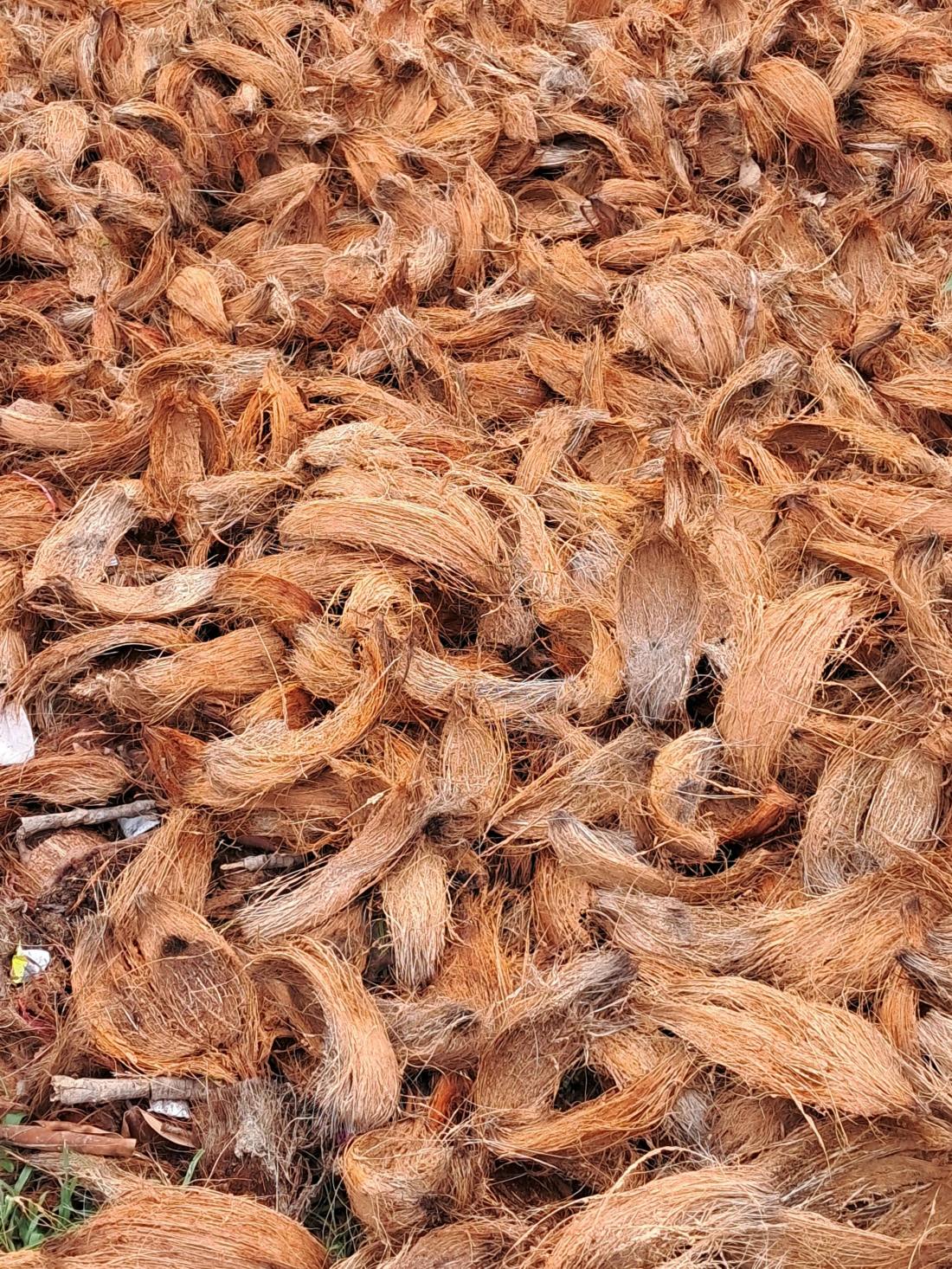
Coco peat is derived from the fibrous husk of coconuts. After the long fibers are extracted for products like ropes and mats, the remaining material is processed to produce coco peat. It is a spongy, brown substance that has excellent water-retention properties, making it ideal for gardening. Available in various forms, such as bricks, blocks, and loose bags, coco peat is easy to use and store.
Why Use Coco Peat?
Coco peat has several advantages over traditional soil and other growing mediums. Its natural, eco-friendly properties make it an attractive option for gardeners looking to improve soil quality, enhance plant growth, and reduce their environmental footprint.
Benefits of Coco Peat in Gardening
Water Retention and Moisture Control
Coco peat can absorb up to 10 times its weight in water, making it an excellent medium for water retention. This characteristic helps maintain consistent moisture levels in the soil, preventing plants from drying out too quickly. It is especially useful for plants that require a steady water supply or in regions with dry climates.
Aeration and Root Development
Coco peat provides superior aeration to the roots of plants. Its porous structure allows for good airflow, which prevents soil compaction and promotes healthy root development. Proper aeration is essential for plants to absorb oxygen and nutrients, leading to stronger growth and higher yields.
Sustainable and Eco-Friendly
One of the biggest benefits of coco peat is its sustainability. It is a renewable resource, as coconuts are harvested multiple times a year. Unlike peat moss, which is harvested from non-renewable peat bogs, coco peat is an eco-friendly alternative that doesn’t deplete natural habitats. Using coco peat supports sustainable gardening practices and reduces your environmental impact.
Neutral pH Level
Coco peat has a near-neutral pH level, typically ranging between 5.5 and 6.5. This makes it suitable for a wide range of plants, as it doesn’t alter the pH of the soil significantly. It helps create an optimal growing environment without the need for chemical soil amendments.
Nutrient-Rich Amendments
While coco peat itself is low in nutrients, it acts as an excellent medium for mixing with fertilizers and organic matter. It enhances the nutrient-holding capacity of the soil, allowing plants to receive a steady supply of nutrients over time. This slow-release nature reduces the need for frequent fertilization, making it an efficient and cost-effective solution.
Improves Soil Structure
Coco peat is a natural soil conditioner. When mixed with garden soil, it improves the texture and structure, making the soil more friable and easier to work with. It loosens heavy clay soils and helps sandy soils retain water and nutrients, providing an ideal balance for plant growth.
Eco-Friendly Pest Control
Coco peat has natural antifungal properties, which can help protect plants from root diseases and fungal infections. Additionally, it doesn’t attract pests like some organic materials, reducing the need for chemical pest control in your garden.
Reusable and Long-Lasting
Coco peat can be reused multiple times before it begins to break down. After a growing season, it can be rehydrated and mixed with fresh materials for continued use. This longevity makes it a cost-effective option for gardeners who want to maximize the lifespan of their growing medium.
Similar Posts:
How to Use Coco Peat in Gardening
1. Hydrate the Coco Peat
Coco peat is typically sold in a compressed form, such as bricks or blocks. Before using it, you’ll need to hydrate it by soaking the block in water. A small brick of coco peat can expand up to several times its original size when soaked, creating a light and fluffy medium that’s easy to work with.
2. Mix with Soil or Compost
Coco peat can be used on its own or mixed with garden soil, compost, or other organic materials. For potting mixes, a common ratio is 50% coco peat and 50% compost or garden soil. This mixture provides the perfect balance of water retention, aeration, and nutrients for healthy plant growth.
3. Use as Mulch
Coco peat also works well as mulch. Spread a layer of coco peat on top of the soil around your plants to help retain moisture, regulate soil temperature, and suppress weeds. Unlike some other mulches, coco peat breaks down slowly and adds organic matter to the soil over time.
4. Seed Starting
Coco peat is an ideal medium for starting seeds. Its fine texture allows seeds to germinate easily, while its water-retaining properties ensure that seedlings receive adequate moisture during their early stages of growth. Once the seeds have sprouted, the coco peat can be transplanted directly into the soil without disrupting the delicate roots.
5. Hydroponics
Coco peat is widely used in hydroponic systems due to its excellent water-retention capacity and aeration properties. It can be combined with perlite or other inert materials to create a balanced growing medium for hydroponic plants. Since it doesn’t decompose quickly, coco peat provides a stable environment for plants in hydroponic systems.
Tips for Using Coco Peat Effectively
Monitor Watering Needs
While coco peat retains water exceptionally well, it’s important to monitor the moisture levels in your garden or pots. Overwatering can still lead to root rot, especially in plants that prefer drier conditions. Ensure that the soil is draining properly, and adjust your watering schedule accordingly.
Add Fertilizer
Since coco peat itself is low in nutrients, be sure to supplement it with organic fertilizers or compost. Regularly feed your plants with a balanced fertilizer to ensure they receive the nutrients they need for optimal growth.
Reuse Wisely
Coco peat can be reused, but after each growing season, it’s a good idea to refresh the medium by mixing it with new compost or organic matter. This will ensure that your plants continue to receive adequate nutrition and support.
Conclusion
Coco peat is an incredibly versatile and sustainable growing medium that offers numerous benefits to gardeners. From its excellent water-retention properties to its eco-friendly nature, coco peat can enhance the health and productivity of your garden. Whether you’re starting seeds, growing vegetables, or improving your garden soil, coco peat is a reliable and effective choice that helps create a thriving, low-maintenance garden. By incorporating coco peat into your gardening routine, you’ll not only promote plant growth but also contribute to a more sustainable and eco-conscious approach to gardening.
Happy Gardening!
 ILoveGardening