
Introduction
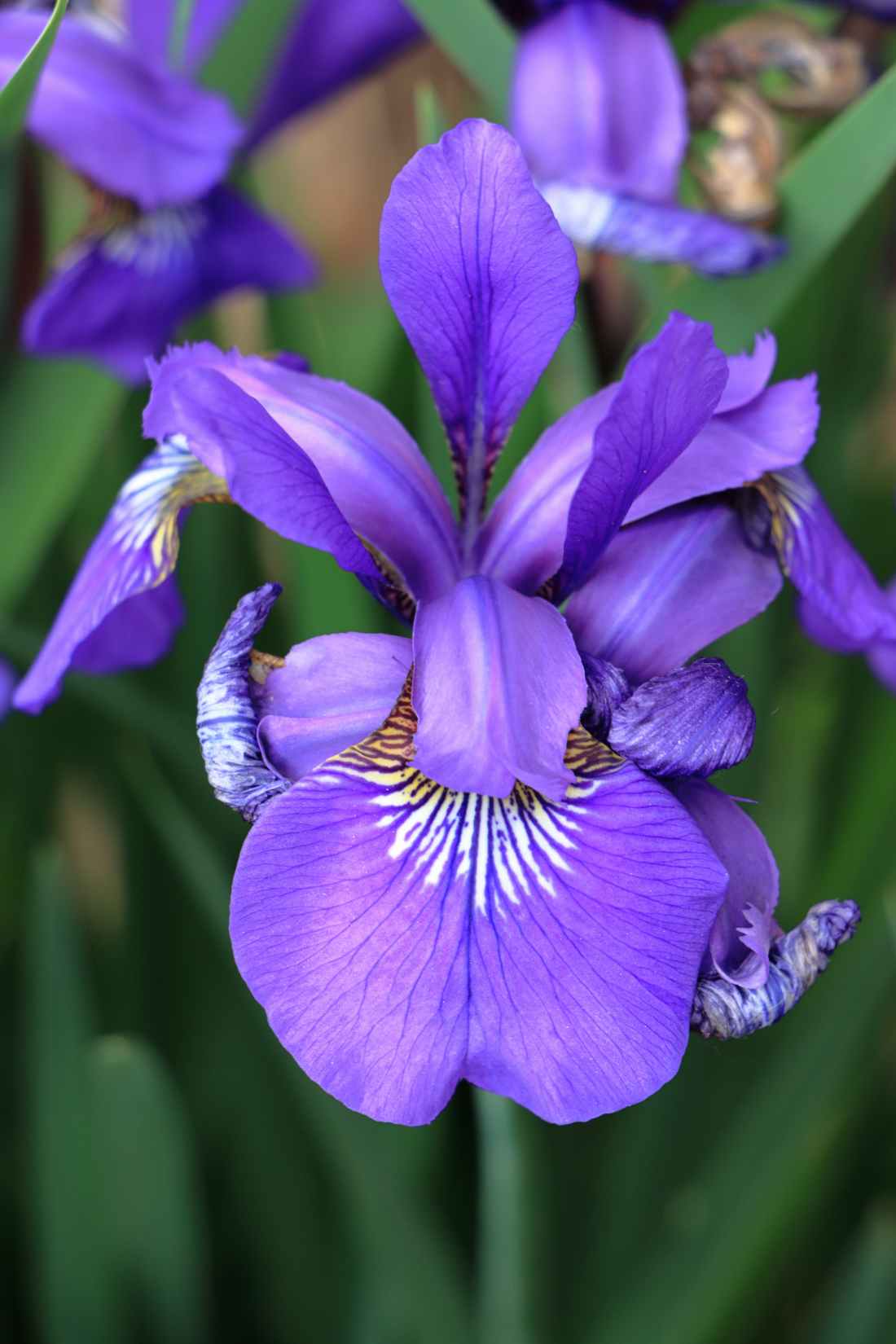
In the realm of blossoming beauty and effortless elegance, few flowers rival the captivating allure of irises. Their vivid hues and minimal care requirements make them a cherished addition to any garden landscape. Yet, the journey of cultivating these floral gems requires more than just planting—they demand a delicate understanding of timing, soil, and care.
This comprehensive guide unveils the artistry behind growing irises, guiding both novice and seasoned gardeners through the seasonal nuances and essential practices of nurturing these exquisite blooms. From the pivotal timing of planting iris rhizomes to the strategic intricacies of dividing and replanting, each phase contributes to an enchanting narrative of patience, nurturing, and rewarding results.
Timing Is Key: Best Time to Plant Iris Rhizomes
Irises are a garden delight with their vibrant blooms and easy maintenance. Timing is crucial when it comes to planting these beauties. In the United States, August and September mark the shipment period for iris rhizomes from growers—a strategic choice for the optimal planting season.
Dividing Iris: A Simple Maintenance Task
Late summer through early fall is the prime window for planting iris rhizomes, allowing them to settle and establish their root systems before the arrival of harsh freezes. This period isn’t just for new plantings; it’s also ideal for dividing existing irises. Dividing iris is a straightforward task that ensures the health and happiness of your plants.
Optimal Growing Conditions for Irises
Understanding where irises flourish best is essential. They thrive in full sun, relishing at least 6 to 8 hours of sunlight daily. While they can tolerate less light, robust blooming depends on sufficient sunshine. Ideally, irises should be planted in well-draining soil, as they despise soggy conditions.
Soil Preparation: Setting the Stage for Healthy Growth
Preparing the soil for iris planting involves weeding, clearing debris, and ensuring proper drainage. While irises appreciate moist soil, they fare poorly in soggy conditions. Amending heavy clay soils for improved drainage is recommended, though bearded irises can tolerate various soil pH levels.
Fertilization Debate: To Fertilize or Not?
The debate on fertilization during planting persists among gardeners. While some opt for adding fertilizer to the soil, others rely on well-amended compost. Stirring fertilizer into the soil lightly can be beneficial, ensuring it reaches the roots effectively.
Similar Posta
Planting Iris Rhizomes: The Art of Surface Planting
Planting iris rhizomes is an art form in itself. Ensuring they remain close to the soil surface is crucial, as burying them too deep hampers their growth. The tops of the rhizomes should be visible after planting, allowing them to bask in sunlight.
Strategic Spacing for Successful Growth
Spacing is another vital consideration. Planting irises 6 to 12 inches apart facilitates better air circulation, reducing the risk of fungal issues. Adequate spacing also promotes their expansion, enabling the growth of new rhizomes for future divisions.
Replanting After Division: Creating Spectacular Displays
When it’s time to replant after dividing, strategic planting in clusters of three rhizomes can result in a spectacular display of blooms. Arranging them with their pointy tips facing each other in a circle fosters healthy growth.
Watering and Care: Nurturing New Plantings
Watering new plantings during dry spells is crucial to establish their roots and ensure their vitality. Come spring, the reward for your efforts materializes in the form of stunning iris blooms.
Spring Blooms: Patience and Reward
Remember, if your irises don’t bloom in the first season post-division, be patient—the smaller rhizomes often need an additional season to flourish.
Pest Vigilance: Guarding Against Iris Borers
Amidst the joys of growing irises, vigilance against pests like the iris borer is necessary. This pest can lead to bacterial soft rot, impacting the health of your plants. Vigilance and preventive measures go a long way in maintaining the vigor of your iris bed.
Conclusion: The Simple Pleasures of Growing Irises
In conclusion, growing irises isn’t just about planting—it’s a journey of nurturing and patience. The rewards, showcased in vibrant blooms and healthy rhizomes, make the process immensely gratifying. So, whether you’re a novice or a seasoned gardener, embracing the art of growing irises brings forth simplicity and unparalleled rewards to your garden.
Happy Gardening!
 ILoveGardening