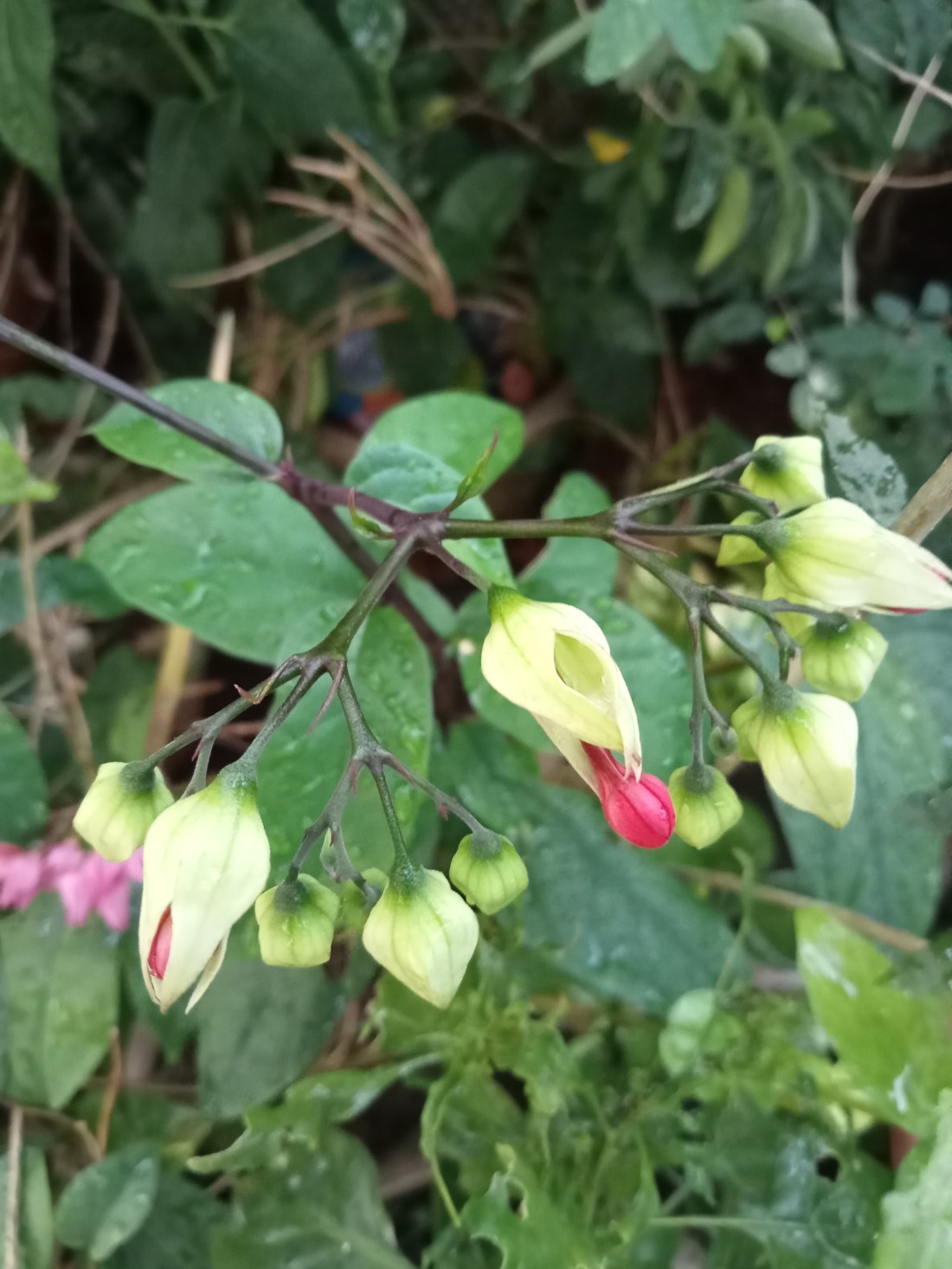
Growing Bleeding Heart Plant: A Guide to Heartwarming Beauty!

Introduction:

The Bleeding Heart plant, known for its heart-shaped flowers that dangle gracefully from arching stems, is a romantic and nostalgic addition to any garden. This enchanting perennial, scientifically known as Dicentra spectabilis, captures the hearts of gardeners with its unique blooms and fern-like foliage. If you’re looking to add a touch of whimsy and elegance to your garden, read on to discover our comprehensive guide on growing and caring for the Bleeding Heart plant.

1. Understanding the Bleeding Heart Plant

Botanical Background

The Bleeding Heart plant is native to Siberia, Northern China, Korea, and Japan. It belongs to the Fumariaceae family and is renowned for its distinctive heart-shaped flowers, which come in shades of pink, red, and white. The flowers typically appear in spring, adding a burst of color to the garden landscape.

Ideal Growing Conditions

Bleeding Hearts thrive in cool, moist conditions and prefer partial shade to full shade. They are typically grown as perennials in USDA hardiness zones 3-9, depending on the variety. While they can tolerate some sunlight, too much direct sun can scorch their delicate foliage, making them more suitable for shaded areas or dappled sunlight.

2. Planting the Bleeding Heart Plant

Soil Requirements

Well-draining soil rich in organic matter is essential for the Bleeding Heart’s health. An ideal soil pH level ranges from 6.0 to 7.0. Incorporating compost or well-rotted manure into the planting area can help improve soil structure and fertility.

Planting Depth and Spacing

Plant Bleeding Hearts at the same depth as they were in their nursery pots, typically around 1-2 inches deep. Space them approximately 18-24 inches apart to allow room for mature growth and optimal air circulation.


Similar Posts:


3. Watering and Feeding

Watering

Consistent moisture is key to the Bleeding Heart’s success. Ensure regular watering, particularly during periods of drought, to maintain even soil moisture without causing waterlogging. Applying mulch around the plant’s base aids in preserving soil moisture and controlling weed growth.

Fertilization

In the early spring, apply a balanced fertilizer following the manufacturer’s guidelines. Avoid over-fertilizing, as excessive nutrients can lead to lush foliage at the expense of flower production.

4. Maintenance and Care

Pruning and Deadheading

Deadheading spent flowers promotes ongoing blooms and helps keep a neat appearance. After the plant has finished blooming for the season, you can cut it back to ground level to promote fresh growth and rejuvenate the plant.

Winter Care

Apply mulch around the plant’s base in late fall to insulate the roots against freezing temperatures. In colder climates, additional winter protection such as covering with burlap or a layer of straw may be necessary.

5. Pests and Diseases

Common Pests

Aphids, slugs, and snails can occasionally be a problem for Bleeding Heart plants. Monitor your plants regularly and treat any infestations promptly using insecticidal soap or other organic pest control methods.

Disease Prevention

Powdery mildew and root rot are potential concerns for Bleeding Hearts. Ensuring proper spacing, facilitating adequate air flow, and refraining from overhead watering are effective strategies to prevent these problems. If signs of disease appear, treat the plant with fungicides or other appropriate treatments as recommended.

Conclusion:

The Bleeding Heart plant, with its heartwarming beauty and easy-care nature, is a delightful addition to any garden. By providing the right growing conditions, regular watering, and minimal maintenance, you can enjoy the charm of these romantic blooms year after year. Whether planted in borders, woodland gardens, or containers, the Bleeding Heart’s unique flowers and elegant foliage are sure to captivate and enchant all who behold them.

Happy Gardening!
Growing Night Queen (Epiphyllum) – A Guide to Enchanting Blooms!

Introduction:

The Night Queen, scientifically known as Epiphyllum, is a captivating plant known for its stunning nocturnal blooms and easy-care nature. Originating from the tropical regions of Central and South America, this epiphytic cactus has gained popularity among plant enthusiasts for its enchanting beauty and unique flowering habits. In this article, we’ll delve into the world of growing and caring for the Night Queen, unlocking the secrets to cultivating these mesmerizing plants in your own garden or indoor space.

1. Understanding the Night Queen (Epiphyllum)

Botanical Background

Epiphyllum, commonly known as the Night Queen or Orchid Cactus, belongs to the cactus family but lacks the typical spines associated with cacti. Instead, it features flat, leaf-like stems that provide a striking backdrop for its magnificent blooms. These blooms, which appear primarily at night, are often fragrant and come in a range of colors, including white, pink, red, and orange.

Light Requirements

Being a tropical plant, the Night Queen thrives in bright, indirect light. Place it near a window where it can receive ample sunlight but avoid direct exposure to intense midday sun, which can scorch its leaves. If grown indoors, artificial grow lights can also be used to supplement natural light.

2. Planting the Night Queen

Soil Mix

A well-draining soil mix is essential for the Night Queen’s health. A combination of peat moss, perlite, and orchid bark works well, providing the plant with the moisture retention it needs while ensuring excess water drains away efficiently.

Potting

Choose a pot with proper drainage holes to prevent waterlogging, which can cause root rot. Repotting is generally recommended every two to three years or when a plant has outgrown its existing pot. Use a pot that allows room for the plant to grow and expand its root system.

3. Watering and Feeding

Watering

Moderate watering is key to the Night Queen’s well-being. Water the plant thoroughly once the top inch of soil is dry to the touch, ensuring any excess water can drain off. In the winter, decrease the frequency of watering to reflect its natural period of dormancy.

Fertilization

Fertilize monthly during the growing season, which includes spring and summer,using a balanced liquid fertilizer at half strength. This will provide the Night Queen with the nutrients it needs to produce healthy foliage and vibrant blooms.

4. Temperature and Humidity

Temperature

Maintain a consistent temperature between 65-85°F (18-29°C) for optimal growth. The Night Queen is sensitive to cold temperatures, so avoid exposing it to drafts or sudden temperature drops, which can cause leaf damage.

Humidity

Being a tropical plant, the Night Queen appreciates higher humidity levels. If grown indoors, consider placing the plant on a humidity tray filled with pebbles and water or use a room humidifier to increase moisture levels around the plant.

5. Pruning and Propagation

Pruning

Regular pruning helps maintain the Night Queen’s shape and promotes new growth. Remove any dead, damaged, or overgrown stems using sharp, sterile pruning shears. While pruning can be performed as necessary throughout the year, it is generally best to prune plants during their dormant season to promote healthy growth and blooming.

Propagation

Propagating the Night Queen is relatively straightforward and can be done using stem cuttings. Choose a healthy stem and cut a section that is at least 6 inches long. Allow the cut end to dry and callous for a few days before planting it in a well-draining soil mix. Maintain moist soil and ensure exposure to bright, indirect sunlight until signs of new growth are evident.

Conclusion

The Night Queen, with its mesmerizing blooms and easy-care nature, is a delightful addition to any garden or indoor space. By understanding its light, water, and temperature requirements, as well as proper planting, feeding, and care techniques, you can enjoy the beauty of this enchanting plant year-round. Whether you’re a seasoned gardener or a beginner, growing the Night Queen is a rewarding experience that will captivate your senses and bring joy with its stunning displays.

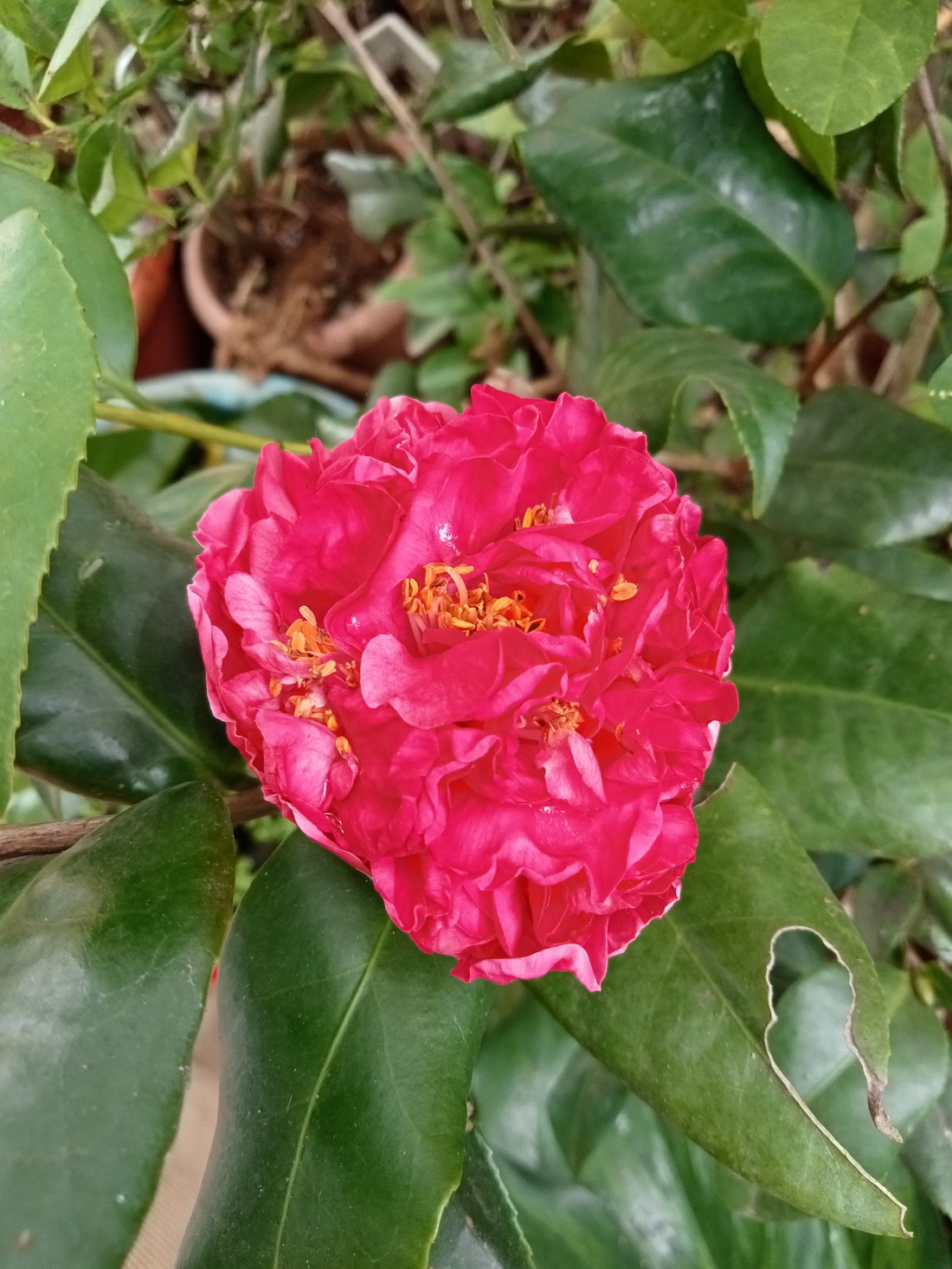
Blooms of Elegance: A Comprehensive Guide to Growing and Caring for Camellia Plants!

Camellias are cherished for their elegant blooms, glossy foliage, and evergreen charm, making them prized additions to gardens around the world. Known for their exquisite flowers that appear in various colors and forms, camellias add a touch of beauty and sophistication to landscapes. Whether you’re a novice gardener or a seasoned enthusiast, learning how to grow and care for camellia plants can elevate your gardening experience and ensure the health and vitality of these beloved ornamentals.

Introduction to Camellias:

Camellias belong to the genus Camellia, which comprises over 300 species, with Camellia japonica and Camellia sasanqua being among the most popular cultivated varieties. Originating from Asia, particularly China and Japan, camellias have been cultivated for centuries for their ornamental value and cultural significance. These evergreen shrubs or small trees are prized for their lush foliage and stunning flowers, which bloom in late fall, winter, or early spring, depending on the species and variety.

Growing Camellias:

Growing camellias begins with selecting the right location and providing optimal growing conditions for these ornamental beauties. Here’s a step-by-step guide to cultivating camellias in your garden:

Choose the Right Location: Camellias thrive in partially shaded to shaded areas with protection from the hot afternoon sun. Select a site with well-draining, acidic soil rich in organic matter.

Planting: Plant camellias in the fall or early spring when the soil is moist and temperatures are mild. Make a hole that is two times as deep and wide as the root ball. Make sure the top of the root ball of the plant is level with the soil surface when you place it in the hole. Backfill the hole entirely with water and soil.

Watering: Consistently keep the soil moist but not waterlogged, water deeply and regularly, and avoid overhead watering to prevent fungal diseases.

Fertilizing: Feed camellias with a balanced, slow-release fertilizer formulated for acid-loving plants in early spring before new growth emerges. Repeat fertilization in late spring or early summer if necessary. Avoid using high-nitrogen fertilizers as they may lead to more foliage growth and less flowering.

Mulching: Apply a layer of organic mulch, such as pine straw or shredded bark, around the base of the plant to conserve moisture, suppress weeds, and regulate soil temperature. Maintain a mulch depth of 2-3 inches, keeping it away from the trunk to prevent rot.

Pruning: Prune camellias selectively to maintain their desired shape, remove dead or diseased branches, and promote air circulation within the canopy. Pruning is best done after flowering to avoid cutting off potential buds.


Similar Posts


Caring for Camellias:

Caring for camellias involves regular maintenance practices to ensure their health, vigor, and prolific blooming. Here are some essential care tips for camellia plants:

Pest and Disease Control: Monitor camellias regularly for signs of pests, such as aphids, scale insects, and spider mites, as well as diseases like camellia leaf spot and root rot. Treat infestations promptly with horticultural oil, insecticidal soap, or neem oil, and remove infected plant parts to prevent the spread of disease.

Winter Protection: In colder climates, provide winter protection for camellias by covering them with frost cloth or burlap during freezing temperatures. Mulch around the base of the plant to insulate the roots and minimize frost damage.

Deadheading: Remove spent flowers promptly to encourage continuous blooming and prevent seed production, which can divert energy away from flower production.

Container Care: If growing camellias in containers, choose a large, well-draining pot and use a soil mix formulated for acid-loving plants. Water container-grown camellias regularly to keep the soil evenly moist, and fertilize them according to label instructions.

Hydration: During periods of drought or high temperatures, provide supplemental irrigation to ensure camellias receive adequate moisture. It is important to avoid overwatering your plants, as damp soil can cause root rot and other issues.

Monitoring pH Levels: Regularly test the soil pH around camellias to ensure it remains acidic, ideally between 5.0 and 6.5. Amend the soil with sulfur or acidic fertilizers if necessary to maintain optimal pH levels.

Conclusion:

Growing and caring for camellias can be a rewarding experience, offering gardeners a glimpse of nature’s beauty and resilience. By providing the right growing conditions, proper maintenance, and tender loving care, you can enjoy the bountiful blooms and lush foliage of these exquisite plants year after year. Whether adorning garden beds, borders, or containers, camellias are sure to captivate with their timeless elegance and charm.

Happy Gardening!