
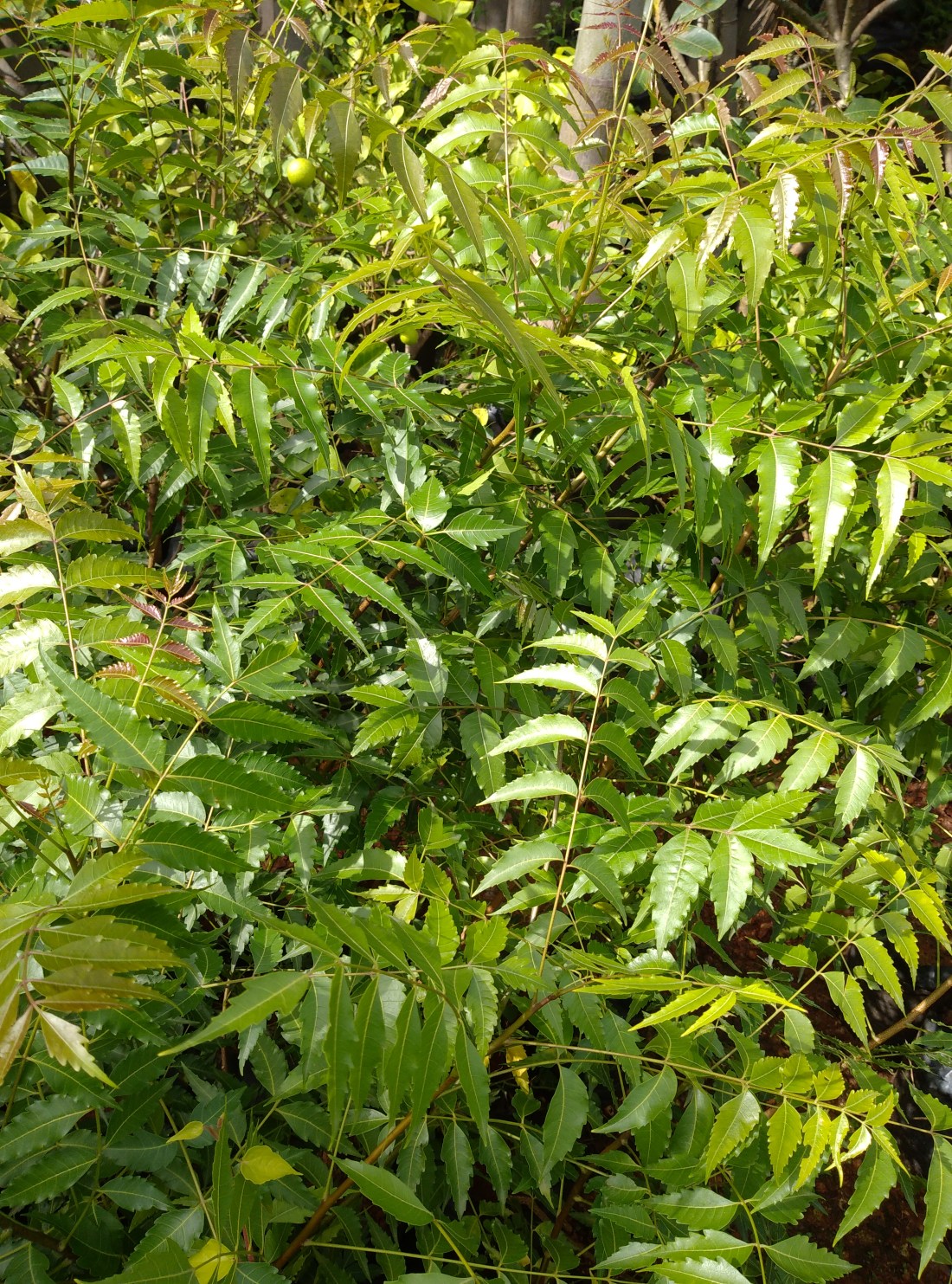
Greetings, fellow gardeners! Have you ever wondered how professional landscapers achieve those perfectly shaped and vibrant plants? The answer lies in the art and science of pruning. Whether you’re tending to your backyard or nurturing indoor plants, mastering pruning techniques can work wonders for the health and beauty of your green companions. Let’s delve into the science behind pruning and uncover techniques that will elevate your gardening game.
- Understanding the Basics of Pruning
Pruning is more than just snipping away excess growth. It involves strategic removal of branches and leaves to encourage healthy growth, enhance plant shape, and improve overall aesthetics. By understanding a plant’s growth patterns and needs, you can tailor your pruning approach for maximum benefit.
- Timing is Key
In the diverse climate of India, timing is crucial when it comes to pruning. Generally, the best time is during the dormant season, which is usually just before the onset of spring. This ensures that plants can recover quickly and put forth new growth as the weather warms up.
- Tools of the Trade
Equipping yourself with the right tools is a prerequisite for effective pruning. For small branches and delicate plants, opt for pruning shears. For thicker branches, invest in loppers or pruning saws. Keep your tools sharp and clean to prevent damaging the plants.
- Shape Up with Thinning
Thinning involves removing entire branches at their point of origin. This technique improves air circulation, reduces disease risk, and encourages new growth. It’s particularly beneficial for fruit-bearing trees like mangoes and guavas, promoting larger and healthier yields.
- Pinching for Precision
Pinching is a technique primarily used for promoting bushier growth in plants with multiple stems. Simply pinch off the tip of new growth between your thumb and forefinger. This encourages branching and leads to denser foliage, perfect for ornamental plants like roses, and chrysanthemums.
Similar Posts
- Heading Back for Growth Control
Heading back entails cutting back the tip of a stem to a bud or side branch. This technique controls the size of the plant and stimulates fresh growth. It’s handy for shaping hedges, keeping shrubs in check, and maintaining compactness.
- Deadheading for Continued Blooms
Deadheading involves removing spent flowers to encourage continuous blooming. This prevents plants from expending energy on seed production, redirecting their resources toward more blooms. Ideal for flowering plants like zinnia, marigolds and petunias, deadheading keeps your garden vibrant and colorful.
- Training Vines and Climbers
For climbers and vines, pruning helps control their growth and shape. Regularly remove old or dead growth to allow sunlight to reach the inner foliage. This maintains a healthy structure and ensures optimal flowering.
- Watch for Disease and Decay
During pruning, keep an eye out for signs of disease, infestation, or decay. Promptly remove affected parts to prevent the problem from spreading to healthy areas. This proactive approach safeguards the overall well-being of your plants.
- Embrace Patience and Practice
Remember, pruning is both a science and an art. It takes practice to become adept at understanding each plant’s unique requirements. Over time, you’ll develop an intuitive sense of how to best nurture your garden through well-timed and skillful pruning.
Conclusion
By incorporating these pruning techniques into your gardening routine in India, you’re not just nurturing healthier plants, but also crafting a visually appealing landscape. With a little knowledge and a lot of love, you can master the science of pruning and transform your garden into a flourishing haven of beauty. Happy pruning!
Happy Gardening!
 ILoveGardening