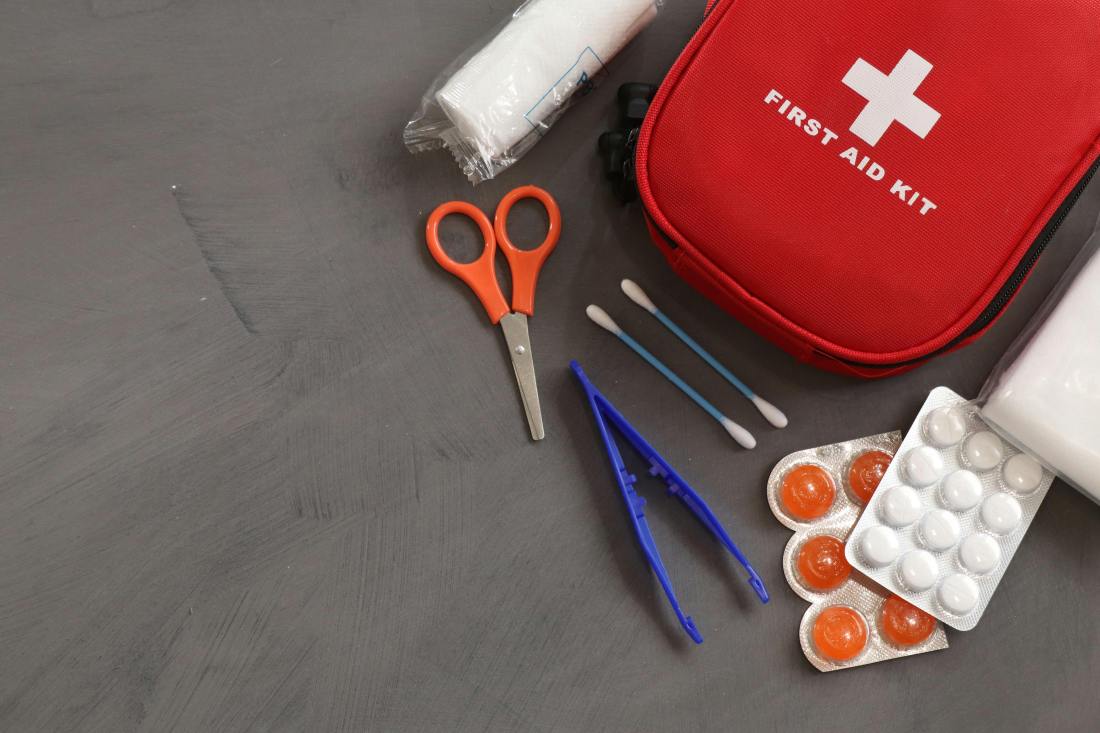
Essential First Aid Kit for Gardeners: Must-Have Medicines for Gardening Emergencies!

Introduction:

Gardening is a fulfilling hobby, but it comes with its fair share of risks. From minor cuts and scrapes to insect bites and allergic reactions, gardeners are exposed to various hazards while tending to their plants. Having a well-equipped first aid kit is essential for addressing injuries and emergencies that may occur in the garden. In this article, we’ll explore the types of medicines that should be kept in a gardener’s first aid kit to ensure safety and preparedness.

Antiseptic Wipes or Solution:

One of the most common injuries in the garden is minor cuts and scrapes from handling tools or pruning plants. Antiseptic wipes or solution are essential for cleaning wounds to prevent infection. They help remove dirt and debris from the affected area, reducing the risk of bacterial contamination.

Adhesive Bandages:

Adhesive bandages, also known as band-aids, are indispensable for covering small cuts and abrasions. They provide a protective barrier against dirt and germs while promoting healing. It’s advisable to keep a variety of sizes and shapes of adhesive bandages to accommodate different types of wounds.

Sterile Gauze Pads and Tape:

For larger wounds or injuries that require more extensive dressing, sterile gauze pads and medical tape are essential. Gauze pads can be used to cover and absorb blood from wounds, while medical tape secures the gauze in place. These items are crucial for controlling bleeding and protecting the wound from further contamination.

Pain Relievers:

Gardening activities can sometimes lead to muscle strains, sprains, or headaches due to prolonged sun exposure or physical exertion. Over-the-counter pain relievers such as ibuprofen or acetaminophen (with a doctor’s consultation) can provide relief from minor aches and pains. However, it’s essential to follow the recommended dosage and precautions when using pain relievers.


Similar Posts:


Allergy Medications:

Many gardeners may experience allergies to pollen, plants, or insect bites while working in the garden. Antihistamines such as diphenhydramine or loratadine (with a doctor’s consultation) can help alleviate symptoms such as sneezing, itching, or hives caused by allergies. It’s advisable to keep allergy medications on hand, especially for individuals prone to allergic reactions.

Insect Sting Relief:

Insect bites and stings are common occurrences in the garden, particularly during the warmer months. Insect sting relief products containing ingredients like hydrocortisone or antihistamines can help reduce itching, swelling, and discomfort caused by insect bites. It’s essential to address insect stings promptly to prevent allergic reactions or secondary infections.

Sunburn Relief:

Prolonged exposure to the sun while gardening can lead to sunburn, especially on exposed skin areas. Aloe vera gel or calamine lotion can provide soothing relief for sunburned skin. Additionally, wearing protective clothing, such as wide-brimmed hats and long sleeves, and applying sunscreen with a high SPF can help prevent sunburns while gardening.

Poison Ivy/Oak Treatment:

Contact with poisonous plants like poison ivy or poison oak can cause allergic skin reactions in some individuals. Calamine lotion or hydrocortisone cream can help alleviate itching and inflammation associated with poison ivy/oak exposure. It’s essential to wash the affected area thoroughly with soap and water to remove plant oils and prevent further spread of the rash.

Conclusion:

A well-stocked first aid kit is essential for every gardener to handle minor injuries and emergencies that may occur while gardening. By including essential medicines such as antiseptics, bandages, pain relievers, allergy medications, and insect sting relief in the first aid kit, gardeners can ensure their safety and preparedness in the garden. Remember to regularly check and replenish the first aid kit to maintain its effectiveness in addressing gardening-related injuries.

Happy Gardening!
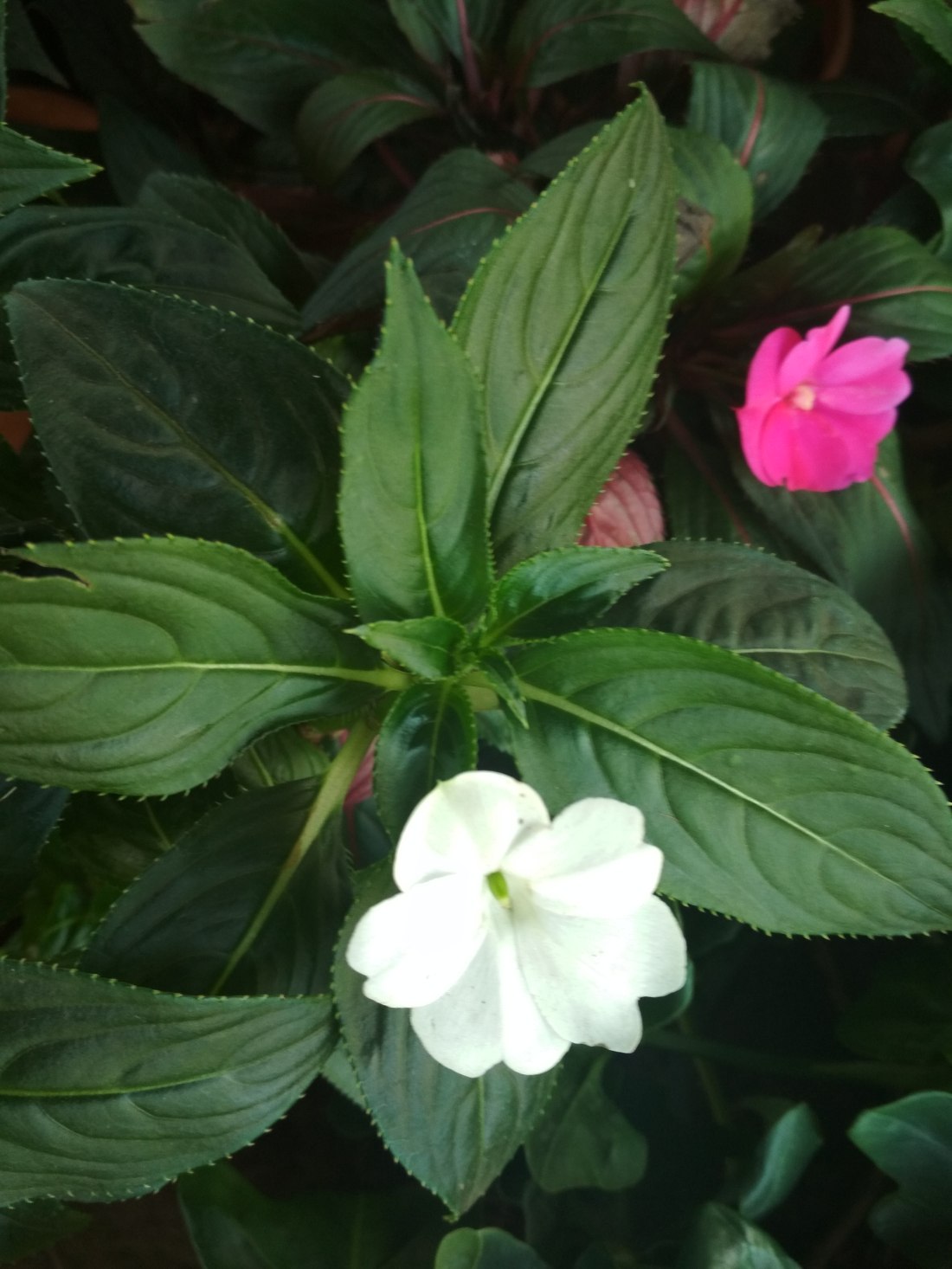
Essential Safety Measures for Gardening: Protecting Yourself While Cultivating Your Garden Oasis!

Introduction:

Gardening is a rewarding and enjoyable hobby that allows us to connect with nature and create beautiful outdoor spaces. However, it’s essential to prioritize safety while tending to our gardens to prevent accidents and injuries. In this guide, we’ll explore important safety measures and precautions that every gardener should take to ensure a safe and enjoyable gardening experience.

Dress Appropriately:

Before you start gardening, it’s crucial to wear appropriate attire to protect yourself from potential hazards. This includes wearing sturdy, closed-toe shoes to prevent injuries from sharp tools or falling objects. Additionally, wearing long pants and sleeves can protect your skin from scratches, bites, and exposure to harmful plants or chemicals.

Use Protective Gear:

When handling gardening tools and equipment, wearing appropriate protective gear can minimize the risk of injuries. Always wear gloves to protect your hands from blisters, cuts, and thorns while pruning, weeding, or handling soil. If you’re working with power tools or machinery, such as lawn mowers or hedge trimmers, wear safety goggles and ear protection to prevent eye and ear injuries.

Handle Chemicals Safely:

Many gardeners use fertilizers, pesticides, and herbicides to maintain their gardens, but these chemicals can pose health risks if not handled properly. Always read and follow the instructions on chemical labels carefully, and wear protective clothing, gloves, and a mask when applying chemicals. Store chemicals in a secure location out of reach of children and pets, and never mix or transfer chemicals in food containers.

Lift Heavy Objects Safely:

Gardening often involves lifting and carrying heavy objects, such as bags of soil, pots, or gardening equipment. To prevent back strain and injuries, use proper lifting techniques. Bend your knees, keep your back straight, and lift with your legs rather than your back. If an object is too heavy to lift safely, ask for assistance or use a wheelbarrow or gardening cart to transport it.


Similar Posts:


Be Mindful of Sun Exposure:

Spending time outdoors in the garden exposes you to sunlight, which can lead to sunburn and skin damage if proper precautions are not taken. Wear sunscreen with a high SPF rating, even on cloudy days, and reapply it every few hours, especially if you’re sweating or swimming. Additionally, wear a wide-brimmed hat and lightweight, breathable clothing to protect your skin from harmful UV rays.

Stay Hydrated:

Gardening can be physically demanding, especially on hot and humid days, so it’s essential to stay hydrated to prevent dehydration and heat-related illnesses. Drink plenty of water before, during, and after gardening, and take frequent breaks in the shade to rest and cool off. Avoid working in the garden during the hottest part of the day, and schedule tasks for early morning or late afternoon when temperatures are cooler.

Watch Out for Wildlife:

While gardening, you may encounter various wildlife, including insects, spiders, snakes, and other creatures. Be cautious when reaching into dark or hidden areas, such as under bushes or in dense vegetation, where animals may be hiding. Wear gloves and protective clothing to minimize the risk of bites or stings and familiarize yourself with common pests and how to safely remove them from your garden.

Maintain Garden Tools and Equipment:

Regularly inspect and maintain your gardening tools and equipment to ensure they are in good working condition and safe to use. Sharpen dull blades on pruners, shears, and other cutting tools to prevent accidents and make clean, precise cuts. Replace worn or damaged tools and repair any defects or malfunctions promptly to prevent injuries during use.

Conclusion:

By following these safety measures and precautions, you can minimize the risk of accidents and injuries while enjoying your gardening hobby. Remember to prioritize safety at all times and be mindful of potential hazards in your garden environment. With proper precautions and responsible gardening practices, you can create a safe and enjoyable outdoor space to relax, unwind, and connect with nature.

Happy Gardening!