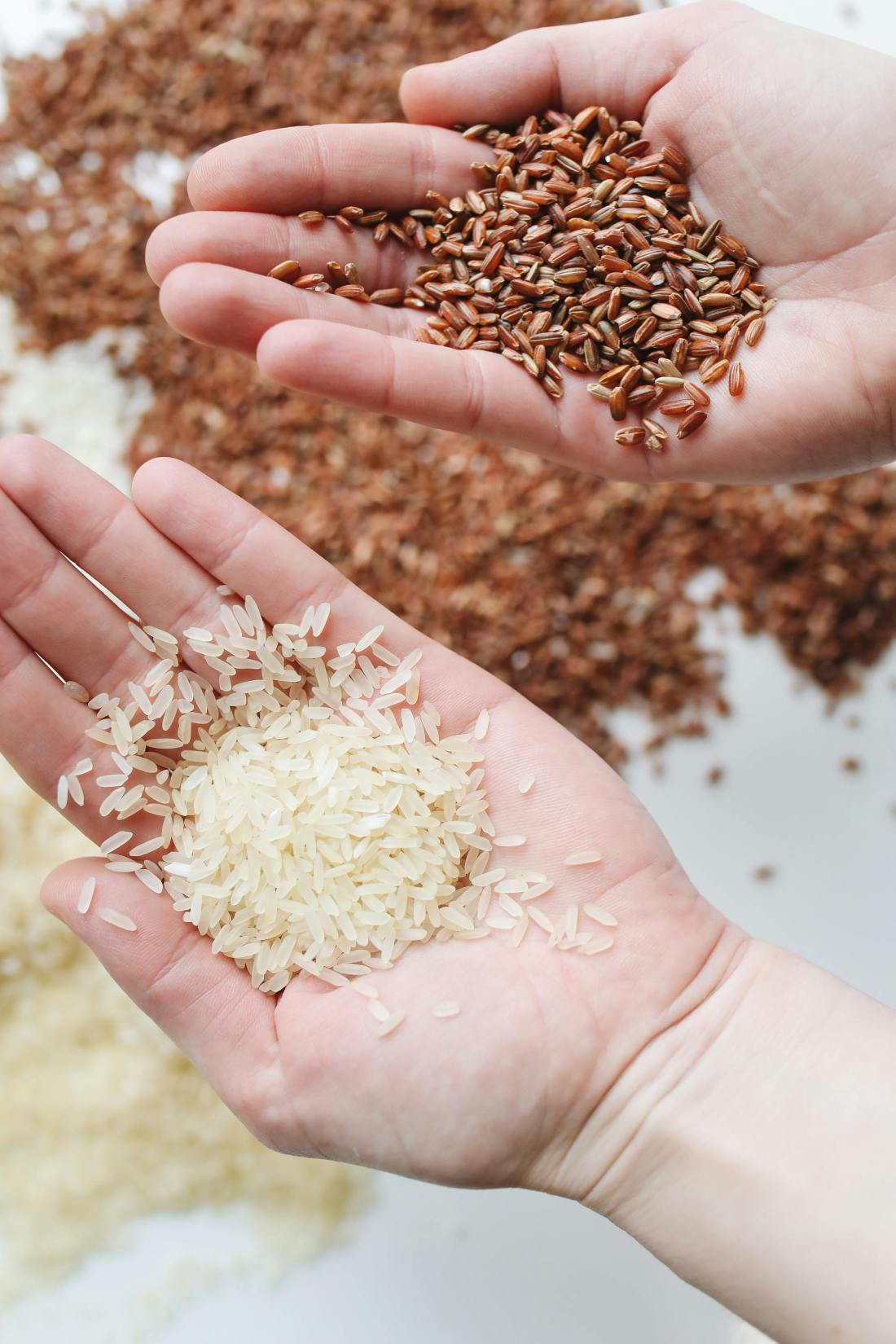
Is Rice Water the Secret to a Thriving Garden? Explore Its Incredible Benefits Now!

Introduction

Garden enthusiasts continually seek natural and effective solutions to boost plant growth and health. One such age-old remedy that has gained attention is rice water. Often discarded after cooking rice, this nutrient-rich liquid is brimming with benefits that can significantly contribute to your garden’s well-being. Let’s delve into the multifaceted uses of rice water in gardening, alongside its advantages and potential drawbacks.

The Nutrient Profile of Rice Water

Rice water, the starchy liquid left behind after rinsing or boiling rice, is packed with essential nutrients that are beneficial for plants. It contains:

  • Vitamins such as B1 (thiamine), B2 (riboflavin), B6 (pyridoxine), and vitamin E.
  • Amino acids: are crucial for plant growth.
  • Minerals like phosphorus and potassium that aid in root development and flowering.
  • Carbohydrates: provide an immediate energy source for plants.

Using Rice Water in Gardening

Soil Conditioner

Rice water serves as an excellent soil conditioner. The nutrients present in the water improve soil fertility, promoting the growth of beneficial microorganisms that aid in breaking down organic matter. This, in turn, enhances nutrient availability for plants, leading to healthier and more vigorous growth.

Fertilizer

One of the primary uses of rice water in gardening is as a fertilizer. Its nutrient content helps in the overall development of plants. Regular application can result in lush foliage, robust root systems, and improved flowering and fruiting. To use rice water as a fertilizer, simply dilute it with an equal amount of water and apply it to the base of your plants.

Pest Deterrent

The starch in rice water can create a protective barrier on plant leaves, making them less appealing to pests. While it may not completely eliminate pests, it can reduce their presence and prevent minor infestations from becoming major problems. Spray diluted rice water on the leaves to create this protective coating.

Seed Soaking Solution

Soaking seeds in rice water before planting can enhance germination rates. The nutrients in the water provide the seeds with a nutrient boost, giving them a head start in their growth journey. Simply soak the seeds in rice water for 12-24 hours before planting them in the soil.

Compost Booster

Adding rice water to your compost pile can speed up the decomposition process. The microorganisms in the compost benefit from the additional nutrients, breaking down organic matter more efficiently. This results in rich, nutrient-dense compost that can be used to nourish your garden.


Similar Posts:


Pros of Using Rice Water in Gardening

Cost-Effective

Using rice water is a cost-effective way to improve your garden’s health. Instead of discarding the water after cooking rice, you can repurpose it, reducing waste and saving money on commercial fertilizers and soil conditioners.

Eco-Friendly

Rice water is an eco-friendly solution that promotes sustainable gardening practices. It reduces the need for chemical fertilizers and pesticides, which can harm the environment and disrupt the balance of your garden ecosystem.

Nutrient-Rich

The nutrient profile of rice water makes it a valuable addition to your gardening routine. It provides essential vitamins, minerals, and amino acids that support plant growth and development.

Enhances Soil Health

Regular application of rice water improves soil health by promoting the growth of beneficial microorganisms. This leads to better nutrient availability and improved soil structure, resulting in healthier plants.

Versatile

Rice water can be used in various ways in the garden, from fertilizing and conditioning the soil to deterring pests and enhancing seed germination. Its versatility makes rice water a valuable asset for a gardener.

Cons of Using Rice Water in Gardening

Potential for Overuse

While rice water is beneficial, overusing it can lead to nutrient imbalances in the soil. Too much starch can create an environment conducive to the growth of harmful microorganisms, which can negatively affect plant health. It’s essential to use rice water in moderation and dilute it before application.

Odor

Rice water can develop an unpleasant odor if left to sit for too long. This can be off-putting for some gardeners and may attract unwanted pests. To avoid this, use fresh rice water or store it in the refrigerator for no more than a week.

Attracts Pests

While rice water can deter some pests, it may attract others, especially if it starts to ferment. Fermented rice water can attract flies and other insects that can become a nuisance in the garden. It’s crucial to monitor its usage and ensure it doesn’t become a pest attractant.

Limited Nutrient Spectrum

Although rice water is nutrient-rich, it doesn’t provide all the essential nutrients that plants need. Relying solely on rice water may result in nutrient deficiencies over time. It’s important to use it as part of a balanced gardening regimen, complementing it with other fertilizers and soil amendments.

Risk of Pathogens

If not properly prepared or stored, rice water can harbor pathogens that can harm plants. It’s vital to ensure that the water is clean and hasn’t been left to sit at room temperature for extended periods. Using boiled rice water can mitigate this risk, as the heat kills potential pathogens.

Conclusion

In conclusion, rice water is a valuable resource for gardeners looking to enhance their plant’s health and promote sustainable gardening practices. Its nutrient-rich profile and versatility make it an excellent addition to your gardening toolkit. However, it’s essential to use it in moderation and be mindful of potential drawbacks to ensure the best results for your garden. By incorporating rice water into a balanced gardening regimen, you can enjoy the benefits of this natural remedy while maintaining the health and vitality of your plants.

Happy Gardening!

Succession Planting: A Guide to Continuous Harvests in Your Garden!

Introduction:

Succession planting is a gardening strategy where crops are planted at intervals to ensure a continuous harvest throughout the growing season. This technique maximizes yield, optimizes garden space, and extends the harvest period, allowing gardeners to enjoy a bountiful supply of fresh produce over an extended period. In this article, we’ll explore the benefits of succession planting, how to implement it, and tips for success.

Benefits of Succession Planting

1. Continuous Harvest

Succession planting ensures a steady supply of fresh produce by staggering planting dates. This allows gardeners to enjoy a continuous harvest rather than a glut of produce all at once, reducing waste and maximizing enjoyment.

2. Maximizes Garden Space

By carefully planning planting dates and utilizing garden space efficiently, succession planting allows you to grow more crops in the same area. This is particularly beneficial for small gardens or limited spaces where maximizing yield is essential.

3. Improves Soil Health

Planting a variety of crops and incorporating cover crops during intervals can help improve soil health. Different plants have varying nutrient needs, and succession planting can help balance soil fertility, reduce soil erosion, and enhance microbial activity.

4. Reduces Pests and Diseases

Continuous planting disrupts the life cycle of pests and diseases, reducing their impact on your garden. By removing old plants and replacing them with new ones, you can minimize pest infestations and disease outbreaks.


Similar Posts:


How to Implement Succession Planting

1. Plan Your Garden Layout

Before you start, plan your garden layout carefully. Consider the mature size and spacing requirements of your crops, and plan succession intervals accordingly. Research companion planting to find combinations that work well together and maximize space.

2. Understand Planting Intervals

Research the growth cycle of your crops to determine the ideal planting intervals. Some crops, like lettuce and radishes, have quick growth cycles and can be planted every few weeks. Others, like tomatoes and peppers, have longer growing seasons and may only allow for one or two successions.

3. Use a Garden Calendar

Maintain a garden calendar to track planting dates, harvest times, and succession intervals. This will help you stay organized and ensure a continuous supply of fresh produce throughout the growing season.

4. Rotate Crops

Crop rotation helps minimize pest and disease issues and stops soil erosion. To ensure a balanced nutrient profile and healthier plants, plan your planting calendar such that crops are rotated annually.

Tips for Successful Succession Planting

1. Choose Complementary Crops

Select crops that complement each other in terms of growth rate and nutrient needs. For example, planting fast-growing radishes between slower-growing carrots can help maximize space and yield.

2. Plant Quick-Growing Crops

Include quick-growing crops like lettuce, radishes, and spinach in your succession planting plan. These crops can be planted multiple times throughout the season, providing a continuous harvest.

3. Optimize Soil Fertility

Incorporate cover crops or green manures during intervals to improve soil fertility and structure. This can help balance soil nutrients and enhance microbial activity, promoting healthier plants and higher yields.

4. Monitor and Maintain

Regularly monitor your garden to ensure plants are thriving and address any issues promptly. Inspect plants for nutrient deficiencies, pest or disease issues, and adjust watering and fertilization as required.

Conclusion:

Succession planting is a valuable gardening technique that allows you to enjoy a continuous harvest throughout the growing season. By carefully planning your garden layout, understanding planting intervals, and following these tips and strategies, you can create a productive and thriving garden that provides a bountiful harvest from spring to fall.

Happy Gardening!

Growing Green: New Year’s Resolutions for Your Flourishing Garden!

Introduction:

A new year brings opportunities for growth and renewal, not just for us but also for our gardens. As you step into the fresh canvas of a brand-new year, consider setting gardening resolutions that will nurture and elevate your green spaces. Here are some resolutions to inspire a thriving garden in the coming year.

Plan with Purpose:

Begin the year by mapping out a gardening plan. Assess your garden’s strengths and weaknesses, identify spaces for improvement, and set clear goals. Whether it’s expanding the variety of plants, creating dedicated zones, or enhancing sustainability, a well-thought-out plan sets the stage for a successful garden.

Embrace Sustainability:

Pledge to adopt eco-friendly practices in your garden. Explore composting, rainwater harvesting, and organic pest control methods. Incorporate native plants that thrive in your climate, reducing the need for excessive water and chemical interventions. Commit to reducing waste and recycling materials within your garden projects.

Learn and Experiment:

Cultivate a thirst for knowledge and experimentation. Dedicate time to learn about new plants, gardening techniques, or landscaping methods. Experiment with companion planting, vertical gardening, or different soil compositions. Expand your gardening horizons by trying new varieties or introducing a different style of gardening.

Prioritize Soil Health:

Make a resolution to care for your soil. To have a healthy garden, it is crucial to have good quality soil as it serves as the foundation. Commit to enriching the soil with organic matter, regularly testing its pH levels, and ensuring proper drainage. Focus on soil amendments and mulching to improve fertility and structure, fostering a nurturing environment for plant growth.

Create Biodiversity:

Aim to foster biodiversity within your garden. Encourage a variety of flora to attract pollinators, beneficial insects, and birds. Designate spaces for native plants, herb gardens, or wildlife habitats. Create a harmonious balance that supports the ecosystem and increases resilience against pests and diseases.


Similar Posts


Regular Maintenance:

Dedicate time for consistent garden care. Develop a routine for watering, weeding, pruning, and pest control. Regular maintenance not only keeps your garden aesthetically pleasing but also promotes plant health and productivity.

Grow Your Own Food:

Resolve to cultivate a more sustainable lifestyle by growing your own produce. Set a goal to grow a specific percentage of your food supply. Start small if you’re a beginner, with easy-to-grow herbs or salad greens in containers. Gradually expand to include vegetables and fruits that suit your climate and gardening space.

Share the Bounty:

Share the joy of gardening by involving friends, family, or the community. Consider starting a community garden project or sharing your surplus produce with neighbors. Engage in gardening forums or social media groups to exchange ideas, tips, and seeds.

Embrace Garden Therapy:

Recognize the mental and physical benefits of spending time in the garden. Make a resolution to dedicate moments in the garden for mindfulness, relaxation, and rejuvenation. Incorporate garden elements that foster a peaceful ambiance, such as a meditation corner or a tranquil water feature.

Celebrate Progress:

Lastly, celebrate every success and learn from setbacks. Keep a garden journal to document milestones, observations, and ideas. Embrace the journey of nurturing your garden, knowing that each season offers new lessons and growth opportunities.

As you step into the New Year, let your garden be a canvas for growth, learning, and joy. With these resolutions, embark on a gardening journey that nurtures not just your plants but also your soul.

Happy Gardening!