Growing Together: The Benefits and Impact of Community Gardens!

Introduction

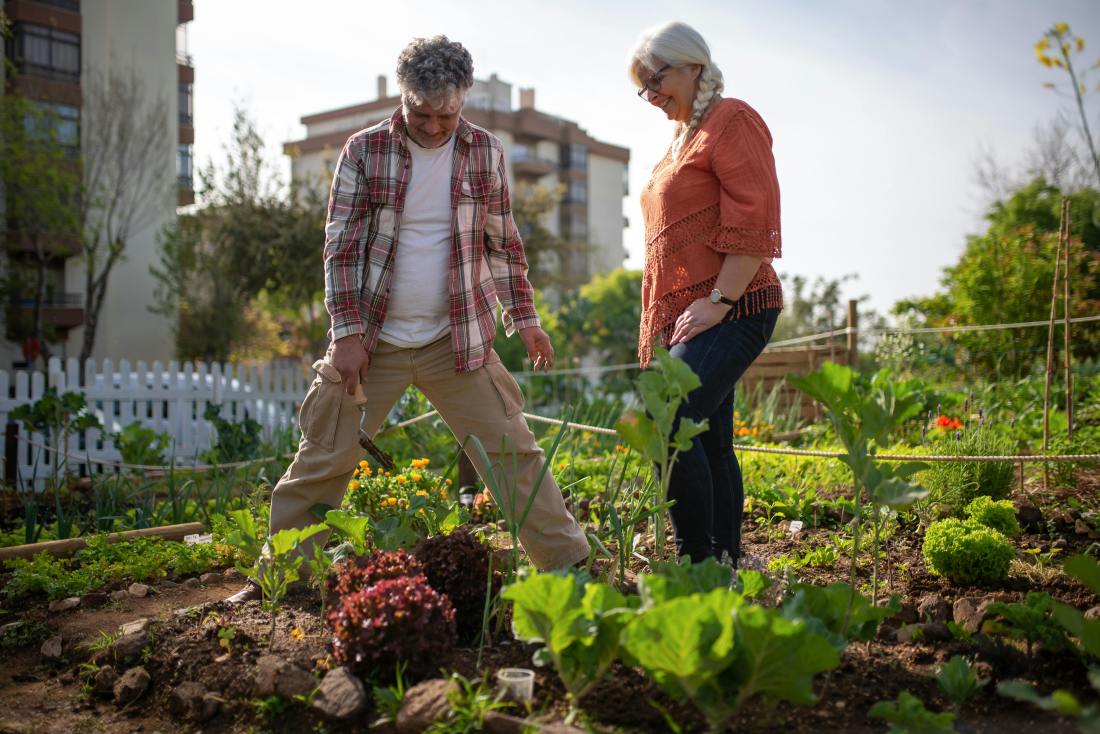
In urban landscapes and suburban neighborhoods alike, community gardens have sprouted up as vibrant oases of green amid the concrete jungle. These shared spaces are more than just plots of land for growing plants—they are vital hubs for social interaction, environmental education, and local food production. Community gardens offer a myriad of benefits, fostering a sense of community and promoting sustainable living. Let’s dive into the world of community gardening, exploring its advantages, challenges, and ways to get involved.

What is a Community Garden?

A community garden is a piece of land collectively maintained by a group of people. These gardens can vary in size, from small plots in urban areas to larger spaces in suburban or rural locales. The land may be owned by a local government, a nonprofit organization, or even a group of private citizens. Participants usually rent plots within the garden to grow vegetables, fruits, flowers, and herbs.

Benefits of Community Gardens

Social Interaction and Community Building Community gardens provide a unique platform for social interaction. They bring together people from diverse backgrounds, fostering friendships and a sense of belonging. Gardeners can share tips, seeds, and stories, building a supportive network that extends beyond the garden gates.

Access to Fresh and Healthy Food

One of the primary benefits of community gardens is the provision of fresh, locally-grown produce. Gardeners can cultivate a variety of fruits and vegetables, which contributes to a healthier diet and reduces the reliance on processed foods. This access to fresh produce is particularly beneficial in food deserts, where grocery stores and fresh food options are limited.

Environmental Benefits

Community gardens contribute significantly to environmental sustainability. They promote biodiversity by providing habitats for various plants, insects, and birds. Gardens also improve air quality, reduce the urban heat island effect, and help manage stormwater runoff. By practicing composting and using organic gardening methods, community gardeners can reduce waste and avoid harmful pesticides.

Educational Opportunities

Community gardens serve as living classrooms for people of all ages. They offer hands-on learning experiences about plant biology, ecology, and sustainable agricultural practices. Schools often partner with community gardens to provide students with practical lessons in science, nutrition, and environmental stewardship.

Mental and Physical Health

 Many beneficial effects on mental and physical health have been shown by gardening. The physical activity involved in planting, weeding, and harvesting helps improve cardiovascular health and muscle strength. Additionally, spending time outdoors and engaging with nature can reduce stress, improve mood, and enhance overall well-being.

Economic Benefits

Community gardens can also have economic benefits. They can increase property values and attract new residents to neighborhoods. Additionally, gardeners can save money on groceries by growing their own produce. Some community gardens even operate farmers’ markets, providing an additional source of income for gardeners and access to fresh produce for the community.


Similar Posts:


Challenges of Community Gardens

Despite their many benefits, community gardens face several challenges:

Access to Land

Securing a suitable piece of land for a community garden can be difficult, especially in densely populated urban areas. Land ownership issues, zoning regulations, and potential redevelopment can all pose obstacles.

Funding and Resources

Community gardens often rely on grants, donations, and volunteer labor to operate. Finding consistent funding and resources for tools, seeds, water, and maintenance can be challenging. Many gardens also need support for infrastructure improvements like fencing, raised beds, and irrigation systems.

Maintenance and Management

Successful community gardens require ongoing maintenance and effective management. This includes organizing volunteers, coordinating planting schedules, and ensuring equitable access to plots. Gardens may face issues with vandalism, theft, or pests, which require a collective effort to address.

Community Engagement

Attracting and retaining participants can be challenging, especially in transient urban areas. Community gardens need active engagement and a sense of ownership among gardeners to thrive. Outreach efforts and inclusive practices are essential to involve diverse community members.

How Can One Participate in a Community Garden?

Interested in joining a community garden? The following steps let you get started:

Find a Local Garden

Search online or check with local community centers, schools, or gardening organizations to find a community garden near you. Websites like the American Community Gardening Association (ACGA) offer directories of gardens across the country.

Attend a Meeting or Open House

Most community gardens hold regular meetings or open houses where prospective members can learn more about the garden, its rules, and how to get involved. It’s an excellent opportunity to ask questions and meet current members.

Sign Up for a Plot

If space is available, sign up for a plot. Some gardens have waitlists due to high demand, so be patient and persistent. Once you have a plot, you’ll need to follow the garden’s guidelines and contribute to its upkeep.

Volunteer

Even if you don’t have a plot, many gardens welcome volunteers to help with maintenance, events, and educational programs. Volunteering is a great way to get involved and learn more about gardening.

Start Your Own Garden

If there isn’t a community garden in your area, consider starting one. Gather a group of interested community members, secure a piece of land, and develop a plan for the garden. Seek assistance and resources from nearby organizations.

Conclusion

Community gardens are vital assets to neighborhoods, providing numerous social, environmental, and health benefits. They offer a place for people to come together, grow fresh food, and learn about sustainable practices. While challenges exist, the rewards of community gardening are immense. By getting involved, you can help cultivate a greener, healthier, and more connected community.

Happy Gardening! 🌱
Creating and Sustaining a Flourishing Kitchen Garden!

Introduction

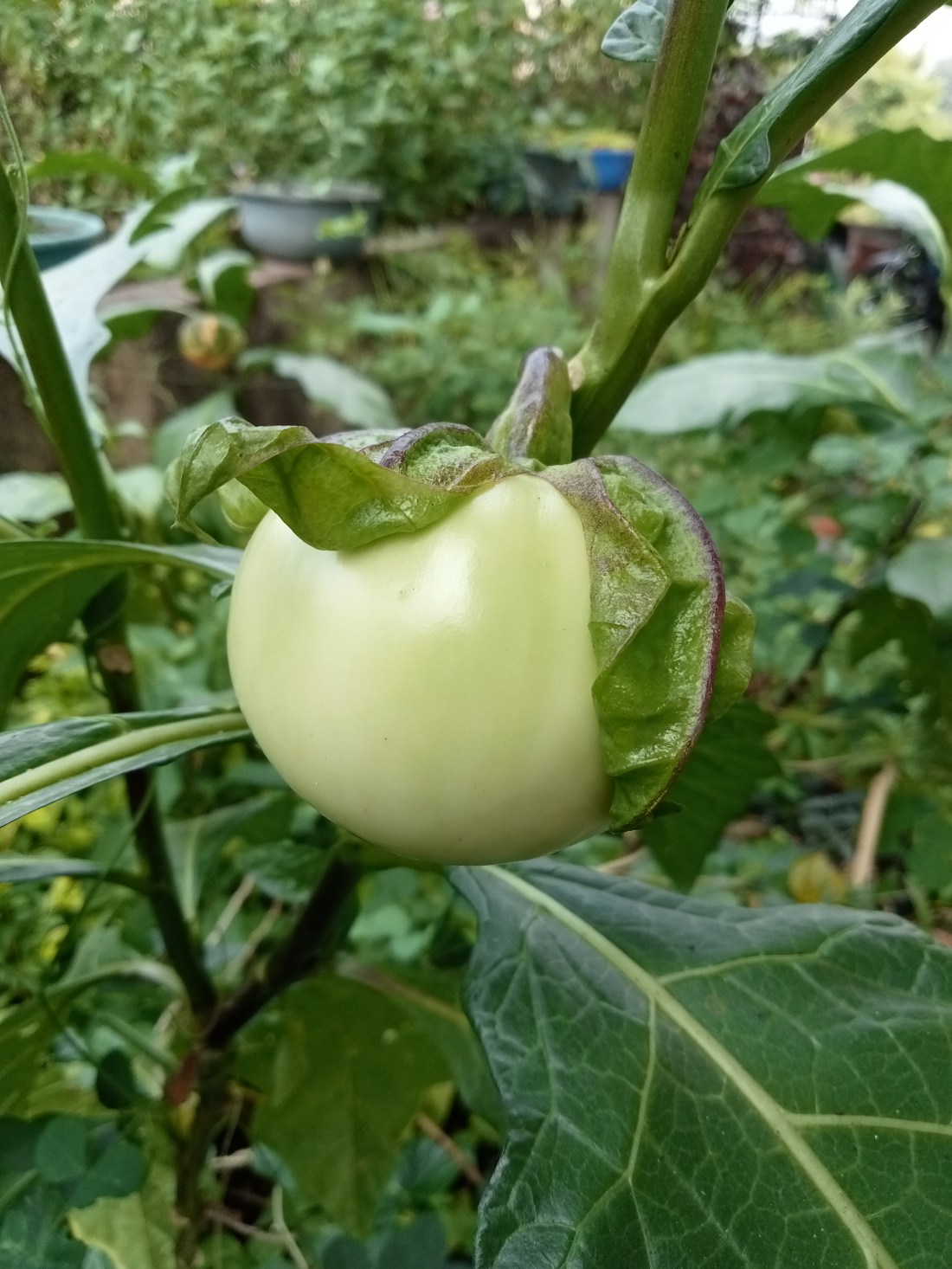
Planning a kitchen garden is more than just choosing your favorite herbs or vegetables; it’s a blueprint for sustainable, homegrown produce. Here’s a comprehensive guide on how to craft and maintain a thriving kitchen garden.

Choose Your Plot:

Begin by selecting the ideal location for your kitchen garden. Pick a spot that receives ample sunlight and has good drainage. If space is limited, consider container gardening or vertical setups.

Select Your Plants Wisely:

Assess your culinary preferences and climate conditions before choosing the plants. Opt for a mix of vegetables, herbs, and fruits that thrive in your region and suit your cooking needs.

The ideal plants for a kitchen garden are those that not only fit your culinary preferences but also thrive in your local climate. Here are some popular choices:

  • Herbs: Herbs like basil, parsley, cilantro, thyme, rosemary, and mint are kitchen staples. They’re versatile, require minimal space, and can flourish in pots or directly in the ground.
  • Leafy Greens: Lettuce, spinach, kale, and Swiss chard are fast-growing leafy greens perfect for salads and smoothies. They’re relatively easy to grow and provide a continuous harvest.
  • Tomatoes: A favorite among gardeners, tomatoes come in various sizes and colors. They need ample sunlight and support for their vines but reward with abundant fruits.
  • Peppers: Bell peppers, chili peppers, and sweet peppers add zest to meals. They grow well in warm climates and containers, providing a vibrant splash of color to your garden.
  • Cucumbers: These vine-growing vegetables thrive in warm weather and offer a bounty of fresh, crisp cucumbers for salads and pickling.
  • Carrots and Radishes: Root vegetables like carrots and radishes are easy to grow and do well in loose, well-drained soil. They’re perfect for beginners due to their low maintenance.
  • Green Onions: These versatile onions are easy to grow from scraps and are a constant source of fresh flavors for various dishes.
  • Strawberries: Compact and versatile, strawberries can be grown in containers or hanging baskets, providing a sweet, juicy treat during the growing season.
  • Bush Beans: Beans are prolific growers and offer a harvest in a relatively short time. Bush beans, like green beans or snap beans, don’t require trellises and can be grown in limited space.
  • Zucchini and Squash: These prolific growers are perfect for larger spaces. They produce abundant fruits that can be used in various dishes.

Choose plants that suit your taste, available space, and local climate conditions for a successful and bountiful kitchen garden.


Similar Posts


Design and Layout:

Plan the layout of your garden, considering the growth patterns and space requirements of each plant.

  • Companion Planting: Pair plants that benefit each other when grown nearby which can maximize space and yield. For instance, planting basil near tomatoes can deter pests and improve the flavor of tomatoes.
  • Succession Planting: Plan your garden to ensure continuous harvests. As one crop finishes, replant that space with another crop suitable for the upcoming season.
  • Vertical Gardening: Utilize vertical space by growing climbers like peas, beans, or cucumbers on trellises or vertical supports. This maximizes space and promotes healthier plants.

Prepare the Soil:

Well-draining, nutrient-rich soil is the backbone of a successful kitchen garden. Invest time in preparing the soil by adding compost or organic matter to boost fertility.

Planting Techniques:

Follow planting guidelines specific to each crop. Some plants prefer direct sowing while others thrive better as seedlings. Pay attention to spacing and depth requirements.

Watering and Maintenance:

Regular watering is crucial, especially during the initial growth phase. Mulching helps retain moisture and suppresses weeds. Prune, weed, and monitor for pests to ensure healthy growth.

Harvest and Rotate:

Harvest crops at their peak to enjoy the freshest produce. Rotate crops annually to prevent nutrient depletion and minimize pest problems.

Seasonal Considerations:

Adjust your garden according to seasonal changes. Plant cool-season crops in spring and fall, and warm-season crops during the summer. Consider coverings or cold frames to extend the growing season.

Compost and Sustainability:

Implement composting to recycle kitchen scraps and garden waste. This sustainable approach enriches the soil and reduces waste, promoting eco-friendly gardening practices.

Continuous Learning:

Gardening is a continuous learning process. Stay updated on best practices, watch for plant-specific issues, and be open to adapting and improving your gardening methods.

By meticulously planning and nurturing your kitchen garden, you’re not only cultivating fresh produce but also fostering a deeper connection with nature and a sustainable way of living.

 Happy gardening!

Harmony in Nature: Exploring the Essence of Permaculture!

Permaculture, a design approach that harmonizes human habitats with natural ecosystems, offers sustainable solutions for creating regenerative and resilient environments. Discover how this holistic approach to gardening and living transforms landscapes while nurturing the planet.

Permaculture: A Holistic Approach to Sustainable Living

Permaculture is more than just a gardening technique; it’s a philosophy that embraces sustainable living by mimicking natural patterns and processes. At its core, permaculture aims to create productive ecosystems that require minimal intervention while maximizing output.

Key Principles of Permaculture

Permaculture operates on several fundamental principles:

  • Observation and Interaction: Understanding and observing natural systems is crucial to creating sustainable designs.
  • Catch and Store Energy: Utilizing renewable energy sources, such as sunlight and rainwater, efficiently.
  • Obtain a Yield: Designing systems that produce not just one, but multiple yields, ensuring productivity.
  • Apply Self-Regulation and Feedback: Using feedback loops to adapt and improve systems over time.
  • Use and Value Renewable Resources and Services: Embracing renewable resources while minimizing waste.
  • Design from Patterns to Details: Considering the big picture first, then delving into specific elements of the design.
  • Integrate Rather Than Segregate: Creating connections between elements to create a functioning whole.
  • Use Small and Slow Solutions: Implementing gradual, manageable changes that have lasting effects.
  • Use and Value Diversity: Encouraging diversity in plants, animals, and ecosystems to increase resilience.
  • Creatively Use and Respond to Change: Embracing change as an opportunity for innovation and adaptation.

Application of Permaculture Principles

In practice, permaculture principles can be applied in various ways, such as:

  • Creating food forests that mimic natural ecosystems and provide diverse yields.
  • Designing water catchment systems to conserve and utilize rainwater effectively.
  • Incorporating companion planting and polycultures to enhance soil fertility and deter pests.
  • Building structures using sustainable materials and energy-efficient designs.
  • Establishing integrated animal systems that contribute to the ecosystem’s health.

Similar Posts


Getting Started with Permaculture: A Step-by-Step Guide to Sustainable Design and Implementation

Starting with permaculture involves understanding its principles and applying them to design sustainable and regenerative systems. Here’s a guide to help you begin:

1. Study Permaculture Principles and Ethics

Principles: Learn about permaculture principles like observing and interacting, catching and storing energy, obtaining a yield, applying self-regulation and accepting feedback, using and valuing renewable resources, producing no waste, etc.

Ethics: Understand the core ethics of permaculture—earth care, people care, and fair share.

2. Gain Knowledge

Read Books and Online Resources: There are several books, articles, and resources available online. “Permaculture: A Designer’s Manual” by Bill Mollison is a comprehensive guide.

Courses and Workshops: Consider taking permaculture courses or attending workshops to gain hands-on experience and learn from experts.

3. Start Small

Observation: Observe your surroundings—climate, soil, water sources, flora, and fauna. Understand how nature works in your area.

Small-Scale Projects: Begin with small projects like creating a vegetable garden, planting fruit trees, or setting up a composting system.

4. Design and Implementation

Zone and Sector Planning: Design your space considering zones (intensity of use) and sectors (natural forces like sun, wind, water flow).

Utilize Patterns: Apply natural patterns in your design—like using polycultures, mimicking forest layers, and using swales for water harvesting.

Implement Changes Gradually: Start making changes one step at a time.

5. Use Sustainable Techniques

Mulching: Use organic mulch to retain soil moisture and improve fertility.

Composting: Create compost from organic waste to enrich soil.

Water Harvesting: Implement rainwater harvesting techniques such as rain barrels, swales, or ponds.

Polyculture: Planting a variety of crops together to mimic natural ecosystems and increase biodiversity.

6. Community and Collaboration

Connect with Others: Join local permaculture groups, attend meetups, and engage with the permaculture community.

Collaborate: Work with neighbors, friends, or community groups to share knowledge and resources.

7. Continuous Learning and Adaptation

Observe and Learn: Continuously observe and learn from the changes you make. Adapt and refine your designs based on feedback from the environment.

8. Legal and Social Considerations

Local Regulations: Understand any local regulations or permits required for certain activities.

Sharing Excess Produce: Consider sharing surplus produce with neighbors or local communities.

9. Document and Reflect

Keep Records: Document your designs, implementations, successes, and failures. It helps in learning and improving over time.

Reflect and Improve: Regularly reflect on your practices and make adjustments accordingly.

Conclusion

Permaculture is about observing, mimicking nature, and creating sustainable systems. Starting small, observing, learning, and adapting are key elements to successfully implementing permaculture principles.

Happy Gardening!