
Sweet Success: A Guide to Growing Sugarcane in Your Home Garden!

Introduction:

Sugarcane, with its tall stalks and sweet taste, is not only a staple crop but also a delightful addition to any home garden. Cultivating sugarcane at home can be a rewarding experience, providing you with a fresh source of sweetness while adding a tropical touch to your garden landscape. In this comprehensive guide, we’ll explore everything you need to know about growing sugarcane in your own backyard oasis.

Understanding Sugarcane:

Sugarcane (Saccharum officinarum) is a perennial grass native to tropical regions, known for its high sugar content. It thrives in warm, humid climates and can grow up to 20 feet tall under optimal conditions. While sugarcane is primarily cultivated for sugar production on a commercial scale, it can also be grown in home gardens for its ornamental value and culinary uses.

Choosing the Right Variety:

Before you start growing sugarcane, it’s essential to select the right variety for your garden. Some popular sugarcane varieties suitable for home cultivation include:

Red Sugarcane: Known for its striking red-hued stalks and high sugar content, red sugarcane adds a vibrant pop of color to your garden landscape.

Yellow Sugarcane: Yellow sugarcane varieties are prized for their sweet taste and juicy stalks, making them a favorite for fresh consumption and juicing.

Green Sugarcane: Green sugarcane varieties are valued for their versatility and adaptability to different growing conditions. They are suitable for both culinary and ornamental purposes.


Similar Posts:


Planting Sugarcane:

Once you’ve chosen your sugarcane variety, it’s time to plant them in your home garden. Here’s a step-by-step guide to planting sugarcane:

Soil Preparation: Sugarcane thrives in well-draining, fertile soil with a pH level between 6.5 and 7.5. Prepare the planting area by loosening the soil and incorporating organic matter such as compost or aged manure to improve soil structure and fertility.

Planting Method: Sugarcane can be propagated from cuttings known as “seed pieces.” Cut the sugarcane stalks into parts roughly 6 to 8 inches long, ensuring each segment contains at least one bud or “node.” Plant the seed pieces horizontally in furrows or trenches, spacing them 12 to 18 inches apart to allow for proper growth and development.

Watering and Mulching: Sugarcane requires lots of water during its growing season. It’s one of the basic requirements which a gardener needs to consider before growing sugarcane. Keep the soil consistently moist but not waterlogged, especially during the initial stages of growth. Apply a layer of organic mulch such as straw or shredded leaves to retain soil moisture, suppress weed growth, and regulate soil temperature.

Sunlight and Temperature: Sugarcane requires full sun exposure to thrive, so choose a planting location that receives at least 6 to 8 hours of direct sunlight per day. Additionally, ensure that your garden receives adequate warmth, as sugarcane is sensitive to cold temperatures and frost.

Maintenance: Throughout the growing season, monitor your sugarcane plants for signs of pests, diseases, or nutrient deficiencies. The “seed pieces” are more vulnerable to termites in the early stages, and after it begins to grow leaves, animals like chickens and rabbits will come to consume it. Add some ash to the side of the seed piece to deter termites. You can also build a fence to keep rabbits and chicken out. Provide regular water and fertilizer as needed to support healthy growth and development.

Harvesting and Utilizing Sugarcane:

With proper care and maintenance, your sugarcane plants will mature and be ready for harvest within 9 to 24 months, depending on the variety and growing conditions. Here’s how to harvest and utilize sugarcane in your home garden:

Harvesting: To harvest sugarcane, wait until the stalks reach maturity and develop a rich, sweet taste. Use a sharp knife or machete to cut the stalks at ground level, being careful not to damage the surrounding plants.

Processing: Once harvested, peel away the outer husk of the sugarcane stalks to reveal the juicy inner pulp. Sugarcane can be enjoyed fresh by chewing on the stalks to extract the sweet juice or processed into various products such as juice, syrup, or molasses.

Culinary Uses: Fresh sugarcane juice is a popular beverage in many tropical regions, prized for its refreshing taste and nutritional benefits. Additionally, sugarcane syrup and molasses can be used as natural sweeteners in cooking and baking, adding depth of flavor to a wide range of dishes.

Conclusion:

Growing sugarcane in your home garden is a rewarding experience that allows you to enjoy the sweet taste of tropical bliss right in your backyard. By following the steps outlined in this guide, you can cultivate healthy sugarcane plants and harvest a bountiful crop for culinary enjoyment and ornamental beauty. So why wait? Get started on your sugarcane-growing journey today and sweeten up your garden paradise!

Happy Gardening!
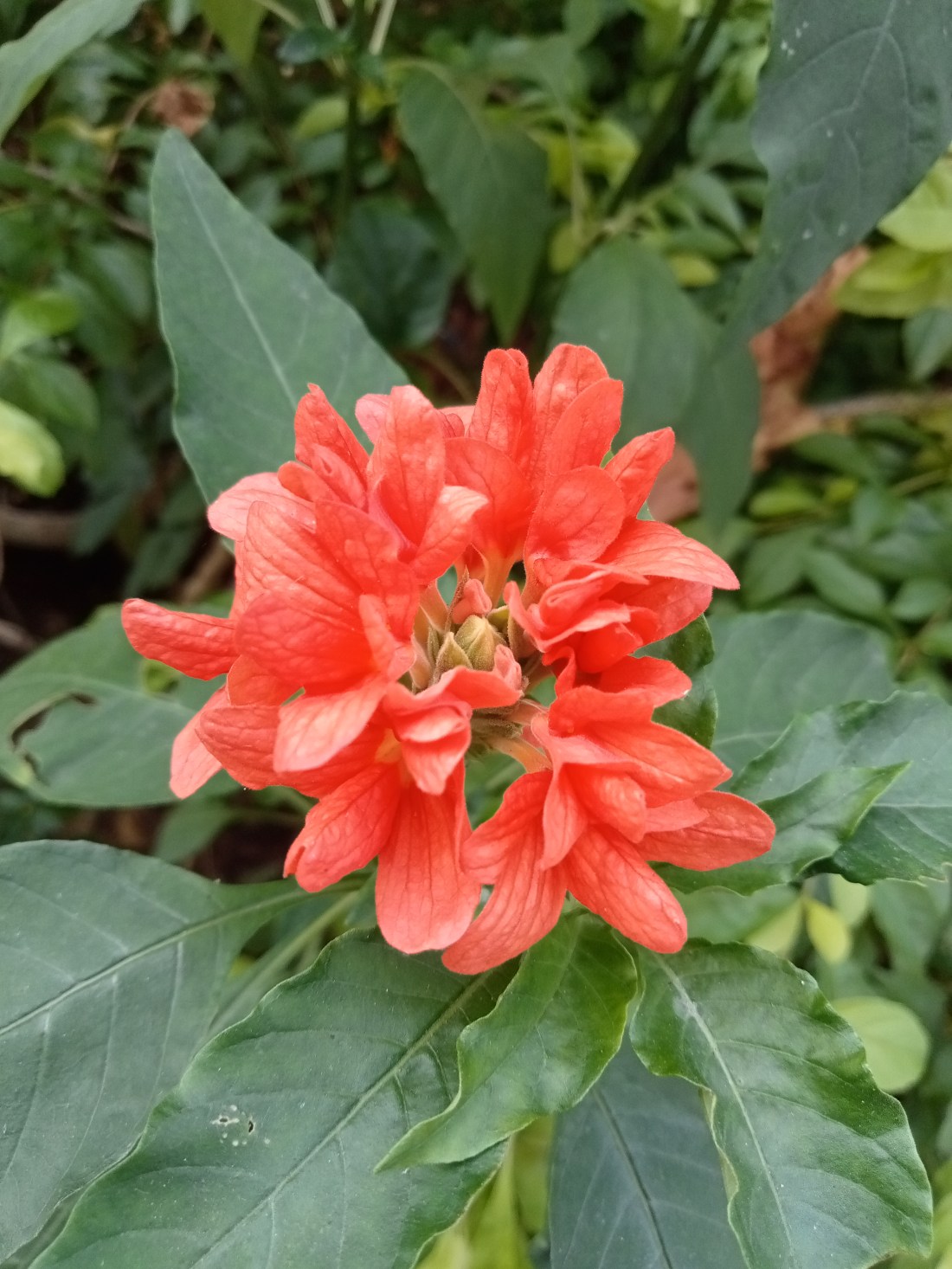
Blooming Brilliance: A Comprehensive Guide to Growing Crossandra Flowers in Your Garden!

Introduction

Crossandra flowers, also known as firecracker flowers or Crossandra infundibuliformis, are tropical delights that can bring vibrant splashes of color to your garden. Known for their striking blooms and easy maintenance, cultivating Crossandras can add an exotic touch to your outdoor space. Here’s a detailed guide to growing these stunning flowers in your garden.

1. Choosing the Right Location:

Select a spot in your garden that receives partial shade to full sun, providing adequate warmth and sunlight for Crossandra growth. Ensure the area has well-draining soil, as these flowers thrive in moist but not waterlogged conditions.

2. Planting Crossandra Flowers:

Crossandras can be grown from cuttings or from seeds or you can buy a rooted plant from nursery. When planting Crossandras, space them out accordingly, allowing enough room for growth. Dig a hole slightly larger than the root ball, gently place the plant, and cover the roots with soil. After planting, it is important to water the area thoroughly to help the roots establish properly.

3. Soil and Watering Needs:

Crossandra plants prefer slightly acidic to neutral soil. Regular watering is essential, especially during dry spells, but be cautious not to overwater as it can lead to root rot. Mulching is an effective way to trap moisture in soil and keep soil temperature stable.

4. Fertilization and Maintenance:

Use a balanced fertilizer or one specifically formulated for flowering plants during the growing season to encourage robust blooms. Prune the plants after flowering to maintain their shape and remove any dead or damaged growth.

5. Protecting from Pests and Diseases:

Monitor for common pests like aphids or whiteflies and treat them promptly to prevent infestations. Crossandras are generally resilient but keeping an eye out for signs of diseases such as root rot or fungal infections is crucial for their health.

6. Propagation and Division:

You can propagate Crossandras by taking stem cuttings or dividing mature plants. Root the cuttings in a well-draining potting mix and keep them in a warm, humid environment until they develop roots. While planting cuttings, ensure that at least two nodes of the plants are properly covered with soil, as the roots develop from these nodes. You can also keep the mature cuttings in water for a few days to allow the roots to grow before planting them in soil.

7. Enjoying the Blooms:

With proper care, Crossandra plants will reward you with stunning clusters of fiery-colored flowers throughout the growing season. These blooms not only add visual appeal but also attract pollinators like butterflies and bees to your garden.

8. Winter Care:

In colder climates, consider bringing potted Crossandras indoors during winter or providing a protective covering for outdoor plants to shield them from frost damage.


Similar Posts


Benefits Of Growing Crossandra

Crossandra are tropical wonders with multifaceted importance. Their significance transcends horticulture, culture, and traditional medicine, making them intriguing plants worth exploring.Here are some benefits of growing crossandra.

1. Ornamental Marvels:

Renowned for their vibrant hues of red, orange, and yellow, Crossandras are prized for their striking flowers. They’re coveted additions to landscapes and potted arrangements, elevating gardens and indoor spaces with their vivid beauty.

2. Cultural and Religious Ties:

In various cultures, Crossandras are entwined with rituals and ceremonies. For instance, they hold significance in Hindu religious practices and are offered in worship to deities.

3. Medicinal Properties:

Certain parts of the Crossandra plant, notably the leaves, have been historically used in traditional medicine. They’re believed to possess medicinal properties, aiding in treating skin disorders and digestive issues.

4. Pollinator Magnets:

These flowers act as nectar sources, drawing in vital pollinators like butterflies and bees. Their role in plant pollination supports the health of ecosystems.

5. Landscape Versatility:

Valued for their resilience in diverse climates, Crossandras are favored in landscape design. They’re utilized to craft vibrant, low-maintenance garden beds and borders.

6. Symbolic Significance:

Crossandras are often associated with traits like warmth, vibrancy, and passion due to their fiery blooms. This symbolism makes them ideal for expressing specific emotions in floral arrangements.

7. Botanical Intrigue:

Of botanical interest, Crossandras captivate scientists for their unique flower structure and classification within the Acanthaceae family. Their genetic diversity and adaptability to different environments make them subjects of scientific study.

Crossandra flowers are a tapestry of cultural, medicinal, and horticultural significance. Their diverse roles in various contexts showcase their multifaceted nature, making them fascinating subjects that weave through the realms of art, tradition, and science.

Conclusion

Growing Crossandra flowers can be a rewarding experience, adding tropical allure and vibrant colors to your garden. With the right care and attention, these resilient plants can thrive, bringing joy and beauty to your outdoor space throughout the year.

Happy Gardening!