Growing Together: The Benefits and Impact of Community Gardens!

Introduction

In urban landscapes and suburban neighborhoods alike, community gardens have sprouted up as vibrant oases of green amid the concrete jungle. These shared spaces are more than just plots of land for growing plants—they are vital hubs for social interaction, environmental education, and local food production. Community gardens offer a myriad of benefits, fostering a sense of community and promoting sustainable living. Let’s dive into the world of community gardening, exploring its advantages, challenges, and ways to get involved.

What is a Community Garden?

A community garden is a piece of land collectively maintained by a group of people. These gardens can vary in size, from small plots in urban areas to larger spaces in suburban or rural locales. The land may be owned by a local government, a nonprofit organization, or even a group of private citizens. Participants usually rent plots within the garden to grow vegetables, fruits, flowers, and herbs.

Benefits of Community Gardens

Social Interaction and Community Building Community gardens provide a unique platform for social interaction. They bring together people from diverse backgrounds, fostering friendships and a sense of belonging. Gardeners can share tips, seeds, and stories, building a supportive network that extends beyond the garden gates.

Access to Fresh and Healthy Food

One of the primary benefits of community gardens is the provision of fresh, locally-grown produce. Gardeners can cultivate a variety of fruits and vegetables, which contributes to a healthier diet and reduces the reliance on processed foods. This access to fresh produce is particularly beneficial in food deserts, where grocery stores and fresh food options are limited.

Environmental Benefits

Community gardens contribute significantly to environmental sustainability. They promote biodiversity by providing habitats for various plants, insects, and birds. Gardens also improve air quality, reduce the urban heat island effect, and help manage stormwater runoff. By practicing composting and using organic gardening methods, community gardeners can reduce waste and avoid harmful pesticides.

Educational Opportunities

Community gardens serve as living classrooms for people of all ages. They offer hands-on learning experiences about plant biology, ecology, and sustainable agricultural practices. Schools often partner with community gardens to provide students with practical lessons in science, nutrition, and environmental stewardship.

Mental and Physical Health

 Many beneficial effects on mental and physical health have been shown by gardening. The physical activity involved in planting, weeding, and harvesting helps improve cardiovascular health and muscle strength. Additionally, spending time outdoors and engaging with nature can reduce stress, improve mood, and enhance overall well-being.

Economic Benefits

Community gardens can also have economic benefits. They can increase property values and attract new residents to neighborhoods. Additionally, gardeners can save money on groceries by growing their own produce. Some community gardens even operate farmers’ markets, providing an additional source of income for gardeners and access to fresh produce for the community.


Similar Posts:


Challenges of Community Gardens

Despite their many benefits, community gardens face several challenges:

Access to Land

Securing a suitable piece of land for a community garden can be difficult, especially in densely populated urban areas. Land ownership issues, zoning regulations, and potential redevelopment can all pose obstacles.

Funding and Resources

Community gardens often rely on grants, donations, and volunteer labor to operate. Finding consistent funding and resources for tools, seeds, water, and maintenance can be challenging. Many gardens also need support for infrastructure improvements like fencing, raised beds, and irrigation systems.

Maintenance and Management

Successful community gardens require ongoing maintenance and effective management. This includes organizing volunteers, coordinating planting schedules, and ensuring equitable access to plots. Gardens may face issues with vandalism, theft, or pests, which require a collective effort to address.

Community Engagement

Attracting and retaining participants can be challenging, especially in transient urban areas. Community gardens need active engagement and a sense of ownership among gardeners to thrive. Outreach efforts and inclusive practices are essential to involve diverse community members.

How Can One Participate in a Community Garden?

Interested in joining a community garden? The following steps let you get started:

Find a Local Garden

Search online or check with local community centers, schools, or gardening organizations to find a community garden near you. Websites like the American Community Gardening Association (ACGA) offer directories of gardens across the country.

Attend a Meeting or Open House

Most community gardens hold regular meetings or open houses where prospective members can learn more about the garden, its rules, and how to get involved. It’s an excellent opportunity to ask questions and meet current members.

Sign Up for a Plot

If space is available, sign up for a plot. Some gardens have waitlists due to high demand, so be patient and persistent. Once you have a plot, you’ll need to follow the garden’s guidelines and contribute to its upkeep.

Volunteer

Even if you don’t have a plot, many gardens welcome volunteers to help with maintenance, events, and educational programs. Volunteering is a great way to get involved and learn more about gardening.

Start Your Own Garden

If there isn’t a community garden in your area, consider starting one. Gather a group of interested community members, secure a piece of land, and develop a plan for the garden. Seek assistance and resources from nearby organizations.

Conclusion

Community gardens are vital assets to neighborhoods, providing numerous social, environmental, and health benefits. They offer a place for people to come together, grow fresh food, and learn about sustainable practices. While challenges exist, the rewards of community gardening are immense. By getting involved, you can help cultivate a greener, healthier, and more connected community.

Happy Gardening! 🌱
Aeroponics Unveiled: Cultivating a Sustainable Future Without Soil!

Introduction

Aeroponics, a revolutionary approach to gardening, redefines how plants thrive without soil. This innovative method involves suspending plant roots in a nutrient-rich mist, fostering rapid growth and robust yields. Let’s delve into the world of aeroponics gardening, exploring its principles, benefits, setup, and its promising role in shaping the future of agriculture.

Understanding Aeroponics Gardening

Aeroponics stands out as a soilless cultivation technique, where plant roots receive a continuous, oxygenated mist rich in nutrients and water. Unlike traditional hydroponics, which submerges roots in water, aeroponics suspends them in the air, allowing maximum exposure to oxygen and nutrients. This method offers an optimal growing environment, promoting faster growth rates, increased nutrient absorption, and minimal resource consumption.

Advantages and Benefits

The benefits of aeroponics gardening are manifold. Firstly, it maximizes space utilization, allowing vertical stacking of plants, making it an ideal choice for urban or indoor gardening setups. Secondly, it significantly conserves water, using up to 90% less water than traditional soil farming methods. Furthermore, this approach minimizes the risk of diseases caused by soil-borne pathogens, ensuring healthier plants. Lastly, aeroponics facilitates year-round cultivation, enabling consistent harvests regardless of seasonal changes.

Setting Up an Aeroponics System

Creating an aeroponics system involves a few key components. A reservoir holds the nutrient solution, which is then pumped through fine misting nozzles or sprayers. These nozzles disperse the nutrient solution directly onto the exposed roots of the suspended plants. An enclosed space or a specialized aeroponics chamber provides a controlled environment for optimal growth. While commercial systems are available, DIY setups using readily available materials are also popular among enthusiasts.

Key Considerations for Success

Maintaining an aeroponics system requires attention to key factors. Ensuring a balanced nutrient solution is crucial, as it directly influences plant health and growth. Regular monitoring of pH levels, nutrient concentrations, and water quality is essential for optimal plant development. Additionally, proper ventilation and lighting play pivotal roles in providing an ideal environment for plant growth, facilitating photosynthesis and overall health.

Plant Selection and Growth

A wide array of plants thrives in aeroponic systems, ranging from leafy greens and herbs to flowering plants and vegetables. Leafy greens like lettuce, spinach, and kale, alongside herbs such as basil and cilantro, exhibit remarkable growth in aeroponic setups. Additionally, tomatoes, cucumbers, peppers, and strawberries also flourish, showcasing the versatility of this cultivation method across various plant types.


Similar Posts


Setting up an aeroponics system

Setting up an aeroponics system involves a few key steps:

Selecting a System: Choose between DIY setups or commercial kits. DIY options might involve creating a reservoir, a spray manifold, and a support structure for the plants. Commercial kits often come pre-designed and are easier to set up.

Choose a Location: Find a suitable location with access to power, water, and enough space for your system. It’s important to take into account various factors such as temperature, humidity, and lighting.

Assemble Components: Gather the necessary components like a reservoir, pump, tubing, spray nozzles, growing chambers (where plants will be suspended), and a timer (for the pump).

Install the Reservoir: Set up the reservoir at a height to allow for gravity-fed watering. Connect the pump to the reservoir.

Setup Growing Chambers: Mount the plants or plant holders in the growing chamber. Ensure that the roots will be suspended and exposed to the mist generated by the system.

Connect Tubing and Nozzles: Connect the tubing to the pump and position the spray nozzles within the growing chamber. Ensure they’re evenly spaced and angled to cover the root area.

Test the System: Fill the reservoir with water and nutrient solution. Turn on the pump and verify that the misting system is working correctly.

Observation and Maintenance: It is important to regularly monitor and maintain the water level, pH, and nutrient concentration in the reservoir. Clean the nozzles periodically to prevent clogging. Additionally, monitor plant health and adjust the system as needed.

Harvest and Enjoy: Once your plants start growing, monitor their progress and harvest when ready!

Remember, aeroponics systems can vary based on scale and complexity. Always follow manufacturer instructions and consider seeking advice from experienced aeroponics growers for specific guidance.

The Future of Agriculture

Aeroponics gardening represents a glimpse into the future of agriculture, offering sustainable solutions to food production challenges. Its ability to maximize resources, reduce water usage, and cultivate plants in diverse environments positions it as a viable option for addressing global food security concerns. With ongoing advancements in technology and increased adoption, aeroponics has the potential to revolutionize farming practices worldwide.

Conclusion: Embracing a Sustainable Future

In conclusion, aeroponics gardening represents a transformative shift in how we cultivate plants, promising efficient resource utilization and sustainable yields. Its ability to overcome space limitations, conserve water, and foster healthier plant growth signifies a promising future for agriculture. As technology evolves and awareness grows, aeroponics stands as a beacon of hope, offering a path towards a greener, more resilient agricultural landscape.

From urban gardening enthusiasts to commercial growers, embracing aeroponics signifies a step towards sustainable, innovative farming practices that redefine our relationship with food production and the environment.

Happy Gardening!

Elevate Your Greenery: A Guide to Hanging Plants for Indoor and Outdoor Beauty!

Hanging plants are more than just a trend in home and garden decor—they’re a stunning way to breathe life into your living spaces and outdoor areas. These versatile plants bring a touch of nature to otherwise unused spaces, creating a calming and aesthetic atmosphere. In this article, we’ll explore the world of hanging plants, their benefits, and the best varieties to elevate your space.

Why Choose Hanging Plants?

Hanging plants offer numerous advantages, making them a must-have addition to your home or garden:

1. Space-Saving Solution: Hanging plants maximize your living space, utilizing vertical areas and freeing up precious floor space.

2. Enhanced Aesthetics: They add a dynamic and visually pleasing dimension to your decor, creating a lush and inviting environment.

3. Air Purification: Many hanging plants are excellent air purifiers, improving indoor air quality by removing toxins and adding oxygen.

4. Stress Reduction: The presence of greenery has been proven to reduce stress and boost mental well-being, making your space more relaxing.

5. Versatility: Hanging plants are suitable for both indoor and outdoor settings, allowing you to incorporate them into various design schemes.

Popular Varieties of Hanging Plants

Let’s delve into some of the most beloved and low-maintenance hanging plants that you can introduce to your living spaces:

1. Spider Plant (Chlorophytum comosum)

The Spider Plant (Chlorophytum comosum) is a classic and easy-to-grow houseplant known for its air-purifying qualities and striking appearance. Its long, arching leaves are typically green with white stripes, creating a visually appealing contrast, and adding an elegant touch to any room. Spider Plants thrive in indirect light but can tolerate low-light conditions, making them perfect for various indoor settings. They produce small offsets or “spiderettes” that dangle from the parent plant, making them a favorite for hanging baskets. Low-maintenance and adaptable, Spider Plants are an excellent choice for both novice and experienced plant enthusiasts.

2. Pothos (Epipremnum aureum)

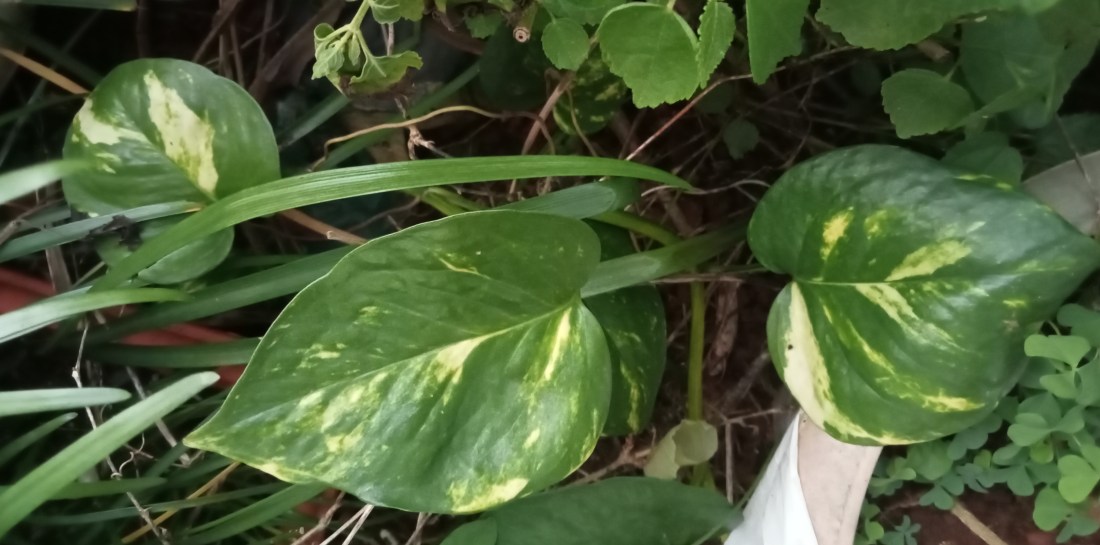
Pothos, also known as Devil’s Ivy, is a popular, versatile, and easy-to-care-for hanging plant. It’s loved for its heart-shaped leaves and easygoing nature. This trailing plant comes in various leaf colors, including classic green, variegated, and neon yellow, adding a pop of color to indoor spaces. Pothos is an excellent choice for beginners due to its low-maintenance requirements and adaptability to various light conditions, including low light. It’s known for its air-purifying qualities, removing toxins from the air, making it a healthy addition to any room. Regular pruning helps maintain its lush and vibrant appearance, making it a timeless favorite among plant enthusiasts.

3. String of Pearls (Senecio rowleyanus)

The String of Pearls (Senecio rowleyanus) is a captivating and distinctive succulent characterized by its cascading stems adorned with small, bead-like leaves, resembling a string of pearls. This plant is a favorite choice for hanging baskets or trailing from shelves, adding a unique and eye-catching element to indoor spaces. String of Pearls prefers bright, indirect light and well-draining soil, making it relatively easy to care for. It’s best to water sparingly, allowing the soil to dry out between waterings, as overwatering can lead to root rot. With its quirky appearance, this succulent is a conversation starter and a stylish addition to any plant collection.

4. Boston Fern (Nephrolepis exaltata)

The Boston Fern (Nephrolepis exaltata) is a popular choice for indoor hanging baskets and outdoor garden accents, known for its lush, feathery fronds. This classic fern variety thrives in high humidity and filtered, indirect light, making it an ideal plant for bathrooms or shady outdoor areas. Boston Ferns are excellent air purifiers, enhancing indoor air quality by removing pollutants and adding oxygen. They require consistently moist soil, but it’s crucial not to overwater them, as they are sensitive to waterlogging. With their vibrant green foliage and graceful arching fronds, Boston Ferns bring a refreshing and tropical feel to any space.


Similar Posts


5. Burro’s Tail (Sedum morganianum)

Burro’s Tail (Sedum morganianum) is a distinctive and charming succulent known for its trailing stems covered in plump, blue-green leaves that resemble hanging beads. This plant is often referred to as the “Donkey Tail” due to its unique appearance. It’s relatively easy to care for and thrives in bright, indirect light, making it an excellent choice for hanging baskets or decorative containers. Burro’s Tail is drought-tolerant and prefers to dry out between waterings. It’s an excellent choice for sunny spots.With its unusual beauty, it adds a touch of whimsy and elegance to any indoor or outdoor space.

6. Air Plants (Tillandsia spp.)

Air Plants, scientifically known as Tillandsia spp., are remarkable and unique in the plant world because they don’t require soil to grow. These epiphytic plants absorb nutrients and moisture through their specialized trichomes, making them perfect for creative displays in decorative holders or hanging arrangements. Air Plants come in various sizes and shapes, from small and delicate to larger, statement-making specimens. They thrive in bright, indirect light and require occasional misting or soaking to maintain their health and vibrancy. With their quirky, otherworldly appearance, Air Plants are a favorite among plant enthusiasts and a versatile addition to any indoor garden.

7. Lipstick Plant (Aeschynanthus radicans)

The Lipstick Plant (Aeschynanthus radicans) is a captivating tropical houseplant known for its striking red, tubular flowers that resemble lipstick tubes, hence its name. It’s a beautiful and exotic hanging plant that blooms intermittently. This charming plant also boasts glossy, dark green foliage that contrasts beautifully with its vibrant blooms. It’s a relatively low-maintenance indoor plant that can thrive in moderate to bright indirect light. Lipstick Plants are excellent choices for hanging baskets, as their trailing vines create an eye-catching display. Regular pruning can help promote more vigorous growth and enhance the appearance of this unique and delightful plant.

8. English Ivy (Hedera helix)

English Ivy (Hedera helix) is a classic and versatile trailing plant known for its lush, dark green leaves that create a charming, cascading effect. It’s a popular choice for both indoor and outdoor gardens, often used to cover walls, trellises, and fences. This evergreen vine is hardy and can adapt to a variety of conditions, making it a reliable addition to any landscape. English Ivy is not only aesthetically pleasing but also a natural air purifier, helping to improve indoor air quality. Careful pruning can maintain its elegant appearance and prevent it from becoming overly invasive in outdoor settings.

9. Tangled heart (Plectranthus prostratus)

The Tangled Heart plant, also known as Ceropegia woodii, is a captivating trailing succulent that’s beloved for its unique heart-shaped leaves and charming vining habit. Its delicate, variegated foliage features shades of green and silver, adding an elegant touch to any space. This plant is known for its resilience and ability to thrive in indirect light, making it an ideal choice for indoor gardening. The Tangled Heart plant’s trailing vines can gracefully cascade from hanging baskets or cascade down shelves, creating a visually stunning and low-maintenance green display. Whether you’re a beginner or a seasoned plant enthusiast, the Tangled Heart plant is sure to steal your heart with its enchanting appearance.

Hanging Plant Care Tips

To ensure your hanging plants thrive and remain vibrant, consider the following care guidelines:

Light: Determine the light requirements of your specific plant variety and place your hanging plants accordingly. Some prefer bright, indirect light, while others thrive in low-light conditions.

Watering: Avoid overwatering; let the top inch of soil dry out before watering again. Be mindful of the moisture needs of your particular plant.

Potting Soil: Use well-draining potting soil to prevent waterlogging, which can lead to root rot.

Humidity: Some hanging plants, like Boston Ferns, thrive in higher humidity. Mist your plants or place them in a humidity tray if needed.

Fertilizing: Feed your hanging plants with a balanced liquid fertilizer during the growing season, typically spring and summer.

Pruning: Regularly trim dead or yellowing leaves and spent blooms to encourage healthy growth and maintain a tidy appearance.

Conclusion

Hanging plants are not just decorations; they are living, breathing elements that can transform your indoor and outdoor spaces into lush, inviting retreats. Whether you’re a seasoned gardener or a novice, there’s a hanging plant variety perfect for your needs. So, elevate your greenery game and let nature hang around in style!

Happy Gardening!

Terrace Garden Triumph: Mastering the Art of Greenery with Diverse Plant Selection!

Introduction

Hey there, urban garden enthusiasts! If you’ve got a sunny terrace and a green thumb itching for action, you’re in for a treat. Terrace gardening has taken the urban landscape by storm, bringing a burst of life to concrete jungles. But the real magic lies in the variety of plants you can grow in these cozy, elevated spaces. In this article, we’ll explore the delightful world of terrace gardening, highlighting different types of plants that thrive in this environment. From vibrant flowers to fresh herbs and even small fruit trees, we’ve got your terrace covered with the ultimate plant palette.

1. Blooms of Joy: Ornamental Plants

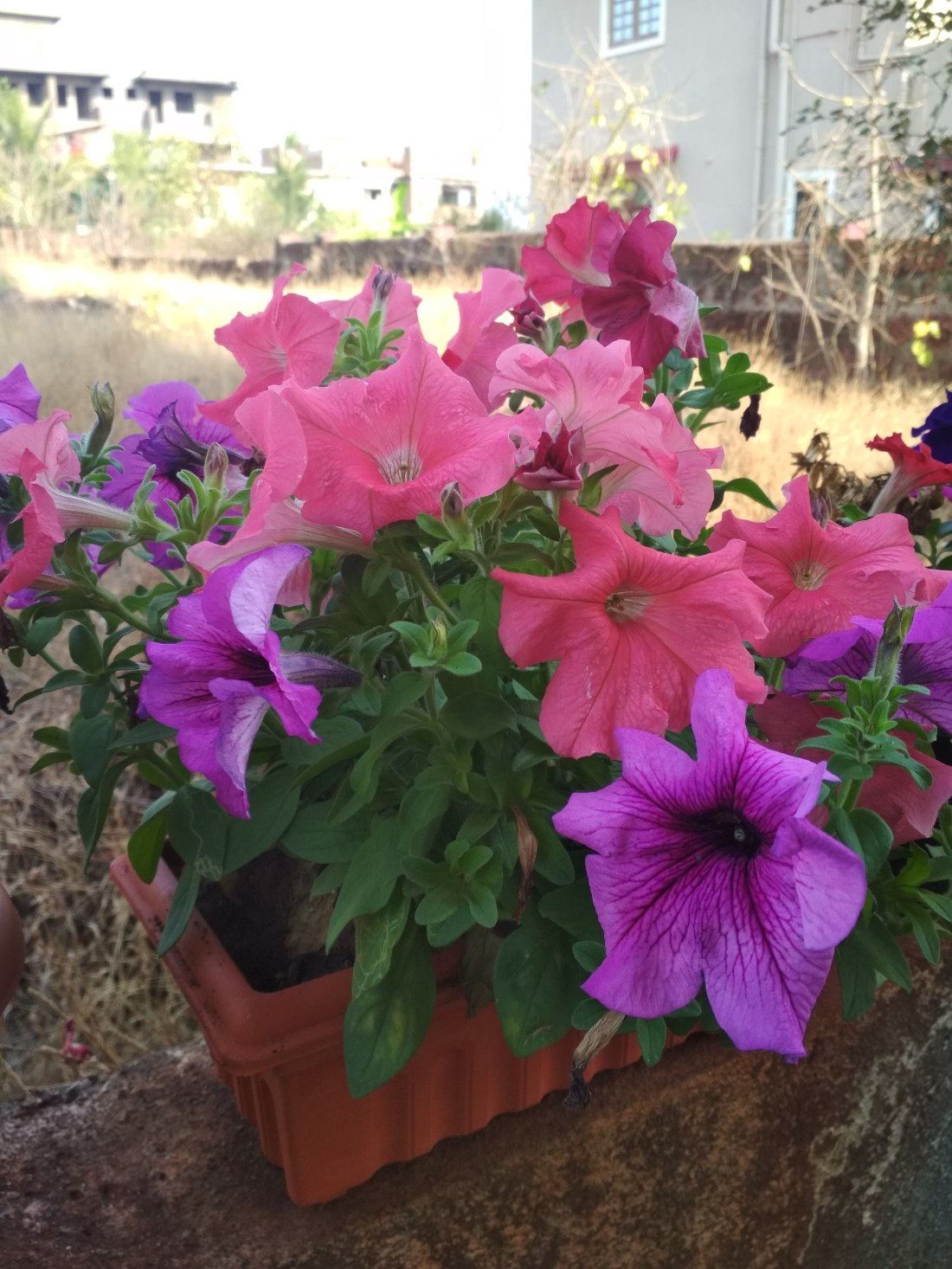
First up, let’s talk aesthetics. If you want to transform your terrace into a picturesque oasis, ornamental plants are your best friends. Think marigolds, petunias, pensy, dahlia, zinnia, and begonias, which add a pop of color and charm to your outdoor space. These beauties thrive in pots or containers, making them ideal for compact terraces. Furthermore, they require minimal maintenance, so even those with limited gardening experience can enjoy their vibrant blooms throughout the seasons.

2. Green Freshness: Herbs

Who doesn’t love the idea of plucking fresh basil for a caprese salad or mint for a mojito right from your terrace? Herbs like basil, mint, rosemary, and thyme flourish in pots or hanging baskets. They’re not only practical but also add a delightful fragrance to your space. Moreover, growing herbs on your terrace can promote sustainable living by reducing the need for store-bought herbs that often come in plastic packaging, making it an eco-friendly choice. Additionally, having these herbs readily available can inspire your culinary adventures, elevating your cooking and giving your dishes that special, homegrown touch.

3. Leafy Delights: Leafy Greens

If you’re into salads or simply want to enjoy the satisfaction of growing your own food, leafy greens are the way to go. Spinach, lettuce, and kale are space-efficient and perfect for terrace gardening. Plus, they’re packed with nutrients and freshness. To make the most of your terrace space, consider using vertical planters or tiered containers to maximize your leafy green yield. Additionally, growing your own greens allows you to have a constant supply of organic, pesticide-free produce at your fingertips, promoting a healthier lifestyle while reducing your carbon footprint. Experiment with different varieties and enjoy the versatility of these greens in your daily meals.

4. Sweet Rewards: Small Fruit Trees

Dreaming of picking your own fruits without needing a sprawling orchard? Well, dwarf varieties of fruit trees like apple, lemon, and fig are terrace-friendly and produce a modest yield of scrumptious fruits. They’re a bit of a long-term investment, but the taste is oh-so-worth-it. Additionally, small fruit trees can serve as both decorative and functional elements on your terrace, providing shade, privacy, and beauty as they blossom and bear fruit. Moreover, they offer a unique opportunity to connect with nature and experience the joy of harvesting your very own tree-ripened fruits, making your terrace truly special.


Similar Posts


5. Tropical Vibes: Palms and Succulents

If you want to infuse a bit of tropical paradise into your city life, consider palm trees and succulents. These low-maintenance wonders thrive in the warm, sunny conditions often found on terraces, and their unique aesthetics can transport you to a beachy haven. Furthermore, palms like the majesty palm or areca palm not only provide an exotic flair but also act as natural air purifiers, enhancing the overall air quality on your terrace. Additionally, the diversity of succulent species available allows you to create stunning arrangements that require minimal watering, making them an excellent choice for busy urban dwellers seeking a touch of natural beauty in their daily lives.

6. Aromatic Bliss: Lavender and Jasmine

Want your terrace to be a fragrant escape? Lavender and jasmine are perfect choices. Their soothing scents can turn your small outdoor space into a mini spa retreat. Additionally, these aromatic plants have been known for their relaxation-inducing properties, making them ideal for creating a tranquil ambiance for meditation or simply unwinding after a long day. Incorporate them into your terrace design, and you’ll have a sensory oasis that enhances your well-being and offers a refreshing break from the hustle and bustle of daily life.

7. Vertical Greenery: Climbing Plants

Don’t forget the vertical space! Climbing plants like ivy, morning glory, nasturtium, english ivy, and money plants can transform your terrace into a lush, green haven. They also provide a natural privacy screen and shade. Moreover, vertical greenery can help reduce ambient temperatures on your terrace, making it a more comfortable place to spend time during the hot summer months. These climbing plants not only beautify your space but also contribute to a healthier microenvironment, promoting biodiversity by attracting beneficial insects and birds, thus adding to the overall vibrancy of your outdoor oasis.

Conclusion:

Remember, successful terrace gardening is all about understanding your space, its microclimate, and the specific needs of your chosen plants. Make sure you provide the right containers, well-draining soil, and ample sunlight. Regular watering and occasional fertilization are the keys to keeping your green buddies happy.

So, there you have it, fellow terrace gardeners! Whether you’re aiming for a picturesque paradise or a bountiful harvest, there’s a wide range of plants waiting to thrive on your terrace. Start planting, and watch your urban oasis grow and flourish.

Happy gardening!

Exploring the Depths of Hydroponics Revolutionizing Agriculture!

Introduction

In the ever-evolving world of agriculture, innovative techniques and technologies are constantly emerging to meet the growing demand for sustainable and efficient food production. Hydroponics, a cutting-edge method of soilless cultivation, is gaining momentum as a game-changer in modern farming practices. In this article, we will delve into the world of hydroponics, its benefits, and its potential to reshape the future of agriculture.

Understanding Hydroponics

Hydroponics, often confused with hydroponics, is a soilless farming technique that uses water to cultivate plants. Unlike hydroponics, which relies on nutrient-rich water solutions, hydroponics utilizes sound waves to foster plant growth. These sound waves stimulate plant cell expansion and division, resulting in healthier and faster-growing crops.

The Advantages of Hydroponics

Water Efficiency

The water efficiency of hydroponics is one of its most important benefits. With traditional soil-based agriculture, a substantial amount of water is wasted through evaporation and runoff. In contrast, hydroponics recirculates water, reducing water consumption by up to 90%. This not only conserves a precious resource but also makes farming in arid regions more sustainable.

Space Optimization

Hydroponics allows for vertical farming and compact growth systems, making it ideal for urban and limited-space environments. By stacking layers of hydroponic systems, farmers can maximize the use of available space and produce more food per square meter.

Reduced Pesticide Usage

Hydroponic systems are typically closed environments, which means fewer pests and diseases can infiltrate the crops. This reduces the need for chemical pesticides, making hydroponic farming more eco-friendly and producing healthier, pesticide-free produce.

Year-round Cultivation

Hydroponics provides precise control over environmental conditions such as temperature, humidity, and light. This enables year-round cultivation, eliminating seasonal restrictions and ensuring a constant supply of fresh produce.

Key Elements of Hydroponic Systems

To understand how hydroponics works, let’s look at its key components

Transducers

These devices generate sound waves that promote plant growth by stimulating nutrient uptake and photosynthesis.

Water Reservoir

 The water in a hydroponic system acts as both a growing medium and a carrier for essential nutrients.

Nutrient Solution

 Hydroponics systems deliver a carefully balanced nutrient solution directly to the plant roots, ensuring optimal growth.

Control Systems

These systems monitor and adjust environmental conditions such as light, temperature, and humidity to create the ideal growing environment.

How To Start a Hydroponics System?

Starting a hydroponics system requires careful planning, knowledge, and the right materials. Here is a step-by-step instruction sheet to get you started:

1. Research and Education:

Before diving into hydroponics, it’s crucial to understand the principles and techniques involved. Read books, watch tutorials, take online courses, and join hydroponics forums or communities to gain knowledge.

2. Choose the Type of Hydroponics System:

There are various hydroponics systems to choose from, such as Nutrient Film Technique (NFT), Deep Water Culture (DWC), and media-based systems. Select the one that suits your space, budget, and crop choices. Beginners often find media-based systems like the drip system or flood and drain system easier to start with.

3. Select a Suitable Location:

Find an appropriate location for your hydroponics setup. It should have access to electricity, water, and adequate ventilation. Consider using a dedicated indoor space, a greenhouse, or even a controlled outdoor area depending on your climate.

4. Gather Necessary Equipment:

The equipment you need will vary depending on the type of hydroponics system you choose, but here’s a general list of essentials:

  • Grow trays or containers
  • Growing media (e.g., hydroton, perlite, coconut coir)
  • Reservoir tank
  • Submersible pump
  • Air pump and air stones (for oxygenation)
  • pH and EC (electrical conductivity) meters
  • Nutrient solution
  • pH adjusters (pH up and pH down)
  • Grow lights (if growing indoors)
  • Timer or controller for lighting and nutrient delivery
  • Support structures for plants (trellis, netting, etc.)

Similar Posts


5. Set Up the Hydrophonics System:

Follow these general steps to set up your hydrophonics system:

  1. Place your grow trays or containers in the designated area.
  2. Fill the trays with your chosen growing media.
  3. Install the submersible pump in the reservoir tank and connect it to the irrigation system.
  4. Set up the air pump and air stones to provide oxygen to the nutrient solution.
  5. Mix the nutrient solution according to the manufacturer’s instructions and fill the reservoir tank.
  6. Adjust the pH of the nutrient solution to the desired range (usually around 5.5 to 6.5).
  7. Install grow lights if you’re growing indoors and set up a timer for the light cycle.
  8. Start your hydroponics system and monitor it closely to ensure everything is functioning correctly.

6. Planting and Maintenance:

  1. Plant your chosen crops in the growing media. Ensure proper spacing and support for the plants.
  2. Regularly check and maintain the nutrient solution levels, pH, and EC.
  3. Keep an eye on plant health, watch for signs of nutrient deficiencies, pests, or diseases, and take appropriate action.
  4. Prune and train your plants as they grow to optimize space and yield.
  5. Harvest your crops when they reach maturity.

7. Continual Learning and Improvement:

Hydroponics is a dynamic field, and there’s always room for improvement. Continually educate yourself, experiment with different techniques, and adapt your system based on your experiences and the specific needs of your plants.

Conclusion

Hydroponics, with its remarkable advantages and innovative approach to plant cultivation, is poised to revolutionize agriculture as we know it. By promoting water efficiency, space optimization, reduced pesticide usage, and year-round cultivation, hydroponics addresses some of the most pressing challenges facing modern agriculture.

Starting a hydroponics system may seem daunting at first, but with dedication, research, and hands-on experience, you can develop a thriving soilless garden that produces healthy, nutrient-rich crops year-round.

As the world’s population continues to grow, sustainable and efficient farming methods like hydroponics will play an increasingly crucial role in ensuring food security and environmental conservation. Farmers, researchers, and entrepreneurs are harnessing the power of sound waves to propel us into a future where abundant, healthy, and locally-grown produce is within reach for everyone.

Happy gardening!

“The Green Revolution: Creating a Raised Bed Vegetable Garden”

Introduction

In today’s fast-paced world, more people are turning to gardening as a way to reconnect with nature and enjoy the fruits (and veggies!) of their labour. One of the most popular trends in gardening is the raised bed vegetable garden. These versatile and space-efficient gardening solutions have been gaining popularity, and for good reason. Not only does it make gardening more accessible, but it also offers several health benefits. So, let’s dig in and explore the world of raised-bed vegetable gardens!

Why Choose Raised Bed Vegetable Gardening?

First things first, what exactly is a raised bed vegetable garden? Simply put, it’s a garden bed that’s elevated above the ground. Instead of planting directly in the soil, you build a contained, above-ground structure and fill it with high-quality soil mix. Here are some reasons why you might consider this approach:

Improved Drainage:

Raised beds provide excellent drainage, preventing waterlogged soil and root rot. This is crucial for healthy vegetable growth.

Better Soil Control:

You have full control over the soil composition, which allows you to tailor it to your specific plant needs. Plus, you can easily amend and enrich the soil.

Less Weeding:

Raised beds reduce weed invasion since they’re elevated above the ground, making it harder for weeds to infiltrate.

Extended Growing Season:

The soil in raised beds warms up faster in the spring, allowing you to start planting earlier. You can also extend the growing season into late fall or even winter with the right preparations.

Accessibility:

Raised beds are ideal for those with physical limitations or mobility issues since they require less bending and kneeling.


Similar Posts


Things to Consider Before Starting a Raised Bed Vegetable Garden

Before you start digging in the dirt, there are three essential considerations to keep in mind to prepare your raised bed garden successfully.

  1. Choosing the Right Raised Beds

The first and foremost decision when preparing a raised bed garden is selecting the type of raised beds to use. Today, the options are nearly endless, ranging from wood to metal and everything in between. Your choice should depend on a careful balance between cost and longevity.

Wooden beds are a classic choice, offering a natural aesthetic that complements your garden’s surroundings. Cedar and redwood are popular choices due to their natural resistance to decay. However, they may require more significant upfront investment.

Metal beds, on the other hand, provide durability and a sleek modern look. Galvanized steel beds, in particular, are rust-resistant and can last for many years.

  1. Choosing the Right Soil

The second critical consideration for your raised bed garden is the type of soil you’ll use. The depth of your bed plays a crucial role in this decision:

  • For beds that are 12 inches or less in depth, opt for the best-quality topsoil you can afford and add an inch or so of rich compost on top.
  • For deeper beds exceeding 12 inches, you’ll want to maintain the same topsoil and compost ratio. However, consider incorporating a layer of “Hugel culture” at the bottom. This involves placing logs and branches in the lower 12 inches of the bed. Over time, these organic materials break down, enriching the soil and providing a nutrient-rich base for your plants.

Other organic materials, such as leaves, straw, shredded white paper, wood chips, coco chips, and additional compost, can be used to fill the raised beds and improve soil quality. Remember to moisten each layer as you go for optimal decomposition.

The ideal time to build and fill your raised bed is in the fall, allowing the nutrient-rich materials to break down before the spring planting season. However, if you miss the fall window, you can still create a successful raised bed in the spring.

  1. Choosing the Right Location

The third crucial factor is determining the optimal location for your raised beds. The amount of sunlight your beds receive throughout the day will dictate what you can successfully grow. Here’s a general guideline:

  • Hot weather plants like tomatoes and peppers require full sun, which means 6 to 8 hours of direct sunlight per day. Ensure that these beds are placed in the sunniest spot in your garden.
  • Other plants, such as leafy greens and herbs, can be more forgiving and may thrive with less direct sunlight.

Conclusion

By carefully considering the type of raised beds, the quality of soil, and the location of your garden beds, you’re well on your way to a thriving and bountiful raised bed garden. Whether you’re a seasoned gardener or a beginner, these three essential factors will set the foundation for a successful and enjoyable gardening experience.

Happy gardening!

The Ultimate Guide to Container Gardening: Cultivating Greenery in Limited Spaces

Introduction

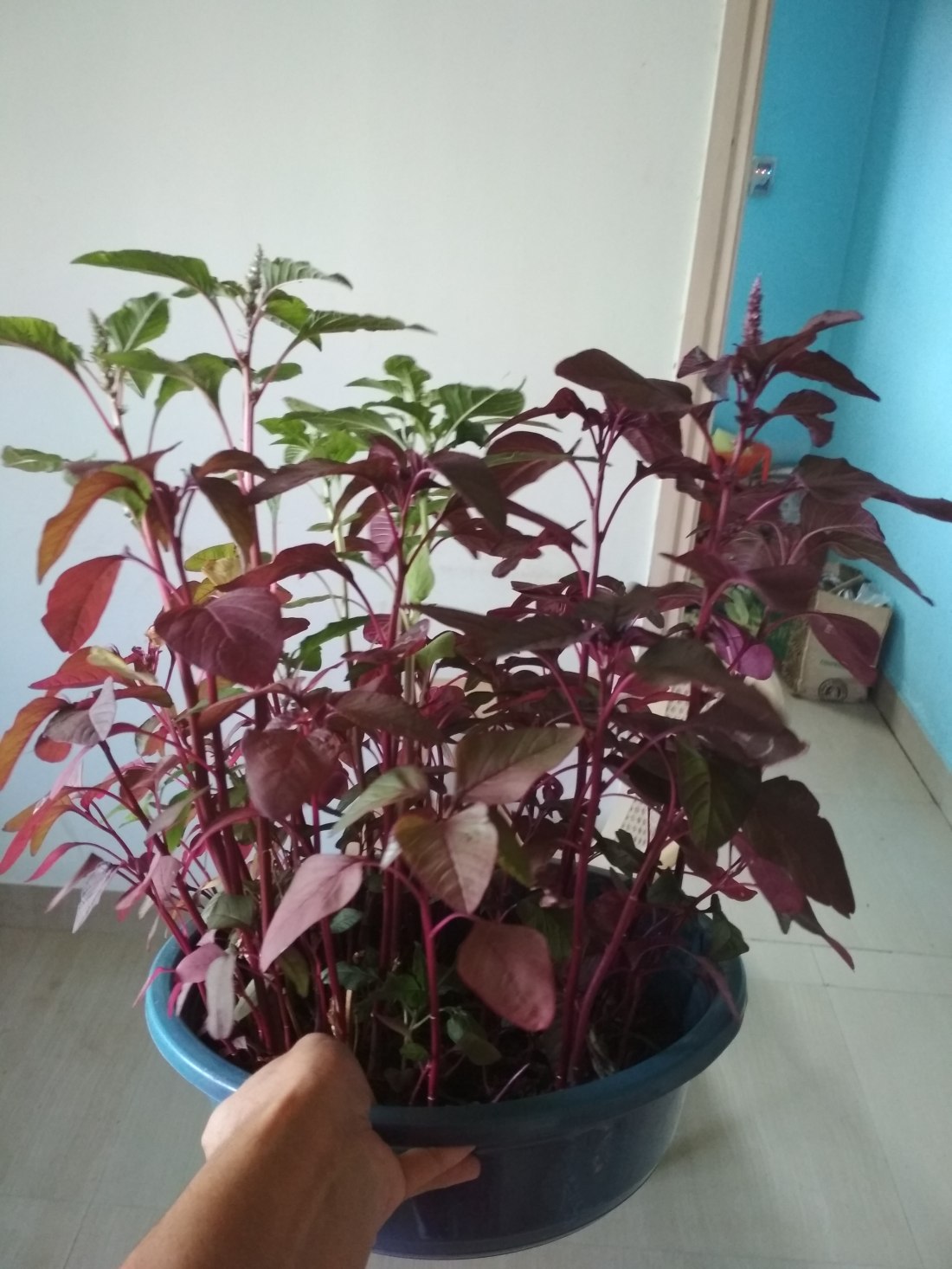
Container gardening has emerged as a popular and practical gardening solution for urban dwellers and anyone with limited outdoor space. This horticultural trend allows people to cultivate a wide array of plants and vegetables without the need for a large garden plot. Whether you have a tiny balcony, a small patio, or just a windowsill, container gardening offers a green oasis where you can experience the joys of nurturing and enjoying plants first-hand. This thorough manual will delve into the realm of container gardening, offering tips, techniques, and inspiration for creating a thriving mini garden in a confined space.

1.Choose the Right Containers

The foundation of successful container gardening lies in selecting the appropriate containers. Consider the following factors when choosing your pots or planters:

a. Size: Larger containers generally provide better growing conditions since they hold more soil and water, allowing plants to develop robust root systems.

b. Material: Containers come in various materials, including terracotta, plastic, metal, and ceramic. Each material has its pros and cons in terms of water retention, weight, and durability.

c. Drainage: Ensure that your containers have drainage holes to prevent waterlogging, which can lead to root rot.

2.Selecting the Ideal Plants

The key to a flourishing container garden is choosing plants that thrive in confined spaces. Consider the following plant categories:

a. Dwarf Varieties: Look for compact varieties of vegetables, fruits, and ornamental plants, which are bred specifically for container gardening.

b. Herbs: Culinary herbs like basil, mint, rosemary, and thyme are well-suited for containers and can add delightful flavours to your cooking.

c. Flowers: Opt for colorful blooms like pansies, petunias, marigolds, and geraniums, which add a vibrant touch to your outdoor space.

3.Potting Mix and Fertilizers

Choosing the right potting mix is crucial for container gardening success. Regular garden soil is not suitable since it may compact and impede root growth. Instead, use a high-quality potting mix that provides proper aeration and drainage.

Furthermore, container plants require a consistent supply of nutrients since they quickly deplete the soil. Supplement your garden with organic fertilizers or slow-release granules to ensure steady growth and blooming.

4.Sunlight and Watering

Understanding the sunlight and watering requirements of your plants is essential. Pay close attention to the following factors:

a. Sun Exposure: Position your containers strategically to receive the optimal amount of sunlight, which varies for different plant species.

b. Watering: Container plants typically need more frequent watering than those grown in the ground. Check the soil regularly and water when the top inch becomes dry, ensuring you don’t overwater, which can lead to root issues.

5.Container Garden Design and Layout

Create an attractive and harmonious container garden by considering the layout and design:

a. Vertical Gardening: Utilize wall-mounted planters or hanging baskets to maximize space and add a vertical dimension to your garden.

b. Color Combinations: Choose plants with complementary colours to create eye-catching displays. c. Thrillers, Fillers, and Spillers: Arrange your containers with a focal point plant (thriller), surrounding filler plants, and trailing plants (spillers) to add visual interest.

6.Pest and Disease Management

Container gardens are not immune to pests and diseases. Implement preventive measures like regular inspection, cleaning, and removing debris to reduce the risk of infestations. Consider using natural pest repellents and organic fungicides to protect your plants without harmful chemicals.

7.Maintenance and Pruning

Pruning is essential for maintaining the health and shape of your container plants. Regularly remove dead flowers and leaves to encourage new growth and prolong blooming periods. Additionally, trim back overgrown plants to keep them in check.

Conclusion

Container gardening offers a delightful and rewarding way to connect with nature, regardless of your living situation. By choosing the right containers, plants, and potting mix, and understanding the basics of sunlight, watering, and maintenance, you can create a flourishing and beautiful mini-garden in even the tiniest spaces. Embrace the joy of container gardening and unlock the full potential of your limited outdoor areas, as you experience the wonders of nature first-hand, right at your doorstep. Happy gardening!