The Ultimate Guide to Growing Plants from Seeds – Tips for a Bountiful Garden!!

Introduction

Growing plants from seeds is a gratifying and cost-effective way to establish a vibrant garden. It’s a journey that allows you to witness the miracle of life as tiny seeds transform into thriving plants. Whether you’re a novice gardener or a seasoned pro, this comprehensive guide will provide you with valuable insights and tips to ensure successful seed germination and plant growth.

1. Choosing the Right Seeds

Selecting the appropriate seeds is crucial for a successful gardening experience. Consider the climate, soil type, and available sunlight in your area. Opt for seeds that are well-suited to your local conditions. This not only improves the chances of successful germination but also contributes to the long-term health of your plants.

2. Quality Soil Matters

Prepare a nutrient-rich, well-draining soil mix to give your seeds the best start. A mixture of compost, peat moss, and perlite can create an ideal medium for seed germination. Ensure that the soil is loose and fine-textured to promote root growth.

3. Planting Depth and Spacing

Each type of seed has its own ideal planting depth and spacing requirements. Follow the instructions on the seed packet carefully. Planting seeds too deep or too shallow can hinder germination. Proper spacing prevents overcrowding and allows each plant enough space to thrive.

4. Watering Techniques

Consistent and appropriate watering is key to seed germination. Use a fine mist or a gentle spray to avoid displacing seeds. Always keep the soil moist, but not soggy. A spray bottle can be a handy tool to maintain proper moisture levels without overwatering.

5. Temperature and Light Conditions

Temperature and light play significant roles in seed germination. Most seeds require warmth to sprout. Using a seed-starting heat mat can provide the optimal temperature range for germination. Additionally, ensure that your seeds receive sufficient light. Placing them near a south-facing window or using fluorescent grow lights can provide the necessary light spectrum for healthy growth.


Similar Posts


6. Hardening Off

Before transplanting your seedlings outdoors, they need to acclimate to the outdoor conditions. This process, known as “hardening off,” involves gradually exposing the plants to sunlight, wind, and varying temperatures. Start with short periods of outdoor exposure and gradually increase the time over a week or two.

7. Transplanting with Care

When your seedlings have grown sturdy enough, it’s time to transplant them into your garden. Choose an overcast day or transplant in the evening to minimize stress on the plants. Gently remove the seedlings from their containers, being careful not to disturb the roots, and plant them at the appropriate depth.

8. Mulching and Maintenance

Mulching helps retain soil moisture, suppress weed growth, and regulate soil temperature. Apply a layer of organic mulch around your plants once they’re established. Regularly monitor the garden for pests and diseases, and take prompt action if any issues arise.

9. Patience and Observation

Growing plants from seeds requires patience and careful observation. Monitor your plants regularly for any signs of distress or nutrient deficiencies. Adjust your watering and fertilization routines as needed.

10. Enjoy the Fruits of Your Labor

As your plants grow and flourish, take time to revel in the beauty and satisfaction of a thriving garden. The process of growing plants from seeds not only yields beautiful blooms or delicious produce but also teaches valuable lessons about nature and the cycle of life.

Conclusion

Growing plants from seeds is an immensely rewarding endeavor that offers a sense of accomplishment and a deeper connection to nature. By following these tips, you can master the art of seed germination and enjoy the fruits of your labor as your garden flourishes with vibrant colors, lush foliage, and delicious harvests. Remember, each seed you plant is a small investment in the future beauty and vitality of your garden.

Happy gardening!
How to begin with Gardening: 5 easy steps for beginners!

Everyone loves to go for a walk in a garden, but how about making your own garden and enjoy its beauty every day. This modern life has made us so busy that we have forgotten to enjoy the little things in our life. But the corona pandemic made us realize the actual meaning of life. When the lockdown was imposed everyone has stayed in their home and enjoyed their family life. Some people started with their hobbies which they have left long before because of a busy life. People who have never entered the kitchen started to cook. And some of them started with gardening.

I have seen many posts by people on Facebook who have started gardening but are having many troubles in maintaining their plants. Many were posting their plants which are either dead or on the verge of dying. As a novice, they forgot to follow some basic rules. So here I am giving you 5 easy steps especially for the beginners who have just started or want to start Gardening.

Step:1 Start with the basics

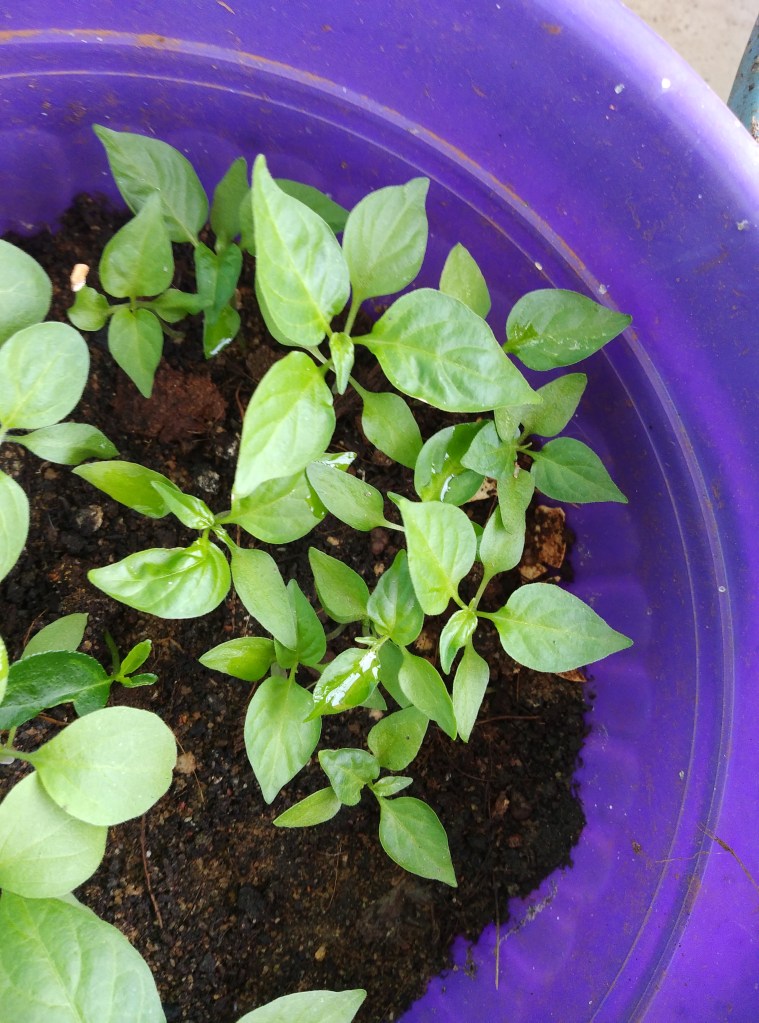
Chilli saplings

If you are a beginner, then avoid making common beginner’s mistakes. People tend to buy plants that look beautiful and different nursery sites make this task easier. If you have just started gardening, then my advice is to start from your home first. In your home, there are many vegetables or spices which can be easily grown without much effort. It saves your time as well as money. For example, chili, tomato, coriander, cumin can be easily grown and give good yield too. Apart from that, you can also grow ginger and potato by cutting their tip(ginger)/eye(potato). You can regrow mint after using the leaves and planting its stem either in soil or just putting it in water. As these are frequently used in your kitchen you can start with these instead of buying seeds and plants from nurseries or online websites which will save your money as well as time. After gaining some expertise, you can start buying plants that are easy to maintain like a spider plant, pothos, wandering jew, aparajita, etc. After that, you will be fully ready to grow any of your desired plants.

Step 2:Know your weather

This is a very important step that many beginners ignore. You should remember that all plants cannot be grown in all regions. Different plants have different requirements. You cannot grow cactus in heavy rainfall regions the same way as spices cannot be grown in the desert. If you are buying any plants especially online make sure the weather condition in your place is suitable for the growth of that plant. So before buying any costly plants on the net just check the description which will mention the average temperature for the growth of that plant.


Similar Posts:


Step 3: Always use organic fertilizer

Fertilizer is very important for the growth and fruiting of any plant. If you browse on the net you will get 100 s of fertilizers sold by different websites. Avoid buying these as there are chances that they may kill your plants if not used in proper proportions especially if those fertilizers turn out to be chemical ones. You will also get organic fertilizers online but as a beginner, it’s better to use homemade fertilizers like kitchen wastes which include used vegetables, fish water, rice water. If cow dung(dry) is available in your area you can use that too. Always cover this waste with a layer of soil to avoid rot and smell. If you feel you can’t use these then buy only organic fertilizer from your local nurseries or online websites.

Step 4: Remember there is a big difference between theory and practical

On YouTube, there are many videos on growing plants. Many of them don’t show the results. I have tried many of them like growing cardamom plants from seeds or growing rose cutting using potatoes and failed miserably. Before following any YouTube video check the comment section. See what other people are saying. Even if you follow these instructions there are chances that you may not get the desired result. The reason is mentioned in step no 3. The videos which are shown are from places which have different weather conditions than yours. And many videos are just made by beginners who just want to earn money from google ads. Don’t blindly follow these videos.

Step 5: Check the progress

Planting is not enough. The plant should be properly taken care of. You should check the progress of your plants regularly. Check whether the plant is growing properly. If not try to find the causes. Water it properly, give fertilizers after some period, check whether the plant has any bugs or the leaves are yellow or curled or dry, and take care accordingly.

If you follow the above steps soon you will become a successful gardener. So what you are waiting for? Start now, Happy Gardening!!!

Easiest Vegetable to Grow This Summer!

Summer apart from being the hottest season is the best time for gardening provided you have plenty of water. In this season grow some vegetables in your garden and enjoy a chemical-free meal. If you are new to gardening then start by planting these vegetables. These vegetable are not only easy to grow but are very easy to maintain. So here is a list of vegetable which you can grow in this summer:

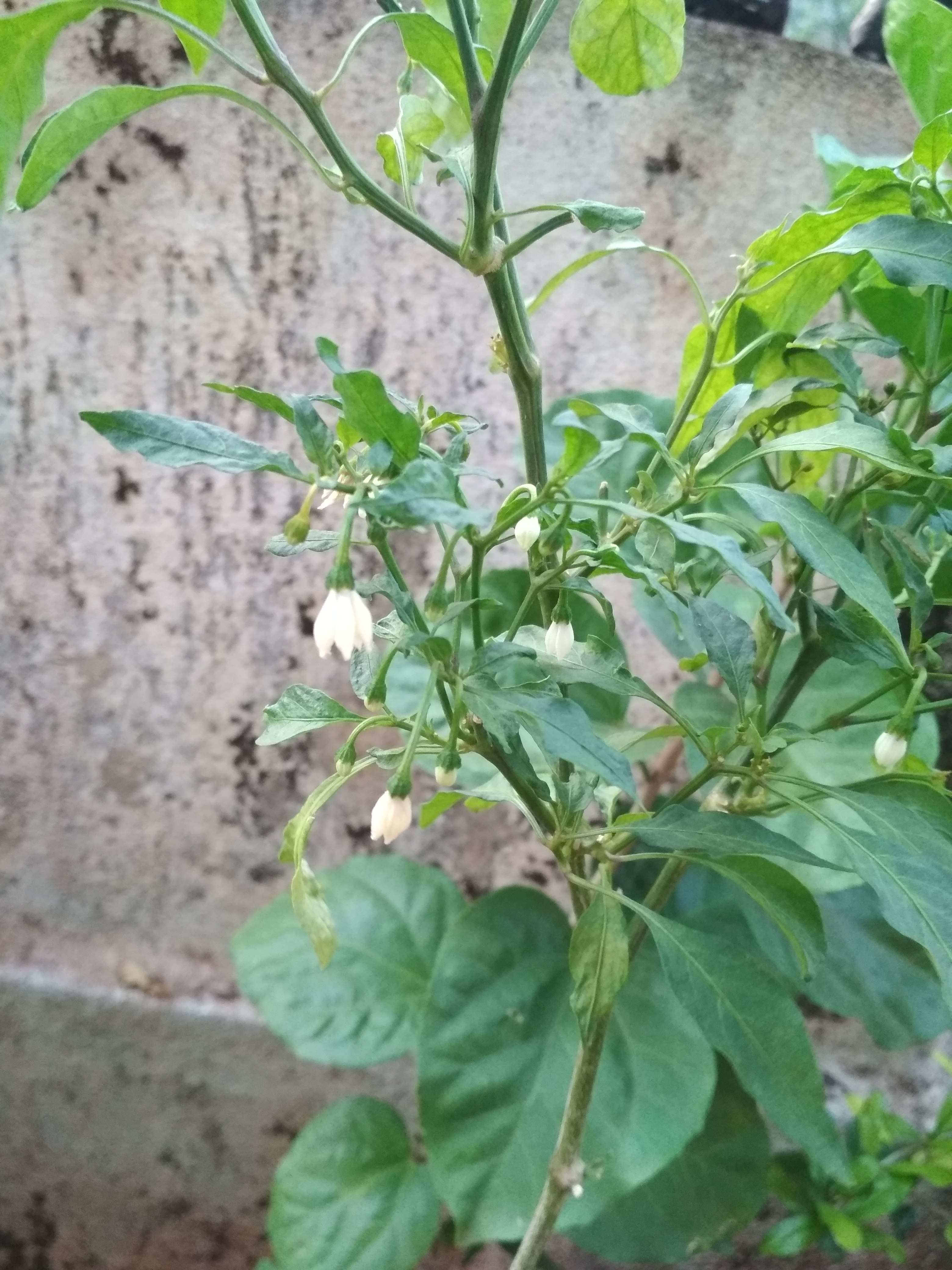
Pepper Pepper is a must in Indian dishes whether it is a curry, gravy or chutney. Growing pepper is very easy. They are grown from seeds. You will get these seeds easily in the market. But no need to waste money on these seeds. Instead of that try my method. If you are using dry pepper then you can easily get these seeds from the pepper. There will be lots of seeds in the bottom of the container. You can use these seeds. But if you are buying fresh pepper like me then keep those pepper out of the refrigerator. After some days the unused pepper will become red and finally get dried. Now remove seeds from these pepper. These seeds are ready for planting. I always use these seeds as I don’t have a refrigerator. These seeds can be directly planted in pots. Within two days they start germinating. After 7 days, transfer the seedlings in a bigger container containing a potting mix. The potting mix should include soil, cocopeat, and fertilizer. After 20 days the plant will start flowering and after 35 days the pepper will be fully developed.

Flowers of Pepper Plant

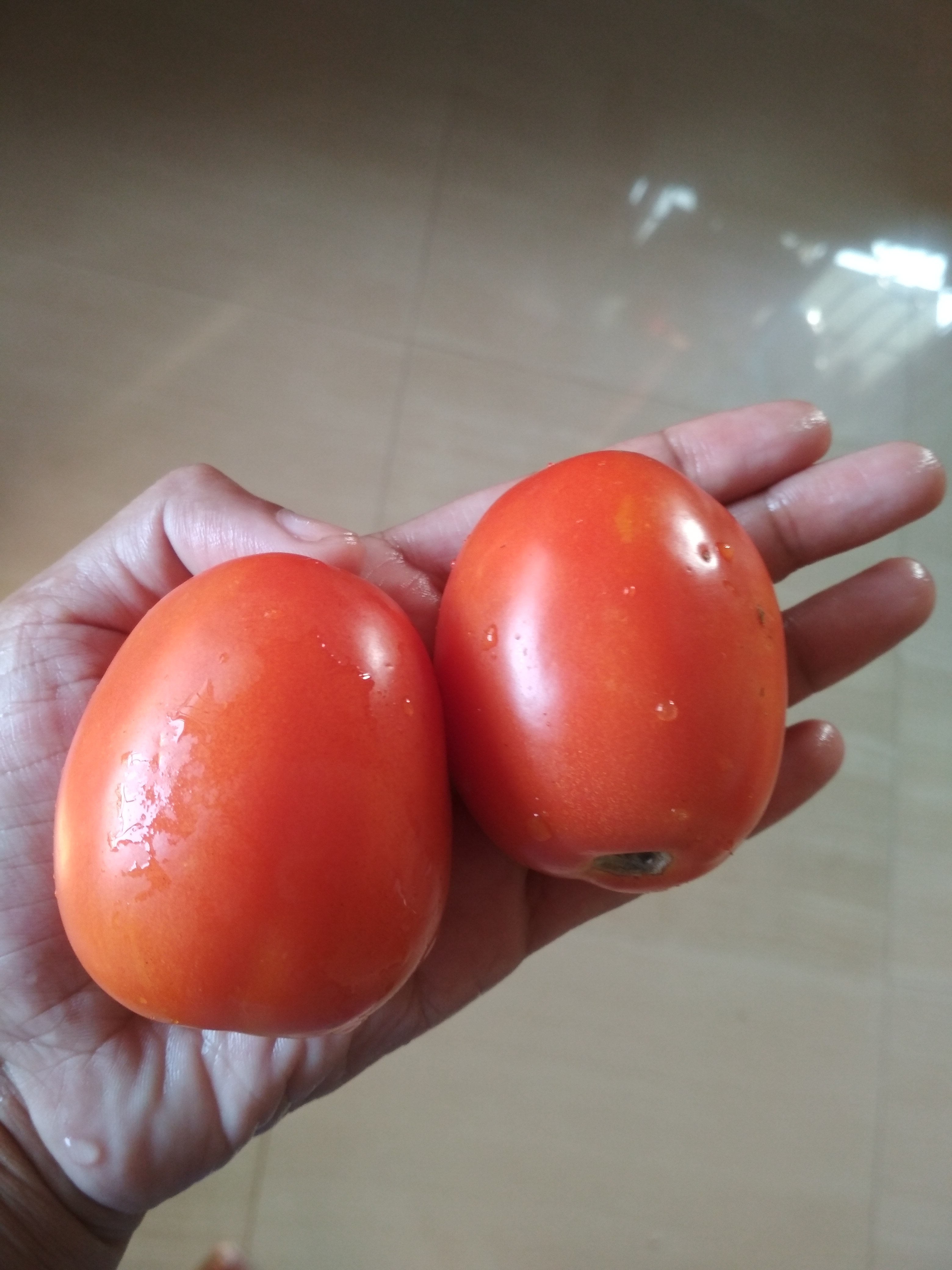
Tomato Tomato is used in curry, sauce, chutney and in making gravy. Tomato can be grown in the same way as the pepper. I always remove the seeds of the tomato before cooking as I have read somewhere that they are not good for health especially for kidney(I read it in a health magazine). Instead of throwing these seeds in dustbin I plant in a pot. And the rest procedure is same as pepper. The only difference is the tomato plant require support. They cannot bear the weight of tomatoes. So once the plants start flowering give them proper support.

Tomato

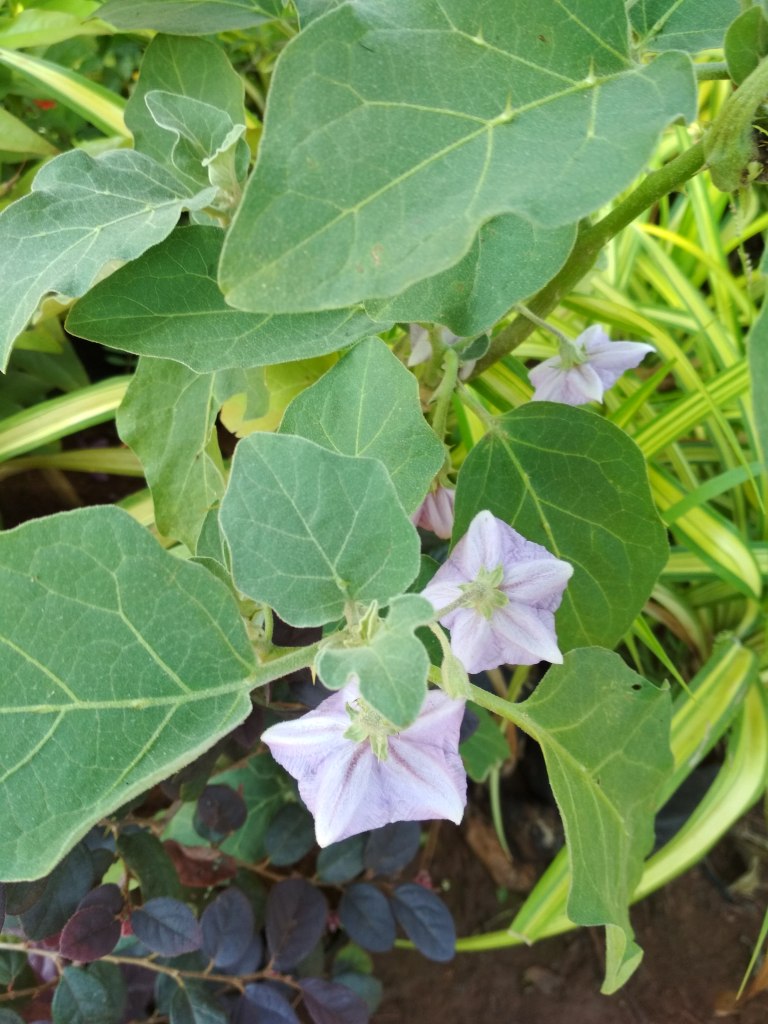
Eggplant Eggplant or brinjal are used in many different cuisines. This plant can be grown from seeds as well as from seedlings. I have recently bought seedling of this plant from the local market for Rs.10. Total of 10 seedlings were there. If you are planting seeds then remember that these seeds take quite a long time(about 7 to 14 days) to germinate. Once they are germinated it takes about one to two month for the plants to start flowering. Once they start flowering give enough water otherwise the flowers will fall. Within 20 days of flowering, the vegetable is ready to harvest.

Flowers of eggplant

Similar Posts


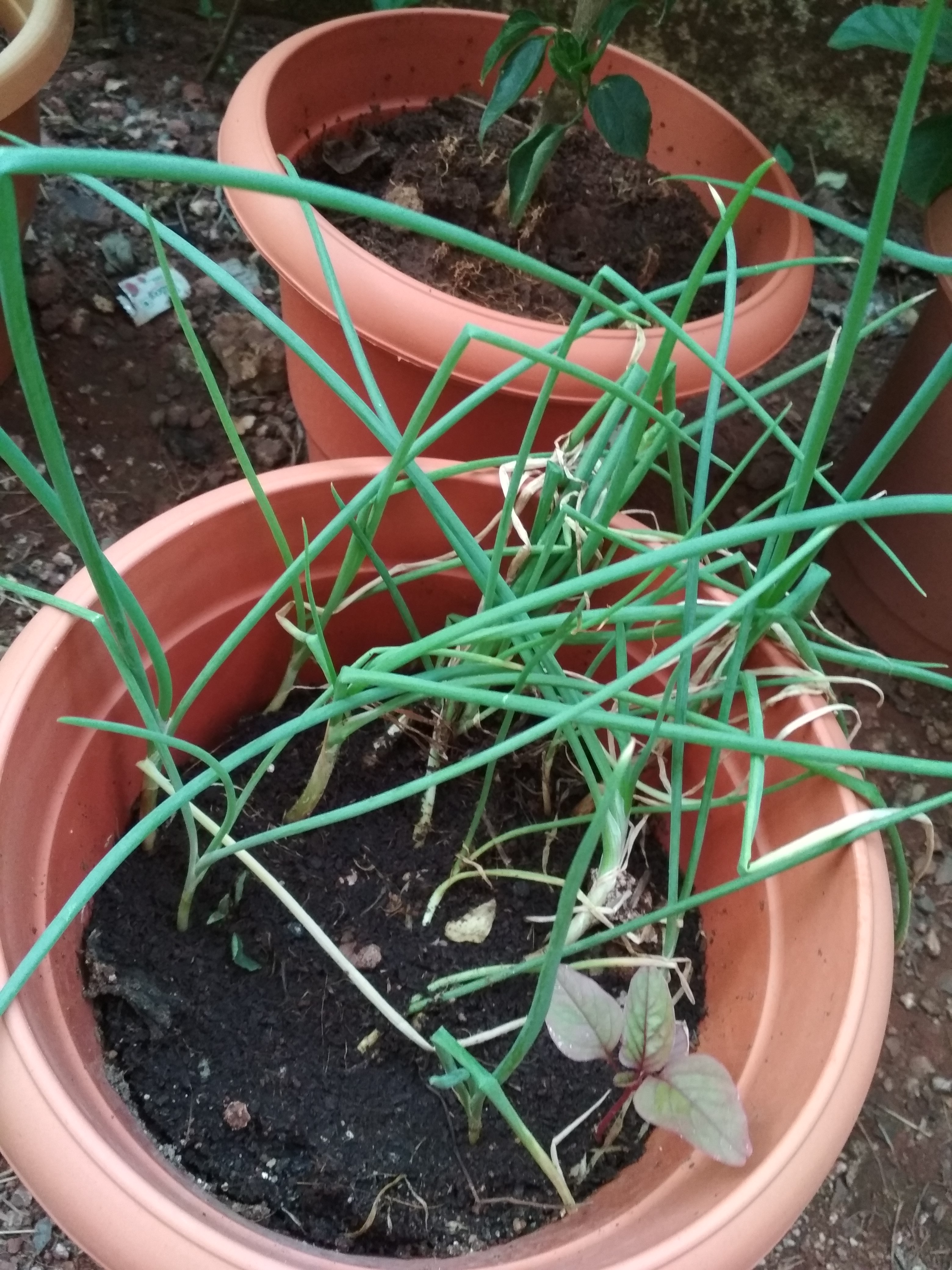
Onion Onions are used in salads, curry, gravy, and many other dishes. Like pepper and tomato onions are also commonly used vegetables. Onions can also be grown from seeds. Like eggplant, I have bought onion seedlings also from the local market. You must have noticed that in moist condition onions start sprouting. Plant these sprouts in the soil. These sprouts will develop and give flowers and these flowers later develop into seeds. You can use these seeds or buy fresh seeds from the market or any online sites. But I suggest you buy seedlings, instead of seeds. As you know onions grow underground so these seedling has to be planted in loose and well-drained soil. Otherwise, the onion won’t grow. Within the span of 2 months, the onions will be ready for harvesting.

Onion Seedlings

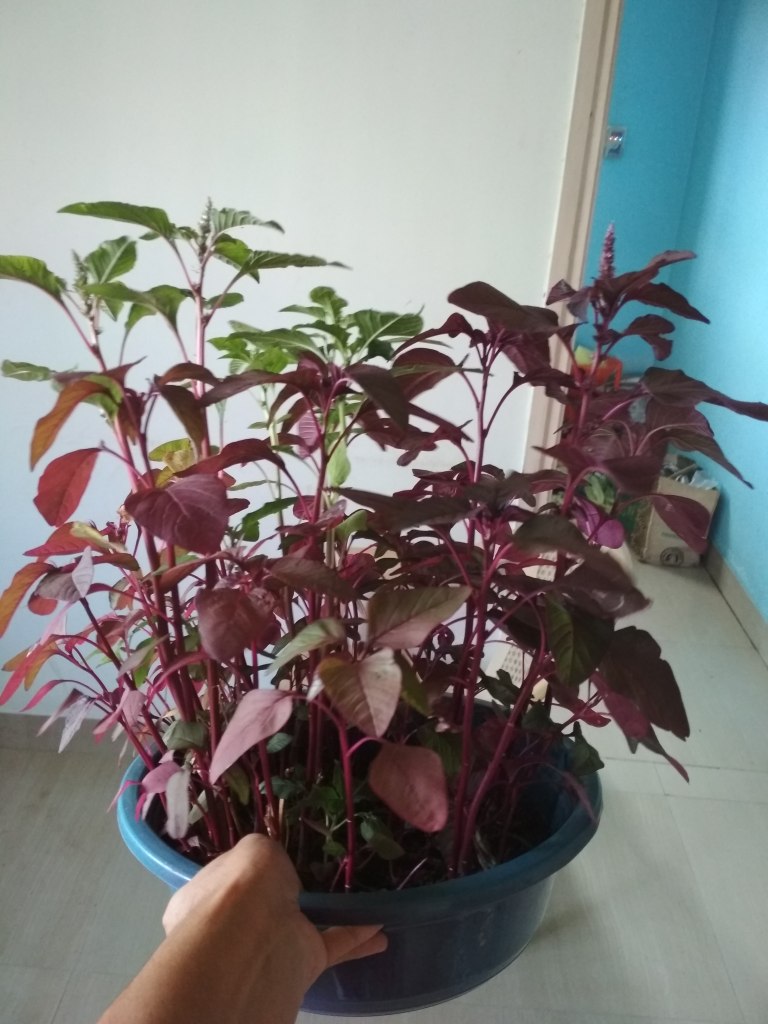
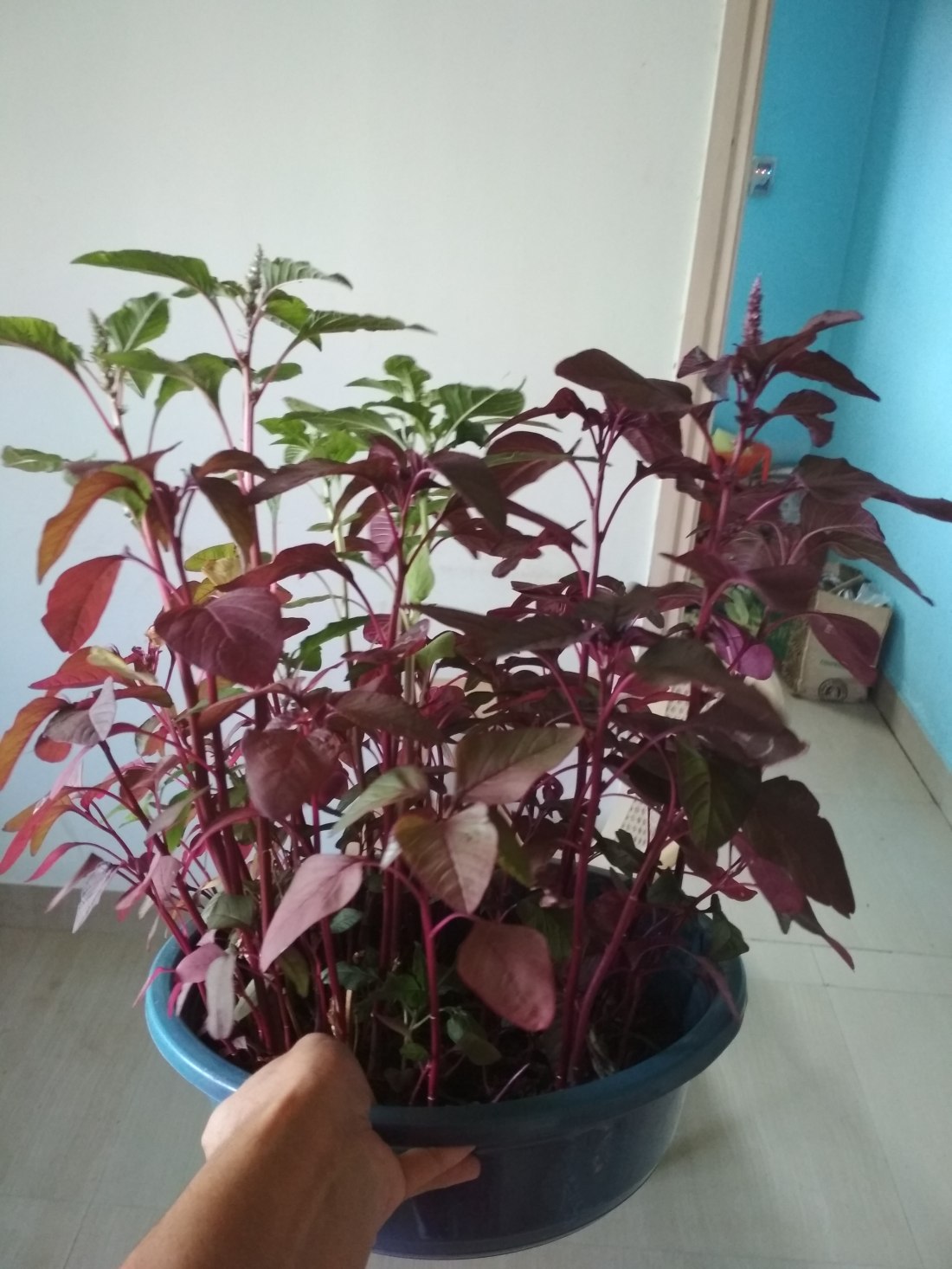
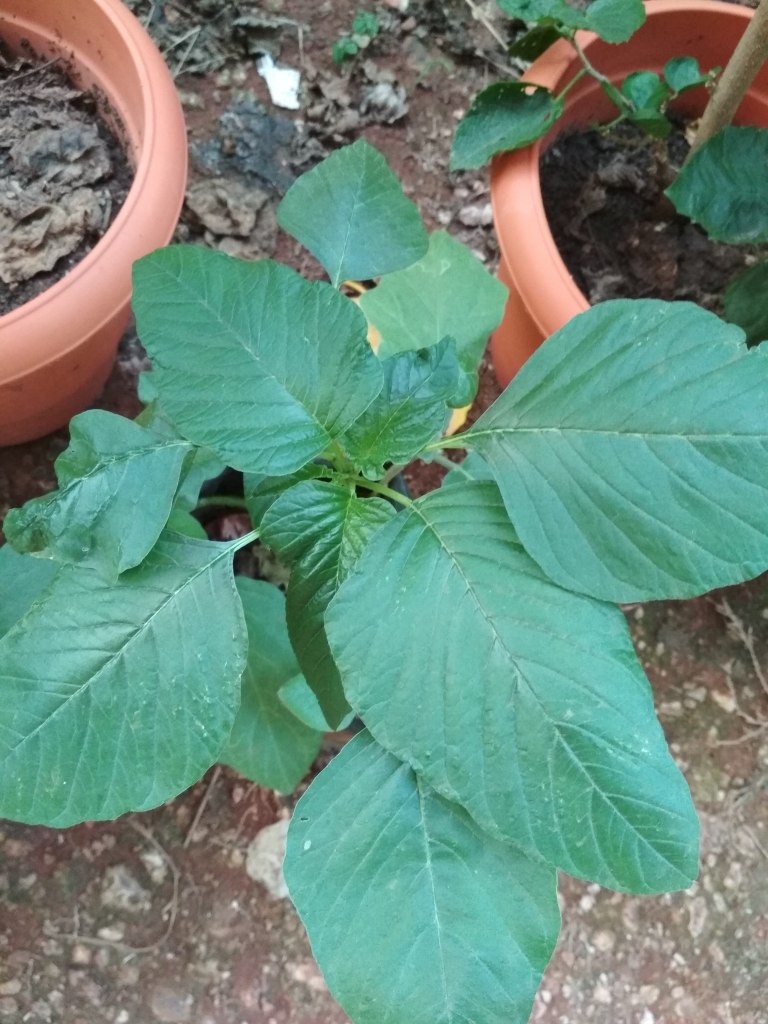
Amaranth Leaves Amaranth leaves are green or beetroot red in color. Very easy to cultivate and have amazing health benefits due to its high concentration of protein, minerals. and vitamins. They have tiny black color seeds which are easily available in the market. In my place, local farmers sell it throughout the year. They sell it in a bottle cap. One cap costs Rs.20. You can also prepare your own seeds by following my technique. Whenever you buy amaranth leaves from the market, cut the tip and remaining leaves and use it for cooking. Don’t throw the remaining plant. In that select some healthy plants which have good roots and plant it in a pot. After some days the plant will grow and will start flowering. After the flowers are dried remove it. Now when you crush these dried flowers you can see tiny black seeds. These seeds can be used to grow new amaranth plants.

Green Amaranth Plant

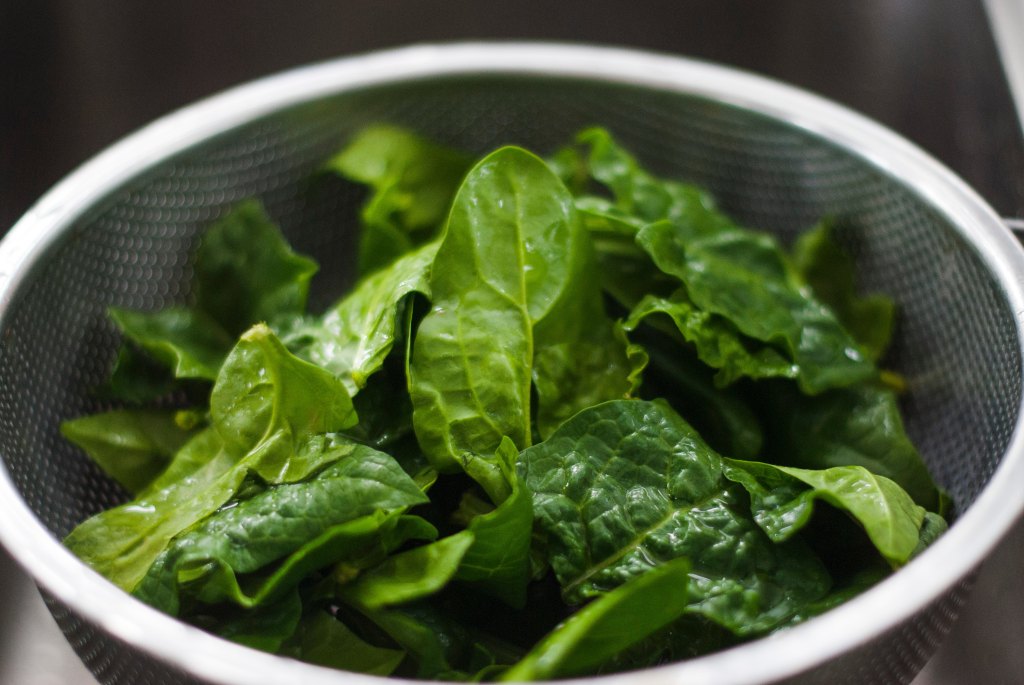
Malabar Spinach (Basella alba) This vegetable is also known as “Vaali Bhaji”. Most famous and widely used vegetable in summer. We eat it along with “Paige” also called as Ganji in Kannada.
Paige is made by boiling rice in large amounts of water. Summer is the best season to eat as well as to grow this green vegetable. Its a soft-stemmed vine and grows up to 10 meters. Normally it is propagated through its stem. I always grow this vegetable by planting its stem. But it can also be grown from seeds. The seeds are juicy and black in color. I have never seen its seeds in my market or any of the online site. But you can save its seeds from your plant for next yield. Once the vine starts flowering, its growth stops. It requires moist soil but avoids too much watering. This vegetable is rich in vitamin and calcium.

Leaves of Malabar Spinach