
Introduction
When it comes to the world of aquatic gardening, enthusiasts often find themselves in a delightful conundrum, confusing two striking water plants: the Lotus and the Waterlily. These aquatic marvels, while sharing the same watery habitat, are, in fact, distinct in numerous ways. In this article, we’ll dive deep into the fascinating realm of Lotus and Waterlilies, unraveling their unique characteristics and helping you appreciate their individual beauty.
Lotus and Waterlilies: A Taxonomic Tale
Before delving into their visual disparities, it’s crucial to understand the botanical differences between these aquatic wonders. The Lotus, scientifically known as Nelumbo species, belongs to a distinct genus, while the Waterlily, classified as Nymphaea species, has its own taxonomic identity. Now, let’s explore how these botanical distinctions manifest in their physical characteristics.
Leaves: Above vs. At Surface
One of the most apparent distinctions between Lotus and Waterlilies lies in the positioning of their leaves. Lotus leaves are “emergent,” which means they gracefully rise above the water’s surface as they mature, creating an enchanting spectacle. On the other hand, Waterlily leaves, often seen adorning the water’s surface like lush green lily pads, provide a contrasting picture.
Shapes of Leaves: Discs vs. Radial Cuts
Taking a closer look at the leaves reveals another intriguing difference. Lotus leaves maintain a smooth, unbroken disc-like appearance, whereas Waterlily pads exhibit a distinct radial cut, adding a touch of elegance to their form.
Flowers: Above, On, and Below Water Surface
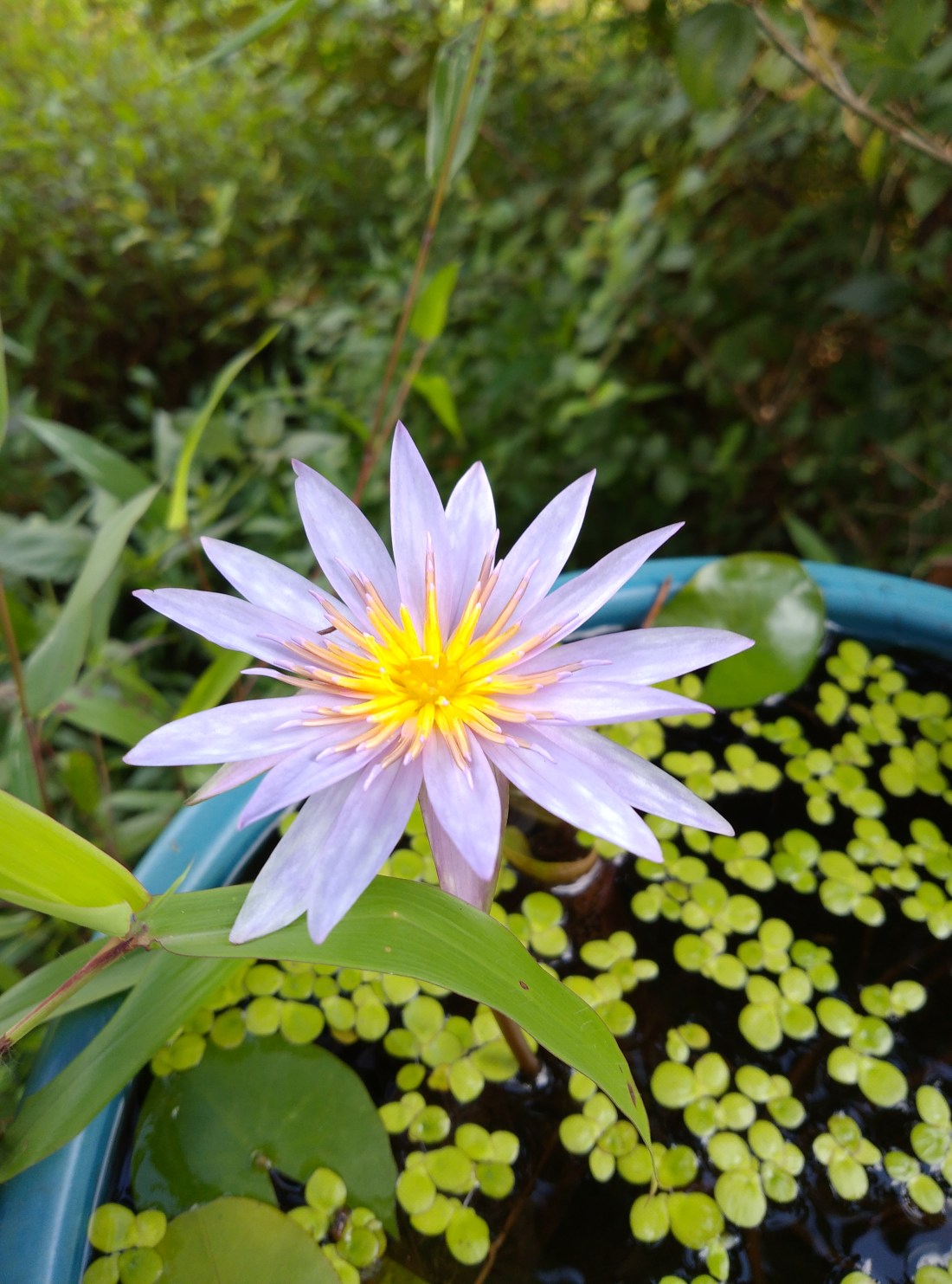
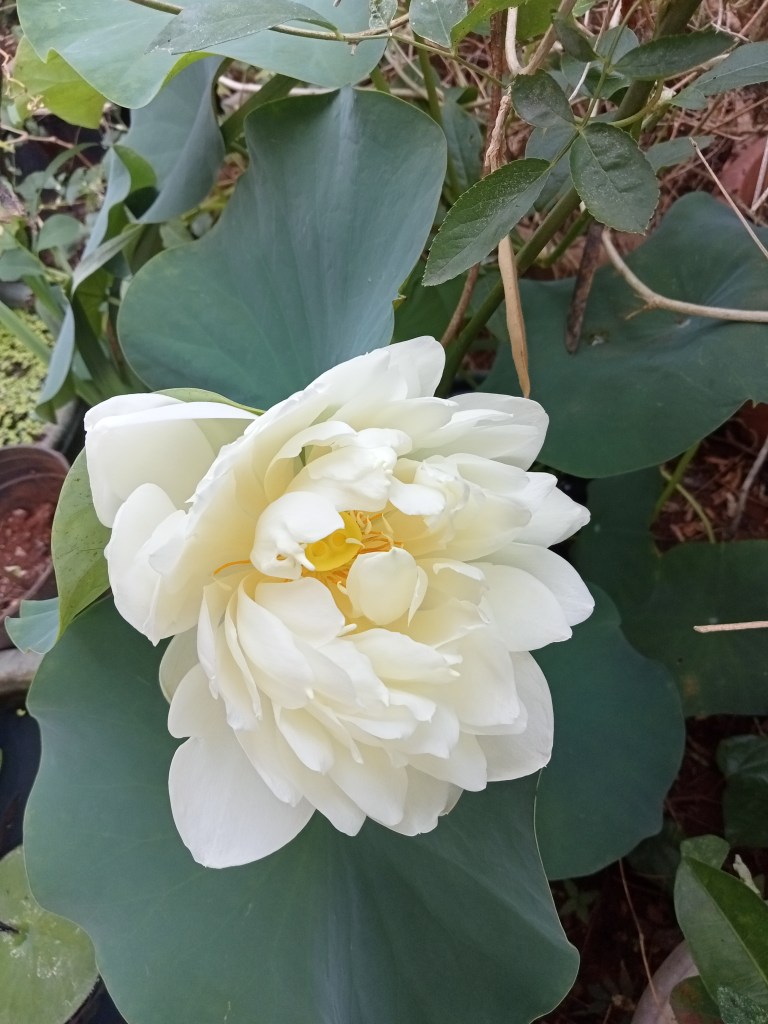
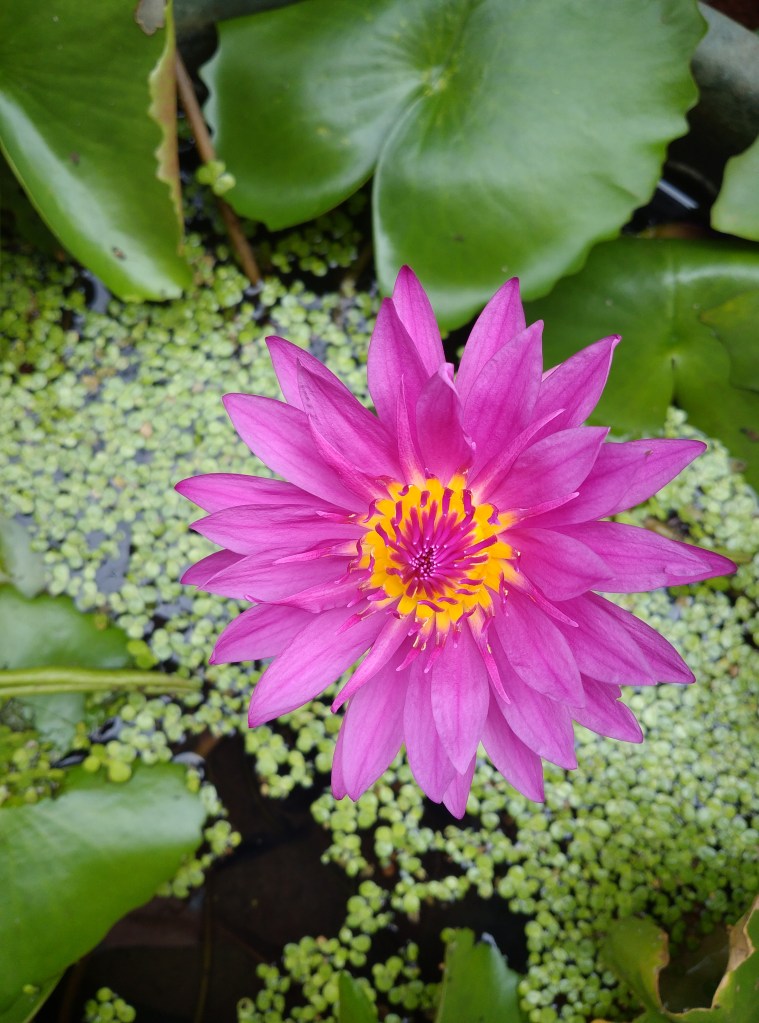
Now, let’s talk about the captivating blooms of Lotus and Waterlilies. Lotus flowers, true to their unique nature, ascend several feet above the water’s surface, creating a mesmerizing display. In contrast, hardy Waterlilies choose to bloom gracefully on the water’s surface, while tropical Waterlilies add a dash of extravagance by flowering 6 to 8 inches above the water.
Similar Posts
Seed Pods: Central vs. Base, Above vs. Below
Moving on to reproduction, the seed pods of these aquatic wonders tell a distinctive tale. In Lotus, the seed pod takes center stage within the flower, resting proudly above the water’s surface. Conversely, in Waterlilies, the seed pod modestly dwells at the base of the flower, often submerged beneath the water’s surface. This juxtaposition in seed pod locations highlights their contrasting life cycles.
Seed Size: Pebbles vs. Minutiae
As we explore further, the size of their seeds sets them apart. Lotus seeds resemble small pebbles in terms of size, while Waterlily seeds are incredibly minute, adding a touch of delicacy to these aquatic botanical treasures.
Rhizomes: Tubular vs. Compact
Finally, beneath the water’s surface, the roots of these plants differ in form. Lotus boasts long, tubular rhizomes that sprawl out, while Waterlilies possess compact rhizomes or tubers, making them adapt gracefully to their aquatic environment.
Conclusion:
In the enchanting world of aquatic gardening, discerning the differences between Lotus and Waterlilies is essential for any enthusiast. Each of these aquatic wonders offers a unique and awe-inspiring display, from their leaves to their flowers, seed pods, and rhizomes. So, the next time you gaze upon these aquatic beauties, remember the distinctions that make them extraordinary in their own right. Whether you’re cultivating Lotus or Waterlilies, you’re sure to be captivated by the beauty they bring to your aquatic garden.
Happy Gardening!
 ILoveGardening