
Everyone loves monsoon including plants. You must have seen how the plants become fresh and green only in the first few drizzles as if they are having a party. But as the rain continues you will notice many of the plants starts deteriorating and some plants die too.
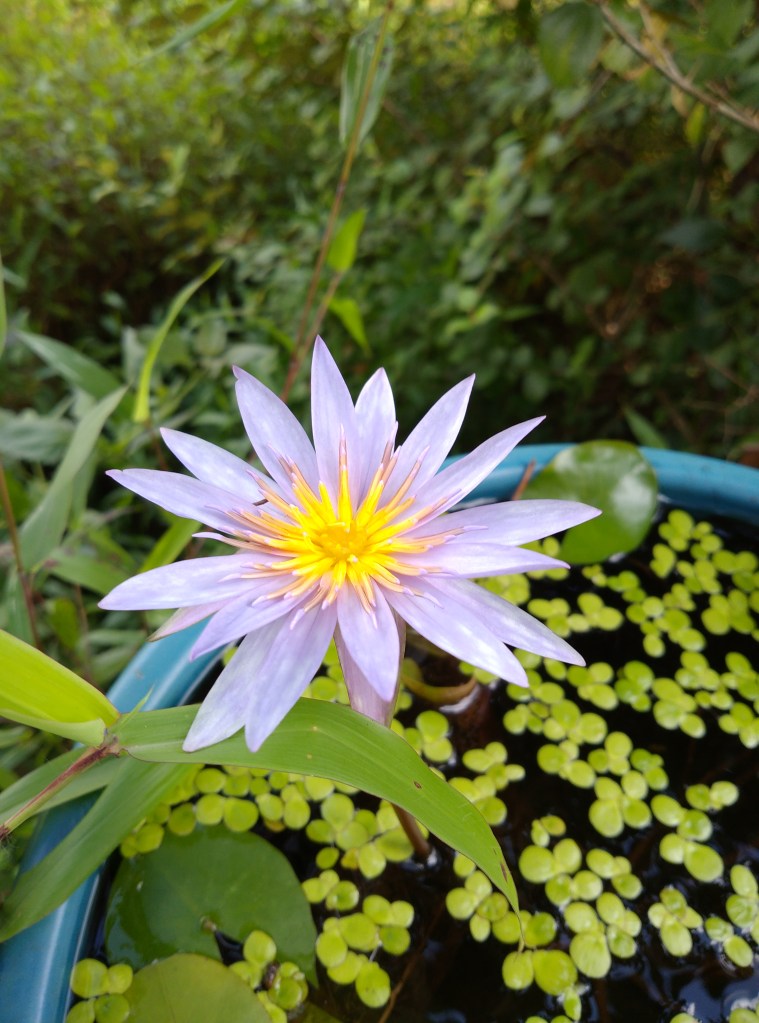
In this article, I will be discussing some of the plant problems which we encounter during the monsoon and also solutions to these problems. So, let’s get started.
1.Root Rot
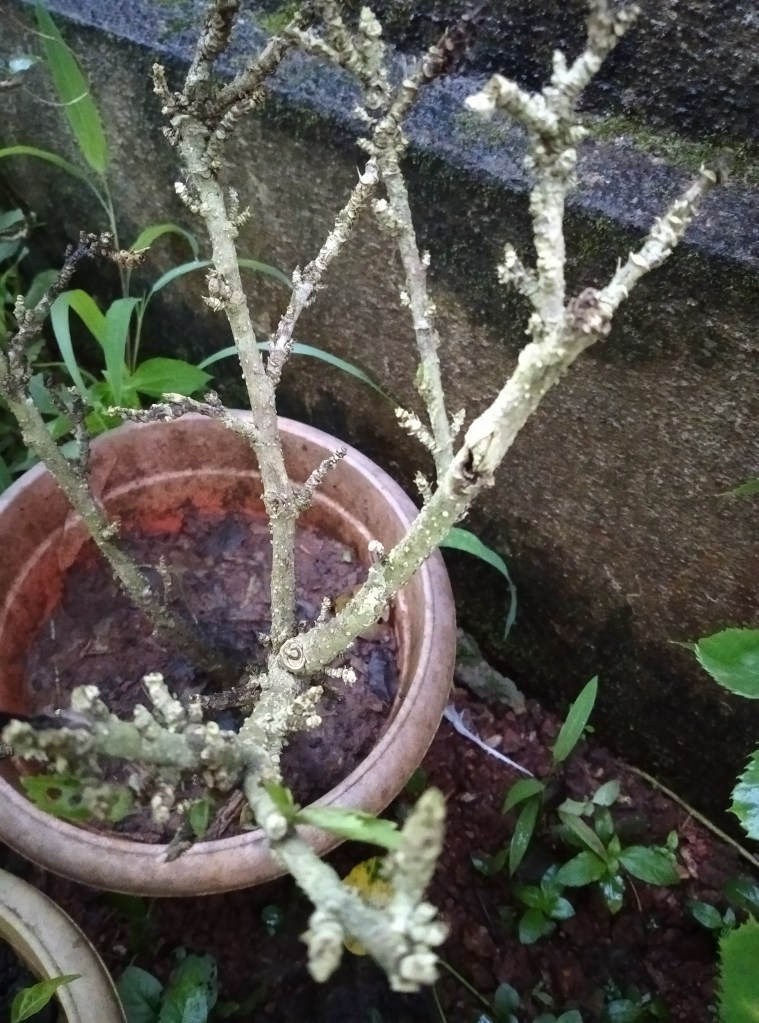
This is a common problem which we encounter in the rainy season. This disease mainly affects those plants which are planted in pots. The main cause of this disease is wet soil. Damp soil prevents roots from absorbing oxygen and helps the development of fungus which causes root rot. As a result, plant growth is inhibited, leaves and branches start to wilt and at the end, the plant dies.
Solution:
1. Proper drainage will eliminate this problem. So check that pots have proper holes. So the excess water is drained out of the pot.
2. Proper potting mix will also help in eliminating this problem.
2. Next solution is to fill the pot with soil or potting mix till the top so no space is left for the water to stagnate.
3. Use fungicide mix(1 spoon of fungicide+1 liter of water), pour this solution in the pot. This will prevent the development of fungus and other harmful microbes.
2)Wilt Disease
In this disease suddenly the leaves of the plants start to get dry and yellow and finally fall off. The symptoms are similar to root rot but root rot is a more serious problem compared to wilt disease. This disease is caused by a fungus that affects the flow of water in the xylem.
Solution:
1. Remove the affected branch and apply neem oil on the cut to prevent the spreading of the fungus.
2. Spray neem oil mix or fungicide mix(1 tablespoon neem oil/fungicide + liter water) once a week to prevent fungal attack.
3.Aphids

Aphids are small black (also in green and yellow colour) insects that infect the tip of the plants. They suck nutrient-rich sap from leaves and buds. They start laying eggs on the leaves as a result the leaf become porous and then it turns yellow and finally falls off. They grow very fast as a result entire plants get affected which inhibits the growth of the plant and finally, the plant dies.
Solution:
1. Remove the leaves which are affected by aphids and burn them or throw them in faraway places as they can’t fly to longer distances.
2. Spray liquid soap/pepper (mixed in water) on affected leaves.
3. Ladybugs also help in controlling aphids as they feed on both adults and larvae.
4.Insect Borers
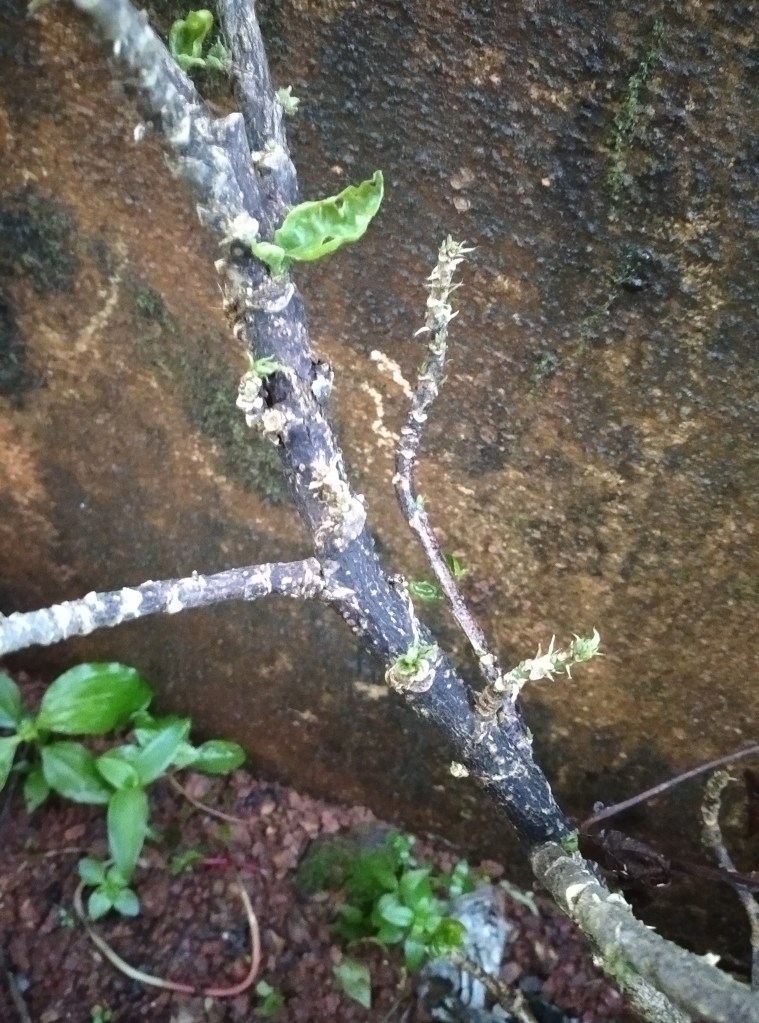
These are larvae of certain moths which mainly affect trees, shrubs, and flowering plants like hibiscus. These feed under the bark and are difficult to detect. Early sign includes wilting of terminal shoots and branches. If you closely observe the plant you can see the skin of the bark has become loose, when removed you can see small larvae underneath. Since they are inside the bark spraying pesticide over plants won’t do much damage to these larvae.
Solution:
1. The best solution is to keep your plant healthy. Only weak plants are vulnerable to these borers.
2. In the market as well as in online stores you will get many pesticides that control or kill these borers. As I always prefer organic gardening I don’t advise using these. As these borers normally affect the plants in the rainy season, it is difficult to detect this problem in the early stages. Because of rain the plants always look fresh and green but when the rain stops you can see the wilting of shoots. As I mentioned earlier these will affect only those shrubs which have thick bark. So it’s better to have a close look at such plants during the rainy season, if you can see any wilting, cut that branch and apply neem oil in the place of cut.
3. Keep your plant healthy by giving it proper fertilizer.
4)Caterpillar
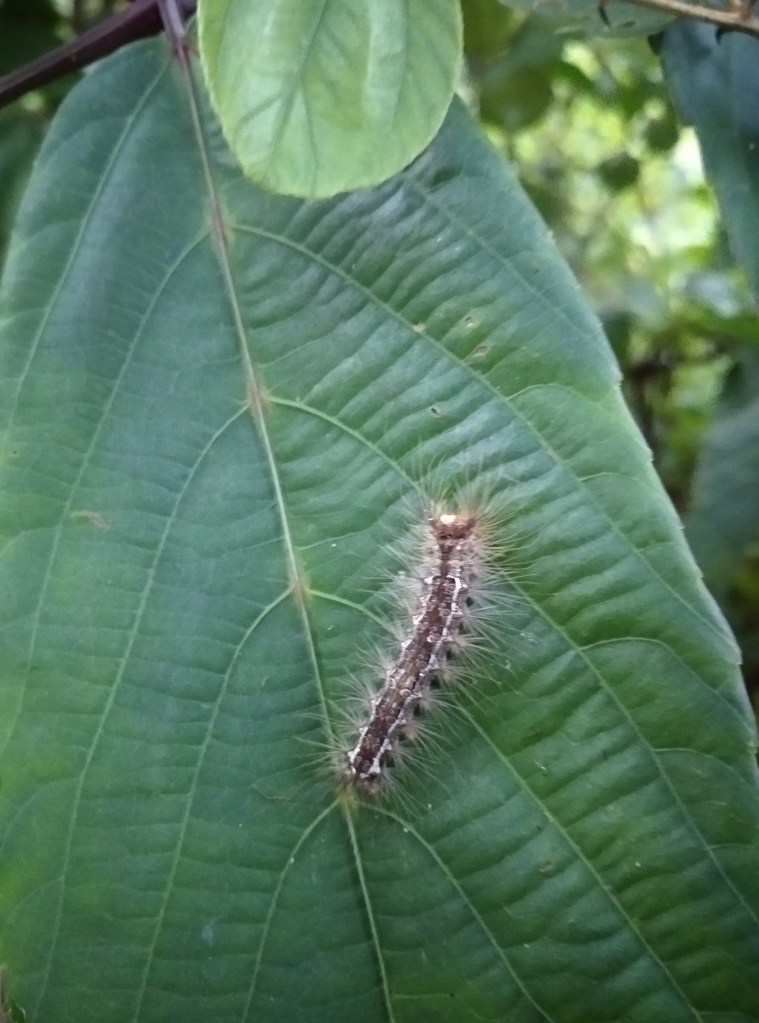
This is the most common problem almost all gardeners experience during the rainy season. These caterpillars attack almost all the plants from vegetable and flowering plants to indoor and ornamental plants. These caterpillars are heavy feeders. They eat away all the leaves of the plants within few hours.
Solution:
1. As you know most of the caterpillars grow into beautiful butterflies so many people avoid killing them. These butterflies are very important in conserving our biodiversity. So the best way to control these is to give them something else to eat. So whenever I see a caterpillar I cut that leaf and place it on a tree or a weed or grass far away from my plants. So that, they also get food and my plants are also saved.
2. Second thing you need to do is clean the debris surrounding your plants, prune the weak branches, remove the yellow and dried leaves.
3. Cover your plants with the net so that the butterfly doesn’t lay eggs on your plants.
So these are the common problems which we gardeners face during the rainy season and their best possible solutions. If you know of any other solutions to deal with these problems, please let me know in the comment section. Please give your valuable suggestions. Until then Keep Smiling and Happy gardening!!!
 ILoveGardening
4 thoughts on “A Beginner’s Guide To Protecting Plants In Rainy Season”