
Introduction
Rain lilies, botanical wonders celebrated for their ephemeral beauty, emerge as nature’s delightful response to rainfall. These dainty flowers, scientifically known as Zephyranthes, captivate with their ethereal charm, gracing gardens with a burst of color after a refreshing downpour. Let’s delve into the enchanting world of rain lilies and explore their unique characteristics, cultivation tips, and the magic they bring to landscapes.
Rain Lily Origins and Characteristics:
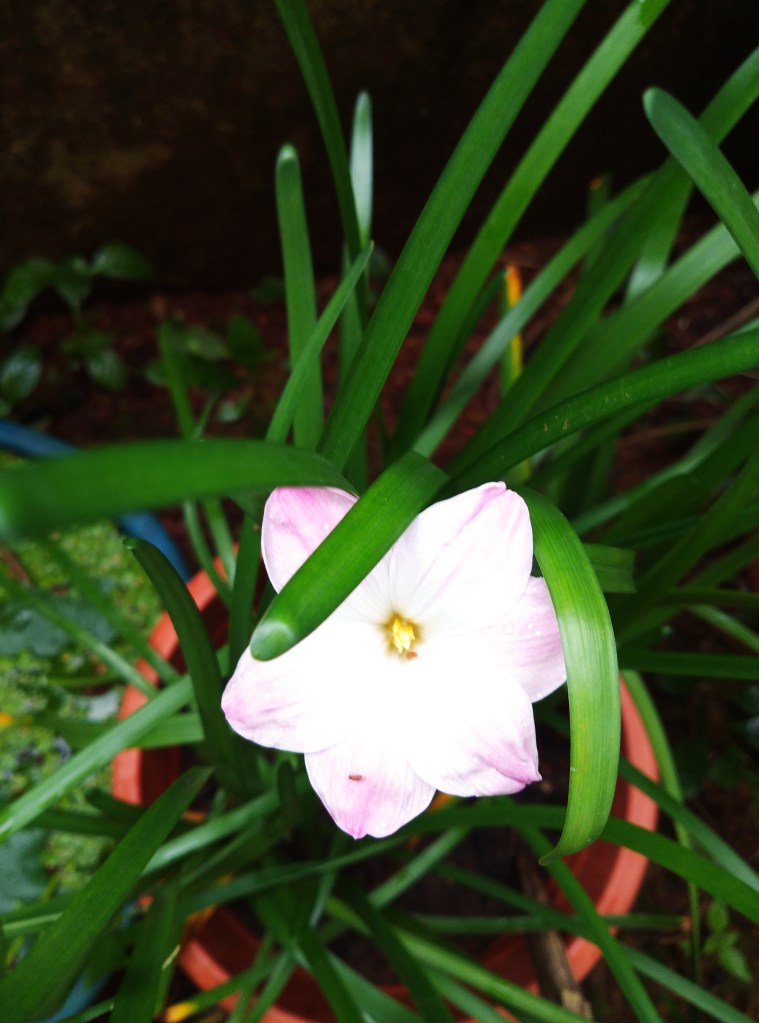
Originating from the Amaryllidaceae family, rain lilies earned their name from their propensity to bloom shortly after rainfall. These petite flowers, typically 2 to 3 inches wide, display an array of hues, including white, pink, yellow, and lavender. Their delicate, star-shaped petals gracefully unfurl atop slender stems, creating a mesmerizing visual spectacle in gardens.
Cultivation and Care:
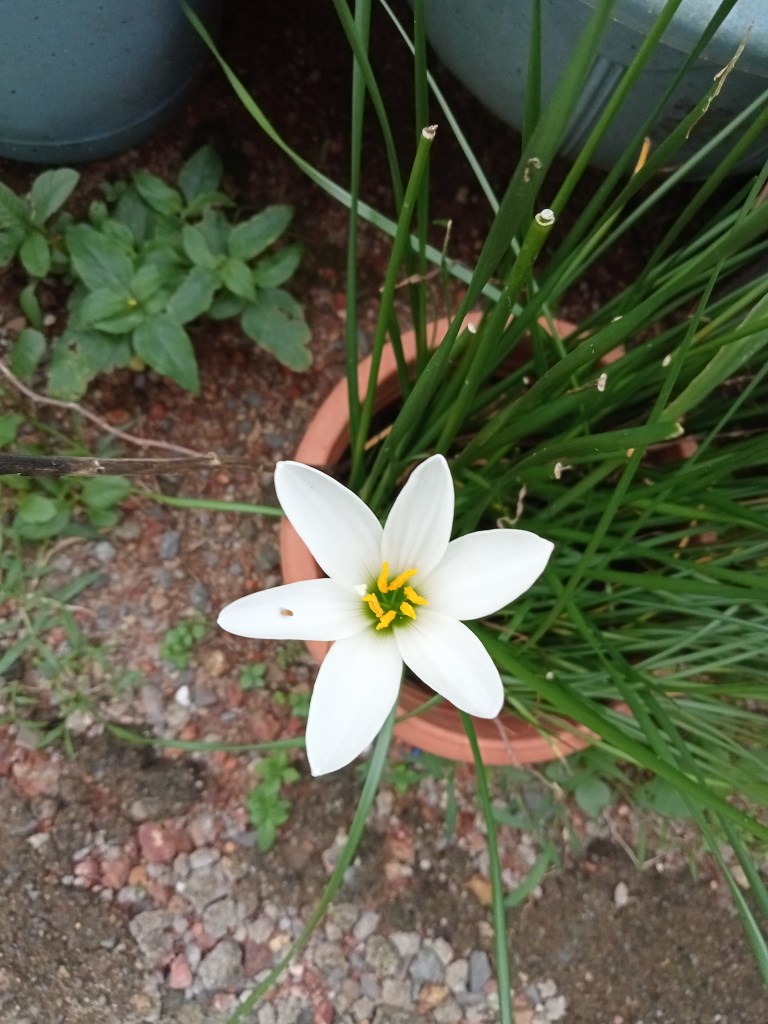
Thriving in well-draining soil and basking in full sun or partial shade, rain lilies are versatile and low-maintenance additions to gardens. Planting them in clusters or groups enhances their visual impact, and they effortlessly complement borders, rock gardens, and container plantings. They are ideal for regions with warm climates, displaying their floral splendor in rainy season.
Similar Posts
Rain Lily Varieties and Adaptability:
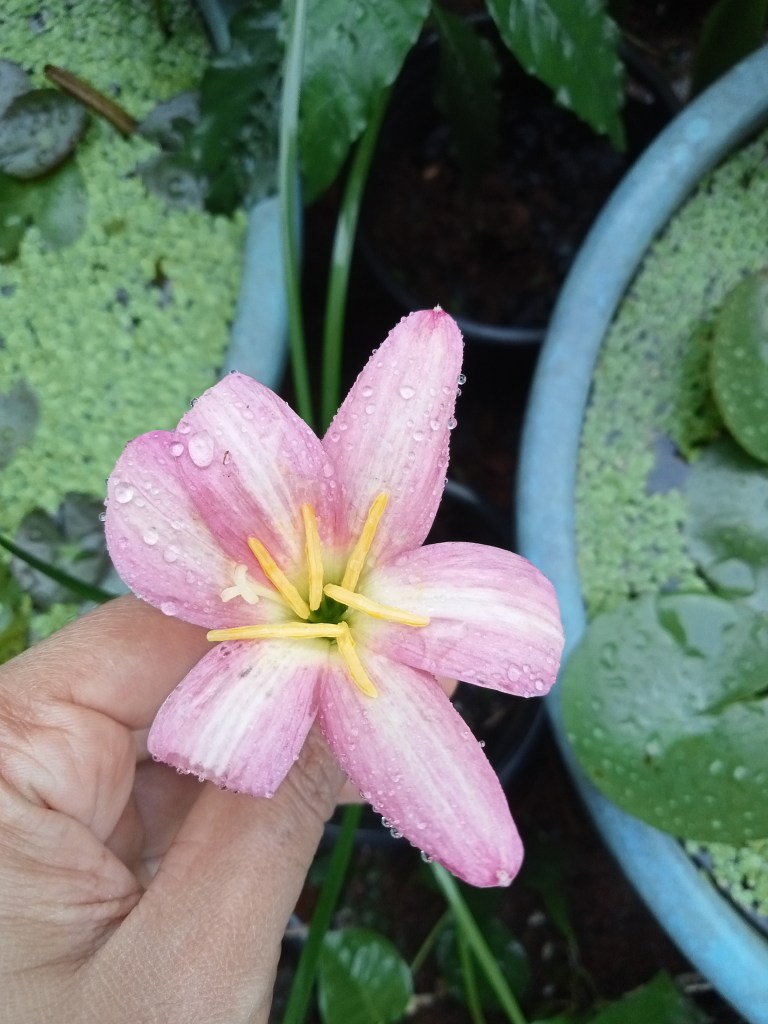
Zephyranthes encompasses numerous species and hybrids, offering a diverse palette of colors and sizes. From the vibrant Zephyranthes grandiflora to the delicate Zephyranthes candida, these flowers adapt to various climates, including tropical and subtropical regions. Their adaptability to diverse environments contributes to their popularity among gardeners worldwide.
Symbolism and Cultural Significance:
Beyond their ornamental value, rain lilies carry symbolic significance in various cultures. Renowned for their fleeting beauty, they symbolize rejuvenation, renewal, and the ephemeral nature of life. In some cultures, these blossoms represent purity and the transient beauty found in life’s fleeting moments, evoking a sense of appreciation for the present.
Conclusion:
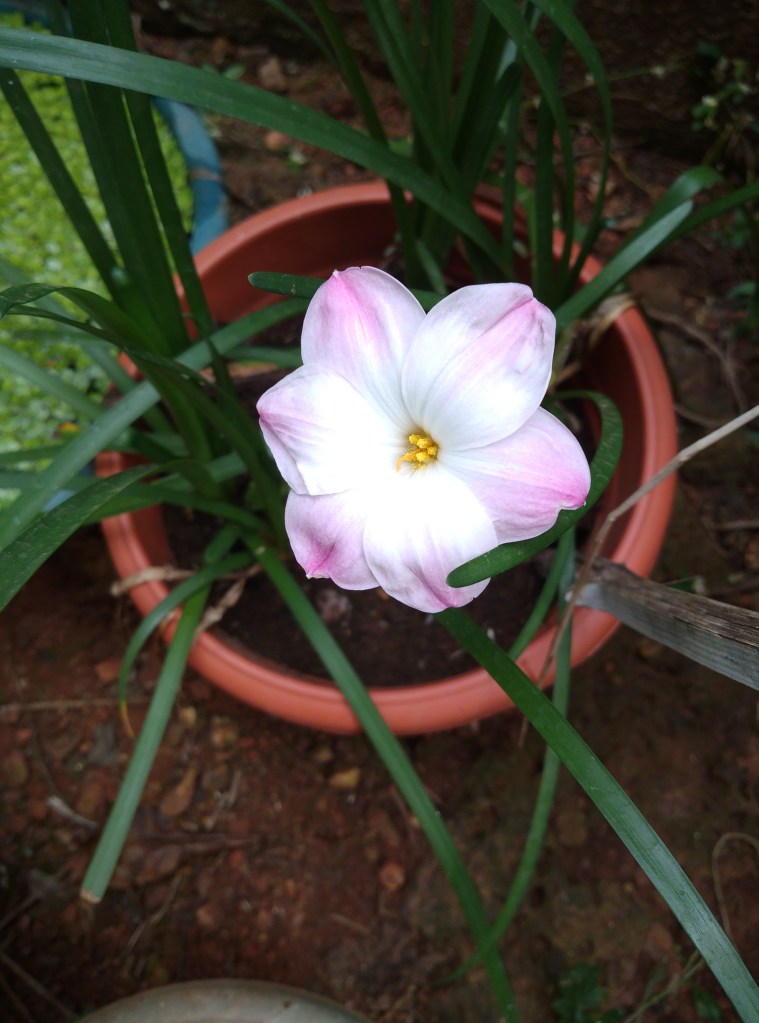
Rain lilies, with their ephemeral charm and vibrant hues, stand as nature’s poetic response to rainfall, adding an enchanting touch to gardens worldwide. Their effortless beauty, adaptability, and symbolic significance make them not just botanical marvels but also reminders of life’s fleeting yet beautiful moments.
Whether adorning landscapes with their subtle elegance or symbolizing the transient nature of existence, rain lilies enchant gardeners and nature enthusiasts alike. Embrace the fleeting beauty of rain lilies, and let them grace your garden with their ephemeral yet captivating presence.
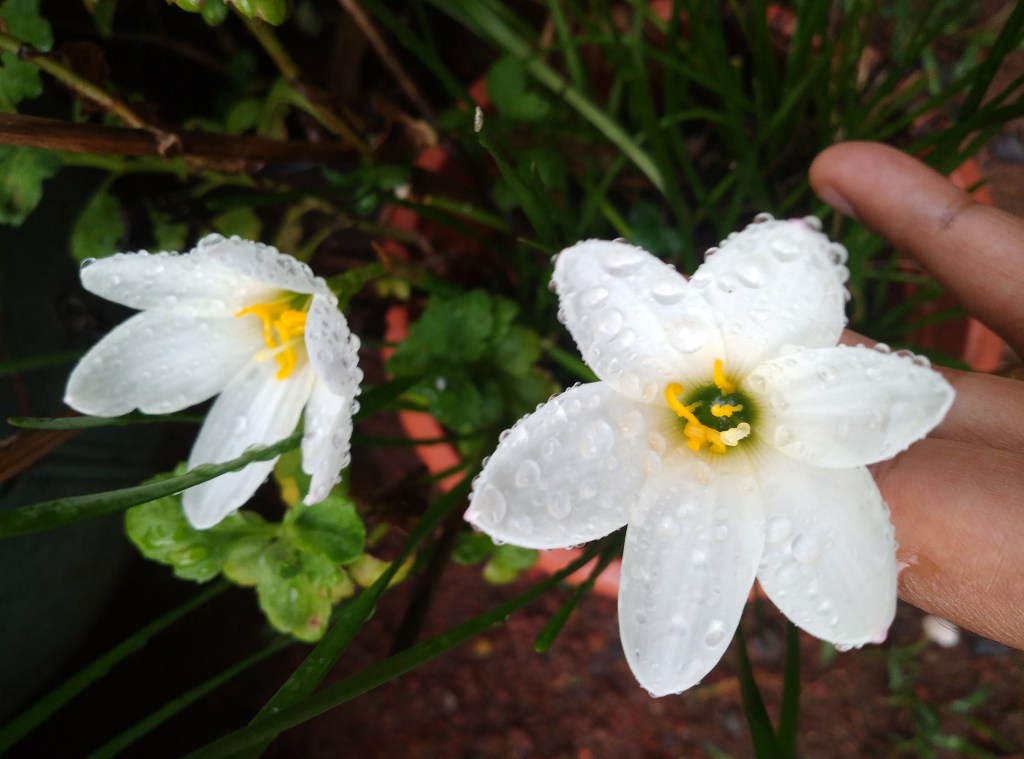
In a world shaped by impermanence, rain lilies stand as a testament to nature’s transient splendor, inviting us to revel in life’s fleeting moments and find beauty in every rainfall.
Their brief but breathtaking appearance serves as a reminder to cherish life’s transient joys and appreciate the ever-changing canvas of nature’s artistry. Discover the delicate allure of rain lilies and embrace their ephemeral beauty in your garden sanctuary.
Happy Gardening!
 ILoveGardening