Are you tired of constantly watering your garden and watching your plants wilt under the scorching sun? Well, we’ve got some good news for you! Creating a vibrant and lush garden doesn’t have to be a water-intensive chore. By choosing drought-tolerant plants, you can have a stunning garden that thrives even in the hottest and driest conditions. Let’s explore some fantastic options that will transform your outdoor space into a low-maintenance heaven.
Bougainvillea: Burst of Color Bougainvillea, with its vibrant hues, is a showstopper in any garden. These hardy plants are well-suited for India’s arid climate. Once they are established, they need very little watering. Their paper-like bracts come in various shades, bringing an explosion of color to your garden without demanding constant attention.
Succulents: Beauty in Diversity Succulents are all the rage in gardening and for a good reason. With an array of shapes and sizes, these water-storing plants thrive in summer dry spells. From the iconic aloe vera to the charming echeverias, succulents add texture and intrigue to your garden while needing only occasional watering.
Zinnias: Sun-Kissed Delight Zinnias are a go-to choose for those seeking a burst of color without the fuss. These cheerful flowers come in various warm shades and can handle India’s heat with grace. Zinnias are not picky about soil types and can bloom all season long, making them a perfect low-maintenance addition to your garden.
Curry Leaf Plant: Fragrant and Useful The curry leaf plant not only brings an aromatic touch to your garden but also holds culinary significance. These hardy plants thrive in hot climate and require infrequent watering once established. With proper care, they can flourish for years, providing you with a steady supply of fresh curry leaves.
Portulaca: Beauty in Simplicity If you’re looking for a plant that can withstand neglect and still thrive, portulaca is your answer. These colorful little blooms are drought-resistant and can tolerate poor soil conditions. Their low-growing nature makes them perfect for ground cover, adding a carpet of vibrant hues to your garden.
Agave: Majestic Elegance For a touch of desert beauty, consider planting agaves. These architectural wonders require very little water and can add a dramatic focal point to your garden. Their unique shapes and sizes create an eye-catching display that’s sure to impress.
Cacti: Endearing and Resilient No list of drought-tolerant plants would be complete without cacti. These iconic plants are built to withstand the toughest conditions. From prickly pears to barrel cacti, they come in various forms and sizes, adding a touch of the wild to your garden.
Aloe Vera: Nature’s Healer Aloe vera is not just a skincare gem; it’s a low-maintenance superstar. Its fleshy leaves store water, keeping it fresh even during India’s hottest days.
Vinca: Effortless Enchantment Vinca’s charming blooms thrive in the face of water scarcity. Their adaptability and resilience ensure a colorful garden all season long.
Snake Plant: Stylish and Sturdy Bring some contemporary flair with snake plants. Their striking vertical leaves and minimal water needs make them ideal for modern Indian gardens.
Sedum: Beauty in Simplicity Sedums come in various shades and shapes, adding elegance to your garden. These low-maintenance succulents can handle dry spells with ease.
Gazania: Sunshine on Display Gazanias open their vibrant petals to the sun, thriving in its warmth. These dazzling blooms require minimal care, giving you maximum beauty.
Oleander: Graceful and Stalwart Oleander’s beauty is matched by its ability to withstand dry conditions. This evergreen shrub adds a touch of elegance to your low-maintenance oasis.
Yucca: Drama and Durability Yuccas bring a touch of drama to your garden with their sword-like leaves. Their water-storing capabilities make them a perfect fit for Indian summers.
Dusty Miller: Silver Elegance Dusty Miller’s silver foliage is a standout in any garden. Its tolerance to dry conditions adds a touch of sophistication to your low-maintenance haven.
Incorporating drought-tolerant plants into your garden not only saves water but also reduces the need for constant maintenance. With the right choices, you can enjoy a lush and vibrant outdoor space that flourishes even in the driest spells. So, go ahead and transform your garden into a low-maintenance oasis of beauty and resilience.
Gardening isn’t just a spring and summer affair; it’s a year-round journey filled with possibilities and rewards. Whether you’re a seasoned gardener or a newbie with a green thumb yearning to flourish, this comprehensive guide will walk you through the ins and outs of seasonal gardening. From the vibrant blooms of spring to the cozy joys of winter, each season presents unique opportunities to nurture your garden and watch it thrive.
Winter Season:
Indian winters can be mild to cold, depending on the region. It’s a period of rest and renewal. The development rate of plants substantially slows down, and many go dormant throughout the winter, so they require extra care. Here are some tips to help you care for your plants during the winter:
Protect from Cold:
Cover tender plants with frost cloth or burlap during frosty nights to shield them from the cold.
Watering:
While plants require less water in winter, don’t let them dry out completely. Water deeply but less frequently to avoid waterlogged roots.
Sunlight:
Ensure that plants receive sufficient sunlight, as winter days can be shorter. Trim overgrown branches that might be blocking sunlight.
Pruning:
Prune your plants to remove dead or diseased branches. This encourages new growth in the spring.
Use Windbreaks:
For areas that experience cold winds, create windbreaks using cloth or screens to protect plants from windburn.
Reduce Fertilization:
Plants are usually in a state of dormancy during winter, so avoid heavy fertilization. Make only occasional use of a balanced, slow-release fertilizer.
Indoor Plants:
If you have potted plants, consider bringing sensitive ones indoors to protect them from the cold.
Plant Cover Crops:
If you have a vegetable garden, consider planting cover crops like mustard or clover to protect and enrich the soil during winter.
Taking care of your plants during the rainy season is all about finding that balance. While the extra water from the rain is great, it is crucial to take care of plants during the rainy season to ensure their healthy development, avoid water-related problems, and maintain ideal moisture levels. Here are some tips to help you care for your plants during the rainy season:
Ensure Proper Drainage:
To prevent waterlogging, make sure your pots and garden beds have proper drainage. Elevate pots on bricks or blocks to allow excess water to drain away.
Control Fungal Diseases:
Rainy seasons can lead to fungal growth. Apply preventive fungicides to your plants and avoid overwatering. Water indoor plants in the morning so that leaves have time to dry before evening.
Prune and Trim:
Remove any dead or diseased branches or leaves to discourage the growth of fungi and pests. Proper air circulation is important.
Pest Control:
Rain can bring out pests. Regularly inspect your plants for signs of infestations and treat them promptly with natural remedies or appropriate pesticides.
Avoid Overwatering:
While plants (indoor plants) need water, be cautious not to overwater them. Check the soil moisture before watering to prevent root rot.
Use Mulch:
Apply a layer of organic mulch around plants to prevent soil erosion, reduce splashing, and regulate soil temperature and moisture.
Summer Season
Caring for plants during the hot and often challenging summer season requires attention to watering, protection from intense sunlight, and overall plant health. Here’s a guide to help you care for your plants during the summer:
Watering:
Water deeply and less frequently to encourage plants to develop strong root systems. This helps them access water from deeper into the soil. Water early in the morning or late in the evening to minimize water loss due to evaporation. Avoid wetting the foliage to prevent fungal diseases. Water at the base of the plant. Monitor your plants’ water needs closely; the heat can cause them to dry out more quickly.
Mulching:
Apply a layer of organic mulch (such as straw, wood chips, or compost) around the base of your plants. This helps retain soil moisture, regulate soil temperature, and prevent weed growth.
Shade and Sun Protection:
Provide shade to delicate plants during the hottest part of the day, especially in regions with scorching temperatures. Use shade cloth, row covers, or plant taller plants to create natural shade.
Pruning:
Regularly prune dead or yellowing leaves to improve air circulation and prevent the growth of diseases. Trim back overgrown branches to promote better growth and shape.
Fertilization:
Use a balanced, slow-release fertilizer to provide essential nutrients to your plants. Avoid excessive fertilization, as it can kill the plants especially if you are using chemical fertilizer. To prevent excess heat, fertilize the plants in the evening after watering.
Potted Plants:
Potted plants can heat up quickly in the summer. Move them to a slightly shaded area to protect them from intense sunlight. Water potted plants more frequently since they tend to dry out faster than plants in the ground.
Heat-Tolerant Plants:
Opt for heat-tolerant and drought-resistant plant varieties that are better suited for the Indian summer. Succulents, cacti, adenium, and native plants are good options.
Pest Management:
Regularly inspect your plants for signs of pests and disease. The most frequent pests that attack plants in the summer are aphids and mealybugs. Use natural remedies or appropriate pesticides if necessary. Healthy plants are more resistant to pests and diseases, so maintaining proper care is essential.
Wind Protection:
Strong winds can increase water evaporation and stress on plants. Use windbreaks or plant taller plants as barriers to reduce wind impact.
Watering Techniques:
Use a soaker hose or drip irrigation system to water plants directly at the soil level. This minimizes water waste and avoids wetting foliage.
Consistent Care:
Consistency is key. Regularly care for your plants and observe their condition. Adjust your care routine based on their needs.
Shade-loving Plants:
If you have areas with limited sunlight, consider growing shade-loving plants to create a cooler and more comfortable environment.
By following these tips and tailoring them to the specific needs of your plants, you can help them thrive and survive the challenges posed by the hot summer.
Remember that the specific care required can vary depending on the types of plants you have and the microclimate of your region. Observing your plants closely and adjusting your care routine accordingly is key to successful gardening during each season.
Conclusion:
Embarking on a year-round journey of seasonal gardening is an enriching experience that connects you with the rhythm of nature. Each season brings its own magic, challenges, and rewards. By understanding the unique demands of each period and tailoring your efforts accordingly, you’ll cultivate a garden that’s not only a testament to your dedication but also a haven for nature’s beauty. So, roll up your sleeves, grab your gardening tools, and let the enchanting cycle of seasonal gardening begin!
In the world of gardening, there’s a clever technique that goes beyond just planting seeds and hoping for the best. It’s called companion planting, a practice that involves strategically pairing certain plants together to maximize growth, improve pest control, and enhance overall yields. This time-tested approach to gardening combines science with nature’s intricate relationships, resulting in bountiful harvests and healthier plants. Not only does it maximize space, but it also promotes healthier growth and reduces the need for harmful chemicals. In this article, we’ll explore the art and science of companion planting and how you can harness its benefits for your own garden.
The Basics of Companion Planting
Companion planting is more than just arranging plants haphazardly; it’s about understanding the synergies between different plant species. Certain plants have the ability to complement each other in various ways, such as enhancing soil fertility, deterring pests, or providing structural support. For instance, the “Three Sisters” method, practiced by Native American tribes for centuries, involves planting corn, beans, and squash together. The corn provides sturdy support for the climbing beans, while the squash’s broad leaves suppress weeds and conserve soil moisture.
Maximizing Nutrient Utilization
Companion planting can significantly improve soil health and nutrient availability. Nitrogen-fixing plants, like legumes (beans, peas), work in harmony with nitrogen-hungry crops such as leafy greens or corn. The legumes draw nitrogen from the air and convert it into a form that other plants can utilize, promoting better overall growth and reducing the need for synthetic fertilizers.
Natural Pest Management
One of the remarkable benefits of companion planting is its role in pest management. Nature has its own way of protecting plants, and companion planting taps into this wisdom. Some plant pairings can repel pests through natural mechanisms, reducing the need for chemical interventions. For instance, marigolds emit a scent that deters many garden pests, making them excellent companions for tomatoes and peppers. Its fragrance also attracts beneficial insects, creating a balanced ecosystem in your garden.
Herbs are flavorful additions to your cooking and can also be excellent companions for other plants. Intercropping aromatic herbs like basil or rosemary among vegetable crops can also confuse and repel insects that would otherwise target your main crops. Basil, for instance, enhances the growth and flavor of tomatoes. Its aromatic leaves ward off pests like aphids and mosquitoes, making it a dual-purpose companion.
Other examples include dill which eats small pests such as aphids and spider mites and also attracts ladybugs.
Sage is effective for warding off carrot flies.
The strong fragrance of garlic keeps many insects away. Plant alyssum and garlic to attract aphid-eating hoverflies between rows of potatoes, alongside lettuce and cabbage, and close to fruit trees.
Onions guard against cutworms and borers. Pests become confused by their fragrance.
Marigolds are beneficial for onions because their aroma prevents onion maggot flies from laying eggs.
Root Buddies
Underground, unseen, yet crucial to plant health – roots play a significant role. Carrots and onions are classic examples of root buddies. Onions help deter pests that often trouble carrots, while carrots release compounds that suppress weeds around onions. It’s a win-win situation beneath the soil!
Enhancing Pollination
Companion planting isn’t just about keeping pests away; it can also attract beneficial insects like bees and butterflies. These pollinators play a crucial role in fertilizing flowers, which leads to fruit production. Plants like lavender, sunflowers, and borage can serve as attractive nectar sources for these essential garden helpers, boosting the overall productivity of your garden.
You can combine sweet peas with runner beans; calendula with summer squash; and cosmos with cucumbers to enhance pollination.
Space Optimization
In smaller garden spaces, companion planting can be a game-changer. By choosing plant pairings that grow vertically or occupy different layers of the soil, you can make the most of your limited area. For example, vining crops like cucumbers can be trained to grow up trellises, freeing up ground space for shorter plants like radishes or lettuces. Onions and carrots don’t require a lot of room below ground, and they require even less above ground. They can be placed between any variety of plants, including kale, cabbage, broccoli, and peppers.
Complementary Aromas and Growth Patterns
Another fascinating aspect of companion planting is the interaction between plants’ aromas and growth patterns. Some scents can mask the attractive smell of neighboring crops, deterring pests that rely on scent to locate their targets. Planting nasturtiums near cucumbers, for instance, provides a two-fold benefit. Nasturtiums act as a sacrificial plant, attracting aphids away from the cucumbers. Additionally, their vining nature allows them to create a living ground cover that conserves moisture and suppresses weeds.
Additionally, tall plants can provide shade for heat-sensitive crops, while low-growing plants can act as living mulches, conserving soil moisture and preventing weed growth. Imagine tall sunflowers standing sentinel over delicate lettuce – this is a prime example of a tall and low companion planting strategy. The sunflower provides shade to the lettuce, protecting it from excessive heat and maintaining soil moisture. In return, the low lettuce act as a living mulch, keeping the soil cool and conserving water.
Conclusion
Companion planting is a remarkable gardening technique that blends ecological understanding with practical benefits. It’s like orchestrating a symphony in your garden, where each plant plays a unique role in the harmony of growth. From the classic Three Sisters technique to herb heroes and pest-repelling partnerships, these examples showcase the endless possibilities of plant cooperation. By thoughtfully selecting plant combinations based on their complementary traits, you can create a harmonious and productive garden that requires fewer chemical interventions, encourages pollination, and maximizes space utilization. By embracing these techniques, you not only create a thriving garden but also nurture an environment where plants support and protect one another naturally. Whether you’re an experienced gardener or just starting out, experimenting with companion planting can lead to more abundant and vibrant yields while fostering a deeper appreciation for the intricate connections within the natural world. So, why not give it a try and let your garden thrive through the magic of smart plant pairings?
Gardening is not only a fulfilling hobby but also a way to connect with nature and beautify your surroundings. To embark on a successful gardening journey, having the right tools is essential. In this article, we’ll delve into a variety of gardening tools that are not only vital for maintaining a vibrant garden but also contribute to a more sustainable and eco-friendly lifestyle.
Gardening tools play a crucial role in the success and efficiency of gardening activities. They are essential for various tasks involved in cultivating, nurturing, and maintaining plants. Here are some key reasons highlighting the importance of gardening tools in gardening:
Efficiency and Productivity: Gardening tools help save time and effort by streamlining tasks. With the right tools, you can complete tasks like digging, planting, pruning, and weeding more quickly and efficiently, allowing you to accomplish more in your garden.
Precision: Different gardening tasks require different levels of precision. Tools like pruners, shears, and hand trowels enable you to make accurate cuts and plant placements, promoting healthy growth and aesthetics.
Plant Health: Properly maintained tools contribute to plant health. Pruning shears, for example, ensure clean cuts that minimize damage, reducing the risk of infections. Tools also allow you to remove dead or diseased plant material promptly, preventing the spread of problems.
Weed and Pest Control: Gardening tools like weeders and cultivators help control weeds that compete with your plants for nutrients and water. They allow you to target weeds at the root, preventing regrowth. Additionally, certain tools aid in pest management by facilitating the removal of affected plant parts.
Soil Care: Tools like rakes and shovels enable you to cultivate and prepare the soil for planting. They help in creating an optimal environment for plant growth by loosening soil, improving drainage, and promoting root penetration.
Planting and Transplanting: Tools like hand trowels, shovels, and transplanters ensure proper placement of plants in the soil. This helps minimize root damage and stress during transplanting, which is crucial for the successful establishment of new plants.
Harvesting: Tools like pruners, shears, and harvesting knives are vital for collecting fruits, vegetables, flowers, and herbs at the right stage of ripeness. Proper harvesting techniques and tools preserve plant health and yield.
Aesthetics: Landscaping and ornamental gardening rely heavily on tools for shaping hedges, creating clean edges, and arranging plants in visually appealing ways. Tools like hedge trimmers and edging tools contribute to the overall beauty of the garden.
Safety: Gardening tools provide protection for the gardener. Gloves shield hands from thorns and dirt, while tools like knee pads or garden kneelers help prevent discomfort and injury while working close to the ground.
Sustainability: By using the appropriate tools, you can minimize soil compaction, water wastage, and plant damage, promoting sustainable gardening practices. Proper tool maintenance also prolongs their lifespan, reducing the need for frequent replacements.
Enjoyment: Well-maintained tools make gardening more enjoyable. When you have the right tools at your disposal, you can focus on the creative and fulfilling aspects of gardening rather than struggling with inefficient or inadequate equipment.
Types Of Gardening Tools
Transplanting and Spade Hand Trowel
These small yet indispensable tools are perfect for planting, transplanting, and digging small holes for your seeds or plants. Hand trowels are especially handy for container gardening and raised beds while transplanting spades help you move larger plants with minimal root disturbance.
Pruners and Loppers
Pruning is essential for maintaining healthy plants and encouraging growth. Pruners are ideal for trimming smaller branches and stems, while loppers come in handy for larger branches. Regular pruning not only helps shape plants but also prevents disease and encourages the development of flowers and fruits.
Garden Fork
A sturdy garden fork is a versatile tool used for loosening and turning soil. It’s invaluable for preparing garden beds, breaking up compacted soil, and mixing compost or other amendments. Look for a fork with durable tines to make your soil work more efficient.
Hoe
The hoe is a time-tested tool for weeding and cultivating soil. It helps you remove weeds without damaging your crops and breaks up soil crust to enhance water penetration. There are different types of hoes, such as the traditional hoe, scuffle hoe, and loop hoe, each designed for specific tasks.
Watering Can or Hose
Proper watering is crucial for plant health. A watering can is great for small gardens and container plants, while a garden hose with a spray nozzle is perfect for larger areas. Consider using a soaker hose or drip irrigation system for more efficient water distribution, reducing wastage.
6. Shovel
A sturdy shovel is a must-have for tasks such as digging large holes, turning soil, and planting trees or shrubs. Choose one with a comfortable handle and a strong blade for optimal performance.
7.Wheelbarrow or Garden Cart
Moving heavy materials, such as soil, compost, and mulch, becomes a breeze with a wheelbarrow or garden cart. These tools save you time and effort, making it easier to transport supplies across your garden.
8.Garden Gloves
Protect your hands from thorns, prickles, and dirt with a sturdy pair of garden gloves. Choose gloves that offer both comfort and protection, allowing you to work for extended periods without discomfort.
9.Rake
A rake is essential for leveling soil, spreading mulch, and clearing debris from your garden. Additionally, a leaf rake can help keep your lawn tidy by collecting fallen leaves during the autumn season.
10. Cultivator
A cultivator is designed to break up compacted soil, aerate the ground, and mix in soil amendments. It’s particularly useful for preparing soil for planting and improving soil structure.
11. Garden Kneeler
Gardening can be tough on your knees and back. A garden kneeler provides cushioning and support while you work close to the ground, reducing strain and discomfort.
Conclusion
Equipping yourself with the right gardening tools is a fundamental step towards cultivating a thriving garden. Each tool serves a specific purpose, helping you plant, maintain, and nourish your plants effectively. By using these gardening tools in a sustainable and eco-friendly manner, you’ll not only create a beautiful garden but also contribute positively to the environment. So, roll up your sleeves, grab your tools, and let your gardening journey begin!
In the world of gardening, there’s something magical about aromatic flowering plants. Their captivating scents have the power to elevate the entire garden experience, enticing not only your visual senses but also your olfactory senses. From delicate blooms to robust blossoms, these plants not only add beauty but also infuse the air with delightful fragrances. In this article, we’ll explore 15 aromatic flowering plants that can turn your garden into a sensory paradise.
1.Lavender (Lavandula spp.)
Lavender is a delightful and versatile herb cherished for its aromatic beauty and therapeutic qualities. With its signature slender stems and clusters of fragrant, purple-hued blossoms, lavender adds a touch of elegance to gardens and landscapes. Beyond its visual appeal, this herb is renowned for its calming and relaxing properties, often used in essential oils, sachets, and scented products. Whether enjoyed in a cup of soothing herbal tea or as an essential oil in aromatherapy, lavender’s gentle fragrance has a way of transporting us to a serene state of mind.
2.Rose (Rosa spp.)
Roses are not only symbols of love but also sources of amazing scents and graces gardens with their timeless charm. With a wide range of colors and fragrances, these exquisite flowers have captured hearts for generations. Beyond their romantic appeal, roses have a rich history in herbal medicine and cosmetics due to their potential skin-soothing and rejuvenating properties. Whether adorning trellises or adorning bouquets, Rose’s delicate petals symbolize both aesthetic grace and a connection to centuries of human emotion and creativity.
3.Jasmine (Jasminum spp.)
Jasmine (Jasminum spp.) is a fragrant marvel that enchants with its alluring aroma and delicate blossoms. The starry, white, or yellow flowers of this vine release a captivating scent that often perfumes the air during warm evenings. Renowned for its use in perfumery and aromatherapy, Jasmine’s essential oil is cherished for its potential to alleviate stress and evoke a sense of tranquility. Whether adorning gardens or finding its way into scented oils, Jasmine’s elegant presence brings a touch of exotic beauty and a calming aura to the world around us. It’s a popular choice for trellises and arches.
4.Gardenia (Gardenia spp.)
Gardenia (Gardenia spp.), a symbol of purity and grace, is a captivating flowering plant that adorns gardens with its creamy white blossoms. Known for its intoxicating fragrance, these blossoms infuse the air with a sweet and enchanting scent, making them a favorite choice for perfumes and scented candles. The glossy, dark green leaves provide a lush backdrop to the striking flowers, creating a visually pleasing display. Often associated with elegance and refinement, Gardenia’s presence in gardens and floral arrangements brings a touch of sophistication and natural beauty to any setting.
5.Scented Geranium (Pelargonium spp.)
Scented Geranium (Pelargonium spp.) is a delightful herb that tantalizes the senses with its diverse array of fragrances, ranging from citrusy to spicy and even minty. With its textured leaves and vibrant blooms, it’s both visually appealing and aromatic. These aromatic plants have been treasured for their essential oils, which are often used in perfumes, culinary creations, and natural remedies. Whether gracing windowsills or garden beds, Scented Geraniums bring an extra layer of sensory enjoyment to green spaces, making them a favorite among plant enthusiasts seeking both beauty and captivating scents.
6.Sweet Alyssum (Lobularia maritima)
Sweet Alyssum (Lobularia maritima) is a dainty yet enchanting flowering plant that carpets gardens with a soft, fragrant embrace. Its clusters of tiny, delicate blossoms come in various shades of white, pink, and purple, creating a charming mosaic of color. Beyond its visual allure, Sweet Alyssum releases a sweet and honey-like fragrance that lingers in the air, attracting pollinators like bees and butterflies. Often used as a ground cover or border plant, its low-growing habit adds a touch of whimsy and elegance to garden landscapes. This little gem proves that beauty and scent can come together to create a truly captivating garden experience.
7.Honeysuckle (Lonicera spp.)
Honeysuckle (Lonicera spp.) is a fragrant marvel that weaves its way into our hearts with its sweet and nostalgic aroma. Its trumpet-shaped, colorful flowers range from creamy whites to vibrant oranges and pinks, adorning fences, arbors, and trellises in a cascade of natural beauty. With a scent that perfumes the air, Honeysuckle attracts hummingbirds and butterflies, adding life and movement to any garden. This vining plant embodies a sense of enchantment and charm, reminding us of carefree summer days and the simple pleasures of nature’s embrace.
8. Peony (Paeonia spp.)
Peony (Paeonia spp.) is a regal and captivating flowering plant that commands attention with its lavish, voluminous blooms. Available in an array of mesmerizing colors, from soft pinks to deep reds and pristine whites, peonies add a touch of elegance to gardens and bouquets alike. Their intoxicating fragrance and layers of delicate petals create an aura of romance and beauty. These perennial favorites thrive in spring, casting a spell of enchantment with their short-lived yet dazzling floral display. Peonies stand as a symbol of grace and abundance, making them a cherished emblem of nature’s splendor.
9. Ginger Lily (Hedychium spp.)
Ginger Lily (Hedychium spp.) is a tropical delight that brings a touch of exotic elegance to gardens. With its tall, graceful stems and showy, fragrant flowers, this plant captivates both the eyes and the senses. The blossoms, often in hues of white, yellow, or pink, release a subtle yet enticing aroma that adds to their allure. Ginger Lily’s lush foliage and unique inflorescence make it a standout feature in landscapes, evoking a sense of tropical paradise. Its ability to thrive in warm climates and its striking appearance make Ginger Lily a beloved choice for those seeking to infuse their gardens with a hint of the tropics.
10.Lilac (Syringa spp.)
Lilac (Syringa spp.) is a timeless emblem of spring’s beauty, heralding the arrival of warmer days with its clusters of fragrant, pastel-colored blossoms. Its sweet and nostalgic aroma fills the air, evoking memories of gardens in full bloom. With varieties ranging from pure whites to rich purples, lilacs offer a range of hues that paint landscapes with their enchanting palette. These shrubs, often found in gardens and along pathways, are not just a visual treat but also a sensory journey into the wonders of nature’s fragrant symphony. Lilacs embody the fleeting yet cherished essence of spring, making them a perennial favorite among flower enthusiasts.
11.Heliotrope (Heliotropium arborescens)
Heliotrope (Heliotropium arborescens) is a charming and fragrant flower that adds a touch of old-world elegance to gardens. With its clusters of small, vibrant blossoms in shades of purple, blue, or white, it creates a captivating mosaic of color. The distinct feature of heliotrope is its sweet, vanilla-like scent that wafts through the air, inviting bees and butterflies to partake in its nectar. Often used in Victorian-era gardens and still cherished today, this flower’s alluring fragrance and delicate beauty make it a delightful addition to landscapes, creating a sensory haven for both humans and pollinators alike.
12.Mock Orange (Philadelphus spp.)
Mock Orange (Philadelphus spp.) is a fragrant shrub that graces gardens with its delicate white blossoms, reminiscent of orange blossoms in appearance and scent. Its clusters of flowers release a sweet and citrusy fragrance that fills the air, evoking a sense of summer nostalgia. Despite its name, Mock Orange is not related to citrus trees but captures the essence of their aroma beautifully. This versatile shrub offers not only visual beauty but also a sensory experience that transports us to sun-soaked gardens and tranquil outdoor moments.
13.Tuberose (Polianthes tuberosa)
Tuberose (Polianthes tuberosa) is a captivating flowering plant that enchants it with its intense and seductive fragrance. Its elegant, white blossoms cluster on tall stems, creating a stunning visual impact. Renowned for its use in perfumery, Tuberose’s scent is both floral and slightly spicy, making it a prized ingredient in luxurious scents. Cultivated for centuries, this plant’s allure extends beyond its appearance, as its intoxicating aroma has the power to transport us to exotic gardens and evoke emotions of passion and romance.
14.Dianthus (Dianthus spp.)
Dianthus (Dianthus spp.), often called “pinks” or “carnations,” is a charming and versatile group of flowers that brings a burst of color and texture to gardens. With its delicate petals and vibrant hues ranging from soft pinks to rich reds and whites, Dianthus adds a touch of elegance to any landscape. Beyond its visual appeal, these blooms often emit a sweet and spicy fragrance that enhances their charm. Whether used as border plants, in rock gardens, or as cut flowers, Dianthus plants offer a timeless beauty that captivates the senses and brings a touch of nature’s grace to our surroundings.
15.Sweet Pea (Lathyrus odoratus)
Sweet Pea (Lathyrus odoratus) Sweet Pea is a beautiful flowering plant known for its charming and fragrant blossoms. Available in a myriad of shades, from soft pastels to vibrant hues, its ruffled petals create a visual symphony of color. The true magic, however, lies in its sweet, nostalgic aroma that evokes memories of sun-drenched afternoons. Whether climbing trellises or adorning bouquets, Sweet Pea’s presence adds a touch of vintage charm and a delightful sensory experience to outdoor spaces. This old-fashioned favorite continues to capture hearts with its enduring beauty and delicate scent.
Conclusion
Creating a garden that appeals to multiple senses can be a fulfilling endeavor. Incorporating aromatic flowering plants not only adds visual appeal but also transforms your outdoor space into a haven of delightful scents. Whether you’re seeking relaxation, romance, or simply a refreshing ambiance, these 15 aromatic flowering plants can help you achieve a garden that’s a true sensory masterpiece. So, roll up your sleeves, dig into the soil, and let nature’s fragrant wonders captivate your senses.
Aquatic gardening, a captivating blend of nature and artistry, has taken the world by storm. This serene and visually stunning practice allows enthusiasts to create living masterpieces that thrive beneath the surface of the water. From tranquil koi ponds to vibrant water lily landscapes, aquatic gardening offers a captivating escape into a world where plants and aquatic life coexist harmoniously. In this article, we delve into the enchanting realm of aquatic gardening, exploring its benefits, essential elements, and practical tips for creating your own aquatic heaven.
The Allure of Aquatic Gardening:
Aquatic gardening brings a unique blend of aesthetics, tranquility, and environmental impact. The sight and sound of water gently flowing through lush aquatic plants evoke a sense of calm and serenity, making it a popular choice for both outdoor and indoor spaces. This practice not only enhances the visual appeal of a space but also contributes to ecological balance by providing habitats for various aquatic creatures.
Essential Elements of Aquatic Gardening:
Aquatic Plants: The foundation of any aquatic garden, these plants come in various forms, from submerged to emergent, and each plays a crucial role in maintaining water quality and providing shelter for aquatic organisms.
Water Features: Ponds, streams, and fountains are the heart of aquatic gardens. They provide the necessary water flow, aeration, and circulation essential for the health of both plants and aquatic life.
Fish and Wildlife: Koi, goldfish, guppy, molly and other ornamental fish not only add vibrant colors but also help maintain a balanced ecosystem by consuming algae and insects. Frogs, dragonflies, and water insects are also attracted to these environments.
Hardscaping: Rocks, pebbles, and aquatic-safe ornaments add texture and contrast to your aquatic garden. They provide hiding places for fish and can be strategically placed to guide water flow.
Artificial fountains/pumps: Artificial water pumps are great for landscape decorations and are simple to install and maintain.
Creating Your Aquatic Garden:
Choosing the Right Plants: Research and select aquatic plants suitable for your climate and the size of your water feature. Consider a mix of submerged, floating, and emergent plants for a diverse and balanced ecosystem. When designing an indoor aquatic garden, take into account the plants that need less sunlight. There are numerous possibilities if you grow outdoors.
Design with Balance in Mind: Plan the layout of your garden to achieve a harmonious balance between water and plants. Create different depths within your pond or water feature to accommodate various types of aquatic vegetation.
Water Quality Management: Regularly test and maintain water quality through proper filtration, circulation, and aeration systems. Adequate water quality is essential for the health of both your plants and aquatic inhabitants.
Fish Care: If you opt for ornamental fish, ensure their well-being by providing proper nutrition, monitoring water temperature, and maintaining a suitable environment.
Maintenance Routine: Regularly remove debris, prune overgrown plants, and manage algae to keep your aquatic garden looking pristine. Seasonal maintenance tasks, such as winterizing plants, are also essential.
Types Of Aquatic Plants
There is a wide variety of aquatic plants that can be grown in aquatic gardening setups. Here are some common types of aquatic plants that are popular in aquatic gardening:
Water Lilies (Nymphaea spp.): Water lilies are iconic aquatic plants known for their floating leaves and beautiful flowers. They come in various colors and sizes, and they provide shade and visual appeal to ponds and water gardens.They are classified into 3 main categories:
Tropical : are heavy bloomer but go into dormancy in winter
Hardy: have big blooms compared to tropical but frequency of blooms is less. They don’t go into dormancy and bloom all season.
ISG: These are cross hybrid between tropical and hardy, so they give heavy bloomer like tropical, and the flower size is big as hardy.
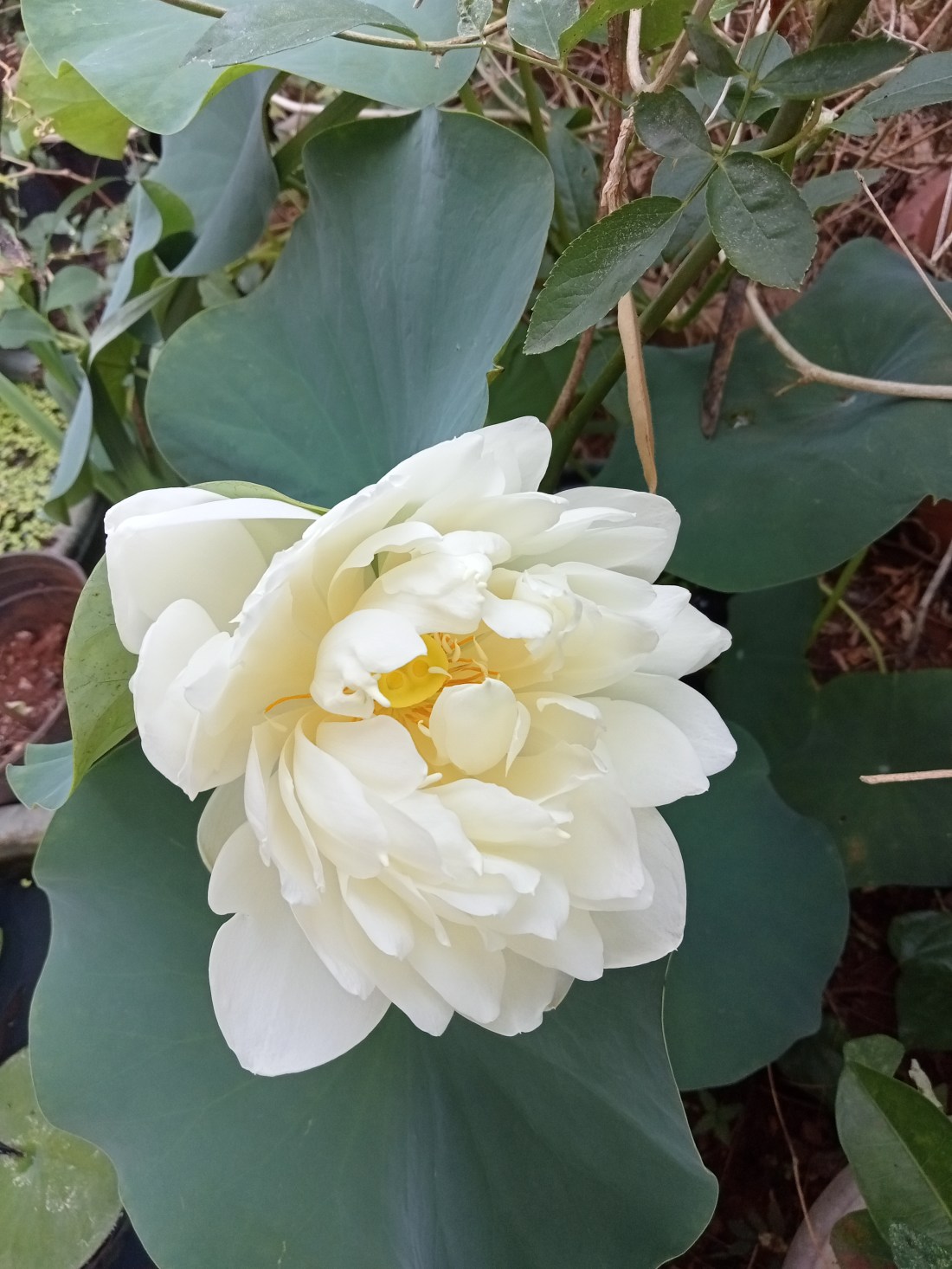
Lotus (Nelumbo spp.): Similar to water lilies, but lotus plants have large, round and aerial leaves and stunning flowers. Flower size is also big. They are often grown in deeper water and are prized for their cultural significance in various cultures. Like water lilies they are also classified as tropical and hardy.
Marginal Plants: These plants thrive at the edges of water bodies, with their roots submerged and their foliage above the waterline. Examples include cattails, irises, rushes, and various ornamental grasses.
Floating Plants: Floating plants are ideal for controlling algae growth by shading the water’s surface. They also provide cover for aquatic animals. Popular choices include water hyacinth, water lettuce, mosaic plant, duckweed, and azolla.
Submerged Plants (Oxygenators): Submerged plants help maintain water quality by oxygenating the water and absorbing excess nutrients. Common choices include anacharis, hornwort, and various species of pondweed.
Bog Plants: Bog plants are suited for planting in wet areas around the pond’s perimeter or in bog filters. They include plants like marsh marigold, pennywort, pitcher plants, water bamboo, and astilbe.
Bulbs and Rhizomes: Some aquatic plants grow from bulbs or rhizomes. Examples include water canna, water hawthorn (Aponogeton spp.), japonica and various water lily and lotus varieties.
Submerged Aquatic Plants for Aquariums: In aquariums, aquatic gardening includes a variety of submerged plants that provide both aesthetic appeal and improved water quality. Plants like java moss, anubias, Vallisneria, and crypts are commonly used.
Aquatic Mosses: Mosses, such as Christmas moss and Java moss, can be attached to hardscape or allowed to float freely in the water. They create natural, textured environments in aquariums and terrariums.
Paludarium and Riparium Plants: These setups combine aquatic and terrestrial planting areas. Plants like pothos, ferns, and philodendrons are used in these designs to bridge the gap between water and land.
When selecting aquatic plants for your aquatic gardening project, consider factors like the water’s depth, sunlight exposure, temperature, and the specific needs of the plants. A well-balanced combination of different types of aquatic plants can create a visually appealing and ecologically balanced water garden or aquarium.
Conclusion:
Aquatic gardening is a captivating journey that marries the beauty of nature with the creative expression of human design. It allows enthusiasts to establish breathtaking aquatic landscapes that not only soothe the senses but also foster a balanced ecosystem. By understanding the essential elements and following practical tips, you can embark on a rewarding journey to create your own aquatic oasis, where the interplay of water, plants, and life forms paints a canvas of tranquility and natural splendor. Dive into the world of aquatic gardening and unlock the serenity that water and nature combined can bring.
Container gardening has emerged as a popular and practical gardening solution for urban dwellers and anyone with limited outdoor space. This horticultural trend allows people to cultivate a wide array of plants and vegetables without the need for a large garden plot. Whether you have a tiny balcony, a small patio, or just a windowsill, container gardening offers a green oasis where you can experience the joys of nurturing and enjoying plants first-hand. This thorough manual will delve into the realm of container gardening, offering tips, techniques, and inspiration for creating a thriving mini garden in a confined space.
1.Choose the Right Containers
The foundation of successful container gardening lies in selecting the appropriate containers. Consider the following factors when choosing your pots or planters:
a. Size: Larger containers generally provide better growing conditions since they hold more soil and water, allowing plants to develop robust root systems.
b. Material: Containers come in various materials, including terracotta, plastic, metal, and ceramic. Each material has its pros and cons in terms of water retention, weight, and durability.
c. Drainage: Ensure that your containers have drainage holes to prevent waterlogging, which can lead to root rot.
2.Selecting the Ideal Plants
The key to a flourishing container garden is choosing plants that thrive in confined spaces. Consider the following plant categories:
a. Dwarf Varieties: Look for compact varieties of vegetables, fruits, and ornamental plants, which are bred specifically for container gardening.
b. Herbs: Culinary herbs like basil, mint, rosemary, and thyme are well-suited for containers and can add delightful flavours to your cooking.
c. Flowers: Opt for colorful blooms like pansies, petunias, marigolds, and geraniums, which add a vibrant touch to your outdoor space.
3.Potting Mix and Fertilizers
Choosing the right potting mix is crucial for container gardening success. Regular garden soil is not suitable since it may compact and impede root growth. Instead, use a high-quality potting mix that provides proper aeration and drainage.
Furthermore, container plants require a consistent supply of nutrients since they quickly deplete the soil. Supplement your garden with organic fertilizers or slow-release granules to ensure steady growth and blooming.
4.Sunlight and Watering
Understanding the sunlight and watering requirements of your plants is essential. Pay close attention to the following factors:
a. Sun Exposure: Position your containers strategically to receive the optimal amount of sunlight, which varies for different plant species.
b. Watering: Container plants typically need more frequent watering than those grown in the ground. Check the soil regularly and water when the top inch becomes dry, ensuring you don’t overwater, which can lead to root issues.
5.Container Garden Design and Layout
Create an attractive and harmonious container garden by considering the layout and design:
a. Vertical Gardening: Utilize wall-mounted planters or hanging baskets to maximize space and add a vertical dimension to your garden.
b. Color Combinations: Choose plants with complementary colours to create eye-catching displays. c. Thrillers, Fillers, and Spillers: Arrange your containers with a focal point plant (thriller), surrounding filler plants, and trailing plants (spillers) to add visual interest.
6.Pest and Disease Management
Container gardens are not immune to pests and diseases. Implement preventive measures like regular inspection, cleaning, and removing debris to reduce the risk of infestations. Consider using natural pest repellents and organic fungicides to protect your plants without harmful chemicals.
7.Maintenance and Pruning
Pruning is essential for maintaining the health and shape of your container plants. Regularly remove dead flowers and leaves to encourage new growth and prolong blooming periods. Additionally, trim back overgrown plants to keep them in check.
Conclusion
Container gardening offers a delightful and rewarding way to connect with nature, regardless of your living situation. By choosing the right containers, plants, and potting mix, and understanding the basics of sunlight, watering, and maintenance, you can create a flourishing and beautiful mini-garden in even the tiniest spaces. Embrace the joy of container gardening and unlock the full potential of your limited outdoor areas, as you experience the wonders of nature first-hand, right at your doorstep. Happy gardening!
Incorporating lucky plants into your living space not only adds a touch of natural beauty but also invites positive energy and good fortune. Throughout history, cultures around the world have revered certain plants for their symbolism of luck, prosperity, and well-being. In this article, we’ll explore 15 lucky plants that can infuse your home with positivity and create a serene environment that nurtures both your physical and mental well-being.
1. Money Tree (Pachira aquatica)
The Money Tree, with its distinct braided trunk and lush green leaves, is believed to attract wealth and prosperity. Place it in the wealth corner of your home or office to harness its luck-bringing properties.
2. Jade Plant (Crassula ovata)
A symbol of good luck and friendship, the Jade Plant is easy to care for and thrives in a sunny spot. Its round, coin-shaped leaves are thought to attract wealth and success.
3. Lucky Bamboo (Dracaena sanderiana)
An emblem of harmony and luck, Lucky Bamboo is often gifted in sets to enhance positive energy. Placing it in a clear container with water and stones is said to bring good fortune.
4. Four-Leaf Clover (Oxalis tetraphylla)
The rarity of finding a four-leaf clover has cemented its status as a universal symbol of luck. Planting these clovers in your garden connects you to nature’s fortune.
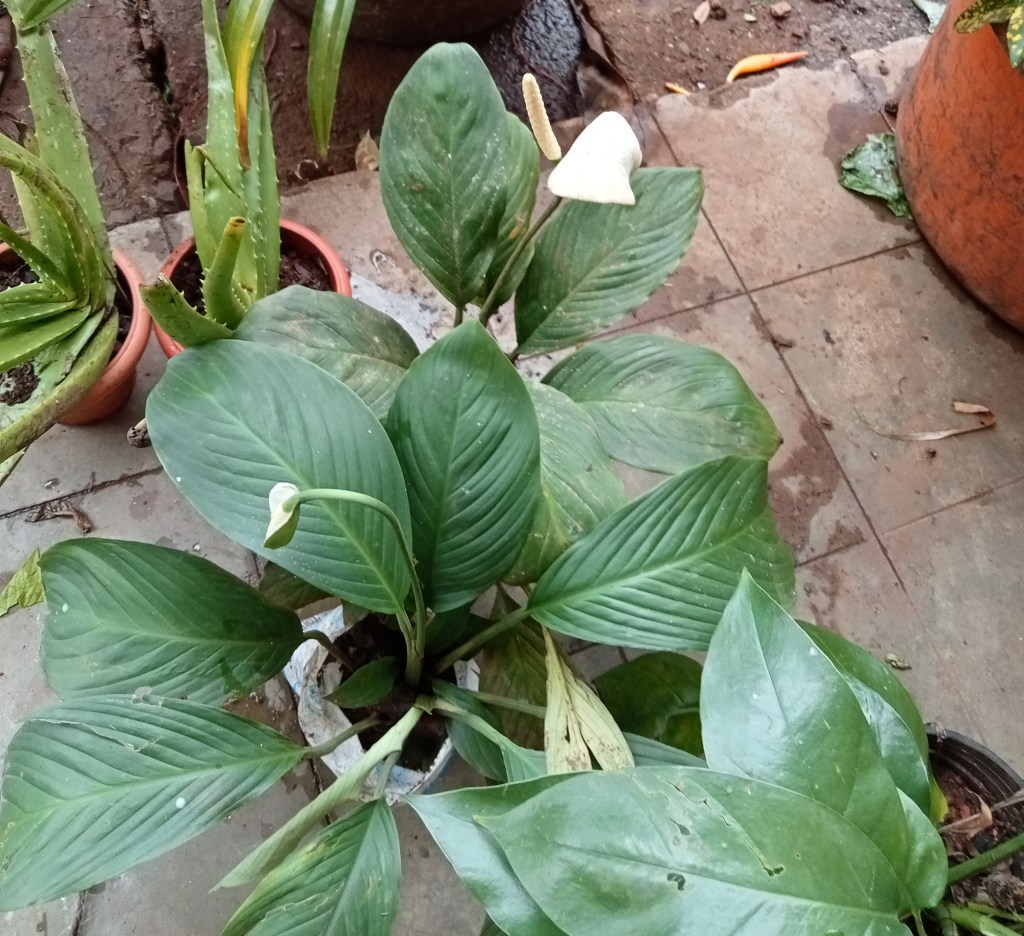
5. Peace Lily (Spathiphyllum)
In addition to purifying the air, Peace Lilies are believed to bring tranquillity and positivity to any space. Their white blooms symbolize purity and renewal.
6. Horseshoe Fern (Asparagus setaceus)
Shaped like a horseshoe, this fern is considered lucky and protective. Hang it in your home to shield against negative energy and encourage positive vibes.
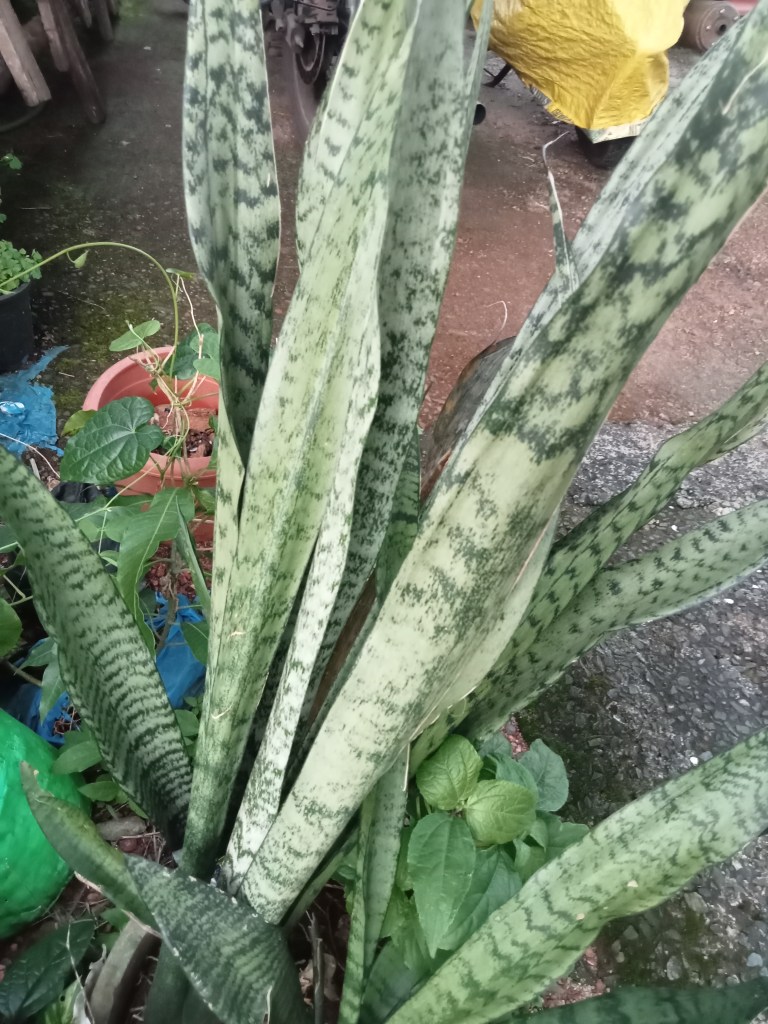
7. Snake Plant (Sansevieria trifasciata)
Renowned for its air-purifying abilities, the Snake Plant is also thought to absorb bad luck and promote good energy, making it an excellent choice for indoor spaces.
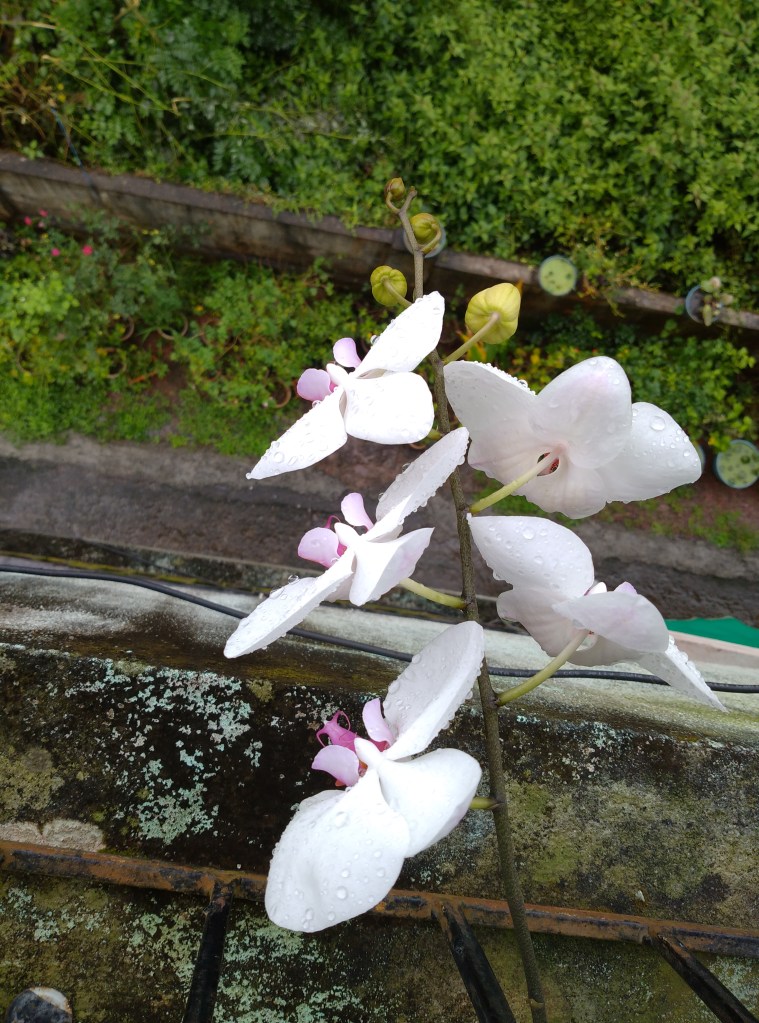
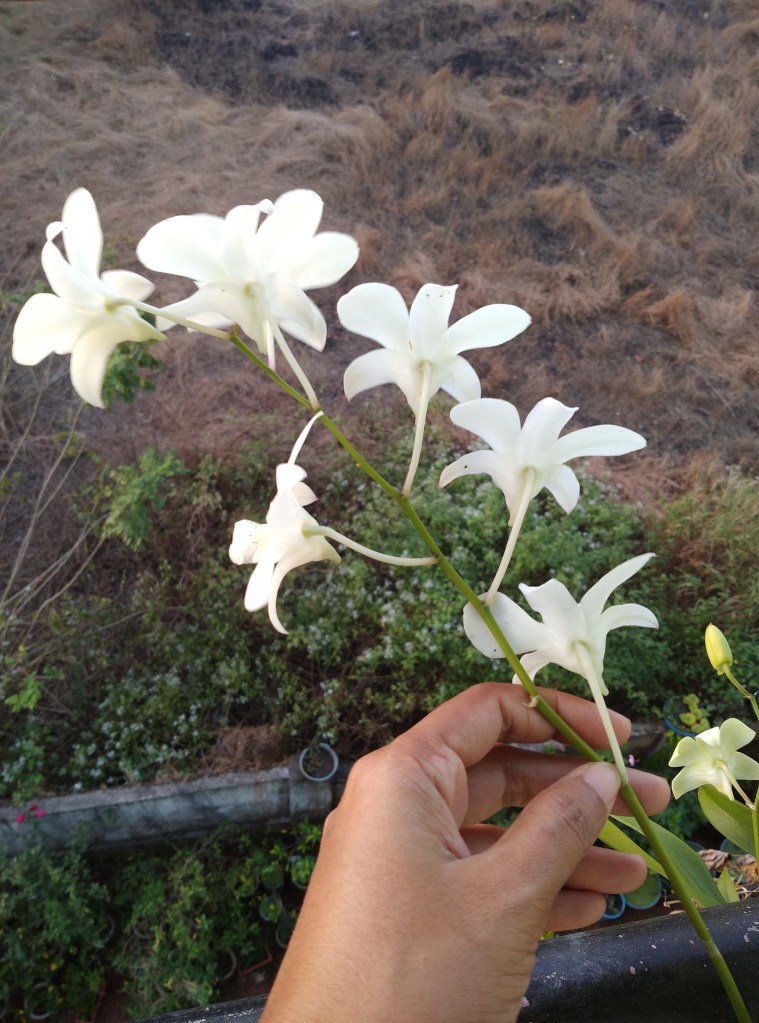
8. Orchid (Orchidaceae)
Orchids represent love, beauty, and fertility, making them lucky plants associated with romantic relationships and personal growth.
9. Lavender (Lavandula)
Lavender not only adds a delightful fragrance but is also known for its calming effects. It attracts positive energy while promoting relaxation and emotional balance.
10. Aloe Vera (Aloe barbadensis miller)
Aloe Vera is believed to ward off negative energy and protect against misfortune. It also offers various healing properties, enhancing its positive symbolism.
11. Rosemary (Rosmarinus officinalis)
Rosemary is associated with memory enhancement and mental clarity. It’s believed to bring luck and stimulate positive thoughts, making it a great plant for your workspace.
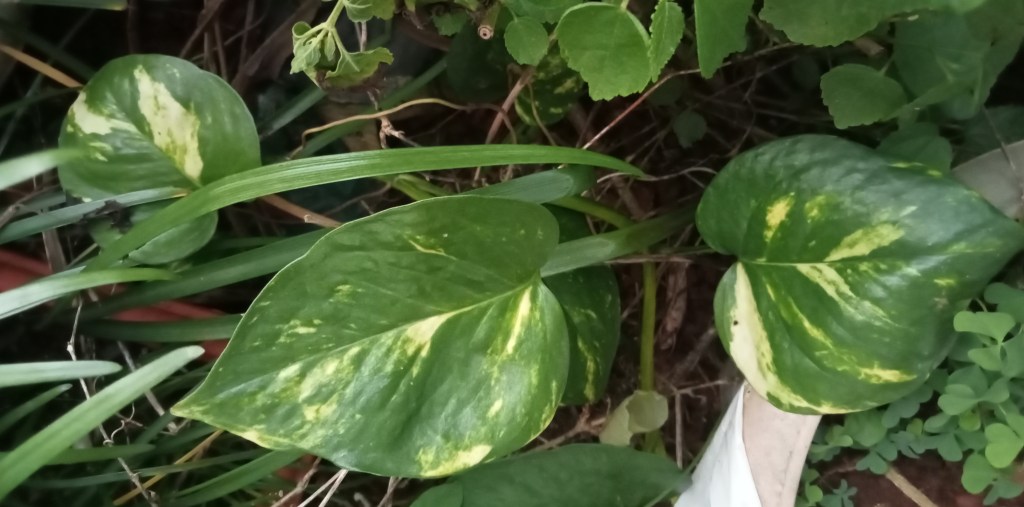
12. Pothos (Epipremnum aureum)
Pothos, with its vibrant trailing vines, is believed to bring luck and joy. It’s an easy-care plant that can thrive in various lighting conditions.
13. Lucky Hoya (Hoya spp.)
Hoyas are cherished for their unique, star-shaped flowers and their reputation for bringing luck and positive energy into the home.
14. Chamomile (Matricaria chamomilla)
Chamomile is associated with relaxation, prosperity, and protection. Its soothing properties extend beyond tea, making it a wonderful addition to any living space.
15. Lemon Tree (Citrus limon)
Lemon trees symbolize purification, longevity, and new beginnings. Having a lemon tree in your garden or home is believed to attract positive energy and zest for life.
Conclusion
Welcoming lucky plants into your life can amplify positive energy, promote well-being, and enhance your connection with nature. Whether you believe in the mystical qualities or simply appreciate the beauty and symbolism these plants bring, their presence can undoubtedly uplift your surroundings. So, go ahead and invite these 15 lucky plants into your space – a touch of green charm that may just bring a sprinkle of fortune your way. Happy Gardening!
In a world filled with pollutants and toxins, maintaining clean indoor air quality has become more essential than ever. Luckily, nature provides us with a natural solution – air-purifying plants. These green companions not only add a touch of beauty to your living spaces but also work tirelessly to filter out harmful airborne pollutants. In this article, we’ll explore 20 air-purifying plants that can transform your home into a healthier haven.
1. Snake Plant (Sansevieria trifasciata):
Also known as the “mother-in-law’s tongue,” this robust plant is an excellent air purifier that releases oxygen at night. It filters out formaldehyde, xylene, toluene, and nitrogen oxides.
2. Peace Lily (Spathiphyllum):
With its elegant white blooms, the peace lily removes ammonia, benzene, and formaldehyde from the air, making it a popular choice for homes and offices.
3. Aloe Vera:
Not only is aloe vera great for soothing skin, but it also helps clear pollutants like formaldehyde and benzene. It’s easy to care for and looks stunning on windowsills. It also has many medicinal properties.
4. Spider Plant (Chlorophytum comosum):
Ideal for beginners, the spider plant is a champion at removing carbon monoxide and xylene. Its cascading foliage adds a unique charm to any room.
5. Boston Fern (Nephrolepis exaltata):
This lush fern is highly effective at increasing humidity and removing pollutants like formaldehyde and xylene. Its feathery fronds bring a touch of nature indoors.
6. Rubber Plant (Ficus elastica):
Known for its glossy leaves, the rubber plant is a fantastic absorber of formaldehyde. Its low-maintenance nature makes it a favorite among plant enthusiasts.
7. Bamboo Palm (Chamaedorea seifrizii):
The bamboo palm excels at eliminating indoor air pollutants, including benzene and formaldehyde. Its tropical appearance adds a refreshing vibe to your space.
8. Dracaena (Dracaena spp.):
With various types to choose from, dracaena plants combat pollutants like trichloroethylene and xylene. Their vibrant leaves add a splash of color to any room.
9. Holy Basil/Tulsi (Ocimum tenuiflorum):
Tulsi is a rich oxygen generating plant. It gives out oxygen for 20 hours a day. Tulsi also absorbs harmful gases like carbon monoxide, carbon dioxide and Sulphur dioxide.
10. Lavender (Lavandula):
Known for its soothing aroma, lavender also contributes to clean indoor air. It reduces stress while tackling pollutants like formaldehyde and benzene.
11. English Ivy (Hedera helix):
English Ivy is excellent at removing mold spores from the air, making it a valuable addition for allergy-prone individuals. It also filters out airborne fecal matter particles.
12. Gerbera Daisy (Gerbera jamesonii):
These vibrant flowers not only brighten up spaces but also purify the air by removing toxins like benzene and trichloroethylene.
13. Areca Palm (Dypsis lutescens):
A natural humidifier, the areca palm excels at removing formaldehyde and airborne particles. Its elegant fronds create a tropical ambiance.
14. ZZ Plant (Zamioculcas zamiifolia):
The ZZ plant thrives in low-light conditions and effectively removes pollutants like xylene, toluene, and benzene.
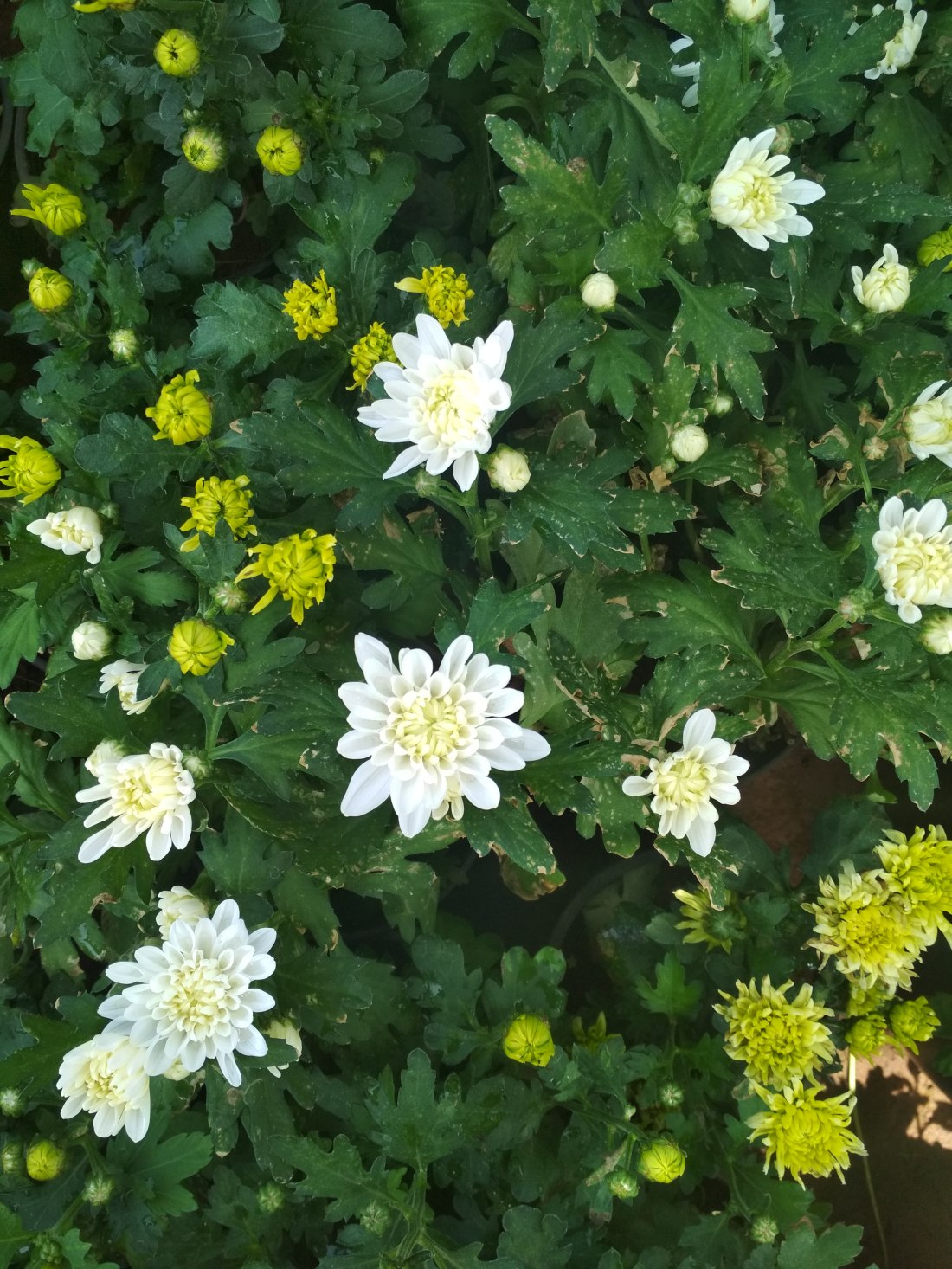
15. Chrysanthemum (Chrysanthemum morifolium):
Chrysanthemums are not only beautiful but also great at purifying the air by reducing ammonia, benzene, and formaldehyde levels.
16. Warneckei (Dracaena deremensis):
With its striped foliage, the warneckei targets pollutants like trichloroethylene, xylene, and formaldehyde.
17. Weeping Fig (Ficus benjamina):
This elegant tree helps filter out pollutants like formaldehyde, benzene, and trichloroethylene while adding a touch of sophistication to indoor spaces.
18. Bamboo Plant (Bambusa spp.):
Bamboo plants are adept at filtering out pollutants and adding a serene touch to interiors. They symbolize luck and positivity as well.
This trailing vine is a versatile air purifier that combats pollutants and adds a lush, cascading element to your decor.
20.Pothos (Epipremnum aureum):
Pothos is an adaptable vine that helps purify the air of formaldehyde, benzene, and xylene. It’s a perfect choice for hanging baskets or cascading over shelves. Pothos not only purifies the air but also features golden color marbled leaves, adding a dash of elegance to your living spaces. There are different varieties of pothos like golden potho, marble queen, majula etc.
Conclusion:
Creating a healthier indoor environment is as simple as introducing air-purifying plants to your living spaces. These 20 plants not only enhance the aesthetic appeal of your home but also work diligently to eliminate harmful pollutants, leaving you with fresher, cleaner air to breathe. So, why not invite nature’s air purifiers into your space and reap the numerous benefits they offer? Your lungs and overall well-being will thank you for it.
Indoor Gardening refers to growing plants indoors it may be your home, office, or any other enclosed area. Urban regions are now seeing a surge in indoor gardening. It has also become a part of interior design. Plants not only beautify your home but will also improve the quality of the air. It is considered good from Vastu’s point of view also. There are different types of gardening like container gardening, vertical gardening, terrariums, hydroponics, etc. The most common type among them is container gardening which we will be discussing in this article.
Before beginning indoor gardening, there are a few things you need to keep in mind:
Selecting Plants
The selection of indoor plants depends mainly on your house structure. How much space is available, availability of sunlight, movement of people in the house, and purpose of gardening. If you want to grow vegetables, then you can grow plants such as tomatoes, eggplant, onion, and cabbage. These plants require sunlight so you need to keep them in south facing corner of the house or you can keep them in the gallery. If you want to grow herbs, then you can grow basil, ginger, and aloe vera. If you want to grow decorative plants, then you can grow money plants, spider plants, snake plants, English ivy orchids, and bamboo plants.
Placement
The placement of the plant depends on the types of plants and also the convenience of the people in the house. Don’t keep plants in a place where there is regular movement. Also, keep plants away from pets or toddlers. keep a plate below the container so that the excess water want flows over the floor. And empty it frequently to avoid mosquito larvae.
Light Source
Sunlight is very important for the growth of plants. With the help of sunlight, plants prepare their food through a process known as photosynthesis. The requirement for sunlight may be different for different varieties of plants. Plants that require more sunlight should always be placed in south facing direction as I have mentioned earlier. Plants like orchids require indirect sunlight for flowering. These should be kept near the window which gets partial or indirect sunlight.
You can also use an artificial light source such as led light for growing your indoor plants.
Growing Medium
The growing medium is very important in growing any plant. Since you are growing your plants indoors it’s better to use a well-drained potting mix. Avoid using cocopeat as it keeps the soil moist. If you are using it then don’t overwater your plants. The growing medium should be composed of garden soil, vermicompost, and sand(2:2:1). Again the potting ratio and the medium may differ depending on the plants.
Fertilizer
The requirement for indoor plants is less as compared to garden plants, especially for pothos(money plants), spider plants, snake plants, and English ivy. If you are growing vegetables or herbs or flowering plants then you need to fertilize them regularly. Fertilize these plants once in 15 days. Avoid using organic fertilizer. You can use vermicompost. You can also prepare your fertilizer from your kitchen waste.
Pest control
As I mentioned earlier foliage plants like pothos spider plants and snake plants are hardy, they don’t require much care. Only vegetables, herbs, and flowering plants are prone to diseases and get affected by pests. Common types of bugs are aphids, mealy bugs, and caterpillars. As it said precaution is better than cure. It’s better to make your plants resistant to diseases rather than treating infected plants. For these spray dilutes neem oil on leaves twice a month.
Water requirement
This is another factor you need to consider while gardening. As indoor plants require very less sunlight the water requirement will also be less. You can water them once in two days. Aloe vera and orchids require very less water. You can water these plants once a week. For orchids, you can put ice cubes.
Repotting
Repotting is required if the plant becomes weak or it grows too big. If your plants suddenly start shedding leaves or the leaves become yellow or the plant doesn’t grow or flower then it’s better to report the plants. after removing the plants from the container check their roots. If the roots are rotted then cut those roots and dip them in water containing fungicide or you can simply clean them by rubbing them with cotton dipped in neem oil. Keep it in a shade for a day then report it.
Types Of Indoor Plants
You can grow anything indoors if you provide proper light, potting mix, and fertilizer. But it is difficult and a little costly to do so. Therefore I am listing some indoor plants which you can grow easily in your house or office.
Foliage Plants
Money Plant
Peace Lily
Spider Plant
Rubber Plant
Ficus Plant
Flowering Plants
Orchid
Hoya carnosa
Anthurium
Christmas Cactus
Kalanchoe
These plants require a sufficient amount of sunlight for flowering. So keep these plants in a south-facing window or on your balcony
These plants also require a good amount of sunlight, so it’s better to keep them on a balcony that gets good sunlight.
The first two categories of plants are good for beginners. After getting some experience start growing the last two categories of plants.
Benefits Of Indoor Gardening
1. The first benefit is you can grow any Grow Anything At any time irrespective of the weather.
2. Indoor plants improve air quality by taking carbon dioxide and giving out oxygen. Plants like peace lilies, pothos, and spider plants also absorb toxins.
3. The temperature of the house is lowered by indoor plants.
4.Plants are theraupatic.They help in reducing stress levels.
5. Plants increase productivity by sharpening our focus.
Now you must have come to know the vast benefits of indoor gardening. So start your indoor garden by buying your first plant. All The Best.





 ILoveGardening