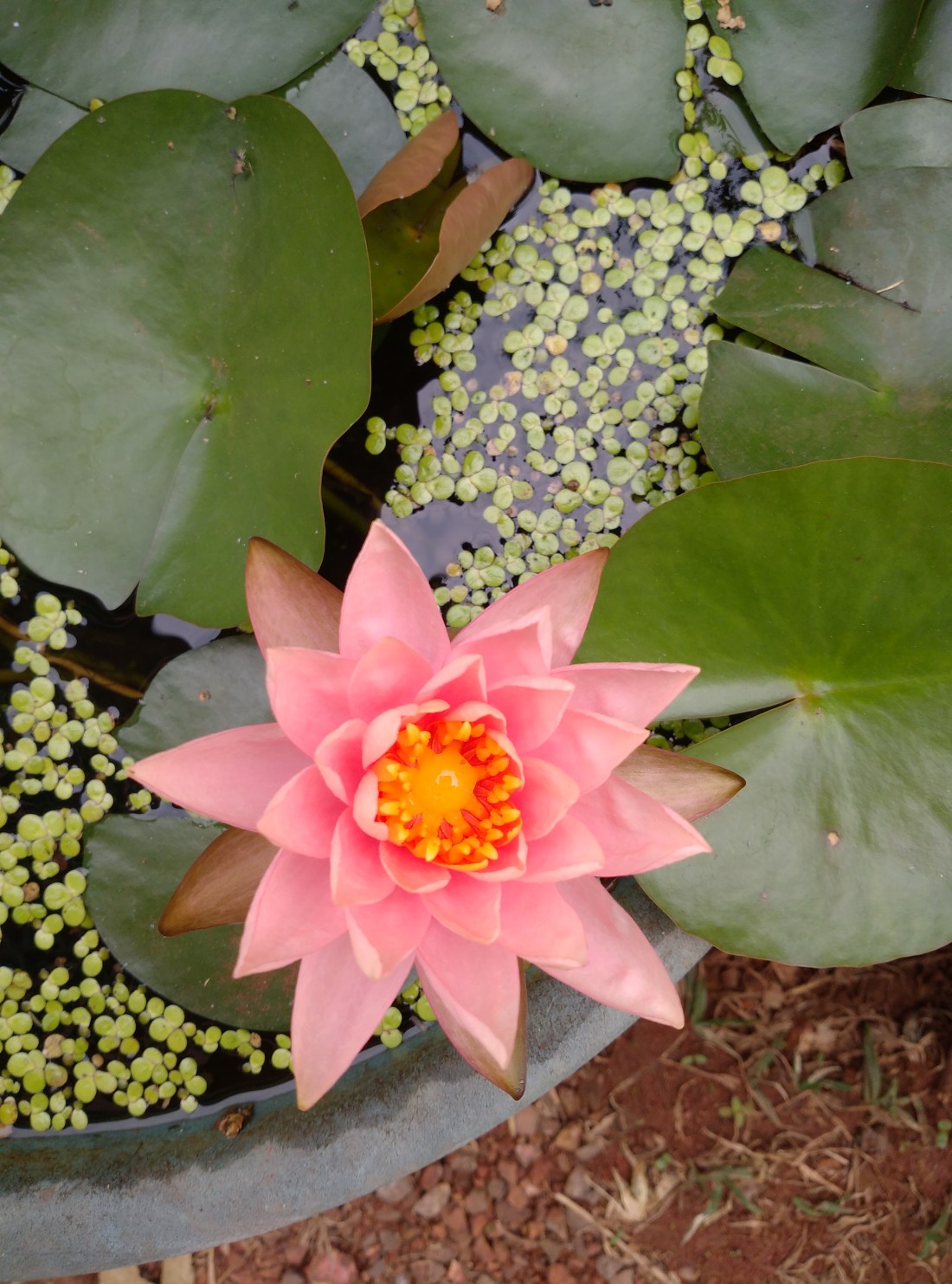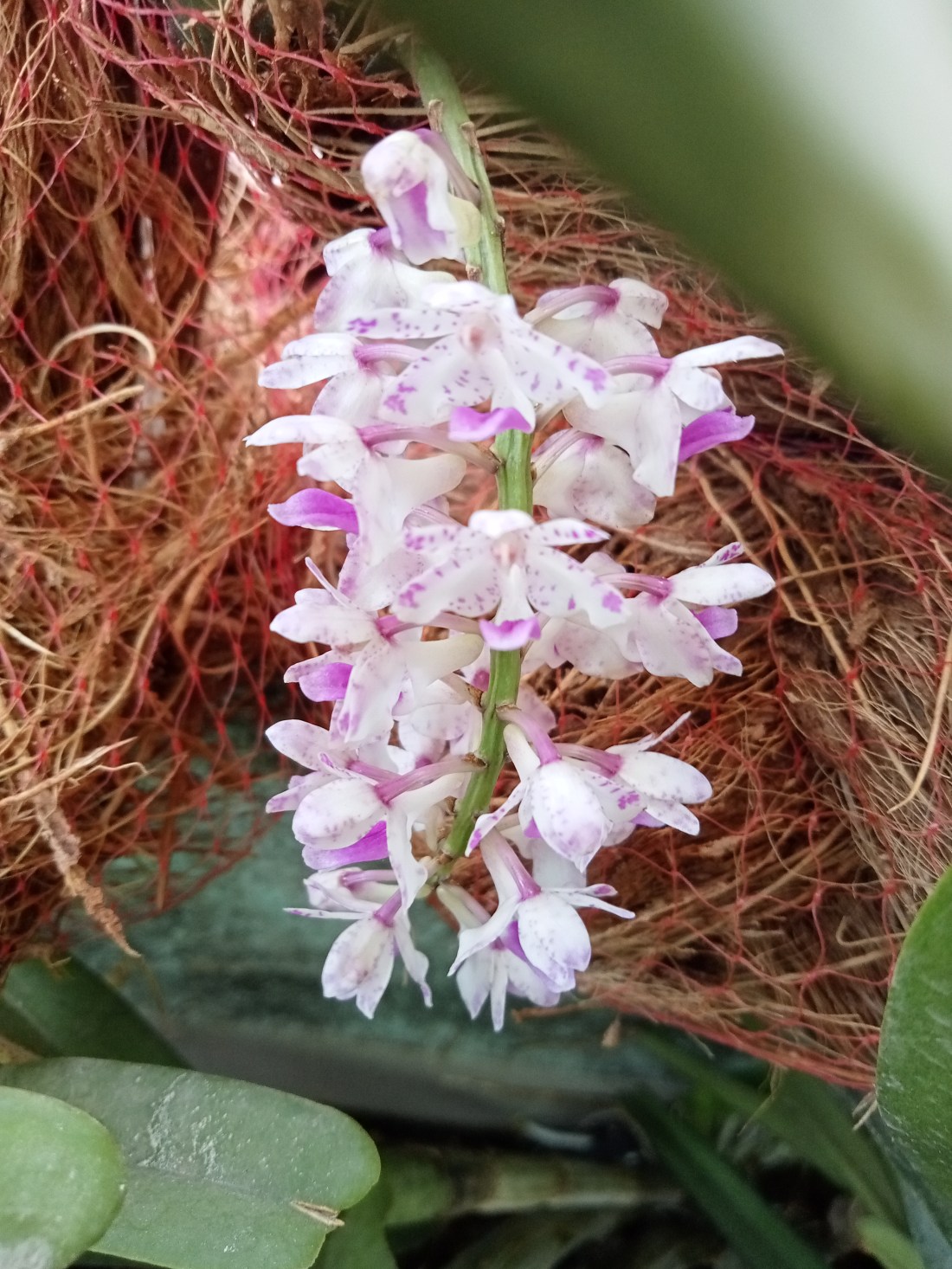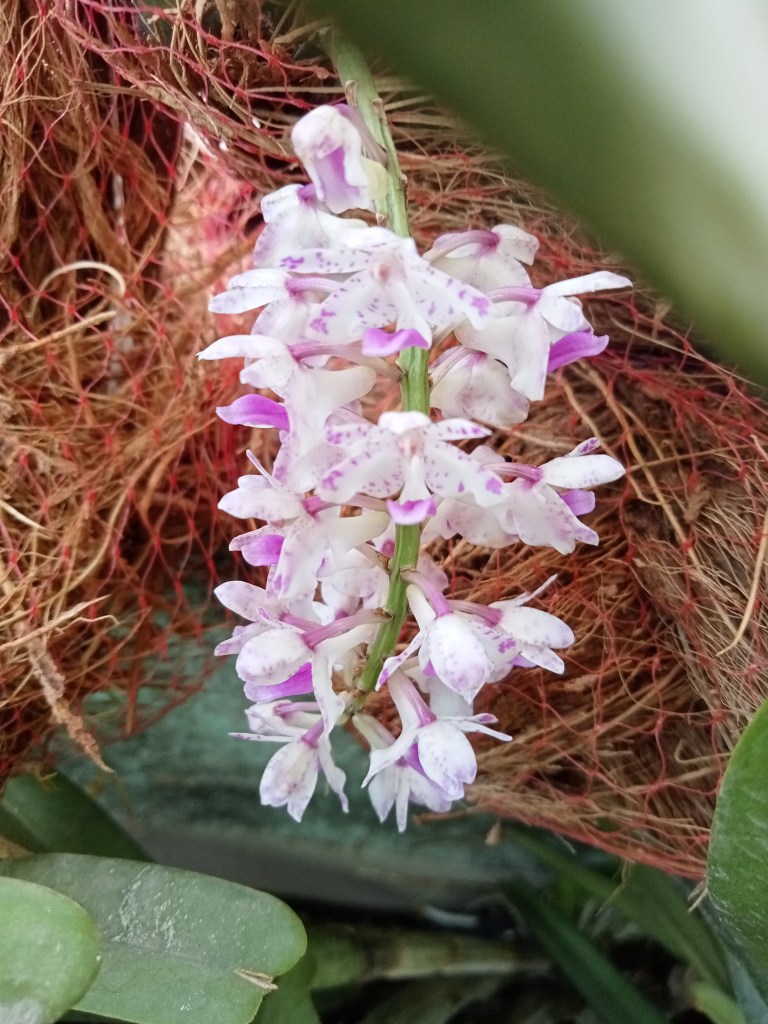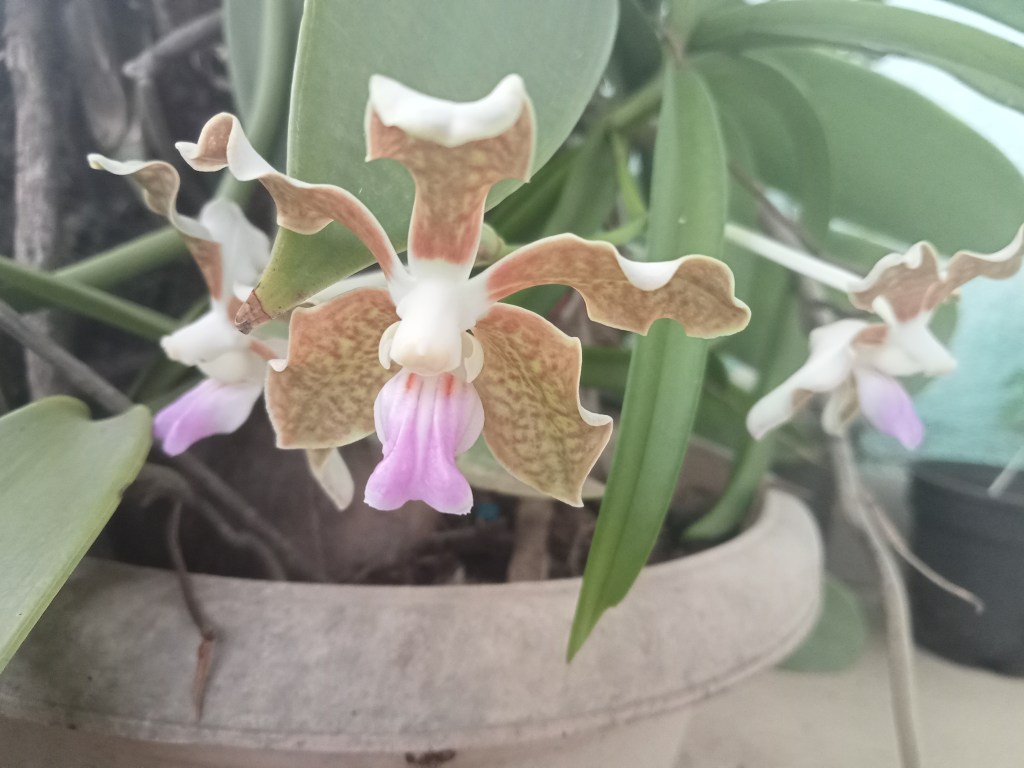
Repotting Orchids: A Comprehensive Guide!

Introduction

Repotting orchids is a crucial aspect of their care, ensuring that they continue to grow healthily and bloom beautifully. Orchids typically need repotting every two to three years, though the frequency can depend on several factors, such as the type of orchid and the condition of the potting medium. Here’s a detailed guide on when and how to repot your orchids effectively.

When to Repot Orchids?

There are several key indicators that it’s time to repot your orchid:

Overgrown Plant: When the orchid outgrows its container and roots start spilling over the edges, it’s time to give it more space.

Deteriorating Potting Material: Over time, the potting medium can break down, losing its structure and ability to provide adequate support and aeration to the roots.

Division Necessity: When the plant becomes too large or if you want to propagate it, division may be necessary, which requires repotting.

It’s generally recommended to repot epiphytic orchids (which grow on other plants) every year to maintain their health. However, Cattleyas, a type of epiphyte, prefer to be left undisturbed and should only be repotted when absolutely necessary.

Best Time for Repotting

The ideal time for repotting orchids is when fresh roots begin to emerge at the base of the previous year’s growth. This indicates that the plant is entering a growth phase, and repotting at this time will minimize stress and promote healthy new root development.

For monopodial climbers (orchids that grow upward from a single stem), repotting or division should be done when new leaf growth appears at the top and new root growth is visible. This ensures that the plant can quickly reestablish itself in its new container.


Similar Posts:


Step-by-Step Repotting Process

Preparation:

Gather all necessary materials: new pot, fresh potting medium (such as bark, moss, or a specialized orchid mix), sterilized cutting tools, and gloves.

Choose a pot that allows for good drainage. Orchids doesn’t survive in waterlogged conditions.

Removing the Orchid from Its Current Pot:

Gently loosen the orchid from its pot. If it is stuck, you can carefully break the pot or cut away the old medium to free the roots.

Check  the orchids for any signs of root rot or disease. Healthy roots are white or green. Trim away any dry, dead, unhealthy  or rotten roots with sterilized scissors.

Preparing the New Pot:

Place a layer of the new potting medium in the bottom of the pot. Position the orchid in the pot, spreading the roots out gently.

Adding Potting Medium:

Fill in around the roots with the fresh potting medium, ensuring that the plant is stable and the roots are well-supported.

Do not pack the medium too tightly, as orchids need good air circulation around their roots.

Aftercare:

After repotting, place the orchid in a location with indirect light for about two weeks to allow it to acclimate to its new environment.

Water the plant gently to avoid disturbing the new setup. Use room-temperature water and ensure it is not applied with force.

Maintaining Repotted Orchids

Proper care after repotting is crucial for the orchid’s recovery and continued growth:

Light: Keep the plant in a less intense light area initially. Gradually move it back to its normal light conditions after two weeks.

Watering: Water the orchid thoroughly but ensure that excess water drains away. Never let the orchid remain in the water.

Humidity and Air Circulation: Orchids thrive in humid environments with good air circulation. Use a humidity tray or a room humidifier if necessary.

Repotting orchids can seem daunting, but with the right approach, it can be a straightforward process that ensures your plants remain healthy and vibrant. By recognizing the signs that your orchid needs repotting and following these steps, you’ll be able to provide the best care for your beautiful blooms. Remember, orchids are resilient and with a little attention to their unique needs, they can thrive and bring joy to your space for years to come.

Happy Gardening!
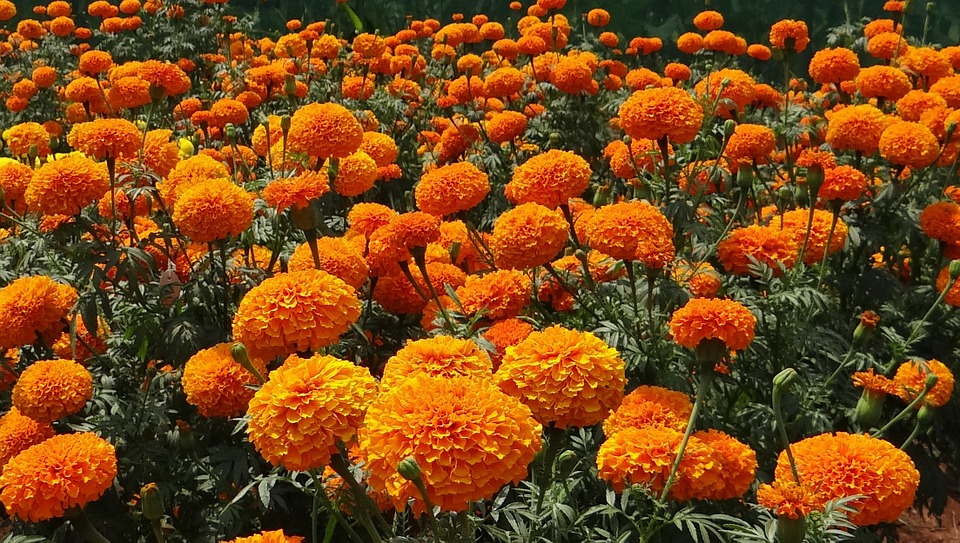
From Bud to Bloom: Exploring the Wonders of Floriculture!

Marigold

Introduction

Floriculture, a branch of horticulture, is the art and science of growing, cultivating, and arranging flowers and ornamental plants. It is a field that combines beauty with practicality, playing a significant role in the global economy, the environment, and our well-being. This article delves into the fascinating world of floriculture, exploring its history, techniques, economic importance, and environmental benefits.

A Historical Perspective

The practice of cultivating flowers dates back thousands of years. Ancient civilizations like the Egyptians, Greeks, and Romans grew flowers not only for their beauty but also for their symbolic and medicinal properties. The Egyptians, for example, cultivated lotus flowers and lilies, which were considered sacred. The Greeks and Romans, on the other hand, used flowers in religious ceremonies, celebrations, and as medicines.

During the Renaissance, floriculture flourished in Europe, with the establishment of botanical gardens that focused on studying and classifying plants. The Victorian era saw the rise of ornamental gardening, with elaborate flower beds and intricate garden designs becoming a symbol of status and wealth.

Branches of Floriculture

Floriculture encompasses various branches, each focusing on different aspects of flower cultivation and use:

1. Flower Production

This branch involves the large-scale cultivation of flowering plants for commercial purposes. It includes the production of cut flowers, potted plants, bedding plants, and foliage plants. Floriculturists use advanced techniques to ensure high yield, quality, and disease resistance.

2. Floristry

Floristry is the art of arranging flowers and creating floral designs. Florists use cut flowers and foliage to craft bouquets, wreaths, centerpieces, and other decorative items for various occasions such as weddings, funerals, and celebrations. Floristry requires creativity, an eye for detail, and knowledge of flower care and handling.

3. Landscape Floriculture

Landscape floriculture focuses on using flowering plants in landscape design. It involves selecting and arranging plants to enhance the aesthetic appeal of gardens, parks, and public spaces. This field creates aesthetically beautiful and sustainable landscapes by combining aspects of environmental science, horticulture, and design.

4. Greenhouse Floriculture

Greenhouse floriculture involves growing flowers and ornamental plants in controlled environments. Greenhouses provide optimal conditions for plant growth, such as temperature, humidity, and light. This branch is essential for producing flowers out of season or in regions with unsuitable climates.

Techniques in Floriculture

Floriculture involves a variety of techniques aimed at optimizing plant growth and ensuring the quality of flowers. Some of the key techniques include:

1. Propagation

Propagation is an important process where we create new plants from existing ones. In floriculture, this is often done through methods such as seed sowing, cuttings, grafting, and tissue culture. Propagation ensures the reproduction of desirable traits and allows for the mass production of flowering plants.

2. Soil Management

Healthy soil is crucial for the successful cultivation of flowers. Floriculturists use various soil management practices, including soil testing, fertilization, and amendment with organic matter, to improve soil fertility and structure. Proper soil management ensures optimal growth and flowering.

3. Irrigation

Proper irrigation is essential for maintaining adequate moisture levels for flower growth. Floriculturists use various irrigation methods, such as drip irrigation, sprinkler systems, and hand watering, to deliver water efficiently and evenly to plants. Effective irrigation practices help conserve water and prevent issues such as root rot and nutrient leaching.

4. Pest and Disease Management

Integrated Pest Management (IPM) is a holistic approach to controlling pests and diseases in floriculture. It involves monitoring pest populations, using biological controls, and applying chemical treatments only when necessary. IPM aims to minimize the impact of pests and diseases on flowers while reducing the use of harmful chemicals.

5. Pruning and Training

Pruning and training are essential techniques for maintaining the shape, size, and health of flowering plants. Pruning involves the removal of dead, diseased, or excess branches to encourage healthy growth and improve air circulation. Training techniques, such as staking and trellising, help support plants and direct their growth in a desired manner.


Similar Posts:


The Economic Importance of Floriculture

Floriculture is a significant contributor to the global economy. The flower industry encompasses a wide range of activities, from growing and harvesting flowers to their distribution and sale. Some key economic aspects of floriculture include:

1. Employment

The floriculture industry provides employment to millions of people worldwide. This includes flower growers, greenhouse workers, florists, landscape designers, and many others. The industry offers diverse job opportunities, from manual labor to specialized technical roles.

2. Trade

Flowers and ornamental plants are major commodities in international trade. Countries like the Netherlands, Colombia, Kenya, and Ecuador are leading exporters of cut flowers, supplying markets in Europe, North America, and Asia. The trade of flowers contributes to the economic growth of these countries and supports local communities.

3. Retail and Services

The retail sector of the floriculture industry includes flower shops, garden centers, and online retailers. These businesses provide consumers with a wide range of floral products and services, from bouquets and arrangements to gardening supplies and plants. The demand for flowers for events, holidays, and personal use drives sales and supports local economies.

Environmental Benefits of Floriculture

Floriculture also offers several environmental benefits, contributing to the health and sustainability of our ecosystems:

1. Biodiversity

The cultivation of a wide variety of flowers and ornamental plants promotes biodiversity. Gardens and landscapes rich in diverse plant species provide habitats for pollinators, birds, and other wildlife. This contributes to the overall health of ecosystems and helps in the conservation of endangered species.

2. Air Quality

Flowers and ornamental plants improve air quality by absorbing carbon dioxide and releasing oxygen. They also help filter pollutants and particulate matter from the air, creating healthier environments in urban areas. Green spaces with flowering plants contribute to the well-being of city dwellers.

3. Climate Mitigation

Floriculture practices such as greenhouse cultivation and landscape design can contribute to climate change mitigation. Greenhouses can capture and utilize carbon dioxide, while well-designed landscapes with diverse plantings can sequester carbon and reduce the urban heat island effect.

Conclusion

Floriculture is a vibrant and dynamic field that blends creativity, science, and sustainability. From the ancient gardens of Egypt to modern greenhouse operations, the cultivation of flowers has evolved to meet the needs of society and the environment. By embracing the art and science of floriculture, we can enhance our surroundings, support economic growth, and contribute to a healthier planet.

Happy Gardening! 🌸🌿

Growing Together: The Benefits and Impact of Community Gardens!

Introduction

In urban landscapes and suburban neighborhoods alike, community gardens have sprouted up as vibrant oases of green amid the concrete jungle. These shared spaces are more than just plots of land for growing plants—they are vital hubs for social interaction, environmental education, and local food production. Community gardens offer a myriad of benefits, fostering a sense of community and promoting sustainable living. Let’s dive into the world of community gardening, exploring its advantages, challenges, and ways to get involved.

What is a Community Garden?

A community garden is a piece of land collectively maintained by a group of people. These gardens can vary in size, from small plots in urban areas to larger spaces in suburban or rural locales. The land may be owned by a local government, a nonprofit organization, or even a group of private citizens. Participants usually rent plots within the garden to grow vegetables, fruits, flowers, and herbs.

Benefits of Community Gardens

Social Interaction and Community Building Community gardens provide a unique platform for social interaction. They bring together people from diverse backgrounds, fostering friendships and a sense of belonging. Gardeners can share tips, seeds, and stories, building a supportive network that extends beyond the garden gates.

Access to Fresh and Healthy Food

One of the primary benefits of community gardens is the provision of fresh, locally-grown produce. Gardeners can cultivate a variety of fruits and vegetables, which contributes to a healthier diet and reduces the reliance on processed foods. This access to fresh produce is particularly beneficial in food deserts, where grocery stores and fresh food options are limited.

Environmental Benefits

Community gardens contribute significantly to environmental sustainability. They promote biodiversity by providing habitats for various plants, insects, and birds. Gardens also improve air quality, reduce the urban heat island effect, and help manage stormwater runoff. By practicing composting and using organic gardening methods, community gardeners can reduce waste and avoid harmful pesticides.

Educational Opportunities

Community gardens serve as living classrooms for people of all ages. They offer hands-on learning experiences about plant biology, ecology, and sustainable agricultural practices. Schools often partner with community gardens to provide students with practical lessons in science, nutrition, and environmental stewardship.

Mental and Physical Health

 Many beneficial effects on mental and physical health have been shown by gardening. The physical activity involved in planting, weeding, and harvesting helps improve cardiovascular health and muscle strength. Additionally, spending time outdoors and engaging with nature can reduce stress, improve mood, and enhance overall well-being.

Economic Benefits

Community gardens can also have economic benefits. They can increase property values and attract new residents to neighborhoods. Additionally, gardeners can save money on groceries by growing their own produce. Some community gardens even operate farmers’ markets, providing an additional source of income for gardeners and access to fresh produce for the community.


Similar Posts:


Challenges of Community Gardens

Despite their many benefits, community gardens face several challenges:

Access to Land

Securing a suitable piece of land for a community garden can be difficult, especially in densely populated urban areas. Land ownership issues, zoning regulations, and potential redevelopment can all pose obstacles.

Funding and Resources

Community gardens often rely on grants, donations, and volunteer labor to operate. Finding consistent funding and resources for tools, seeds, water, and maintenance can be challenging. Many gardens also need support for infrastructure improvements like fencing, raised beds, and irrigation systems.

Maintenance and Management

Successful community gardens require ongoing maintenance and effective management. This includes organizing volunteers, coordinating planting schedules, and ensuring equitable access to plots. Gardens may face issues with vandalism, theft, or pests, which require a collective effort to address.

Community Engagement

Attracting and retaining participants can be challenging, especially in transient urban areas. Community gardens need active engagement and a sense of ownership among gardeners to thrive. Outreach efforts and inclusive practices are essential to involve diverse community members.

How Can One Participate in a Community Garden?

Interested in joining a community garden? The following steps let you get started:

Find a Local Garden

Search online or check with local community centers, schools, or gardening organizations to find a community garden near you. Websites like the American Community Gardening Association (ACGA) offer directories of gardens across the country.

Attend a Meeting or Open House

Most community gardens hold regular meetings or open houses where prospective members can learn more about the garden, its rules, and how to get involved. It’s an excellent opportunity to ask questions and meet current members.

Sign Up for a Plot

If space is available, sign up for a plot. Some gardens have waitlists due to high demand, so be patient and persistent. Once you have a plot, you’ll need to follow the garden’s guidelines and contribute to its upkeep.

Volunteer

Even if you don’t have a plot, many gardens welcome volunteers to help with maintenance, events, and educational programs. Volunteering is a great way to get involved and learn more about gardening.

Start Your Own Garden

If there isn’t a community garden in your area, consider starting one. Gather a group of interested community members, secure a piece of land, and develop a plan for the garden. Seek assistance and resources from nearby organizations.

Conclusion

Community gardens are vital assets to neighborhoods, providing numerous social, environmental, and health benefits. They offer a place for people to come together, grow fresh food, and learn about sustainable practices. While challenges exist, the rewards of community gardening are immense. By getting involved, you can help cultivate a greener, healthier, and more connected community.

Happy Gardening! 🌱

Is Rice Water the Secret to a Thriving Garden? Explore Its Incredible Benefits Now!

Introduction

Garden enthusiasts continually seek natural and effective solutions to boost plant growth and health. One such age-old remedy that has gained attention is rice water. Often discarded after cooking rice, this nutrient-rich liquid is brimming with benefits that can significantly contribute to your garden’s well-being. Let’s delve into the multifaceted uses of rice water in gardening, alongside its advantages and potential drawbacks.

The Nutrient Profile of Rice Water

Rice water, the starchy liquid left behind after rinsing or boiling rice, is packed with essential nutrients that are beneficial for plants. It contains:

  • Vitamins such as B1 (thiamine), B2 (riboflavin), B6 (pyridoxine), and vitamin E.
  • Amino acids: are crucial for plant growth.
  • Minerals like phosphorus and potassium that aid in root development and flowering.
  • Carbohydrates: provide an immediate energy source for plants.

Using Rice Water in Gardening

Soil Conditioner

Rice water serves as an excellent soil conditioner. The nutrients present in the water improve soil fertility, promoting the growth of beneficial microorganisms that aid in breaking down organic matter. This, in turn, enhances nutrient availability for plants, leading to healthier and more vigorous growth.

Fertilizer

One of the primary uses of rice water in gardening is as a fertilizer. Its nutrient content helps in the overall development of plants. Regular application can result in lush foliage, robust root systems, and improved flowering and fruiting. To use rice water as a fertilizer, simply dilute it with an equal amount of water and apply it to the base of your plants.

Pest Deterrent

The starch in rice water can create a protective barrier on plant leaves, making them less appealing to pests. While it may not completely eliminate pests, it can reduce their presence and prevent minor infestations from becoming major problems. Spray diluted rice water on the leaves to create this protective coating.

Seed Soaking Solution

Soaking seeds in rice water before planting can enhance germination rates. The nutrients in the water provide the seeds with a nutrient boost, giving them a head start in their growth journey. Simply soak the seeds in rice water for 12-24 hours before planting them in the soil.

Compost Booster

Adding rice water to your compost pile can speed up the decomposition process. The microorganisms in the compost benefit from the additional nutrients, breaking down organic matter more efficiently. This results in rich, nutrient-dense compost that can be used to nourish your garden.


Similar Posts:


Pros of Using Rice Water in Gardening

Cost-Effective

Using rice water is a cost-effective way to improve your garden’s health. Instead of discarding the water after cooking rice, you can repurpose it, reducing waste and saving money on commercial fertilizers and soil conditioners.

Eco-Friendly

Rice water is an eco-friendly solution that promotes sustainable gardening practices. It reduces the need for chemical fertilizers and pesticides, which can harm the environment and disrupt the balance of your garden ecosystem.

Nutrient-Rich

The nutrient profile of rice water makes it a valuable addition to your gardening routine. It provides essential vitamins, minerals, and amino acids that support plant growth and development.

Enhances Soil Health

Regular application of rice water improves soil health by promoting the growth of beneficial microorganisms. This leads to better nutrient availability and improved soil structure, resulting in healthier plants.

Versatile

Rice water can be used in various ways in the garden, from fertilizing and conditioning the soil to deterring pests and enhancing seed germination. Its versatility makes rice water a valuable asset for a gardener.

Cons of Using Rice Water in Gardening

Potential for Overuse

While rice water is beneficial, overusing it can lead to nutrient imbalances in the soil. Too much starch can create an environment conducive to the growth of harmful microorganisms, which can negatively affect plant health. It’s essential to use rice water in moderation and dilute it before application.

Odor

Rice water can develop an unpleasant odor if left to sit for too long. This can be off-putting for some gardeners and may attract unwanted pests. To avoid this, use fresh rice water or store it in the refrigerator for no more than a week.

Attracts Pests

While rice water can deter some pests, it may attract others, especially if it starts to ferment. Fermented rice water can attract flies and other insects that can become a nuisance in the garden. It’s crucial to monitor its usage and ensure it doesn’t become a pest attractant.

Limited Nutrient Spectrum

Although rice water is nutrient-rich, it doesn’t provide all the essential nutrients that plants need. Relying solely on rice water may result in nutrient deficiencies over time. It’s important to use it as part of a balanced gardening regimen, complementing it with other fertilizers and soil amendments.

Risk of Pathogens

If not properly prepared or stored, rice water can harbor pathogens that can harm plants. It’s vital to ensure that the water is clean and hasn’t been left to sit at room temperature for extended periods. Using boiled rice water can mitigate this risk, as the heat kills potential pathogens.

Conclusion

In conclusion, rice water is a valuable resource for gardeners looking to enhance their plant’s health and promote sustainable gardening practices. Its nutrient-rich profile and versatility make it an excellent addition to your gardening toolkit. However, it’s essential to use it in moderation and be mindful of potential drawbacks to ensure the best results for your garden. By incorporating rice water into a balanced gardening regimen, you can enjoy the benefits of this natural remedy while maintaining the health and vitality of your plants.

Happy Gardening!

Aquatic Plants: Transform Your Garden into a Tranquil Oasis!

Introduction

Aquatic plants, often associated with ponds and water features, can bring a unique and serene beauty to your garden. These plants not only enhance the aesthetic appeal but also contribute to the ecological balance of your garden. Here, we explore various aquatic plants that you can grow in your garden, their benefits, and tips for successful cultivation.

Types of Aquatic Plants

Aquatic plants can be broadly categorized into four types: floating plants, submerged plants, marginal plants, and bog plants. Each type has particular characteristics and requirements of its own.

Floating Plants:

Water Lettuce (Pistia stratiotes): This floating plant has rosettes of light green leaves that resemble lettuce. It provides shade and helps in controlling algae growth.

Duckweed (Lemna minor): This tiny, free-floating plant forms a green carpet on the water surface. It is excellent for controlling algae and providing food for fish.

Submerged Plants:

Anacharis (Elodea canadensis): Also known as waterweed, this plant grows entirely underwater. It is great for oxygenating the water and providing habitat for aquatic life.

Hornwort (Ceratophyllum demersum): This plant has feathery, dark green foliage and grows submerged. It helps in maintaining water clarity by absorbing excess nutrients.

Marginal Plants:

Cattail (Typha latifolia): Cattails are tall, reed-like plants that grow along the edges of ponds. They provide shelter for wildlife and help in stabilizing the pond’s edge.

Pickerelweed (Pontederia cordata): This plant has heart-shaped leaves and produces spikes of blue flowers. It thrives in shallow water and attracts pollinators like bees and butterflies.

Bog Plants:

Marsh Marigold (Caltha palustris): With its bright yellow flowers, marsh marigold adds a splash of color to the garden. It prefers wet, boggy conditions and blooms in early spring.

Japanese Iris (Iris ensata): Known for its stunning flowers, Japanese iris grows well in wet soil and can tolerate shallow water.

Benefits of Aquatic Plants

Aquatic plants offer a wide range of benefits in addition to their visual appeal:

Water Quality Improvement:

Aquatic plants play a crucial role in maintaining the quality of water. They absorb excess nutrients, reducing the risk of algae blooms and keeping the water clear.

Habitat for Wildlife:

These plants provide habitat and food for various aquatic creatures, including fish, frogs, and insects. They create a balanced ecosystem in your garden pond.

Erosion Control:

Marginal and bog plants help in stabilizing the soil around the pond, preventing erosion and maintaining the pond’s structure.

Aesthetic Appeal:

The diverse shapes, colors, and textures of aquatic plants add a unique charm to your garden. They create a tranquil and serene environment, perfect for relaxation.


Similar Posts:


Tips for Growing Aquatic Plants

Choose the Right Plants:

Select plants that are suitable for your climate and the specific conditions of your garden pond. Consider factors like water depth, sunlight, and temperature.

Planting Techniques:

Use containers or planting baskets for submerged and marginal plants to control their growth and make maintenance easier.

Water Quality Management:

Regularly monitor the water quality in your pond. Maintain a balance of nutrients and avoid overfeeding fish, as excess food can lead to nutrient buildup and also promotes algae growth.

Regular Maintenance:

Trim and remove dead or decaying plant material to prevent it from decomposing in the water. This helps in maintaining water clarity and preventing the buildup of harmful substances.

Control Invasive Species:

Some aquatic plants like water hyacinths (Eichhornia crassipes) can become invasive if not managed properly. Regularly check for signs of overgrowth and take necessary measures to control their spread.

Popular Aquatic Plants for Your Garden

Water Lily (Nymphaea spp.):

Water lilies are iconic aquatic plants known for their large, floating leaves and beautiful flowers. They give a touch of elegance to any pond and are available in a variety of colors and shapes.

Lotus (Nelumbo nucifera):

Lotus plants are revered for their large, fragrant flowers and round leaves. They require full sun and can grow in deeper water compared to water lilies.

Papyrus (Cyperus papyrus):

It is a tall plant with feathery tops that resemble grass. It grows well in shallow water, adding a tropical feel to the garden.

Taro (Colocasia esculenta):

Taro, also known as elephant ear, has large, heart-shaped leaves. It thrives in wet soil and can be grown along the edges of ponds.

Conclusion

Incorporating aquatic plants into your garden can transform it into a lush, vibrant oasis. These plants not only enhance the beauty of your garden but also contribute to the ecological balance. By choosing the right plants and following proper care techniques, you can create a thriving aquatic garden that brings joy and tranquility to your outdoor space.

Happy Gardening!

Understanding Rose Dieback Disease: Causes, Treatment, and Prevention!

Introduction

Rose plants are cherished for their beauty but can be susceptible to various diseases, one of the most common being rose dieback disease. This condition causes the plant’s branches to turn black and wilt, primarily due to a fungal attack. In this article, we’ll explore the causes of rose dieback disease and provide a step-by-step guide on how to treat and prevent it to ensure your roses remain healthy and vibrant.

What is Rose Dieback Disease?

Rose dieback disease is a prevalent issue affecting rose plants. It manifests as a blackening of branches, which eventually causes the plant to wilt and die. This disease is triggered by several factors, most commonly fungal infections. Other contributing factors include improper soil conditions, seasonal stress, nutrient deficiencies, and more. By identifying and addressing these issues, you can restore your rose plant’s health.

The disease is essentially a signal from the plant, indicating that something is wrong with its growing conditions. Whether it’s an issue with the soil, lack of nutrients, or too much moisture, the plant is trying to communicate that it needs help.

Common Causes of Rose Dieback Disease

1. Excess Humidity

One of the primary causes of rose dieback disease is high humidity. Roses thrive in environments with good air circulation, but when humidity levels rise and moisture lingers around the plant, it becomes stressed. This stress makes the plant more vulnerable to fungal attacks. The fungus responsible for dieback disease thrives in such moist conditions, making it easier for the infection to spread.

To reduce the risk of dieback, ensure your roses are planted in areas with good air circulation. Avoid overcrowding the plants, and regularly prune them to promote airflow.

2. Overly Moist Soil

Waterlogged soil is another major cause of rose dieback disease. When the soil surrounding your rose plant remains constantly wet, it can encourage fungal growth. A rose plant suffering from overly moist soil will begin to wilt, and its branches will turn black as the infection sets in.

To prevent this, use well-draining, fertile soil for your rose plants. To enhance soil drainage, you can add organic matter such as compost or sand. A homemade potting mix designed specifically for roses can also be beneficial.

3. Sudden Seasonal Changes

Seasonal changes can also trigger rose dieback disease. A sudden drop or increase in temperature can shock the plant, making it more susceptible to infections. The plant becomes stressed, and the conditions become favourable for fungal diseases like dieback. Fortunately, this type of dieback is usually temporary, and the plant will adapt to the new environment given enough time.

During periods of sudden weather changes, it’s essential to monitor your plants closely. Providing extra protection, such as mulch or shade during extreme conditions, can help the plant adjust.

4. Contaminated Pruning Tools

Using contaminated pruning tools is another common way that rose dieback disease spreads. If you use the same pruning shears on multiple plants without cleaning them, you risk transferring the infection from one plant to another. Fungal spores can easily stick to the blades and spread the disease.

To prevent this, always clean your pruning tools before and after use. Disinfect them with a solution like hydrogen peroxide or alcohol to kill any lingering fungi.

5. Nutrient Imbalances

Roses are heavy feeders and need a consistent supply of nutrients to grow well. If your soil lacks essential nutrients, or if you overuse chemical fertilizers, it can weaken the plant, making it more prone to dieback disease. Nutrient deficiencies, particularly in nitrogen, phosphorus, and potassium, can stunt growth and encourage fungal infections.

To avoid this, regularly fertilize your rose plants with organic fertilizers. Compost, well-rotted manure, or a balanced rose fertilizer can help provide the necessary nutrients. Avoid over-fertilizing, as excess nutrients can also contribute to dieback disease.

6. Pest Infestations

Pest infestations can further weaken rose plants and make them more vulnerable to dieback disease. Aphids, spider mites, and other pests can damage the plant’s tissues, providing an entry point for fungal infections. The weakened state of the plant allows the dieback fungus to take over more easily.

Using neem oil or other organic pest control methods can help keep pests at bay and protect your plants from further damage.


Similar Posts:


How to Treat Rose Dieback Disease

If your rose plant is already showing signs of dieback disease, don’t worry—there are steps you can take to reverse the damage and restore its health.

1. Identify and Fix the Root Cause

The first step in treating rose dieback disease is to identify the underlying cause. Is your soil too wet? Are there pests attacking your plant? Is there a sudden shift in the weather? Once you determine the cause, take immediate action to fix it. If you skip this step, the disease will continue to reappear, no matter how many treatments you try.

2. Apply Neem Cake Powder

Using a fungicide is an essential step in treating rose dieback disease. Neem cake powder, a natural antifungal agent, can help eliminate the fungus from the soil. Apply up to a tablespoon of neem cake powder to a 6-8 inch pot. For larger containers, increase the dosage accordingly. After applying the neem cake powder, water the plant only if the soil is dry.

Repeat this treatment after 10 days. In most cases, your plant should begin to recover within this timeframe.

3. Prune the Infected Branches

To prevent the spread of dieback disease, it’s crucial to prune the infected branches. Use clean, disinfected shears to cut 1 inch below the blackened area of the branch. Be sure to remove all the diseased parts of the plant to halt the infection.

After pruning, remember to disinfect your tools again to avoid spreading the infection to other plants.

4. Use Neem Oil Spray

In addition to neem cake powder, applying a neem oil spray can help control pests and fungi. Neem oil is a natural pesticide and fungicide that can help the plant recover faster. Spray the neem oil solution on the entire plant, making sure to cover the leaves, stems, and soil surface. This will repel pests and prevent further fungal growth.

Aftercare for Your Rose Plant

Once you’ve treated the plant for dieback disease, the key to a full recovery lies in aftercare. Ensure that the root cause of the problem has been resolved, whether it was overly moist soil, a pest infestation, or a nutrient deficiency. Continue to monitor the plant closely, and adjust its care as needed.

If you follow the steps above, your rose plant should recover within 1-2 weeks. In addition to addressing dieback, stay proactive in maintaining your plant’s health by regularly feeding it with organic fertilizer, pruning it properly, and keeping pests in check.

Conclusion:

Rose dieback disease can be a frustrating problem for gardeners, but it is manageable with the right care. By understanding the causes and taking preventive steps, you can protect your rose plants from future infections. If your plant does fall victim to dieback, following the treatment steps outlined above will help restore it to its former beauty. Stay vigilant, and your roses will thrive for years to come.

Happy Gardening!
Taro Plants: A Comprehensive Guide to Growing and Caring for Taro!

Introduction

Taro (Colocasia esculenta), also known as elephant ear or dasheen, is a tropical plant that is grown primarily for its starchy root, although its large, heart-shaped leaves are also a culinary delight in many cultures. Known for its rich history and versatility, taro is a popular crop in Asia, Africa, the Pacific Islands, and the Caribbean. Whether you’re interested in its culinary uses, cultural significance, or simply as a beautiful ornamental plant, taro is an excellent addition to any garden. In this article, we’ll explore how to grow, care for, and use taro plants in your garden.

What is Taro?

Taro is a perennial plant that thrives in warm, humid climates. It’s a part of the Araceae family and is often recognized for its large, lush leaves, which can grow up to two feet long. The plant produces a corm, or starchy underground root, which is edible after being cooked. In addition to its edible corms, taro’s leaves are also used in cooking, although they must be cooked thoroughly to remove naturally occurring toxins.

Taro is a staple food in many cultures, especially in Polynesian, Southeast Asian, and African cuisines. It’s packed with nutrients, including fiber, vitamin C, potassium, and magnesium, making it both a healthy and versatile ingredient.

Benefits of Growing Taro Plants

Growing taro offers several benefits, from its culinary uses to its ornamental appeal. Here are some key reasons to consider adding taro plants to your garden:

Nutrient-Rich Food: Taro roots and leaves are excellent sources of essential vitamins and minerals, making them a great addition to a healthy diet.

Culinary Diversity: Taro is used in a variety of dishes, from mashed roots to soups and stews, and its leaves can be used in savory dishes as well.

Ornamental Appeal: Taro’s large, decorative leaves add a tropical touch to your garden or landscape. The leaves’ unique shape makes taro a popular choice in ornamental gardening.

Cultural Significance: Growing taro can be a way to connect with cultural traditions, as the plant is considered sacred in some cultures, particularly in Polynesia.

How to Grow Taro Plants

Taro is relatively easy to grow, provided you live in the right climate. The plant thrives in tropical to subtropical environments, where temperatures remain above 60°F (16°C) throughout the year. Here’s a step-by-step guide to growing taro plants in your garden.

1. Climate and Location

Taro requires a warm, humid environment with plenty of sunlight. It thrives in USDA hardiness zones 9-11, but can be grown as an annual in cooler climates, provided you plant it after the last frost.

Temperature: Taro needs consistently warm temperatures between 70-90°F (21-32°C) to grow well.

Sunlight: Taro plants prefer partial to full sun, but in very hot climates, partial shade can protect them from sunburn.

2. Soil Preparation

Taro prefers well-draining, rich, and loamy soil. It can tolerate waterlogged conditions, making it ideal for planting near ponds or in swampy areas. If you’re planting in a garden bed, prepare the soil by incorporating organic matter like compost to ensure it’s nutrient-rich and retains moisture.

Soil pH: Taro grows best in slightly acidic soil with a pH between 5.5 and 6.5.


Similar Posts:


3. Planting Taro

Taro is typically propagated through its corms. You can purchase taro corms from a nursery or use small, healthy corms from a store-bought taro root.

Planting Depth: Plant taro corms 4-6 inches deep in the soil, with the pointed end facing up.

Spacing: Space the plants about 18-24 inches apart to allow room for their large leaves to spread.

4. Watering

Taro is a water-loving plant, and regular watering is essential for its growth. Maintaining steady moisture in the soil without making it soggy is crucial. If growing taro in a pond or water garden, the plant can tolerate being submerged in shallow water.

Frequency: Water regularly to maintain moist soil, especially during dry spells. Make sure the soil is not completely dry.

5. Fertilizing

Taro plants require frequent fertilizing because they are heavy feeders. Use a balanced fertilizer (10-10-10) every month during the growing season to promote strong growth and healthy corm development.

Organic Alternatives: You can also use organic fertilizers like vermicompost, fish emulsion, or well-rotted manure to provide the necessary nutrients.

6. Caring for Taro Plants

Taro plants require minimal maintenance once established, but there are a few key care tips to ensure healthy growth:

Mulching: For moisture retention and weed control, mulch the area surrounding the base of the plants. It’s best to use organic mulch, such as leaves or straw.

Pest Control: Taro plants can be susceptible to pests like aphids, spider mites, and caterpillars. Use organic pest control methods like neem oil or insecticidal soap to keep these pests in check.

Pruning: For the plant to remain healthy and attractive, remove any damaged or yellowing leaves.

Harvesting Taro

Taro plants are typically ready for harvest 8-12 months after planting, depending on the variety and growing conditions. You can harvest both the corms and the leaves, but make sure to handle them properly, as they can be toxic if not prepared correctly.

1. Harvesting Corms

When the leaves begin to die back, it’s a sign that the corms are ready for harvest. Use a garden fork or spade to carefully dig up the corms without damaging them. The corms can be cooked immediately or stored in a cool, dry place for later use.

2. Harvesting Leaves

Taro leaves can be harvested once they are large and fully mature. Always cook the leaves thoroughly before eating to neutralize the calcium oxalate crystals, which can cause irritation if consumed raw.

Culinary Uses of Taro

Taro is used in a wide variety of cuisines. Both the corms and leaves are edible when cooked properly. Here are some popular culinary uses for taro:

Mashed Taro: Similar to mashed potatoes, boiled taro corms can be mashed and seasoned with herbs and spices.

Taro Chips: Thinly sliced taro can be fried or baked to create crispy, delicious chips.

Stews and Soups: Taro corms add a starchy, hearty texture to soups and stews.

Taro Leaves: In many cultures, taro leaves are used in dishes like luau (a Polynesian dish) and callaloo (a Caribbean dish), Pathrode (an Indian dish).

Conclusion

Taro is a valuable addition to any garden, providing both aesthetic appeal and nutritious, versatile food. Whether you’re growing it for its edible corms, its lush foliage, or its cultural significance, taro is a rewarding plant that requires relatively little effort to grow. By following the tips outlined in this guide, you can successfully cultivate taro plants and enjoy the many benefits they offer.

Happy Gardening!

Choosing the Best Sod for Sun and Shade: Your Ultimate Lawn Care Guide!

Introduction

Creating a lush, green lawn is a goal for many homeowners, but choosing the right type of sod can make all the difference, especially when dealing with varying sun and shade conditions. Different sod types thrive under different light conditions, and selecting the most suitable variety for your lawn will ensure its health, beauty, and durability. In this article, we’ll explore the types of sod that are best for both sunny and shady areas, and offer tips on how to make the best choice for your lawn.

Understanding Sod and Its Requirements

Sod is a layer of established grass and soil held together by its roots or a piece of thin material. It’s an effective way to establish a lawn quickly, but it requires choosing the right type based on your yard’s conditions. Before selecting sod, it’s essential to assess how much sunlight different parts of your lawn receive.

Full Sun: Areas that receive 6 to 8 hours of direct sunlight daily.

Partial Shade: Areas that receive 3 to 6 hours of direct sunlight or filtered sunlight.

Full Shade: Areas that get less than 3 hours of direct sunlight.

Knowing your lawn’s sun and shade patterns helps in selecting the right sod that will thrive in those specific conditions.

Best Sod Types for Full Sun

Bermuda Grass

Bermuda grass is a warm-season grass that thrives in full sun and is known for its heat tolerance and drought resistance. It’s an excellent choice for areas with long, hot summers. Bermuda grass forms a dense, durable lawn, making it ideal for high-traffic areas. However, it does not perform well in shaded areas.

Zoysia Grass

Zoysia grass is another warm-season grass that loves the sun. It’s hardy, dense, and can tolerate some shade, although it thrives best in full sun. Zoysia is drought-resistant and recovers well from wear, making it a popular choice for lawns that receive plenty of sunlight. Its dense growth pattern helps prevent weeds, but it can be slow to establish.

St. Augustine Grass

St. Augustine grass is a warm-season grass that prefers full sun but can tolerate some shade better than Bermuda. It’s popular in coastal areas due to its salt tolerance. St. Augustine forms a thick, lush lawn and is relatively easy to maintain. However, it requires more water than other warm-season grasses and isn’t ideal for colder climates.

Best Sod Types for Partial Shade

Zoysia Grass (Varieties for Shade)

While Zoysia grass prefers full sun, certain varieties like ‘Emerald’ and ‘Zeon’ are more shade-tolerant. These types of Zoysia can thrive in partial shade, making them versatile for lawns with mixed sun and shade conditions.

St. Augustine Grass (Shade-Tolerant Varieties)

Varieties such as ‘Palmetto’ and ‘Seville’ are known for their ability to handle partial shade better than standard St. Augustine grass. These varieties are less tolerant of full shade but are suitable for areas that receive some sunlight throughout the day.

Fescue Grass

Fescue grass is a cool-season grass that does well in partial shade, particularly in cooler climates. It is often used in areas with both sun and shade. Fescue has a deep root system that makes it drought-resistant once established, and it remains green year-round in mild climates.


Similar Posts:


Best Sod Types for Full Shade

Fine Fescue

Fine fescue is a cool-season grass that is the most shade-tolerant among turfgrasses. It grows well under trees and in areas that receive little direct sunlight. Fine fescue includes varieties like creeping red fescue, chewings fescue, and hard fescue. It’s an excellent choice for lawns that have dense shade or receive dappled sunlight.

St. Augustine Grass (‘Seville’ Variety)

While no grass thrives in complete shade, the ‘Seville’ variety of St. Augustine grass performs well in very shady conditions compared to other types. It’s often used in areas with low light due to its shade tolerance.

Zoysia Grass (‘Zeon’ Variety)

For those looking for a warm-season grass that can handle substantial shade, ‘Zeon’ Zoysia is an option. It has a high shade tolerance and performs better in low-light conditions than many other warm-season grasses.

Tips for Choosing the Right Sod

Evaluate Your Lawn’s Conditions

Before selecting sod, take a day to observe how much sunlight different parts of your lawn receive. Note areas of full sun, partial shade, and full shade to determine which type of sod will work best.

Consider Climate

Choose a sod that suits your regional climate. Warm-season grasses like Bermuda, St. Augustine, and Zoysia are great for hot, sunny climates, while cool-season grasses like Fescue are ideal for cooler, shaded areas.

Test Your Soil

Testing your soil can provide insight into its pH and nutrient levels, helping you choose a sod type that will thrive. Most grasses prefer a neutral to slightly acidic pH, but some, like Centipede grass, prefer more acidic soils.

Think About Lawn Usage

If your lawn will have heavy foot traffic, choose a sod type that is durable and quick to recover, like Bermuda or Zoysia. For lower-traffic areas, a more shade-tolerant sod like Fescue or St. Augustine may be appropriate.

Plan for Maintenance

Some sod types require more maintenance than others. For example, Bermuda grass needs regular mowing and dethatching, while Fescue requires overseeding in the fall. Consider your willingness and ability to maintain your lawn before choosing a sod type.

Conclusion

Selecting the right sod for your lawn’s sun and shade conditions is crucial for achieving a healthy and vibrant lawn. By understanding the light requirements of different sod types and matching them to your lawn’s conditions, you can create a beautiful, low-maintenance lawn that thrives year-round. Whether your lawn is mostly sunny, mostly shaded, or a mix of both, there’s a perfect sod option out there waiting for you.

Happy Gardening!

12 Vegetables to Grow During the Rainy Season!

Introduction

The rainy season brings life to gardens, making it an ideal time to cultivate a variety of vegetables. With the right selection, you can take full advantage of the consistent moisture and mild temperatures. Here’s a guide to 12 vegetables that thrive in rainy conditions, helping you make the most of your rainy season garden.

1. Spinach (Spinacia oleracea)

Spinach is a leafy green that thrives in cooler, moist conditions. The consistent rainfall of the rainy season provides the perfect environment for spinach to grow lush and tender. Spinach can be harvested multiple times, making it a versatile choice for a continuous harvest throughout the season. Make sure the soil is well-drained to prevent waterlogging and root rot.

2. Kale (Brassica oleracea var. sabellica)

Kale is another leafy green that performs well in the rainy season. It is rich in vitamins and can be used in a variety of dishes. Kale requires moderate watering, which is naturally provided by the rain, and the cooler temperatures help reduce pest infestations. Plant kale in well-drained soil with good organic matter to enhance growth.

3. Okra (Abelmoschus esculentus)

Okra, also known as ladyfinger, is a hardy vegetable that flourishes in warm, wet climates. It grows quickly and can be harvested multiple times during the rainy season. Okra prefers well-drained soil and benefits from the humid environment that rain provides. Regular harvesting promotes further growth, so keep picking the pods when they are young and tender.

4. Eggplant (Solanum melongena)

Eggplant, or brinjal, is well-suited for the rainy season. This vegetable thrives in warm temperatures and benefits from the increased moisture levels in the soil. Eggplants should be planted in well-drained soil to avoid waterlogging. The rain helps in keeping the soil consistently moist, which is crucial for the development of healthy fruit.

5. Cucumber (Cucumis sativus)

Cucumbers are fast-growing vines that do exceptionally well during the rainy season. The frequent rain helps keep the soil consistently moist, which cucumbers need to grow crisp and flavorful fruits. Ensure the vines have plenty of space to spread out and consider using a trellis to support their growth, preventing the fruits from rotting on wet ground.

6. Bitter Gourd (Momordica charantia)

Bitter gourd, also known as bitter melon, is another vine vegetable that loves the rainy season. The warm, moist conditions promote vigorous growth and fruit production. Plant bitter gourd in well-drained soil and provide a trellis or support structure for the vines. Regular pruning and harvesting help to maximize yield.


Similar Posts:


7. Beans (Phaseolus vulgaris)

Beans, particularly varieties like green beans and bush beans, are excellent choices for the rainy season. They are easy to grow and have a quick turnaround time from planting to harvest. Beans fix nitrogen in the soil, which helps improve soil fertility for subsequent crops. Ensure they are planted in soil that drains well to prevent root rot.

8. Zucchini (Cucurbita pepo)

Zucchini is a summer squash that thrives in warm, wet conditions. The plant produces abundantly in the rainy season and benefits from the consistent moisture. Zucchini plants are prolific, and regular harvesting encourages more fruit to set. Plant zucchini in rich, well-drained soil and ensure adequate spacing to prevent fungal diseases.

9. Radish (Raphanus sativus)

Radishes are fast-growing root vegetables that are perfect for the rainy season. They mature quickly, often within 3-4 weeks, making them an ideal crop for continuous planting. Radishes prefer cooler temperatures and moist soil, both of which are provided by the rainy season. Make sure the soil is loose and well-drained to allow the roots to develop properly.

10. Lettuce (Lactuca sativa)

Lettuce is a cool-season crop that does well in the mild, wet conditions of the rainy season. There are many varieties of lettuce, from loose-leaf to head lettuce, all of which can be harvested in succession. Lettuce prefers well-drained, fertile soil and needs consistent moisture to develop crisp leaves. Too much water, however, can lead to rot, so ensure adequate drainage.

11. Turnip (Brassica rapa subsp. rapa)

Turnips are root vegetables that thrive in the cooler temperatures and moist soil conditions of the rainy season. Both the roots and leaves are edible, offering a versatile harvest. Turnips require well-drained soil and consistent moisture to develop sweet, tender roots. Avoid waterlogged conditions by planting in raised beds or well-drained soil.

12. Carrots (Daucus carota subsp. sativus)

Carrots are a popular root vegetable that grows well in the rainy season due to the cool, moist conditions. Carrots prefer loose, sandy soil that is well-drained to allow the roots to expand freely. Regular watering, naturally provided by rain, helps in developing sweet, crisp carrots. Thin the seedlings to prevent overcrowding and ensure proper root development.

Tips for Growing Vegetables in the Rainy Season

To ensure a successful harvest during the rainy season, consider these tips:

Soil Preparation: Make sure your soil has good drainage to avoid waterlogging.. Raised beds or adding organic matter can help improve drainage and soil structure.

Pest Management: Increased humidity can lead to a rise in pests. Regularly inspect plants for signs of pests and use organic pesticides when necessary.

Plant Spacing: Adequate spacing between plants ensures good air circulation, reducing the risk of fungal infections and other diseases.

Support Structures: Use trellises or supports for vine vegetables to keep them off the wet ground and prevent rotting.

Conclusion

By selecting the right vegetables and following proper gardening practices, you can enjoy a bountiful harvest throughout the rainy season. These vegetables not only thrive in wet conditions but also provide a variety of flavors and nutrients to your diet.

Happy gardening!

How to Hydrate Your Vandas and Rhynchostylis: Tips for Thriving Orchids!

Introduction

Vandas and Rhynchostylis are two stunning orchid genera that, when properly cared for, can be the showstoppers of any plant collection. One of the key aspects of their care is maintaining proper hydration. These epiphytic orchids thrive in high humidity and require specific watering techniques to stay healthy and vibrant. This guide will cover everything you need to know about hydrating your Vandas and Rhynchostylis to ensure they flourish.

Understanding Vandas and Rhynchostylis

Vandas and Rhynchostylis orchids are known for their striking flowers and robust growth habits. They typically grow in medium light and require frequent watering, especially when in bloom. Unlike many other orchids, they can be grown in open baskets without any potting medium, relying on frequent watering and high humidity to meet their hydration needs.

Essential Hydration Tips

1. Watering Frequency

For Vandas and Rhynchostylis, it’s crucial to maintain a consistent watering schedule. Since these orchids are often grown without any potting medium, their roots are exposed and can dry out quickly. Here’s how to manage their watering needs effectively:

Daily Watering: During the warmer months or active growth periods, water your orchids daily. This frequent watering ensures the roots remain hydrated without becoming waterlogged.

Increased Watering During Blooming: When your orchids are in bloom, they require slightly more moisture. Ensure the roots and leaves are kept slightly more moist than usual to support the flowers’ development and longevity.

2. Humidity Maintenance

Maintaining adequate humidity is vital for the health of Vandas and Rhynchostylis. These orchids thrive in environments with high humidity levels, which helps prevent their exposed roots from drying out too quickly.

Ideal Humidity Levels: Aim for 80% humidity for most of the year. During winter and early spring, you can reduce humidity slightly to 70-75%.

Humidity Trays: Place your orchids on a tray filled with gravel and partially filled with water. As the water evaporates, the humidity around the plants increases.

3. Light and Placement

Light is another critical factor for the health of your orchids. Vandas and Rhynchostylis need medium light to thrive but should be protected from direct sunlight, which can scorch their leaves.

Indirect Sunlight: Hang your orchids in an area where they receive bright, indirect light. An east or west-facing window is ideal, or you can place them under a shade cloth outdoors.

Air Circulation: Ensure there is good air circulation around your plants. This helps prevent fungal infections and keeps the roots healthy.


Similar Posts


4. Watering Techniques

Proper watering techniques can make a significant difference in the health of your orchids. Here are some simple steps to keep your orchids moist:

Soaking Method: When watering, ensure that water thoroughly soaks the roots. You can submerge the entire root system in water for a few minutes and then let it drain completely.

Spraying Method: Use a spray bottle to mist the roots and leaves daily. This method is particularly effective for orchids grown in open baskets or mounted on slabs.

Avoid Standing Water: Ensure that the roots dry quickly after watering to prevent rot. Orchids should not sit in standing water for extended periods.

5. Fertilization

Regular fertilization supports healthy growth and blooming. Use a balanced orchid fertilizer to provide the necessary nutrients.

Year-Round Fertilization: Fertilize your Vandas and Rhynchostylis year-round. During the active growth period, use a higher nitrogen fertilizer. Switch to a balanced or bloom-boosting fertilizer when the plants are in bloom.

Diluted Solutions: Always use diluted fertilizer solutions to avoid burning the roots. A weak weekly solution or a more concentrated monthly application works well.

Simple Self Tips for Orchid Care

To summarize, here are some simple self-care tips to keep your Vandas and Rhynchostylis healthy and blooming:

Daily Watering: Ensure daily watering, especially in the absence of a potting medium. This keeps the roots hydrated and healthy.

Indirect Sunlight:Hang your orchids in an area with indirect sunlight to prevent leaf burn and promote healthy growth.

Humidity Control: Maintain high humidity levels around your plants. Use humidity trays or place them above water containers to provide the necessary moisture.

Proper Air Circulation: Good air circulation is crucial to prevent fungal diseases and support overall plant health.

Regular Fertilization: Fertilize consistently to provide the nutrients needed for robust growth and beautiful blooms.

Conclusion

Hydrating your Vandas and Rhynchostylis properly is essential for their health and vitality. By maintaining a consistent watering schedule, ensuring high humidity levels, providing adequate light, and using proper fertilization techniques, you can enjoy these stunning orchids’ lush growth and vibrant blooms. Remember to adapt your care routine based on the season and your specific growing conditions to keep your orchids thriving year-round. Happy growing!

Happy Gardening!