Revolutionizing Small-Scale Farming with the Chapin Bucket: Efficient Watering Techniques

Introduction

Efficient water use is essential in small-scale agriculture. The Chapin Bucket, a simple yet innovative irrigation system, has become a game-changer for small-scale farmers, particularly in water-scarce regions. This article explores how this system is transforming agricultural practices.

What is the Chapin Bucket?

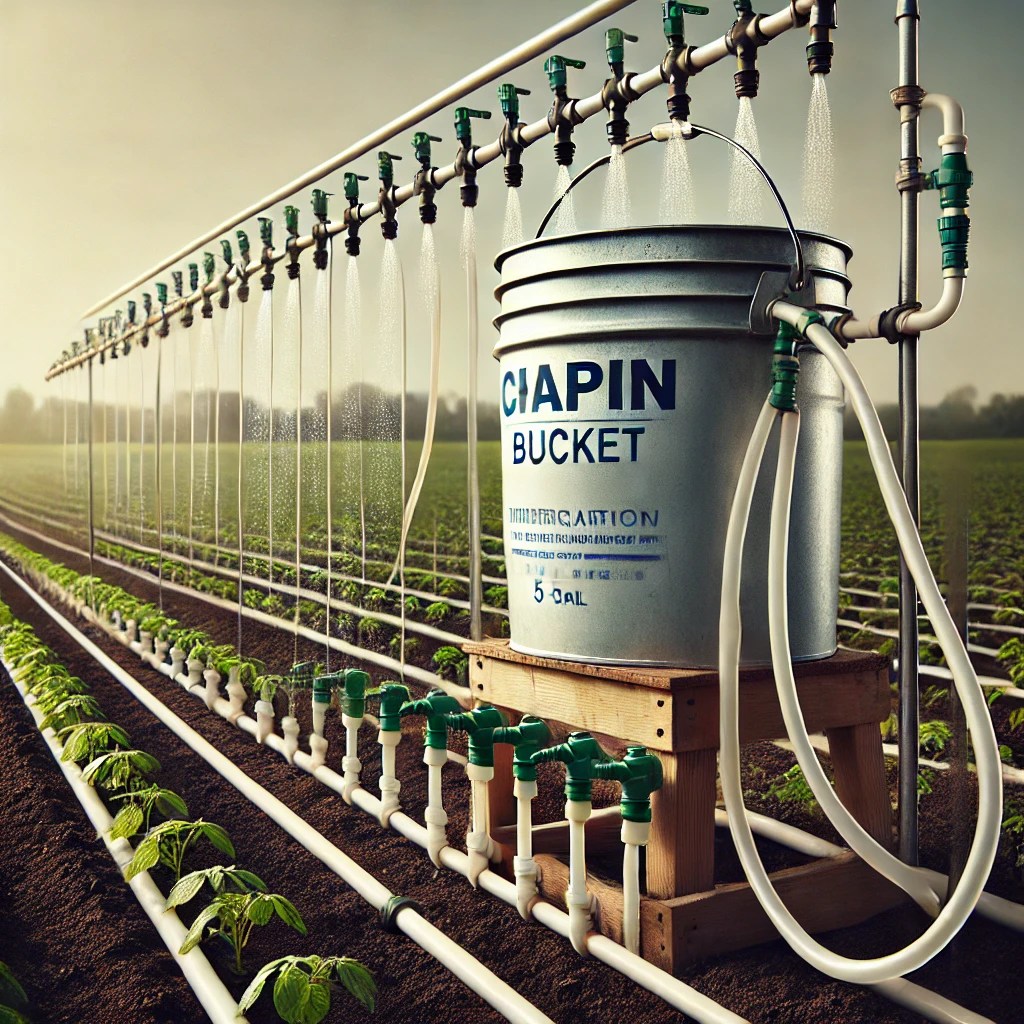
The Chapin Bucket is a robust plastic bucket designed to maximize water distribution efficiency. Key features include a sealed lid with a handle, strategically placed holes, and a hose attachment. Utilizing gravity, it ensures a steady and controlled water flow to plants.

How Does the Chapin Bucket Work?

  1. Water Source: Farmers fill the bucket with water from sources like wells or rivers.
  2. Sealed Lid: This prevents evaporation and contamination, keeping the water clean.
  3. Hose Attachment: The bucket’s base has a hose attachment that allows connection to hoses of varying lengths, depending on the distance to the crops.
  4. Controlled Distribution: Elevating the bucket enables gravity-fed water flow through the holes. Farmers can control the flow rate by adjusting the holes’ size and number or altering the bucket’s height.

Similar Posts:


Advantages of the Chapin Bucket

The Chapin Bucket offers several impactful benefits:

  • Affordability: Made from readily available materials, it is cost-effective, even for resource-constrained farmers.
  • Simplicity:  Its user-friendly requires minimal training, making it easy to construct and maintain.
  • Efficiency: Controlled water distribution minimizes waste, ensuring each plant gets adequate water, potentially increasing crop yields.
  • Accessibility: Suitable for various farming scenarios, from family plots to community gardens and larger farms.
  • Sustainability: Conserves water and reduces manual labor, promoting sustainable agriculture.
  • Empowerment: Enables farmers to manage their irrigation needs independently, reducing reliance on unpredictable weather.

Impact on Small-Scale Agriculture

The Chapin Bucket is more than just an irrigation tool; it’s a catalyst for sustainable agriculture. By promoting efficient water use, it supports food security and enhances the economic stability of small-scale farmers, especially in drought-prone areas.

Real-World Applications

The Chapin Bucket has been effectively used in various contexts:

  • Family Plots: Provides consistent irrigation without expensive infrastructure.
  • Community Gardens: Supports healthy crops and local food production in urban areas.
  • Larger Agricultural Endeavors: Multiple buckets can create an efficient irrigation network for larger farms.

Conclusion

The Chapin Bucket exemplifies the power of simple, innovative solutions to address complex challenges. As the world faces water scarcity and food security issues, such low-tech, high-impact tools are crucial for empowering small-scale farmers and fostering a sustainable, food-secure future.

Adopting the Chapin Bucket ensures crops receive necessary hydration, leading to healthier plants and better yields. This improves farmers’ livelihoods and benefits their communities overall.

Feel free to share this article to spread awareness about this revolutionary irrigation method. Supporting small-scale farmers through sustainable practices has never been more important.

Happy Gardening!

Themed Gardening: Transform Your Outdoor Space with Creativity!

Introduction

Gardening is more than just planting flowers and shrubs; it’s an art form that allows you to express your creativity and personality. Themed gardening takes this concept to the next level by creating a cohesive and immersive experience in your outdoor space. Whether you’re a seasoned gardener or a beginner, themed gardening can add a unique touch to your garden. In this article, we’ll explore various garden themes, how to plan and implement them, and tips for maintaining your themed garden.

What is Themed Gardening?

Themed gardening involves designing your garden around a specific concept or style. This could be inspired by a particular culture, historical period, or even a favorite book or movie. The goal is to create a harmonious and visually appealing space that tells a story or evokes a particular feeling.

Popular Garden Themes

1. Japanese Zen Gardens

Elements: Zen gardens are known for their simplicity and tranquility. Key elements include rocks, gravel, water features, and carefully pruned plants.

Plants: Bamboo, Japanese maple, and moss are popular choices.

Tips: Focus on creating a sense of balance and harmony. Use natural materials and avoid clutter.

2. Cottage Gardens

Elements: Cottage gardens are characterized by their informal, romantic style. They frequently include a combination of flowers, herbs, and vegetables.

Plants: Roses, lavender, and hollyhocks are common.

Tips: Plant densely to create a lush, overflowing look. Use winding paths and rustic garden furniture to enhance the charm.

3. Mediterranean Gardens

Elements: These gardens are designed to thrive in hot, dry climates. They often include terracotta pots, gravel paths, and drought-tolerant plants.

Plants: Olive trees, lavender, and rosemary are ideal.

Tips: Incorporate water-saving techniques like drip irrigation. Use bright, sun-soaked colors in your plant choices and decor.

4. Wildlife Gardens

Elements: Wildlife gardens aim to attract and support local wildlife, including birds, bees, and butterflies.

Plants: Native plants, wildflowers, and berry-producing shrubs.

Tips: Provide water sources and shelter. Please remember to avoid the use of pesticides and instead opt for organic gardening methods.

5. Herb Gardens

Elements: Herb gardens are both functional and beautiful. They can be designed in formal patterns or more casual arrangements.

Plants: Basil, thyme, mint, and parsley.

Tips: Plant herbs in well-drained soil and ensure they receive plenty of sunlight. Consider creating a dedicated herb spiral or raised beds.


Similar Posts:


Planning Your Themed Garden

Assess Your Space and Climate

Examine the dimensions, layout, and condition of your garden area. Think about elements like climate, soil type, and sunlight.

Choose a Theme

Select a theme that resonates with you and suits your environment. Research different themes and gather inspiration from books, magazines, and online resources.

Create a Design Plan

Sketch a layout of your garden, including the placement of plants, paths, and features. Think about how different elements will complement one another to produce a unified style.

Select Plants and Materials

Choose plants that fit your theme and are suitable for your climate. Select materials for paths, borders, and garden structures that complement your theme.

Implementing Your Garden Theme

Prepare the Soil

Ensure your soil is healthy and well-drained. Add vermicompost or other organic manure to improve soil quality.

Planting

Follow your design plan and start planting. Always group plants which have similar water and sunlight needs together.

Incorporate Hardscape Elements

Add paths, benches, water features, and other hardscape elements. These features can enhance the theme and provide structure to your garden.

Use Garden Art and Accessories

Decorate your garden with themed accessories like statues, lanterns, or decorative pots. These will add personality and charm to your garden space.

Maintaining Your Themed Garden

Regular Upkeep

Maintain your garden on a regular basis to keep it looking its best. This covers fertilization, pruning, weeding, and watering.

Seasonal Tasks

Adjust your care routine based on the season. For example, protect delicate plants in winter and ensure adequate watering in summer.

Pest Control

Use organic methods to manage pests. Encourage beneficial insects and use natural remedies to keep harmful pests at bay.

Adapt and Evolve

Gardens are dynamic and ever-changing. Be open to making adjustments and improvements as your garden matures.

Conclusion

Themed gardening is a wonderful way to personalize your outdoor space and create a unique, immersive experience. By choosing a theme that resonates with you and carefully planning and maintaining your garden, you can transform your yard into a beautiful and harmonious retreat. Whether you opt for the tranquility of a Japanese Zen garden or the vibrant charm of a cottage garden, themed gardening offers endless possibilities for creativity and enjoyment.

Happy Gardening!

Low-Maintenance Plants for a Busy Lifestyle: The Perfect Green Companions!

Introduction

Gardening can be a therapeutic and rewarding hobby, but for those with a busy lifestyle, maintaining a lush garden or even a few houseplants can seem like a daunting task. Thankfully, there are plenty of low-maintenance plants that are ideal for people who love greenery but have little time to tend to it. Whether you want to add some life to your home or office, or you’re looking to green up your outdoor space, these plants require minimal care and are perfect for the busiest of individuals.

1. Snake Plant (Sansevieria trifasciata)

Why it’s perfect for a busy lifestyle: The snake plant, also known as mother-in-law’s tongue, is one of the toughest houseplants around. With its ability to thrive in low light and minimal need for watering, this plant is both low-maintenance and resilient. Snake plants are also excellent at purifying the air, making them perfect for both homes and offices.

Care Tips:

Light: Prefers indirect sunlight but can tolerate low light.

Water: Water your plant every two to six weeks, and make sure the soil dries out completely between waterings.

Soil: Well-draining potting mix is ideal.

2. ZZ Plant (Zamioculcas zamiifolia)

Why it’s perfect for a busy lifestyle: The ZZ plant is another nearly indestructible houseplant. It’s known for its ability to thrive in low light and survive on minimal water. The waxy, dark green leaves unquestionably add a touch of elegance to any room.

Care Tips:

Light: Can survive in low to bright indirect light.

Water: Water the ZZ plant when the top of the soil is dry. Overwatering can cause root rot.

Soil: Use a well-draining potting mix.

3. Succulents and Cacti

Why they’re perfect for a busy lifestyle: Succulents and cacti are the ultimate low-maintenance plants. They store water in their leaves and stems, allowing them to go for extended periods without watering. With their diverse shapes, sizes, and colors, they can be a beautiful addition to any space.

Care Tips:

Light: Need plenty of bright, direct sunlight.

Water: Water every 2-4 weeks, depending on the environment. Ensure that the soil is completely dry before watering it again.

Soil: A cactus or succulent mix is ideal, ensuring good drainage.

4. Pothos (Epipremnum aureum)

Why it’s perfect for a busy lifestyle: Pothos, also known as devil’s ivy, is a versatile plant that can grow in both water and soil. It’s very forgiving and can survive in a range of lighting conditions. This trailing plant is perfect for hanging baskets or shelves and is known for its air-purifying properties. “It is also considered a lucky plant.

Care Tips:

Light: Tolerates low to medium light but thrives in bright, indirect sunlight.

Water: Water pothos when the top inch of soil is dry.

Soil: Standard potting soil works well for pothos.

5. Spider Plant (Chlorophytum comosum)

Why it’s perfect for a busy lifestyle: Spider plants are resilient and adaptable, making them great for beginners or busy individuals. They can tolerate neglect and still produce vibrant green and white striped leaves. They are also excellent at removing indoor pollutants.

Care Tips:

Light: Thrives in bright, indirect light but can also survive in lower light levels.

Water: Water moderately, keeping the soil lightly moist. Reduce watering in winter.

Soil: Any well-draining potting mix.


Similar Posts:


6. Peace Lily (Spathiphyllum)

Why it’s perfect for a busy lifestyle: Peace lilies are known for their striking white flowers and ability to thrive in low light. They are low-maintenance and only need to be watered when their leaves begin to droop. The peace lily is also believed to bring prosperity.

Care Tips:

Light: Prefers low to medium indirect light.

Water: Water Peace Lily when the top inch of the soil is dry. They’re sensitive to chlorine, so use filtered water if possible.

Soil: A well-draining potting mix is best.

7. Aloe Vera

Why it’s perfect for a busy lifestyle: Aloe vera is not only a low-maintenance plant but also a functional one. Its gel can be used for various skin ailments, making it a great plant to have around the house. Aloe vera thrives on neglect, needing very little water and care. It can survive without water and soil for many days. This plant is also considered to be lucky.

Care Tips:

Light: Prefers bright, indirect sunlight.

Water: Water every 3-4 weeks, allowing the soil to dry out completely between waterings.

Soil: Use a cactus or succulent mix for best drainage.

8. Cast Iron Plant (Aspidistra elatior)

Why it’s perfect for a busy lifestyle: As its name suggests, the cast iron plant is nearly indestructible. Its resilience allows it to thrive in low light, withstanding irregular watering and fluctuating temperatures. This plant is perfect for those who often forget to water or have less-than-ideal conditions.

Care Tips:

Light: Castor Iron Plant can thrive in low to bright indirect light.

Water: Water this plant when the top inch of soil is dry.

Soil: Well-draining potting soil is ideal.

9. Rubber Plant (Ficus elastica)

Why it’s perfect for a busy lifestyle: The rubber plant is a hardy indoor plant that can grow quite large with minimal care. It’s known for its glossy leaves and ability to purify the air.

Care Tips:

Light: Rubber Plant prefers bright, indirect sunlight but can also survive in lower light.

Water: Water Rubber Plant when the top few inches of soil are dry.

Soil: A well-draining potting mix is recommended.

10. Chinese Evergreen (Aglaonema)

Why it’s perfect for a busy lifestyle: Chinese evergreens are among the easiest houseplants to grow, tolerating low light and requiring little water. They come in a variety of colors and patterns, adding beauty to any indoor space.

Care Tips:

Light: Thrives in low to medium light.

Water: Water Aglaonema when the top inch of soil is dry.

Soil: Use a well-draining potting mix.

Conclusion

Maintaining greenery in your living or working space doesn’t have to be time-consuming. With these low-maintenance plants, you can enjoy the benefits of having plants around, such as cleaner air and a more pleasant environment, without the need for constant care. Choose any of these hardy plants to suit your style and space, and enjoy the beauty and tranquility they bring to your busy life.

By selecting the right plants and following simple care instructions, even the busiest individuals can enjoy a vibrant and thriving garden or indoor plant collection.

Happy Gardening!

The Use of Coco Peat in Gardening: A Comprehensive Guide!

Introduction

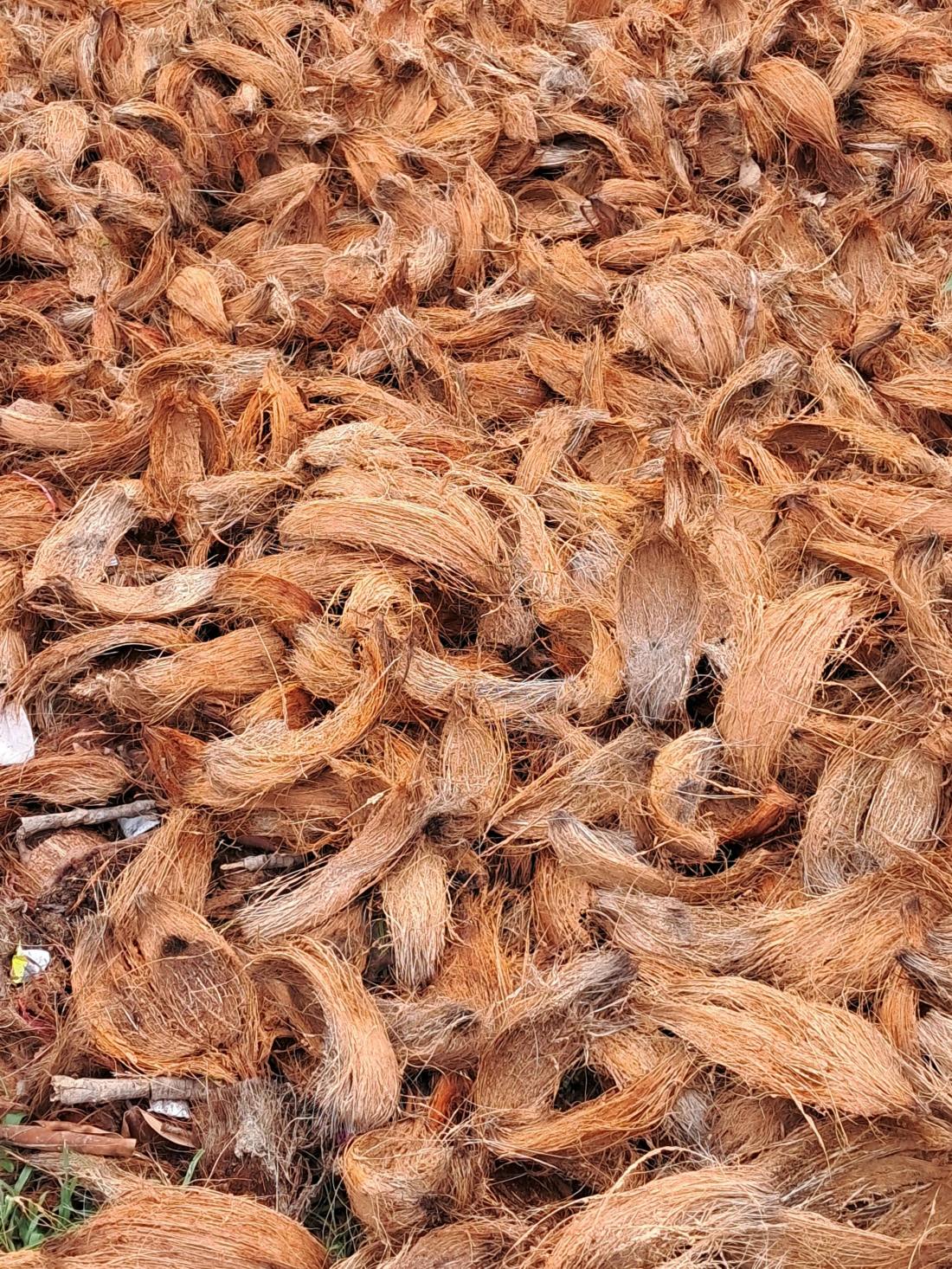
Coco peat, also known as coir pith or coir dust, is a natural byproduct of coconut husk processing. It is gaining immense popularity among gardeners and horticulturists due to its sustainability, versatility, and effectiveness as a growing medium. In this article, we will explore the benefits of using coco peat in gardening, how it enhances plant growth, and why it is an excellent choice for both home gardeners and commercial growers.

What Is Coco Peat?

Coco peat is derived from the fibrous husk of coconuts. After the long fibers are extracted for products like ropes and mats, the remaining material is processed to produce coco peat. It is a spongy, brown substance that has excellent water-retention properties, making it ideal for gardening. Available in various forms, such as bricks, blocks, and loose bags, coco peat is easy to use and store.

Why Use Coco Peat?

Coco peat has several advantages over traditional soil and other growing mediums. Its natural, eco-friendly properties make it an attractive option for gardeners looking to improve soil quality, enhance plant growth, and reduce their environmental footprint.

Benefits of Coco Peat in Gardening

Water Retention and Moisture Control

Coco peat can absorb up to 10 times its weight in water, making it an excellent medium for water retention. This characteristic helps maintain consistent moisture levels in the soil, preventing plants from drying out too quickly. It is especially useful for plants that require a steady water supply or in regions with dry climates.

Aeration and Root Development

Coco peat provides superior aeration to the roots of plants. Its porous structure allows for good airflow, which prevents soil compaction and promotes healthy root development. Proper aeration is essential for plants to absorb oxygen and nutrients, leading to stronger growth and higher yields.

Sustainable and Eco-Friendly

One of the biggest benefits of coco peat is its sustainability. It is a renewable resource, as coconuts are harvested multiple times a year. Unlike peat moss, which is harvested from non-renewable peat bogs, coco peat is an eco-friendly alternative that doesn’t deplete natural habitats. Using coco peat supports sustainable gardening practices and reduces your environmental impact.

Neutral pH Level

Coco peat has a near-neutral pH level, typically ranging between 5.5 and 6.5. This makes it suitable for a wide range of plants, as it doesn’t alter the pH of the soil significantly. It helps create an optimal growing environment without the need for chemical soil amendments.

Nutrient-Rich Amendments

While coco peat itself is low in nutrients, it acts as an excellent medium for mixing with fertilizers and organic matter. It enhances the nutrient-holding capacity of the soil, allowing plants to receive a steady supply of nutrients over time. This slow-release nature reduces the need for frequent fertilization, making it an efficient and cost-effective solution.

Improves Soil Structure

Coco peat is a natural soil conditioner. When mixed with garden soil, it improves the texture and structure, making the soil more friable and easier to work with. It loosens heavy clay soils and helps sandy soils retain water and nutrients, providing an ideal balance for plant growth.

Eco-Friendly Pest Control

Coco peat has natural antifungal properties, which can help protect plants from root diseases and fungal infections. Additionally, it doesn’t attract pests like some organic materials, reducing the need for chemical pest control in your garden.

Reusable and Long-Lasting

Coco peat can be reused multiple times before it begins to break down. After a growing season, it can be rehydrated and mixed with fresh materials for continued use. This longevity makes it a cost-effective option for gardeners who want to maximize the lifespan of their growing medium.


Similar Posts:


How to Use Coco Peat in Gardening

1. Hydrate the Coco Peat

Coco peat is typically sold in a compressed form, such as bricks or blocks. Before using it, you’ll need to hydrate it by soaking the block in water. A small brick of coco peat can expand up to several times its original size when soaked, creating a light and fluffy medium that’s easy to work with.

2. Mix with Soil or Compost

Coco peat can be used on its own or mixed with garden soil, compost, or other organic materials. For potting mixes, a common ratio is 50% coco peat and 50% compost or garden soil. This mixture provides the perfect balance of water retention, aeration, and nutrients for healthy plant growth.

3. Use as Mulch

Coco peat also works well as mulch. Spread a layer of coco peat on top of the soil around your plants to help retain moisture, regulate soil temperature, and suppress weeds. Unlike some other mulches, coco peat breaks down slowly and adds organic matter to the soil over time.

4. Seed Starting

Coco peat is an ideal medium for starting seeds. Its fine texture allows seeds to germinate easily, while its water-retaining properties ensure that seedlings receive adequate moisture during their early stages of growth. Once the seeds have sprouted, the coco peat can be transplanted directly into the soil without disrupting the delicate roots.

5. Hydroponics

Coco peat is widely used in hydroponic systems due to its excellent water-retention capacity and aeration properties. It can be combined with perlite or other inert materials to create a balanced growing medium for hydroponic plants. Since it doesn’t decompose quickly, coco peat provides a stable environment for plants in hydroponic systems.

Tips for Using Coco Peat Effectively

Monitor Watering Needs

While coco peat retains water exceptionally well, it’s important to monitor the moisture levels in your garden or pots. Overwatering can still lead to root rot, especially in plants that prefer drier conditions. Ensure that the soil is draining properly, and adjust your watering schedule accordingly.

Add Fertilizer

Since coco peat itself is low in nutrients, be sure to supplement it with organic fertilizers or compost. Regularly feed your plants with a balanced fertilizer to ensure they receive the nutrients they need for optimal growth.

Reuse Wisely

Coco peat can be reused, but after each growing season, it’s a good idea to refresh the medium by mixing it with new compost or organic matter. This will ensure that your plants continue to receive adequate nutrition and support.

Conclusion

Coco peat is an incredibly versatile and sustainable growing medium that offers numerous benefits to gardeners. From its excellent water-retention properties to its eco-friendly nature, coco peat can enhance the health and productivity of your garden. Whether you’re starting seeds, growing vegetables, or improving your garden soil, coco peat is a reliable and effective choice that helps create a thriving, low-maintenance garden. By incorporating coco peat into your gardening routine, you’ll not only promote plant growth but also contribute to a more sustainable and eco-conscious approach to gardening.

Happy Gardening!

12 Vegetables to Grow During the Rainy Season!

Introduction

The rainy season brings life to gardens, making it an ideal time to cultivate a variety of vegetables. With the right selection, you can take full advantage of the consistent moisture and mild temperatures. Here’s a guide to 12 vegetables that thrive in rainy conditions, helping you make the most of your rainy season garden.

1. Spinach (Spinacia oleracea)

Spinach is a leafy green that thrives in cooler, moist conditions. The consistent rainfall of the rainy season provides the perfect environment for spinach to grow lush and tender. Spinach can be harvested multiple times, making it a versatile choice for a continuous harvest throughout the season. Make sure the soil is well-drained to prevent waterlogging and root rot.

2. Kale (Brassica oleracea var. sabellica)

Kale is another leafy green that performs well in the rainy season. It is rich in vitamins and can be used in a variety of dishes. Kale requires moderate watering, which is naturally provided by the rain, and the cooler temperatures help reduce pest infestations. Plant kale in well-drained soil with good organic matter to enhance growth.

3. Okra (Abelmoschus esculentus)

Okra, also known as ladyfinger, is a hardy vegetable that flourishes in warm, wet climates. It grows quickly and can be harvested multiple times during the rainy season. Okra prefers well-drained soil and benefits from the humid environment that rain provides. Regular harvesting promotes further growth, so keep picking the pods when they are young and tender.

4. Eggplant (Solanum melongena)

Eggplant, or brinjal, is well-suited for the rainy season. This vegetable thrives in warm temperatures and benefits from the increased moisture levels in the soil. Eggplants should be planted in well-drained soil to avoid waterlogging. The rain helps in keeping the soil consistently moist, which is crucial for the development of healthy fruit.

5. Cucumber (Cucumis sativus)

Cucumbers are fast-growing vines that do exceptionally well during the rainy season. The frequent rain helps keep the soil consistently moist, which cucumbers need to grow crisp and flavorful fruits. Ensure the vines have plenty of space to spread out and consider using a trellis to support their growth, preventing the fruits from rotting on wet ground.

6. Bitter Gourd (Momordica charantia)

Bitter gourd, also known as bitter melon, is another vine vegetable that loves the rainy season. The warm, moist conditions promote vigorous growth and fruit production. Plant bitter gourd in well-drained soil and provide a trellis or support structure for the vines. Regular pruning and harvesting help to maximize yield.


Similar Posts:


7. Beans (Phaseolus vulgaris)

Beans, particularly varieties like green beans and bush beans, are excellent choices for the rainy season. They are easy to grow and have a quick turnaround time from planting to harvest. Beans fix nitrogen in the soil, which helps improve soil fertility for subsequent crops. Ensure they are planted in soil that drains well to prevent root rot.

8. Zucchini (Cucurbita pepo)

Zucchini is a summer squash that thrives in warm, wet conditions. The plant produces abundantly in the rainy season and benefits from the consistent moisture. Zucchini plants are prolific, and regular harvesting encourages more fruit to set. Plant zucchini in rich, well-drained soil and ensure adequate spacing to prevent fungal diseases.

9. Radish (Raphanus sativus)

Radishes are fast-growing root vegetables that are perfect for the rainy season. They mature quickly, often within 3-4 weeks, making them an ideal crop for continuous planting. Radishes prefer cooler temperatures and moist soil, both of which are provided by the rainy season. Make sure the soil is loose and well-drained to allow the roots to develop properly.

10. Lettuce (Lactuca sativa)

Lettuce is a cool-season crop that does well in the mild, wet conditions of the rainy season. There are many varieties of lettuce, from loose-leaf to head lettuce, all of which can be harvested in succession. Lettuce prefers well-drained, fertile soil and needs consistent moisture to develop crisp leaves. Too much water, however, can lead to rot, so ensure adequate drainage.

11. Turnip (Brassica rapa subsp. rapa)

Turnips are root vegetables that thrive in the cooler temperatures and moist soil conditions of the rainy season. Both the roots and leaves are edible, offering a versatile harvest. Turnips require well-drained soil and consistent moisture to develop sweet, tender roots. Avoid waterlogged conditions by planting in raised beds or well-drained soil.

12. Carrots (Daucus carota subsp. sativus)

Carrots are a popular root vegetable that grows well in the rainy season due to the cool, moist conditions. Carrots prefer loose, sandy soil that is well-drained to allow the roots to expand freely. Regular watering, naturally provided by rain, helps in developing sweet, crisp carrots. Thin the seedlings to prevent overcrowding and ensure proper root development.

Tips for Growing Vegetables in the Rainy Season

To ensure a successful harvest during the rainy season, consider these tips:

Soil Preparation: Make sure your soil has good drainage to avoid waterlogging.. Raised beds or adding organic matter can help improve drainage and soil structure.

Pest Management: Increased humidity can lead to a rise in pests. Regularly inspect plants for signs of pests and use organic pesticides when necessary.

Plant Spacing: Adequate spacing between plants ensures good air circulation, reducing the risk of fungal infections and other diseases.

Support Structures: Use trellises or supports for vine vegetables to keep them off the wet ground and prevent rotting.

Conclusion

By selecting the right vegetables and following proper gardening practices, you can enjoy a bountiful harvest throughout the rainy season. These vegetables not only thrive in wet conditions but also provide a variety of flavors and nutrients to your diet.

Happy gardening!

Amaryllis Growing Guide: Cultivating Elegance Indoors!

Introduction:

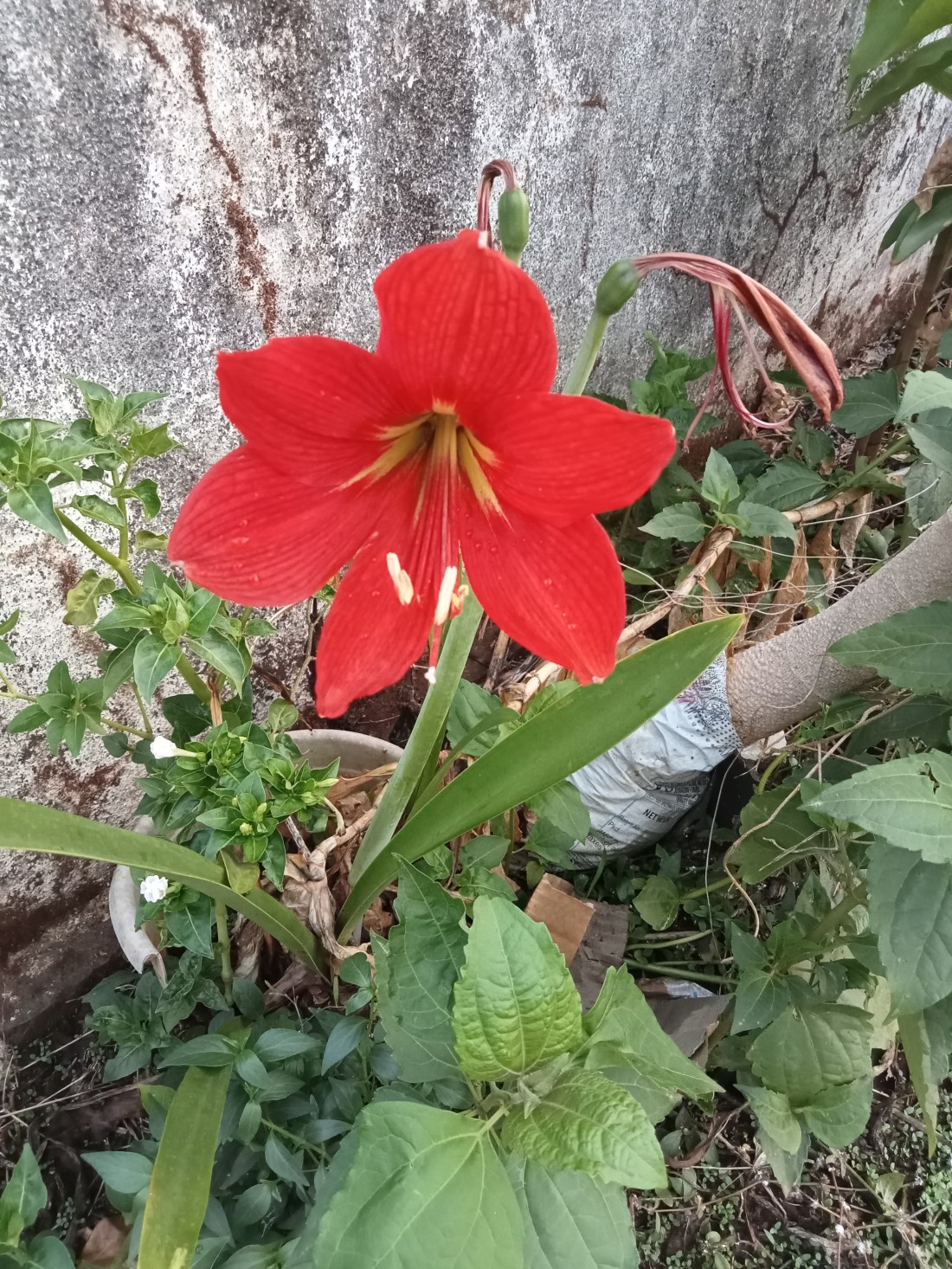
Amaryllis, with its striking blooms and effortless elegance, is a favorite among indoor plant enthusiasts. Known for its vibrant colors and easy care, this beautiful plant can brighten up any room, especially during the winter months when outdoor gardening is limited. Whether you’re a seasoned gardener or a beginner, growing Amaryllis can be a rewarding experience. In this guide, we’ll walk you through the steps to successfully grow and care for this stunning plant.

Choosing the Right Bulb

The journey to growing a beautiful Amaryllis starts with selecting the right bulb. When buying bulbs, look for ones that are firm, plump, and free from mold or blemishes. Larger bulbs often produce more flowers, so opt for bulbs that are at least 2-3 inches in diameter.

Planting Your Amaryllis

Choosing a Container: Amaryllis bulbs don’t require deep pots. Choose a pot that’s about 1-2 inches wider than the bulb to allow for growth.

Soil: Use a well-draining potting mix.A blend of peat moss, perlite, and compost proves to be effective. Avoid using soil from your garden, as it may not provide the right balance of nutrients and drainage.

Planting: Place the bulb in the pot with the pointed end facing up. Leave the top third of the bulb exposed above the soil. Firmly pack the soil around the bulb to provide support.

Watering and Care

Initial Watering: After planting, give your Amaryllis a thorough watering. Irrigate the plant until the surplus water flows out from the bottom of the pot.

Watering Frequency: Amaryllis prefers to dry out between waterings. Water sparingly until you see new growth, then increase the frequency. Overwatering can lead to bulb rot, so it’s essential to find the right balance.

Light: Place your Amaryllis in a bright location with indirect sunlight. Occasionally rotating the pot ensures even growth. Too little light can result in leggy growth, while too much direct sunlight can scorch the leaves.

Temperature: Amaryllis prefers temperatures between 60-75°F (15-24°C). Avoid placing it near drafts or heaters, as extreme temperature fluctuations can stress the plant.

Fertilizing

To encourage healthy growth and abundant blooms, fertilize your Amaryllis regularly during the growing season. Apply a balanced fertilizer containing equal parts of nitrogen, phosphorus, and potassium. Start fertilizing when new growth appears and continue every 2-4 weeks.

Supporting Blooms

As your Amaryllis grows, it may require some support to prevent the flowers from drooping. Use bamboo stakes or decorative supports to gently prop up the stems.

Post-Blooming Care

After your Amaryllis has finished blooming, it will enter a dormant period. Here are the steps for its care during this period:

Stop Fertilizing: Once the flowers fade, stop fertilizing your Amaryllis.

Watering: Reduce watering gradually as the leaves turn yellow and die back. Eventually, the plant will go into dormancy.

Dormancy: During dormancy, it’s essential to keep the bulb dry. You can either leave it in the pot or remove it, clean off any remaining soil, and store it in a cool, dark place until it’s time to replant.

Reblooming Your Amaryllis

With proper care, your Amaryllis can rebloom year after year. To encourage reblooming:

Repotting: Every 2-3 years, repot your Amaryllis bulb in fresh soil.

Forcing Dormancy: If you want your Amaryllis to bloom again around the holidays, you can force it into dormancy by cutting back on watering and placing it in a cool, dark place for 8-10 weeks.

Restarting Growth: After the dormant period, bring your Amaryllis back into a bright, warm location, resume watering, and watch as new growth appears.

Conclusion

Growing Amaryllis is a delightful and rewarding experience. With its vibrant blooms and minimal care requirements, it’s a perfect choice for both novice and experienced gardeners alike. By following these tips and guidelines, you’ll be well on your way to enjoying the beauty of Amaryllis in your home year after year.

Happy Gardening!

Growing Bleeding Heart Plant: A Guide to Heartwarming Beauty!

Introduction:

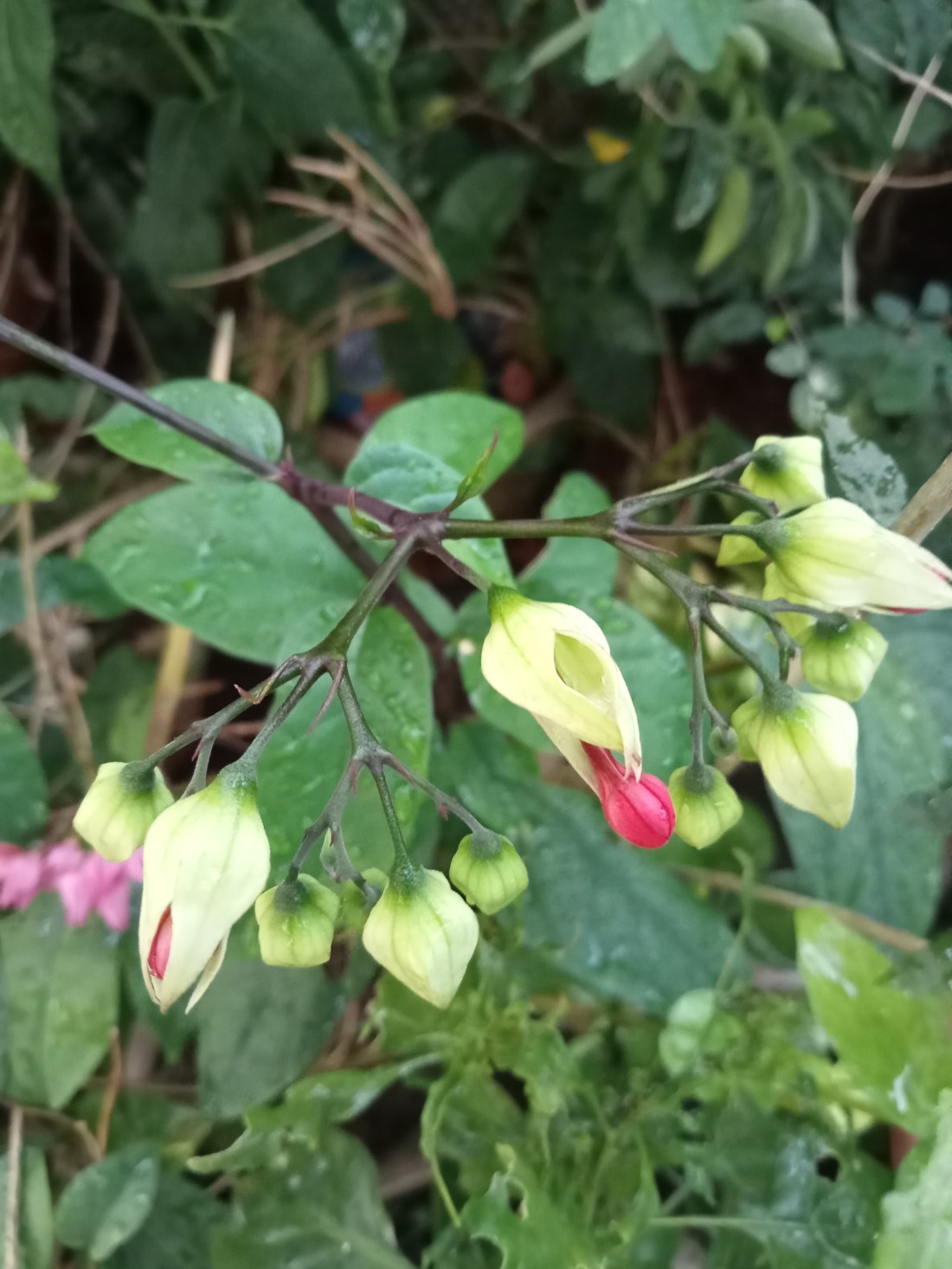
The Bleeding Heart plant, known for its heart-shaped flowers that dangle gracefully from arching stems, is a romantic and nostalgic addition to any garden. This enchanting perennial, scientifically known as Dicentra spectabilis, captures the hearts of gardeners with its unique blooms and fern-like foliage. If you’re looking to add a touch of whimsy and elegance to your garden, read on to discover our comprehensive guide on growing and caring for the Bleeding Heart plant.

1. Understanding the Bleeding Heart Plant

Botanical Background

The Bleeding Heart plant is native to Siberia, Northern China, Korea, and Japan. It belongs to the Fumariaceae family and is renowned for its distinctive heart-shaped flowers, which come in shades of pink, red, and white. The flowers typically appear in spring, adding a burst of color to the garden landscape.

Ideal Growing Conditions

Bleeding Hearts thrive in cool, moist conditions and prefer partial shade to full shade. They are typically grown as perennials in USDA hardiness zones 3-9, depending on the variety. While they can tolerate some sunlight, too much direct sun can scorch their delicate foliage, making them more suitable for shaded areas or dappled sunlight.

2. Planting the Bleeding Heart Plant

Soil Requirements

Well-draining soil rich in organic matter is essential for the Bleeding Heart’s health. An ideal soil pH level ranges from 6.0 to 7.0. Incorporating compost or well-rotted manure into the planting area can help improve soil structure and fertility.

Planting Depth and Spacing

Plant Bleeding Hearts at the same depth as they were in their nursery pots, typically around 1-2 inches deep. Space them approximately 18-24 inches apart to allow room for mature growth and optimal air circulation.


Similar Posts:


3. Watering and Feeding

Watering

Consistent moisture is key to the Bleeding Heart’s success. Ensure regular watering, particularly during periods of drought, to maintain even soil moisture without causing waterlogging. Applying mulch around the plant’s base aids in preserving soil moisture and controlling weed growth.

Fertilization

In the early spring, apply a balanced fertilizer following the manufacturer’s guidelines. Avoid over-fertilizing, as excessive nutrients can lead to lush foliage at the expense of flower production.

4. Maintenance and Care

Pruning and Deadheading

Deadheading spent flowers promotes ongoing blooms and helps keep a neat appearance. After the plant has finished blooming for the season, you can cut it back to ground level to promote fresh growth and rejuvenate the plant.

Winter Care

Apply mulch around the plant’s base in late fall to insulate the roots against freezing temperatures. In colder climates, additional winter protection such as covering with burlap or a layer of straw may be necessary.

5. Pests and Diseases

Common Pests

Aphids, slugs, and snails can occasionally be a problem for Bleeding Heart plants. Monitor your plants regularly and treat any infestations promptly using insecticidal soap or other organic pest control methods.

Disease Prevention

Powdery mildew and root rot are potential concerns for Bleeding Hearts. Ensuring proper spacing, facilitating adequate air flow, and refraining from overhead watering are effective strategies to prevent these problems. If signs of disease appear, treat the plant with fungicides or other appropriate treatments as recommended.

Conclusion:

The Bleeding Heart plant, with its heartwarming beauty and easy-care nature, is a delightful addition to any garden. By providing the right growing conditions, regular watering, and minimal maintenance, you can enjoy the charm of these romantic blooms year after year. Whether planted in borders, woodland gardens, or containers, the Bleeding Heart’s unique flowers and elegant foliage are sure to captivate and enchant all who behold them.

Happy Gardening!

Succession Planting: A Guide to Continuous Harvests in Your Garden!

Introduction:

Succession planting is a gardening strategy where crops are planted at intervals to ensure a continuous harvest throughout the growing season. This technique maximizes yield, optimizes garden space, and extends the harvest period, allowing gardeners to enjoy a bountiful supply of fresh produce over an extended period. In this article, we’ll explore the benefits of succession planting, how to implement it, and tips for success.

Benefits of Succession Planting

1. Continuous Harvest

Succession planting ensures a steady supply of fresh produce by staggering planting dates. This allows gardeners to enjoy a continuous harvest rather than a glut of produce all at once, reducing waste and maximizing enjoyment.

2. Maximizes Garden Space

By carefully planning planting dates and utilizing garden space efficiently, succession planting allows you to grow more crops in the same area. This is particularly beneficial for small gardens or limited spaces where maximizing yield is essential.

3. Improves Soil Health

Planting a variety of crops and incorporating cover crops during intervals can help improve soil health. Different plants have varying nutrient needs, and succession planting can help balance soil fertility, reduce soil erosion, and enhance microbial activity.

4. Reduces Pests and Diseases

Continuous planting disrupts the life cycle of pests and diseases, reducing their impact on your garden. By removing old plants and replacing them with new ones, you can minimize pest infestations and disease outbreaks.


Similar Posts:


How to Implement Succession Planting

1. Plan Your Garden Layout

Before you start, plan your garden layout carefully. Consider the mature size and spacing requirements of your crops, and plan succession intervals accordingly. Research companion planting to find combinations that work well together and maximize space.

2. Understand Planting Intervals

Research the growth cycle of your crops to determine the ideal planting intervals. Some crops, like lettuce and radishes, have quick growth cycles and can be planted every few weeks. Others, like tomatoes and peppers, have longer growing seasons and may only allow for one or two successions.

3. Use a Garden Calendar

Maintain a garden calendar to track planting dates, harvest times, and succession intervals. This will help you stay organized and ensure a continuous supply of fresh produce throughout the growing season.

4. Rotate Crops

Crop rotation helps minimize pest and disease issues and stops soil erosion. To ensure a balanced nutrient profile and healthier plants, plan your planting calendar such that crops are rotated annually.

Tips for Successful Succession Planting

1. Choose Complementary Crops

Select crops that complement each other in terms of growth rate and nutrient needs. For example, planting fast-growing radishes between slower-growing carrots can help maximize space and yield.

2. Plant Quick-Growing Crops

Include quick-growing crops like lettuce, radishes, and spinach in your succession planting plan. These crops can be planted multiple times throughout the season, providing a continuous harvest.

3. Optimize Soil Fertility

Incorporate cover crops or green manures during intervals to improve soil fertility and structure. This can help balance soil nutrients and enhance microbial activity, promoting healthier plants and higher yields.

4. Monitor and Maintain

Regularly monitor your garden to ensure plants are thriving and address any issues promptly. Inspect plants for nutrient deficiencies, pest or disease issues, and adjust watering and fertilization as required.

Conclusion:

Succession planting is a valuable gardening technique that allows you to enjoy a continuous harvest throughout the growing season. By carefully planning your garden layout, understanding planting intervals, and following these tips and strategies, you can create a productive and thriving garden that provides a bountiful harvest from spring to fall.

Happy Gardening!

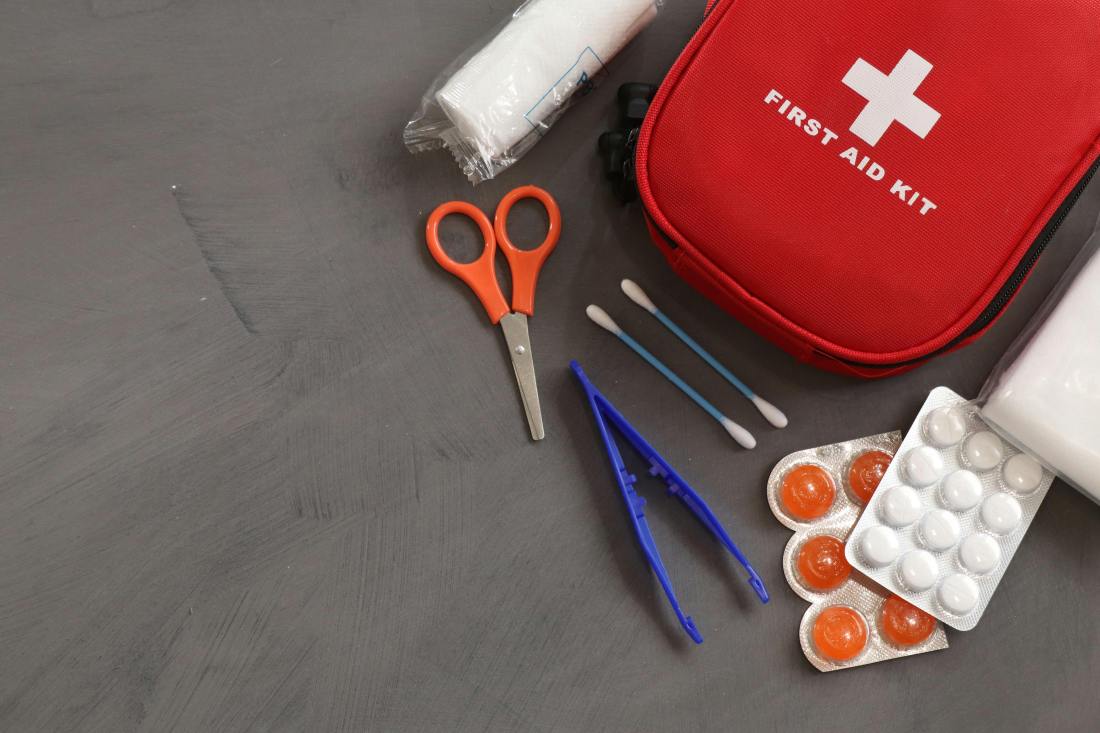
Essential First Aid Kit for Gardeners: Must-Have Medicines for Gardening Emergencies!

Introduction:

Gardening is a fulfilling hobby, but it comes with its fair share of risks. From minor cuts and scrapes to insect bites and allergic reactions, gardeners are exposed to various hazards while tending to their plants. Having a well-equipped first aid kit is essential for addressing injuries and emergencies that may occur in the garden. In this article, we’ll explore the types of medicines that should be kept in a gardener’s first aid kit to ensure safety and preparedness.

Antiseptic Wipes or Solution:

One of the most common injuries in the garden is minor cuts and scrapes from handling tools or pruning plants. Antiseptic wipes or solution are essential for cleaning wounds to prevent infection. They help remove dirt and debris from the affected area, reducing the risk of bacterial contamination.

Adhesive Bandages:

Adhesive bandages, also known as band-aids, are indispensable for covering small cuts and abrasions. They provide a protective barrier against dirt and germs while promoting healing. It’s advisable to keep a variety of sizes and shapes of adhesive bandages to accommodate different types of wounds.

Sterile Gauze Pads and Tape:

For larger wounds or injuries that require more extensive dressing, sterile gauze pads and medical tape are essential. Gauze pads can be used to cover and absorb blood from wounds, while medical tape secures the gauze in place. These items are crucial for controlling bleeding and protecting the wound from further contamination.

Pain Relievers:

Gardening activities can sometimes lead to muscle strains, sprains, or headaches due to prolonged sun exposure or physical exertion. Over-the-counter pain relievers such as ibuprofen or acetaminophen (with a doctor’s consultation) can provide relief from minor aches and pains. However, it’s essential to follow the recommended dosage and precautions when using pain relievers.


Similar Posts:


Allergy Medications:

Many gardeners may experience allergies to pollen, plants, or insect bites while working in the garden. Antihistamines such as diphenhydramine or loratadine (with a doctor’s consultation) can help alleviate symptoms such as sneezing, itching, or hives caused by allergies. It’s advisable to keep allergy medications on hand, especially for individuals prone to allergic reactions.

Insect Sting Relief:

Insect bites and stings are common occurrences in the garden, particularly during the warmer months. Insect sting relief products containing ingredients like hydrocortisone or antihistamines can help reduce itching, swelling, and discomfort caused by insect bites. It’s essential to address insect stings promptly to prevent allergic reactions or secondary infections.

Sunburn Relief:

Prolonged exposure to the sun while gardening can lead to sunburn, especially on exposed skin areas. Aloe vera gel or calamine lotion can provide soothing relief for sunburned skin. Additionally, wearing protective clothing, such as wide-brimmed hats and long sleeves, and applying sunscreen with a high SPF can help prevent sunburns while gardening.

Poison Ivy/Oak Treatment:

Contact with poisonous plants like poison ivy or poison oak can cause allergic skin reactions in some individuals. Calamine lotion or hydrocortisone cream can help alleviate itching and inflammation associated with poison ivy/oak exposure. It’s essential to wash the affected area thoroughly with soap and water to remove plant oils and prevent further spread of the rash.

Conclusion:

A well-stocked first aid kit is essential for every gardener to handle minor injuries and emergencies that may occur while gardening. By including essential medicines such as antiseptics, bandages, pain relievers, allergy medications, and insect sting relief in the first aid kit, gardeners can ensure their safety and preparedness in the garden. Remember to regularly check and replenish the first aid kit to maintain its effectiveness in addressing gardening-related injuries.

Happy Gardening!

Mastering Plant Care in the Summer Heat: Tips for Thriving Gardens!

Introduction:

As the summer sun beats down, maintaining healthy and vibrant plants becomes essential for gardeners. The scorching temperatures and intense sunlight can pose challenges to plant growth, making it crucial to implement proper care strategies. In this comprehensive guide, we’ll explore essential tips and techniques for caring for plants during the summer season, ensuring they thrive despite the heat.

Understanding Summer Plant Care Needs:

Watering:

  • During the summer months, plants require more frequent watering to combat dehydration caused by the heat.
  • Water deeply and thoroughly, ensuring the soil is adequately moistened but not waterlogged.
  • Water early in the morning or late in the evening to minimize evaporation and ensure optimal absorption by the plants’ roots.

Mulching:

  • Apply a layer of organic mulch, such as shredded bark or straw, around the base of plants to help retain soil moisture and regulate temperature.
  • Mulching also suppresses weed growth, which can compete with plants for water and nutrients during the summer.

Sun Protection:

  • Provide shade for delicate plants or those sensitive to intense sunlight by using shade cloth or strategically placing potted plants under awnings or trees.
  • Consider using reflective mulch or light-colored containers to reduce soil temperature and minimize heat stress on plant roots.

Pruning and Deadheading:

  • Regularly prune dead or damaged foliage to encourage healthy growth and improve air circulation around plants.
  • Deadhead spent flowers to promote continuous blooming and prevent plants from expending energy on seed production.

Similar Posts:


Fertilizing:

  • Feed plants with a balanced fertilizer formulated for summer use to replenish nutrients lost due to increased watering and rapid growth.
  • Go for liquid fertilizers as they provide nourishment to plants and also help in reducing the temperature of the soil.
  • Avoid over-fertilizing, as this can lead to nutrient imbalances and burn roots in hot weather.

Pest and Disease Management:

  • Monitor plants closely for signs of pest infestations and diseases, which can proliferate in warm, humid conditions.
  • Use natural remedies or organic insecticides to control pests and prevent damage to plants without harming beneficial insects.

Proper Plant Selection:

  • Choose heat-tolerant plant varieties that are well-suited to your region’s climate and growing conditions.
  • Opt for drought-resistant plants that require less water and are better equipped to withstand prolonged periods of heat and dryness.

Regular Maintenance:

  • Stay vigilant with regular maintenance tasks such as weeding, pruning, and grooming to keep plants healthy and thriving.
  • Monitor soil moisture levels and adjust watering frequency as needed based on weather conditions and plant requirements.

Conclusion:

Plants can undoubtedly thrive in the sizzling heat of summer with proper care and attention. Don’t doubt their resilience! If you’re committed to seeing your plants succeed, you must be vigilant in providing them with what they need to flourish, even in the hottest of temperatures. By implementing these essential tips for watering, mulching, sun protection, pruning, fertilizing, pest management, plant selection, and regular maintenance, gardeners can ensure their plants remain healthy, vibrant, and resilient throughout the summer season. With a little extra effort and care, your garden can continue to flourish and bring joy throughout the hottest months of the year.

Happy Gardening!