Garden Reads: Must-Have Books for Every Green Thumb!

Introduction

Gardening is a timeless and rewarding hobby that connects us to nature and fosters a sense of accomplishment. Whether you’re a novice gardener just starting out or a seasoned green thumb looking to expand your knowledge, there’s always something new to learn. The right books can offer invaluable insights, practical tips, and inspiring ideas to help you grow a flourishing garden. This article highlights some of the best book recommendations for gardeners, covering various aspects of gardening, from organic practices to landscape design.

1. “The Vegetable Gardener’s Bible”: Edward C. Smith

Edward C. Smith’s “The Vegetable Gardener’s Bible” is a comprehensive guide for anyone interested in growing their own vegetables. The book is based on Smith’s W-O-R-D system, which stands for Wide rows, Organic methods, Raised beds, and Deep soil. This approach ensures healthy, productive, and sustainable vegetable gardening. The book covers everything from soil preparation and pest management to crop rotation and companion planting. With detailed instructions and illustrations, it’s a must-have for vegetable gardeners of all levels.

2. “Gaia’s Garden: A Guide to Home-Scale Permaculture”: Toby Hemenway

For those interested in permaculture and sustainable gardening, “Gaia’s Garden” by Toby Hemenway is an essential read. The book introduces the principles of permaculture and how to apply them to a home garden. Hemenway provides practical advice on creating self-sustaining ecosystems that mimic nature. Topics include soil fertility, water conservation, plant guilds, and wildlife habitats. The book is filled with inspiring ideas and real-world examples, making it accessible and engaging for gardeners interested in ecological practices.

3. “The Flower Gardener’s Bible”: Lewis Hill and Nancy Hill

“The Flower Gardener’s Bible” by Lewis and Nancy Hill is a beautiful and informative guide for flower enthusiasts. The book covers everything from selecting the right flowers for your garden to planting, growing, and maintaining them. It includes detailed profiles of over 400 flower varieties, along with tips on garden design, soil preparation, and pest control. The stunning photographs and practical advice make it an indispensable resource for anyone looking to create a vibrant and colorful flower garden.

4. “The Well-Tempered Garden”: Christopher Lloyd

Christopher Lloyd’s “The Well-Tempered Garden” is a classic in the world of gardening literature. Lloyd, a renowned British gardener, shares his vast knowledge and experience in this engaging and witty book. It covers a wide range of topics, including garden design, plant selection, and seasonal care. Lloyd’s passion for gardening and his humorous writing style make this book a joy to read. Whether you’re looking for practical tips or inspiration, “The Well-Tempered Garden” is a timeless addition to any gardener’s library.

5. “The Garden Primer”: Barbara Damrosch

Barbara Damrosch’s “The Garden Primer” is a comprehensive guide for both beginner and experienced gardeners. The book covers all aspects of gardening, from planning and planting to maintenance and harvesting. Damrosch’s clear and concise writing makes complex gardening concepts easy to understand. The book includes sections on vegetable gardening, flower gardening, and landscaping, making it a versatile resource. With its practical advice and beautiful illustrations, “The Garden Primer” is a valuable tool for any gardener.


Similar Posts:


6. “The Organic Gardener’s Handbook of Natural Pest and Disease Control”: Fern Marshall Bradley, Barbara W. Ellis, and Deborah L. Martin

For gardeners committed to organic practices, “The Organic Gardener’s Handbook of Natural Pest and Disease Control” is an indispensable resource. This comprehensive guide provides detailed information on identifying and managing garden pests and diseases without synthetic chemicals. The book includes sections on beneficial insects, organic pesticides, and disease-resistant plants. With its practical solutions and easy-to-follow advice, it’s an essential reference for maintaining a healthy and thriving garden.

7. “The New Sunset Western Garden Book”: The Editors of Sunset Magazine

“The New Sunset Western Garden Book” is a definitive guide for gardeners in the Western United States. It provides detailed information on selecting, planting, and caring for plants that thrive in the region’s diverse climates. The book includes an extensive plant encyclopedia, with profiles of over 8,000 plants. It also covers garden design, soil improvement, and pest management. The comprehensive and region-specific advice makes it an invaluable resource for Western gardeners.

8. “Rodale’s Basic Organic Gardening” A Beginner’s Guide to Starting a Healthy Garden.: Deborah L. Martin

“Rodale’s Basic Organic Gardening” by Deborah L. Martin is a great starting point for those new to organic gardening. The book covers fundamental principles and techniques, including soil preparation, composting, pest control, and plant selection. Martin’s straightforward writing and practical tips make organic gardening accessible and enjoyable. With its step-by-step instructions and helpful illustrations, it’s a perfect guide for anyone looking to cultivate a healthy and sustainable garden.

9. “Bringing Nature Home: How You Can Sustain Wildlife with Native Plants”: Douglas W. Tallamy

Douglas W. Tallamy’s “Bringing Nature Home” emphasizes the importance of using native plants in gardening to support local wildlife. Tallamy explains how native plants provide essential resources for birds, insects, and other animals. The book includes practical advice on selecting and cultivating native plants, along with beautiful photographs and inspiring stories. It’s a compelling read for gardeners interested in creating ecologically beneficial landscapes.

10. “The Hidden Life of Trees: What They Feel, How They Communicate – Discoveries from a Secret World”: Peter Wohlleben

Peter Wohlleben’s “The Hidden Life of Trees” offers a fascinating glimpse into the secret lives of trees. Wohlleben, a forester, shares his discoveries about how trees communicate, support each other, and form complex ecosystems. The book is filled with captivating stories and scientific insights that deepen our understanding of trees and their importance. It’s an inspiring read for anyone interested in the natural world and the intricate relationships within forests.

Conclusion

Gardening is a beautiful journey of continuous learning and discovery. The books listed above offer a wealth of knowledge, practical tips, and inspiration to help you cultivate a thriving and beautiful garden. Whether you’re interested in vegetable gardening, flower cultivation, organic practices, or ecological landscapes, there’s a book for every gardener.

Happy reading and happy gardening! 🌿📚
Save Your Orchids: Natural Cures for Common Pests and Diseases!

Introduction

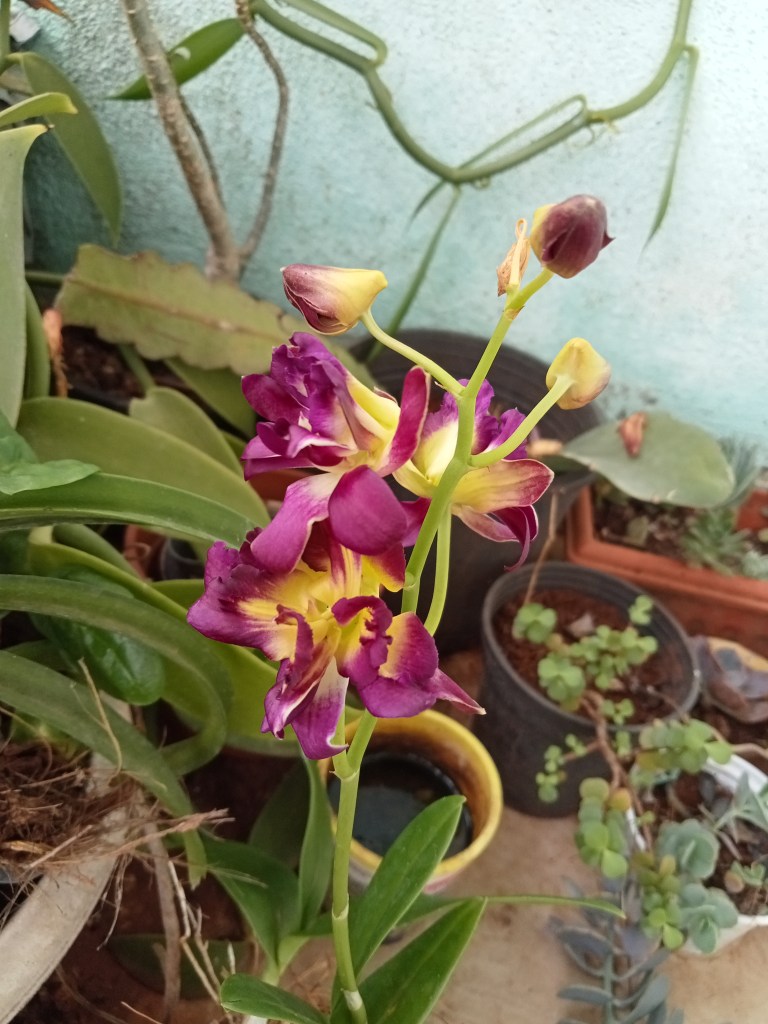
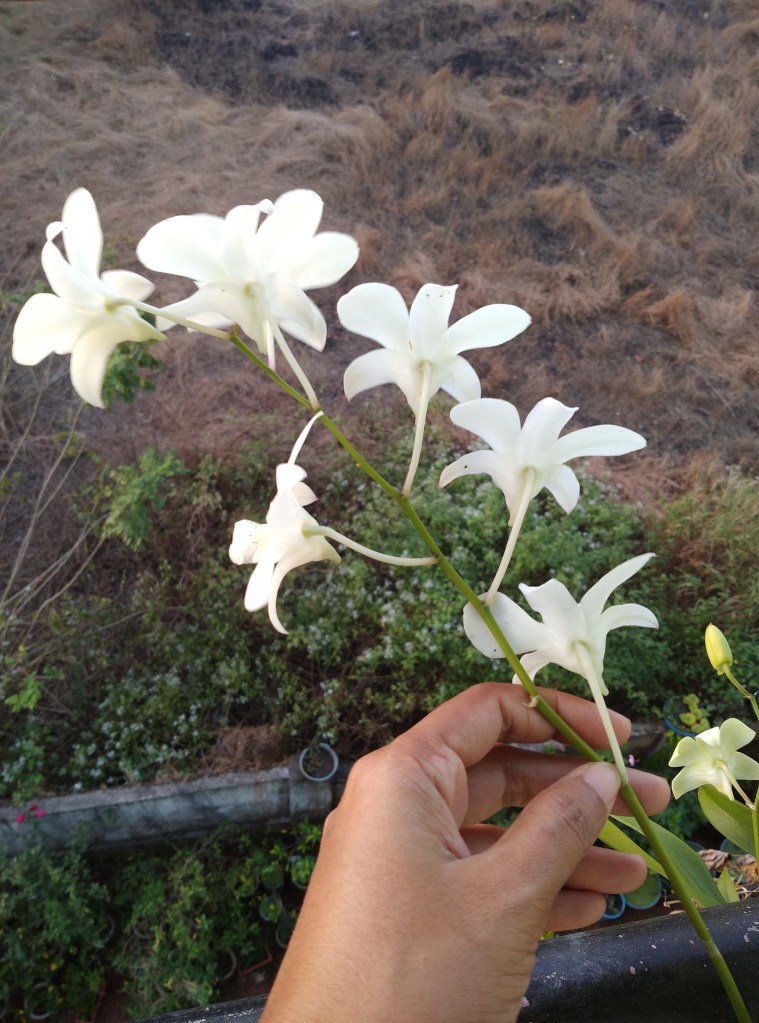
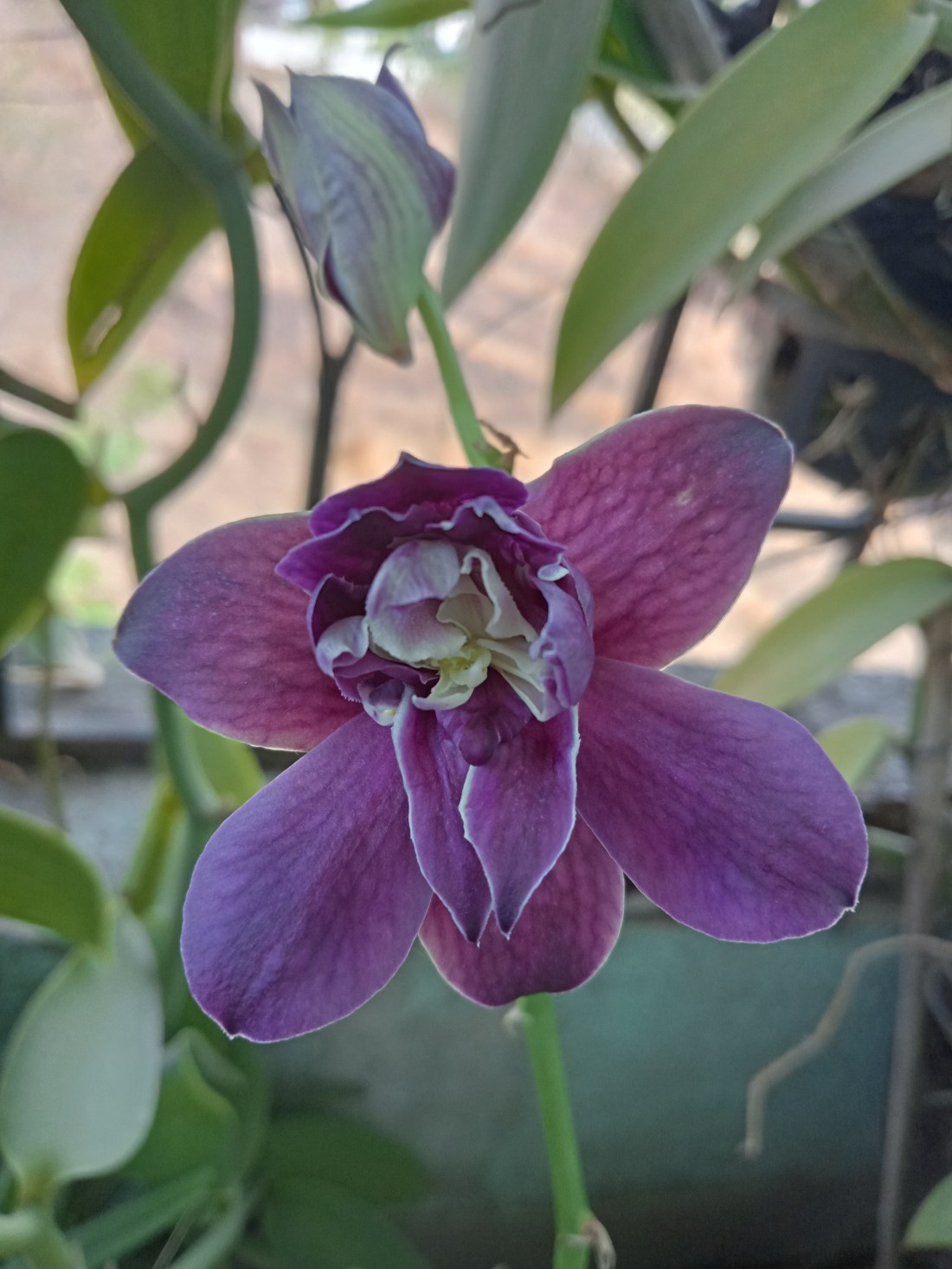
Dendrobium orchid

Orchids are among the most exotic and enchanting flowers, known for their stunning beauty and diversity. Like all plants, they can be affected by a variety of pests and diseases. These issues can damage or even kill orchids if not addressed promptly. Fortunately, there are natural and organic remedies that can help manage these problems effectively. This article explores some common pests and diseases affecting orchids and provides natural solutions to keep your orchids healthy and thriving.

Common Pests Affecting Orchids

1. Aphids

Aphids are small, soft-bodied insects that feed on the sap of orchids, causing yellowing and distortion of leaves and flowers. They also produce a sticky substance known as honeydew, which can result in the growth of sooty mold.

Natural Cure:

Neem Oil: Neem oil is a very good and effective organic pesticide. Mix one teaspoon of neem oil with one liter of water and a few drops of mild dish soap. Spray the solution on the affected areas of the orchid.

Ladybugs: Introduce ladybugs to your garden because they are natural predators of aphids.

2. Mealybugs

Mealybugs are small, white, cottony insects that cluster on the leaves, stems, and roots of orchids. They feed on the sap of the plant, which results in stunted growth and yellowing leaves.

Natural Cure:

Rubbing Alcohol: Rub alcohol-dipped cotton swabs to the mealybugs. This will kill them on contact.

Garlic Spray: Blend the garlic cloves with water, then strain the mixture. Spray the solution on the affected areas to repel mealybugs.

3. Spider Mites

Spider mites are tiny, red or yellowish pests that cause fine webbing on the undersides of orchid leaves. They suck the sap, leading to speckled leaves and overall plant weakness.

Natural Cure:

Water Spray: Use a strong spray of water to remove spider mites from the plant. Repeat this process regularly.

Essential Oils: Mix a few drops of rosemary or peppermint oil with water and spray on the affected areas. These oils deter spider mites.

4. Scale Insects

Scale insects appear as small, immobile bumps on orchid stems and leaves. They consume sap of the leaves, which leads to yellowing and wilting of the plant.

Natural Cure:

Insecticidal Soap: Use a mild insecticidal soap solution to wash off scale insects from the plant. Repeat the application as needed.

Horticultural Oil: Use horticultural oil to suffocate and eliminate scale insects.


Similar Posts:


Common Diseases Affecting Orchids

1. Root Rot

Root rot is a fungal disease that occurs due to overwatering and inadequate drainage. It leads to mushy, blackened roots and eventually leads to the death of the plant.

Natural Cure:

Cinnamon: Cinnamon is a natural fungicide. Dust cinnamon powder on the affected roots after trimming off the rotten parts.

Hydrogen Peroxide: Soak the roots in a hydrogen peroxide solution (one part hydrogen peroxide to four parts water) to disinfect and promote healthy root growth.

2. Leaf Spot

Leaf spot is a fungal or bacterial disease that causes black or brown spots on orchid leaves. In humid environments, it can spread rapidly.

Natural Cure:

Baking Soda Spray: Mix one teaspoon of baking soda with one liter of water and a few drops of mild dish soap. Spray the solution on the affected leaves to inhibit fungal growth.

Garlic Extract: Blend garlic cloves with water, strain, and spray on the affected areas to prevent the spread of leaf spot.

3. Powdery Mildew

Powdery mildew appears as a white, powdery coating on orchid leaves and stems. It thrives in warm, dry conditions and has the potential to weaken the plant.

Natural Cure:

Milk Spray: Combine one part milk with two parts water, then spray the mixture onto the affected areas. The proteins in milk help combat powdery mildew.

Neem Oil: Neem oil can also be used to control powdery mildew. Spray a neem oil solution on the affected parts of the plant.

4. Black Rot

Black rot is a serious fungal disease that affects the leaves and pseudobulbs of orchids. It causes black, mushy lesions and can quickly spread if not treated.

Natural Cure:

Lemon Juice: Apply diluted lemon juice to the affected areas to inhibit fungal growth.

Fungicidal Soap: Use a fungicidal soap solution to clean the plant and prevent the spread of black rot.

Preventive Measures

Prevention is always better than cure. Here are some tips to prevent pests and diseases in orchids:

1. Proper Watering

Overwatering is a common cause of many orchid diseases. Only when the top inch of the potting material is dry you should water the orchids. Make sure to provide proper drainage to avoid waterlogged conditions.

2. Good Air Circulation

Ensure good air circulation around your orchids to reduce humidity and prevent fungal and bacterial growth. Use fans or place your orchids in a well-ventilated area.

3. Sterilize Tools

Always sterilize your gardening tools before and after use to prevent the spread of diseases. To disinfect tools, use either rubbing alcohol or a bleach solution.

4. Monitor Plants Regularly

Make sure to regularly check your orchids for any signs of pests or diseases. Detecting and treating issues early can protect your plants from serious damage.

5. Use Clean Potting Medium

Use a clean, sterile potting medium to repot your orchids. Avoid reusing potting mix, which can harbor pests and diseases.

Conclusion

Orchids are delicate and require proper care to thrive. By understanding the common pests and diseases that affect orchids and using natural and organic remedies, you can keep your orchids healthy and beautiful. With preventive measures and timely treatments, you can enjoy the stunning beauty of your orchids for years to come.

Happy Gardening! 🌸🌿

12 Vegetables to Grow During the Rainy Season!

Introduction

The rainy season brings life to gardens, making it an ideal time to cultivate a variety of vegetables. With the right selection, you can take full advantage of the consistent moisture and mild temperatures. Here’s a guide to 12 vegetables that thrive in rainy conditions, helping you make the most of your rainy season garden.

1. Spinach (Spinacia oleracea)

Spinach is a leafy green that thrives in cooler, moist conditions. The consistent rainfall of the rainy season provides the perfect environment for spinach to grow lush and tender. Spinach can be harvested multiple times, making it a versatile choice for a continuous harvest throughout the season. Make sure the soil is well-drained to prevent waterlogging and root rot.

2. Kale (Brassica oleracea var. sabellica)

Kale is another leafy green that performs well in the rainy season. It is rich in vitamins and can be used in a variety of dishes. Kale requires moderate watering, which is naturally provided by the rain, and the cooler temperatures help reduce pest infestations. Plant kale in well-drained soil with good organic matter to enhance growth.

3. Okra (Abelmoschus esculentus)

Okra, also known as ladyfinger, is a hardy vegetable that flourishes in warm, wet climates. It grows quickly and can be harvested multiple times during the rainy season. Okra prefers well-drained soil and benefits from the humid environment that rain provides. Regular harvesting promotes further growth, so keep picking the pods when they are young and tender.

4. Eggplant (Solanum melongena)

Eggplant, or brinjal, is well-suited for the rainy season. This vegetable thrives in warm temperatures and benefits from the increased moisture levels in the soil. Eggplants should be planted in well-drained soil to avoid waterlogging. The rain helps in keeping the soil consistently moist, which is crucial for the development of healthy fruit.

5. Cucumber (Cucumis sativus)

Cucumbers are fast-growing vines that do exceptionally well during the rainy season. The frequent rain helps keep the soil consistently moist, which cucumbers need to grow crisp and flavorful fruits. Ensure the vines have plenty of space to spread out and consider using a trellis to support their growth, preventing the fruits from rotting on wet ground.

6. Bitter Gourd (Momordica charantia)

Bitter gourd, also known as bitter melon, is another vine vegetable that loves the rainy season. The warm, moist conditions promote vigorous growth and fruit production. Plant bitter gourd in well-drained soil and provide a trellis or support structure for the vines. Regular pruning and harvesting help to maximize yield.


Similar Posts:


7. Beans (Phaseolus vulgaris)

Beans, particularly varieties like green beans and bush beans, are excellent choices for the rainy season. They are easy to grow and have a quick turnaround time from planting to harvest. Beans fix nitrogen in the soil, which helps improve soil fertility for subsequent crops. Ensure they are planted in soil that drains well to prevent root rot.

8. Zucchini (Cucurbita pepo)

Zucchini is a summer squash that thrives in warm, wet conditions. The plant produces abundantly in the rainy season and benefits from the consistent moisture. Zucchini plants are prolific, and regular harvesting encourages more fruit to set. Plant zucchini in rich, well-drained soil and ensure adequate spacing to prevent fungal diseases.

9. Radish (Raphanus sativus)

Radishes are fast-growing root vegetables that are perfect for the rainy season. They mature quickly, often within 3-4 weeks, making them an ideal crop for continuous planting. Radishes prefer cooler temperatures and moist soil, both of which are provided by the rainy season. Make sure the soil is loose and well-drained to allow the roots to develop properly.

10. Lettuce (Lactuca sativa)

Lettuce is a cool-season crop that does well in the mild, wet conditions of the rainy season. There are many varieties of lettuce, from loose-leaf to head lettuce, all of which can be harvested in succession. Lettuce prefers well-drained, fertile soil and needs consistent moisture to develop crisp leaves. Too much water, however, can lead to rot, so ensure adequate drainage.

11. Turnip (Brassica rapa subsp. rapa)

Turnips are root vegetables that thrive in the cooler temperatures and moist soil conditions of the rainy season. Both the roots and leaves are edible, offering a versatile harvest. Turnips require well-drained soil and consistent moisture to develop sweet, tender roots. Avoid waterlogged conditions by planting in raised beds or well-drained soil.

12. Carrots (Daucus carota subsp. sativus)

Carrots are a popular root vegetable that grows well in the rainy season due to the cool, moist conditions. Carrots prefer loose, sandy soil that is well-drained to allow the roots to expand freely. Regular watering, naturally provided by rain, helps in developing sweet, crisp carrots. Thin the seedlings to prevent overcrowding and ensure proper root development.

Tips for Growing Vegetables in the Rainy Season

To ensure a successful harvest during the rainy season, consider these tips:

Soil Preparation: Make sure your soil has good drainage to avoid waterlogging.. Raised beds or adding organic matter can help improve drainage and soil structure.

Pest Management: Increased humidity can lead to a rise in pests. Regularly inspect plants for signs of pests and use organic pesticides when necessary.

Plant Spacing: Adequate spacing between plants ensures good air circulation, reducing the risk of fungal infections and other diseases.

Support Structures: Use trellises or supports for vine vegetables to keep them off the wet ground and prevent rotting.

Conclusion

By selecting the right vegetables and following proper gardening practices, you can enjoy a bountiful harvest throughout the rainy season. These vegetables not only thrive in wet conditions but also provide a variety of flavors and nutrients to your diet.

Happy gardening!

Growing and Caring for Palms Indoors: A Guide to Lush Greenery!

Introduction

Palms are iconic houseplants known for their graceful fronds and tropical allure, offering a touch of exotic elegance to any indoor space. These versatile plants come in various shapes and sizes, making them a favorite among plant enthusiasts. Whether you’re a seasoned gardener or a beginner, caring for a palm plant at home can be a rewarding experience. Here’s a comprehensive guide on how to grow and nurture these botanical beauties indoors.

Selecting the Right Palm Plant

Before diving into care tips, it’s crucial to choose a palm species that suits your indoor environment. Some popular indoor palm varieties include the Areca Palm, Parlor Palm, Majesty Palm, and Kentia Palm. Consider factors like available space, light conditions, and the plant’s mature size when selecting your palm.

Light Requirements

Light plays a pivotal role in the health of your indoor palm. Palm species generally grow best in bright, indirect sunlight. Place your palm near a window that receives filtered sunlight or in an area where it can benefit from bright, indirect light throughout the day. Avoid direct sunlight, as it can scorch the leaves of some palm varieties.

Optimal Temperature and Humidity

Maintain a comfortable temperature range for your palm plant, ideally between 60°F to 80°F (15°C to 27°C). Palms generally prefer a humid environment, mimicking their tropical origins. Increase humidity levels by misting the foliage regularly or placing the pot on a tray filled with pebbles and water. Avoid drafts and sudden temperature fluctuations, as these can stress the plant.

Watering Routine

Proper watering is essential for palm care. Make sure that the soil stays consistently moist but avoid over-watering it. Overwatering can lead to root rot, while underwatering can cause the fronds to turn brown and dry. Allow the top inch or two of soil to dry between watering sessions. To ensure optimal growth, it is important to tailor the frequency of care to each plant’s unique needs and the surrounding environmental conditions.

Soil and Potting

Palms prefer well-draining soil to prevent waterlogging. A mix of peat, perlite, and sand works well for most palm species. Repot your palm every two to three years, or when the roots outgrow the current container. Choose a pot with drainage holes to facilitate excess water drainage, preventing root rot.


Similar Posts


Fertilization

Feed your indoor palm with a balanced liquid fertilizer designed for houseplants. To promote healthy growth, it is recommended to fertilize your plants once a month during the growing season, which typically falls in spring and summer. Reduce or halt fertilization during the plant’s dormant phase in fall and winter.

Pruning and Maintenance

Regular maintenance helps keep your palm healthy and aesthetically pleasing. Remove any brown or yellowing fronds by trimming them close to the base using clean, sharp pruning shears. To prevent the spread of diseases, it’s important to wipe the blades with rubbing alcohol between cuts.

Pest Management

While indoor palms are generally resilient, they can occasionally face pest issues. There are a few pests that can commonly affect palm plants, such as spider mites, mealybugs, and scale insects. Inspect your palm regularly for signs of infestation, such as webbing, sticky residue, or unusual spots on the leaves. Treat infestations promptly with natural or commercial remedies to prevent further damage.

Propagation

Propagating palms at home can be challenging, as many species primarily propagate through seeds or division. It’s best to purchase new plants from reputable nurseries or garden centers rather than attempting to propagate them at home.

Creating a Stunning Display

Palms make striking standalone plants but also work well in mixed plant arrangements. Combine them with other tropical plants or place them as focal points in your indoor green oasis. Experiment with different pot sizes, shapes, and decorative elements to enhance their visual appeal.

Conclusion

Growing and caring for a palm plant indoors can bring a touch of the tropics into your home. By providing the right conditions—adequate light, proper watering, suitable soil, and occasional maintenance—you can enjoy lush, vibrant palm foliage that adds a refreshing aesthetic to your living spaces. Embrace the allure of palms and revel in the natural beauty they bring to your indoor haven.

Happy Gardening!

Crafting and Sustaining Stunning Ponds and Water Features in Your Garden!

Introduction

Introducing ponds and water features into your garden elevates its charm, creating serene, nature-inspired spaces. From initial construction to ongoing maintenance, here’s a comprehensive guide to building and preserving these aquatic delights.

Designing Your Water Haven

Constructing a water feature commences with thoughtful planning. Assess your garden’s layout, determining the ideal location and size for the pond or water element. Factor in sunlight exposure, proximity to utilities, and accessibility for maintenance.

Building a Serene Oasis

Excavation marks the inception of your water feature. Dig the desired pond shape, ensuring varied depths for aquatic flora and fauna. Install a sturdy liner to retain water, and incorporate filtration systems or pumps for circulation and cleanliness.

Aquatic Plant Selection and Arrangement

Select aquatic plants suiting your water feature’s depth and purpose. Include oxygenators, floaters, and marginal plants to enhance biodiversity and oxygenate the water. Arrange them strategically, ensuring harmony between aesthetics and functionality.

If your pond receives ample sunlight, it’s recommended to plant some floating aquatic plants to prevent the growth of algae. Alternatively, you can plant water lilies and lotuses, which will not only add to the aesthetics of your pond but also help control algae growth. Incorporating aquatic plants like water lilies or lotuses adds vibrant colors and texture to your pond while offering shade and shelter for aquatic life. On the other hand, if your pond is located in a shady area or receives partial sunlight, it is advisable to go for non-flowering plants such as American eelgrass, parrot feather watermilfoil, water lettuce, etc. These plants will thrive in low-light conditions and will still be able to provide the necessary oxygen and nutrients to your pond.

Accentuating with Features and Décor

Enhance your water feature with embellishments like rocks, stones, or driftwood, mimicking natural water environments. Integrate waterfalls, fountains, or cascades to introduce soothing sounds and elevate visual appeal.

Consider installing lighting around the water feature to create stunning visual effects during evenings, transforming your garden into a magical oasis. Lastly, introduce seating areas or cozy corners near the water feature, inviting moments of relaxation and contemplation amidst the tranquil ambiance.


Similar Posts


Sustaining Water Quality and Health

Regular maintenance preserves the ecosystem’s equilibrium. Monitor water quality parameters, perform occasional cleanings, and tend to plant growth to sustain a balanced and thriving aquatic environment.

Consider installing a filtration system to sustain a healthy aquatic environment. Use fish such as guppies and mollies to control mosquito larvae. For larger ponds, consider introducing a small tortoise.

Winter Preparation and Seasonal Care

Shield your water feature from harsh winter conditions by installing heaters or ensuring adequate depth to prevent freezing. Adjust maintenance routines according to seasonal shifts, supporting plant health and preserving water quality year-round.

Safety and Considerations

Implement safety measures, especially if you have children or pets. Erect barriers or coverings to prevent accidents and ensure proper supervision around water features. Additionally, check local regulations or consult professionals to ensure compliance with safety standards when building and maintaining water features.

Conclusion

Embrace the tranquility of nature with skillfully crafted ponds and water features in your garden. From meticulous design and construction to routine maintenance and seasonal care, these aquatic marvels infuse serenity and visual allure, enriching your outdoor haven. Whether it’s the soothing sound of flowing water or the vibrant life thriving within, water features bring an enchanting dimension to your garden’s landscape.

Happy Gardening!

Harvesting Nature’s Sweetness: A Guide to Growing Fruit Plants in Your Garden!

Introduction:

Growing fruit plants in your garden is a delightful and rewarding experience, offering a bounty of fresh, flavorful produce right at your doorstep. From luscious berries to succulent citrus, here’s your comprehensive guide to cultivating fruit-bearing plants in your outdoor space.

Choosing the Right Fruit Plants:

Selecting suitable fruit plants for your garden largely depends on your climate, soil conditions, and available space If you live in a cold climate, some popular options for growing your own fruit include apple trees, blueberry bushes, raspberry canes, grapes, dwarf citrus trees, and strawberry patches. On the other hand, if you live in an area with high temperatures, you might want to consider growing mangoes, bananas, jackfruits, oranges, guavas, and sapodilla. These plants also require very little water. To enjoy a bountiful harvest sooner, consider buying grafted plants. Consider the specific needs of each plant and how they align with your garden environment.

Site Selection and Preparation:

Ensure your chosen area receives adequate sunlight, as most fruit plants thrive in full sun. Proper drainage is crucial, so amend the soil if needed and consider raised beds for better drainage. Clear the site of weeds and debris before planting to create an optimal growing environment for your fruit plants. If you have limited space or are growing on a balcony or terrace, consider using grow bags to easily move your plants according to their needs.

Planting and Maintenance:

Follow planting guidelines specific to each fruit variety, considering spacing and depth requirements. Regular watering, especially during the establishment phase, is essential. Mulching helps retain moisture and suppress weeds, while fertilizing and pruning, according to plant type, encourages healthy growth and higher yields.


Similar Posts


Pollination and Care:

Understand the pollination needs of your fruit plants; some require cross-pollination for fruit set. Encourage pollinators like bees by planting pollinator-friendly flowers nearby. Protect your plants from pests and diseases by maintaining good garden hygiene and using organic pest control methods.

Harvesting and Enjoying:

Patience is a virtue in fruit gardening; wait for fruits to ripen fully before harvesting. Regularly check for ripe produce, and handle fruits delicately to prevent damage. Indulge in the joy of tasting freshly picked fruits from your garden, knowing they’re free from chemicals and bursting with natural flavors.

Preserving and Sharing:

Preserve surplus fruits by freezing, canning, or making jams and preserves. Share your bounty with friends and neighbors, spreading the joy of homegrown goodness and fostering a sense of community through your garden’s harvest.

Conclusion:

Cultivating fruit plants in your garden is a journey filled with both challenges and rewards. Whether you’re a seasoned gardener or a novice, the satisfaction of nurturing plants and reaping the fruits of your labor is unparalleled. With careful planning, proper care, and a dash of patience, your garden can transform into a thriving orchard, providing an abundance of delicious fruits for years to come. Happy gardening and savor the fruits of nature’s labor in your own backyard!

Happy Gardening!

Crafting Serenity: Your Guide to Designing a Backyard Meditation Garden!

In the hustle of daily life, creating a serene space at home can nurture your well-being. A backyard meditation garden offers a haven for relaxation, contemplation, and reconnection with nature. Whether you’re a beginner or an avid gardener, here’s a step-by-step guide to design and cultivate your tranquil oasis.

1. Planning the Space:

Assess your backyard’s layout and choose a suitable spot for your garden. Consider factors like sunlight, shade, and privacy. Sketch out a design, incorporating elements such as pathways, seating areas, and focal points like a fountain or a statue.

2. Selecting Plants:

Choose a mix of plants that engage your senses—fragrant flowers like lavender, jasmine, or roses for aroma, lush greenery for visual appeal, and textured foliage for touch. Native plants can thrive with less maintenance and attract local wildlife, enhancing the garden’s ambiance.

3. Creating Pathways:

Design pathways using gravel, stepping stones, or natural materials like wood chips. Curved paths encourage a leisurely stroll, promoting a sense of tranquility. Consider adding seating areas along the path for meditation or quiet reflection.

4. Adding Elements of Serenity:

Incorporate elements that foster relaxation—a small water feature like a fountain or a reflecting pool can provide soothing sounds. Wind chimes or gentle music can further enhance the ambiance. Install a bench, hammock, or comfortable seating for moments of contemplation.


Similar Posts


5. Personalizing the Space:

Add personal touches like inspirational quotes on stones or tucked into the foliage, symbolic statues, or a dedicated space for yoga or meditation. Consider incorporating elements that hold personal significance to elevate the emotional connection to the garden.

6. Maintaining the Garden:

Regular maintenance is key to preserving the garden’s tranquility. Water plants adequately, prune regularly, and remove weeds to maintain the garden’s allure. Create a schedule for upkeep to ensure it remains a relaxing retreat.

7. Enjoying Your Sanctuary:

Finally, take time to immerse yourself in the tranquility of your backyard meditation garden. Utilize it for meditation, yoga, reading, or simply unwinding after a long day. Embrace the peace and serenity it offers as a haven from the stresses of life.

A backyard meditation garden isn’t just a beautiful addition to your home; it’s a sanctuary for mindfulness and rejuvenation. Invest time in its creation, and let it become a cherished space where you can reconnect with yourself amidst the beauty of nature. Start planning today to create your own oasis of calm and tranquility right at home.

Happy Gardening!

Embrace Green Living Indoors: A Comprehensive Guide to Indoor Gardening!

Indoor Gardening refers to growing plants indoors it may be your home, office, or any other enclosed area. Urban regions are now seeing a surge in indoor gardening. It has also become a part of interior design. Plants not only beautify your home but will also improve the quality of the air. It is considered good from Vastu’s point of view also. There are different types of gardening like container gardening, vertical gardening, terrariums, hydroponics, etc. The most common type among them is container gardening which we will be discussing in this article.

Before beginning indoor gardening, there are a few things you need to keep in mind:

Selecting Plants

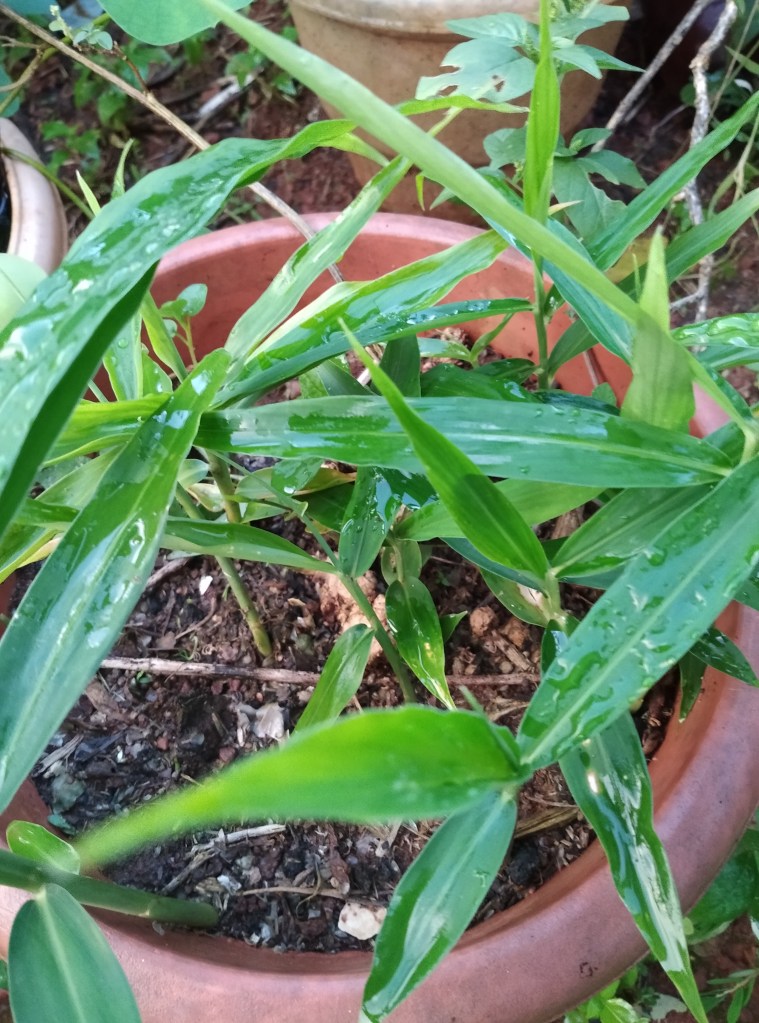
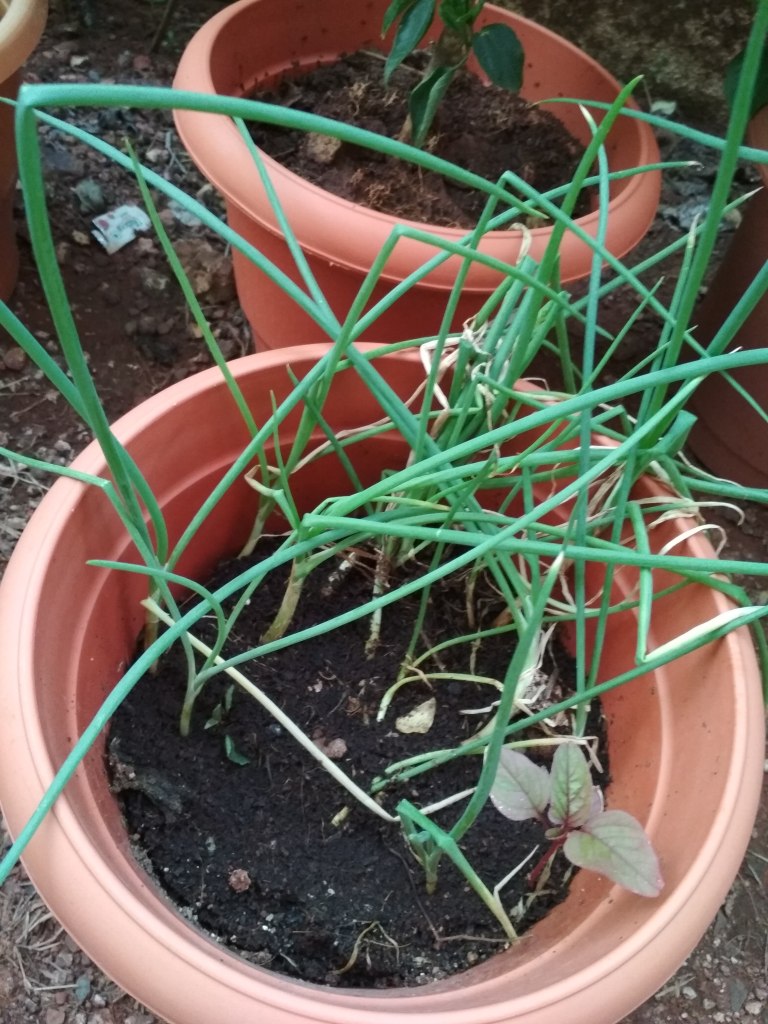
The selection of indoor plants depends mainly on your house structure. How much space is available, availability of sunlight, movement of people in the house, and purpose of gardening. If you want to grow vegetables, then you can grow plants such as tomatoes, eggplant, onion, and cabbage. These plants require sunlight so you need to keep them in south facing corner of the house or you can keep them in the gallery. If you want to grow herbs, then you can grow basil, ginger, and aloe vera. If you want to grow decorative plants, then you can grow money plants, spider plants, snake plants, English ivy orchids, and bamboo plants.

Placement

The placement of the plant depends on the types of plants and also the convenience of the people in the house. Don’t keep plants in a place where there is regular movement. Also, keep plants away from pets or toddlers. keep a plate below the container so that the excess water want flows over the floor. And empty it frequently to avoid mosquito larvae.

Light Source

Sunlight is very important for the growth of plants. With the help of sunlight, plants prepare their food through a process known as photosynthesis. The requirement for sunlight may be different for different varieties of plants. Plants that require more sunlight should always be placed in south facing direction as I have mentioned earlier. Plants like orchids require indirect sunlight for flowering. These should be kept near the window which gets partial or indirect sunlight.

You can also use an artificial light source such as led light for growing your indoor plants.

Growing Medium

The growing medium is very important in growing any plant. Since you are growing your plants indoors it’s better to use a well-drained potting mix. Avoid using cocopeat as it keeps the soil moist. If you are using it then don’t overwater your plants. The growing medium should be composed of garden soil, vermicompost, and sand(2:2:1). Again the potting ratio and the medium may differ depending on the plants.

Fertilizer

The requirement for indoor plants is less as compared to garden plants, especially for pothos(money plants), spider plants, snake plants, and English ivy. If you are growing vegetables or herbs or flowering plants then you need to fertilize them regularly. Fertilize these plants once in 15 days. Avoid using organic fertilizer. You can use vermicompost. You can also prepare your fertilizer from your kitchen waste.

Pest control

As I mentioned earlier foliage plants like pothos spider plants and snake plants are hardy, they don’t require much care. Only vegetables, herbs, and flowering plants are prone to diseases and get affected by pests. Common types of bugs are aphids, mealy bugs, and caterpillars. As it said precaution is better than cure. It’s better to make your plants resistant to diseases rather than treating infected plants. For these spray dilutes neem oil on leaves twice a month.

Water requirement

This is another factor you need to consider while gardening. As indoor plants require very less sunlight the water requirement will also be less. You can water them once in two days. Aloe vera and orchids require very less water. You can water these plants once a week. For orchids, you can put ice cubes.

Repotting

Repotting is required if the plant becomes weak or it grows too big. If your plants suddenly start shedding leaves or the leaves become yellow or the plant doesn’t grow or flower then it’s better to report the plants. after removing the plants from the container check their roots. If the roots are rotted then cut those roots and dip them in water containing fungicide or you can simply clean them by rubbing them with cotton dipped in neem oil. Keep it in a shade for a day then report it.

Types Of Indoor Plants

You can grow anything indoors if you provide proper light, potting mix, and fertilizer. But it is difficult and a little costly to do so. Therefore I am listing some indoor plants which you can grow easily in your house or office.

Foliage Plants

  • Money Plant
  • Peace Lily
  • Spider Plant
  • Rubber Plant
  • Ficus Plant

Flowering Plants

  • Orchid
  • Hoya carnosa
  • Anthurium
  • Christmas Cactus
  • Kalanchoe

These plants require a sufficient amount of sunlight for flowering. So keep these plants in a south-facing window or on your balcony

Herbs or Medicinal Plants

  • Tulsi/Basil
  • Alovera
  • Mint
  • Ginger
  • Garlic

Vegetables

  • Pepper
  • Tomato
  • Potato
  • Brinjal
  • Beans
  • Lady’s Finger
  • Onion

These plants also require a good amount of sunlight, so it’s better to keep them on a balcony that gets good sunlight.

The first two categories of plants are good for beginners. After getting some experience start growing the last two categories of plants.

Benefits Of Indoor Gardening

1. The first benefit is you can grow any Grow Anything At any time irrespective of the weather.

2. Indoor plants improve air quality by taking carbon dioxide and giving out oxygen. Plants like peace lilies, pothos, and spider plants also absorb toxins.

3. The temperature of the house is lowered by indoor plants.

4.Plants are theraupatic.They help in reducing stress levels.

5. Plants increase productivity by sharpening our focus.

Now you must have come to know the vast benefits of indoor gardening. So start your indoor garden by buying your first plant. All The Best.

Happy Gardening!!!

Why You Should Invest Some Time In Gardening?

Gardening is a great hobby for anyone looking to stay healthy. Not only does gardening help improve mental health, but it also helps lower stress levels. When you spend time outside working in the garden, you release endorphins into your body, which makes you feel happy. This is especially true if you work outdoors in the sunshine.

In this article, you will come to know how gardening will help you to leave a happy and healthy life. So here is the list of benefits of gardening:

Makes You Fit

Photo Courtesy: Pexels

Gardening involves many activities like bending, lifting, pulling, digging, planting, watering, and weeding. These activities not only burn calories but also help in strengthening our muscles. It also helps in reducing excess weight and improves blood circulation.

Act As A Natural Anti-Depressant And Makes You More Resilient

Photo Courtesy: Pexels

Gardening helps the brain to secrete serotonin a happy chemical, a deficiency that causes depression. This hormone makes you feel happy. When I was going through a rough phase in my life, gardening helped me overcome my grief. The cool breeze passing through the leaves when touches our skin makes us feel refreshed. It feels like someone is consoling us. It takes away all the pain grief and tiredness. It is in my daily routine to water my plants when I return from my 9 to 5 job. It makes me feel more energized by taking away all the tension and pressure faced in my daily life.

Gardening is also considered an effective rehabilitation tool for people having an addiction.

Boosts Immunity

Photo Courtesy: Pexels

There are three main factors of gardening which help in improving immunity. First is Soil. Soil contains various microbes both good and bad. By working in the soil we become resistant to various skin infections and allergies. The second factor is Sunlight. We have been taught in school that sun rays contain vitamin D so we need to be exposed to sun rays in the morning. Vitamin D absorbs calcium and phosphorous and helps in the growth and strengthening of our bones. The third factor is Air. While gardening we inhale fresh air rich in oxygen, which improves blood circulation and helps in improved brain function.

To Detoxify Our Body, Mind, And Soul

Photo Courtesy: Pexels

As we have discussed earlier by just taking a walk in our garden our minds get refreshed. The oxygen-rich air not only cleanses our bodies but also rejuvenates our souls. There are many medicinal plants that help in cleansing the environment. Exposure to them helps in cleansing our lungs which in turn helps in reducing the chances of getting various types of cancer.

Improves Memory

Photo Courtesy: Pexels

Researchers have found gardening improves cognitive functioning in the brain. Even it is considered an effective treatment for dementia patients.

All students are aware of the Pomodoro Technique. In this technique we need to study in chunks like 25 min, 40min, or 50 min based on our preference then we need to take a break of 10 minutes. This helps the brain to store information for a longer time. At this time many experts advise taking a walk or having a bath. Because this is the time when information is stored in the long-term memory. Fresh air helps in increasing this process. Spending this free time in your garden will not only help you to remember the concept for a long but will also make you more refreshed.

To Connect With Mother Nature

Photo Courtesy: Pexels

Gardening gives a sense of well-being. People who do gardening cultivate a feeling of connection or you can say it strengthens the unseen bond we have towards nature. It increases our self-esteem. Gives a sense of fulfillment when we grow our own food.

Showing Gratitude

Photo Courtesy: Pexels

Last but not least. Gardening helps us to show gratitude to mother nature. What we eat, what we wear, where we stay, what we learn everything is directly or indirectly derived from nature. By planting some trees we are making a certain contribution to our society. It’s a way of saying thank you to Mother Nature.

Apart from the above-mentioned benefits, there are many more benefits of gardening. Many schools and colleges are making gardening a part o their curriculum. Even it is encouraged by many mindfulness programs too. So what you are waiting for. Start your own garden and grow your own food.

Happy Gardening!!!