Essential Gardening Tools: A Comprehensive Guide for Beginners!!

Introduction

Gardening is not only a fulfilling hobby but also a way to connect with nature and beautify your surroundings. To embark on a successful gardening journey, having the right tools is essential. In this article, we’ll delve into a variety of gardening tools that are not only vital for maintaining a vibrant garden but also contribute to a more sustainable and eco-friendly lifestyle.

Gardening tools play a crucial role in the success and efficiency of gardening activities. They are essential for various tasks involved in cultivating, nurturing, and maintaining plants. Here are some key reasons highlighting the importance of gardening tools in gardening:

  1. Efficiency and Productivity: Gardening tools help save time and effort by streamlining tasks. With the right tools, you can complete tasks like digging, planting, pruning, and weeding more quickly and efficiently, allowing you to accomplish more in your garden.
  2. Precision: Different gardening tasks require different levels of precision. Tools like pruners, shears, and hand trowels enable you to make accurate cuts and plant placements, promoting healthy growth and aesthetics.
  3. Plant Health: Properly maintained tools contribute to plant health. Pruning shears, for example, ensure clean cuts that minimize damage, reducing the risk of infections. Tools also allow you to remove dead or diseased plant material promptly, preventing the spread of problems.
  4. Weed and Pest Control: Gardening tools like weeders and cultivators help control weeds that compete with your plants for nutrients and water. They allow you to target weeds at the root, preventing regrowth. Additionally, certain tools aid in pest management by facilitating the removal of affected plant parts.
  5. Soil Care: Tools like rakes and shovels enable you to cultivate and prepare the soil for planting. They help in creating an optimal environment for plant growth by loosening soil, improving drainage, and promoting root penetration.
  6. Planting and Transplanting: Tools like hand trowels, shovels, and transplanters ensure proper placement of plants in the soil. This helps minimize root damage and stress during transplanting, which is crucial for the successful establishment of new plants.
  7. Harvesting: Tools like pruners, shears, and harvesting knives are vital for collecting fruits, vegetables, flowers, and herbs at the right stage of ripeness. Proper harvesting techniques and tools preserve plant health and yield.
  8. Aesthetics: Landscaping and ornamental gardening rely heavily on tools for shaping hedges, creating clean edges, and arranging plants in visually appealing ways. Tools like hedge trimmers and edging tools contribute to the overall beauty of the garden.
  9. Safety: Gardening tools provide protection for the gardener. Gloves shield hands from thorns and dirt, while tools like knee pads or garden kneelers help prevent discomfort and injury while working close to the ground.
  10. Sustainability: By using the appropriate tools, you can minimize soil compaction, water wastage, and plant damage, promoting sustainable gardening practices. Proper tool maintenance also prolongs their lifespan, reducing the need for frequent replacements.
  11. Enjoyment: Well-maintained tools make gardening more enjoyable. When you have the right tools at your disposal, you can focus on the creative and fulfilling aspects of gardening rather than struggling with inefficient or inadequate equipment.

Types Of Gardening Tools

  1. Transplanting and Spade Hand Trowel      

These small yet indispensable tools are perfect for planting, transplanting, and digging small holes for your seeds or plants. Hand trowels are especially handy for container gardening and raised beds while transplanting spades help you move larger plants with minimal root disturbance.

  1. Pruners and Loppers

Pruning is essential for maintaining healthy plants and encouraging growth. Pruners are ideal for trimming smaller branches and stems, while loppers come in handy for larger branches. Regular pruning not only helps shape plants but also prevents disease and encourages the development of flowers and fruits.

  1. Garden Fork

A sturdy garden fork is a versatile tool used for loosening and turning soil. It’s invaluable for preparing garden beds, breaking up compacted soil, and mixing compost or other amendments. Look for a fork with durable tines to make your soil work more efficient.

  1. Hoe

The hoe is a time-tested tool for weeding and cultivating soil. It helps you remove weeds without damaging your crops and breaks up soil crust to enhance water penetration. There are different types of hoes, such as the traditional hoe, scuffle hoe, and loop hoe, each designed for specific tasks.

  1. Watering Can or Hose

Proper watering is crucial for plant health. A watering can is great for small gardens and container plants, while a garden hose with a spray nozzle is perfect for larger areas. Consider using a soaker hose or drip irrigation system for more efficient water distribution, reducing wastage.

6. Shovel

A sturdy shovel is a must-have for tasks such as digging large holes, turning soil, and planting trees or shrubs. Choose one with a comfortable handle and a strong blade for optimal performance.

7.Wheelbarrow or Garden Cart

Moving heavy materials, such as soil, compost, and mulch, becomes a breeze with a wheelbarrow or garden cart. These tools save you time and effort, making it easier to transport supplies across your garden.

8.Garden Gloves

Protect your hands from thorns, prickles, and dirt with a sturdy pair of garden gloves. Choose gloves that offer both comfort and protection, allowing you to work for extended periods without discomfort.

9.Rake

A rake is essential for leveling soil, spreading mulch, and clearing debris from your garden. Additionally, a leaf rake can help keep your lawn tidy by collecting fallen leaves during the autumn season.

10. Cultivator

A cultivator is designed to break up compacted soil, aerate the ground, and mix in soil amendments. It’s particularly useful for preparing soil for planting and improving soil structure.

11. Garden Kneeler

Gardening can be tough on your knees and back. A garden kneeler provides cushioning and support while you work close to the ground, reducing strain and discomfort.

Conclusion

Equipping yourself with the right gardening tools is a fundamental step towards cultivating a thriving garden. Each tool serves a specific purpose, helping you plant, maintain, and nourish your plants effectively. By using these gardening tools in a sustainable and eco-friendly manner, you’ll not only create a beautiful garden but also contribute positively to the environment. So, roll up your sleeves, grab your tools, and let your gardening journey begin!

Happy Gardening!!
Enhance Your Garden with Nature’s Fragrance: Discover 15 Aromatic Flowering Plants!

Introduction

In the world of gardening, there’s something magical about aromatic flowering plants. Their captivating scents have the power to elevate the entire garden experience, enticing not only your visual senses but also your olfactory senses. From delicate blooms to robust blossoms, these plants not only add beauty but also infuse the air with delightful fragrances. In this article, we’ll explore 15 aromatic flowering plants that can turn your garden into a sensory paradise.

1.Lavender (Lavandula spp.)

Lavender is a delightful and versatile herb cherished for its aromatic beauty and therapeutic qualities. With its signature slender stems and clusters of fragrant, purple-hued blossoms, lavender adds a touch of elegance to gardens and landscapes. Beyond its visual appeal, this herb is renowned for its calming and relaxing properties, often used in essential oils, sachets, and scented products. Whether enjoyed in a cup of soothing herbal tea or as an essential oil in aromatherapy, lavender’s gentle fragrance has a way of transporting us to a serene state of mind.

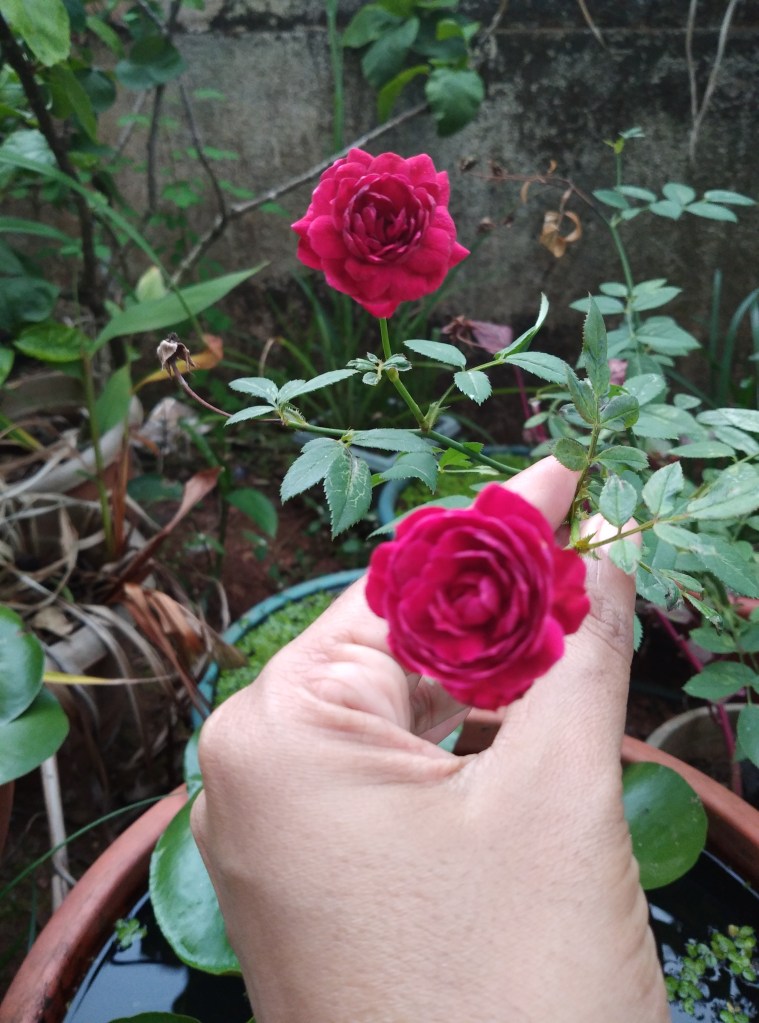
2.Rose (Rosa spp.)

rose plant

Roses are not only symbols of love but also sources of amazing scents and graces gardens with their timeless charm. With a wide range of colors and fragrances, these exquisite flowers have captured hearts for generations. Beyond their romantic appeal, roses have a rich history in herbal medicine and cosmetics due to their potential skin-soothing and rejuvenating properties. Whether adorning trellises or adorning bouquets, Rose’s delicate petals symbolize both aesthetic grace and a connection to centuries of human emotion and creativity.

3.Jasmine (Jasminum spp.)

Jasmine (Jasminum spp.) is a fragrant marvel that enchants with its alluring aroma and delicate blossoms. The starry, white, or yellow flowers of this vine release a captivating scent that often perfumes the air during warm evenings. Renowned for its use in perfumery and aromatherapy, Jasmine’s essential oil is cherished for its potential to alleviate stress and evoke a sense of tranquility. Whether adorning gardens or finding its way into scented oils, Jasmine’s elegant presence brings a touch of exotic beauty and a calming aura to the world around us. It’s a popular choice for trellises and arches.

4.Gardenia (Gardenia spp.)

Gardenia (Gardenia spp.), a symbol of purity and grace, is a captivating flowering plant that adorns gardens with its creamy white blossoms. Known for its intoxicating fragrance, these blossoms infuse the air with a sweet and enchanting scent, making them a favorite choice for perfumes and scented candles. The glossy, dark green leaves provide a lush backdrop to the striking flowers, creating a visually pleasing display. Often associated with elegance and refinement, Gardenia’s presence in gardens and floral arrangements brings a touch of sophistication and natural beauty to any setting.

5.Scented Geranium (Pelargonium spp.)

Scented Geranium (Pelargonium spp.) is a delightful herb that tantalizes the senses with its diverse array of fragrances, ranging from citrusy to spicy and even minty. With its textured leaves and vibrant blooms, it’s both visually appealing and aromatic. These aromatic plants have been treasured for their essential oils, which are often used in perfumes, culinary creations, and natural remedies. Whether gracing windowsills or garden beds, Scented Geraniums bring an extra layer of sensory enjoyment to green spaces, making them a favorite among plant enthusiasts seeking both beauty and captivating scents.

6.Sweet Alyssum (Lobularia maritima)

Sweet Alyssum (Lobularia maritima) is a dainty yet enchanting flowering plant that carpets gardens with a soft, fragrant embrace. Its clusters of tiny, delicate blossoms come in various shades of white, pink, and purple, creating a charming mosaic of color. Beyond its visual allure, Sweet Alyssum releases a sweet and honey-like fragrance that lingers in the air, attracting pollinators like bees and butterflies. Often used as a ground cover or border plant, its low-growing habit adds a touch of whimsy and elegance to garden landscapes. This little gem proves that beauty and scent can come together to create a truly captivating garden experience.

7.Honeysuckle (Lonicera spp.)

Honeysuckle (Lonicera spp.) is a fragrant marvel that weaves its way into our hearts with its sweet and nostalgic aroma. Its trumpet-shaped, colorful flowers range from creamy whites to vibrant oranges and pinks, adorning fences, arbors, and trellises in a cascade of natural beauty. With a scent that perfumes the air, Honeysuckle attracts hummingbirds and butterflies, adding life and movement to any garden. This vining plant embodies a sense of enchantment and charm, reminding us of carefree summer days and the simple pleasures of nature’s embrace.

8. Peony (Paeonia spp.)

Peony (Paeonia spp.) is a regal and captivating flowering plant that commands attention with its lavish, voluminous blooms. Available in an array of mesmerizing colors, from soft pinks to deep reds and pristine whites, peonies add a touch of elegance to gardens and bouquets alike. Their intoxicating fragrance and layers of delicate petals create an aura of romance and beauty. These perennial favorites thrive in spring, casting a spell of enchantment with their short-lived yet dazzling floral display. Peonies stand as a symbol of grace and abundance, making them a cherished emblem of nature’s splendor.

9. Ginger Lily (Hedychium spp.)

Ginger Lily (Hedychium spp.) is a tropical delight that brings a touch of exotic elegance to gardens. With its tall, graceful stems and showy, fragrant flowers, this plant captivates both the eyes and the senses. The blossoms, often in hues of white, yellow, or pink, release a subtle yet enticing aroma that adds to their allure. Ginger Lily’s lush foliage and unique inflorescence make it a standout feature in landscapes, evoking a sense of tropical paradise. Its ability to thrive in warm climates and its striking appearance make Ginger Lily a beloved choice for those seeking to infuse their gardens with a hint of the tropics.

10.Lilac (Syringa spp.)

Lilac (Syringa spp.) is a timeless emblem of spring’s beauty, heralding the arrival of warmer days with its clusters of fragrant, pastel-colored blossoms. Its sweet and nostalgic aroma fills the air, evoking memories of gardens in full bloom. With varieties ranging from pure whites to rich purples, lilacs offer a range of hues that paint landscapes with their enchanting palette. These shrubs, often found in gardens and along pathways, are not just a visual treat but also a sensory journey into the wonders of nature’s fragrant symphony. Lilacs embody the fleeting yet cherished essence of spring, making them a perennial favorite among flower enthusiasts.

11.Heliotrope (Heliotropium arborescens)

Heliotrope (Heliotropium arborescens) is a charming and fragrant flower that adds a touch of old-world elegance to gardens. With its clusters of small, vibrant blossoms in shades of purple, blue, or white, it creates a captivating mosaic of color. The distinct feature of heliotrope is its sweet, vanilla-like scent that wafts through the air, inviting bees and butterflies to partake in its nectar. Often used in Victorian-era gardens and still cherished today, this flower’s alluring fragrance and delicate beauty make it a delightful addition to landscapes, creating a sensory haven for both humans and pollinators alike.

12.Mock Orange (Philadelphus spp.)

Mock Orange (Philadelphus spp.) is a fragrant shrub that graces gardens with its delicate white blossoms, reminiscent of orange blossoms in appearance and scent. Its clusters of flowers release a sweet and citrusy fragrance that fills the air, evoking a sense of summer nostalgia. Despite its name, Mock Orange is not related to citrus trees but captures the essence of their aroma beautifully. This versatile shrub offers not only visual beauty but also a sensory experience that transports us to sun-soaked gardens and tranquil outdoor moments.

13.Tuberose (Polianthes tuberosa)

tuberose plant

Tuberose (Polianthes tuberosa) is a captivating flowering plant that enchants it with its intense and seductive fragrance. Its elegant, white blossoms cluster on tall stems, creating a stunning visual impact. Renowned for its use in perfumery, Tuberose’s scent is both floral and slightly spicy, making it a prized ingredient in luxurious scents. Cultivated for centuries, this plant’s allure extends beyond its appearance, as its intoxicating aroma has the power to transport us to exotic gardens and evoke emotions of passion and romance.

14.Dianthus (Dianthus spp.)

Dianthus (Dianthus spp.), often called “pinks” or “carnations,” is a charming and versatile group of flowers that brings a burst of color and texture to gardens. With its delicate petals and vibrant hues ranging from soft pinks to rich reds and whites, Dianthus adds a touch of elegance to any landscape. Beyond its visual appeal, these blooms often emit a sweet and spicy fragrance that enhances their charm. Whether used as border plants, in rock gardens, or as cut flowers, Dianthus plants offer a timeless beauty that captivates the senses and brings a touch of nature’s grace to our surroundings.

15.Sweet Pea (Lathyrus odoratus)

Sweet Pea (Lathyrus odoratus) Sweet Pea is a beautiful flowering plant known for its charming and fragrant blossoms. Available in a myriad of shades, from soft pastels to vibrant hues, its ruffled petals create a visual symphony of color. The true magic, however, lies in its sweet, nostalgic aroma that evokes memories of sun-drenched afternoons. Whether climbing trellises or adorning bouquets, Sweet Pea’s presence adds a touch of vintage charm and a delightful sensory experience to outdoor spaces. This old-fashioned favorite continues to capture hearts with its enduring beauty and delicate scent.

Conclusion

Creating a garden that appeals to multiple senses can be a fulfilling endeavor. Incorporating aromatic flowering plants not only adds visual appeal but also transforms your outdoor space into a haven of delightful scents. Whether you’re seeking relaxation, romance, or simply a refreshing ambiance, these 15 aromatic flowering plants can help you achieve a garden that’s a true sensory masterpiece. So, roll up your sleeves, dig into the soil, and let nature’s fragrant wonders captivate your senses.

Happy Gardening!!
Discover the Green Charm: 15 Lucky Plants for Good Fortune and Positivity

Introduction

Incorporating lucky plants into your living space not only adds a touch of natural beauty but also invites positive energy and good fortune. Throughout history, cultures around the world have revered certain plants for their symbolism of luck, prosperity, and well-being. In this article, we’ll explore 15 lucky plants that can infuse your home with positivity and create a serene environment that nurtures both your physical and mental well-being.

1. Money Tree (Pachira aquatica)

The Money Tree, with its distinct braided trunk and lush green leaves, is believed to attract wealth and prosperity. Place it in the wealth corner of your home or office to harness its luck-bringing properties.

2. Jade Plant (Crassula ovata)

A symbol of good luck and friendship, the Jade Plant is easy to care for and thrives in a sunny spot. Its round, coin-shaped leaves are thought to attract wealth and success.

3. Lucky Bamboo (Dracaena sanderiana)

An emblem of harmony and luck, Lucky Bamboo is often gifted in sets to enhance positive energy. Placing it in a clear container with water and stones is said to bring good fortune.

4. Four-Leaf Clover (Oxalis tetraphylla)

The rarity of finding a four-leaf clover has cemented its status as a universal symbol of luck. Planting these clovers in your garden connects you to nature’s fortune.

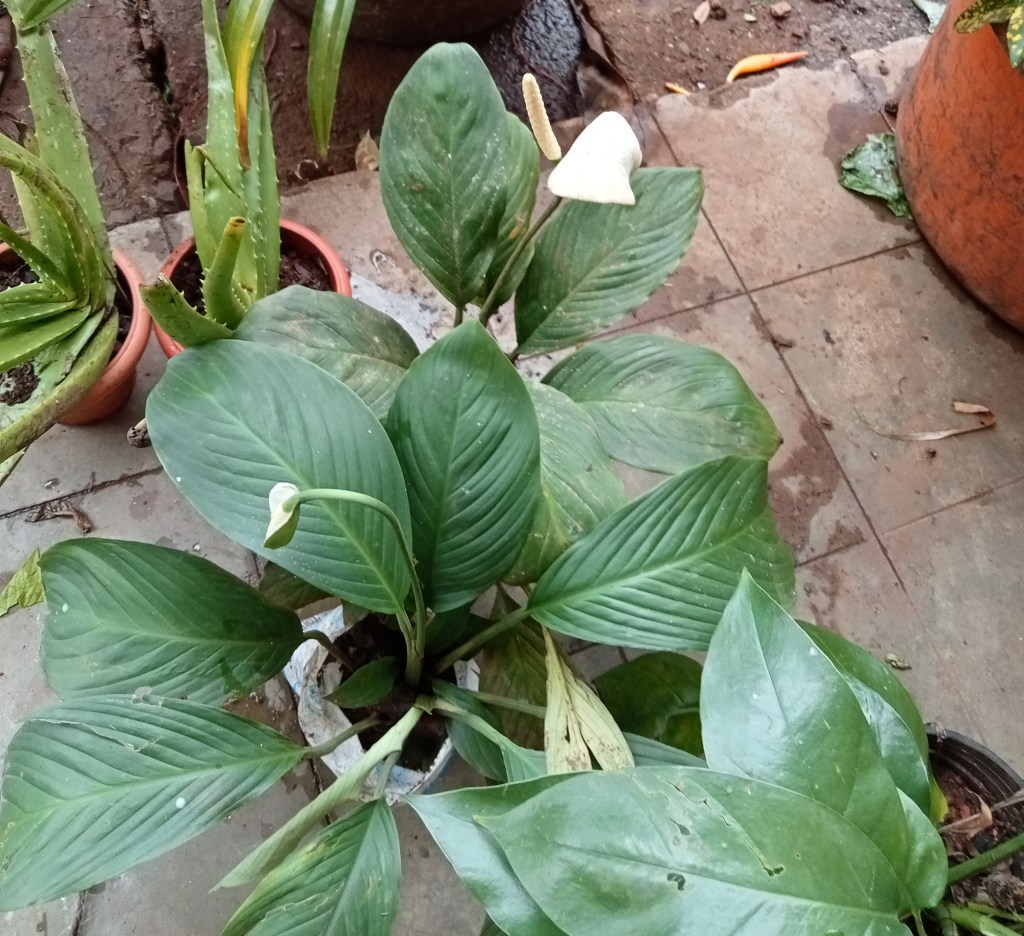
5. Peace Lily (Spathiphyllum)

In addition to purifying the air, Peace Lilies are believed to bring tranquillity and positivity to any space. Their white blooms symbolize purity and renewal.

6. Horseshoe Fern (Asparagus setaceus)

Shaped like a horseshoe, this fern is considered lucky and protective. Hang it in your home to shield against negative energy and encourage positive vibes.

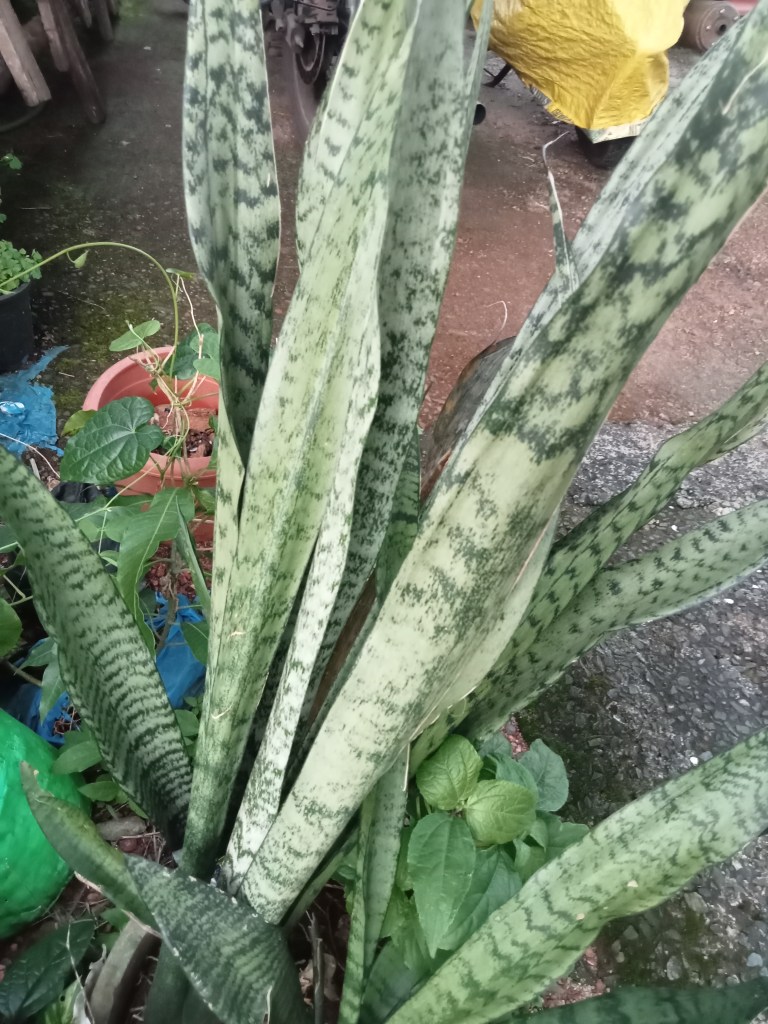
7. Snake Plant (Sansevieria trifasciata)

Renowned for its air-purifying abilities, the Snake Plant is also thought to absorb bad luck and promote good energy, making it an excellent choice for indoor spaces.

8. Orchid (Orchidaceae)

Orchids represent love, beauty, and fertility, making them lucky plants associated with romantic relationships and personal growth.

9. Lavender (Lavandula)

Lavender not only adds a delightful fragrance but is also known for its calming effects. It attracts positive energy while promoting relaxation and emotional balance.

10. Aloe Vera (Aloe barbadensis miller)

Aloe Vera is believed to ward off negative energy and protect against misfortune. It also offers various healing properties, enhancing its positive symbolism.

11. Rosemary (Rosmarinus officinalis)

Rosemary is associated with memory enhancement and mental clarity. It’s believed to bring luck and stimulate positive thoughts, making it a great plant for your workspace.

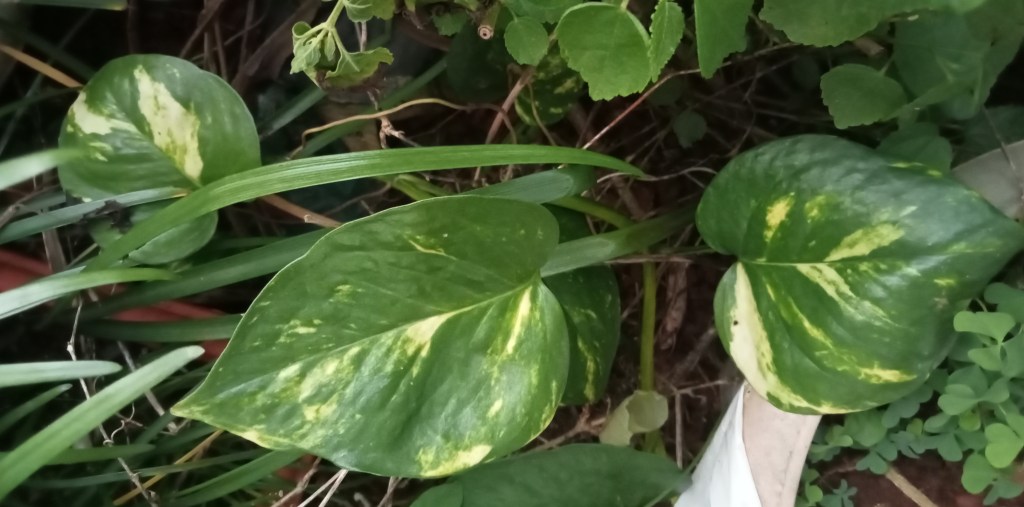
12. Pothos (Epipremnum aureum)

Pothos, with its vibrant trailing vines, is believed to bring luck and joy. It’s an easy-care plant that can thrive in various lighting conditions.

13. Lucky Hoya (Hoya spp.)

Hoyas are cherished for their unique, star-shaped flowers and their reputation for bringing luck and positive energy into the home.

14. Chamomile (Matricaria chamomilla)

Chamomile is associated with relaxation, prosperity, and protection. Its soothing properties extend beyond tea, making it a wonderful addition to any living space.

15. Lemon Tree (Citrus limon)

Lemon trees symbolize purification, longevity, and new beginnings. Having a lemon tree in your garden or home is believed to attract positive energy and zest for life.

Conclusion

Welcoming lucky plants into your life can amplify positive energy, promote well-being, and enhance your connection with nature. Whether you believe in the mystical qualities or simply appreciate the beauty and symbolism these plants bring, their presence can undoubtedly uplift your surroundings. So, go ahead and invite these 15 lucky plants into your space – a touch of green charm that may just bring a sprinkle of fortune your way. Happy Gardening!

Herbal Garden Remedies: Growing Medicinal Plants at Home!

Introduction

In earlier days our elders used to grow their own food. They were growing vegetables and fruits to meet their needs. They also used to grow medicinal plants and herbs as they used to depend on home remedies for most illnesses. Even today eighty percent of the world’s population uses herbal medicines as their primary means of health care. Most health care products and cosmetics are derived from herbs.

In this 21st century, everyone is racing to gain a competitive advantage, so there is little time and space for anyone to grow any plants. So in this article, I will mention some of the medicinal plants which can be easily grown and require very less space and low maintenance.

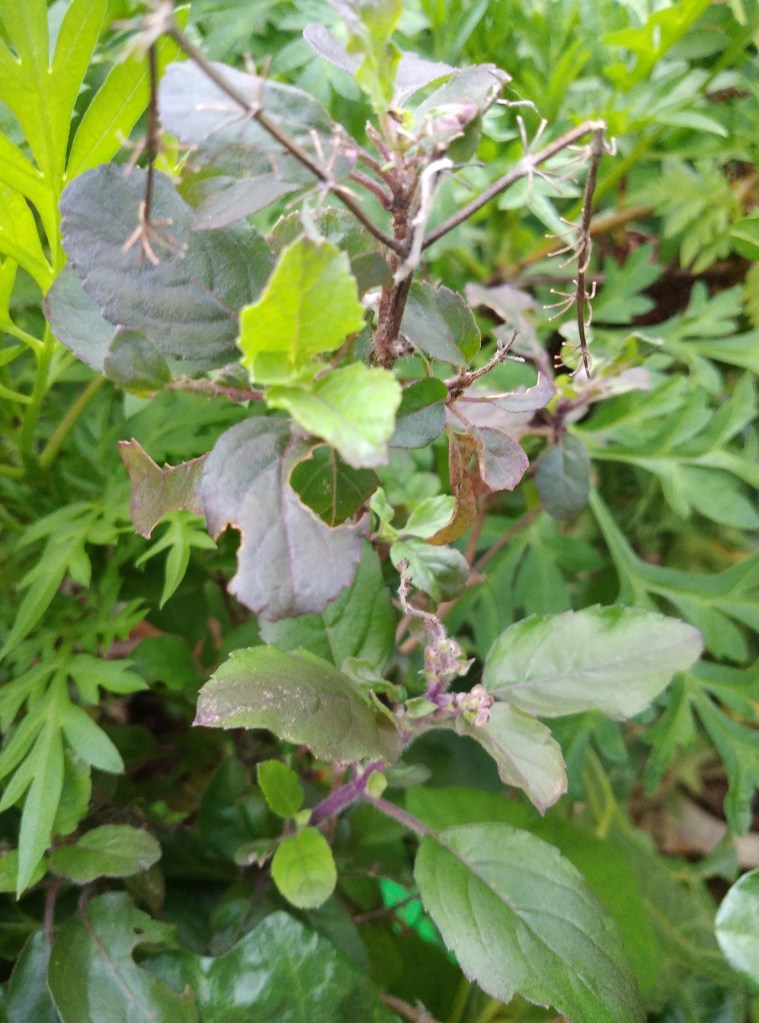
Tulsi/Basil

Basil plant has much medicinal use and is the most widely-known medicinal plant in India. When I was a kid we were using basil paste for almost all types of insect bites, rashes, and skin infections. Eating its leaves also boosts immunity. It also helps in keeping away many pests including mosquitoes. It is believed to emit a huge amount of oxygen. . It also has significant anti-inflammatory and analgesic properties.

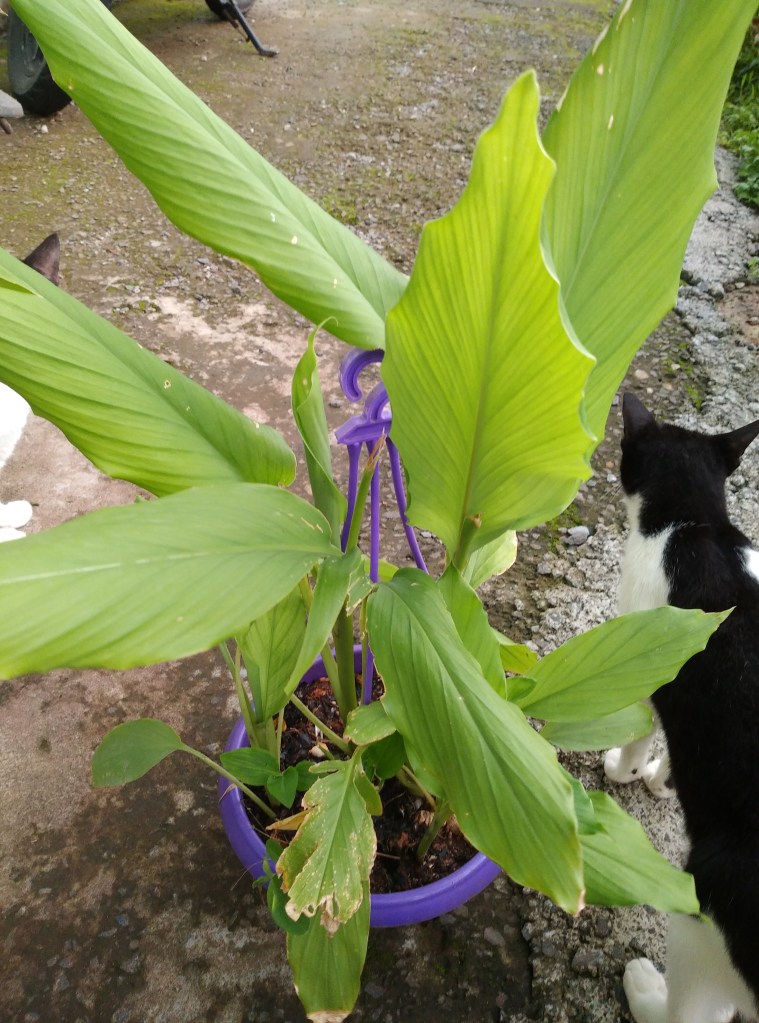
Turmeric

Turmeric is widely used in Indian cuisine. It is used in many cosmetics because of its medicinal properties. It has healing properties. I remember we were using oil and turmeric paste to heal wounds. Many Indian families use turmeric along with milk as a cure for the common cold. It’s also observed that regular use of turmeric paste reduces the growth of body hair and brightens skin complexion.

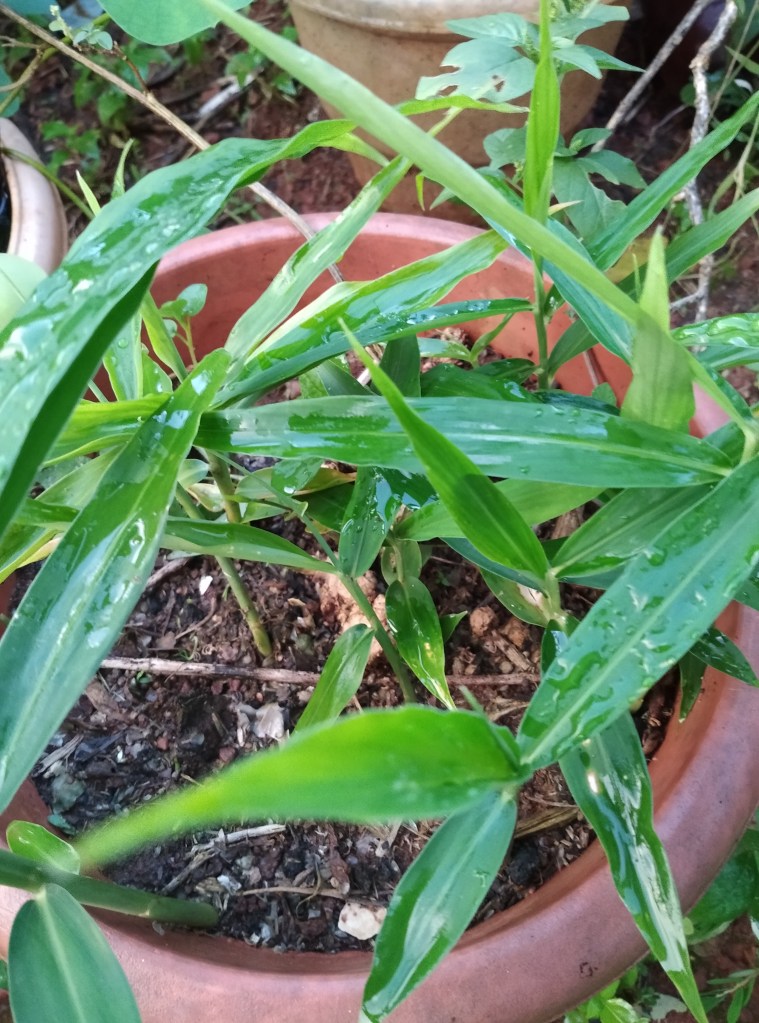
Ginger

Ginger is a part of the daily cuisine in many countries of the Asian continent, especially in our India. Ginger has many medicinal properties, including anti-bacterial, antiviral and antioxidant.Ginger juice balances the digestive process and improves the body's absorption of nutrients.It helps to fight cancer, diabetes and asthma. It can also be used in the cure of joint pain.

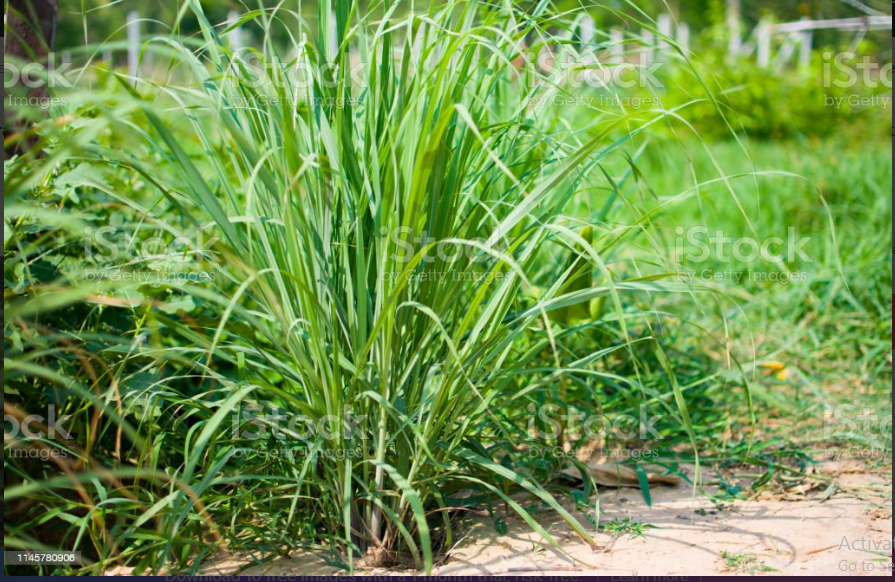
Lemon Grass

photo courtesy:istock

Lemon grass is another plant that can be grown at home. You can easily grow it in pots. This plant has lots of health benefits. It can be used in tea, salad, soup, and all other dishes. The grass has the unique flavor of lemonade. Very useful in nervous and stress-related conditions. This reduces the heat of high fever. We normally drink tea by adding lemon grass when we have a fever. In our village, this is a common cure for fever. It seems to be the most effective medication for respiratory problems and throat pain, abdominal pain, headache, joint pain, digestion problems, muscle pain, and stomach ache.

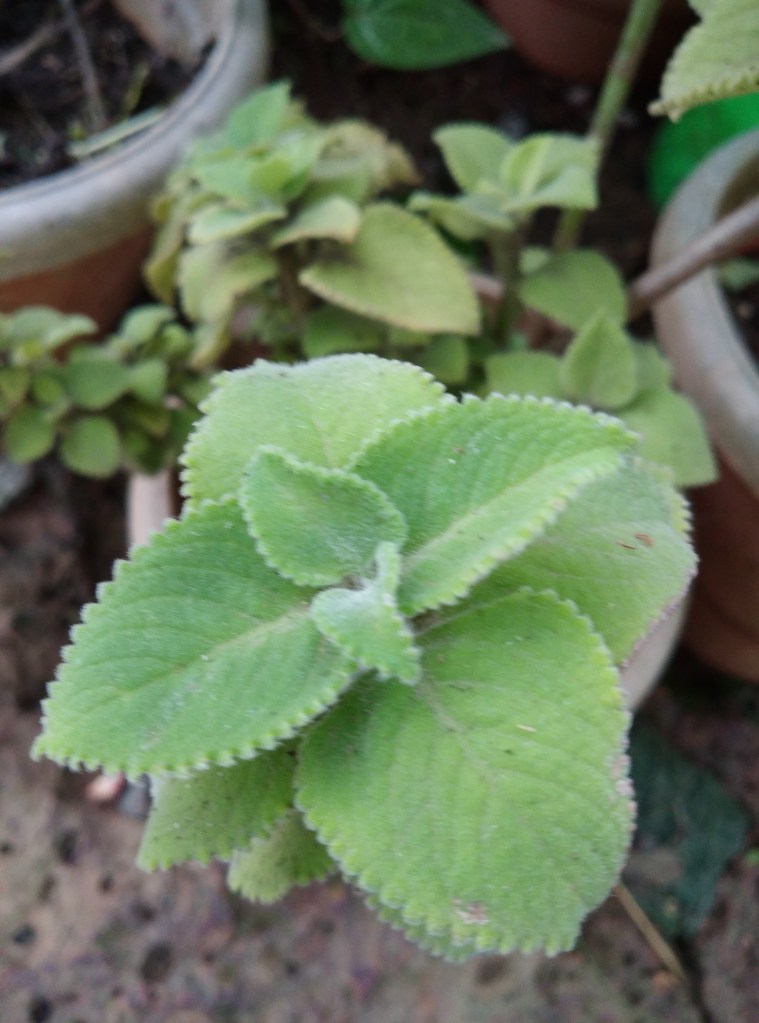
Ajwain

Ajwain is used in almost all Indian families. It has a very good smell. It can also be used to make pakodas(An Indian snack). In our village, it is used as a medicine for fever, especially for toddlers. Its leaf is a little burnt and the juice is mixed with honey and is given to the children. It is beneficial for abdominal discomfort due to indigestion, heartburn, and loss of appetite.

Black pepper

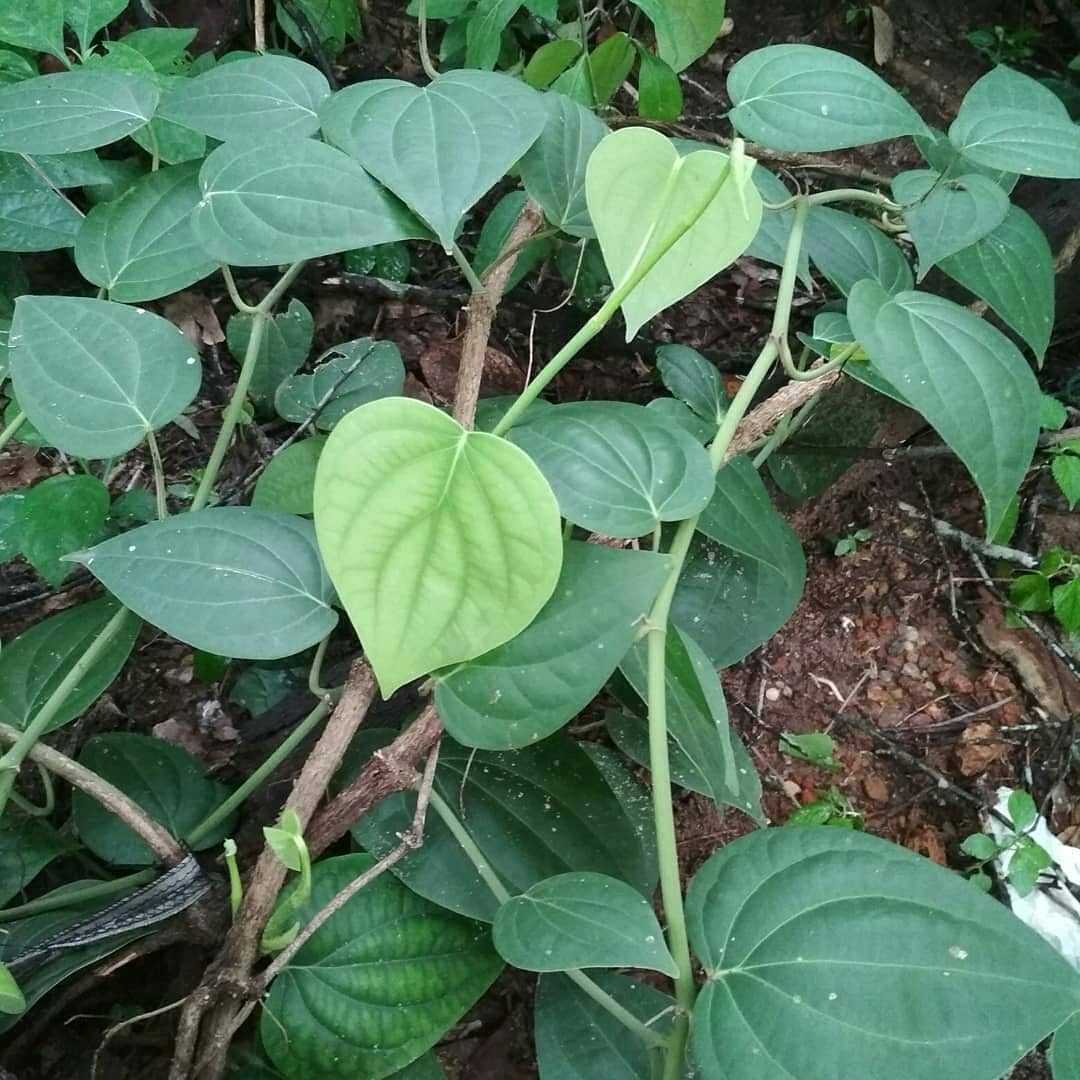
Was also known as black gold in earlier days. Western people used to trade this spice in exchange for other commodities. Black pepper is used to make Kada(a syrup) which is used to treat colds and coughs. It also helps in reducing cholesterol thereby controlling blood pressure. It also cleanses the body and is good for preventing cancer as it has a high level of antioxidants.

Aloe vera

This is a wonderful plant which can be easily grown anywhere. This requires high temperatures and very less water. It is very good for primary burn.  It can be used as a beauty ingredient and also for the stomach ache.
The plant is known to be a natural immunity booster with antioxidant properties. If you have a weak immune system, consume Aloevera juice regularly and it will boost your immune system easily. It also relieves inflammation when there is an injury and burns on the body.
It's great for your hair and skin. Consuming Aloevera juice can protect you from digestion problems.

Mint

Peppermint is one of the well-known medicinal plants widely used in various types of cuisine. It consists of manganese, vitamin A, and vitamin C and can be grown in any climate. The crushed peppermint leaves can be used to relieve muscle pain. It is also a good mouth freshener. It’s a good drug for various Stomach and intestinal problems.

Neem

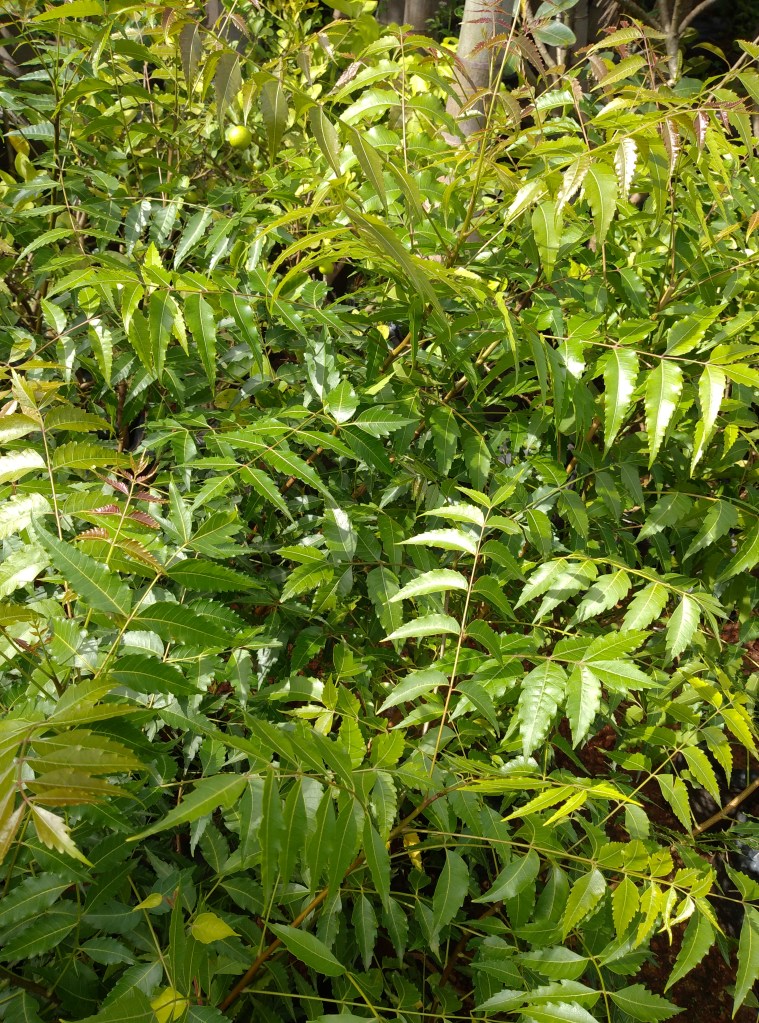
Neem plant has long been recognized for its medicinal properties. It is used in toothpaste,hair oil,shampoo,soap and many more. It can also be grown in pots or grow bags. This plant is used in medicine as well as in cosmetics. It is very good for skin infection. In many indian families people drink its diluted juice twice a month as it is cosidered a good blood purifier. Some people brush their teeth by chewing neem sticks.In Yugadi(First day of Hindu Year)our day starts with consuming neem leaf with jaggery.

Ashwagandha

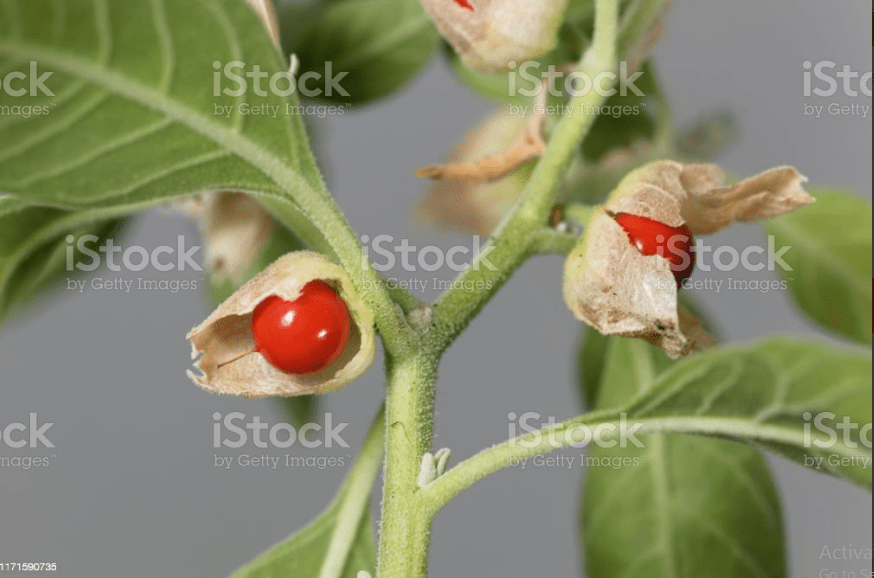
photo courtesy:istock
Ashwagandha is famous as an ancient medicinal plant. It is one of the best stress reliever and is rich in medicinal properties. It can be easily grown and is good for wound healing. Is the best medicine for the heart. It also protects eye health. It relieves depression and anxiety. The plant will help lower cholesterol and keep blood sugar under control.

Brahmi(Asiatic Pennywort or Indian Pennywort)

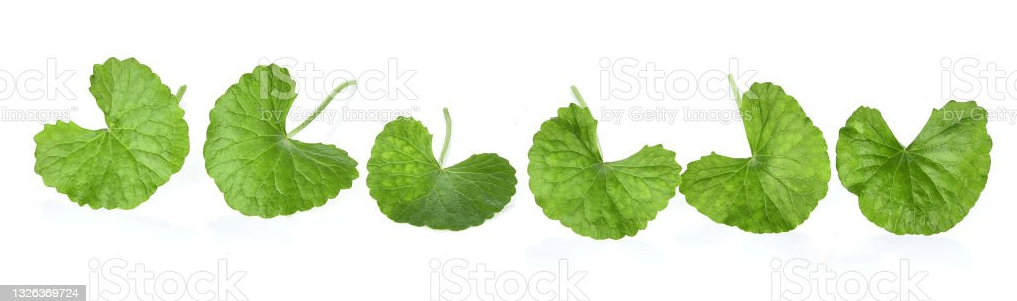
photo courtesy:istock

This plant helps in improving memory. Reduces ulcers, skin diseases, and capillary sensitivity. This plant is best if you are intent on maintaining your youth. You can easily grow it in homes. It is also helpful in regenerating the nerves and brain. It also helps in reducing body heat. I remember my grandmother used to keep Brahmi leaves on her scalp to reduce the heat of excessive medication.

Before concluding my article I want to mention to all the readers, that this is an informative article. I am not a doctor or physicist. So before following any of the remedies mentioned in the post it is better to consult a doctor. I hope you like this post. Please give your valuable feedback in the comment section.

Keep Smiling and Happy Gardening.


A Beginner’s Guide To Protecting Plants In Rainy Season

Everyone loves monsoon including plants. You must have seen how the plants become fresh and green only in the first few drizzles as if they are having a party. But as the rain continues you will notice many of the plants starts deteriorating and some plants die too.

In this article, I will be discussing some of the plant problems which we encounter during the monsoon and also solutions to these problems. So, let’s get started.

1.Root Rot

Plant affected by root rot

This is a common problem which we encounter in the rainy season. This disease mainly affects those plants which are planted in pots. The main cause of this disease is wet soil. Damp soil prevents roots from absorbing oxygen and helps the development of fungus which causes root rot. As a result, plant growth is inhibited, leaves and branches start to wilt and at the end, the plant dies.

Solution:

1. Proper drainage will eliminate this problem. So check that pots have proper holes. So the excess water is drained out of the pot.

2. Proper potting mix will also help in eliminating this problem.

2. Next solution is to fill the pot with soil or potting mix till the top so no space is left for the water to stagnate.

3. Use fungicide mix(1 spoon of fungicide+1 liter of water), pour this solution in the pot. This will prevent the development of fungus and other harmful microbes.

2)Wilt Disease

In this disease suddenly the leaves of the plants start to get dry and yellow and finally fall off. The symptoms are similar to root rot but root rot is a more serious problem compared to wilt disease. This disease is caused by a fungus that affects the flow of water in the xylem.  

Solution:

1. Remove the affected branch and apply neem oil on the cut to prevent the spreading of the fungus.

2. Spray neem oil mix or fungicide mix(1 tablespoon neem oil/fungicide + liter water) once a week to prevent fungal attack.

3.Aphids

Aphids

Aphids are small black (also in green and yellow colour) insects that infect the tip of the plants. They suck nutrient-rich sap from leaves and buds. They start laying eggs on the leaves as a result the leaf become porous and then it turns yellow and finally falls off. They grow very fast as a result entire plants get affected which inhibits the growth of the plant and finally, the plant dies.

Solution:

1. Remove the leaves which are affected by aphids and burn them or throw them in faraway places as they can’t fly to longer distances.

2. Spray liquid soap/pepper (mixed in water) on affected leaves.

3. Ladybugs also help in controlling aphids as they feed on both adults and larvae.

4.Insect Borers

Initial stage of borer infestation

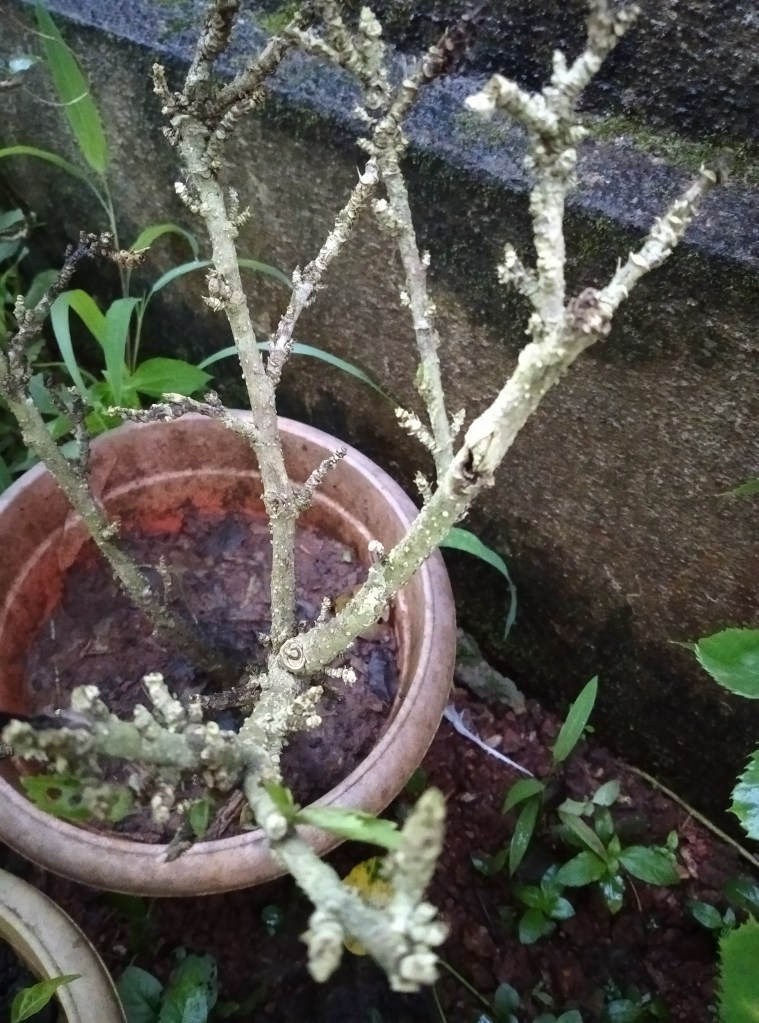
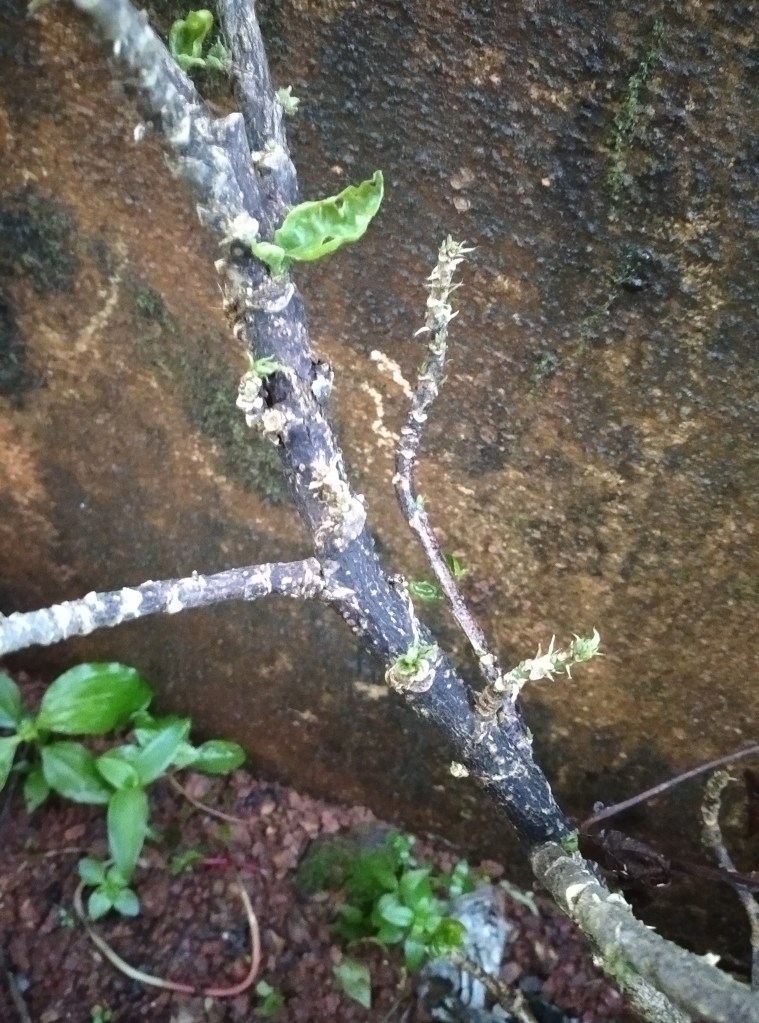
These are larvae of certain moths which mainly affect trees, shrubs, and flowering plants like hibiscus. These feed under the bark and are difficult to detect. Early sign includes wilting of terminal shoots and branches. If you closely observe the plant you can see the skin of the bark has become loose, when removed you can see small larvae underneath. Since they are inside the bark spraying pesticide over plants won’t do much damage to these larvae.

Solution:

1. The best solution is to keep your plant healthy. Only weak plants are vulnerable to these borers.

2. In the market as well as in online stores you will get many pesticides that control or kill these borers. As I always prefer organic gardening I don’t advise using these. As these borers normally affect the plants in the rainy season, it is difficult to detect this problem in the early stages. Because of rain the plants always look fresh and green but when the rain stops you can see the wilting of shoots. As I mentioned earlier these will affect only those shrubs which have thick bark. So it’s better to have a close look at such plants during the rainy season, if you can see any wilting, cut that branch and apply neem oil in the place of cut.

3. Keep your plant healthy by giving it proper fertilizer.

4)Caterpillar

Caterpillar

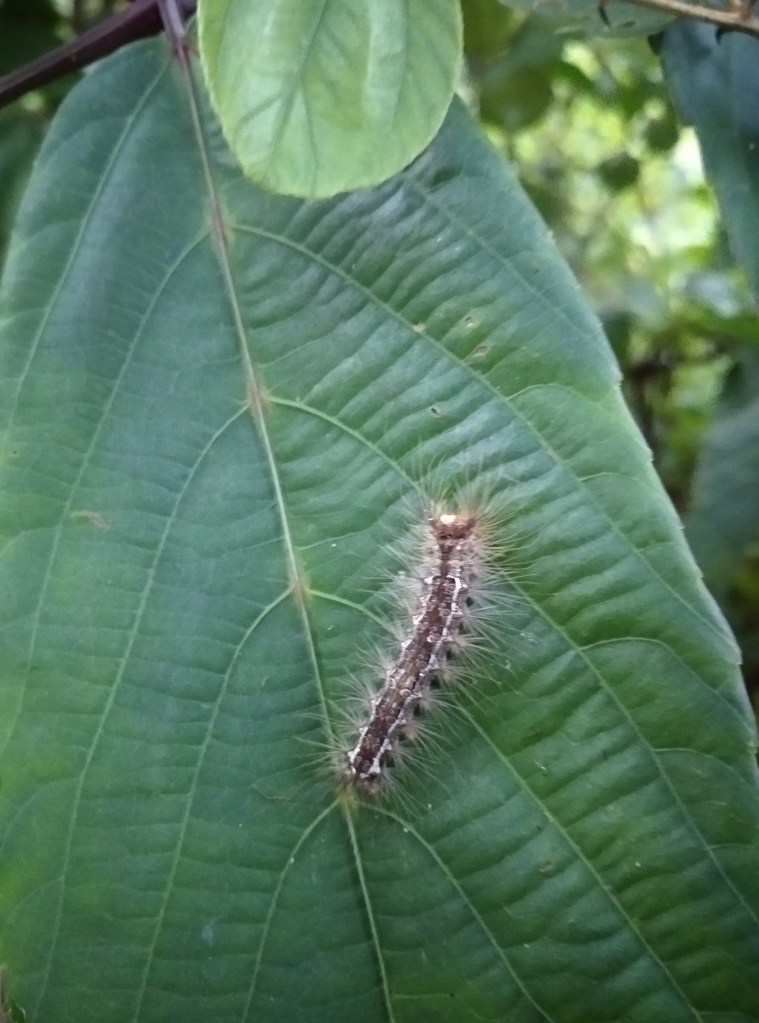
This is the most common problem almost all gardeners experience during the rainy season. These caterpillars attack almost all the plants from vegetable and flowering plants to indoor and ornamental plants. These caterpillars are heavy feeders. They eat away all the leaves of the plants within few hours.

Solution:

1. As you know most of the caterpillars grow into beautiful butterflies so many people avoid killing them. These butterflies are very important in conserving our biodiversity. So the best way to control these is to give them something else to eat. So whenever I see a caterpillar I cut that leaf and place it on a tree or a weed or grass far away from my plants. So that, they also get food and my plants are also saved.

2. Second thing you need to do is clean the debris surrounding your plants, prune the weak branches, remove the yellow and dried leaves.

3. Cover your plants with the net so that the butterfly doesn’t lay eggs on your plants.

So these are the common problems which we gardeners face during the rainy season and their best possible solutions. If you know of any other solutions to deal with these problems, please let me know in the comment section. Please give your valuable suggestions. Until then Keep Smiling and Happy gardening!!!

The Fun and Easy Way to Grow your Own Beautiful Summer Flowers!

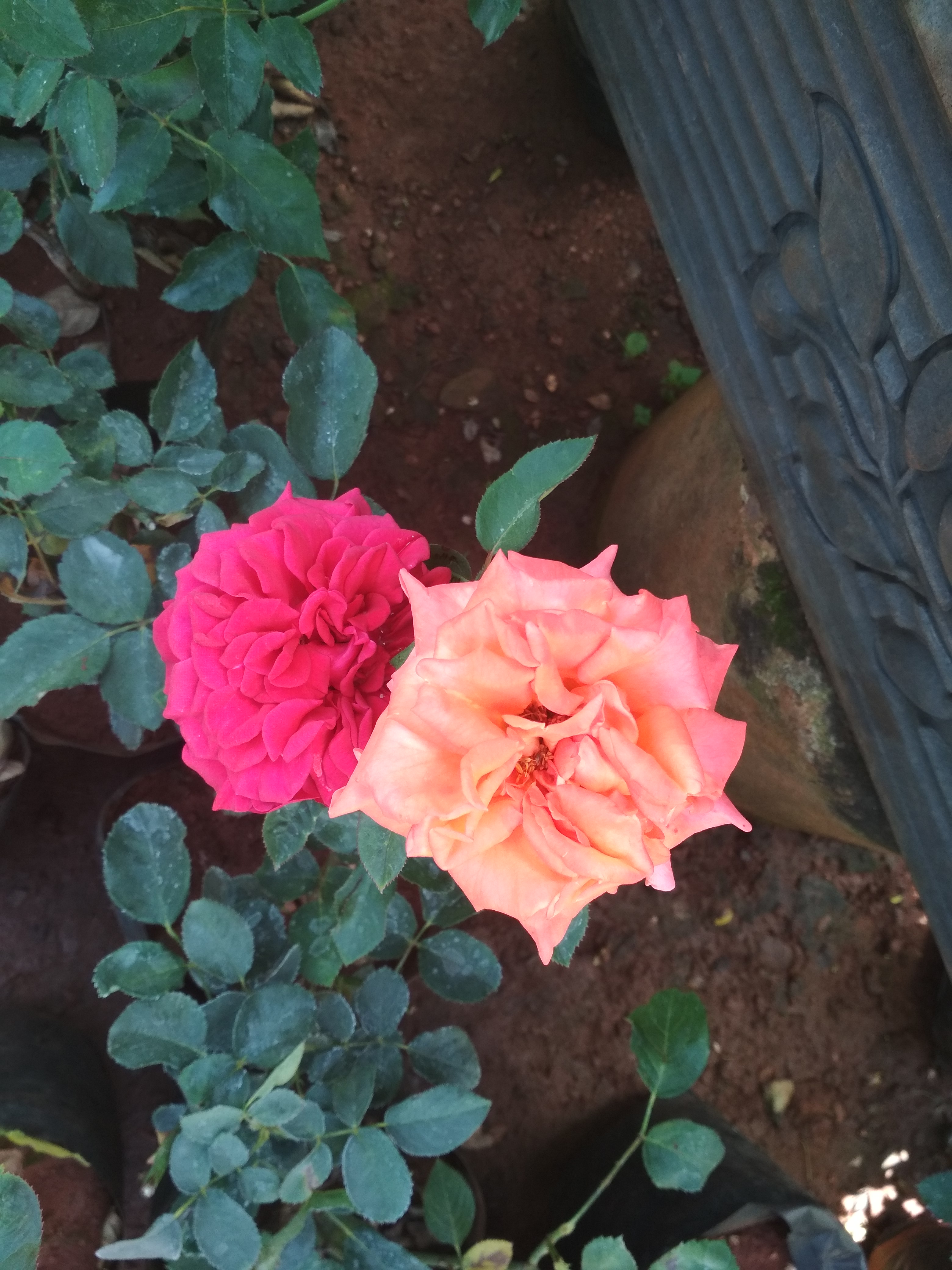
Roses

The rose is a prickly flowering shrub. It comes in various colors; red and pink being the most common colors and black and green are the rarest. This beautiful flower can be grown in all seasons. It requires a good amount of sunlight though it prefers a little cool environment.

Rose

Hibiscus

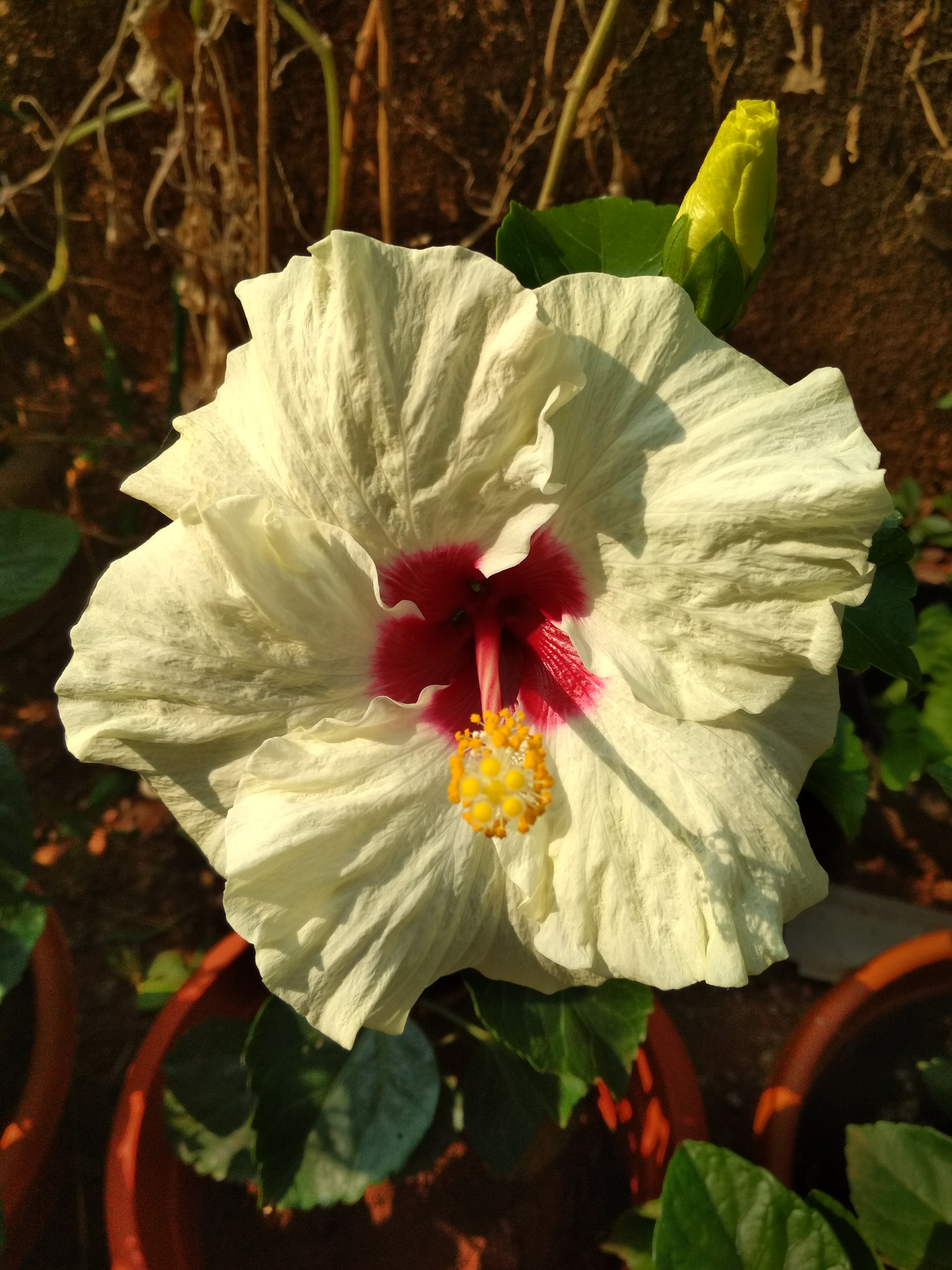
This one is my favourite. I have about 50 varieties of hibiscus. There are around 200 varieties of hibiscus. These come in different color, shape, and sizes. This plant can also be grown in all seasons, but summer is the best season to add this plant into your garden.

Hibiscus

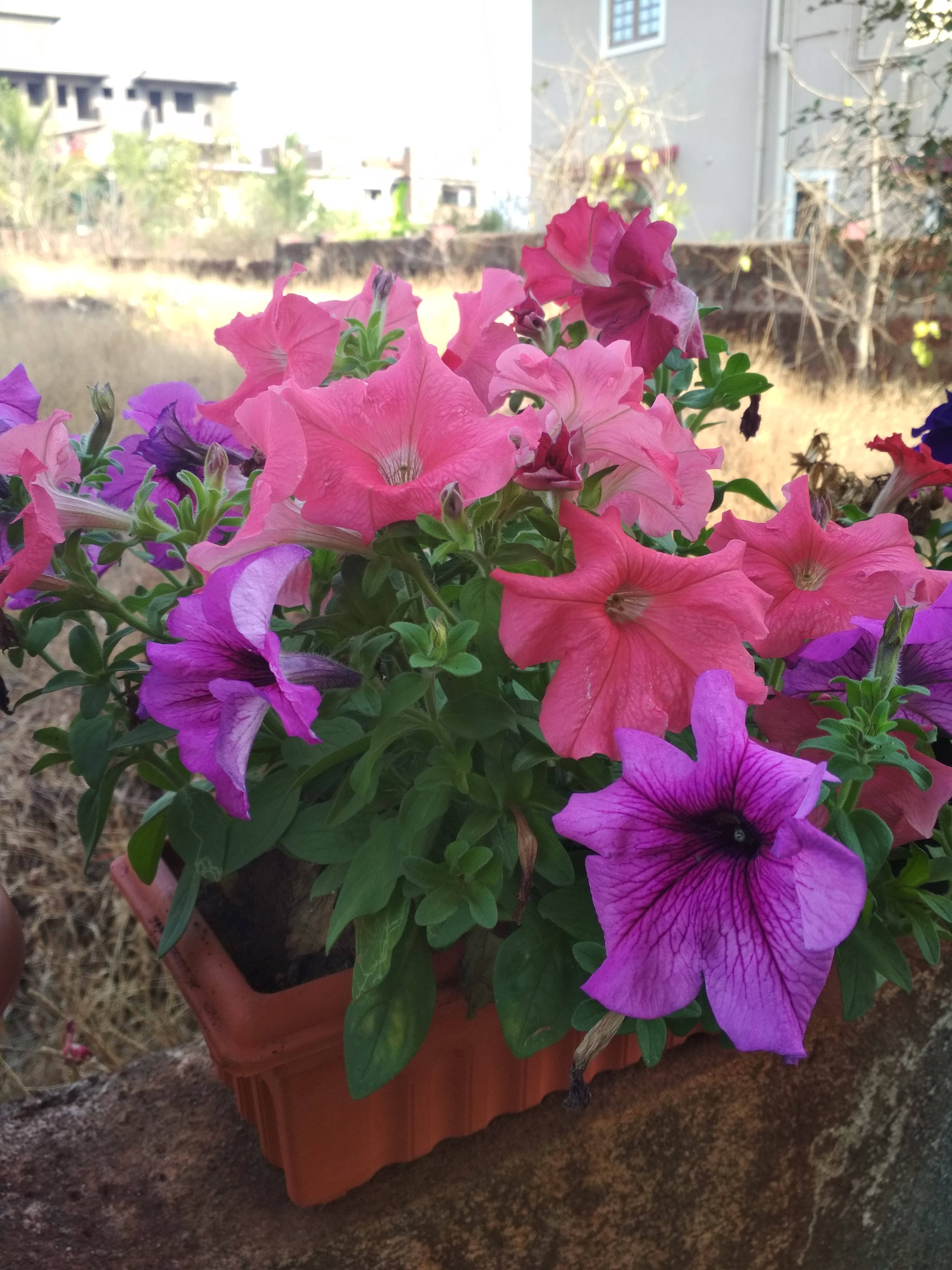
Petunia

Petunia plant as I always call it as “delicate darling” are most beautiful flower can only be grown in summer or late winter. It has to be kept in full sunlight and it requires very little water. Too much water will kill this plant. This flower also comes in various colors. Plant it in a hanging pot to enhance its beauty.

Petunia

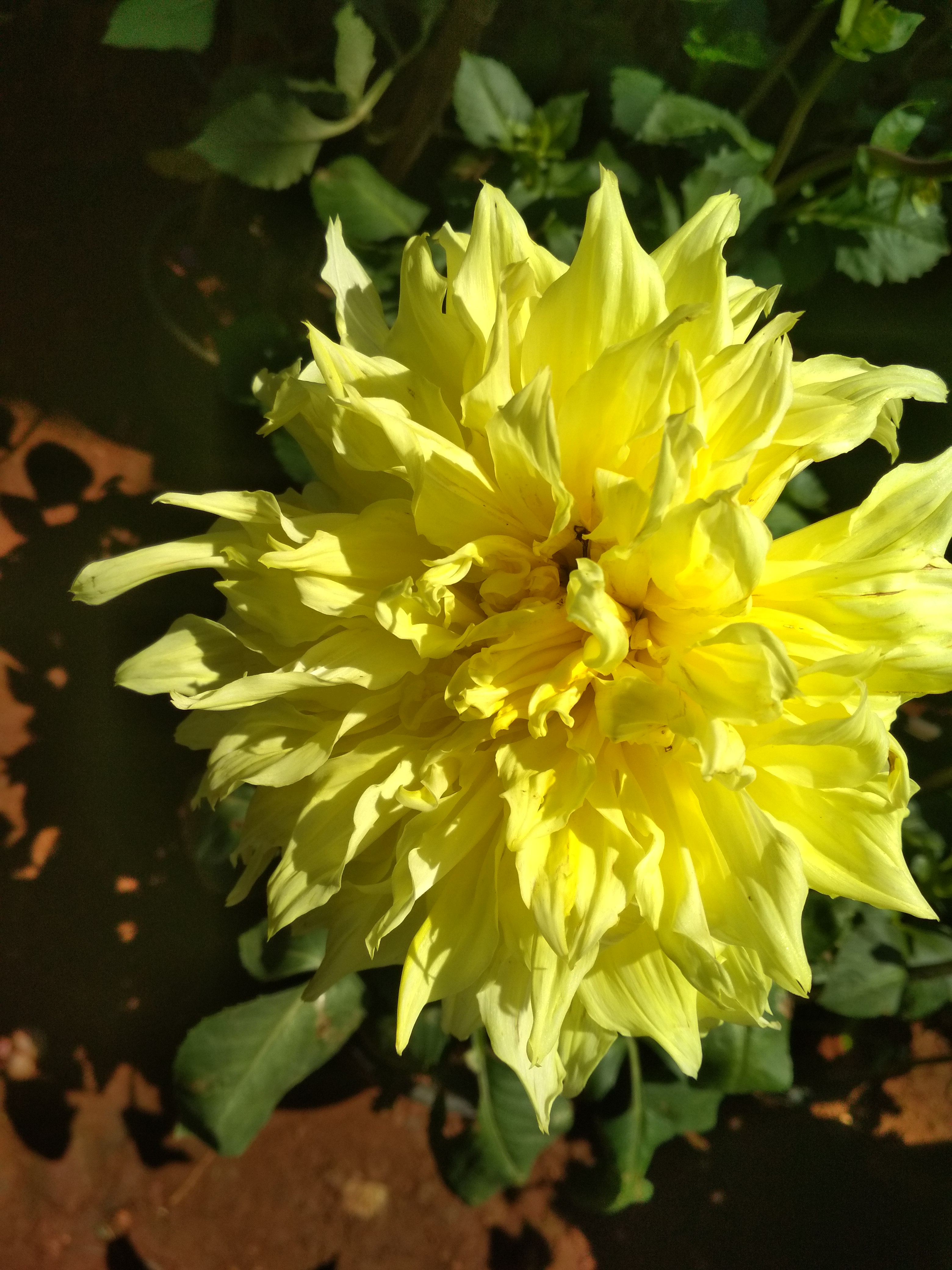
Dhalia

Dhalia again a delicate but most beautiful flower. It requires more care compared to its peers. It is a very delicate plant requires proper support. Sometimes it cannot stand the weight of its own flower. Summer is the best season to see this plant in full bloom. This plant requires a very little amount of water as too much of watering will rot its roots.

Dhalia

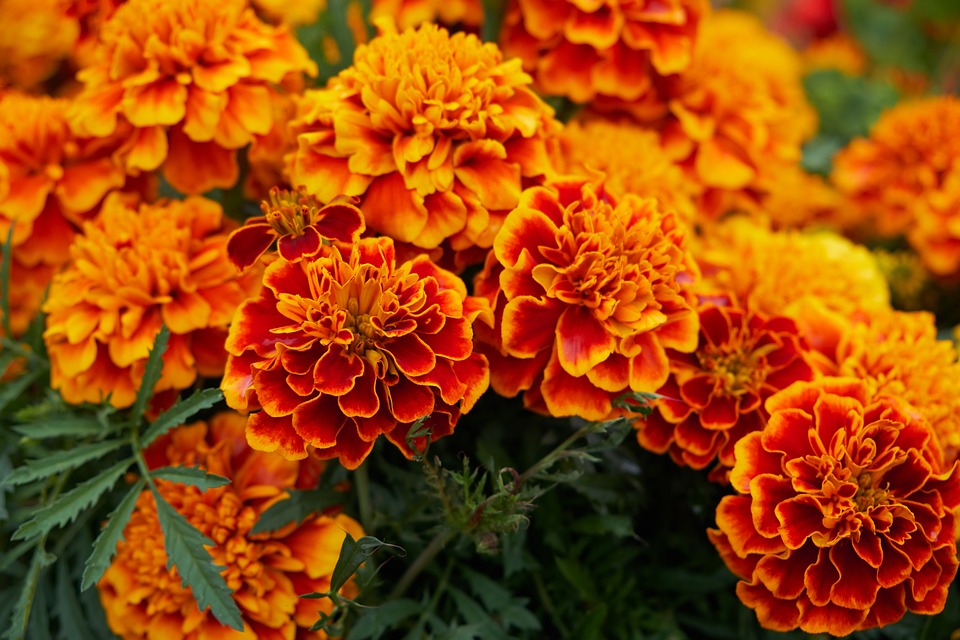
Marigold

This is a seasonal plant can only be grown in summer. It requires a good amount of sunlight and water. It can be easily grown and requires very little care. It can be grown in any type of soil. Marigold flowers commonly have yellow, orange, and white colors.

Marigold

Zenia

Zenia is also a seasonal flower. It also comes in various varieties and colors. The plant is usually grown from seeds. You can buy zenia seeds or you can buy plants from a nearby nursery. This plant also requires very little care.

Zenia

Similar Posts


Sunflower

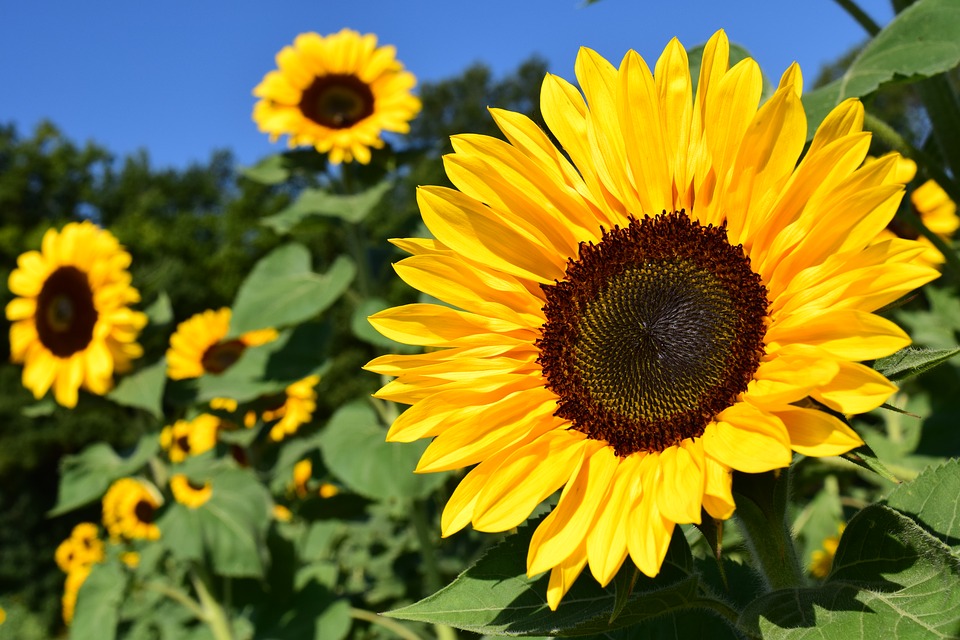
Sunflower is a big yellow flower with a brown center. As its name says it loves sunlight. It moves in the direction of the sun. You can directly plant its seeds in the garden. These seeds require moist soil for germination.

Sunflower

Cosmos

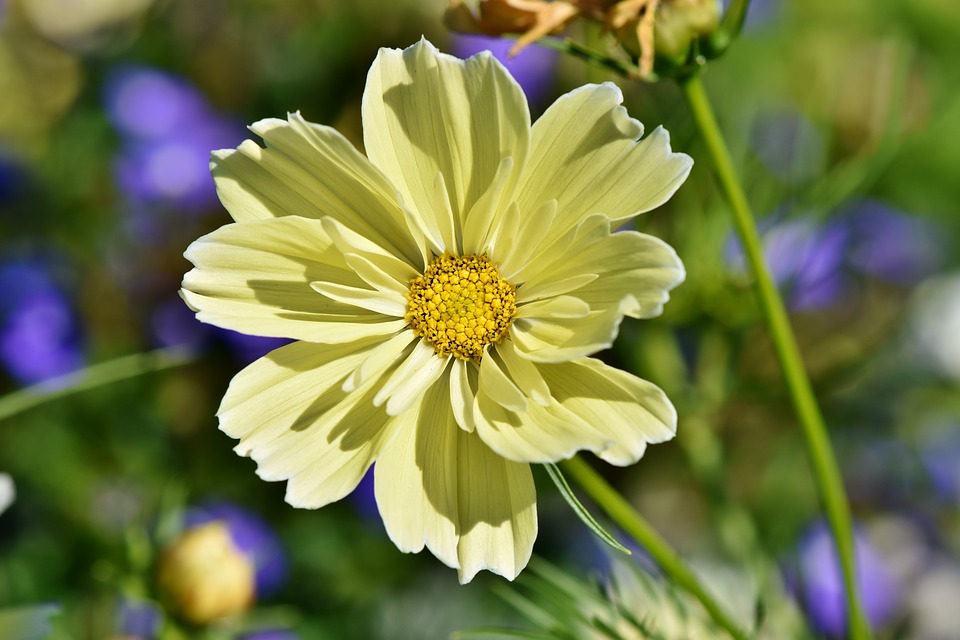
Cosmos are also seasonal flowers. These require a good amount of sunlight and water as Marigold. These come in orange, yellow, white and purple color. Can be easily grown from seeds with very little care.

Cosmos

Periwinkle

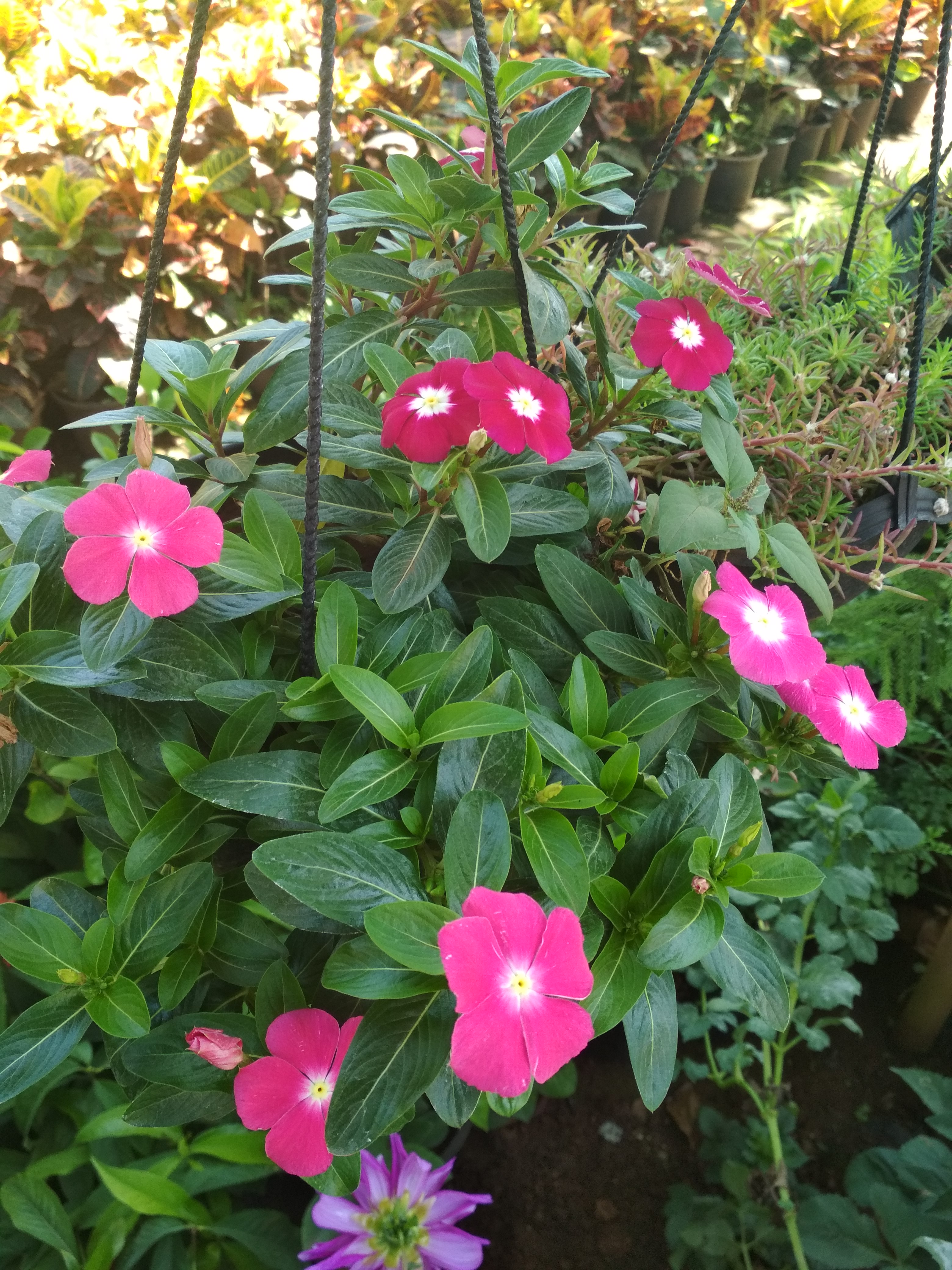
Periwinkle are small plants only grown in summers. These are propagated through their seeds. It requires full sunlight and little amount of water. Come in varieties of colors white and pinkish purple being the common one.

Periwinkle

Gerbera 

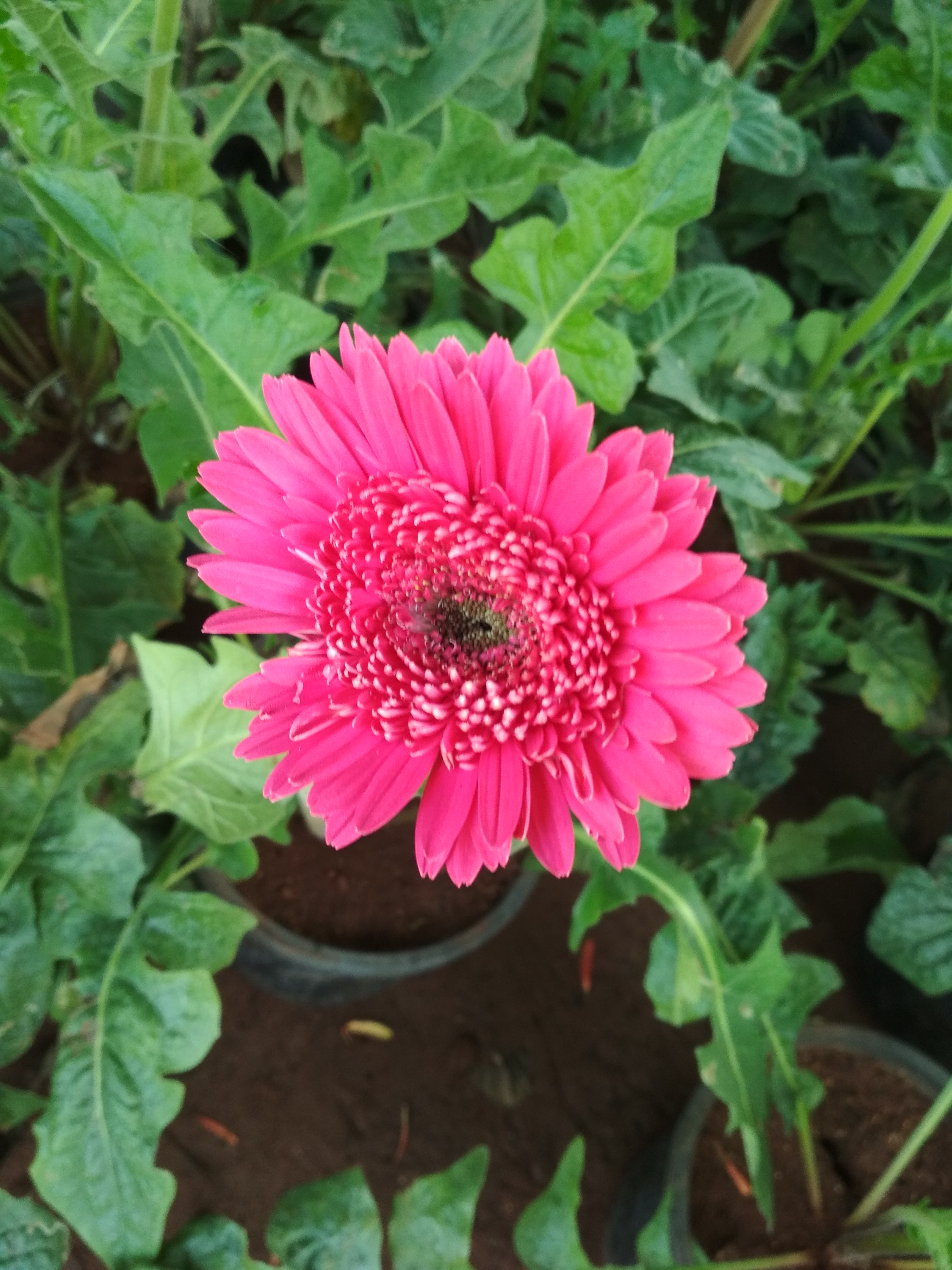
Gerbera flowers are wildly used for decorative purpose. You must have also seen it in your nearest florist shop. Gerbera flowers have yellow, orange, white, pink or red colors. These plants require proper care. Avoid direct sunlight.

Gerbera

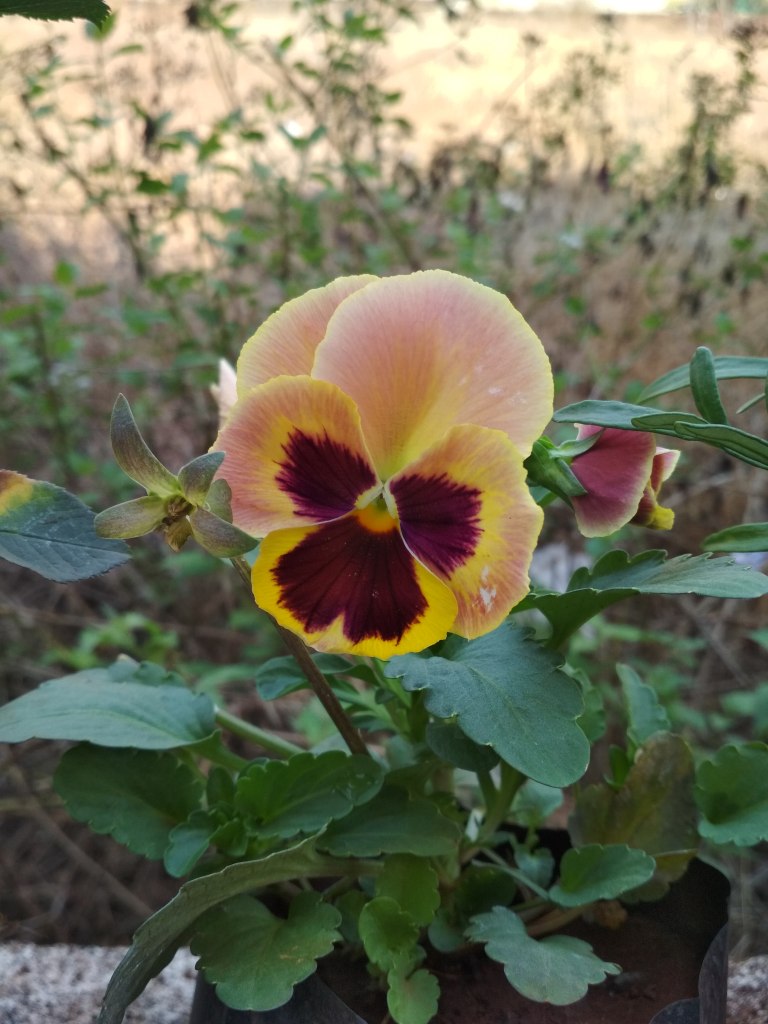
Pansy

Pansies are butterfly-shaped flowers come in varieties of colors. These are very small shrubs grow in winter as well as in summer. These plants require very little care.

Pansy

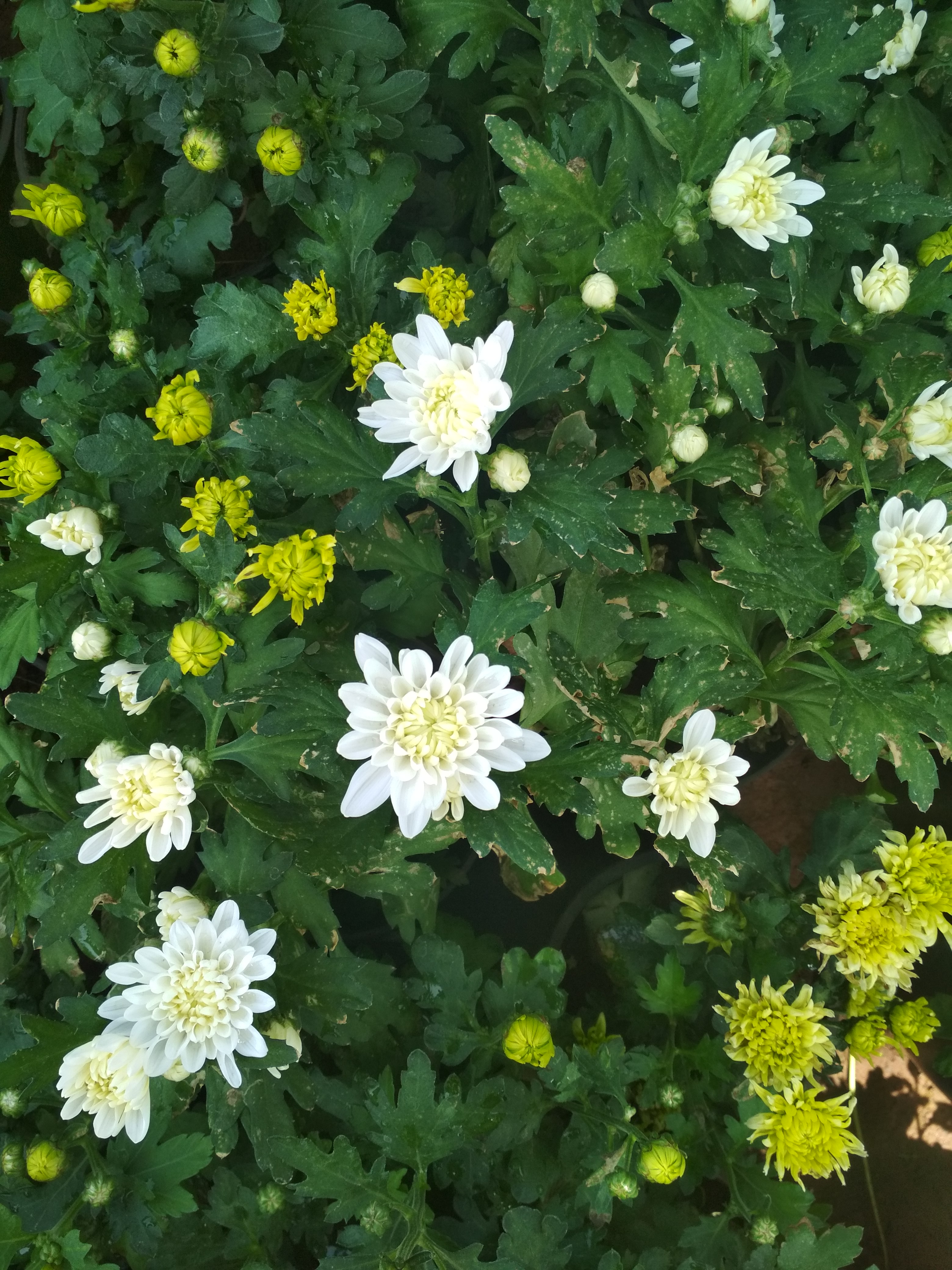
Chrysanthemum

Chrysanthemum can be grown in all seasons. It comes in various color, yellow and white being the common color. The white Chrysanthemum also has a medicinal value and is used in many ayurvedic medicines.

Chrysanthemum

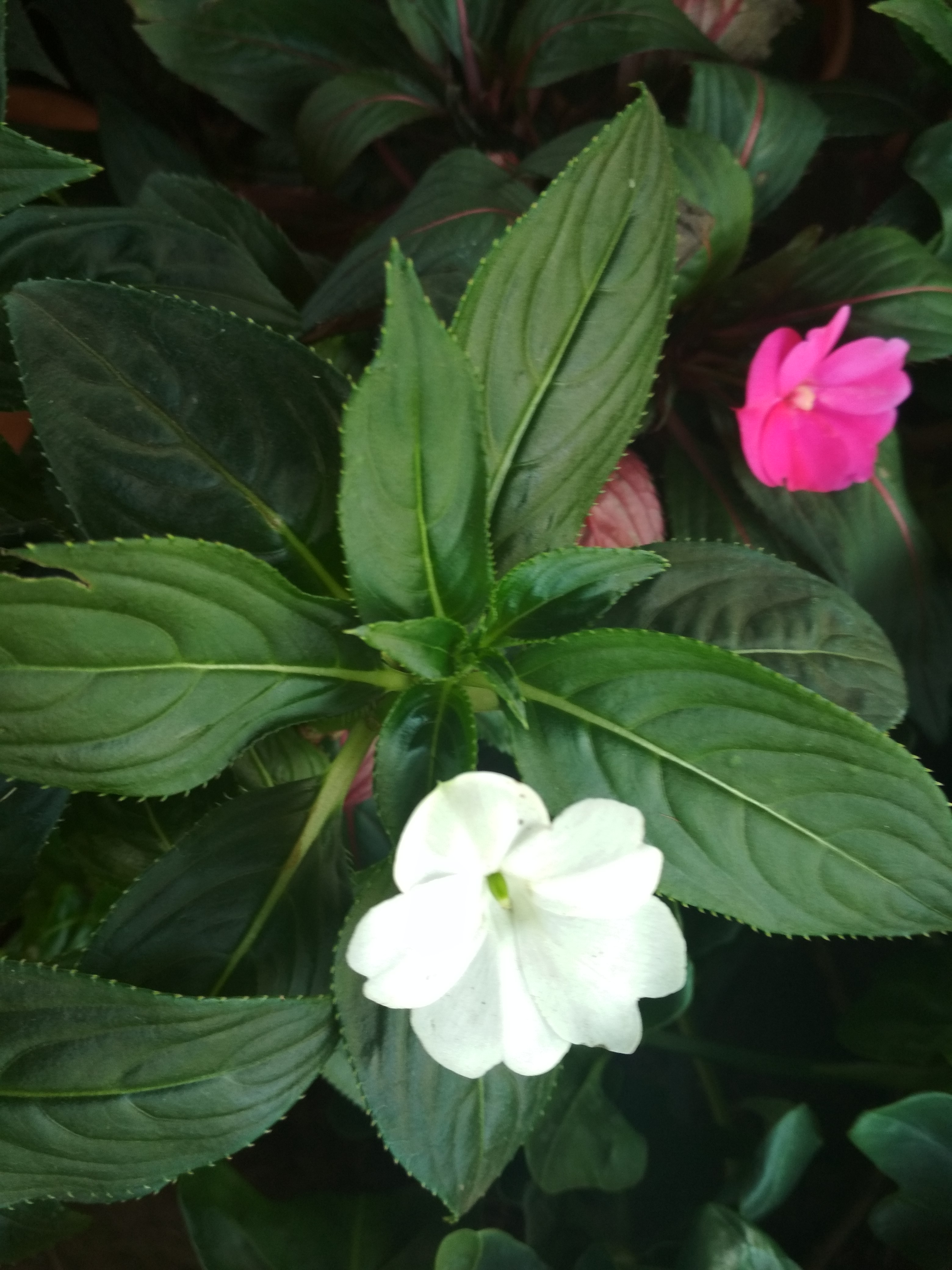
Balsam

Balsam is a very small shrub with a watery stem. The flower has a red, pink, white, and purple color. These can be grown from seeds. Its seeds are similar to mustard seeds and are easily available in the market.

Balsam