Brighten Your Garden: Choosing the Best Outdoor Lights for Your Oasis!

Introduction

Gardens transform with the right lighting, creating magical spaces after dusk. Selecting the ideal outdoor lights can enhance ambiance and functionality, making your garden an enchanting haven.

Why To Use Outdoor Lights?

1. Enhanced Aesthetics:

Lighting can transform the look of a garden, highlighting its features and creating a magical ambiance at night. It adds depth and dimension, making the garden visually appealing.

2. Safety and Security:

Illuminated pathways, steps, and dark corners reduce the risk of accidents. Lighting also deters intruders by eliminating hiding spots and making your property less attractive to potential threats.

3.Extended Use of Outdoor Space:

With proper lighting, you can extend the usable hours of your garden, allowing you to enjoy it even after the sun sets. It’s perfect for hosting gatherings or simply relaxing outdoors in the evening.

4. Showcasing Landscaping Elements:

Strategic lighting can accentuate the beauty of specific plants, trees, or architectural elements in your garden, creating focal points and drawing attention to key features.

5. Mood Enhancement:

Different lighting designs and colors can evoke various moods or atmospheres. Soft, warm lights might create a cozy feel, while brighter lights may be more suitable for entertaining.

6. Increased Property Value:

A well-lit garden adds to the overall appeal and value of your property. Having this feature is considered appealing for prospective buyers.

7. Eco-friendly Options:

Opting for solar-powered or energy-efficient LED lights minimizes energy consumption and reduces your carbon footprint.


Similar Posts


Selecting Outdoor Lights

The key to effective outdoor lighting is proper planning and design. Consider factors such as the type of lights, their placement, intensity, and color temperature to achieve the desired ambiance while also being mindful of energy efficiency and your specific garden layout.

Understanding Light Types

When considering outdoor lighting, explore options like LED, solar-powered, and low-voltage lights. LED lights are energy-efficient and durable, perfect for various garden areas. Solar-powered lights harness sunlight for eco-friendly illumination. Low-voltage lights offer versatility and can highlight specific garden features.

Garden Areas to Illuminate

Assess your garden’s layout and choose lighting that suits its purpose. Path lights guide strolls, while accent lights focus on key features like trees or sculptures. Deck and patio lights enhance outdoor living spaces, and spotlights can accentuate architectural elements or plants.

Weather-Resistant and Durable

Opt for lights designed to withstand outdoor conditions. Look for weather-resistant materials like aluminum or stainless steel. This ensures longevity and maintains the lights’ effectiveness in various climates.

Balancing Functionality and Aesthetics

Consider both the functional and aesthetic aspects. Warm-toned lights create a cozy atmosphere, while brighter lights provide security. Experiment with different placements and types to strike a balance between practicality and visual appeal.

Installation and Maintenance

When selecting lights, opt for ones that are simple to install and maintain. Additionally, ensure that they are low-maintenance and easy to repair. Solar-powered lights require minimal setup, while wired options might need professional installation. Prioritize fixtures with easy accessibility for maintenance and bulb replacement.

Conclusion

Selecting the best outdoor lights for your garden involves a blend of functionality, ambiance, and durability. LED, solar-powered, or low-voltage lights cater to different needs, while proper placement and weather resistance are crucial for long-term effectiveness. Illuminate your garden with the perfect lights, creating an inviting and stunning outdoor space, day and night.

Whether it’s LED, solar, or low-voltage, find the ideal outdoor lights to transform your garden into an enchanting retreat after sundown. Illuminate your outdoor paradise with the perfect lighting solutions!

Happy Gardening!
Choosing the Finest Gardening Services: A Comprehensive Guide!

Table Of Contents:

Introduction

In the pursuit of creating and maintaining an exceptional garden, the choice of a reliable gardening services company can significantly impact the outcome. With a multitude of options available, selecting the right one necessitates a careful and informed decision-making process.

Assess Your Gardening Needs:

Begin by identifying your specific gardening requirements. Determine if you need routine maintenance, landscaping, specialized care for particular plants, or services such as irrigation system installation. Knowing your needs will help in finding a service provider that aligns with your garden’s requirements.

Seek Recommendations and Research:

Leverage personal networks and seek recommendations from friends, neighbors, or gardening communities. Online reviews and testimonials can provide valuable insights into a company’s reputation, reliability, and the quality of their services. Look for companies with consistent positive feedback and a robust track record.

Evaluate Credentials and Expertise:

Prioritize companies with proper credentials, licenses, and certifications. Experienced professionals often deliver higher-quality services. Inquire about their team’s expertise, their approach to gardening techniques, and their familiarity with local soil conditions and plant species.

Transparent Communication and Approach:

Choose a gardening service that values transparent communication. They should be willing to discuss your garden’s requirements openly, providing clear estimates, timelines, and a detailed breakdown of the services they offer.


Similar Posts


Tailored Solutions:

Opt for a company that offers customized solutions tailored to your garden’s unique needs. A service provider willing to understand and accommodate your specific preferences is more likely to deliver satisfactory results.

Sustainability and Eco-Friendly Practices:

For environmentally-conscious individuals, inquire about the company’s approach to eco-friendly practices. Companies that employ sustainable gardening methods or organic treatments may align better with your values.

Consideration of Costs and Value:

When making a purchasing decision, while cost is certainly important, it’s crucial to prioritize value over the lowest price. Compare quotes from different companies but focus on quality services that meet your garden’s needs. Quality often justifies a slightly higher investment.

Review Contracts and Guarantees:

Before finalizing your choice, thoroughly review the contract. Ensure it encompasses a detailed scope of work, pricing structure, warranties, and any guarantees offered by the company.

Conclusion

By considering these essential factors, you can make an informed decision when selecting a gardening services company. Remember, the right company not only ensures the health and beauty of your garden but also provides peace of mind knowing your outdoor space is in capable hands.

Happy Gardening!

Organic Ant Banishment: How to Naturally Rid Your Lawn of Red Ants!

Introduction

Red ants can be a nuisance in any lawn but tackling them organically is an eco-friendly solution to maintain a healthy yard. Here’s a comprehensive guide on naturally getting rid of red ants in your lawn.

Understanding Red Ants

Red ants, also known as fire ants, can sting and cause discomfort. Eliminating them organically ensures a safe and natural approach to managing these pests without harming the environment or other beneficial insects.

Organic Solutions for Red Ants

Boiling Water: Pouring boiling water into ant nests can effectively eradicate them. Locate the nests and slowly pour boiling water directly into the openings.

Diatomaceous Earth: Sprinkling food-grade diatomaceous earth around ant mounds and areas they frequent can dehydrate and kill them. This natural substance doesn’t harm pets or plants.


Chalk: Chalk is composed of calcium carbonate, a substance known to deter ants due to its repellent properties. Its mineral composition disrupts the ants’ ability to navigate, effectively deterring them from entering specific areas.

Vinegar Solution: A mixture of vinegar and water can disrupt ant trails and eliminate the pheromone trails they use to navigate. Spray this solution directly onto the ants or their pathways.

Citrus Peels: Scatter citrus peels around ant nests or areas with high ant activity. The natural oils in citrus fruits act as a deterrent for ants.

Spices and Essential Oils: Using spices like cinnamon, cloves, or essential oils such as peppermint, tea tree, or neem oil around entry points or nests can repel red ants.

Beneficial Nematodes: Introducing beneficial nematodes to the lawn can naturally control ant populations. These microscopic organisms prey on ants and other harmful insects.


Similar Posts


Prevention Measures

Maintain Cleanliness: Keep the lawn free of debris, spills, or food scraps that might attract ants.

Natural Barriers: Creating barriers using substances like chalk, coffee grounds, or powdered charcoal can prevent ants from crossing into specific areas.

Regular Lawn Maintenance: Keeping the lawn healthy through proper mowing, aeration, and adequate watering can deter ant infestations.

Conclusion

Red ants in the lawn can be managed effectively and organically by leveraging various natural remedies. With these eco-friendly methods, you can create a healthy, ant-free lawn without resorting to harsh chemicals.

Remember, consistency in applying these organic solutions is key to effectively controlling red ant populations while maintaining a green and thriving lawn.

Happy Gardening!

Exploring the Optimal Garden Irrigation Solutions for Lush Plant Growth!

Introduction

Maintaining a thriving garden isn’t solely about planting the right seeds or providing adequate sunlight—it’s also about efficient watering. Choosing the best irrigation system for your garden is crucial to ensure your plants receive the optimal moisture they need for healthy growth. Here’s an insightful guide to various garden irrigation solutions:

1. Drip Irrigation Systems

Efficiency Meets Precision:

Drip irrigation systems deliver water directly to the roots of plants, minimizing water wastage and ensuring optimal hydration. With adjustable emitters, these systems offer precise control over water distribution, ideal for conserving water in drought-prone areas.

Best Suited For:

Ideal for gardens with a variety of plants, including vegetables, flower beds, and shrubs, where targeted watering is essential.

2. Soaker Hoses

Slow and Steady Soaking:

Soaker hoses ooze water along their length, gently soaking the soil directly around plants. They provide consistent moisture while preventing soil erosion and minimizing water runoff.

Best Suited For:

Great for gardens with dense plantings or long rows of vegetation, enabling deep watering without wetting foliage.

3. Sprinkler Systems

Wide Coverage, Efficient Watering:

Sprinkler systems disperse water over a larger area, making them suitable for extensive garden spaces. They offer versatility with adjustable patterns and coverage options.

Best Suited For:

Perfect for lawns and large garden areas requiring even watering, but they might not be as water-efficient as drip systems.

4. Rainwater Harvesting

Nature’s Gift Utilized:

Collecting rainwater in barrels or cisterns is an eco-friendly approach to watering gardens. It’s a sustainable way to utilize natural resources and reduces reliance on municipal water supplies.

Best Suited For:

Suitable for gardens of various sizes, particularly in regions with intermittent rainfall or water restrictions.


Similar Posts


5. Smart Irrigation Controllers

Technological Precision:

Smart irrigation controllers use weather data and soil moisture sensors to regulate watering schedules. They adjust watering times and volume based on environmental conditions, optimizing water usage.

Best Suited For:

Ideal for tech-savvy gardeners seeking automated, efficient watering routines and conservation-minded approaches.

6. Hand Watering

Personalized Attention:

The traditional method of hand watering provides individual attention to each plant. While time-consuming, it allows for close observation and adjustment based on plant needs.

Best Suited For:

Perfect for small gardens or potted plants, ensuring a personal touch in nurturing delicate flora.

Choosing the right irrigation system depends on garden size, plant variety, water availability, and environmental factors. Opting for a combination of methods, like integrating drip irrigation with rainwater harvesting, can maximize efficiency while minimizing water usage.

Investing in an efficient irrigation solution not only ensures healthier plants but also contributes to water conservation efforts. By selecting the most suitable irrigation system, you’re one step closer to fostering a vibrant, thriving garden oasis.

Embrace the power of precise irrigation to nurture your garden and watch your plants flourish in the lap of well-calibrated hydration.

Conclusion

In the realm of gardening, the significance of efficient irrigation solutions cannot be overstated. Choosing the right system tailored to your garden’s needs is akin to providing a lifeline to your plants, ensuring their vitality and lush growth. From drip systems offering precise hydration to rainwater harvesting tapping into nature’s bounty, each method contributes to the sustainable nurturing of green spaces.

As gardeners, our responsibility extends beyond tending to plants; it encompasses responsible water management. The amalgamation of technology-driven controllers with traditional hand watering or the seamless integration of rainwater harvesting into automated systems exemplifies the harmony between innovation and eco-consciousness.

By adopting the optimal irrigation solution, you’re not just quenching your garden’s thirst; you’re becoming a steward of water conservation. Harnessing the power of efficient watering techniques not only yields thriving greenery but also stands as a testament to our commitment to sustainability.

Embrace the tailored irrigation method that suits your garden, conserve water, and witness the flourishing beauty that emerges—a testament to the harmony between precise hydration and verdant growth.

Happy Gardening!

Rain Lily: Nature’s Delicate Beauties Flourishing in Rainfall Splendor!

Introduction

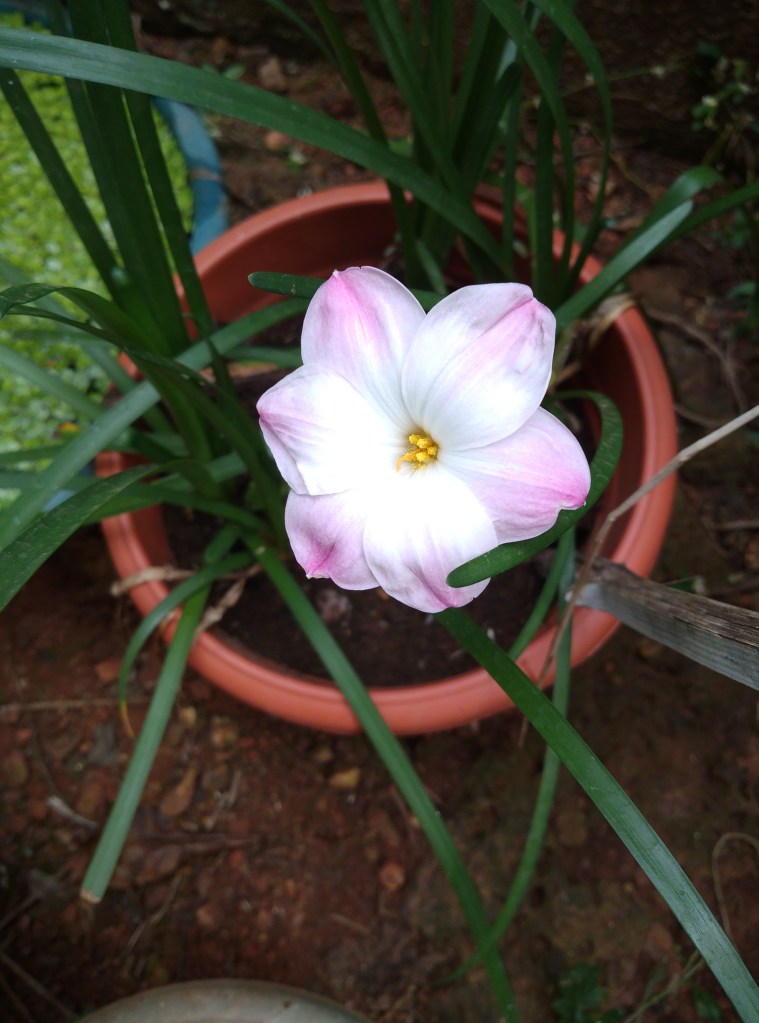
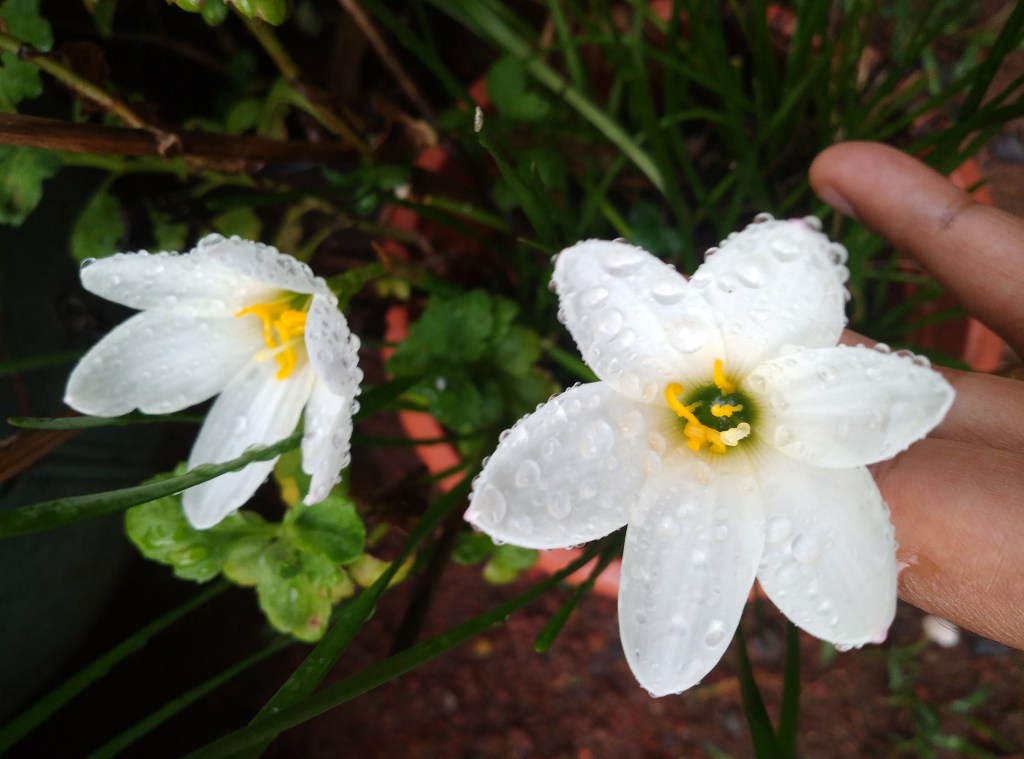
Rain lilies, botanical wonders celebrated for their ephemeral beauty, emerge as nature’s delightful response to rainfall. These dainty flowers, scientifically known as Zephyranthes, captivate with their ethereal charm, gracing gardens with a burst of color after a refreshing downpour. Let’s delve into the enchanting world of rain lilies and explore their unique characteristics, cultivation tips, and the magic they bring to landscapes.

Rain Lily Origins and Characteristics:

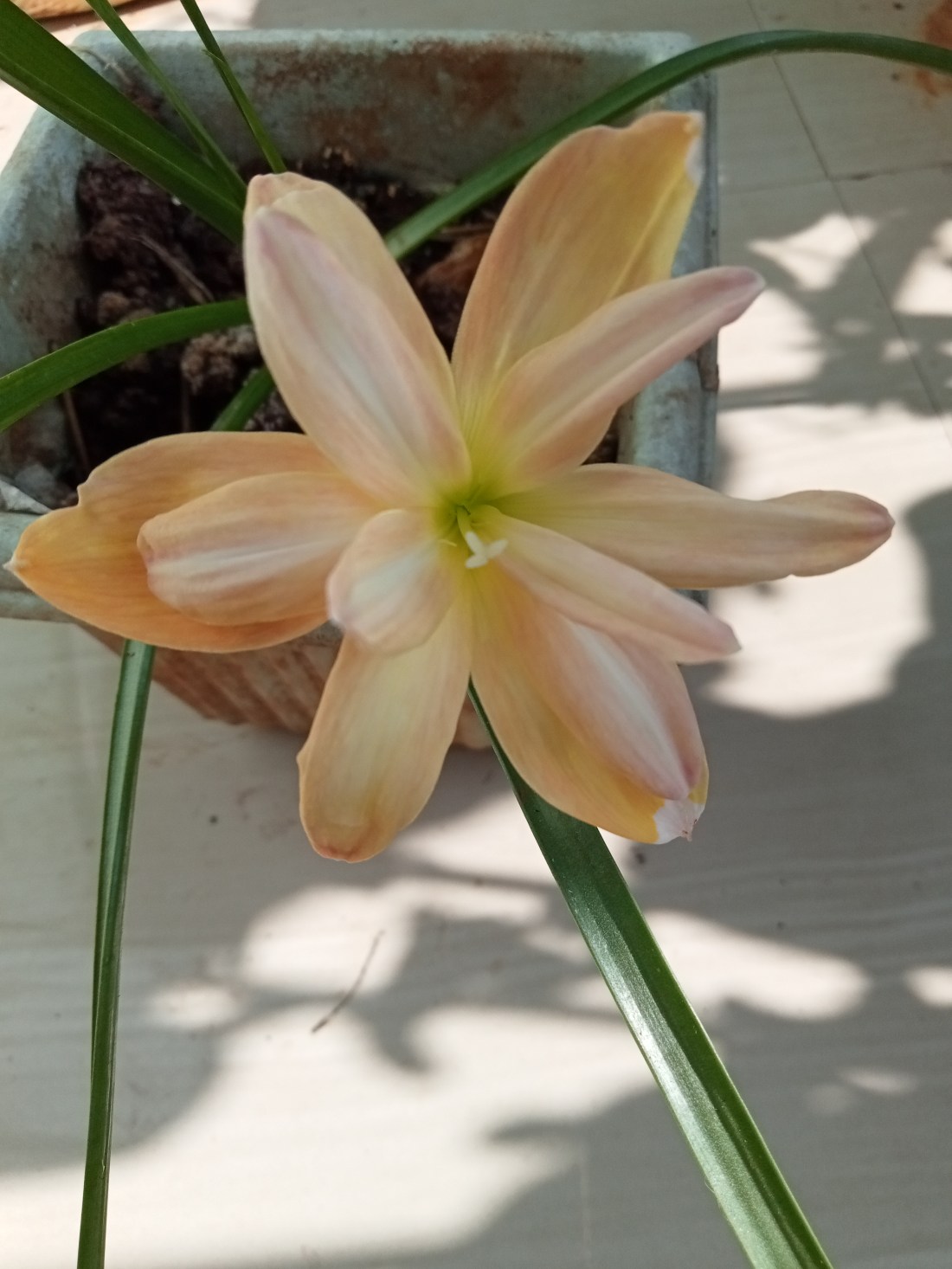
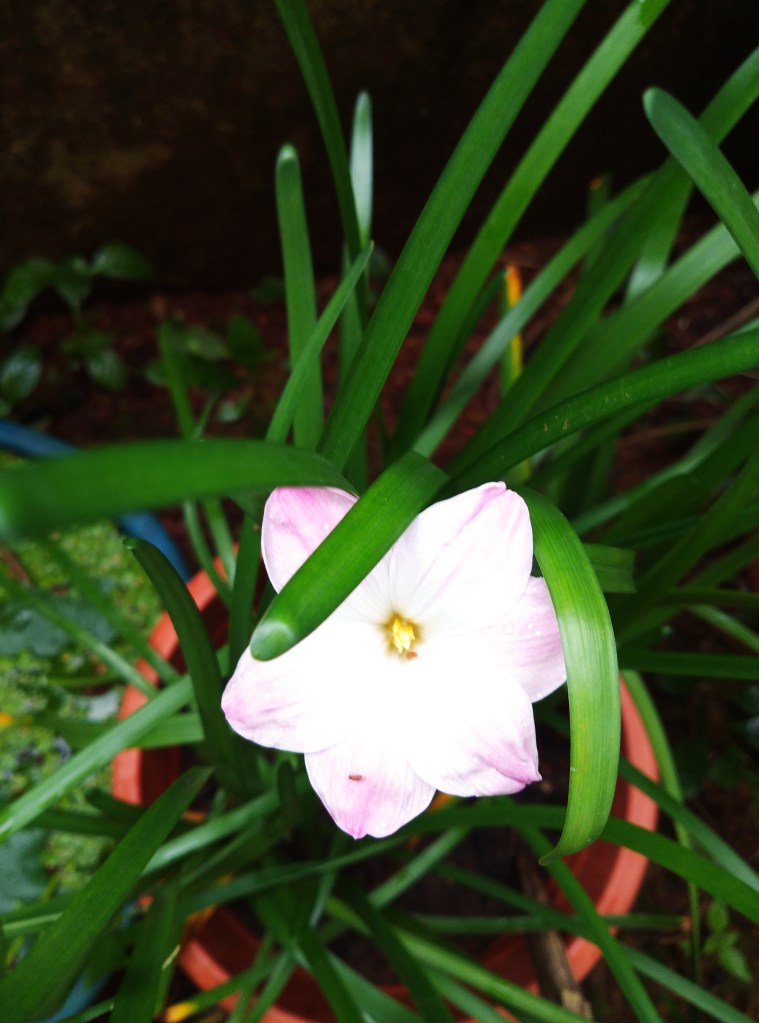
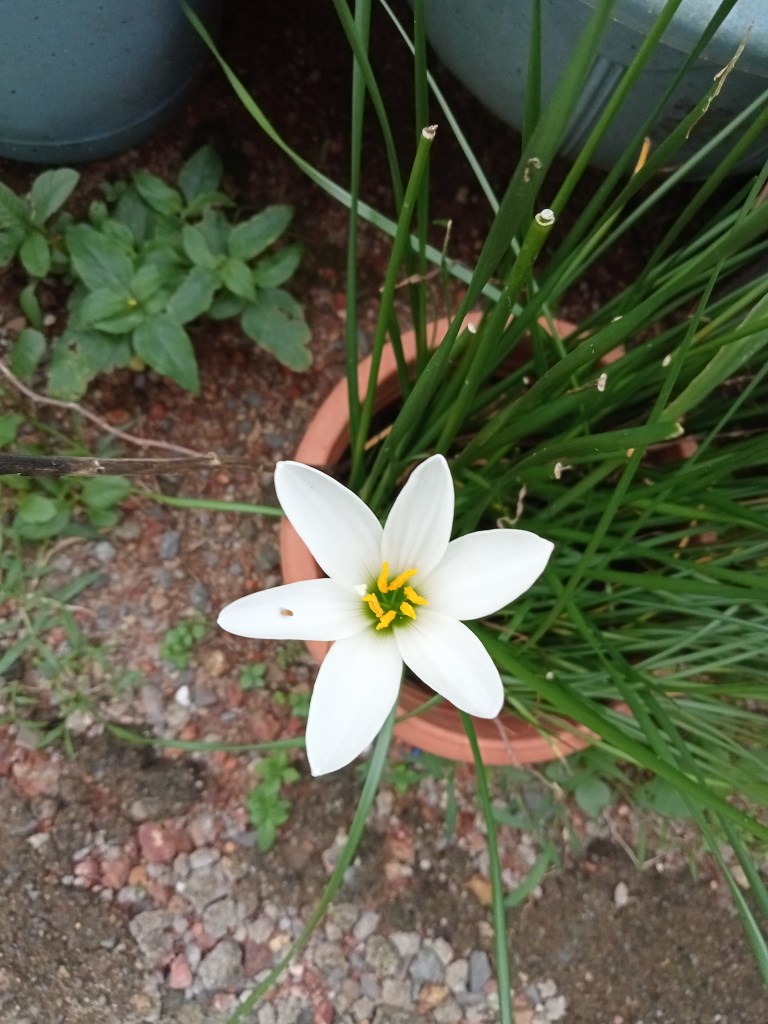
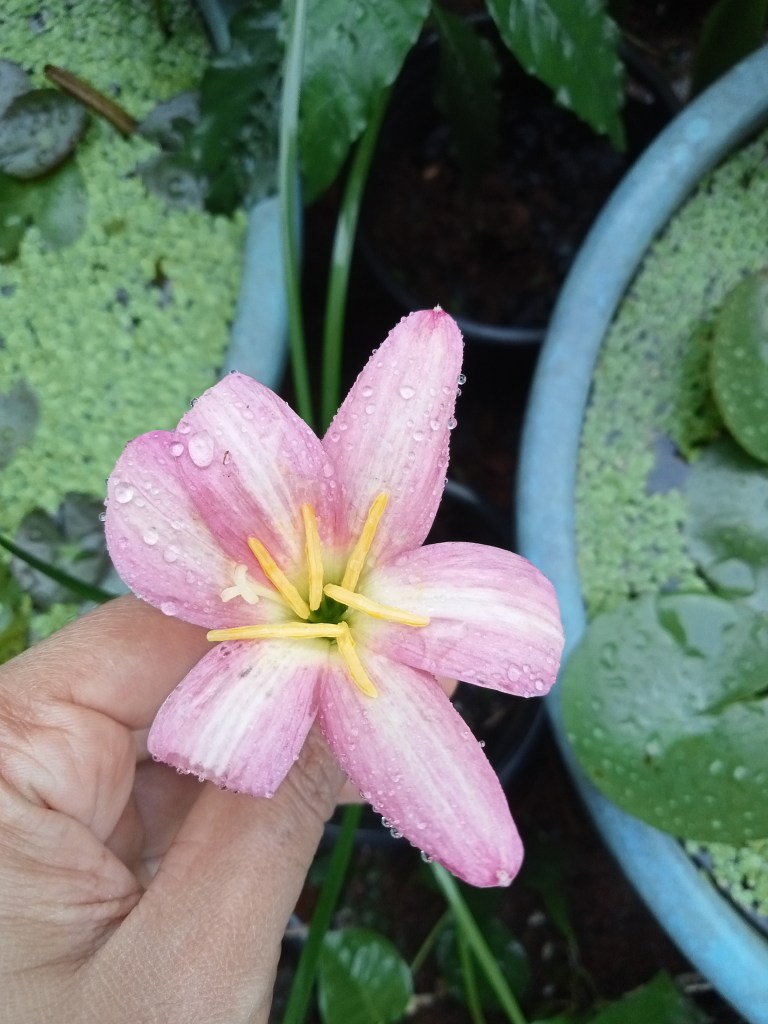
Originating from the Amaryllidaceae family, rain lilies earned their name from their propensity to bloom shortly after rainfall. These petite flowers, typically 2 to 3 inches wide, display an array of hues, including white, pink, yellow, and lavender. Their delicate, star-shaped petals gracefully unfurl atop slender stems, creating a mesmerizing visual spectacle in gardens.

Cultivation and Care:

Thriving in well-draining soil and basking in full sun or partial shade, rain lilies are versatile and low-maintenance additions to gardens. Planting them in clusters or groups enhances their visual impact, and they effortlessly complement borders, rock gardens, and container plantings. They are ideal for regions with warm climates, displaying their floral splendor in rainy season.


Similar Posts


Rain Lily Varieties and Adaptability:

Zephyranthes encompasses numerous species and hybrids, offering a diverse palette of colors and sizes. From the vibrant Zephyranthes grandiflora to the delicate Zephyranthes candida, these flowers adapt to various climates, including tropical and subtropical regions. Their adaptability to diverse environments contributes to their popularity among gardeners worldwide.

Symbolism and Cultural Significance:

Beyond their ornamental value, rain lilies carry symbolic significance in various cultures. Renowned for their fleeting beauty, they symbolize rejuvenation, renewal, and the ephemeral nature of life. In some cultures, these blossoms represent purity and the transient beauty found in life’s fleeting moments, evoking a sense of appreciation for the present.

Conclusion:

Rain lilies, with their ephemeral charm and vibrant hues, stand as nature’s poetic response to rainfall, adding an enchanting touch to gardens worldwide. Their effortless beauty, adaptability, and symbolic significance make them not just botanical marvels but also reminders of life’s fleeting yet beautiful moments.

Whether adorning landscapes with their subtle elegance or symbolizing the transient nature of existence, rain lilies enchant gardeners and nature enthusiasts alike. Embrace the fleeting beauty of rain lilies, and let them grace your garden with their ephemeral yet captivating presence.

In a world shaped by impermanence, rain lilies stand as a testament to nature’s transient splendor, inviting us to revel in life’s fleeting moments and find beauty in every rainfall.

Their brief but breathtaking appearance serves as a reminder to cherish life’s transient joys and appreciate the ever-changing canvas of nature’s artistry. Discover the delicate allure of rain lilies and embrace their ephemeral beauty in your garden sanctuary.

Happy Gardening!

Budding Green Thumbs: Engaging Kids in the Wonders of Gardening!

Introduction

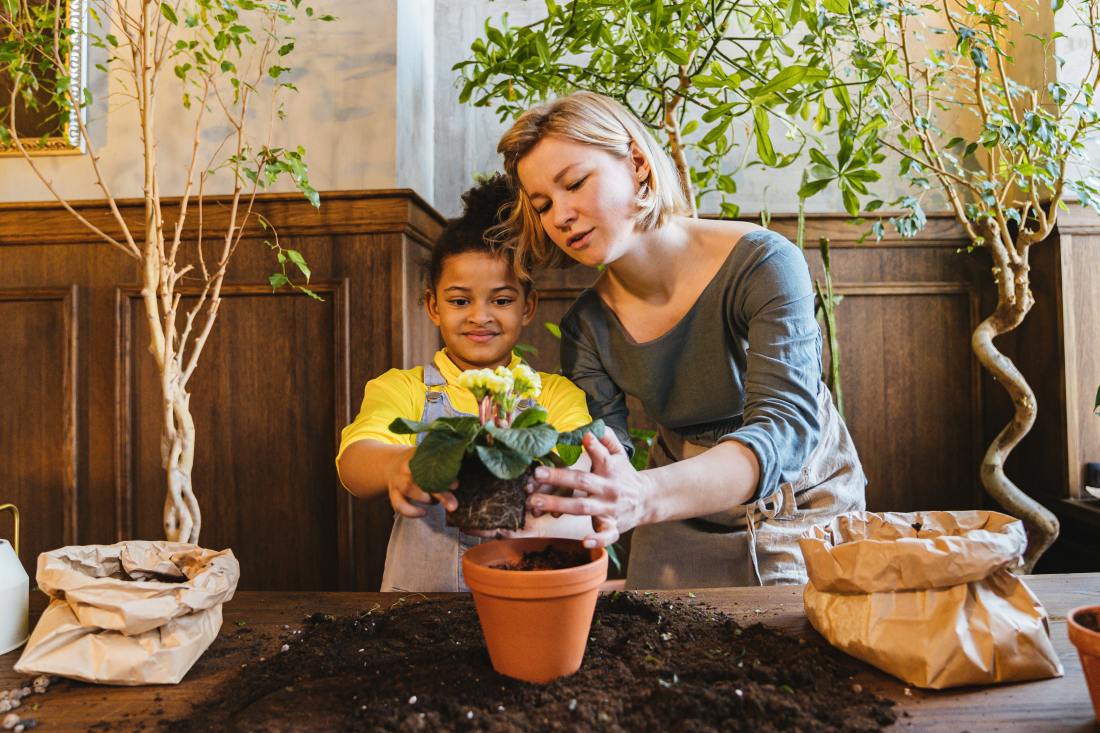
Gardening isn’t just for adults—it’s a fantastic activity to involve kids in! Introducing children to gardening not only fosters a love for nature but also teaches valuable life lessons about responsibility, patience, and the environment. Here’s how to make gardening a fun and educational experience for your little ones.

Getting Started:

Start with simple tasks like planting seeds or seedlings in small pots. Choose plants that grow quickly, like sunflowers, radishes, or cherry tomatoes, to maintain their interest and excitement.

Educational Opportunities:

Take the chance to teach kids about plant life cycles, photosynthesis, and the importance of water and sunlight. Engage them in identifying different plants and insects, turning gardening into an educational adventure.

Designing Their Space:

Allocate a dedicated area in the garden for kids to call their own. Let them personalize it with colorful markers, fun garden signs, or homemade decorations. Encourage creativity and ownership of their gardening space.

Choosing Child-Friendly Tools:

Invest in child-sized, durable gardening tools designed for small hands. Rakes, shovels, gloves, and watering cans made specifically for kids will make gardening tasks easier and more enjoyable.

Making It Interactive:

Create interactive activities like scavenger hunts for specific leaves or flowers, or create a mini-garden with themes like a pizza garden (with herbs and veggies for pizza toppings) to keep them engaged.


Similar Posts


Harvesting and Enjoying Fruits of Labor:

Involve kids in harvesting produce from the garden. Let them taste and enjoy the fruits (or vegetables!) of their labor, instilling a sense of accomplishment and encouraging healthy eating habits.

Encouraging Responsibility:

Assign tasks and let kids take responsibility for caring for their plants. This fosters a sense of ownership and teaches them the importance of commitment and nurturing.

Incorporating Fun Projects:

Explore crafty projects like making pressed flowers, creating nature-inspired artwork, or starting a garden journal to document their gardening journey.

Conclusion

Engaging kids in the wonders of gardening not only nurtures their love for nature but also sows the seeds of responsibility and curiosity. By immersing children in this hands-on experience, we empower them with valuable life skills and ignite a lifelong appreciation for the environment. From planting tiny seeds to witnessing the vibrant blooms and flavorful harvests, gardening becomes an enriching journey for young green thumbs. Encourage exploration, creativity, and ownership in their gardening space, fostering a deeper connection to the natural world. As budding gardeners, children discover that the magic of growth and the joy of accomplishment can be found right in their backyard.

Happy gardening, little ones!

Exploring Heirloom Plant Varieties: Timeless Treasures in the Garden!

Introduction

As the gardening world evolves, a captivating trend has emerged, captivating gardeners far and wide: the fascination with heirloom and unique plant varieties. This surge in interest is a testament to a collective desire among gardening enthusiasts to explore the rich tapestry of diverse, rare, and often forgotten species, particularly in the realm of vegetables and herbs.

Embracing Diversity

Gardeners, seasoned and novice alike, are venturing beyond conventional garden centers in search of these rare gems. Heirloom varieties, with their historical significance and distinct traits, offer a unique and flavorful twist to gardens. The allure lies not only in their extraordinary appearance but also in their ability to infuse diversity into homegrown produce, contributing to a more vibrant culinary experience.

Rediscovering Forgotten Treasures

Heirloom plants, often passed down through generations, tell stories of bygone eras. Their resurgence represents a rekindled appreciation for traditional farming practices and a dedication to preserving biodiversity. Gardeners are meticulously seeking out these forgotten treasures, cherishing their unique characteristics and the cultural heritage they embody.

Nurturing Uniqueness in Gardens

The appeal of unique plant varieties goes beyond aesthetics; it’s a movement towards sustainable and environmentally conscious gardening. By cultivating these rare species, gardeners actively participate in preserving genetic diversity and safeguarding plants that might otherwise vanish from our agricultural landscape.

Cultivating Your Collection

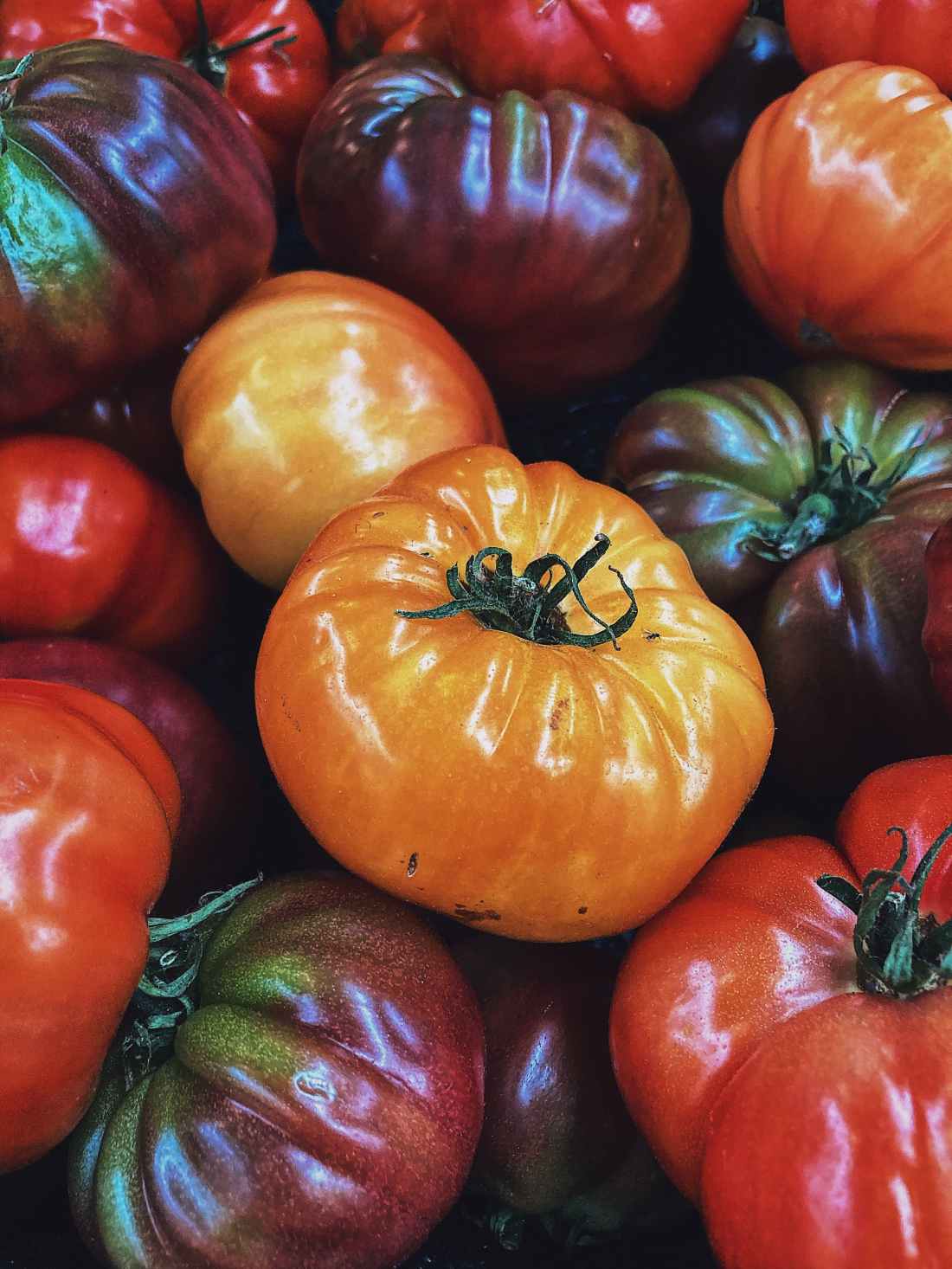
Curating a garden brimming with heirloom and unique varieties requires a bit of research and dedication. From vibrant heirloom tomatoes to fragrant heritage herbs, the journey to assembling a diverse garden tapestry is both rewarding and educational. Communities are forming around the sharing and exchanging of seeds, fostering a sense of camaraderie among enthusiasts passionate about preserving these botanical treasures.


Similar Posts


Examples Of Heirloom Varieties Plants

Heirloom varieties refer to plants that have been cultivated and passed down through generations due to their valued characteristics, unique flavors, or historical significance. These varieties are often open-pollinated, meaning they’ve been grown naturally and haven’t been hybridized for specific traits. Here are a few examples across different plant types:

Tomatoes:

Brandywine Tomato: Known for its rich, sweet flavor, this tomato variety has been around for over 100 years. It offers large, pinkish fruits and is beloved by many gardeners for its taste.

Cherokee Purple Tomato: A deep, dusky rose-colored tomato with a complex, smoky flavor, often considered one of the best-tasting heirloom varieties.

Peppers:

Jimmy Nardello’s Italian Sweet Pepper: A long, thin-skinned pepper with a sweet flavor, perfect for frying or fresh eating.

Hungarian Black Pepper: Ripening from green to dark brown, this pepper has a slightly spicy flavor and is great for drying.

Lettuce:

Flashy Trout’s Back Lettuce: An heirloom variety with unique leaves resembling a trout’s back, offering a delicate texture and mild flavor.

Buttercrunch Lettuce: Known for its sweet, buttery taste and compact heads, making it ideal for small gardens or containers.

Beans:

Scarlet Runner Beans: Not just for their beans, but also for their beautiful red flowers, these beans are popular for their ornamental and edible qualities.

Rattlesnake Pole Beans: Characterized by their stringless pods with purple streaks, they have a rich, nutty flavor.

Carrots:

Cosmic Purple Carrot: This carrot variety has deep purple skin and a bright orange core, packed with antioxidants.

Dragon Carrot: Featuring an intense red-orange color, these carrots are sweet and crispy.

Herbs:

Genovese Basil: Known for its intense flavor and aromatic leaves, this basil variety is perfect for pesto and Italian dishes.

Lemon Verbena: A fragrant herb with citrus-scented leaves, used for teas and flavoring desserts.

These heirloom varieties are cherished not only for their unique flavors but also for their historical importance and biodiversity preservation.

Conclusion

The growing interest in heirloom and unique plant varieties signifies a profound shift in gardening culture. It reflects a longing for connection to our agricultural past, a celebration of diversity, and a commitment to sustainable gardening practices. As gardeners continue to seek out these extraordinary species, they not only enrich their gardens but also contribute to a larger movement aimed at conserving the invaluable heritage of our plant kingdom.

Cultivating heirloom and unique plant varieties is not merely a hobby; it’s a commitment to preserving our botanical heritage. By embracing these diverse species, gardeners foster biodiversity and ensure that the legacy of these plants endures for generations to come.

Let your garden tell a story, one filled with the richness of heritage plants and the diverse tapestry they weave into the world of gardening.

Happy Gardening!

Crafting Green Havens: Maximizing Small Spaces for Stunning Gardens!

Introduction

In the realm of limited spaces, transforming a tiny area into a lush garden sanctuary is not only feasible but also rewarding. Small gardens present an opportunity to weave greenery and charm into compact spaces, elevating aesthetics and fostering a sense of tranquility. Here’s a comprehensive guide on creating a flourishing garden in even the smallest of areas.

Assess and Plan:

Start by assessing the available space, considering sunlight exposure, soil quality, and the area’s dimensions. Optimize vertical space with hanging planters or trellises for climbing plants. Sketch a layout, focusing on functionality and aesthetics, and select plants suited for the available light conditions.

Choose the Right Plants:

For small gardens, select plants wisely. Opt for dwarf varieties, container-friendly plants, and those suited to compact environments. Herbs, succulents, dwarf shrubs, and ornamental grasses are excellent choices. Consider planters, raised beds, or vertical gardens to maximize space.

Optimize Vertical Space:

Utilize vertical space efficiently by installing wall-mounted planters, trellises, or shelving units. Cascading plants and climbers add depth and visual appeal while maximizing space. Hanging baskets or wall pockets create a vertical oasis without compromising floor space.

Strategic Arrangement:

Arrange plants strategically, considering their growth habits and aesthetics. Layer plants by height, placing taller ones at the back and shorter ones toward the front. Group plants with similar water and sunlight needs together for efficient care and to create visually appealing clusters.


Similar Posts


Utilize Containers and Raised Beds:

Containers and raised beds are invaluable assets in small gardens. They offer mobility, enable better soil control, and add dimension. Utilize various-sized containers, including window boxes, hanging baskets, and pots, to diversify your garden’s appeal.

Maximize Natural Elements:

Incorporate natural elements such as rocks, pebbles, or driftwood to add texture and interest. Utilize mirrors strategically to create an illusion of space and amplify natural light. Create focal points with statues, birdbaths, or small water features.

Maintenance and Care:

Regular maintenance is crucial for small gardens. Water plants as needed, prune regularly, and remove dead foliage to maintain a neat appearance. Opt for slow-release fertilizers or compost to nourish plants effectively.

Conclusion:

Small spaces need not limit your gardening aspirations. With strategic planning, clever plant selection, and creative utilization of space, you can transform even the tiniest areas into thriving garden retreats.

Crafting a small garden is a delightful venture, allowing you to infuse greenery and serenity into your living space. With a dash of creativity and the right approach, your small garden can blossom into a serene and vibrant oasis. Embrace the opportunity to craft a green haven that not only enhances your surroundings but also offers a slice of natural tranquility.

Happy Gardening!

Blooming Wonders: Winter Flowering Bulbs to Brighten Your Garden!

Introduction

As the temperatures drop and frost decorates your windows, don’t let your garden fade into the gloom of winter. Instead, embrace the charm of winter flowering bulbs! In this article, we’ll explore the different types of winter flowering bulbs that can brighten your garden during the cold season. From cheerful daffodils to fragrant hyacinths, we’ll take you on a journey of discovery. So, let’s unwrap the world of winter flowering bulbs and make your garden burst into colors, transforming the cold season into a spectacle of blooms.

1. Daffodils (Narcissus):

Daffodils, also known as Narcissus, herald the arrival of spring with their sunny disposition. These resilient and cheerful flowers boast vibrant hues of yellow, orange, and white, painting the landscape with their trumpet-shaped blooms. Symbolizing new beginnings, daffodils bring an air of joy and optimism to gardens, showcasing their beauty as they dance in the early spring breeze. Their delicate fragrance and timeless elegance make them a beloved emblem of renewal and hope.

2. Iris:

Iris stands as a symbol of sophistication and grace in the floral world. With its distinctive sword-like foliage and captivating blooms in an array of colors, from royal purples to vibrant blues and sunny yellows, the iris exudes elegance. Delighting the senses with its subtle fragrance, this perennial beauty adds an aura of refinement to gardens, captivating admirers with its intricate, ruffled petals. As a harbinger of winter, the iris remains an enduring emblem of beauty and admiration.

3. Freesia:

Freesias enchant with their delicate, funnel-shaped blossoms and a fragrance that captivates the senses. These blooms, available in a spectrum of hues spanning from soft pastels to vibrant reds and yellows, exude elegance. Often gracing gardens with their sweet perfume, freesias bring a touch of romance and charm to floral arrangements. Their slender stems and graceful appearance make them a beloved choice for adding both beauty and fragrance to gardens and bouquets alike.

4. Crocus:

Crocuses, the heralds of winter, emerge as a delightful burst of color in the winter chill. These hardy blooms, appearing in shades of purple, yellow, and white, blanket gardens with their slender petals. Symbolizing renewal and youthful joy, crocuses peek through the thawing ground, offering a vibrant display that signals the changing seasons. Their early arrival and cheerful demeanor make them a cherished sight, bringing hope and warmth to the awakening garden.

5. Gladiolus:

Standing tall and stately, the gladiolus commands attention with its impressive spikes of blossoms. With a diverse color palette ranging from fiery reds to gentle pinks, warm orange to joyous yellow, serene whites to double colors these blooms capture the essence of elegance. Often associated with strength and sincerity, the gladiolus stands as a symbol of remembrance and infatuation. These striking flowers, adored for their graceful form and vibrant hues, create stunning floral arrangements and add a touch of grandeur to gardens.


Similar Posts


6. Ixia:

Ixia, known for its star-shaped flowers, graces gardens with its dainty and captivating presence. Displaying a range of colors from soft pastels to bold hues, these charming blooms add a touch of whimsy to floral landscapes. Ixias thrive in winter, creating a charming display in gardens or containers. Their slender stems and intricate petals create a delicate yet enchanting sight, charming onlookers with their elegance. Ixias, with their delightful appearance and effortless grace, contribute a touch of ethereal beauty to gardens and bouquets alike.

7. Rajanigandha (Tuberose):

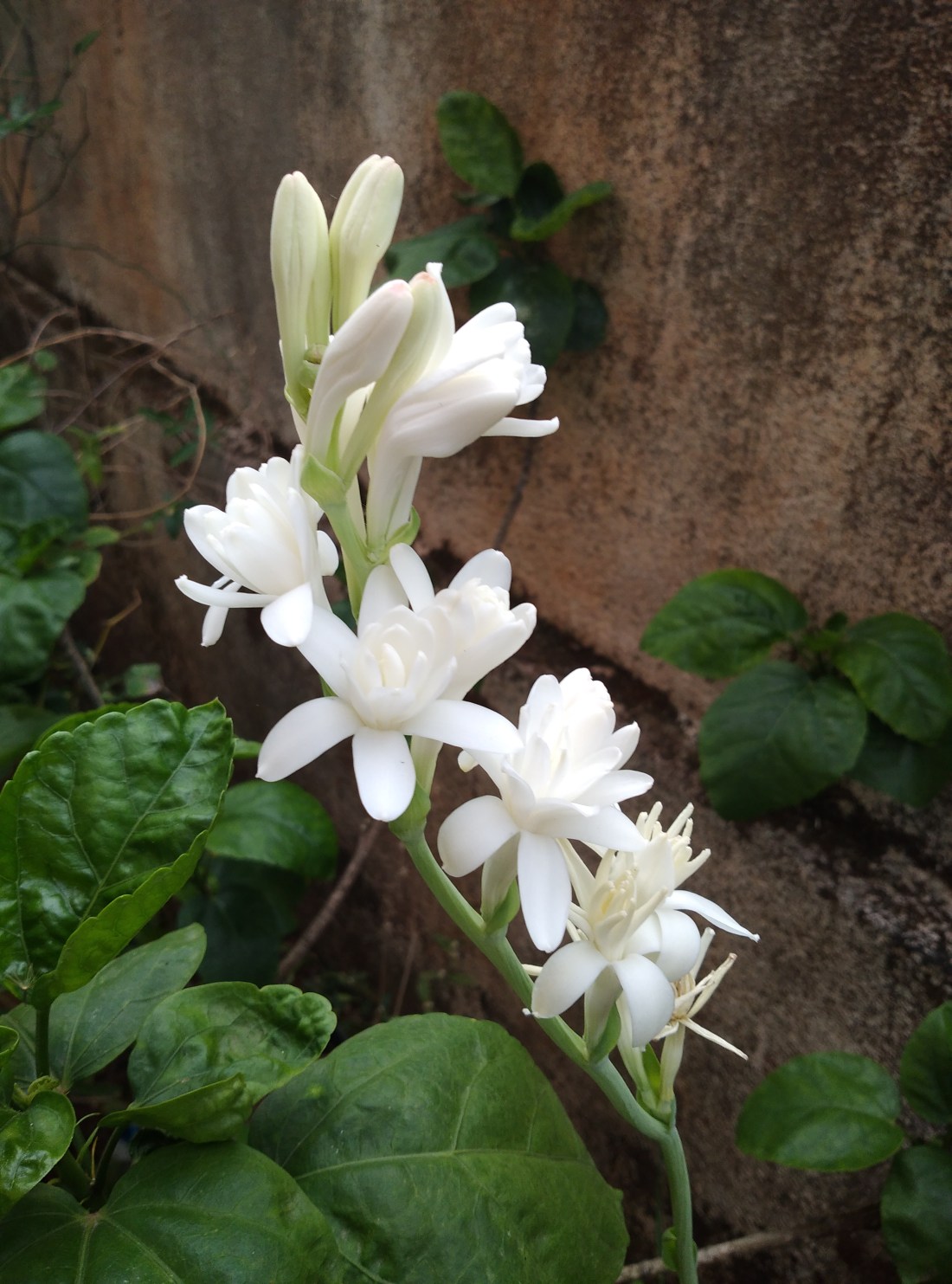
Rajanigandha, or the tuberose, enthralls with its intense and intoxicating fragrance. Its slender, ivory-white blooms evoke an aura of purity and grace. Often sought after for their captivating scent, these flowers bring a sense of serenity and allure to gardens and floral arrangements. With their elegant appearance and powerful fragrance, rajanigandha remains a beloved choice for adding a touch of exotic charm to the surroundings.

8. Hyacinth:

Hyacinths captivate with their clusters of fragrant, bell-shaped flowers that herald the arrival of spring. These blooms, available in an array of colors like deep purples, soft pinks, and vibrant blues, infuse the air with their sweet aroma. Symbolizing sincerity and playfulness, hyacinths adorn gardens with their vibrant hues and rich fragrance. Their compact clusters and delightful scent make them a cherished choice for adding charm and fragrance to winter gardens.

9. Ranunculus:

Ranunculus, resembling delicate roses, dazzle with their layers of paper-thin petals and vibrant hues. Available in a spectrum of colors like velvety reds, creamy whites, and cheerful yellows, these blooms radiate elegance. Symbolizing charm and attractiveness, ranunculus graces gardens with their exquisite, intricate blooms. Their striking appearance and abundance of petals make them a sought-after choice for adding a touch of romance to floral displays and gardens alike.

10.Tulip:

Tulips, queen of winter, paint landscapes with their vivid and diverse array of colors. From bold reds to delicate pastels, these blooms captivate with their simple yet enchanting petals. Symbolizing perfect love and elegance, tulips grace gardens with their graceful stems and charming blossoms. Their iconic presence and breathtaking variety make them a timeless favorite, adding a dash of elegance to spring gardens and floral arrangements.

11. Allium:

Alliums, with their spherical clusters of flowers atop slender stems, bring whimsy and charm to gardens. These blooms, available in various sizes and shades, from soft purples to dazzling whites, create an eye-catching display. Symbolizing unity and harmony, alliums add a unique architectural element to landscapes with their globe-like inflorescences. Their striking appearance and versatility make them a beloved choice for adding a touch of modern elegance to garden designs.

Conclusion

These winter flowering bulbs not only defy the cold but also provide an array of colors, scents, and textures, transforming the winter garden into a breathtaking paradise. From the regal blooms of daffodils and irises to the delicate fragrance of freesias and the early cheer of crocuses, these winter flowering bulbs collectively create a vibrant tapestry of colors, scents, and symbolism. Each bulb, from the majestic gladiolus to the charming ixia and beyond, brings its unique allure to gardens, enhancing the atmosphere with elegance and grace. Embracing the essence of renewal and charm, these bulbs not only transform landscapes but also evoke sentiments of hope, love, and joy. Planting these diverse bulbs doesn’t just infuse beauty into gardens; it celebrates nature’s resilience and invites the spirit of winter into our lives, renewing our appreciation for the wonder of the seasons.

Happy Gardening!

Crafting Serenity: Your Guide to Designing a Backyard Meditation Garden!

In the hustle of daily life, creating a serene space at home can nurture your well-being. A backyard meditation garden offers a haven for relaxation, contemplation, and reconnection with nature. Whether you’re a beginner or an avid gardener, here’s a step-by-step guide to design and cultivate your tranquil oasis.

1. Planning the Space:

Assess your backyard’s layout and choose a suitable spot for your garden. Consider factors like sunlight, shade, and privacy. Sketch out a design, incorporating elements such as pathways, seating areas, and focal points like a fountain or a statue.

2. Selecting Plants:

Choose a mix of plants that engage your senses—fragrant flowers like lavender, jasmine, or roses for aroma, lush greenery for visual appeal, and textured foliage for touch. Native plants can thrive with less maintenance and attract local wildlife, enhancing the garden’s ambiance.

3. Creating Pathways:

Design pathways using gravel, stepping stones, or natural materials like wood chips. Curved paths encourage a leisurely stroll, promoting a sense of tranquility. Consider adding seating areas along the path for meditation or quiet reflection.

4. Adding Elements of Serenity:

Incorporate elements that foster relaxation—a small water feature like a fountain or a reflecting pool can provide soothing sounds. Wind chimes or gentle music can further enhance the ambiance. Install a bench, hammock, or comfortable seating for moments of contemplation.


Similar Posts


5. Personalizing the Space:

Add personal touches like inspirational quotes on stones or tucked into the foliage, symbolic statues, or a dedicated space for yoga or meditation. Consider incorporating elements that hold personal significance to elevate the emotional connection to the garden.

6. Maintaining the Garden:

Regular maintenance is key to preserving the garden’s tranquility. Water plants adequately, prune regularly, and remove weeds to maintain the garden’s allure. Create a schedule for upkeep to ensure it remains a relaxing retreat.

7. Enjoying Your Sanctuary:

Finally, take time to immerse yourself in the tranquility of your backyard meditation garden. Utilize it for meditation, yoga, reading, or simply unwinding after a long day. Embrace the peace and serenity it offers as a haven from the stresses of life.

A backyard meditation garden isn’t just a beautiful addition to your home; it’s a sanctuary for mindfulness and rejuvenation. Invest time in its creation, and let it become a cherished space where you can reconnect with yourself amidst the beauty of nature. Start planning today to create your own oasis of calm and tranquility right at home.

Happy Gardening!