Why You Should Invest Some Time In Gardening?

Gardening is a great hobby for anyone looking to stay healthy. Not only does gardening help improve mental health, but it also helps lower stress levels. When you spend time outside working in the garden, you release endorphins into your body, which makes you feel happy. This is especially true if you work outdoors in the sunshine.

In this article, you will come to know how gardening will help you to leave a happy and healthy life. So here is the list of benefits of gardening:

Makes You Fit

Photo Courtesy: Pexels

Gardening involves many activities like bending, lifting, pulling, digging, planting, watering, and weeding. These activities not only burn calories but also help in strengthening our muscles. It also helps in reducing excess weight and improves blood circulation.

Act As A Natural Anti-Depressant And Makes You More Resilient

Photo Courtesy: Pexels

Gardening helps the brain to secrete serotonin a happy chemical, a deficiency that causes depression. This hormone makes you feel happy. When I was going through a rough phase in my life, gardening helped me overcome my grief. The cool breeze passing through the leaves when touches our skin makes us feel refreshed. It feels like someone is consoling us. It takes away all the pain grief and tiredness. It is in my daily routine to water my plants when I return from my 9 to 5 job. It makes me feel more energized by taking away all the tension and pressure faced in my daily life.

Gardening is also considered an effective rehabilitation tool for people having an addiction.

Boosts Immunity
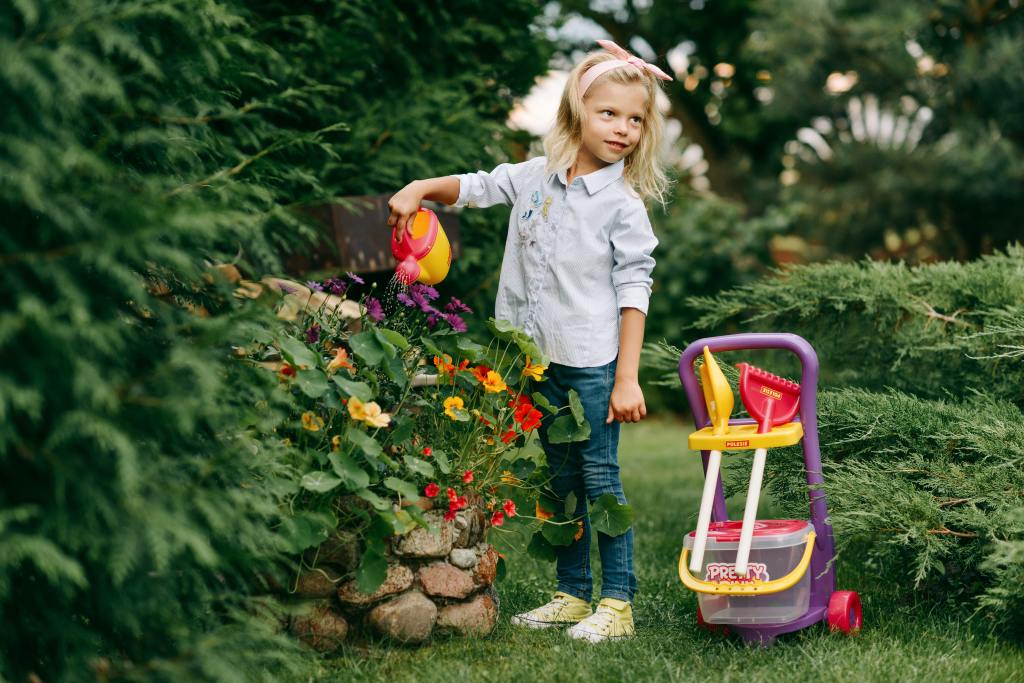
Photo Courtesy: Pexels

There are three main factors of gardening which help in improving immunity. First is Soil. Soil contains various microbes both good and bad. By working in the soil we become resistant to various skin infections and allergies. The second factor is Sunlight. We have been taught in school that sun rays contain vitamin D so we need to be exposed to sun rays in the morning. Vitamin D absorbs calcium and phosphorous and helps in the growth and strengthening of our bones. The third factor is Air. While gardening we inhale fresh air rich in oxygen, which improves blood circulation and helps in improved brain function.

To Detoxify Our Body, Mind, And Soul

Photo Courtesy: Pexels

As we have discussed earlier by just taking a walk in our garden our minds get refreshed. The oxygen-rich air not only cleanses our bodies but also rejuvenates our souls. There are many medicinal plants that help in cleansing the environment. Exposure to them helps in cleansing our lungs which in turn helps in reducing the chances of getting various types of cancer.

Improves Memory

Photo Courtesy: Pexels

Researchers have found gardening improves cognitive functioning in the brain. Even it is considered an effective treatment for dementia patients.

All students are aware of the Pomodoro Technique. In this technique we need to study in chunks like 25 min, 40min, or 50 min based on our preference then we need to take a break of 10 minutes. This helps the brain to store information for a longer time. At this time many experts advise taking a walk or having a bath. Because this is the time when information is stored in the long-term memory. Fresh air helps in increasing this process. Spending this free time in your garden will not only help you to remember the concept for a long but will also make you more refreshed.

To Connect With Mother Nature

Photo Courtesy: Pexels

Gardening gives a sense of well-being. People who do gardening cultivate a feeling of connection or you can say it strengthens the unseen bond we have towards nature. It increases our self-esteem. Gives a sense of fulfillment when we grow our own food.

Showing Gratitude

Photo Courtesy: Pexels

Last but not least. Gardening helps us to show gratitude to mother nature. What we eat, what we wear, where we stay, what we learn everything is directly or indirectly derived from nature. By planting some trees we are making a certain contribution to our society. It’s a way of saying thank you to Mother Nature.

Apart from the above-mentioned benefits, there are many more benefits of gardening. Many schools and colleges are making gardening a part o their curriculum. Even it is encouraged by many mindfulness programs too. So what you are waiting for. Start your own garden and grow your own food.

Happy Gardening!!!
Herbal Garden Remedies: Growing Medicinal Plants at Home!

Introduction

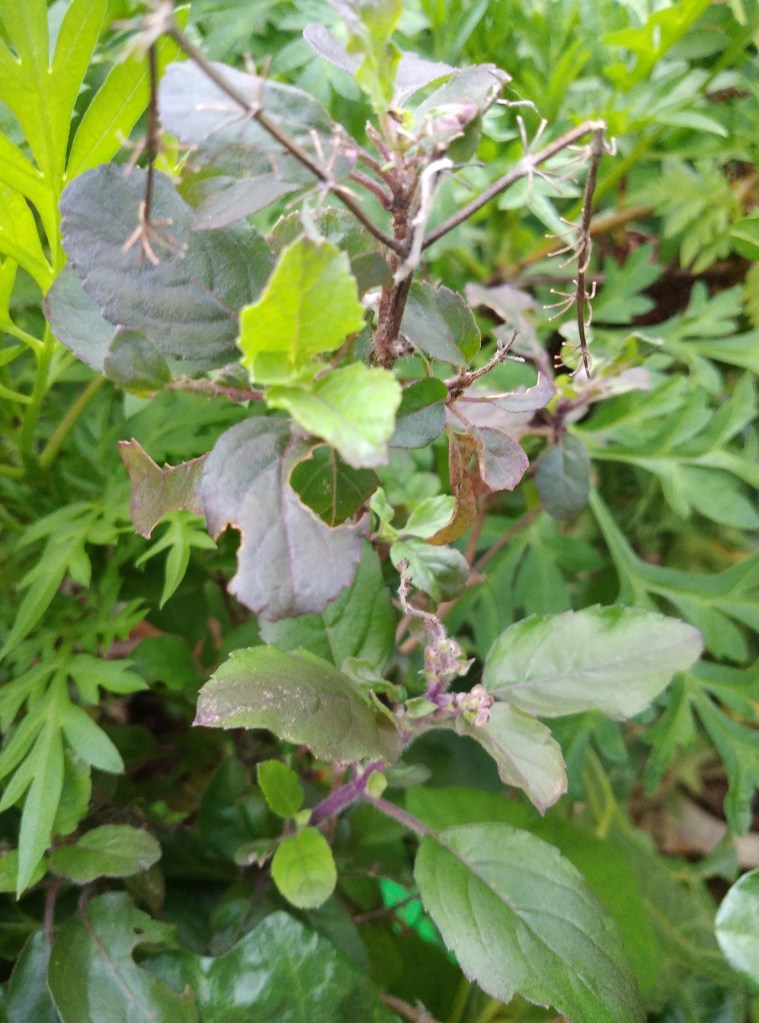
In earlier days our elders used to grow their own food. They were growing vegetables and fruits to meet their needs. They also used to grow medicinal plants and herbs as they used to depend on home remedies for most illnesses. Even today eighty percent of the world’s population uses herbal medicines as their primary means of health care. Most health care products and cosmetics are derived from herbs.

In this 21st century, everyone is racing to gain a competitive advantage, so there is little time and space for anyone to grow any plants. So in this article, I will mention some of the medicinal plants which can be easily grown and require very less space and low maintenance.

Tulsi/Basil

Basil plant has much medicinal use and is the most widely-known medicinal plant in India. When I was a kid we were using basil paste for almost all types of insect bites, rashes, and skin infections. Eating its leaves also boosts immunity. It also helps in keeping away many pests including mosquitoes. It is believed to emit a huge amount of oxygen. . It also has significant anti-inflammatory and analgesic properties.

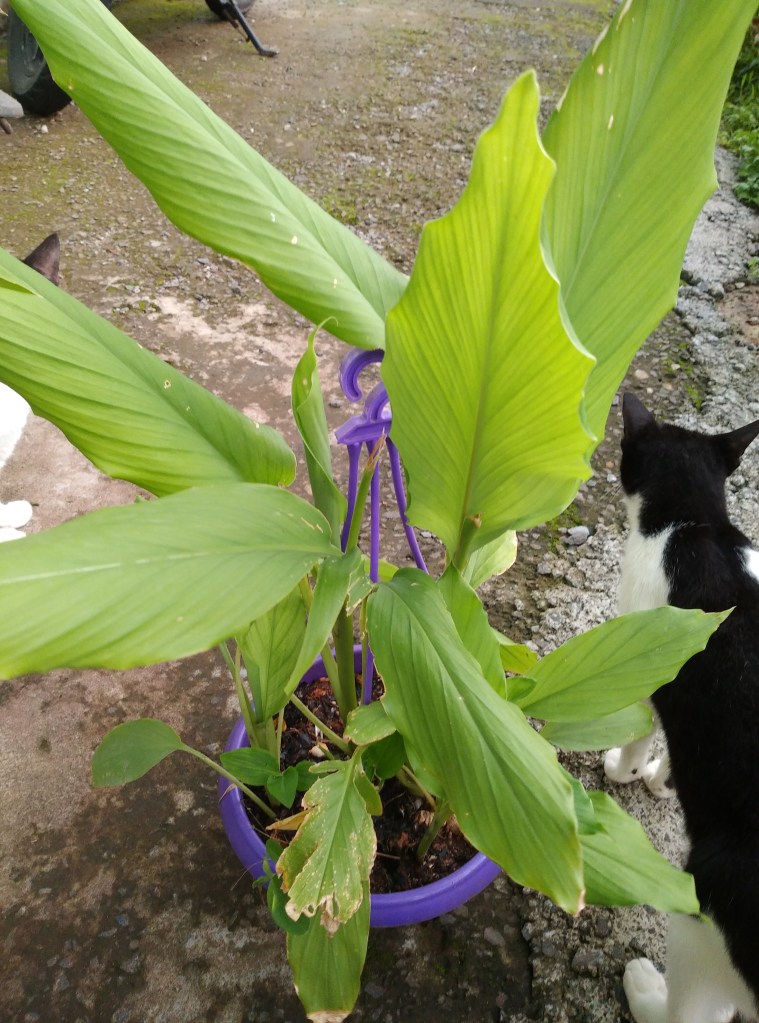
Turmeric

Turmeric is widely used in Indian cuisine. It is used in many cosmetics because of its medicinal properties. It has healing properties. I remember we were using oil and turmeric paste to heal wounds. Many Indian families use turmeric along with milk as a cure for the common cold. It’s also observed that regular use of turmeric paste reduces the growth of body hair and brightens skin complexion.

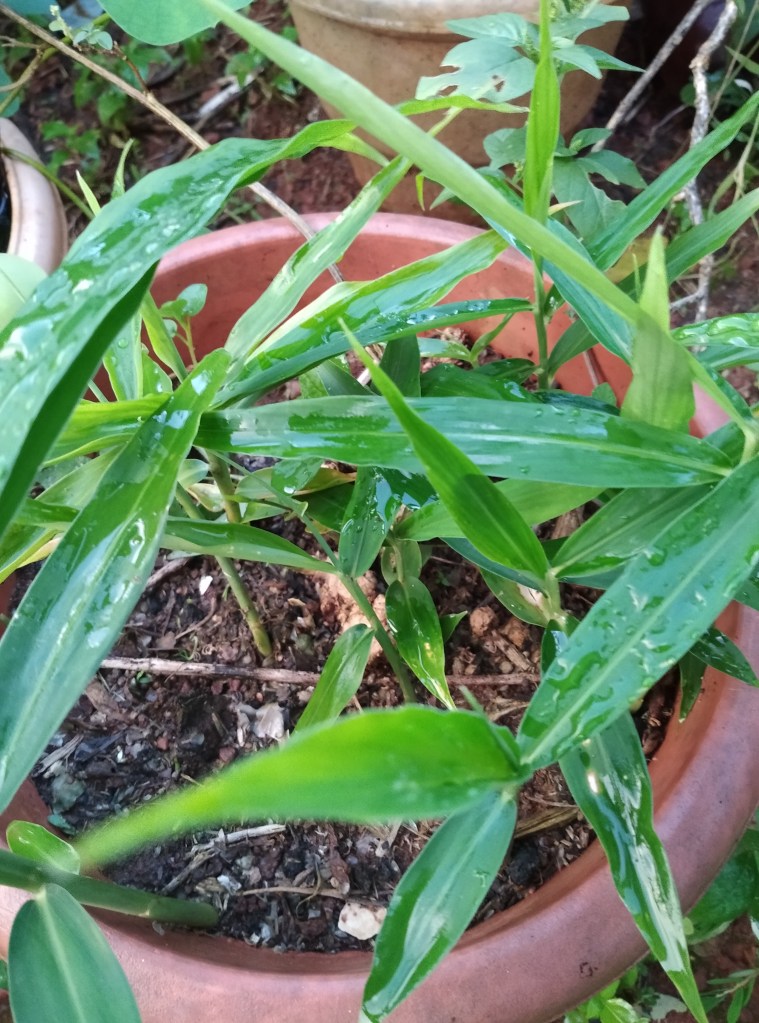
Ginger

Ginger is a part of the daily cuisine in many countries of the Asian continent, especially in our India. Ginger has many medicinal properties, including anti-bacterial, antiviral and antioxidant.Ginger juice balances the digestive process and improves the body's absorption of nutrients.It helps to fight cancer, diabetes and asthma. It can also be used in the cure of joint pain.

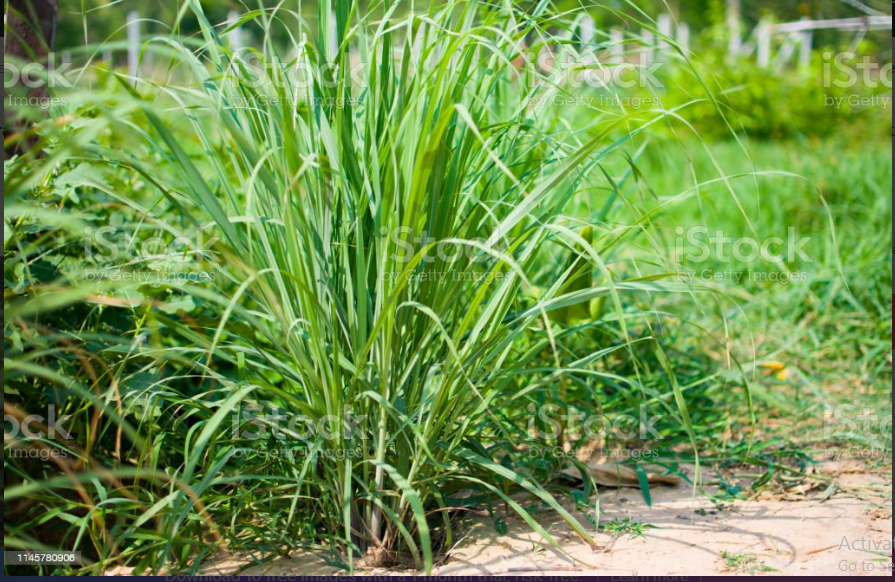
Lemon Grass

photo courtesy:istock

Lemon grass is another plant that can be grown at home. You can easily grow it in pots. This plant has lots of health benefits. It can be used in tea, salad, soup, and all other dishes. The grass has the unique flavor of lemonade. Very useful in nervous and stress-related conditions. This reduces the heat of high fever. We normally drink tea by adding lemon grass when we have a fever. In our village, this is a common cure for fever. It seems to be the most effective medication for respiratory problems and throat pain, abdominal pain, headache, joint pain, digestion problems, muscle pain, and stomach ache.

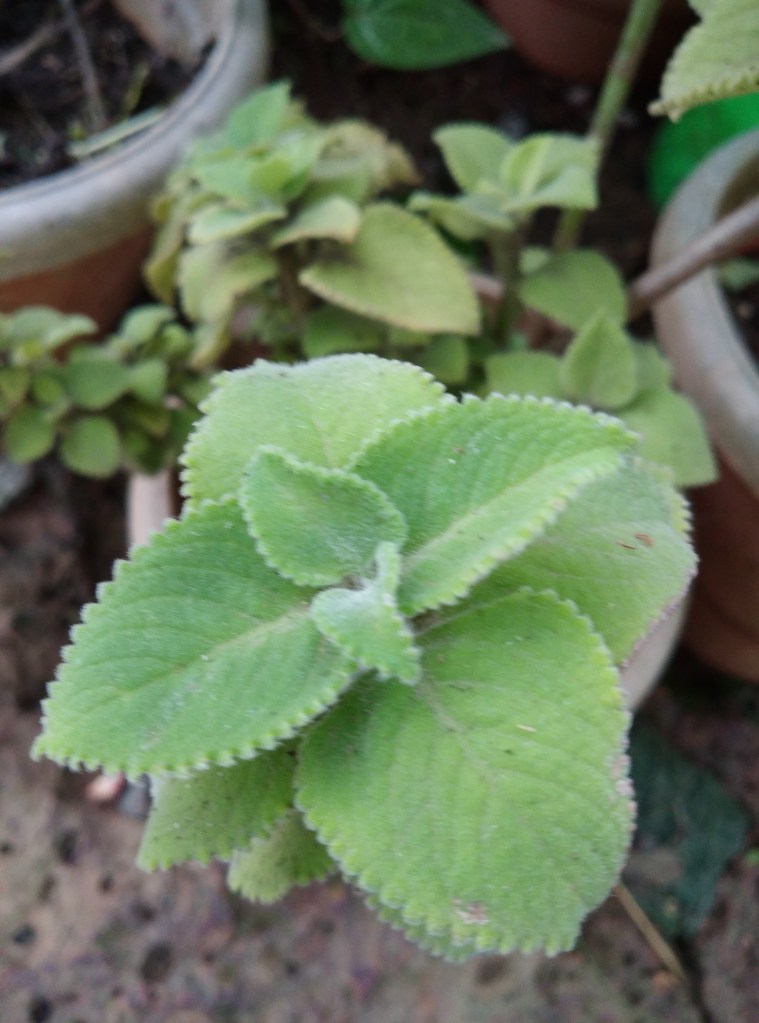
Ajwain

Ajwain is used in almost all Indian families. It has a very good smell. It can also be used to make pakodas(An Indian snack). In our village, it is used as a medicine for fever, especially for toddlers. Its leaf is a little burnt and the juice is mixed with honey and is given to the children. It is beneficial for abdominal discomfort due to indigestion, heartburn, and loss of appetite.

Black pepper

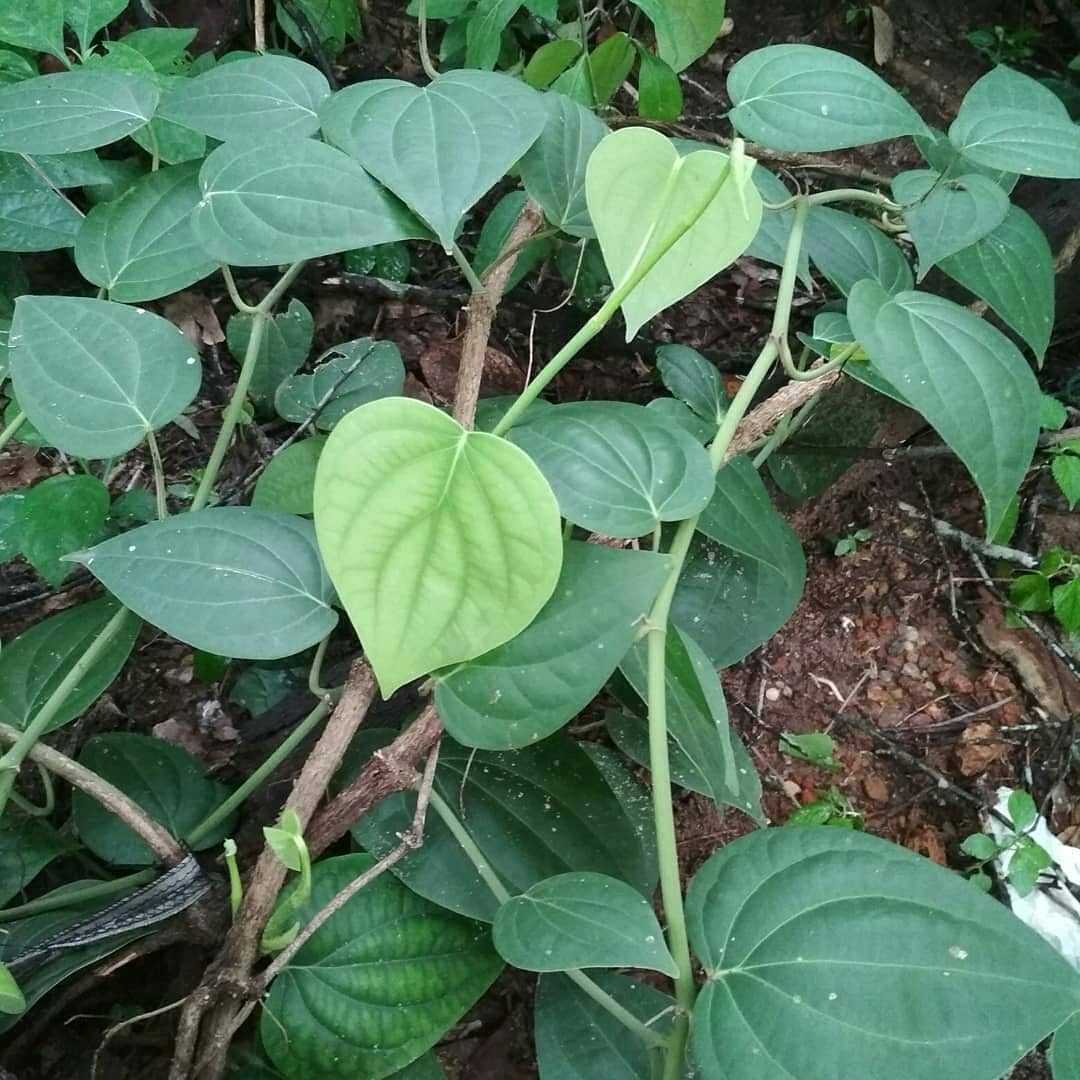
Was also known as black gold in earlier days. Western people used to trade this spice in exchange for other commodities. Black pepper is used to make Kada(a syrup) which is used to treat colds and coughs. It also helps in reducing cholesterol thereby controlling blood pressure. It also cleanses the body and is good for preventing cancer as it has a high level of antioxidants.

Aloe vera

This is a wonderful plant which can be easily grown anywhere. This requires high temperatures and very less water. It is very good for primary burn.  It can be used as a beauty ingredient and also for the stomach ache.
The plant is known to be a natural immunity booster with antioxidant properties. If you have a weak immune system, consume Aloevera juice regularly and it will boost your immune system easily. It also relieves inflammation when there is an injury and burns on the body.
It's great for your hair and skin. Consuming Aloevera juice can protect you from digestion problems.

Mint

Peppermint is one of the well-known medicinal plants widely used in various types of cuisine. It consists of manganese, vitamin A, and vitamin C and can be grown in any climate. The crushed peppermint leaves can be used to relieve muscle pain. It is also a good mouth freshener. It’s a good drug for various Stomach and intestinal problems.

Neem

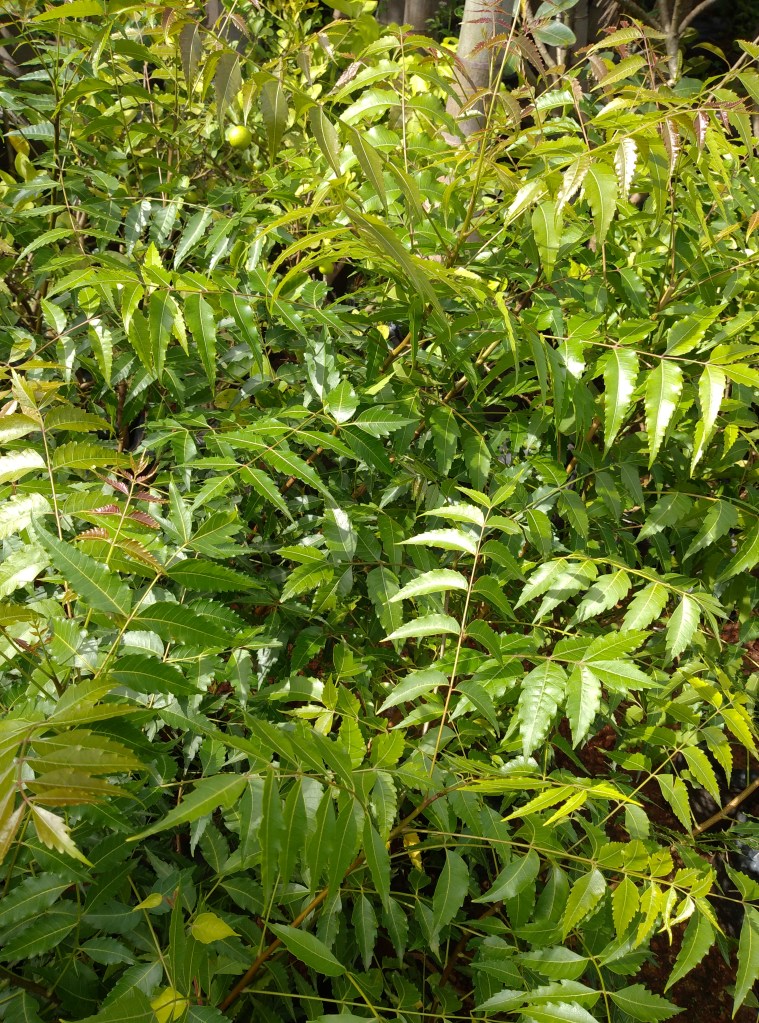
Neem plant has long been recognized for its medicinal properties. It is used in toothpaste,hair oil,shampoo,soap and many more. It can also be grown in pots or grow bags. This plant is used in medicine as well as in cosmetics. It is very good for skin infection. In many indian families people drink its diluted juice twice a month as it is cosidered a good blood purifier. Some people brush their teeth by chewing neem sticks.In Yugadi(First day of Hindu Year)our day starts with consuming neem leaf with jaggery.

Ashwagandha

photo courtesy:istock
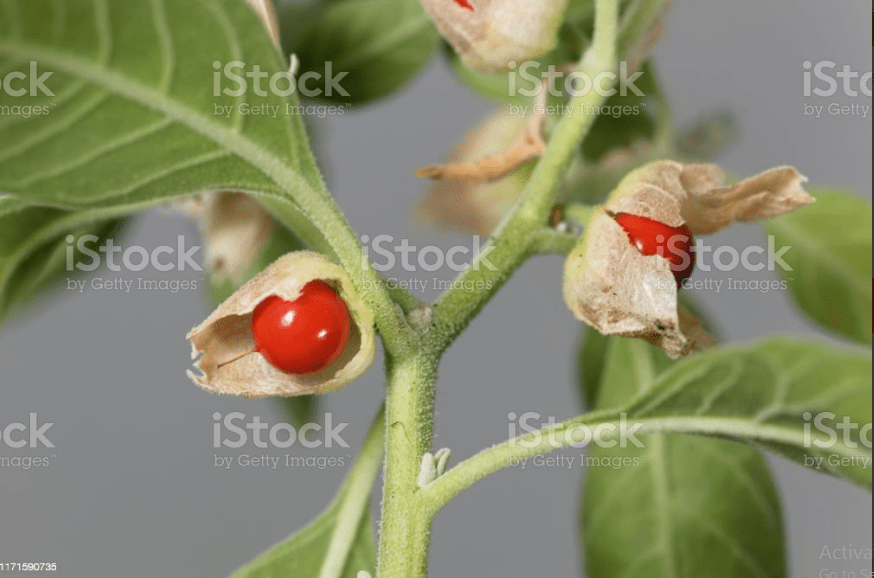
Ashwagandha is famous as an ancient medicinal plant. It is one of the best stress reliever and is rich in medicinal properties. It can be easily grown and is good for wound healing. Is the best medicine for the heart. It also protects eye health. It relieves depression and anxiety. The plant will help lower cholesterol and keep blood sugar under control.

Brahmi(Asiatic Pennywort or Indian Pennywort)

photo courtesy:istock

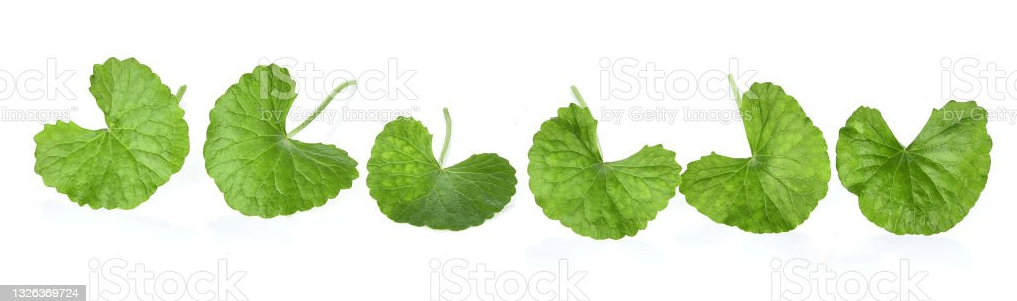
This plant helps in improving memory. Reduces ulcers, skin diseases, and capillary sensitivity. This plant is best if you are intent on maintaining your youth. You can easily grow it in homes. It is also helpful in regenerating the nerves and brain. It also helps in reducing body heat. I remember my grandmother used to keep Brahmi leaves on her scalp to reduce the heat of excessive medication.

Before concluding my article I want to mention to all the readers, that this is an informative article. I am not a doctor or physicist. So before following any of the remedies mentioned in the post it is better to consult a doctor. I hope you like this post. Please give your valuable feedback in the comment section.

Keep Smiling and Happy Gardening.


How to begin with Gardening: 5 easy steps for beginners!

Everyone loves to go for a walk in a garden, but how about making your own garden and enjoy its beauty every day. This modern life has made us so busy that we have forgotten to enjoy the little things in our life. But the corona pandemic made us realize the actual meaning of life. When the lockdown was imposed everyone has stayed in their home and enjoyed their family life. Some people started with their hobbies which they have left long before because of a busy life. People who have never entered the kitchen started to cook. And some of them started with gardening.

I have seen many posts by people on Facebook who have started gardening but are having many troubles in maintaining their plants. Many were posting their plants which are either dead or on the verge of dying. As a novice, they forgot to follow some basic rules. So here I am giving you 5 easy steps especially for the beginners who have just started or want to start Gardening.

Step:1 Start with the basics

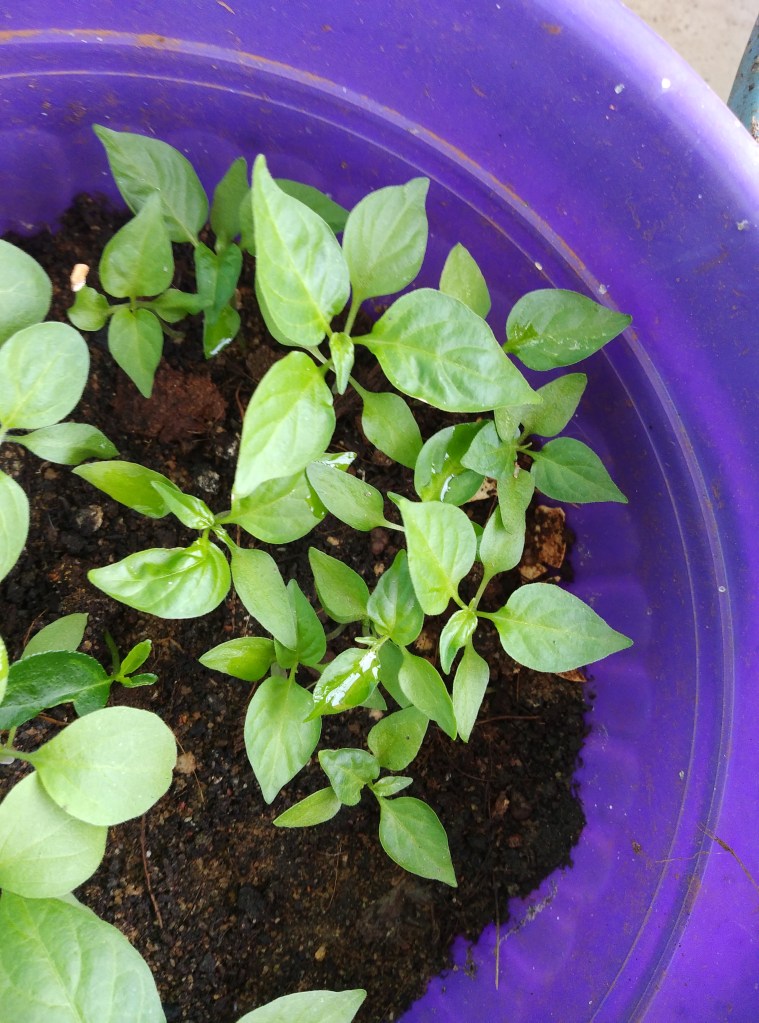
Chilli saplings

If you are a beginner, then avoid making common beginner’s mistakes. People tend to buy plants that look beautiful and different nursery sites make this task easier. If you have just started gardening, then my advice is to start from your home first. In your home, there are many vegetables or spices which can be easily grown without much effort. It saves your time as well as money. For example, chili, tomato, coriander, cumin can be easily grown and give good yield too. Apart from that, you can also grow ginger and potato by cutting their tip(ginger)/eye(potato). You can regrow mint after using the leaves and planting its stem either in soil or just putting it in water. As these are frequently used in your kitchen you can start with these instead of buying seeds and plants from nurseries or online websites which will save your money as well as time. After gaining some expertise, you can start buying plants that are easy to maintain like a spider plant, pothos, wandering jew, aparajita, etc. After that, you will be fully ready to grow any of your desired plants.

Step 2:Know your weather

This is a very important step that many beginners ignore. You should remember that all plants cannot be grown in all regions. Different plants have different requirements. You cannot grow cactus in heavy rainfall regions the same way as spices cannot be grown in the desert. If you are buying any plants especially online make sure the weather condition in your place is suitable for the growth of that plant. So before buying any costly plants on the net just check the description which will mention the average temperature for the growth of that plant.


Similar Posts:


Step 3: Always use organic fertilizer

Fertilizer is very important for the growth and fruiting of any plant. If you browse on the net you will get 100 s of fertilizers sold by different websites. Avoid buying these as there are chances that they may kill your plants if not used in proper proportions especially if those fertilizers turn out to be chemical ones. You will also get organic fertilizers online but as a beginner, it’s better to use homemade fertilizers like kitchen wastes which include used vegetables, fish water, rice water. If cow dung(dry) is available in your area you can use that too. Always cover this waste with a layer of soil to avoid rot and smell. If you feel you can’t use these then buy only organic fertilizer from your local nurseries or online websites.

Step 4: Remember there is a big difference between theory and practical

On YouTube, there are many videos on growing plants. Many of them don’t show the results. I have tried many of them like growing cardamom plants from seeds or growing rose cutting using potatoes and failed miserably. Before following any YouTube video check the comment section. See what other people are saying. Even if you follow these instructions there are chances that you may not get the desired result. The reason is mentioned in step no 3. The videos which are shown are from places which have different weather conditions than yours. And many videos are just made by beginners who just want to earn money from google ads. Don’t blindly follow these videos.

Step 5: Check the progress

Planting is not enough. The plant should be properly taken care of. You should check the progress of your plants regularly. Check whether the plant is growing properly. If not try to find the causes. Water it properly, give fertilizers after some period, check whether the plant has any bugs or the leaves are yellow or curled or dry, and take care accordingly.

If you follow the above steps soon you will become a successful gardener. So what you are waiting for? Start now, Happy Gardening!!!

A Beginner’s Guide To Protecting Plants In Rainy Season

Everyone loves monsoon including plants. You must have seen how the plants become fresh and green only in the first few drizzles as if they are having a party. But as the rain continues you will notice many of the plants starts deteriorating and some plants die too.

In this article, I will be discussing some of the plant problems which we encounter during the monsoon and also solutions to these problems. So, let’s get started.

1.Root Rot

Plant affected by root rot

This is a common problem which we encounter in the rainy season. This disease mainly affects those plants which are planted in pots. The main cause of this disease is wet soil. Damp soil prevents roots from absorbing oxygen and helps the development of fungus which causes root rot. As a result, plant growth is inhibited, leaves and branches start to wilt and at the end, the plant dies.

Solution:

1. Proper drainage will eliminate this problem. So check that pots have proper holes. So the excess water is drained out of the pot.

2. Proper potting mix will also help in eliminating this problem.

2. Next solution is to fill the pot with soil or potting mix till the top so no space is left for the water to stagnate.

3. Use fungicide mix(1 spoon of fungicide+1 liter of water), pour this solution in the pot. This will prevent the development of fungus and other harmful microbes.

2)Wilt Disease

In this disease suddenly the leaves of the plants start to get dry and yellow and finally fall off. The symptoms are similar to root rot but root rot is a more serious problem compared to wilt disease. This disease is caused by a fungus that affects the flow of water in the xylem.  

Solution:

1. Remove the affected branch and apply neem oil on the cut to prevent the spreading of the fungus.

2. Spray neem oil mix or fungicide mix(1 tablespoon neem oil/fungicide + liter water) once a week to prevent fungal attack.

3.Aphids

Aphids

Aphids are small black (also in green and yellow colour) insects that infect the tip of the plants. They suck nutrient-rich sap from leaves and buds. They start laying eggs on the leaves as a result the leaf become porous and then it turns yellow and finally falls off. They grow very fast as a result entire plants get affected which inhibits the growth of the plant and finally, the plant dies.

Solution:

1. Remove the leaves which are affected by aphids and burn them or throw them in faraway places as they can’t fly to longer distances.

2. Spray liquid soap/pepper (mixed in water) on affected leaves.

3. Ladybugs also help in controlling aphids as they feed on both adults and larvae.

4.Insect Borers

Initial stage of borer infestation

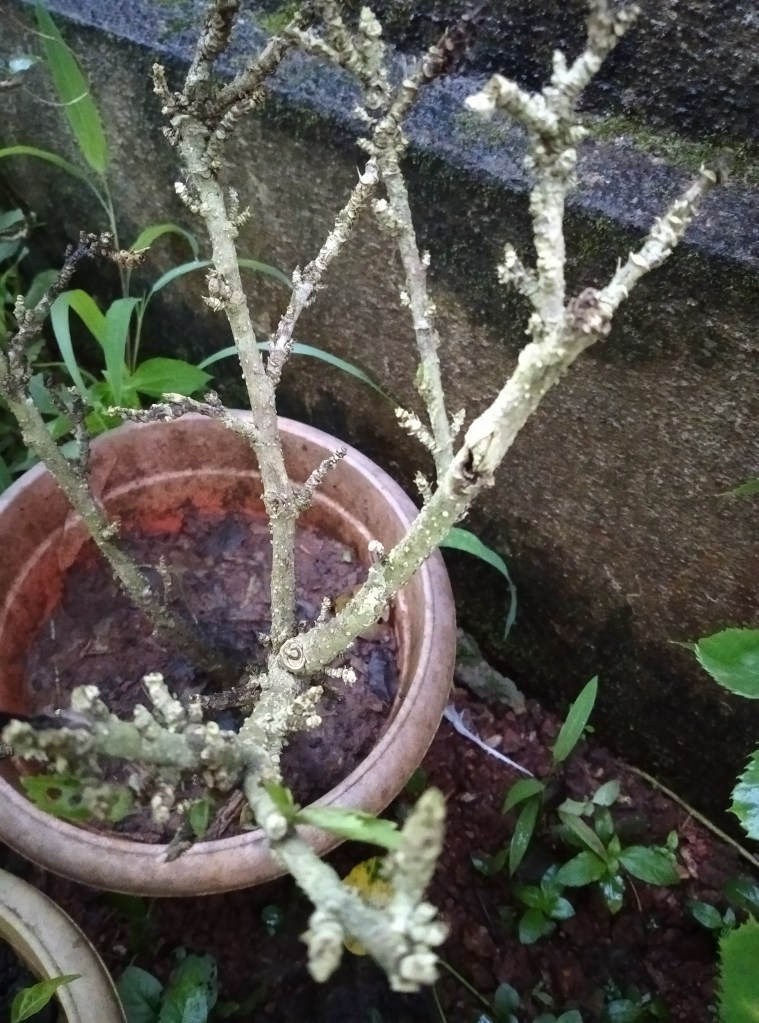
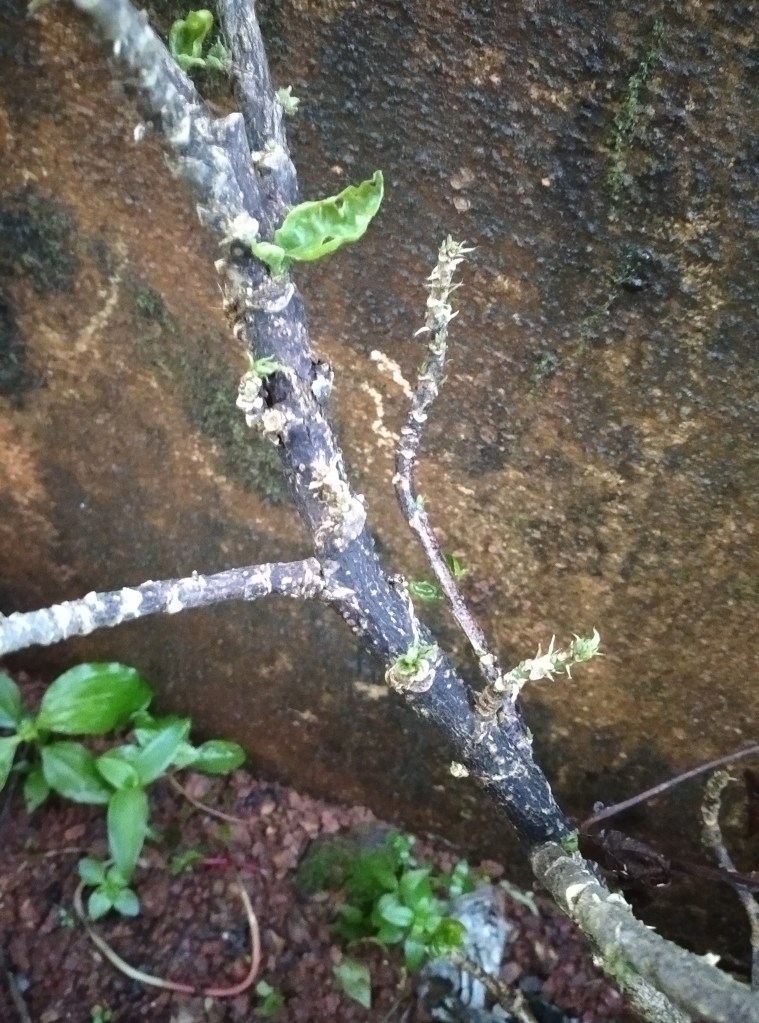
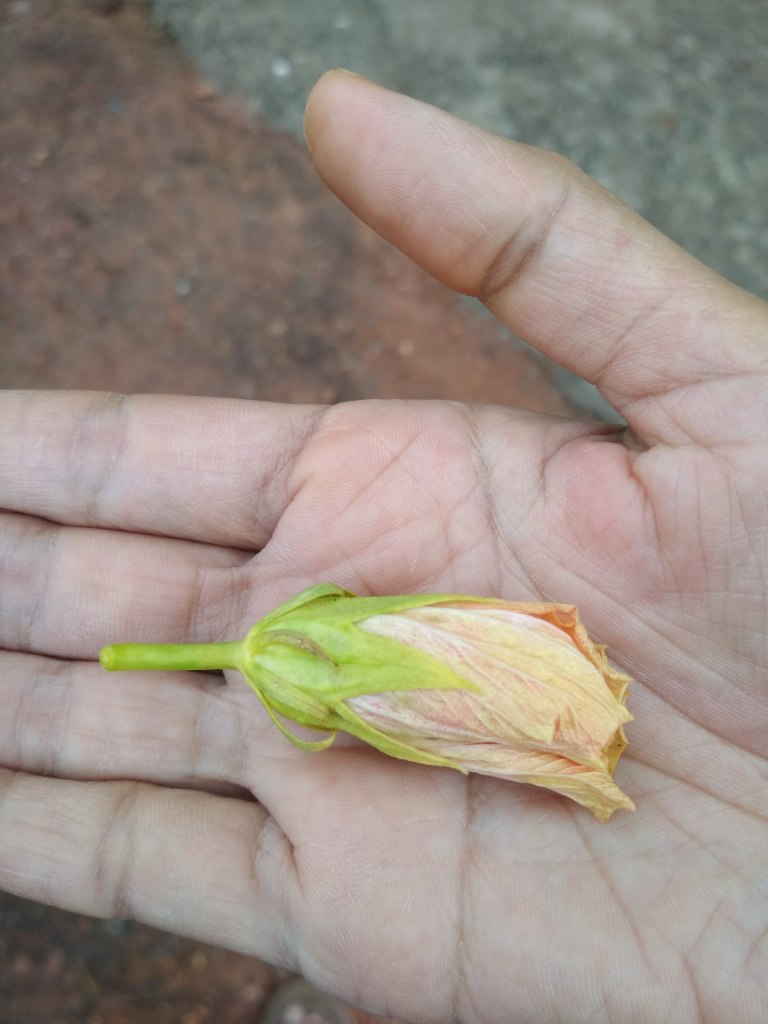
These are larvae of certain moths which mainly affect trees, shrubs, and flowering plants like hibiscus. These feed under the bark and are difficult to detect. Early sign includes wilting of terminal shoots and branches. If you closely observe the plant you can see the skin of the bark has become loose, when removed you can see small larvae underneath. Since they are inside the bark spraying pesticide over plants won’t do much damage to these larvae.

Solution:

1. The best solution is to keep your plant healthy. Only weak plants are vulnerable to these borers.

2. In the market as well as in online stores you will get many pesticides that control or kill these borers. As I always prefer organic gardening I don’t advise using these. As these borers normally affect the plants in the rainy season, it is difficult to detect this problem in the early stages. Because of rain the plants always look fresh and green but when the rain stops you can see the wilting of shoots. As I mentioned earlier these will affect only those shrubs which have thick bark. So it’s better to have a close look at such plants during the rainy season, if you can see any wilting, cut that branch and apply neem oil in the place of cut.

3. Keep your plant healthy by giving it proper fertilizer.

4)Caterpillar

Caterpillar

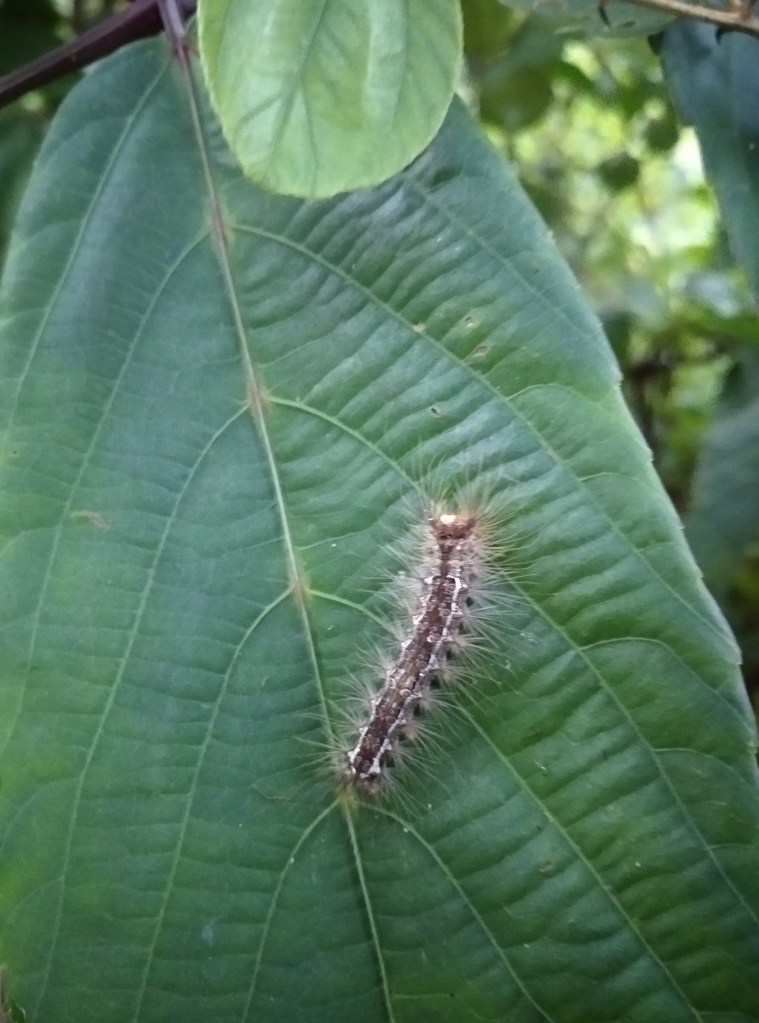
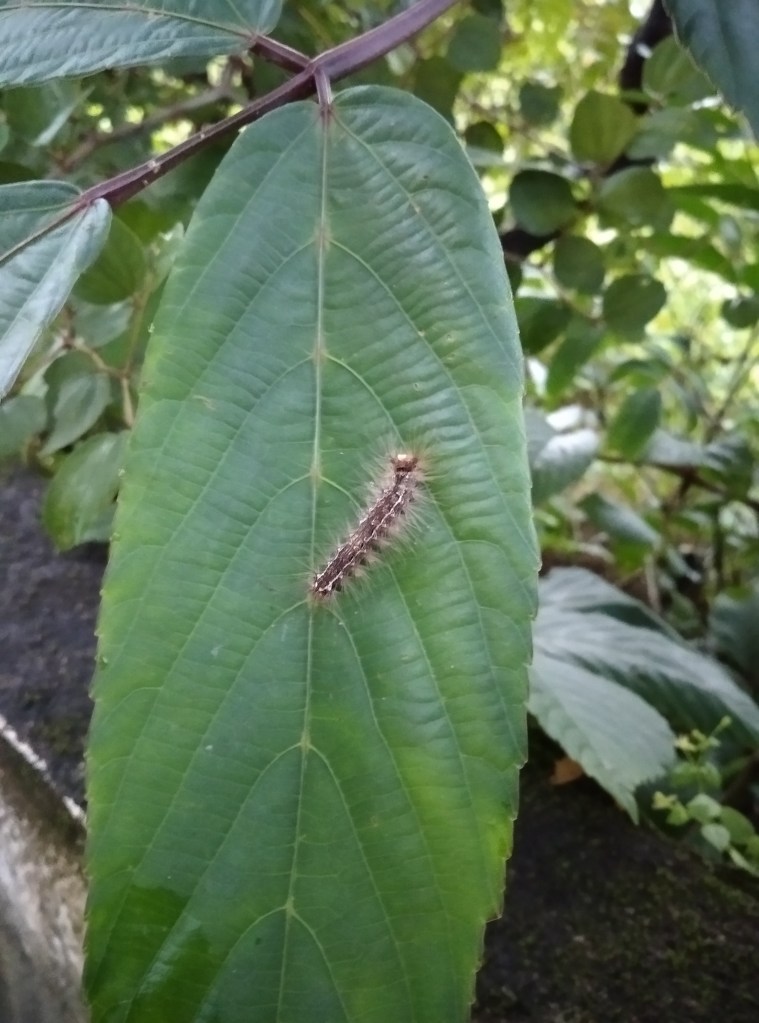
This is the most common problem almost all gardeners experience during the rainy season. These caterpillars attack almost all the plants from vegetable and flowering plants to indoor and ornamental plants. These caterpillars are heavy feeders. They eat away all the leaves of the plants within few hours.

Solution:

1. As you know most of the caterpillars grow into beautiful butterflies so many people avoid killing them. These butterflies are very important in conserving our biodiversity. So the best way to control these is to give them something else to eat. So whenever I see a caterpillar I cut that leaf and place it on a tree or a weed or grass far away from my plants. So that, they also get food and my plants are also saved.

2. Second thing you need to do is clean the debris surrounding your plants, prune the weak branches, remove the yellow and dried leaves.

3. Cover your plants with the net so that the butterfly doesn’t lay eggs on your plants.

So these are the common problems which we gardeners face during the rainy season and their best possible solutions. If you know of any other solutions to deal with these problems, please let me know in the comment section. Please give your valuable suggestions. Until then Keep Smiling and Happy gardening!!!

Easiest Vegetable to Grow This Summer!

Summer apart from being the hottest season is the best time for gardening provided you have plenty of water. In this season grow some vegetables in your garden and enjoy a chemical-free meal. If you are new to gardening then start by planting these vegetables. These vegetable are not only easy to grow but are very easy to maintain. So here is a list of vegetable which you can grow in this summer:

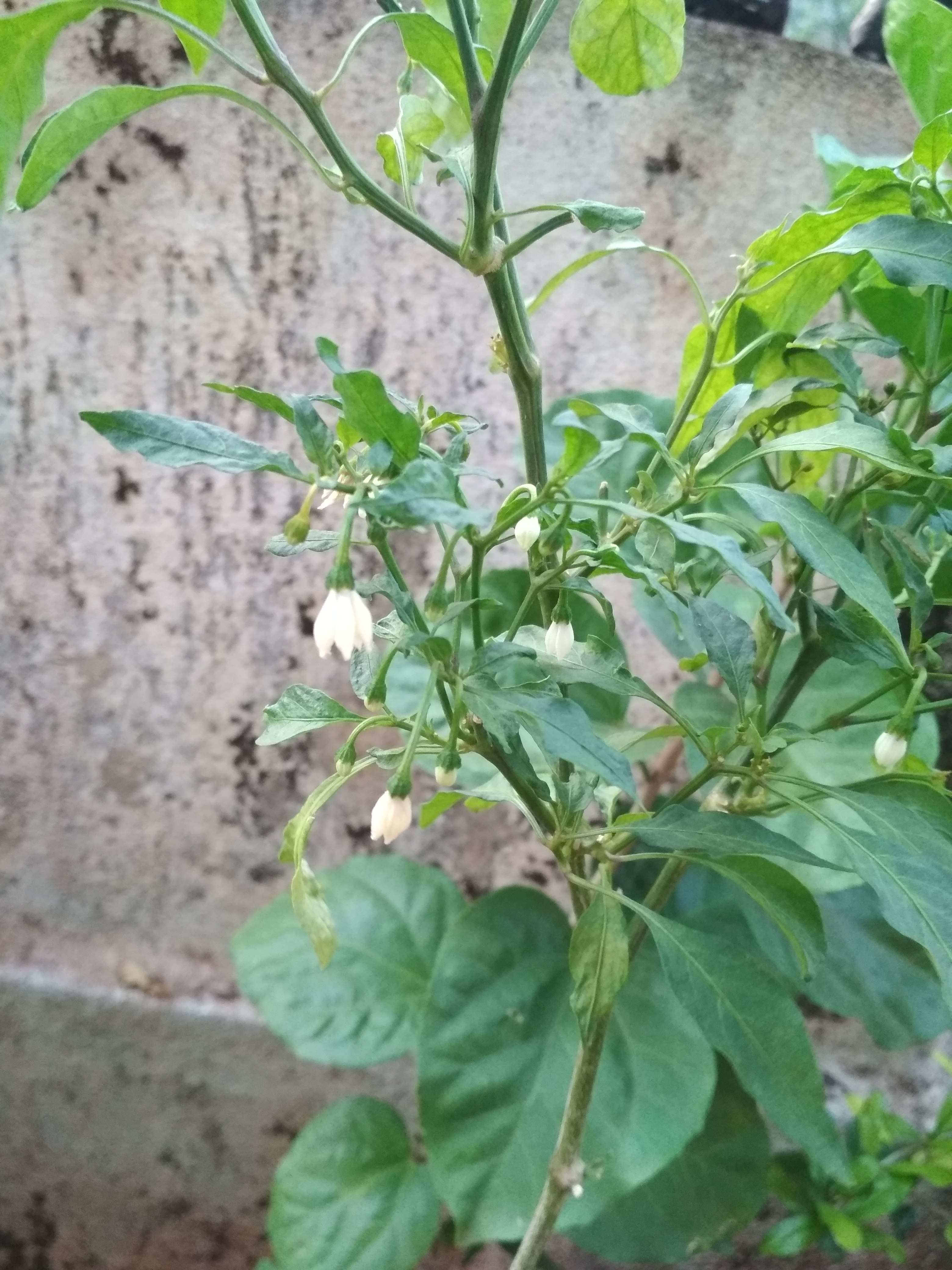
Pepper Pepper is a must in Indian dishes whether it is a curry, gravy or chutney. Growing pepper is very easy. They are grown from seeds. You will get these seeds easily in the market. But no need to waste money on these seeds. Instead of that try my method. If you are using dry pepper then you can easily get these seeds from the pepper. There will be lots of seeds in the bottom of the container. You can use these seeds. But if you are buying fresh pepper like me then keep those pepper out of the refrigerator. After some days the unused pepper will become red and finally get dried. Now remove seeds from these pepper. These seeds are ready for planting. I always use these seeds as I don’t have a refrigerator. These seeds can be directly planted in pots. Within two days they start germinating. After 7 days, transfer the seedlings in a bigger container containing a potting mix. The potting mix should include soil, cocopeat, and fertilizer. After 20 days the plant will start flowering and after 35 days the pepper will be fully developed.

Flowers of Pepper Plant

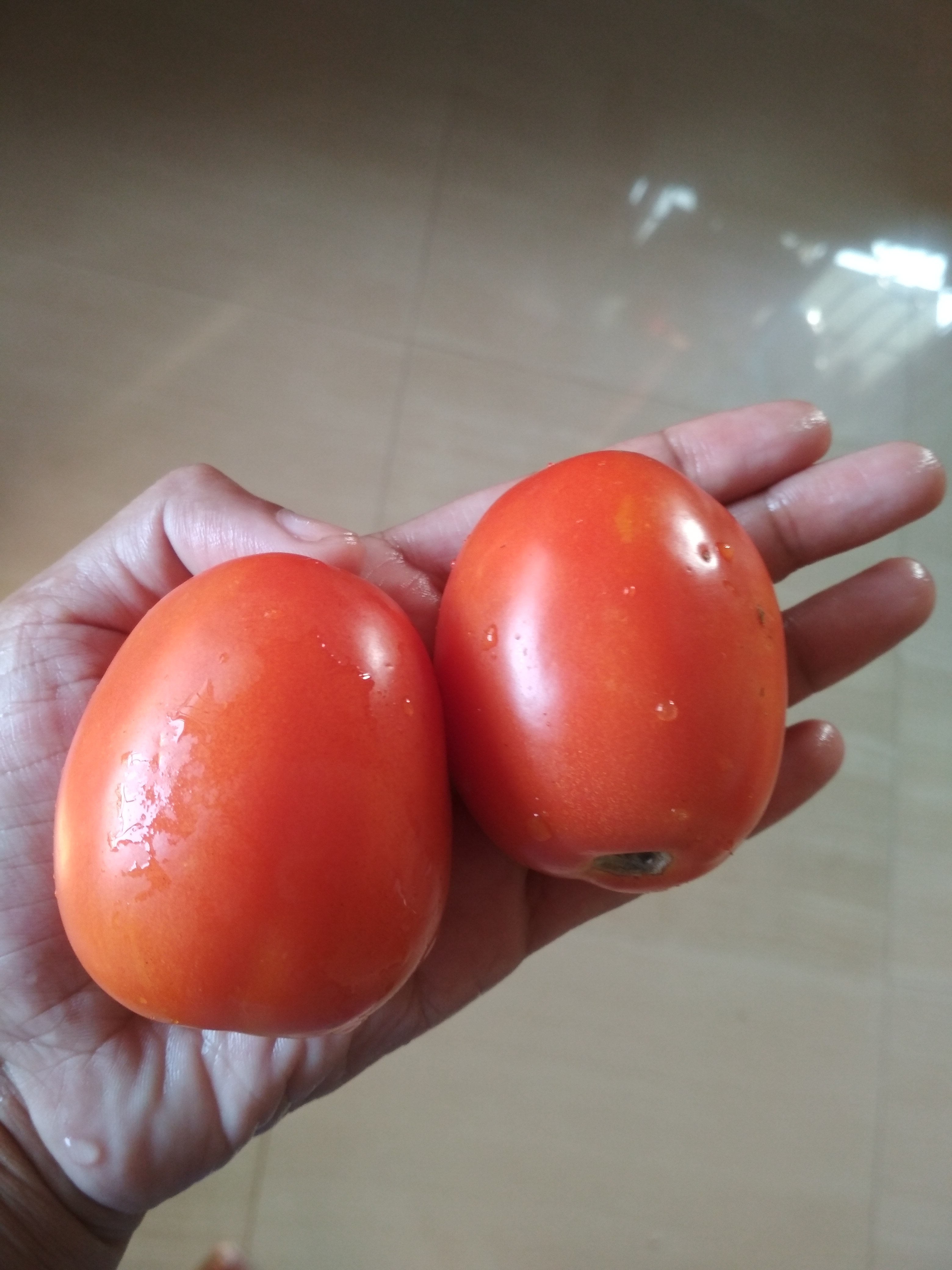
Tomato Tomato is used in curry, sauce, chutney and in making gravy. Tomato can be grown in the same way as the pepper. I always remove the seeds of the tomato before cooking as I have read somewhere that they are not good for health especially for kidney(I read it in a health magazine). Instead of throwing these seeds in dustbin I plant in a pot. And the rest procedure is same as pepper. The only difference is the tomato plant require support. They cannot bear the weight of tomatoes. So once the plants start flowering give them proper support.

Tomato

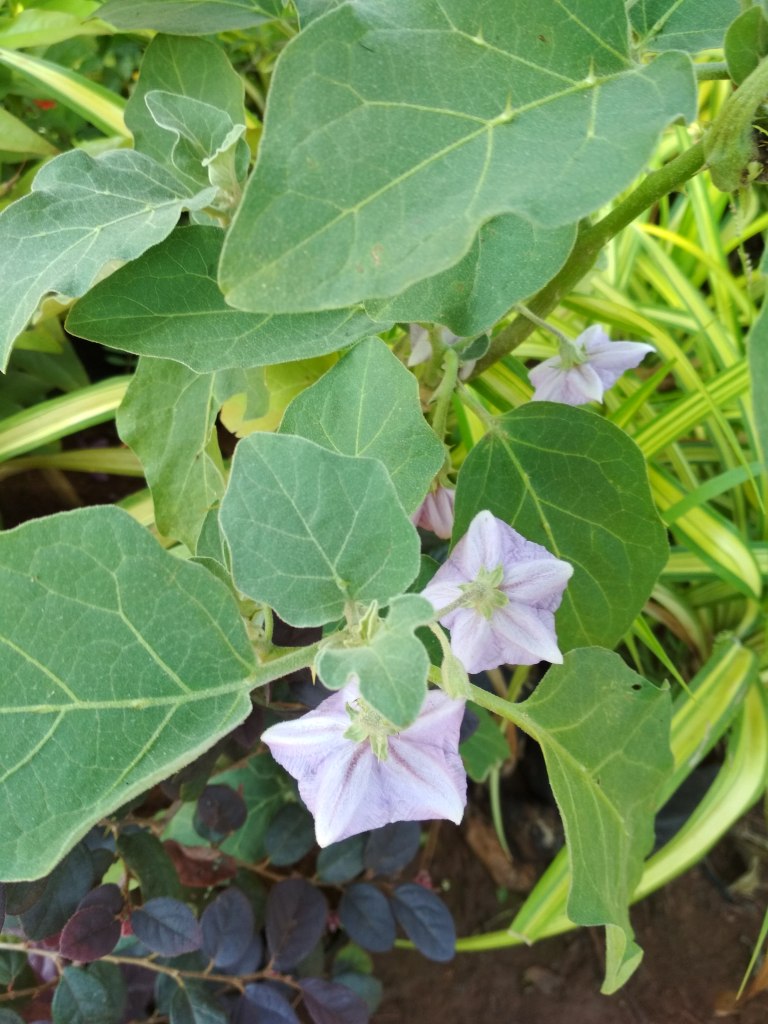
Eggplant Eggplant or brinjal are used in many different cuisines. This plant can be grown from seeds as well as from seedlings. I have recently bought seedling of this plant from the local market for Rs.10. Total of 10 seedlings were there. If you are planting seeds then remember that these seeds take quite a long time(about 7 to 14 days) to germinate. Once they are germinated it takes about one to two month for the plants to start flowering. Once they start flowering give enough water otherwise the flowers will fall. Within 20 days of flowering, the vegetable is ready to harvest.

Flowers of eggplant

Similar Posts


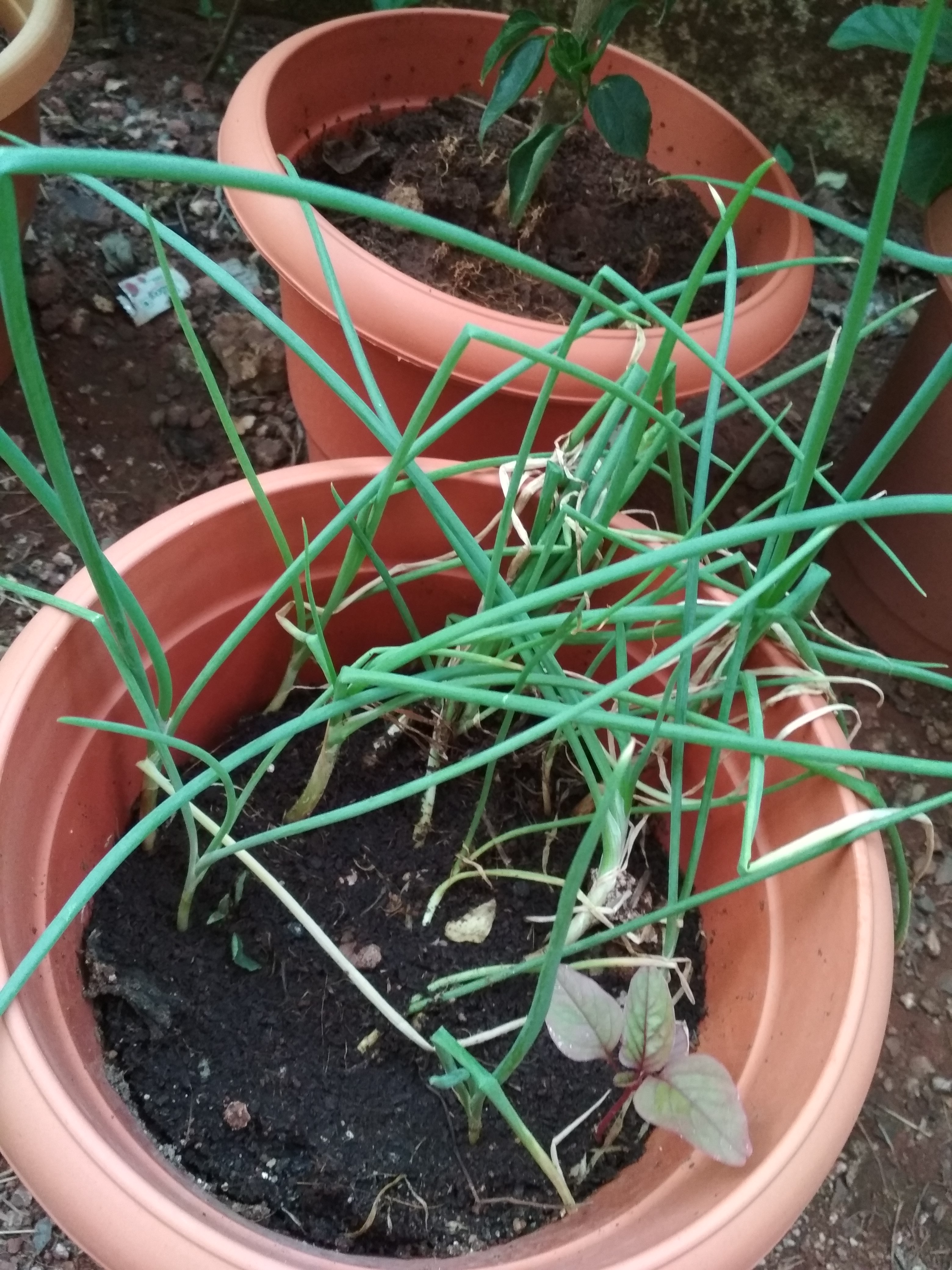
Onion Onions are used in salads, curry, gravy, and many other dishes. Like pepper and tomato onions are also commonly used vegetables. Onions can also be grown from seeds. Like eggplant, I have bought onion seedlings also from the local market. You must have noticed that in moist condition onions start sprouting. Plant these sprouts in the soil. These sprouts will develop and give flowers and these flowers later develop into seeds. You can use these seeds or buy fresh seeds from the market or any online sites. But I suggest you buy seedlings, instead of seeds. As you know onions grow underground so these seedling has to be planted in loose and well-drained soil. Otherwise, the onion won’t grow. Within the span of 2 months, the onions will be ready for harvesting.

Onion Seedlings

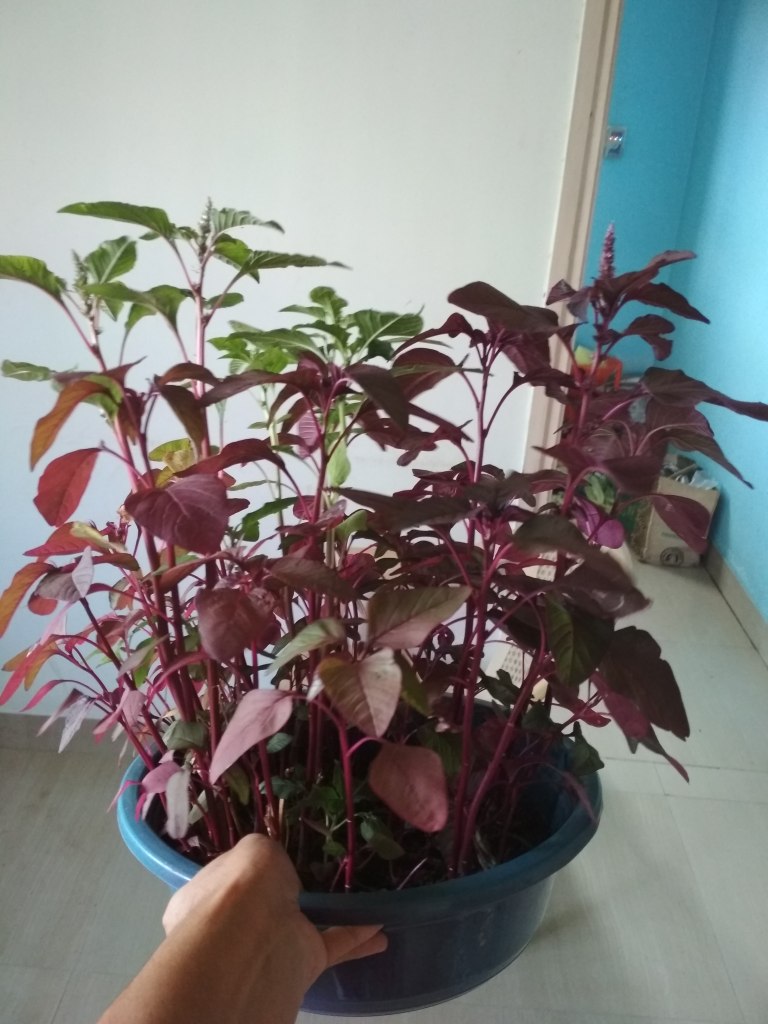
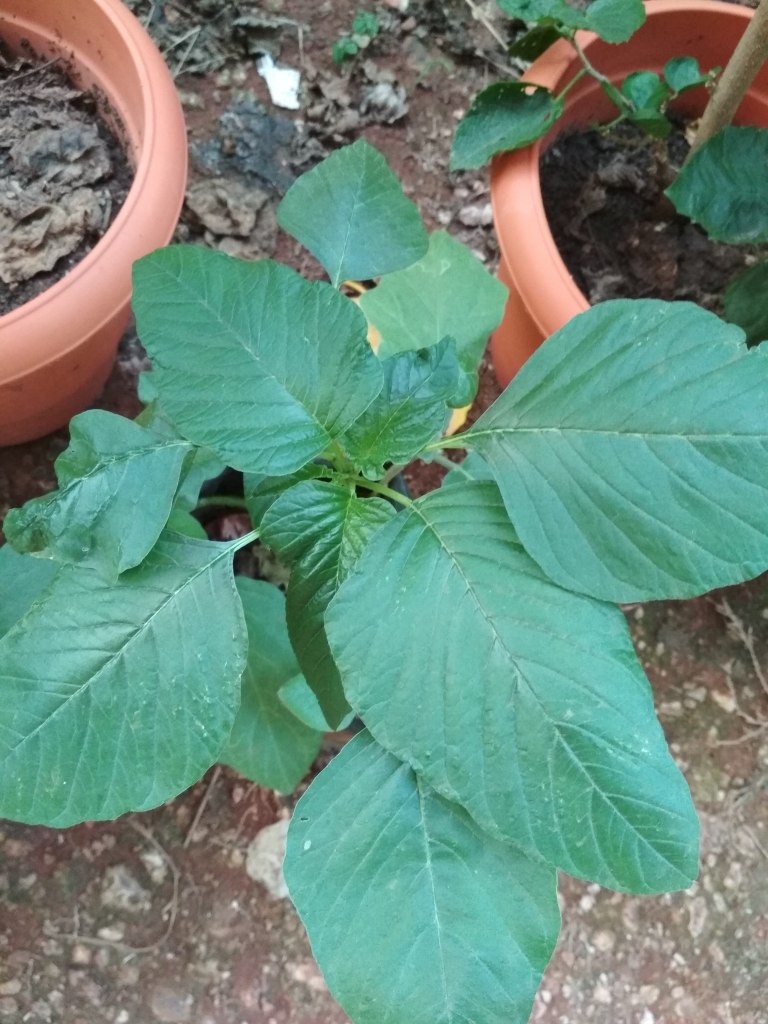
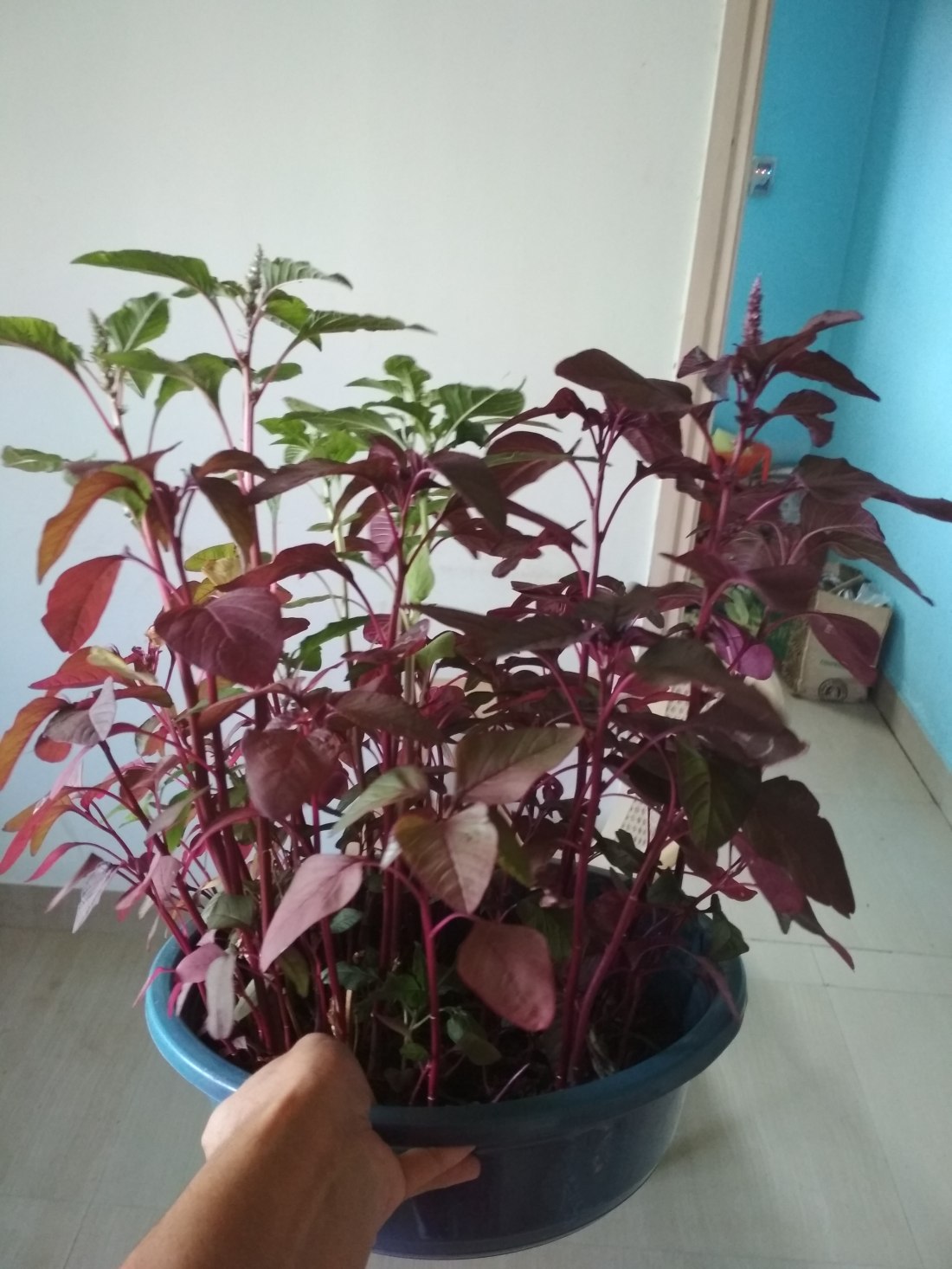
Amaranth Leaves Amaranth leaves are green or beetroot red in color. Very easy to cultivate and have amazing health benefits due to its high concentration of protein, minerals. and vitamins. They have tiny black color seeds which are easily available in the market. In my place, local farmers sell it throughout the year. They sell it in a bottle cap. One cap costs Rs.20. You can also prepare your own seeds by following my technique. Whenever you buy amaranth leaves from the market, cut the tip and remaining leaves and use it for cooking. Don’t throw the remaining plant. In that select some healthy plants which have good roots and plant it in a pot. After some days the plant will grow and will start flowering. After the flowers are dried remove it. Now when you crush these dried flowers you can see tiny black seeds. These seeds can be used to grow new amaranth plants.

Green Amaranth Plant

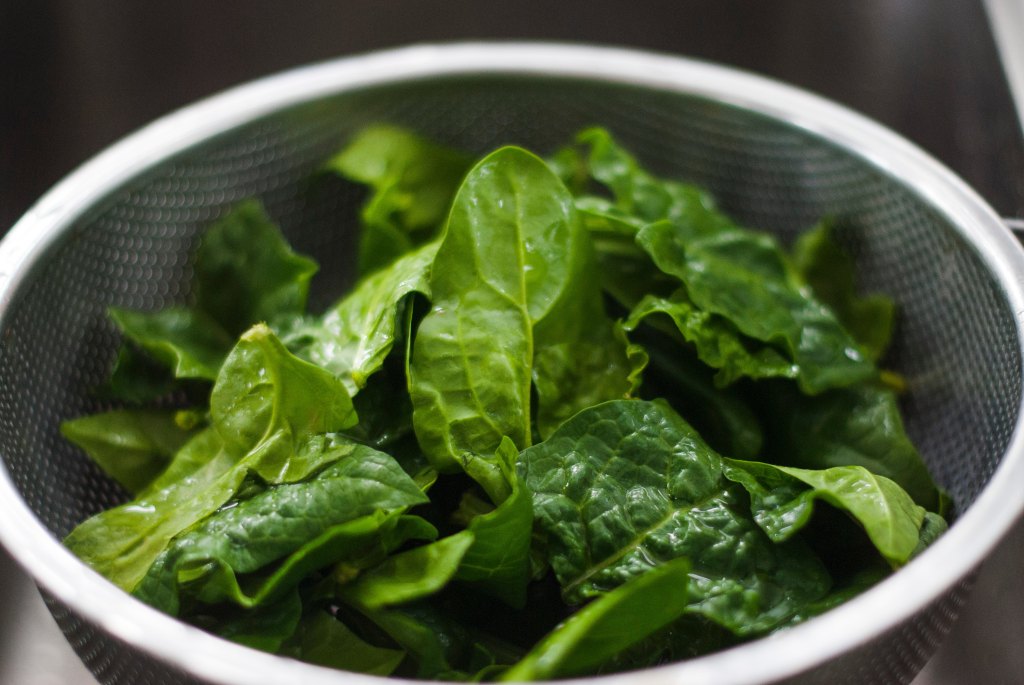
Malabar Spinach (Basella alba) This vegetable is also known as “Vaali Bhaji”. Most famous and widely used vegetable in summer. We eat it along with “Paige” also called as Ganji in Kannada.
Paige is made by boiling rice in large amounts of water. Summer is the best season to eat as well as to grow this green vegetable. Its a soft-stemmed vine and grows up to 10 meters. Normally it is propagated through its stem. I always grow this vegetable by planting its stem. But it can also be grown from seeds. The seeds are juicy and black in color. I have never seen its seeds in my market or any of the online site. But you can save its seeds from your plant for next yield. Once the vine starts flowering, its growth stops. It requires moist soil but avoids too much watering. This vegetable is rich in vitamin and calcium.

Leaves of Malabar Spinach


Hibiscus: Queen Of My Garden!

This blog is dedicated to all hibiscus lovers. Here I am writing about a brief history of hibiscus and how I went gaga for this lovely blossom. I stay in the western coast of India. Right now, I own 36 varieties of hibiscus and searching for new varieties in the nursery and also online sites. Plz, help me in my endeavor.

I searched many websites for different varieties of hibiscus but unable to find any useful sites. There are some sites which offer common varieties but the price ranges between Rs.250 to Rs.500. I found one useful site which offers many varieties, but the price is over my budget as they are selling it in dollars. If you want to check, then this is the link.

Normally, I buy all of my garden plants from a nearby nursery. Each hibiscus plant costs Rs. 50 each (without pots). These plants are always in a healthy condition and have lots of buds.

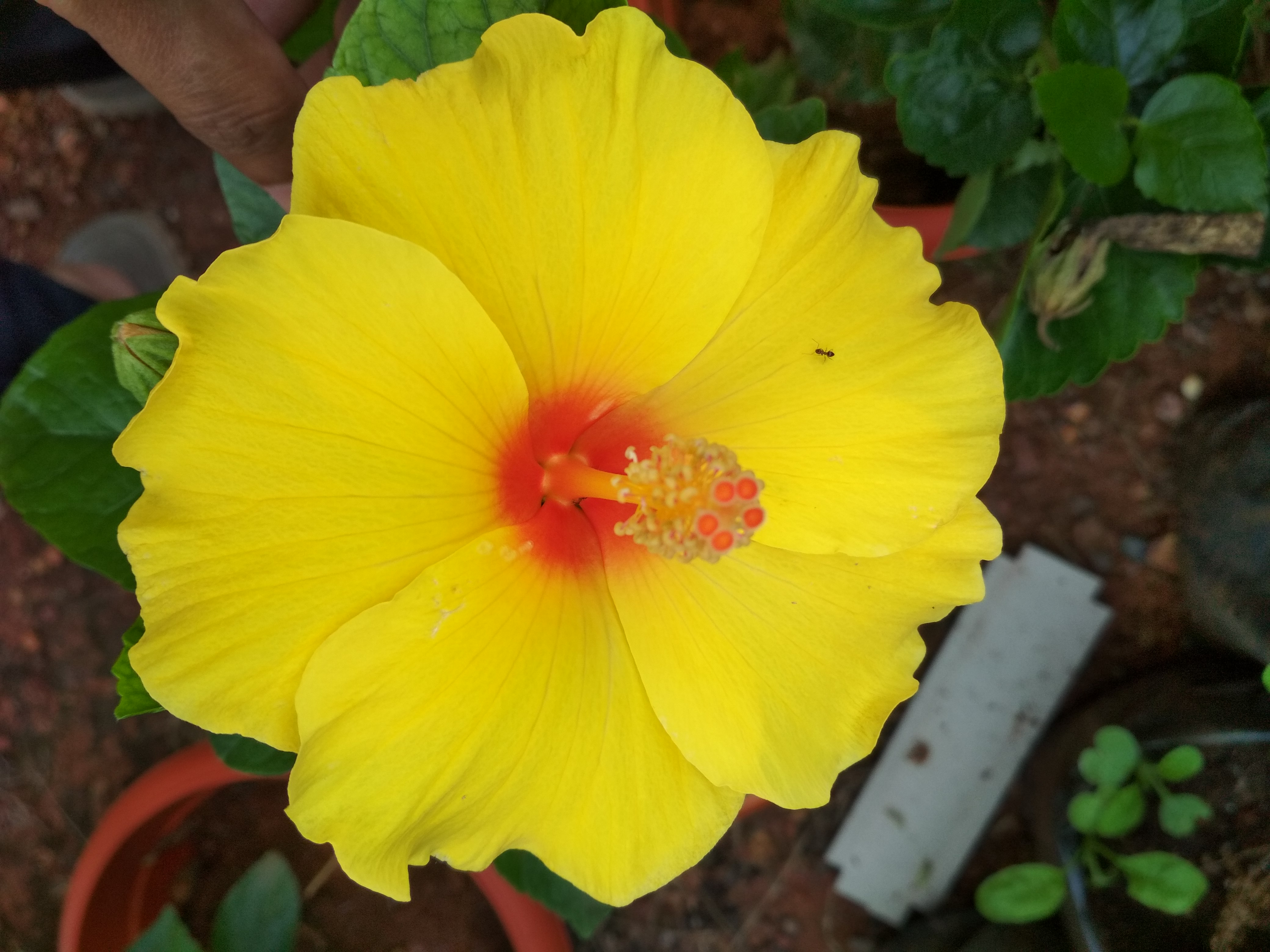
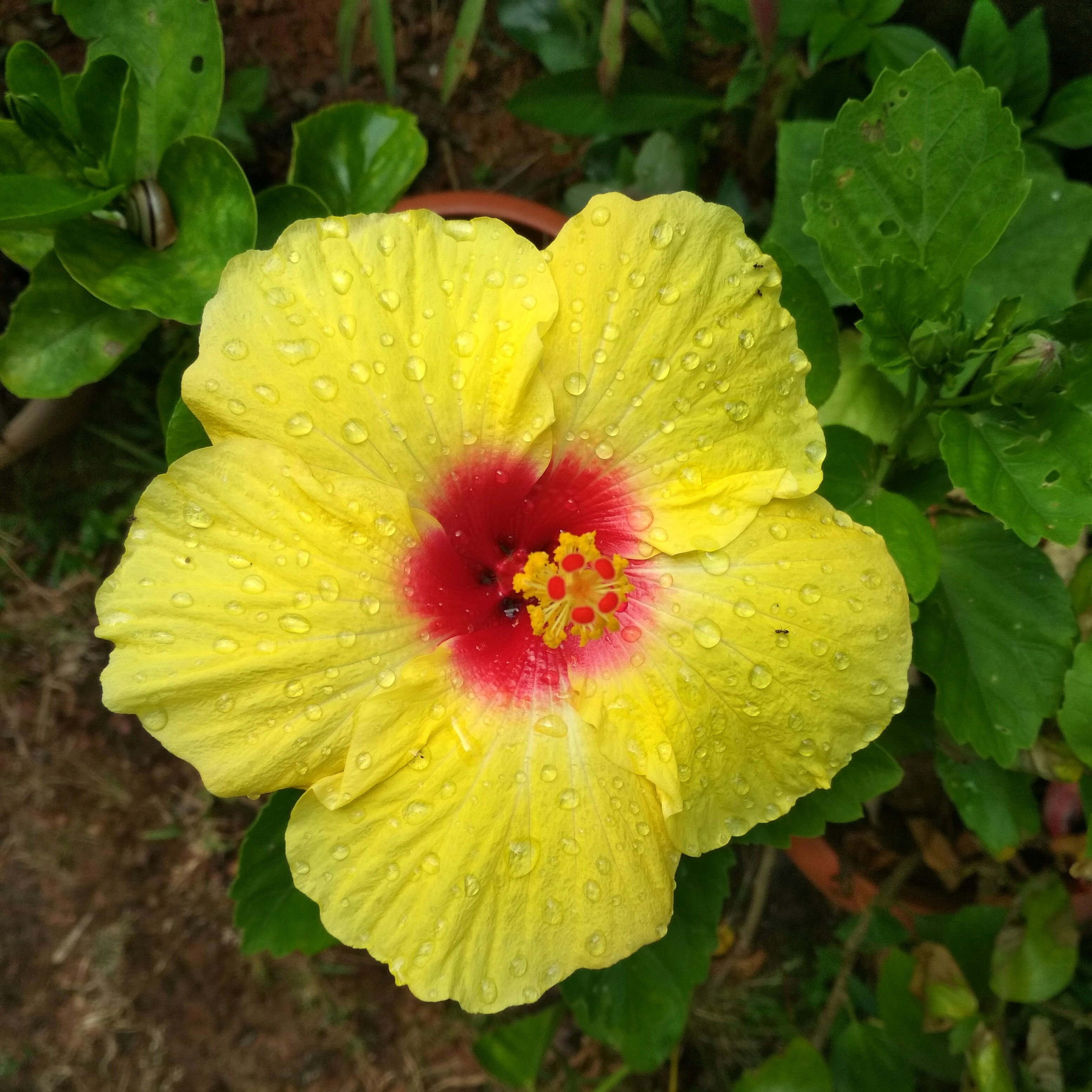
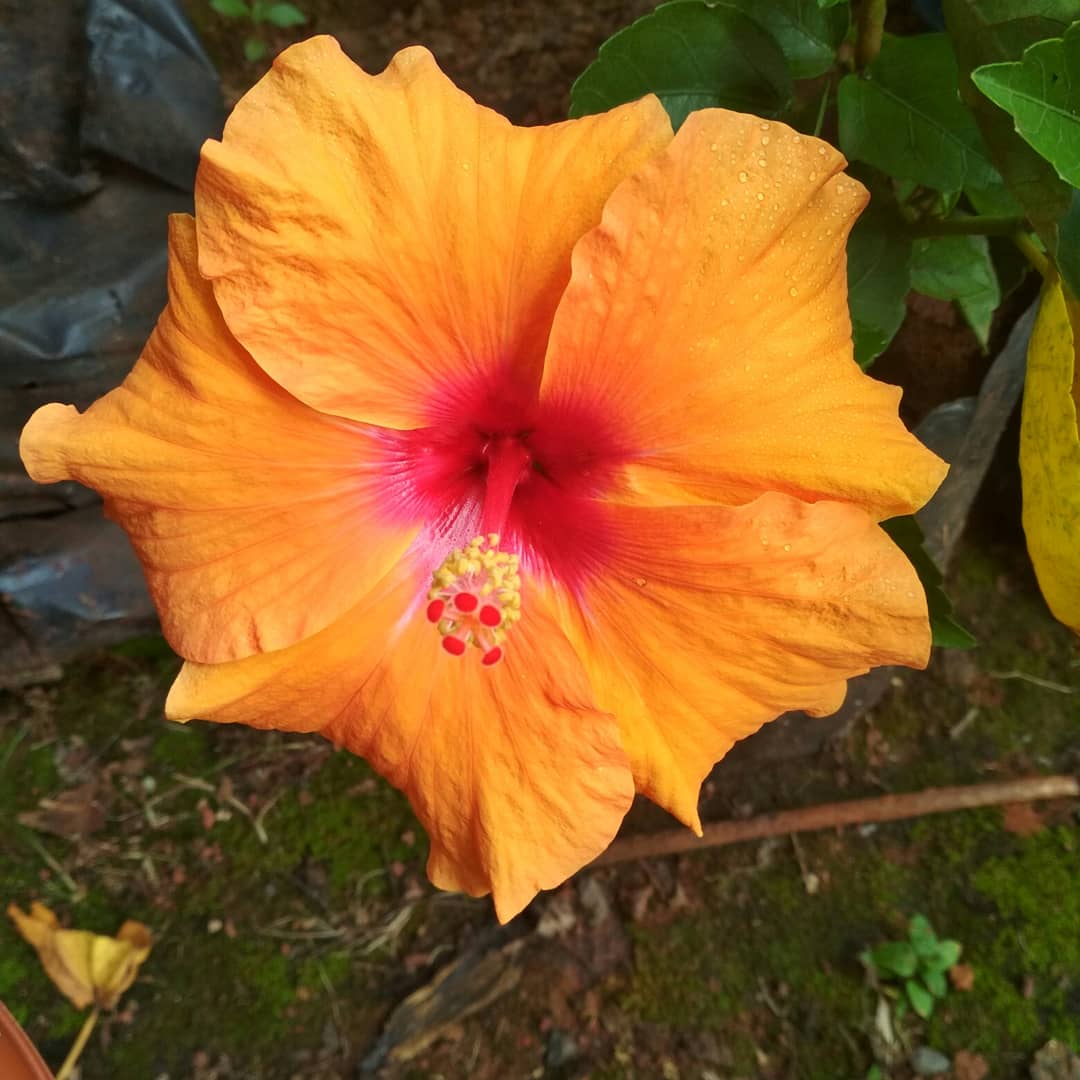
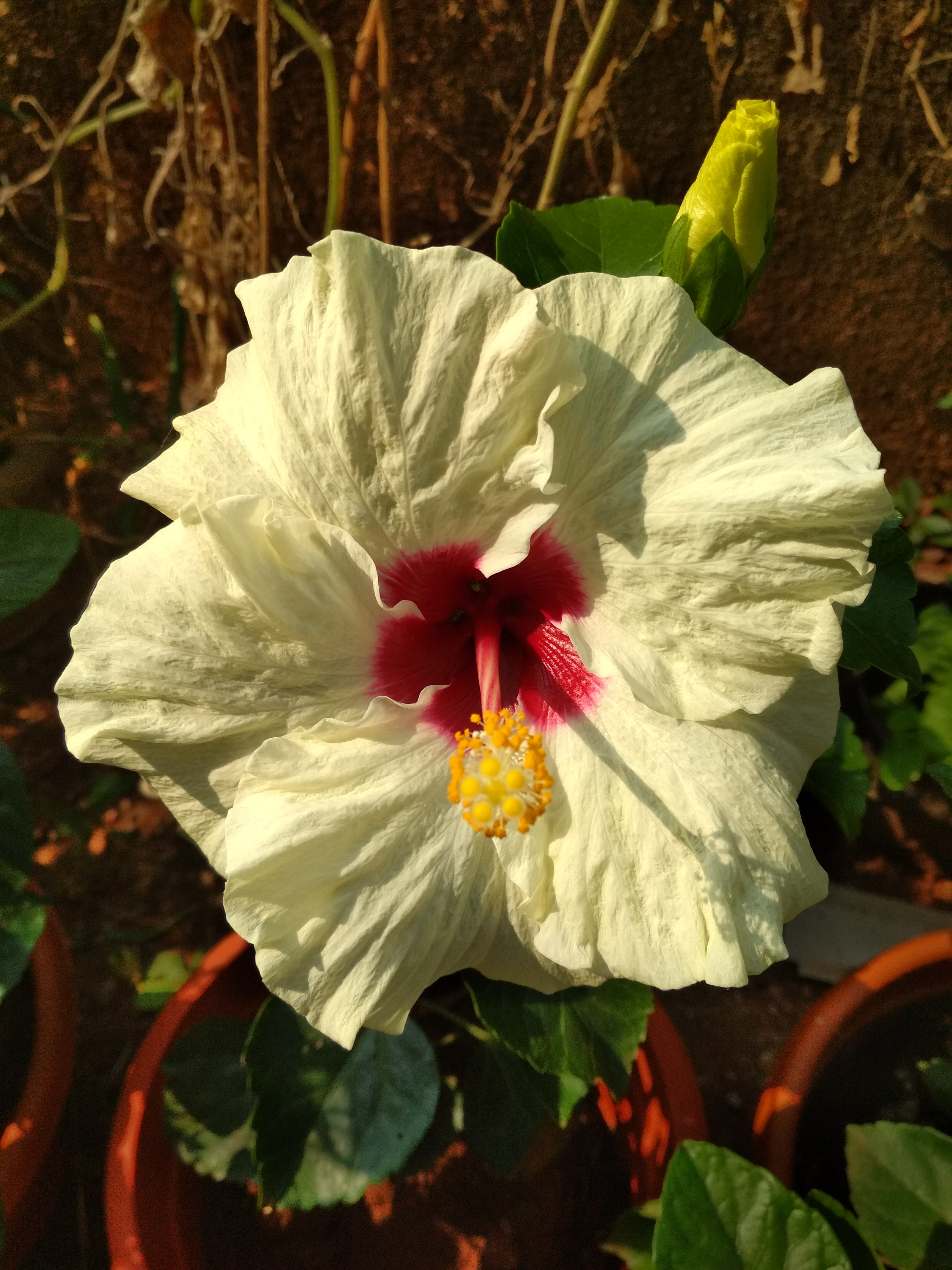
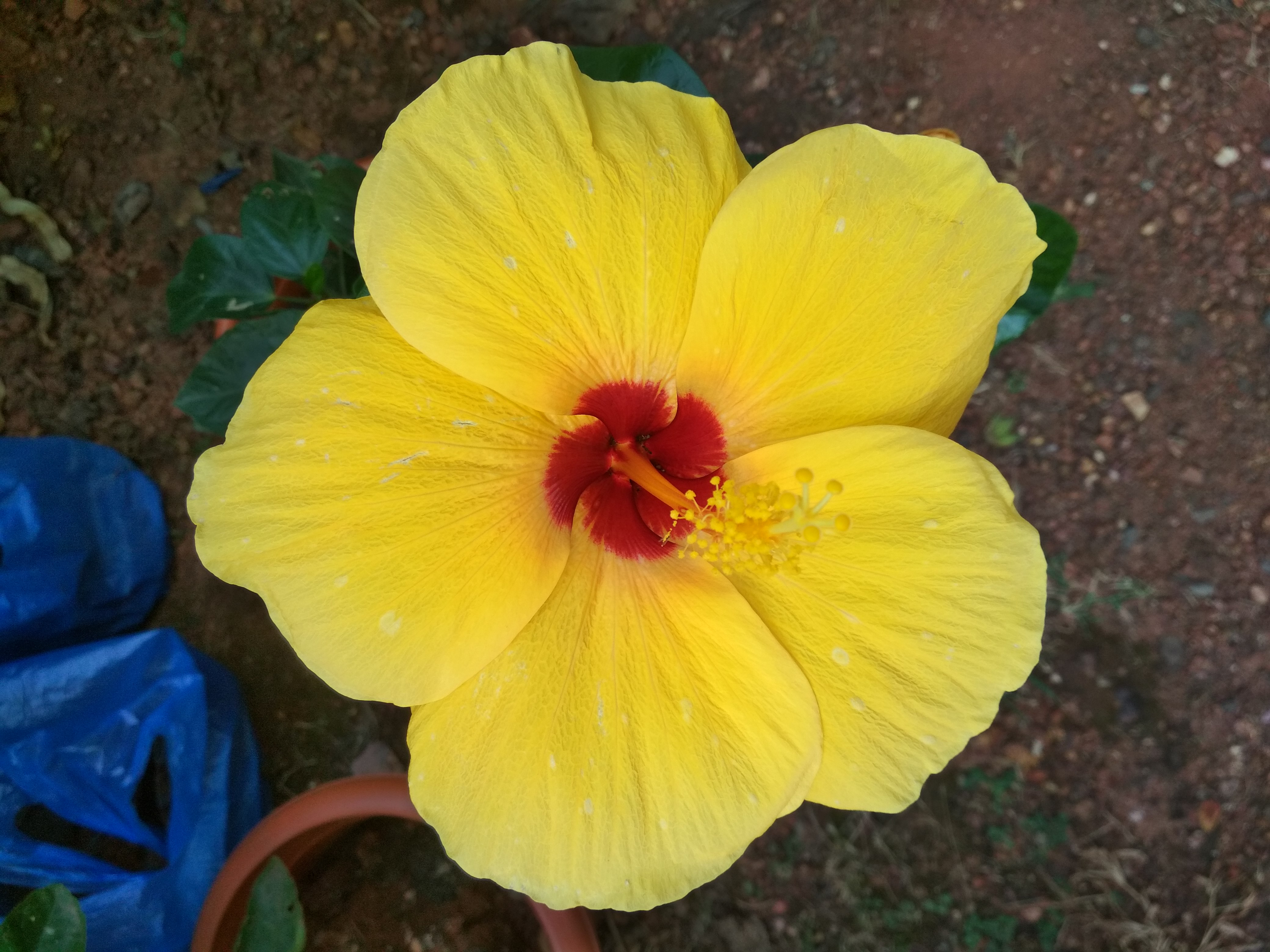
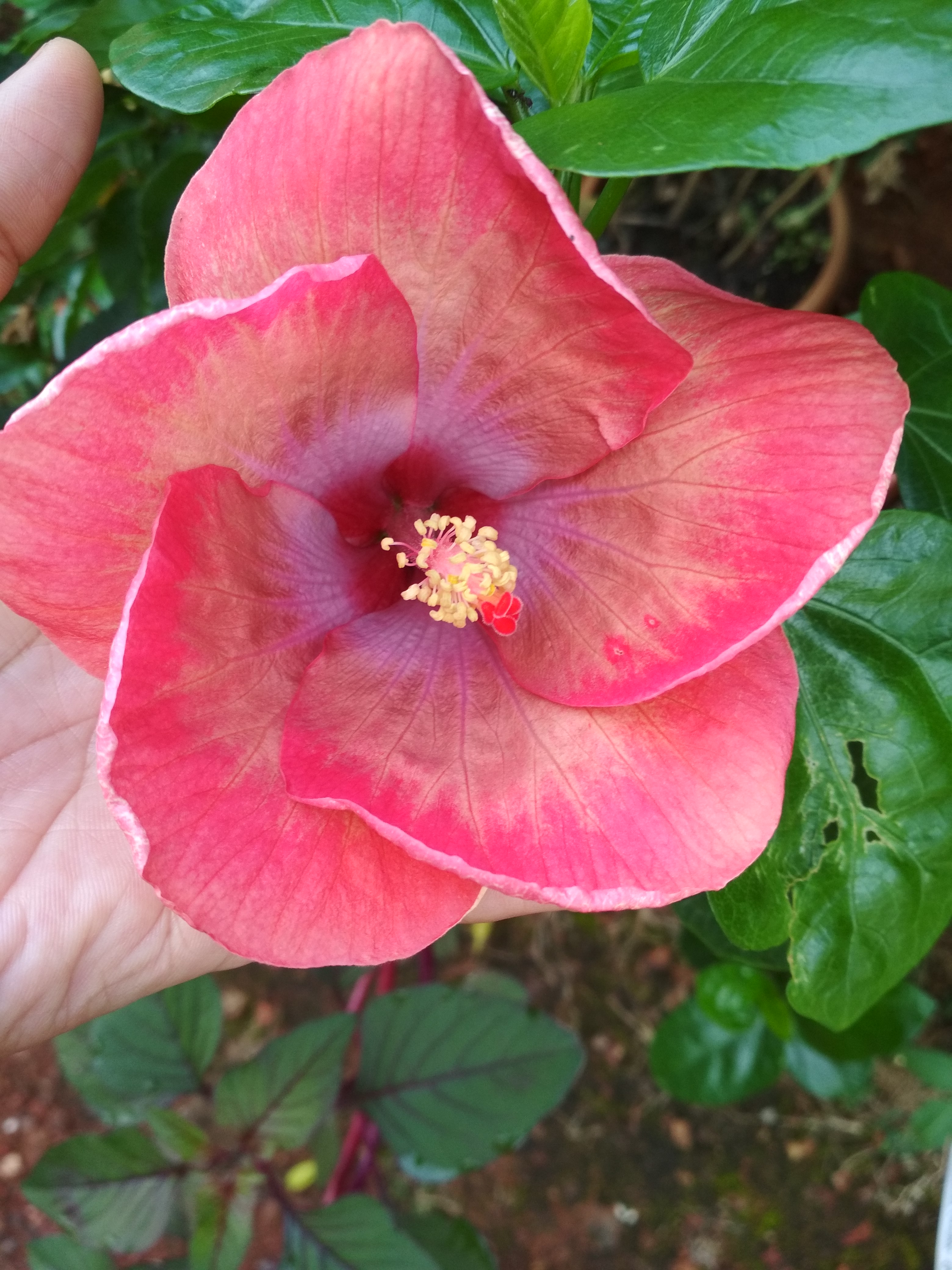
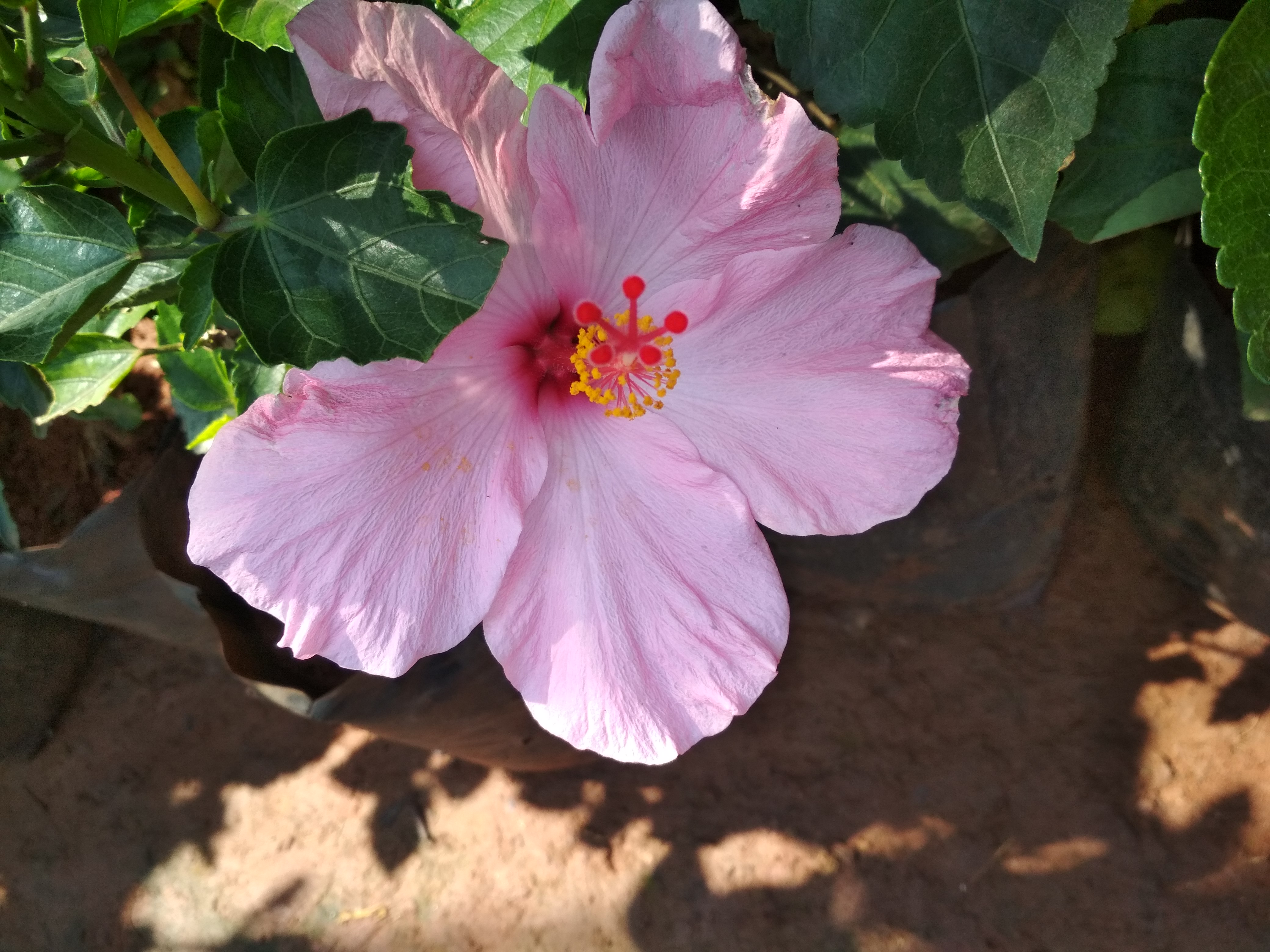
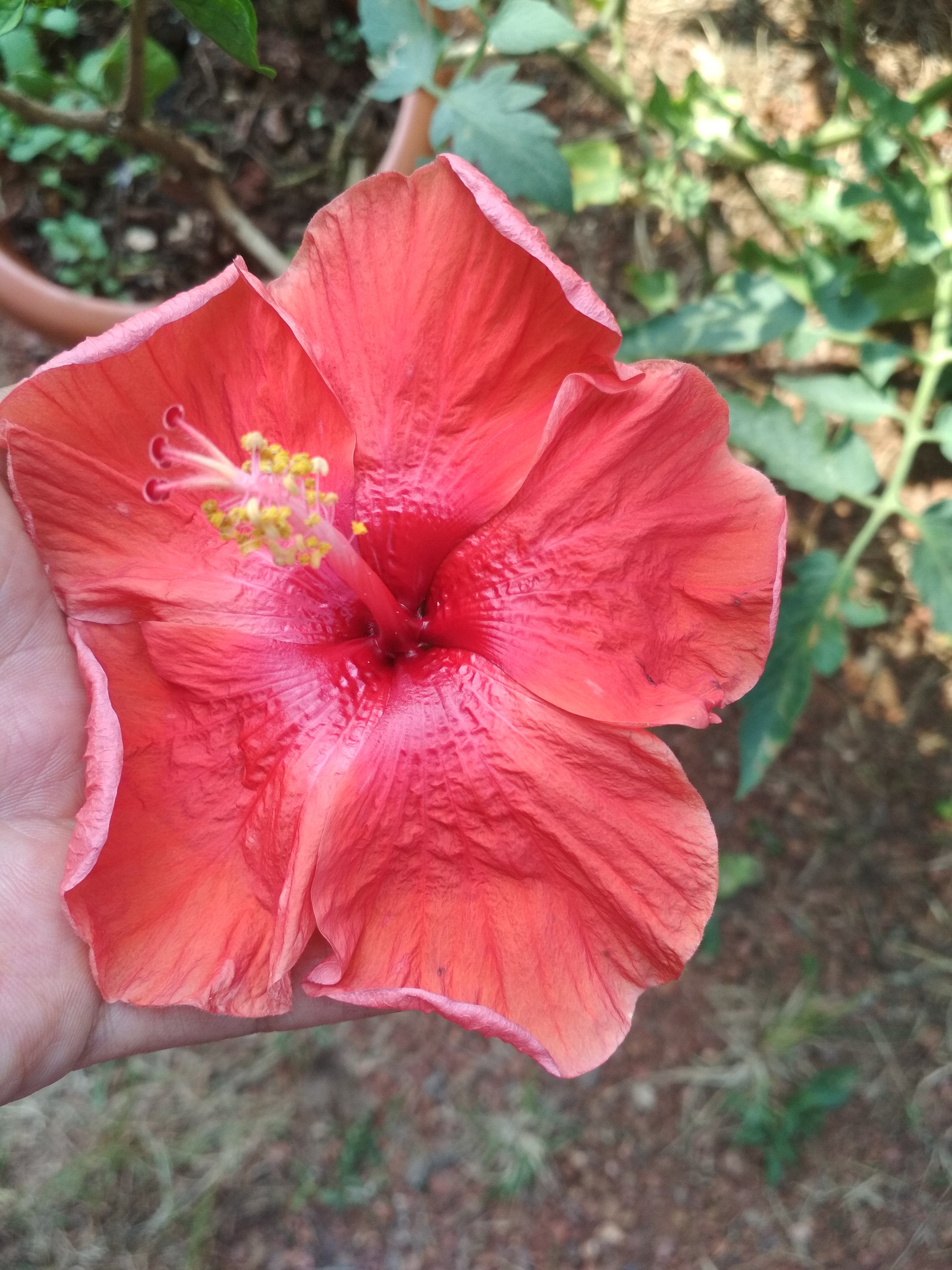
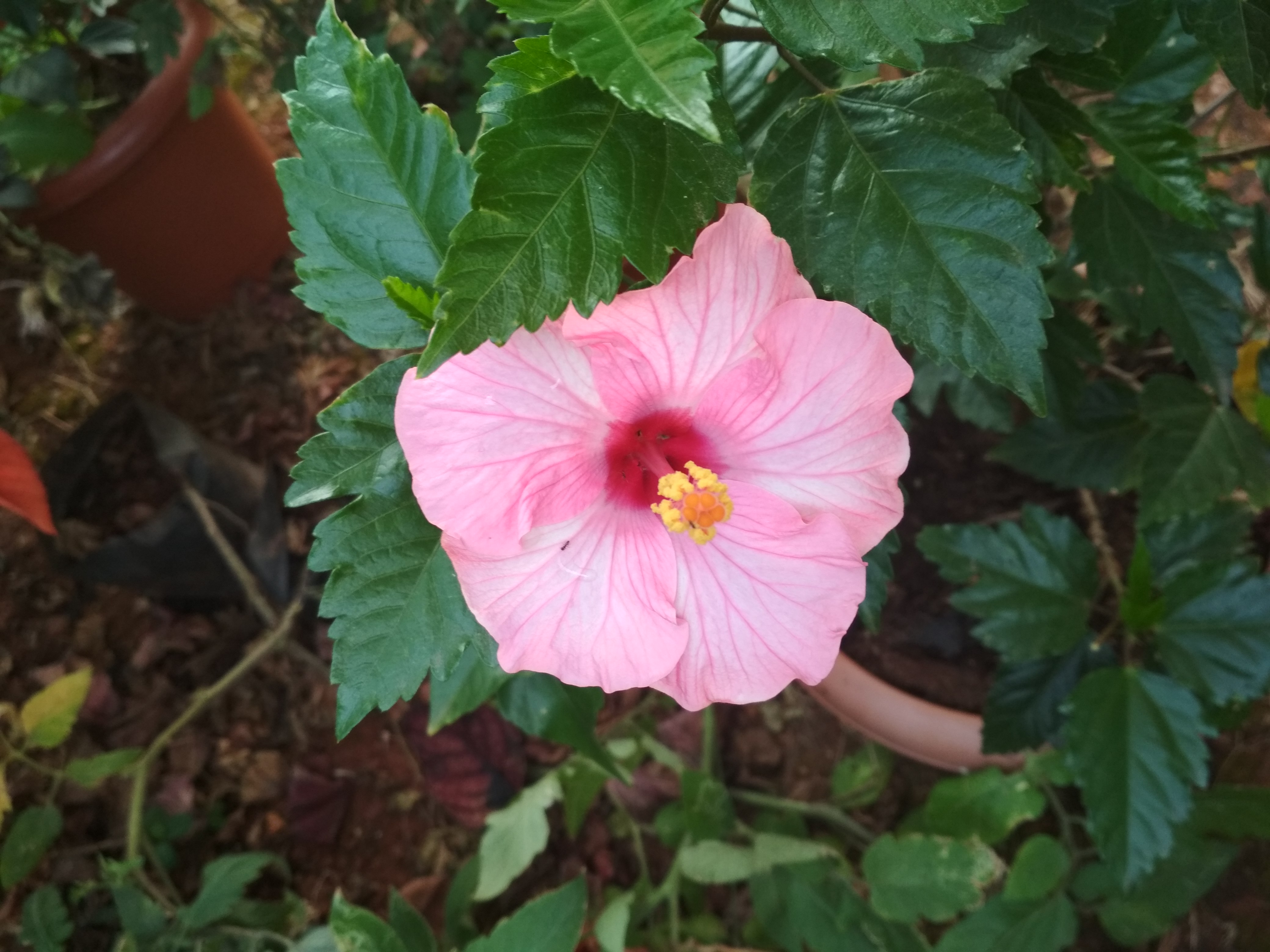
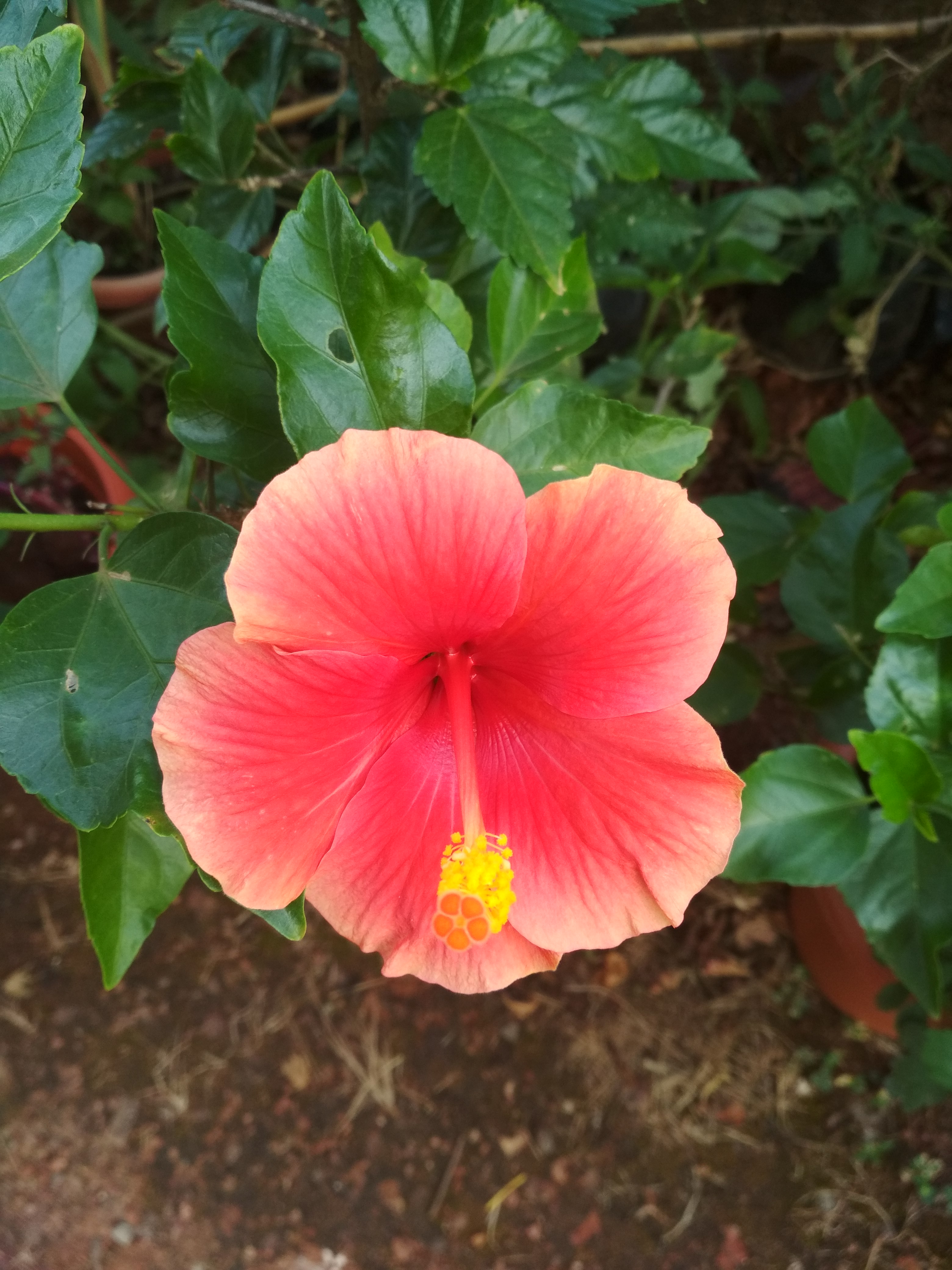
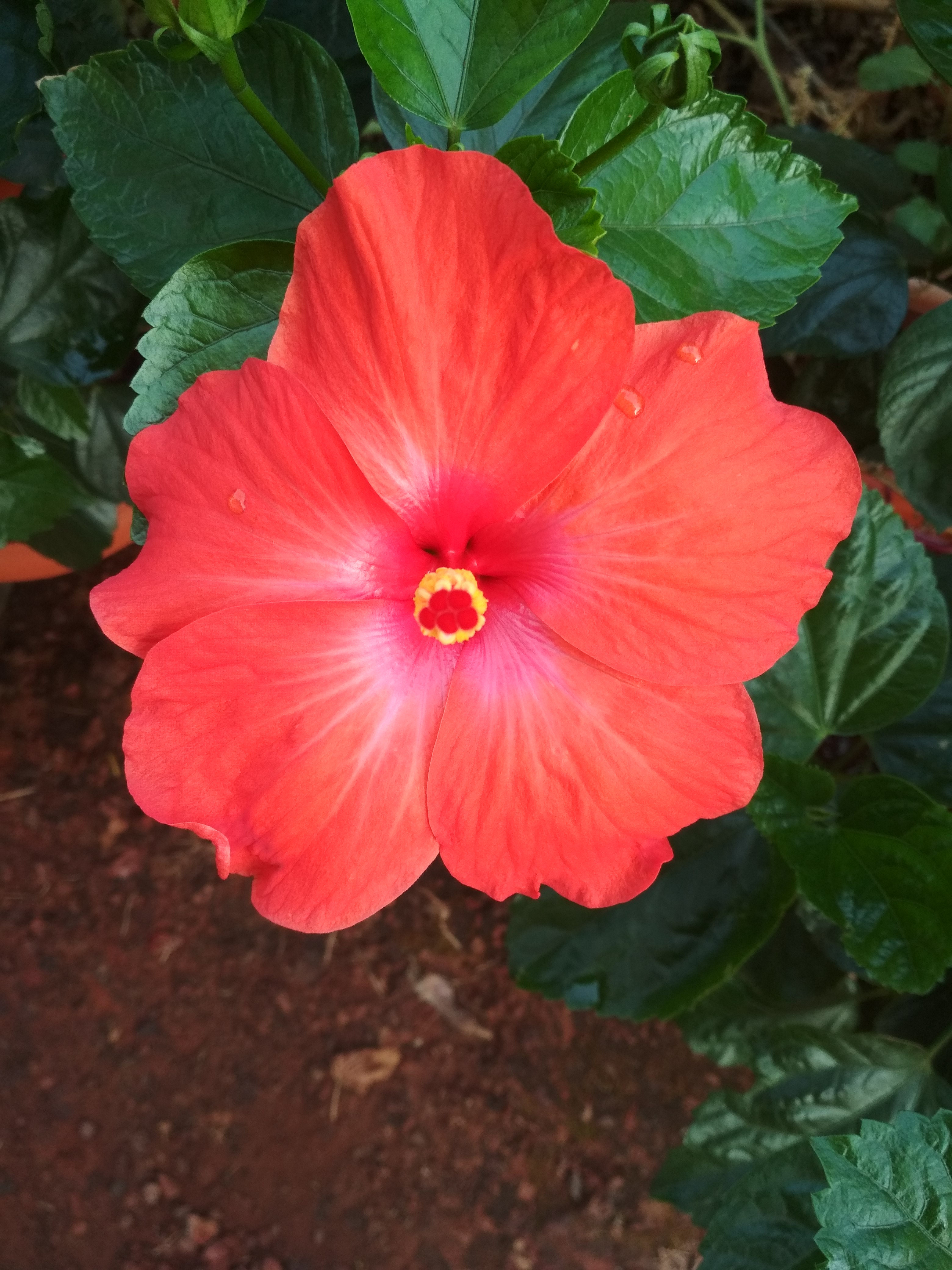
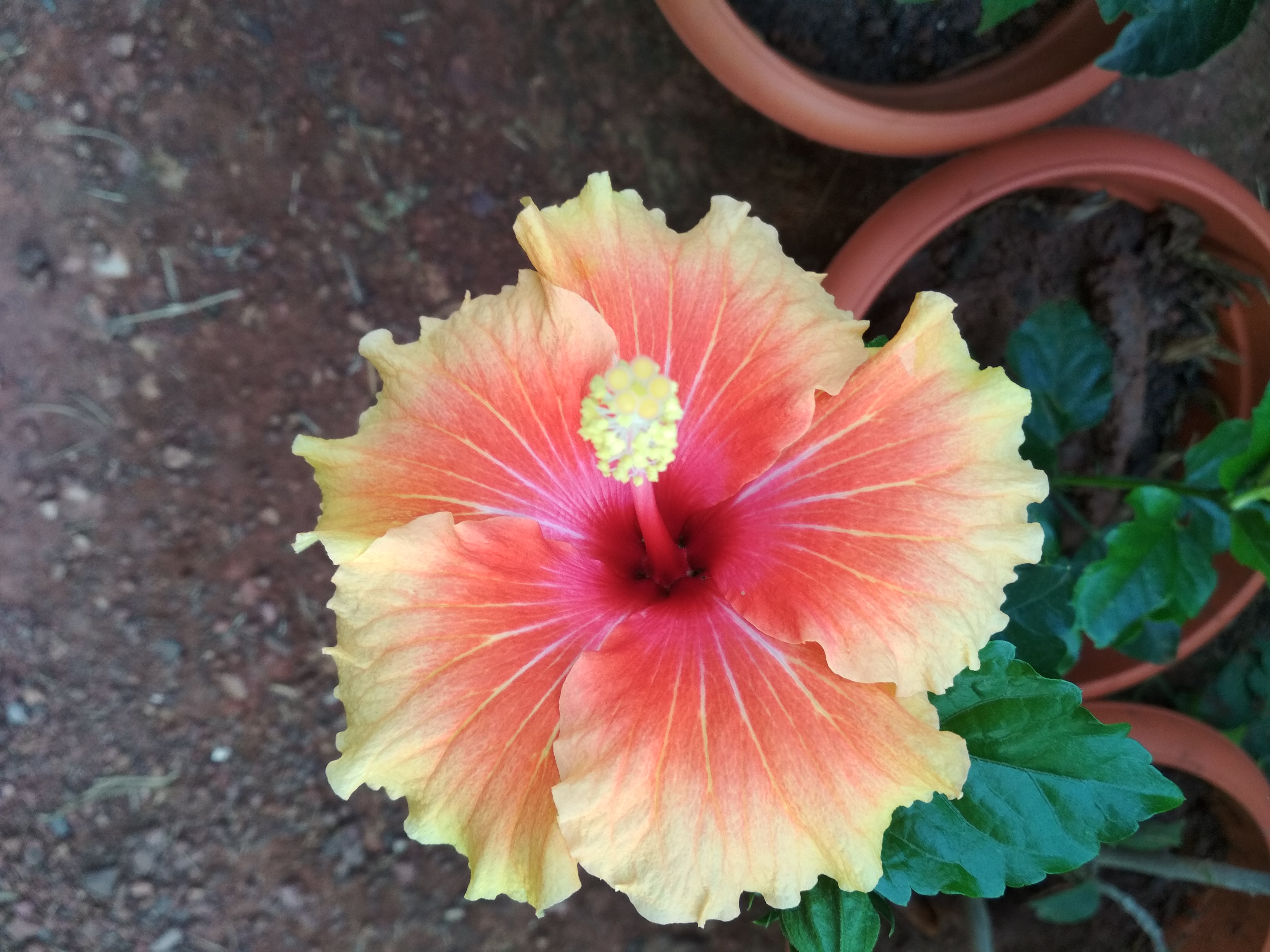
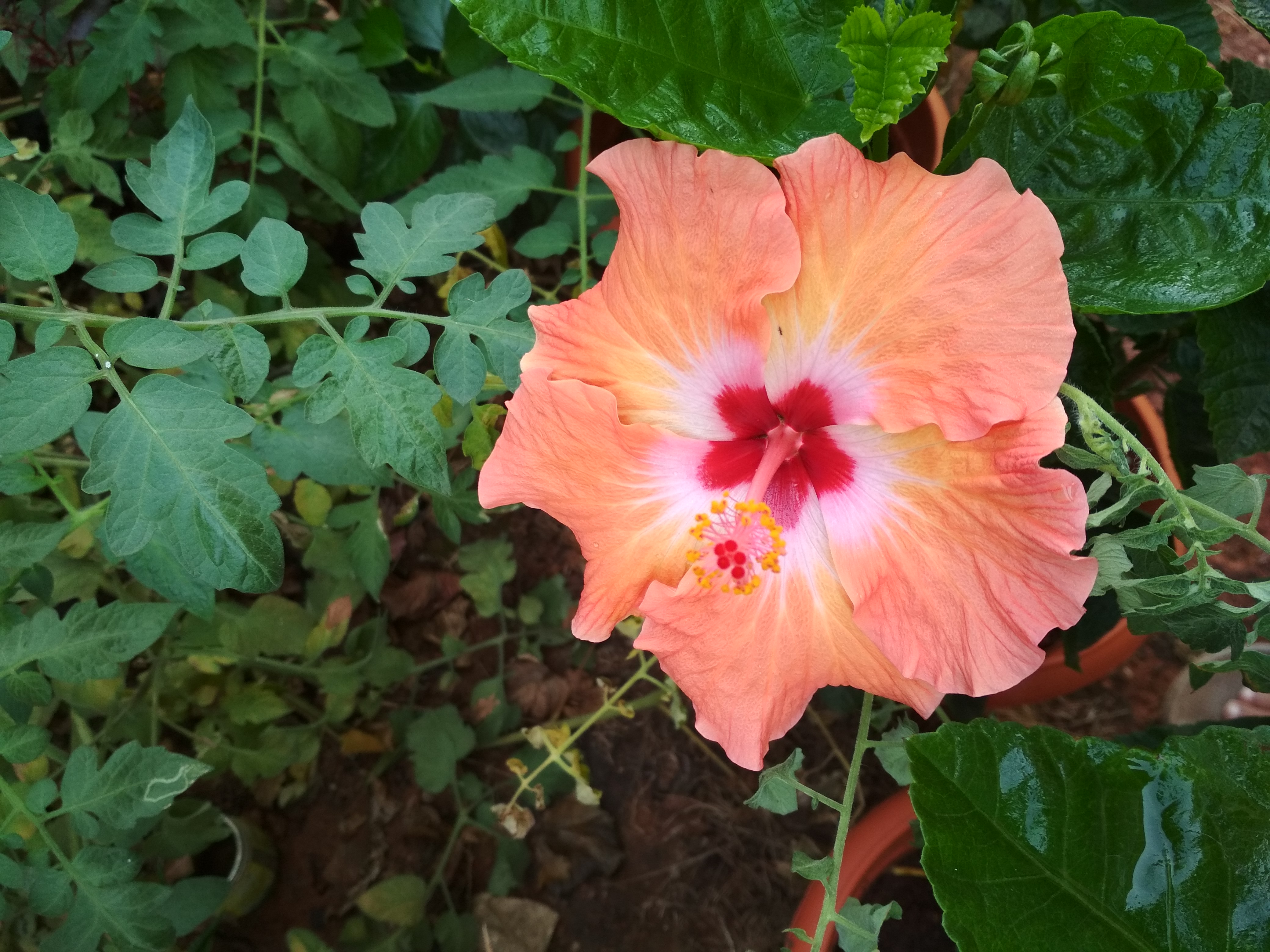
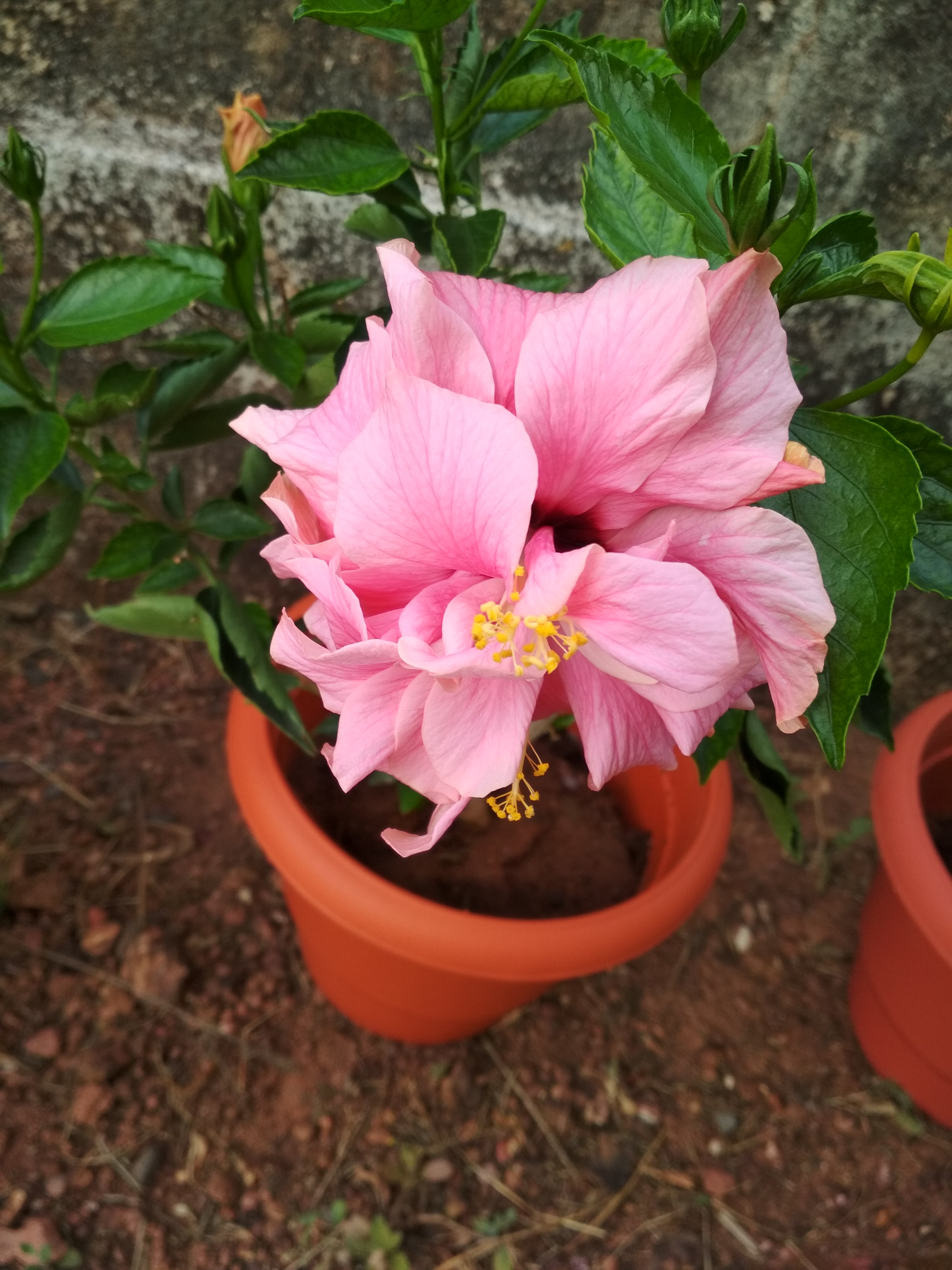
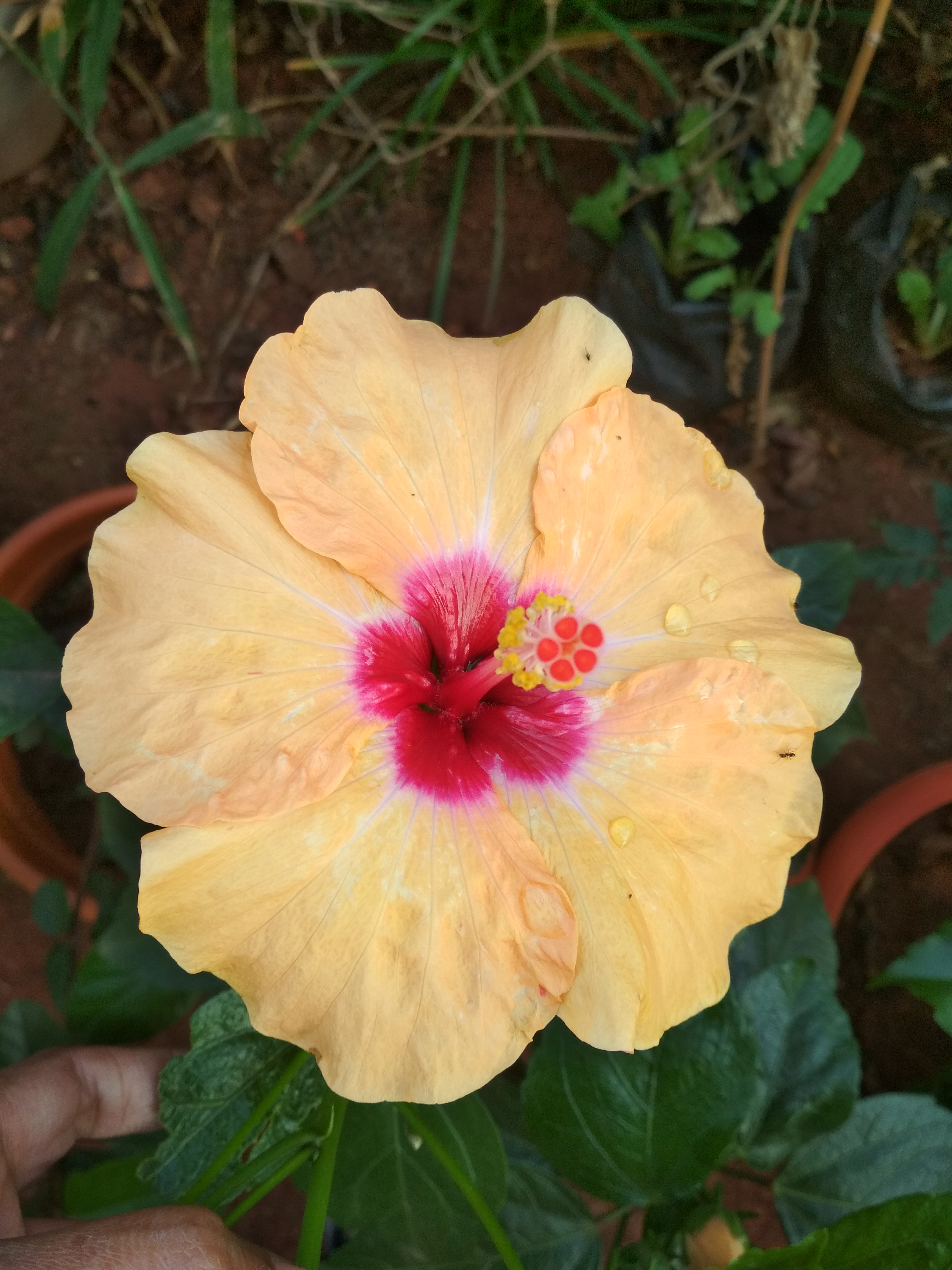
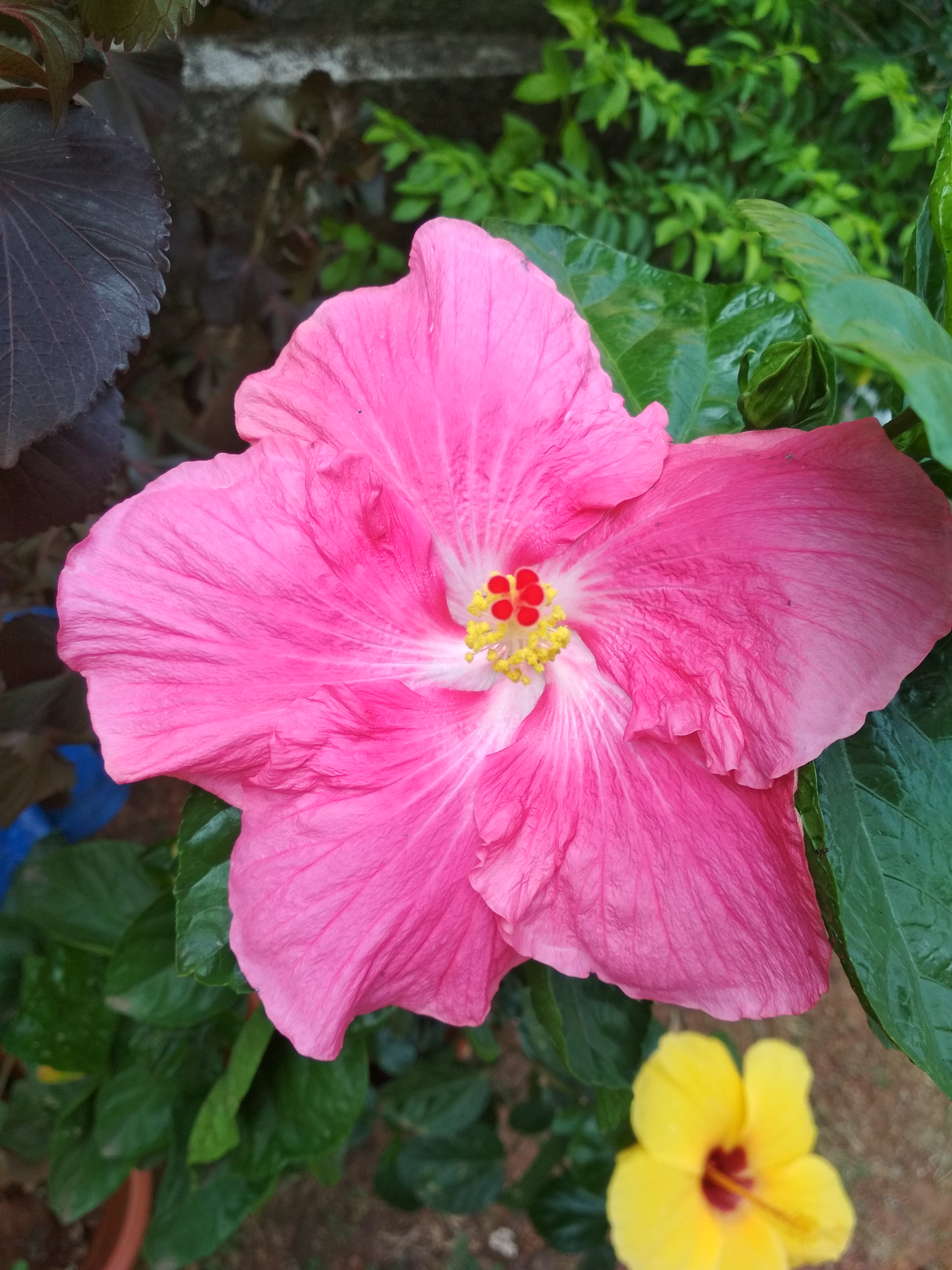
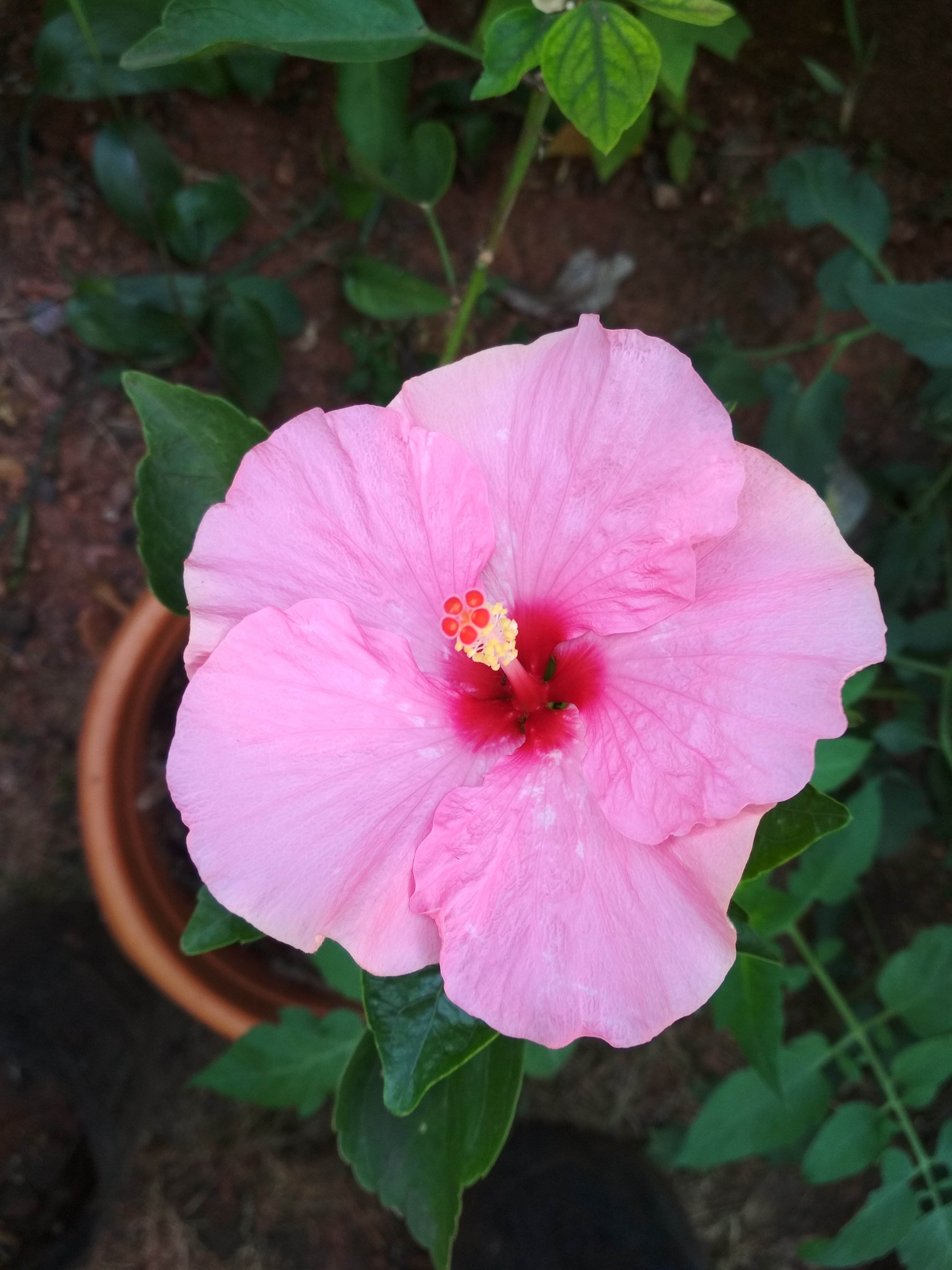
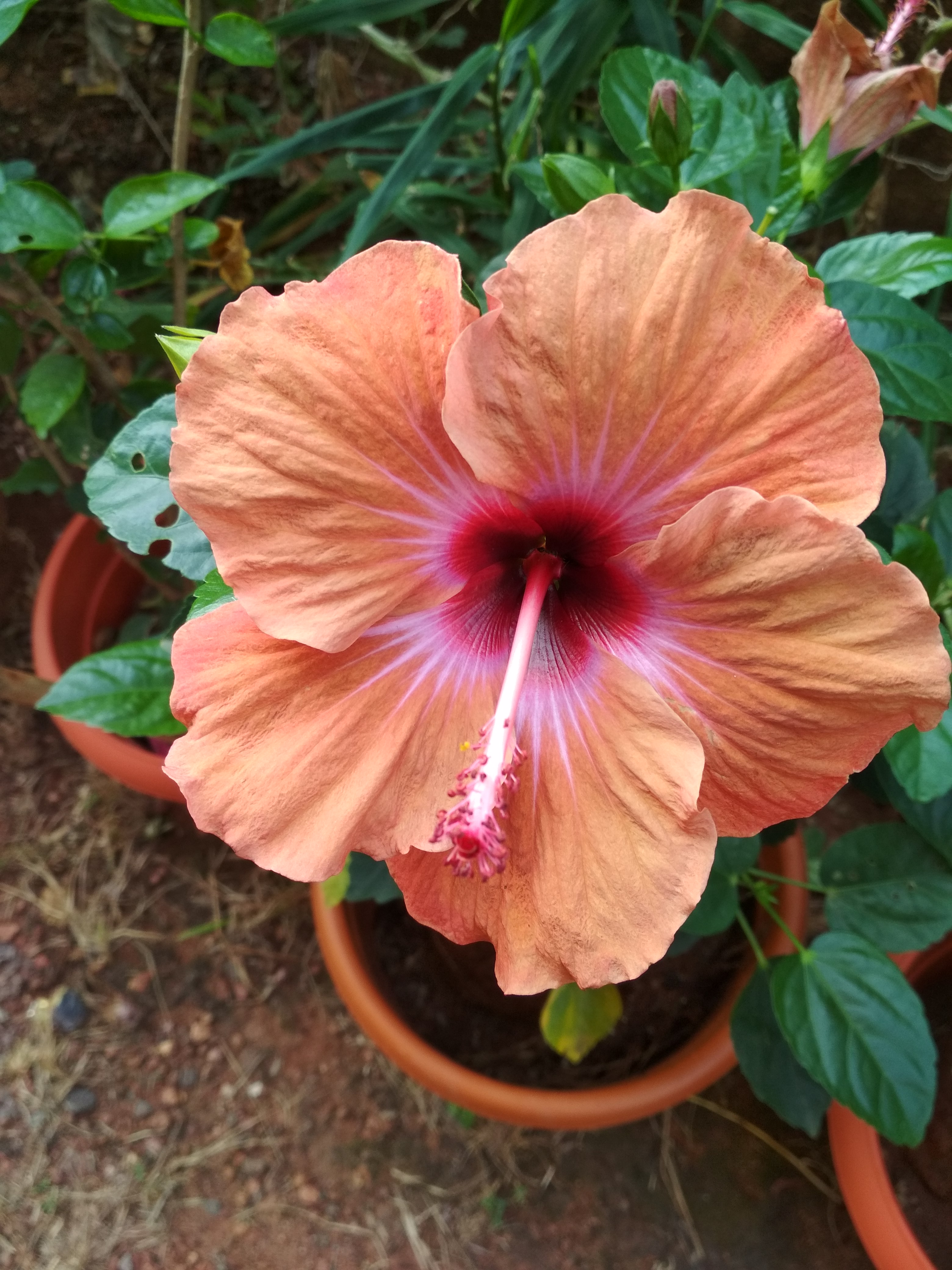
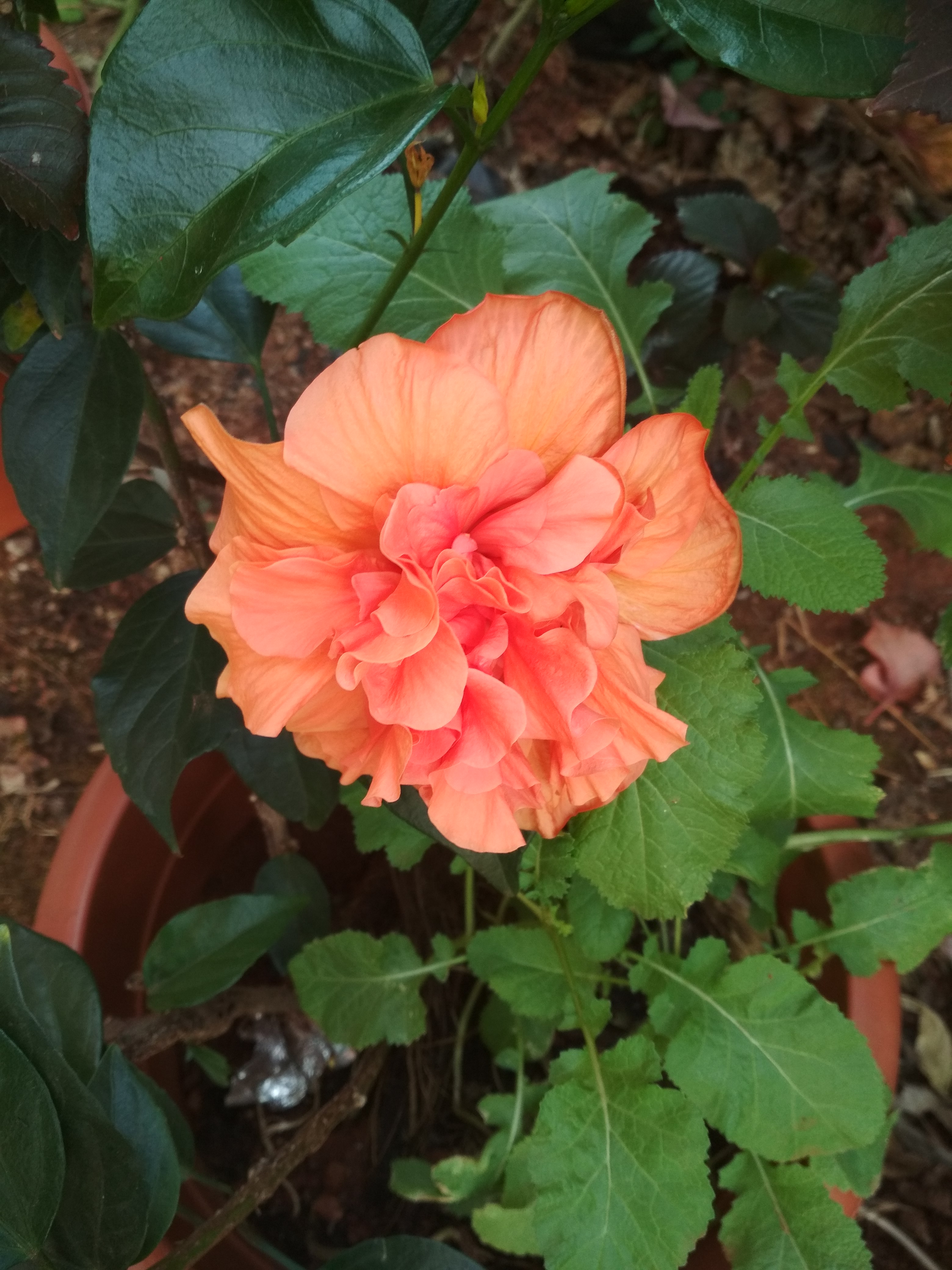
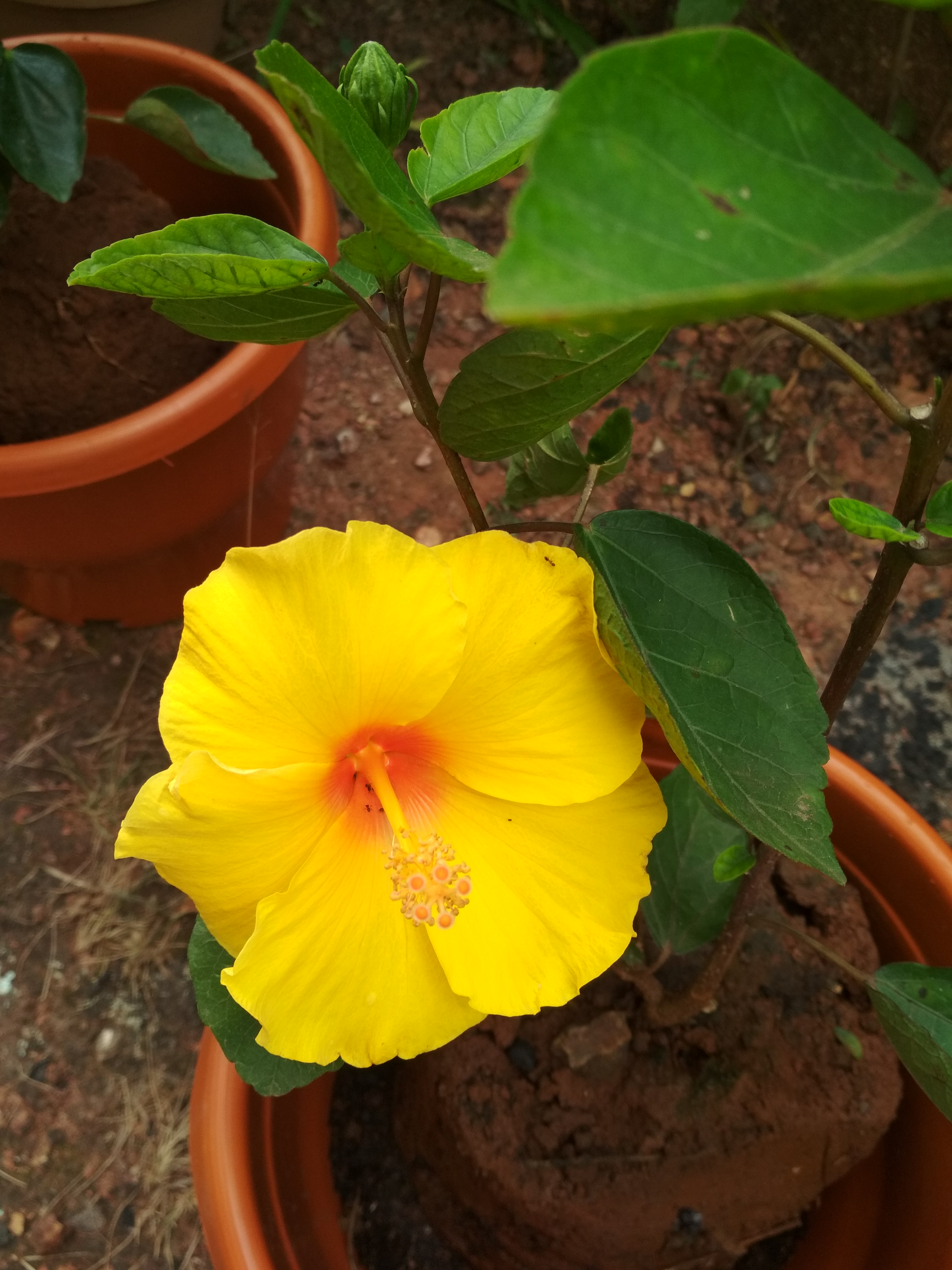
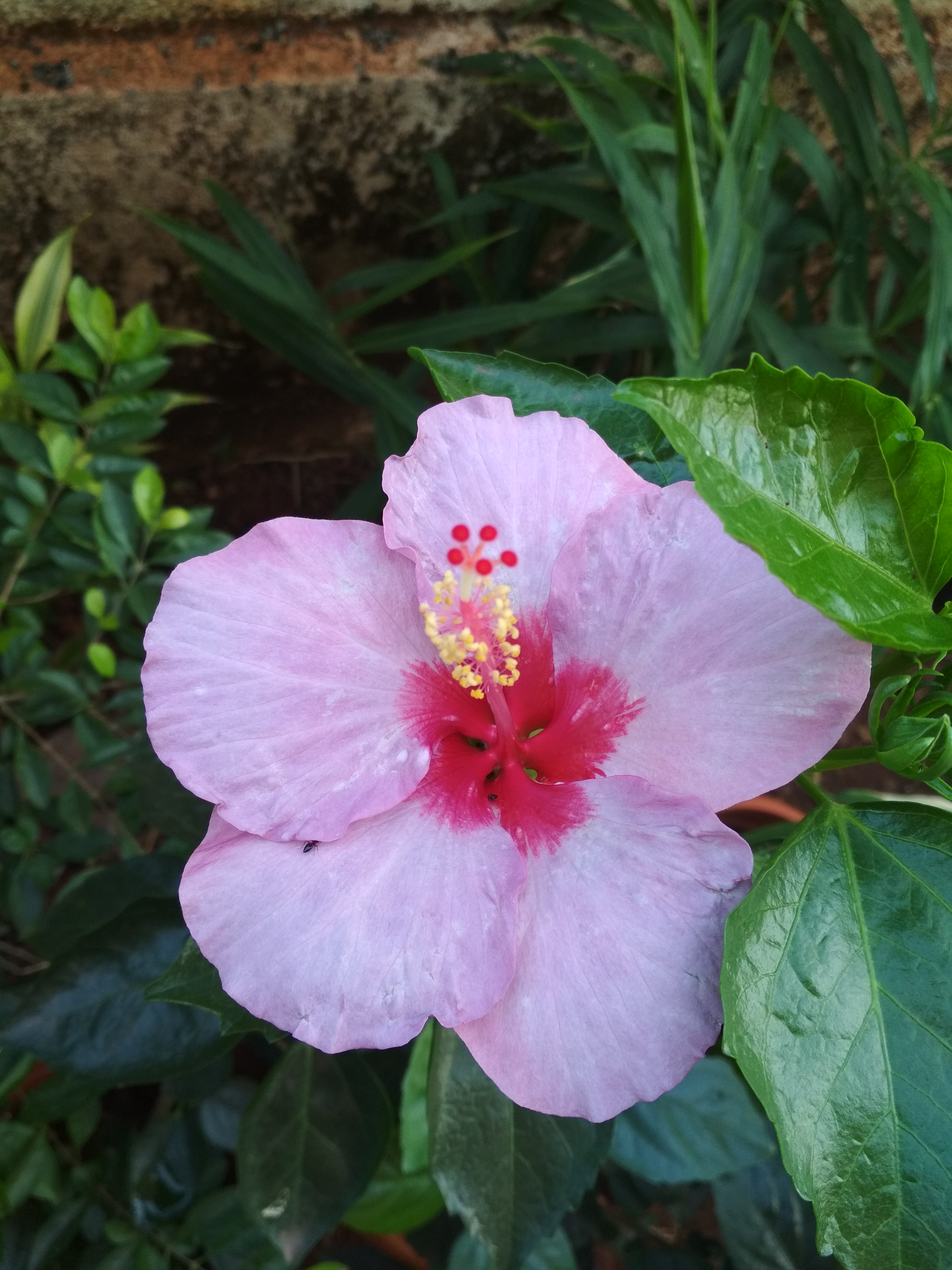
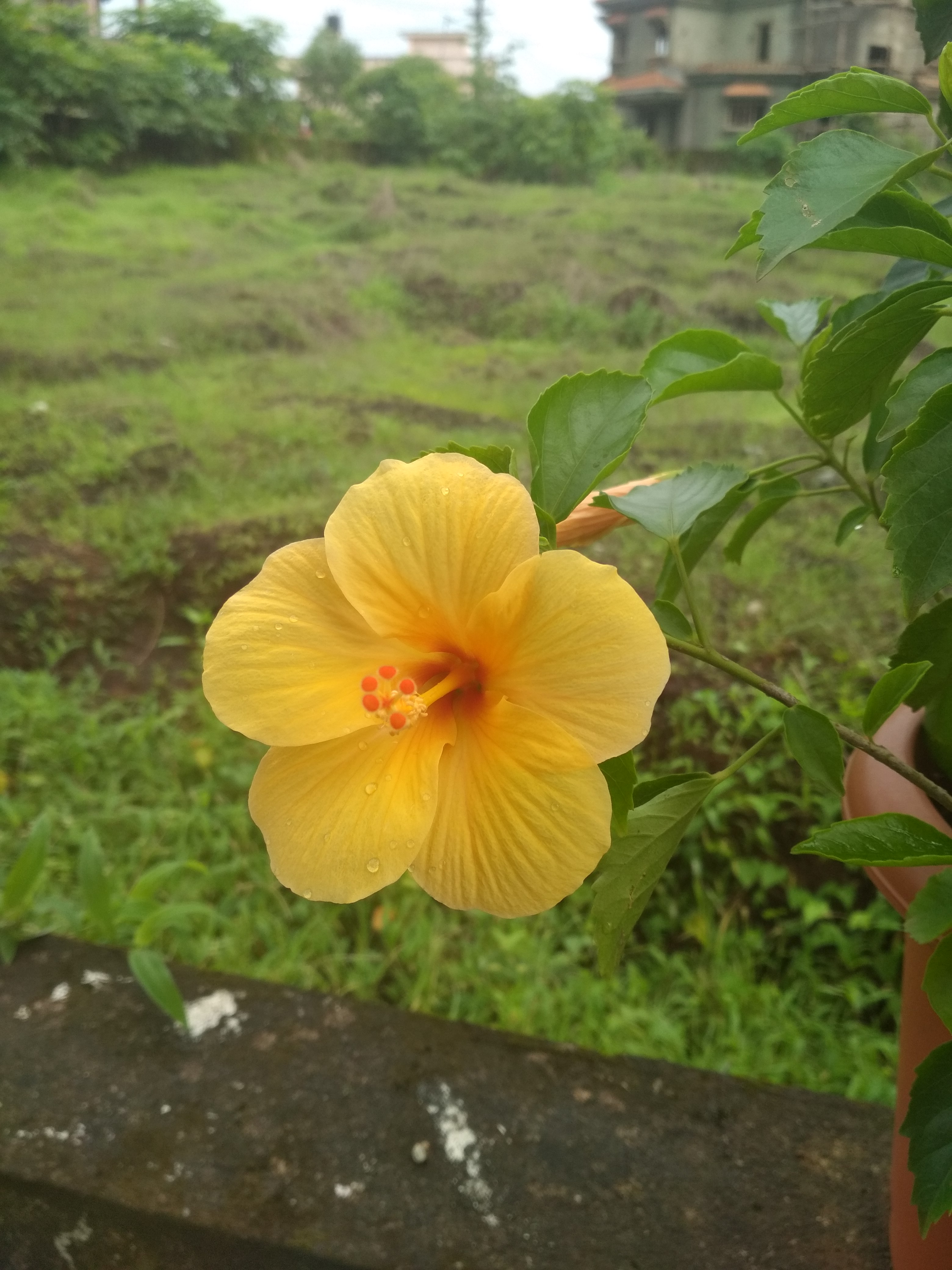
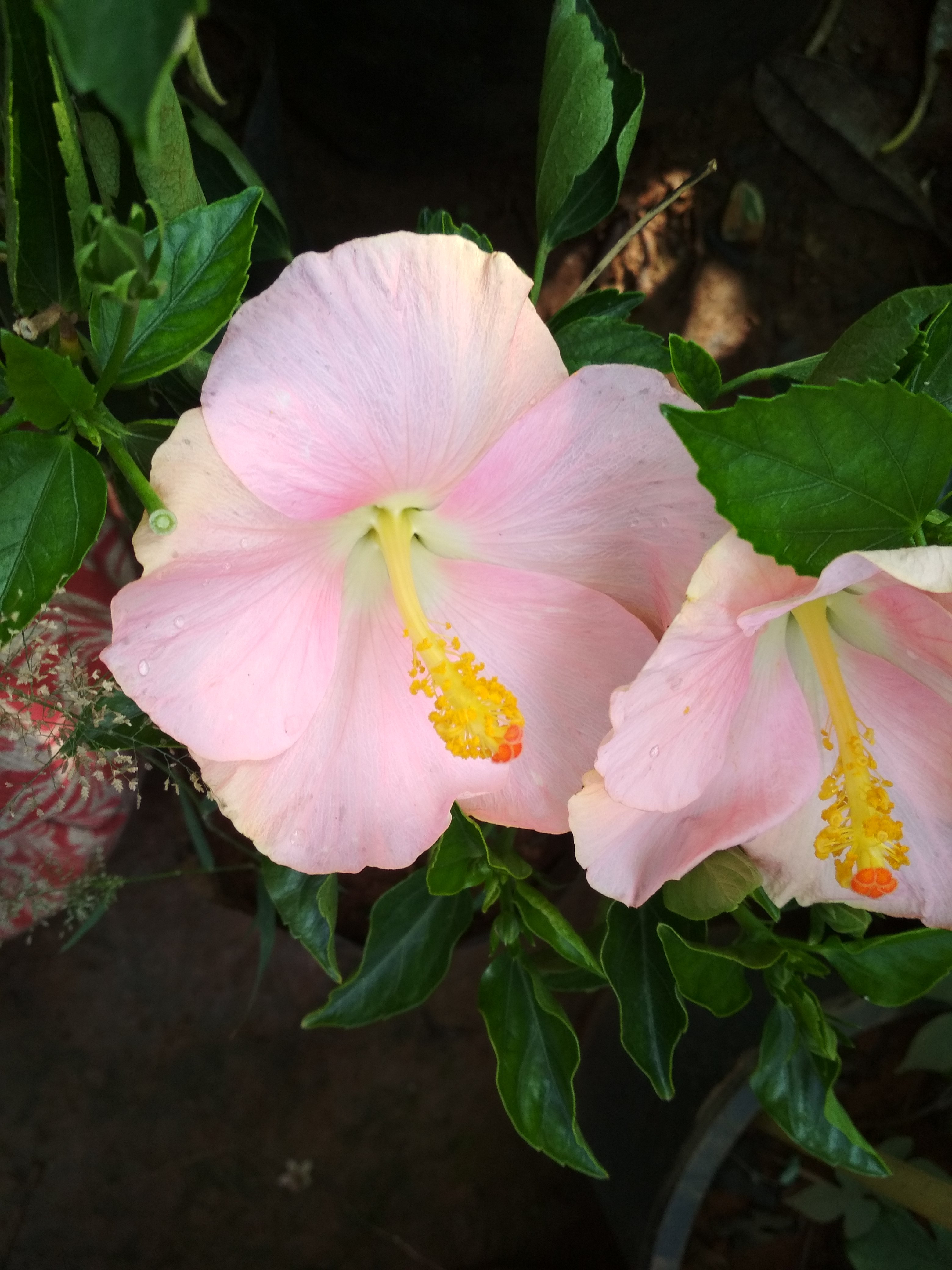
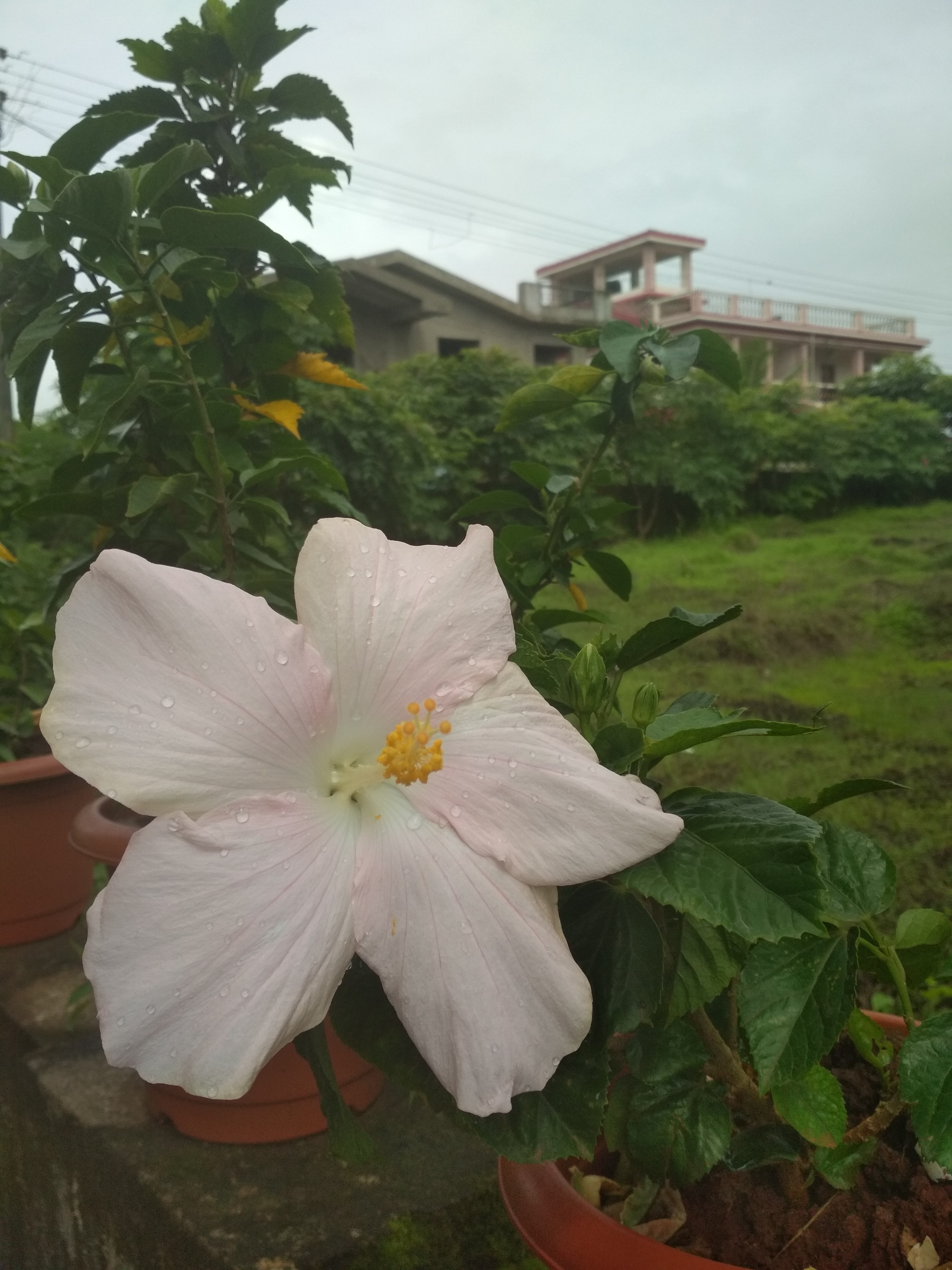
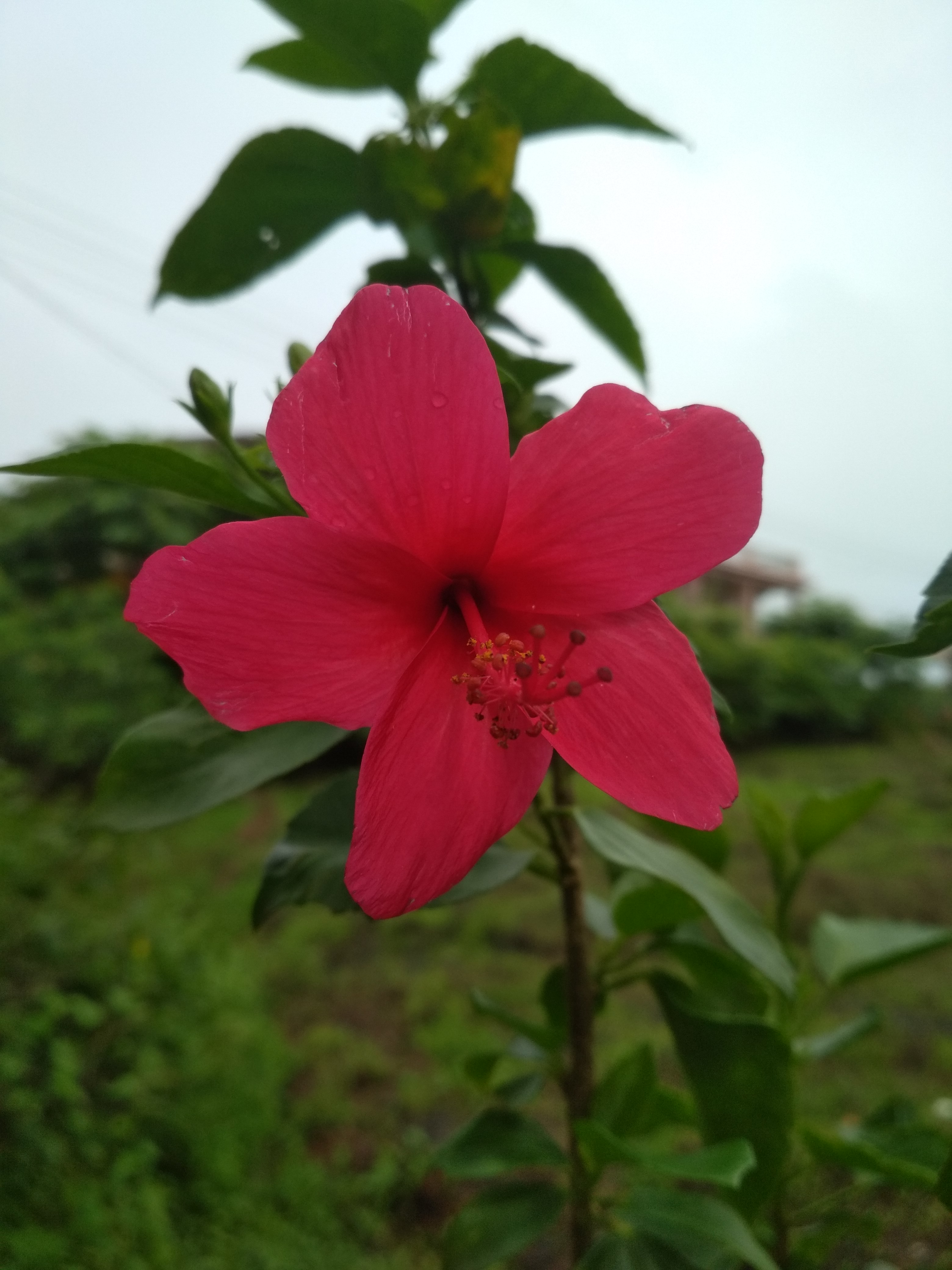
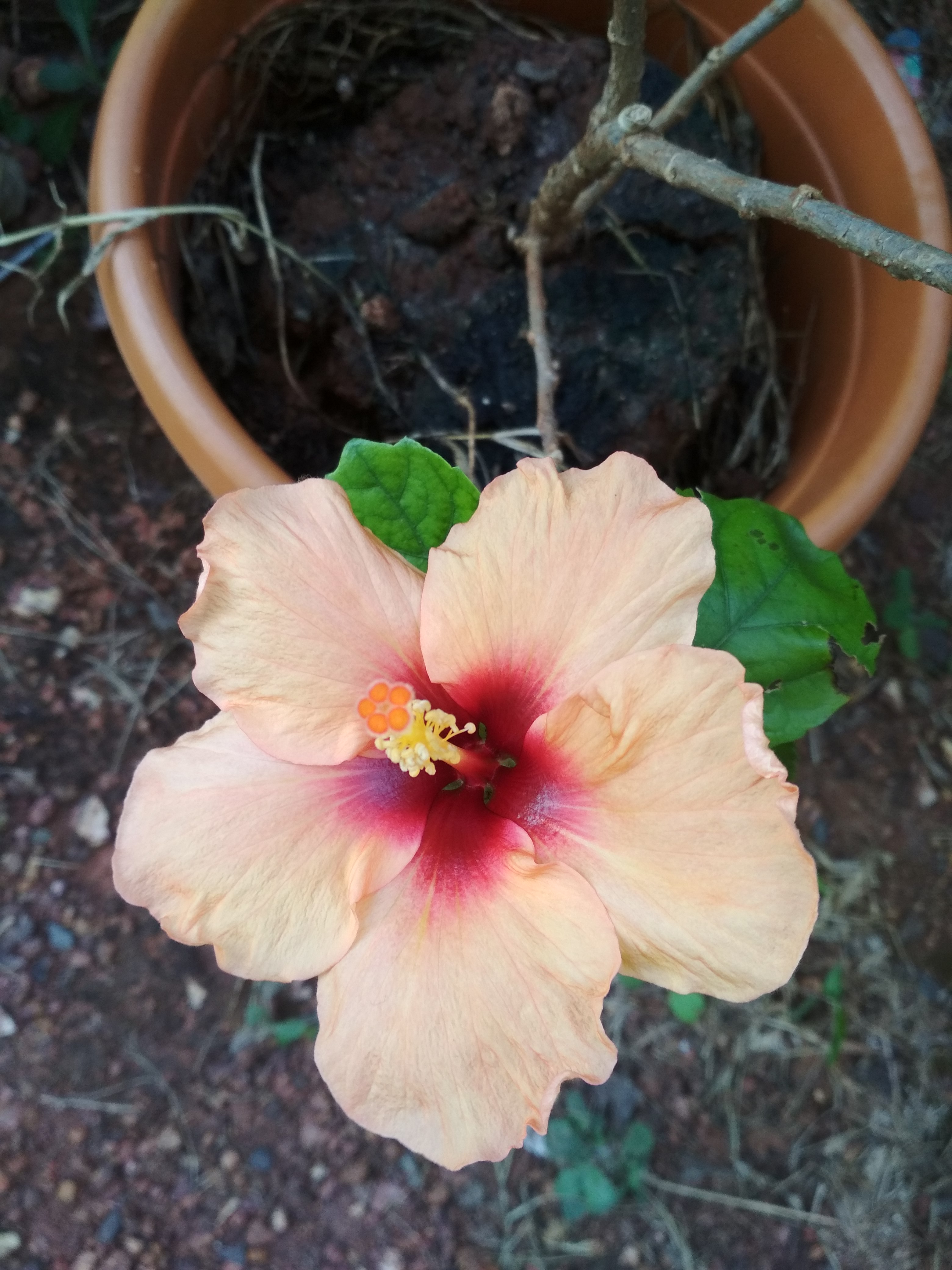
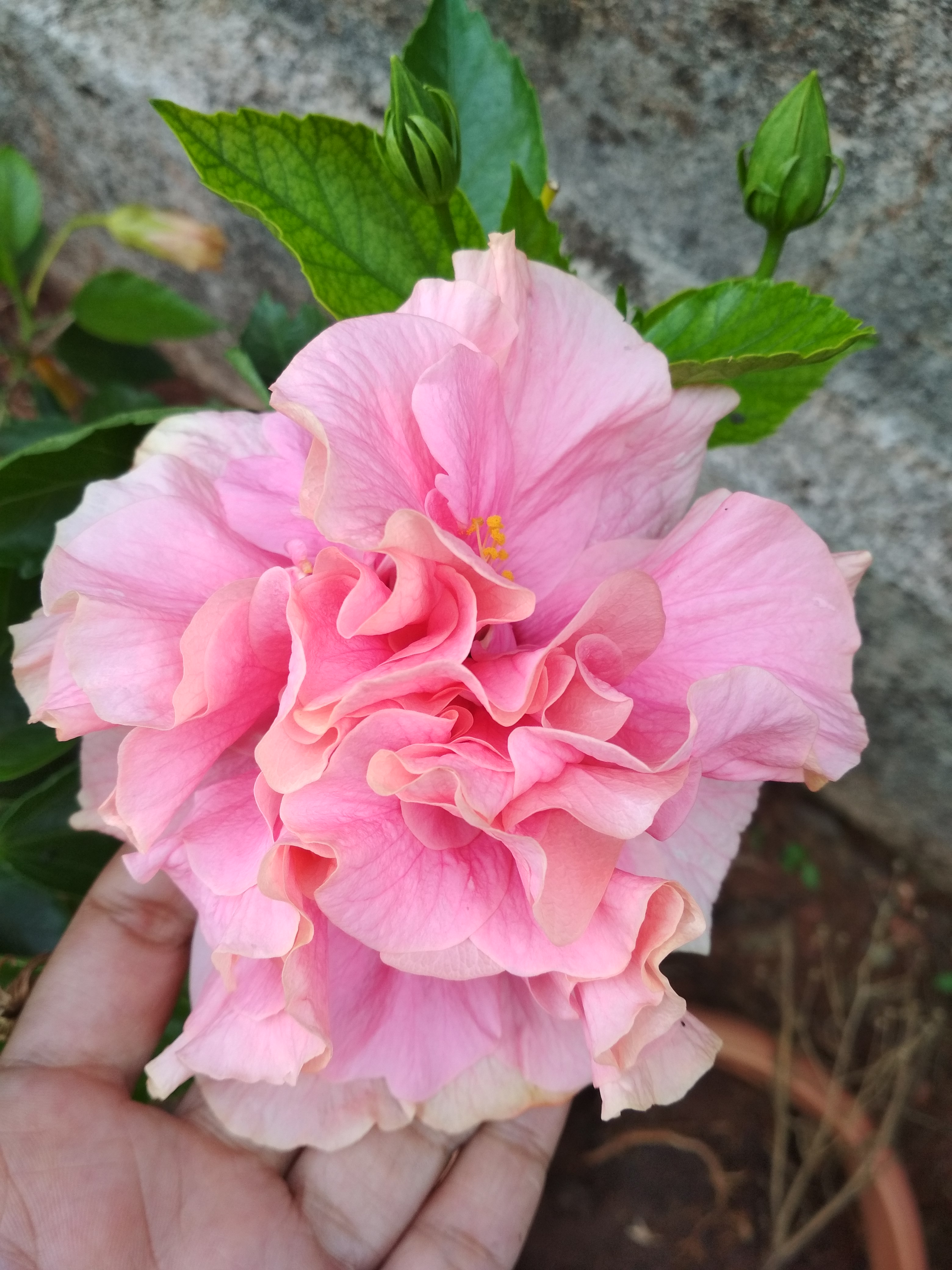
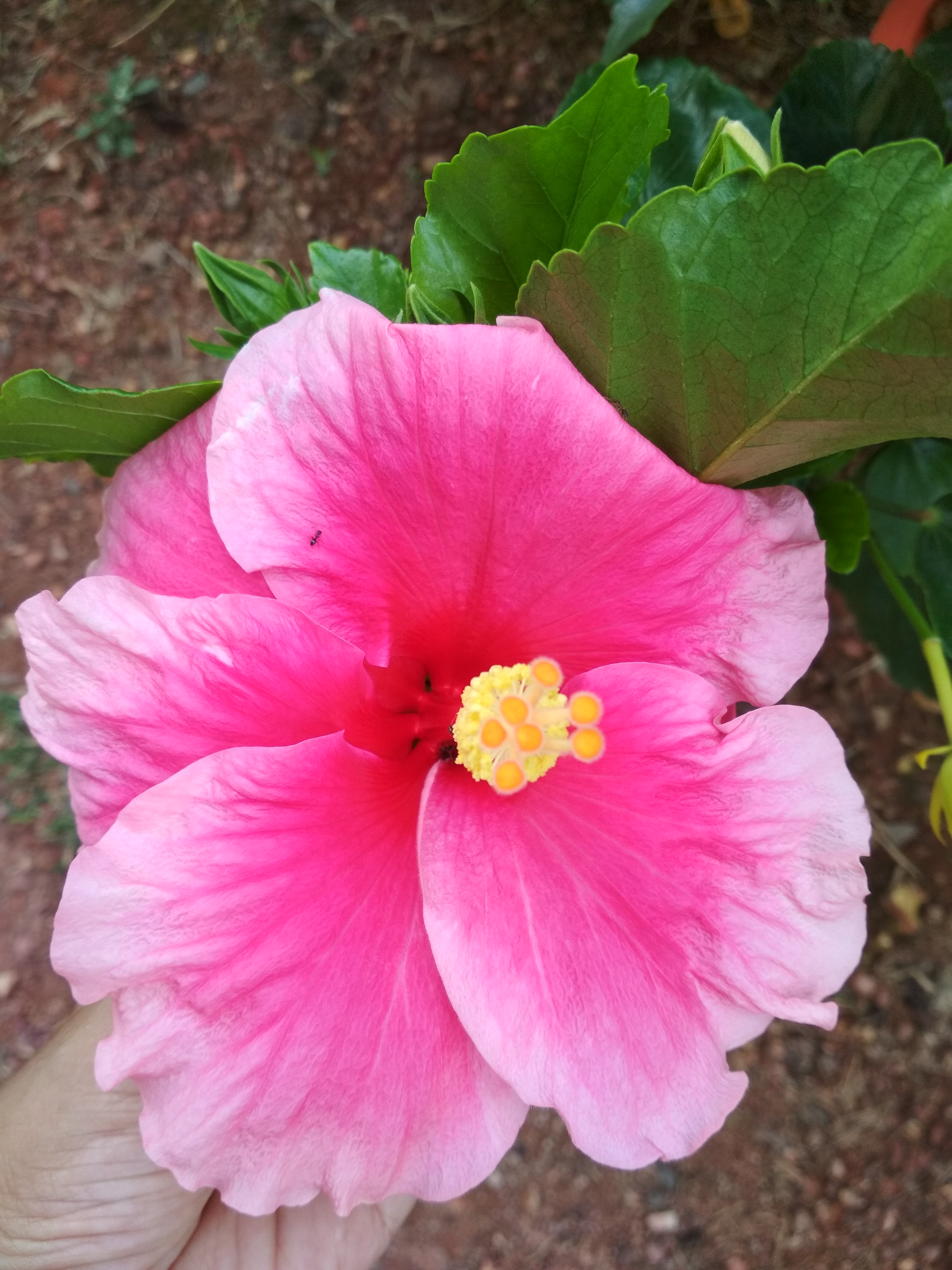
These are the photos of hibiscus which I own.

History

Lets know about a brief history of hibiscus. Hibiscus is a perennial plant and belongs to the family Malvaceae. It can grow up to 10meters. There are about 300 species of hibiscus. The exact origin of hibiscus is unknown but they are found throughout the tropic.

Unknown Facts

These lovely flowers in addition to adding beauty to your garden also have many benefits. The leaves and flowers of hibiscus plants are used in many herbal shampoos and conditioners. They also have medicinal properties and are used in many Ayurvedic medicines especially the white flowers. Even we use the leaves and flowers of white hibiscus for our hair. We boil it and then apply that lukewarm water to our scalp and leave it for 20 minutes. It reduces hair fall, makes hair smooth, and also absorbs heat and you will feel very relaxed.


See Also:

American and Taiwan variety hibiscus
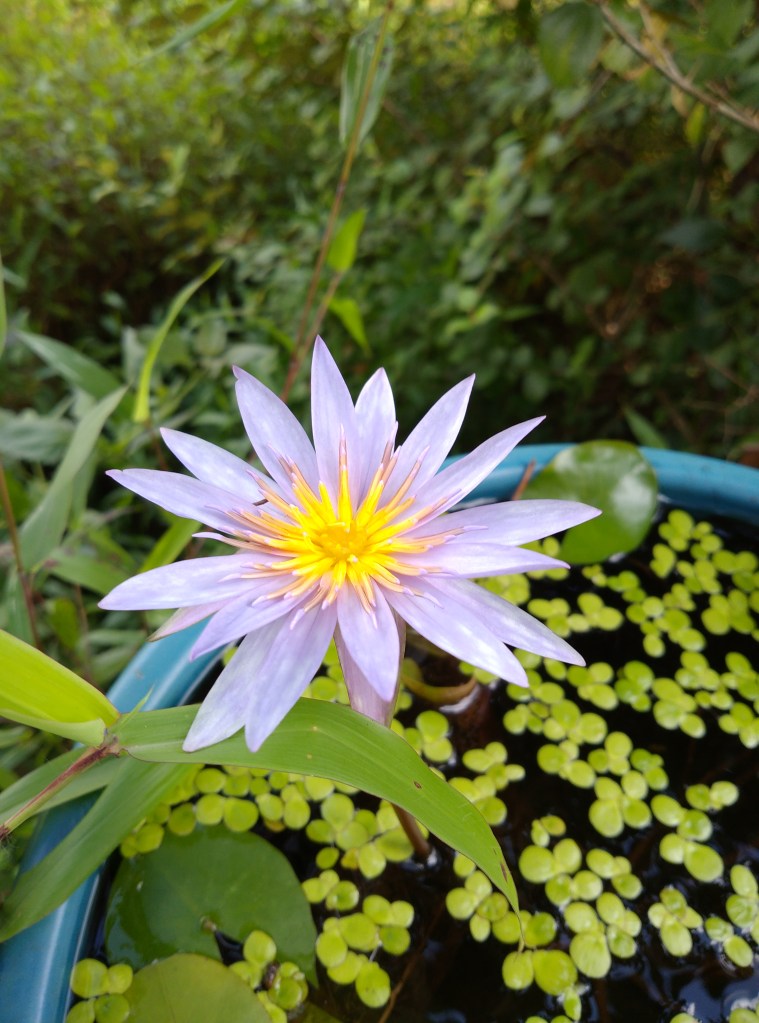
My water lily collection

How I Take Care of my Hibiscus

I have planted all my hibiscus in plastic pots as I stay in a rented apartment. While taking care of any plants you have to consider three main points

1)Proper Watering

2)Fertilizer

3)Pest Control

Watering

depends on the season. In the rainy season, the rainwater is enough, so I don’t go for watering. In winter they require very less water i.e. once in a day. Early morning is the best time to water this plant. Since it will be very cold outside, so I prefer evening as it also suits my schedule. In summer, hibiscus require a large amount of water. I water them twice a day early in the morning and late evening.

Fertilizer

I always prefer organic farming as I don’t want to pollute the soil as well as the environment. I use kitchen waste like vegetables, eggshells, used tea, fish water, and coconut shells. Apart from this I also use an organic fertilizer which I buy from the nursery. They sell it for Rs. 20/kg. I use this fertilizer once in a week (on Sunday as I have a holiday). I use about one tablespoon for each plant.

Pest control

This is a major part of any plant care. If you do proper watering and used good fertilizer but not done anything for pest control, then your efforts will be in vain. The main pests which affect your hibiscus plants are aphid, mealybugs, thrips, caterpillar and ants.

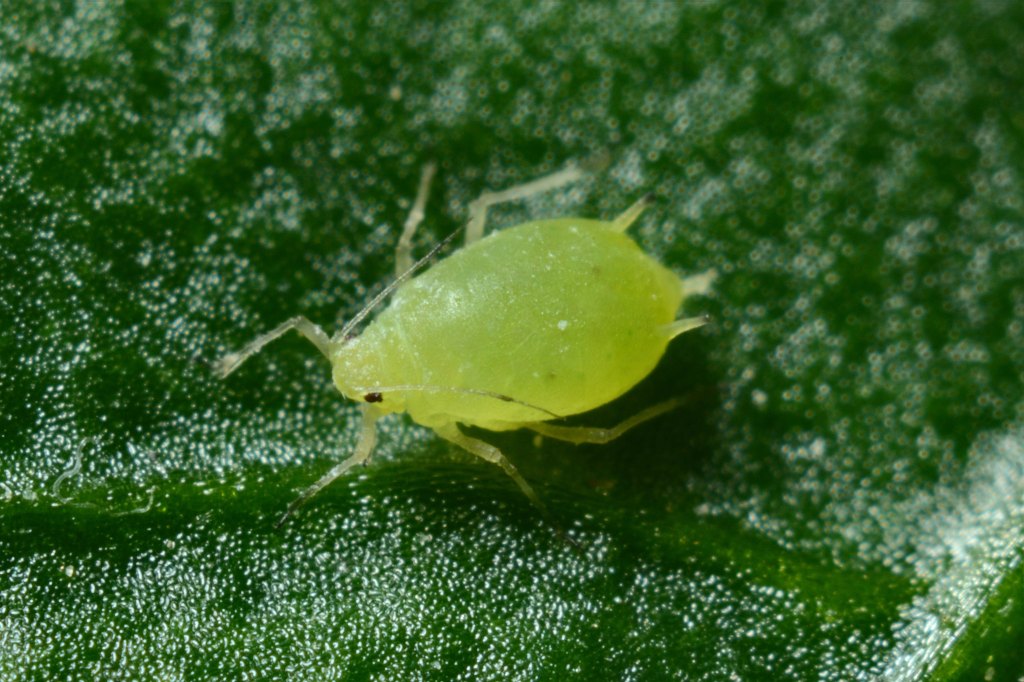
Aphid: These pets are usually found in clusters and are black, white or green in color. They suck the juices from foliage. If you do not control these pests, they will kill your entire plant. Four of my hibiscus plants died because of this pest.

Aphid

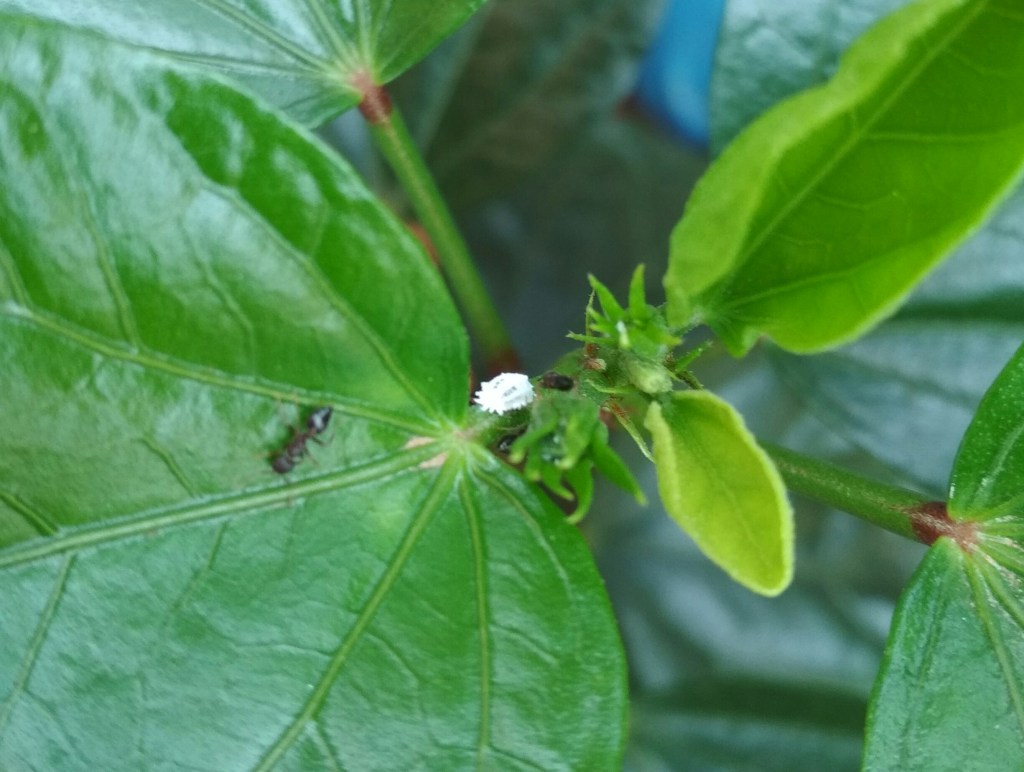
Mealybugs: These little unwanted guests will destroy your entire garden. Hibiscus foliage is their favorite food. These pests not only kill hibiscus but also affect other plants like rose, tomato and eggplant. Very difficult to control.

Mealybug

Thrips: These pests cause hibiscus buds to drop before flowering as they lay eggs inside the buds. I faced this problem a lot. These pests are difficult to detect as your plant will be in a healthy condition and you cannot see these pests. Only when you open the fallen bud you can see the patches inside it that also with a magnifying glass.

Buds Affected with Thrips

Caterpillar: These will affect your plant during the rainy season. They will eat away all the leaves within few hours. Sometime the leaves will be folded. When you open this fold, you can see tiny green caterpillar.

Caterpillar

Ants: These won’t directly affect your plant, but they help in the propagation of above-mentioned pests.

Ants

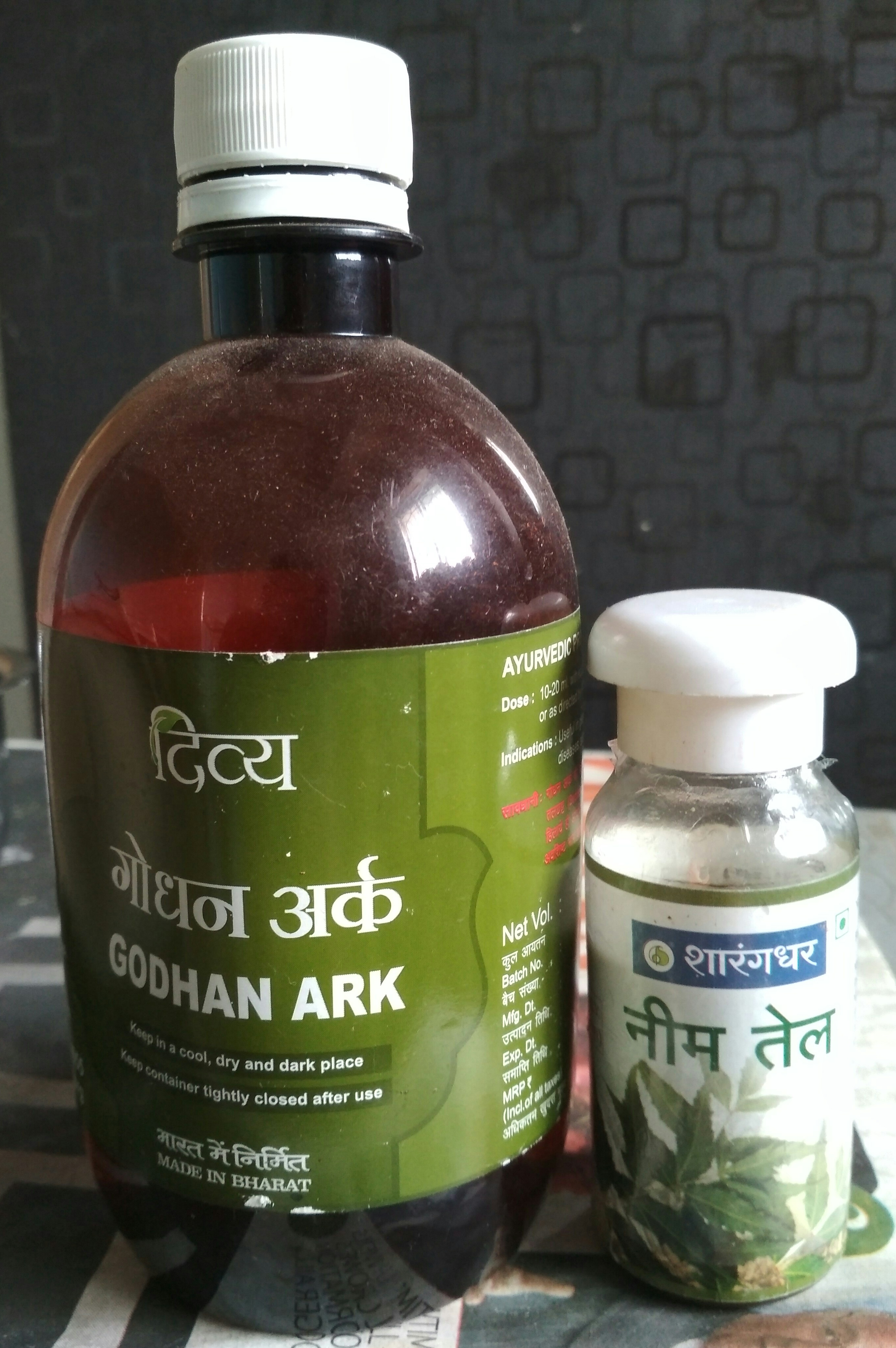
For all these pests I am using neem oil and cow urine as pesticides. I mix 1 tablespoon of cow urine or neem oil in 500ml of water and spray it on entire plant once in a week. This works as a precautionary measure but won’t help your plants if it is badly affected by pests.

In such case you have to use soap water or shampoo water. When my plant was affected with mealy bugs, I tried this method and it worked. As I told you that I always do organic farming, so I am using herbal shampoo once in a week. Again, the spray includes 1 tablespoon of herbal shampoo in 500ml of water.

If you still can’t get rid of these pests, then pruning is the only option. Prune the affected leaves and branches and throw it in far places or burry them as there are chances that they may return through wind or ants.

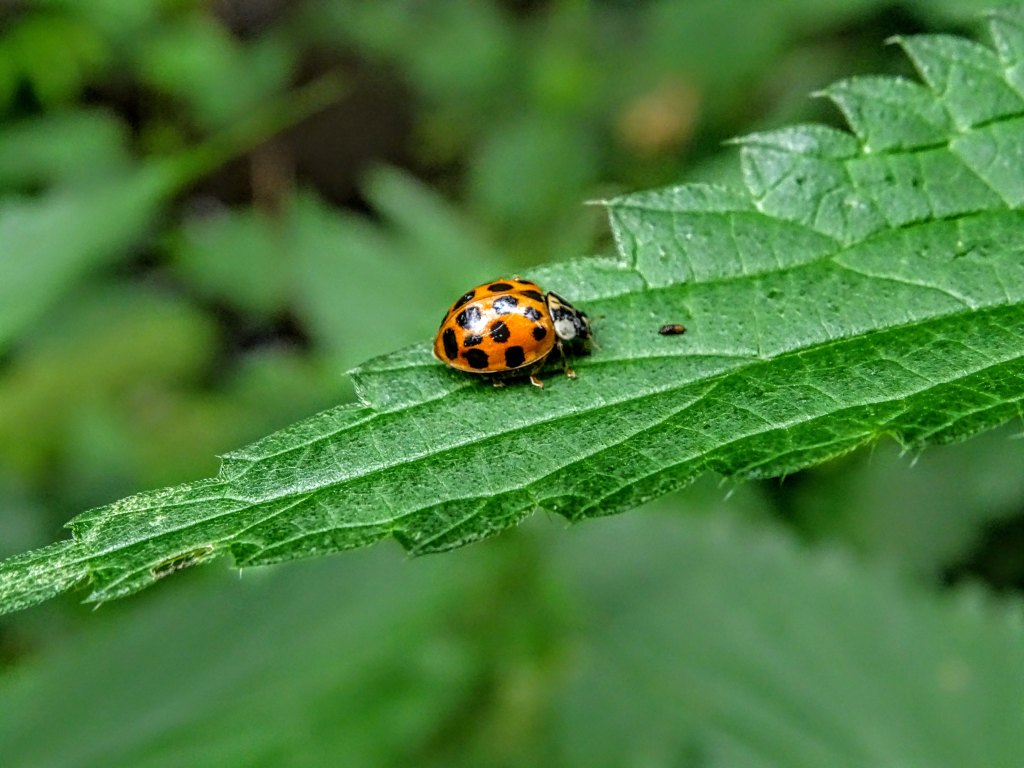
Encourage beneficial insects like lady bugs (only work with temperatures 62-88°F) which eats about 50 aphids a day.  There are other useful insects like green lacewing and pirate bugs which helps in controlling the harmful pests in a natural way.

Lady bug


Thank you so many guys for reading this post. I hope this information is useful to you. If you know any website or nursery which deliver plants to Goa, plz give me information regarding that. Plz, add your suggestions in the comment box. Tell me how many hibiscus plants you have and from where you bought these plants. Plz, share photos of your hibiscus flowers too.

Happy Gardening!!!
The Fun and Easy Way to Grow your Own Beautiful Summer Flowers!

Roses

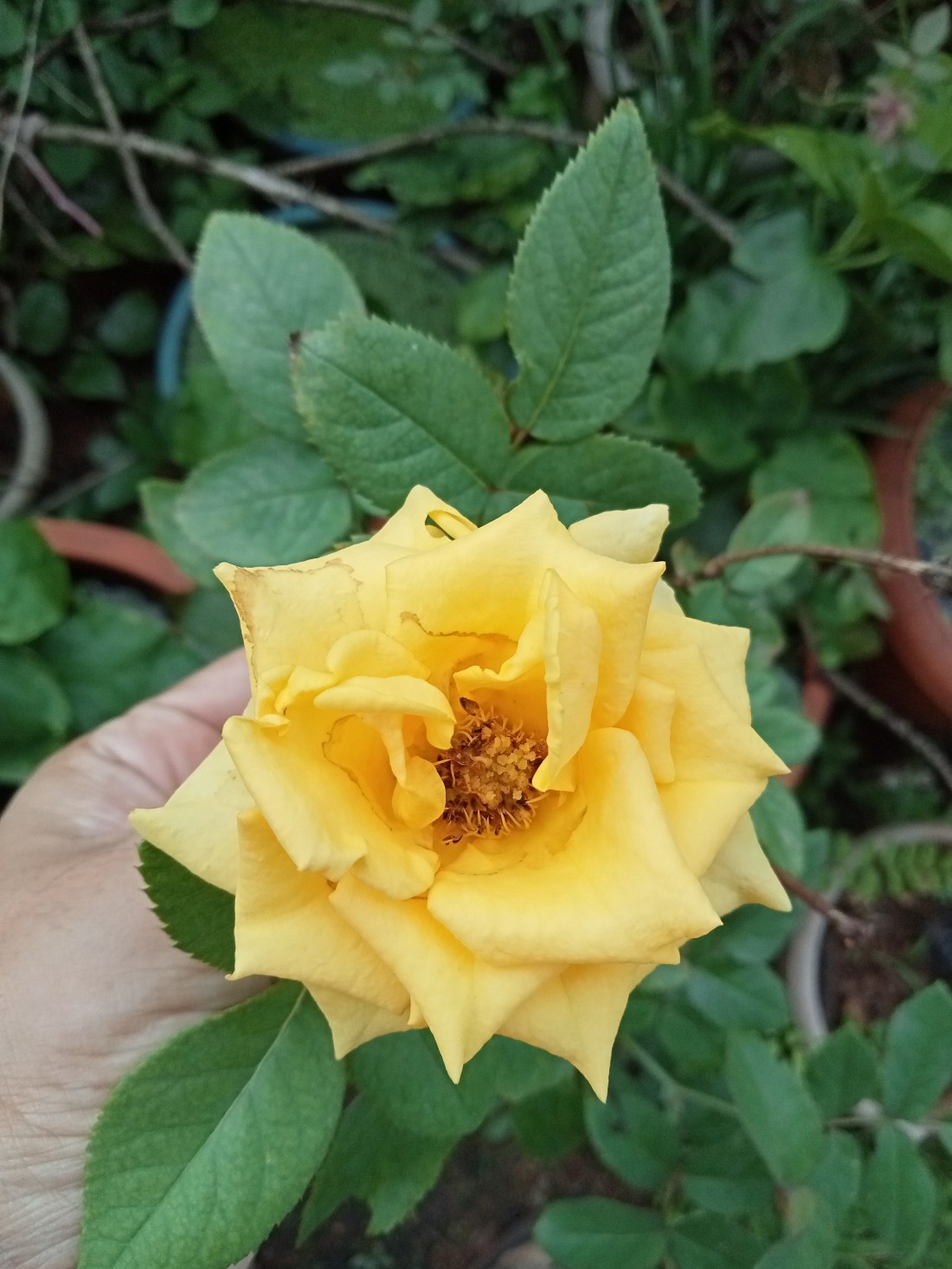
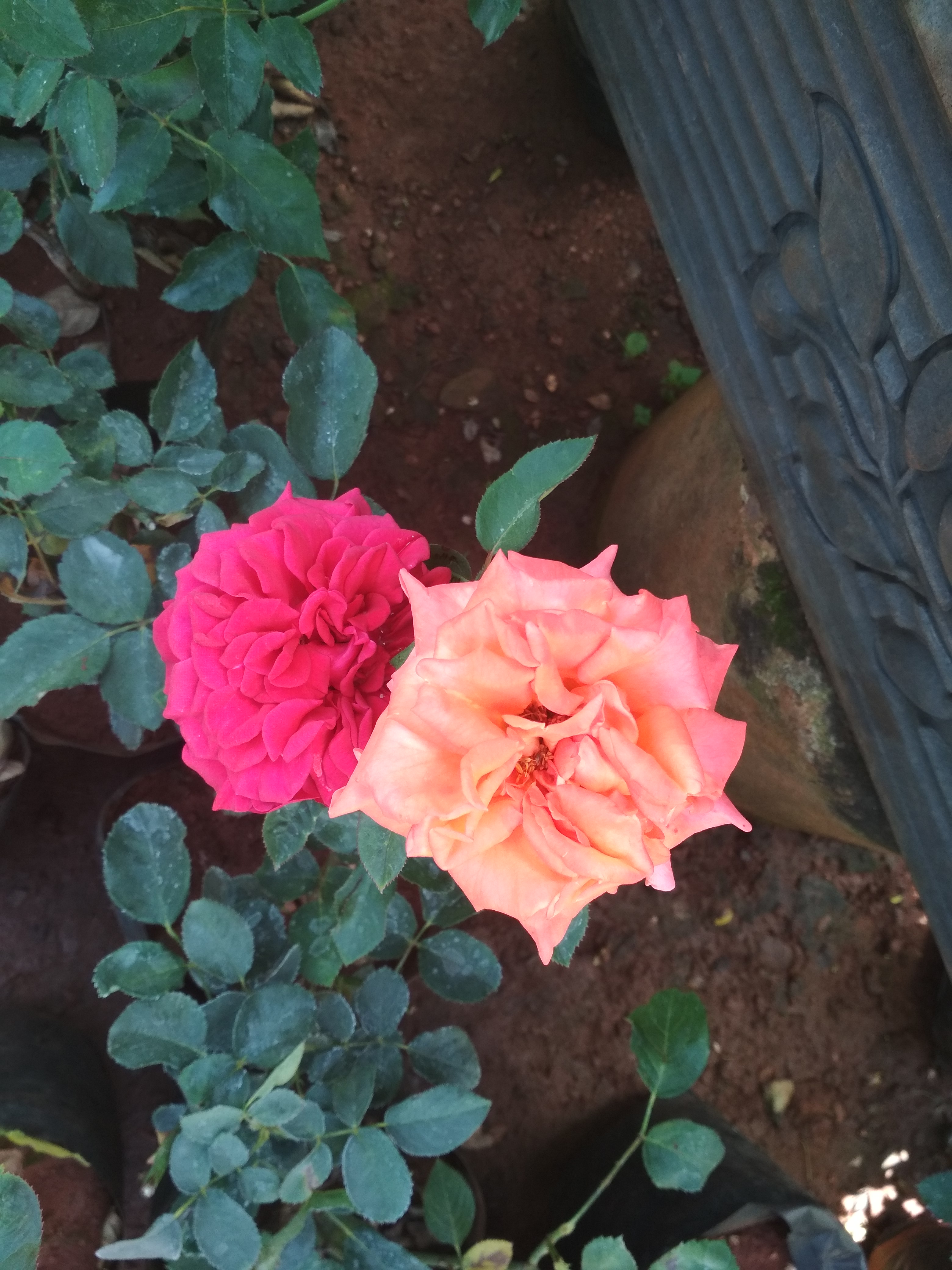
The rose is a prickly flowering shrub. It comes in various colors; red and pink being the most common colors and black and green are the rarest. This beautiful flower can be grown in all seasons. It requires a good amount of sunlight though it prefers a little cool environment.

Rose

Hibiscus

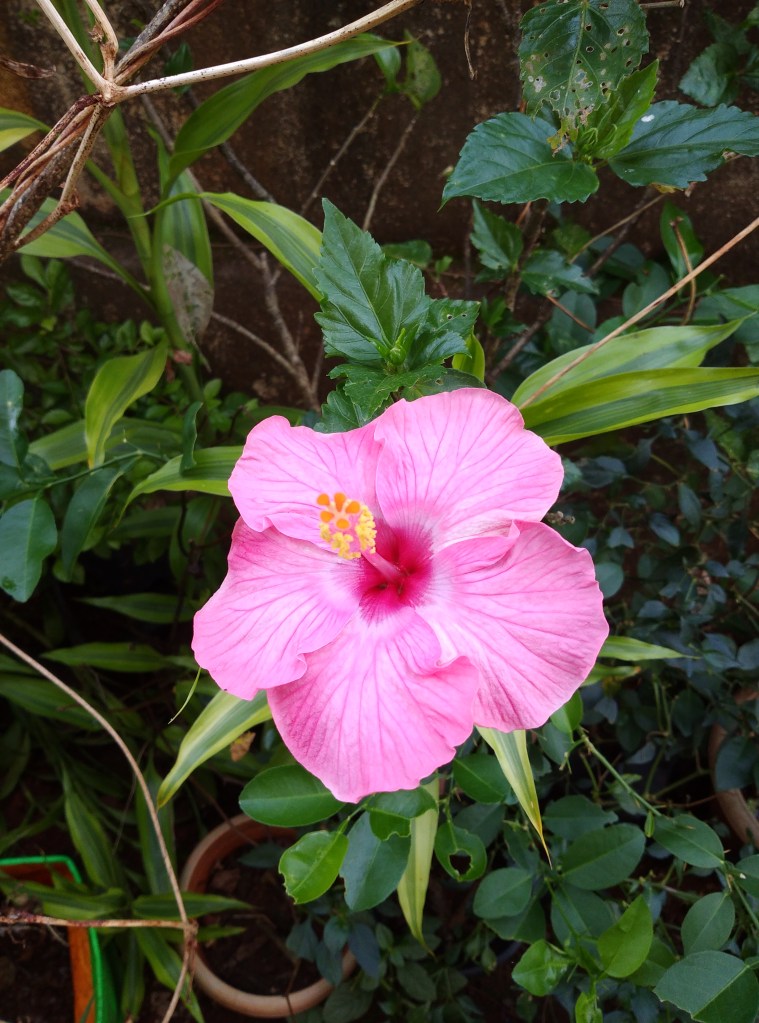
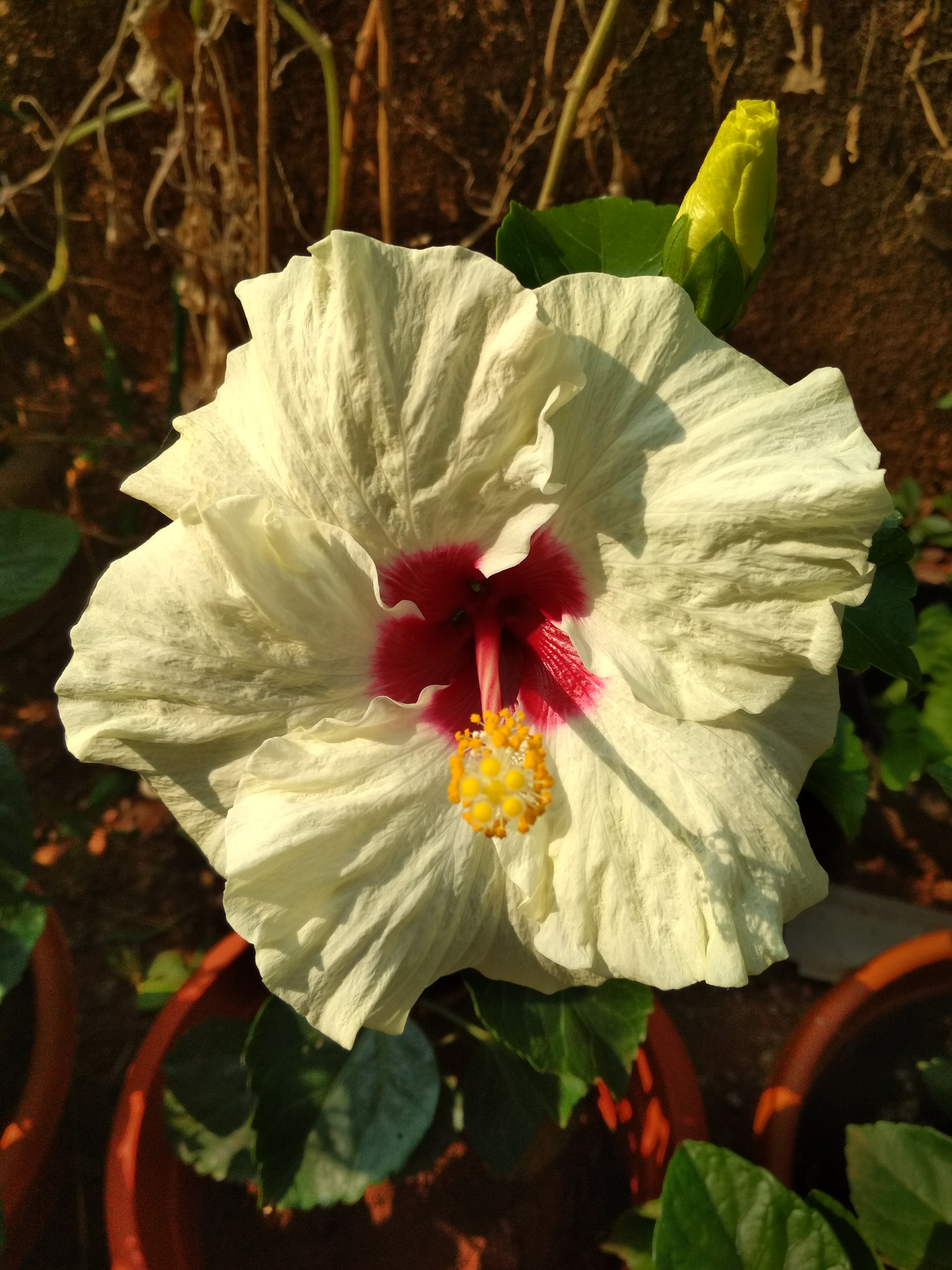
This one is my favourite. I have about 50 varieties of hibiscus. There are around 200 varieties of hibiscus. These come in different color, shape, and sizes. This plant can also be grown in all seasons, but summer is the best season to add this plant into your garden.

Hibiscus

Petunia

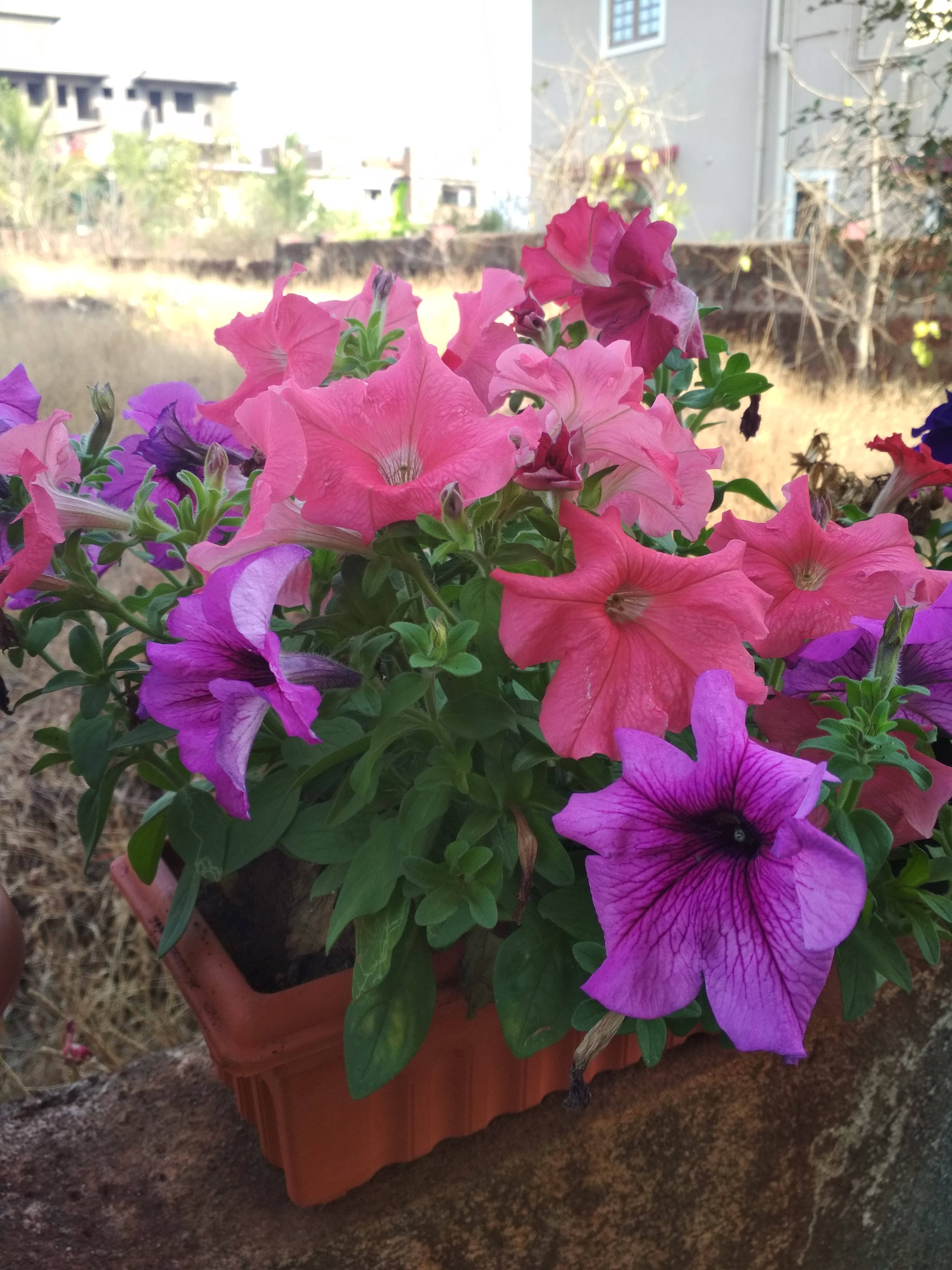
Petunia plant as I always call it as “delicate darling” are most beautiful flower can only be grown in summer or late winter. It has to be kept in full sunlight and it requires very little water. Too much water will kill this plant. This flower also comes in various colors. Plant it in a hanging pot to enhance its beauty.

Petunia

Dhalia

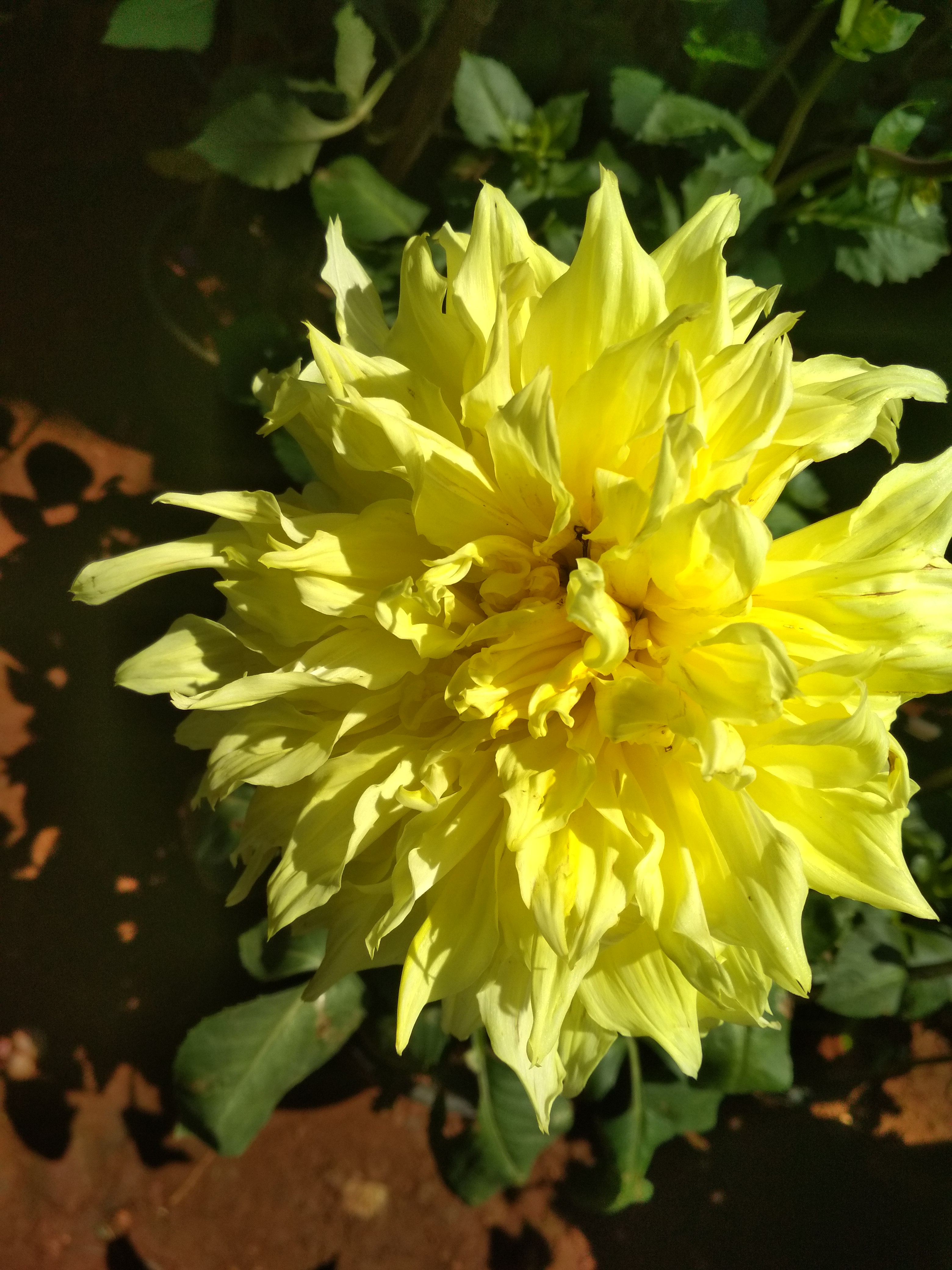
Dhalia again a delicate but most beautiful flower. It requires more care compared to its peers. It is a very delicate plant requires proper support. Sometimes it cannot stand the weight of its own flower. Summer is the best season to see this plant in full bloom. This plant requires a very little amount of water as too much of watering will rot its roots.

Dhalia

Marigold

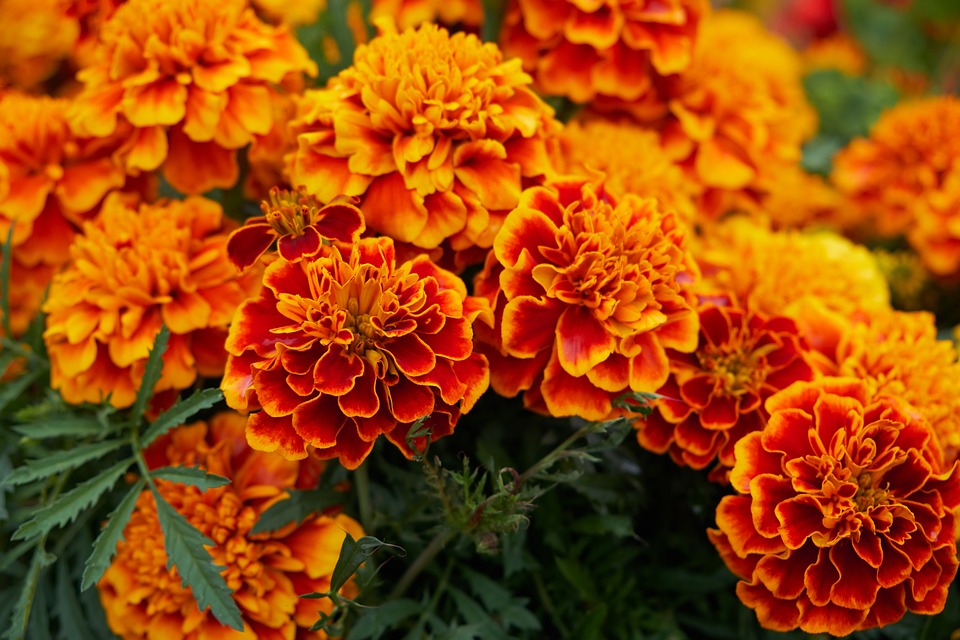
This is a seasonal plant can only be grown in summer. It requires a good amount of sunlight and water. It can be easily grown and requires very little care. It can be grown in any type of soil. Marigold flowers commonly have yellow, orange, and white colors.

Marigold

Zenia

Zenia is also a seasonal flower. It also comes in various varieties and colors. The plant is usually grown from seeds. You can buy zenia seeds or you can buy plants from a nearby nursery. This plant also requires very little care.

Zenia

Similar Posts


Sunflower

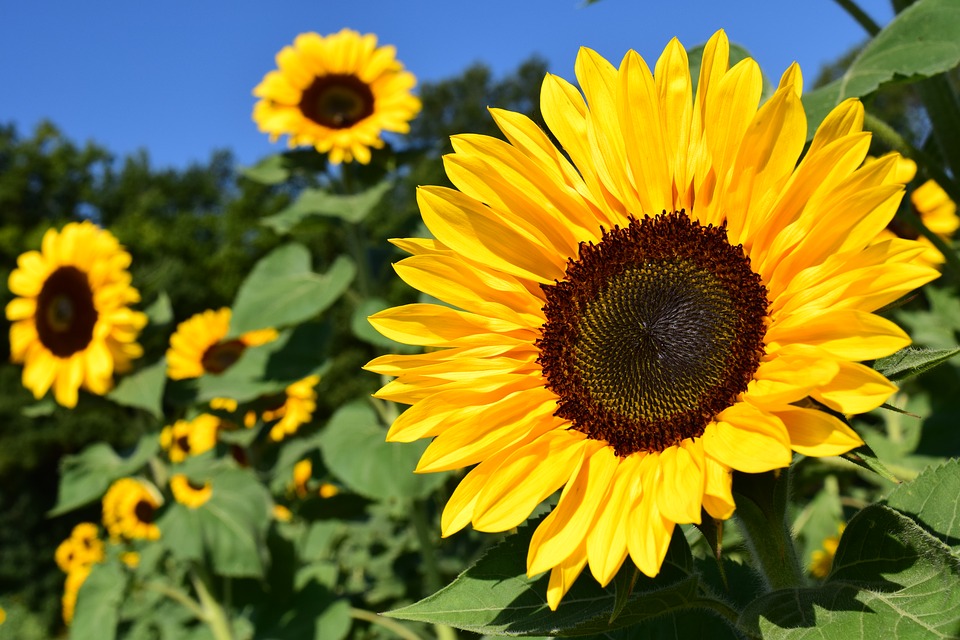
Sunflower is a big yellow flower with a brown center. As its name says it loves sunlight. It moves in the direction of the sun. You can directly plant its seeds in the garden. These seeds require moist soil for germination.

Sunflower

Cosmos

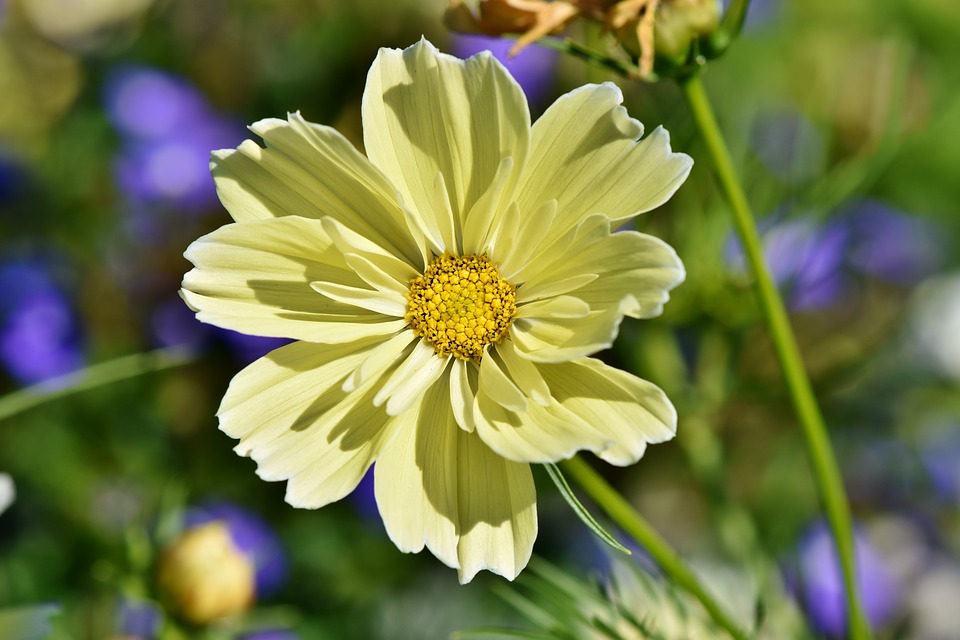
Cosmos are also seasonal flowers. These require a good amount of sunlight and water as Marigold. These come in orange, yellow, white and purple color. Can be easily grown from seeds with very little care.

Cosmos

Periwinkle

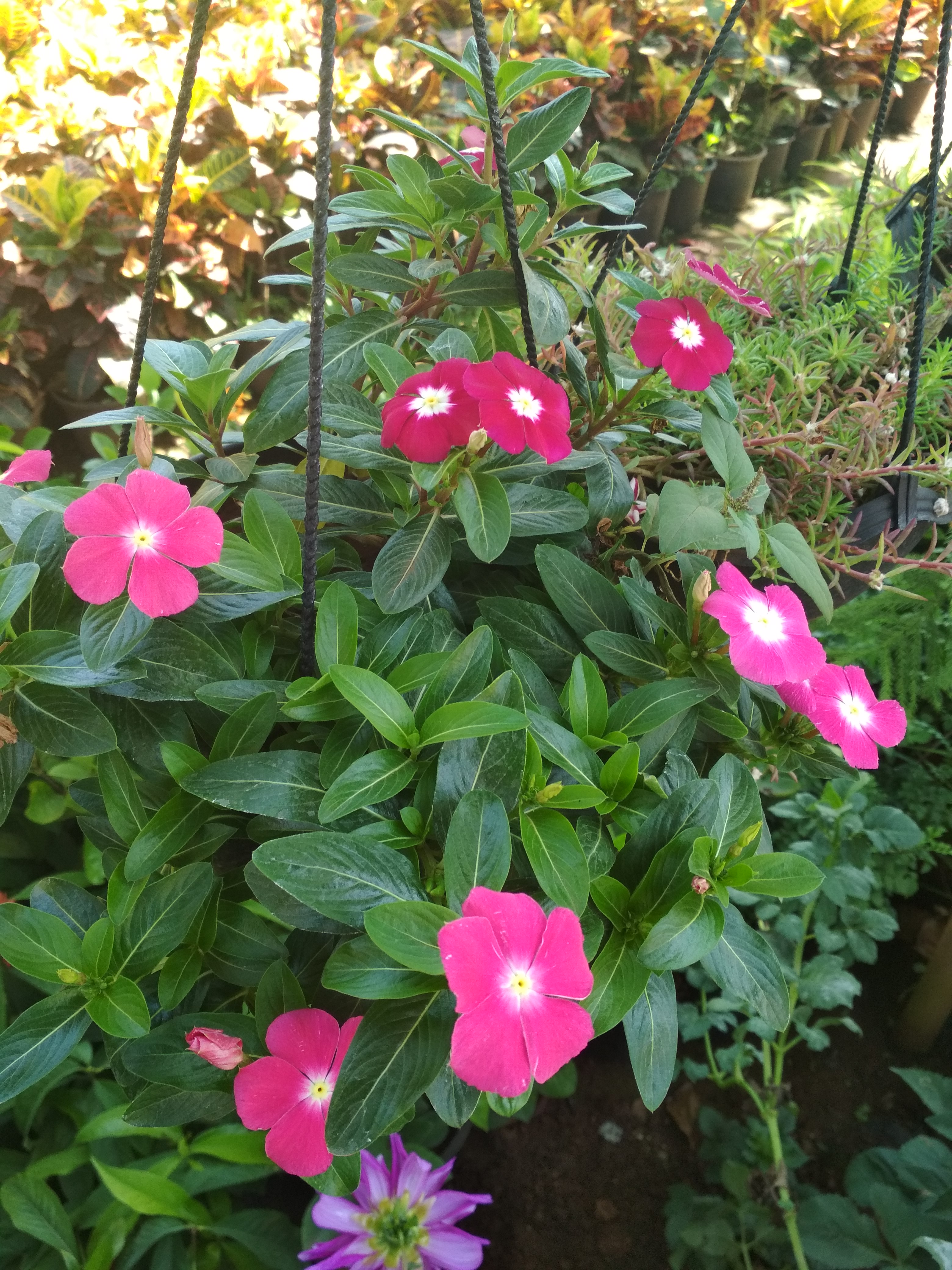
Periwinkle are small plants only grown in summers. These are propagated through their seeds. It requires full sunlight and little amount of water. Come in varieties of colors white and pinkish purple being the common one.

Periwinkle

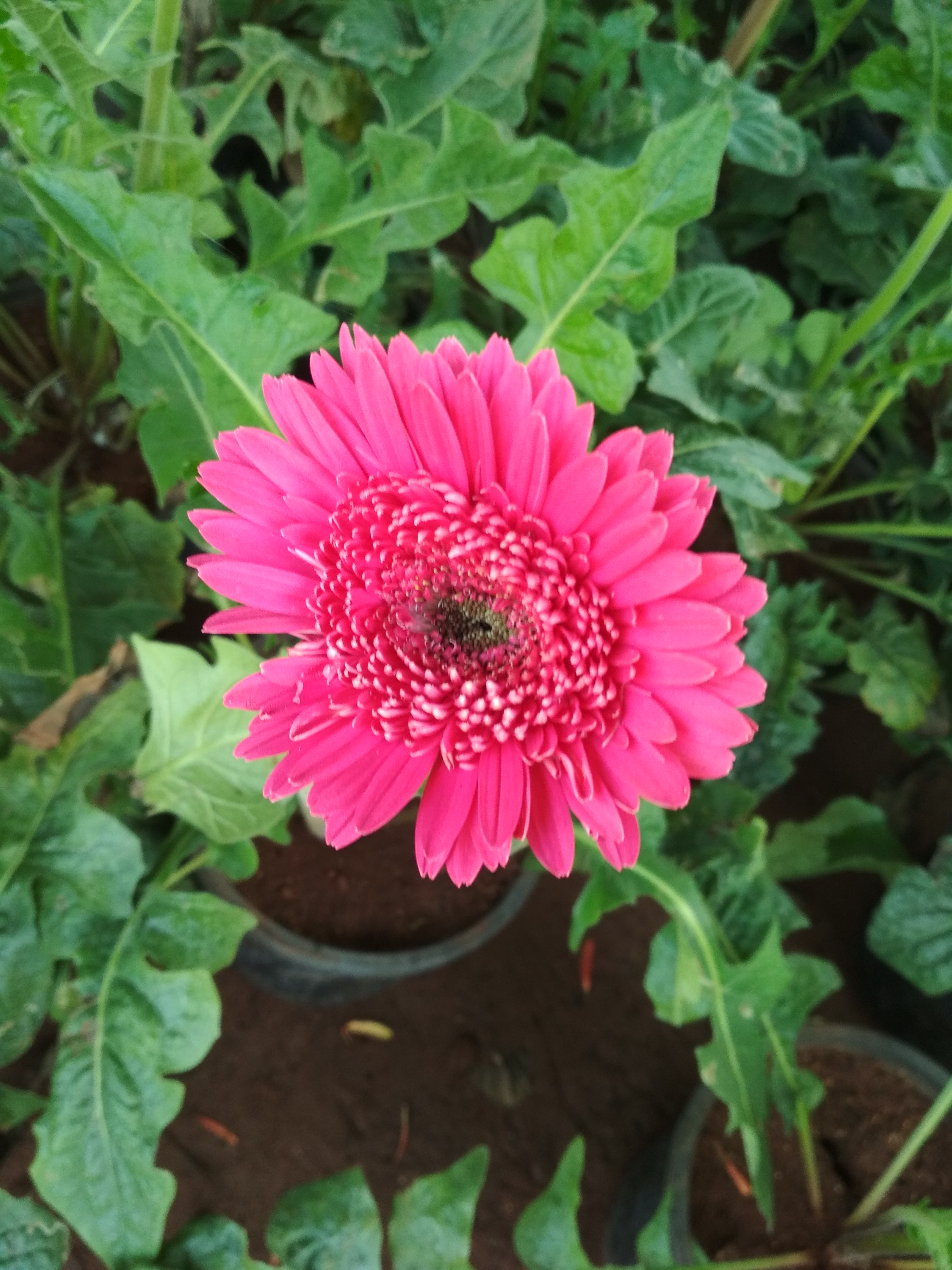
Gerbera 

Gerbera flowers are wildly used for decorative purpose. You must have also seen it in your nearest florist shop. Gerbera flowers have yellow, orange, white, pink or red colors. These plants require proper care. Avoid direct sunlight.

Gerbera

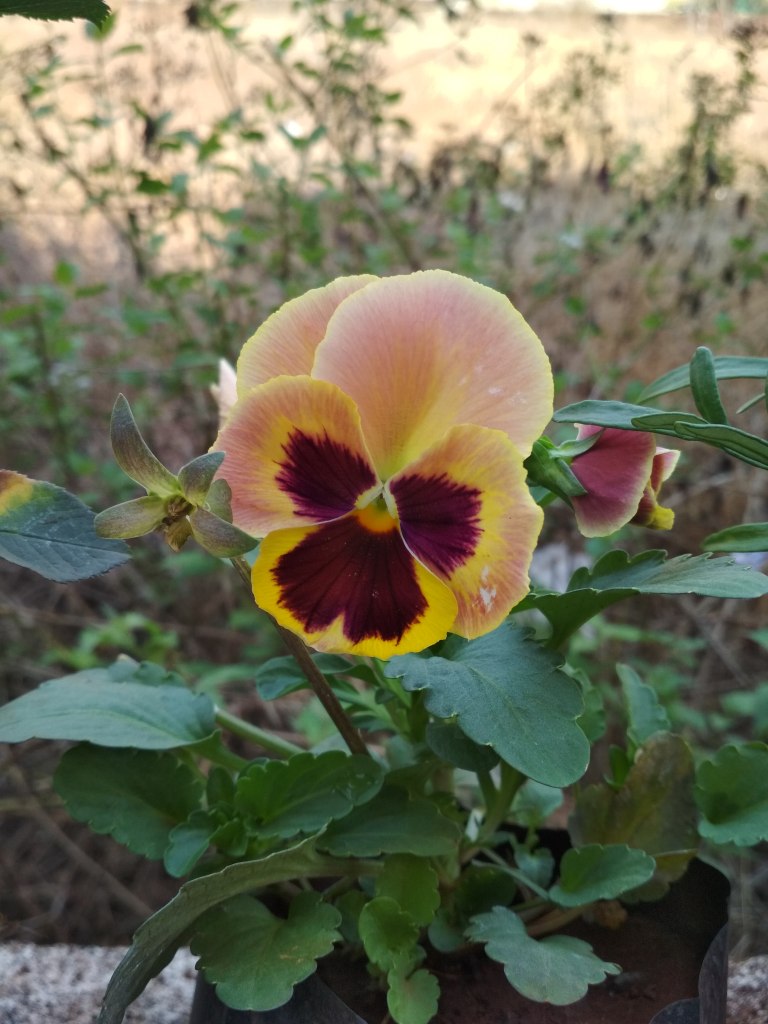
Pansy

Pansies are butterfly-shaped flowers come in varieties of colors. These are very small shrubs grow in winter as well as in summer. These plants require very little care.

Pansy

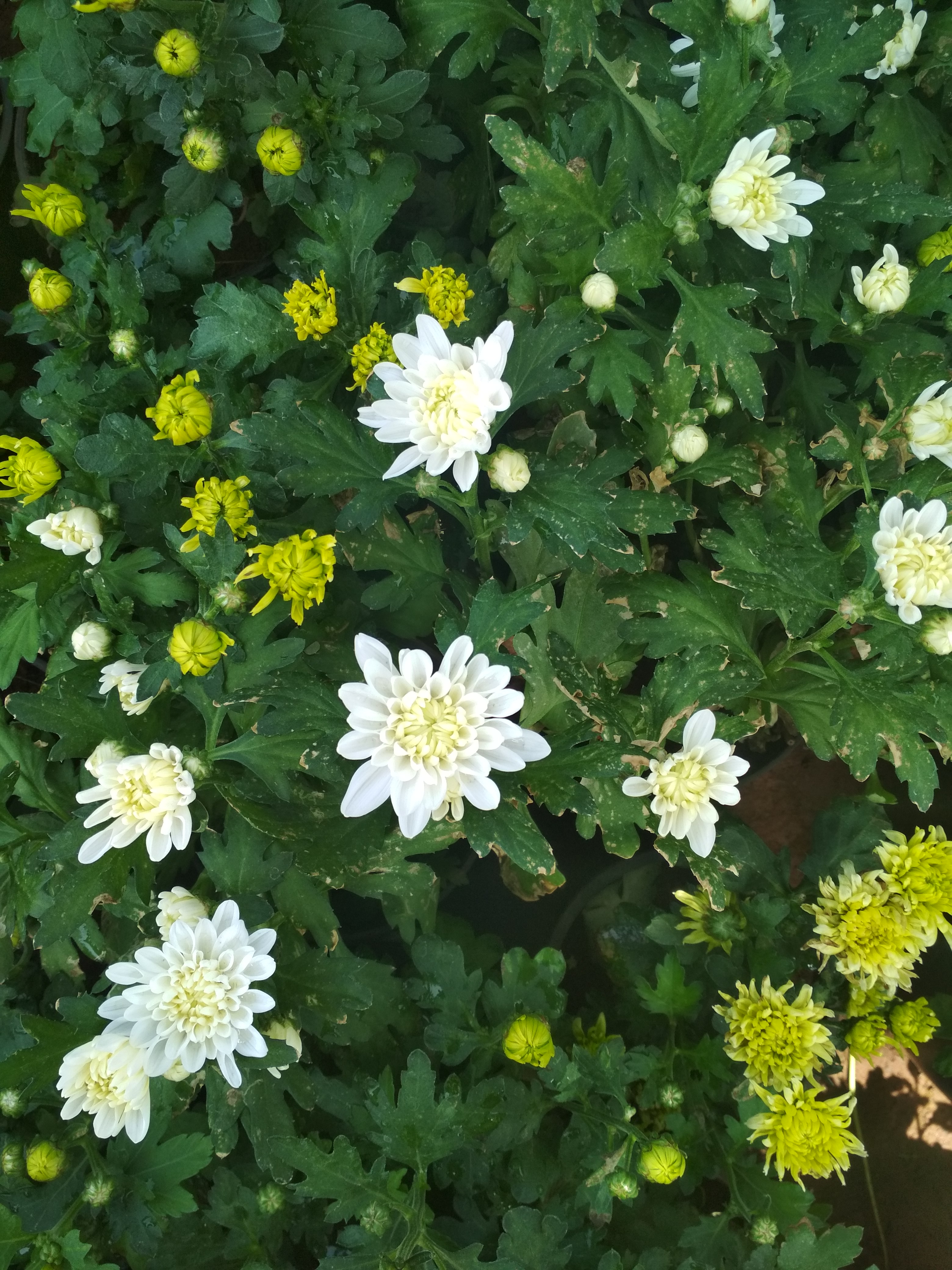
Chrysanthemum

Chrysanthemum can be grown in all seasons. It comes in various color, yellow and white being the common color. The white Chrysanthemum also has a medicinal value and is used in many ayurvedic medicines.

Chrysanthemum

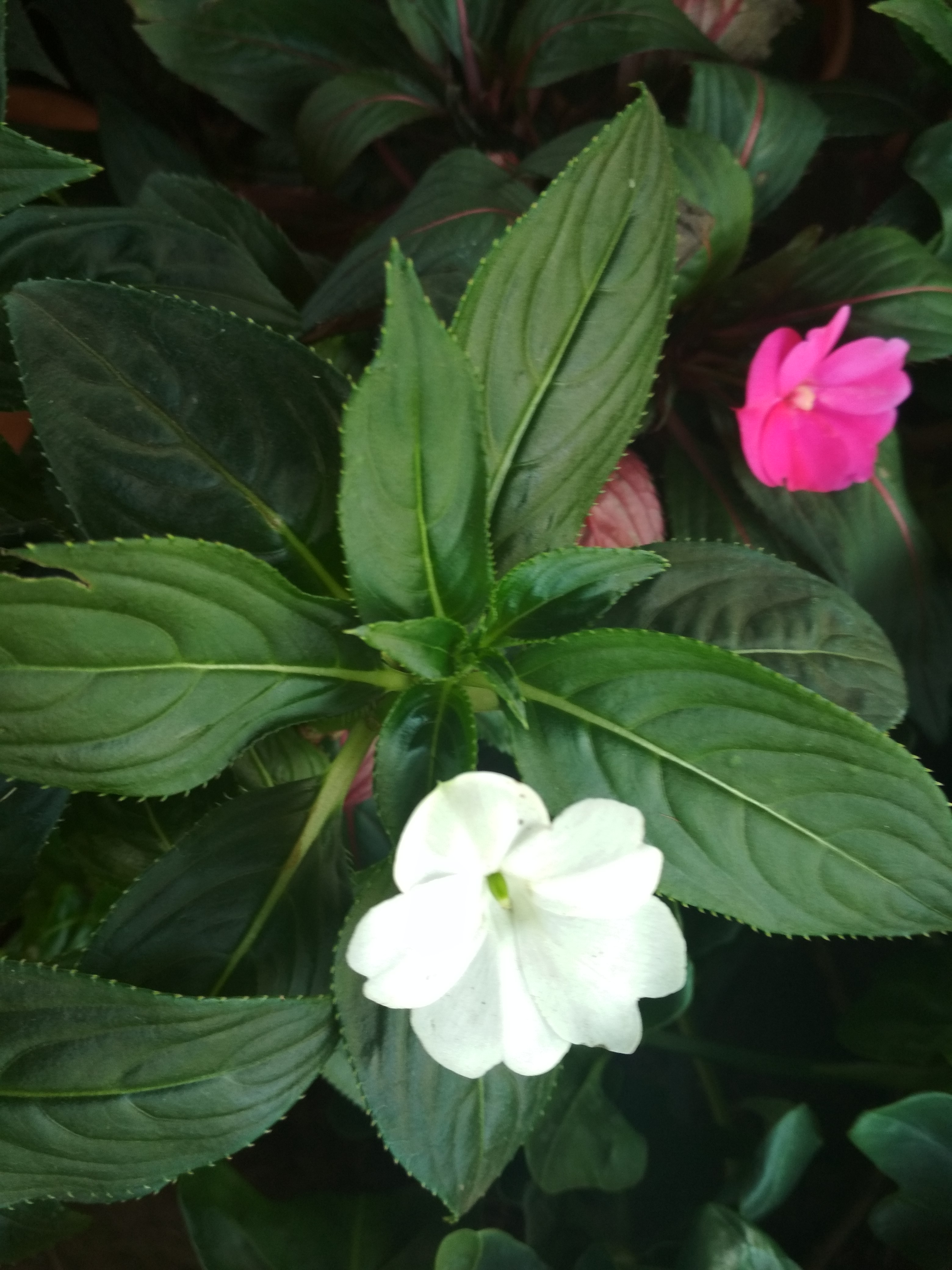
Balsam

Balsam is a very small shrub with a watery stem. The flower has a red, pink, white, and purple color. These can be grown from seeds. Its seeds are similar to mustard seeds and are easily available in the market.

Balsam