Low-Maintenance Plants for a Busy Lifestyle: The Perfect Green Companions!

Introduction

Gardening can be a therapeutic and rewarding hobby, but for those with a busy lifestyle, maintaining a lush garden or even a few houseplants can seem like a daunting task. Thankfully, there are plenty of low-maintenance plants that are ideal for people who love greenery but have little time to tend to it. Whether you want to add some life to your home or office, or you’re looking to green up your outdoor space, these plants require minimal care and are perfect for the busiest of individuals.

1. Snake Plant (Sansevieria trifasciata)

Why it’s perfect for a busy lifestyle: The snake plant, also known as mother-in-law’s tongue, is one of the toughest houseplants around. With its ability to thrive in low light and minimal need for watering, this plant is both low-maintenance and resilient. Snake plants are also excellent at purifying the air, making them perfect for both homes and offices.

Care Tips:

Light: Prefers indirect sunlight but can tolerate low light.

Water: Water your plant every two to six weeks, and make sure the soil dries out completely between waterings.

Soil: Well-draining potting mix is ideal.

2. ZZ Plant (Zamioculcas zamiifolia)

Why it’s perfect for a busy lifestyle: The ZZ plant is another nearly indestructible houseplant. It’s known for its ability to thrive in low light and survive on minimal water. The waxy, dark green leaves unquestionably add a touch of elegance to any room.

Care Tips:

Light: Can survive in low to bright indirect light.

Water: Water the ZZ plant when the top of the soil is dry. Overwatering can cause root rot.

Soil: Use a well-draining potting mix.

3. Succulents and Cacti

Why they’re perfect for a busy lifestyle: Succulents and cacti are the ultimate low-maintenance plants. They store water in their leaves and stems, allowing them to go for extended periods without watering. With their diverse shapes, sizes, and colors, they can be a beautiful addition to any space.

Care Tips:

Light: Need plenty of bright, direct sunlight.

Water: Water every 2-4 weeks, depending on the environment. Ensure that the soil is completely dry before watering it again.

Soil: A cactus or succulent mix is ideal, ensuring good drainage.

4. Pothos (Epipremnum aureum)

Why it’s perfect for a busy lifestyle: Pothos, also known as devil’s ivy, is a versatile plant that can grow in both water and soil. It’s very forgiving and can survive in a range of lighting conditions. This trailing plant is perfect for hanging baskets or shelves and is known for its air-purifying properties. “It is also considered a lucky plant.

Care Tips:

Light: Tolerates low to medium light but thrives in bright, indirect sunlight.

Water: Water pothos when the top inch of soil is dry.

Soil: Standard potting soil works well for pothos.

5. Spider Plant (Chlorophytum comosum)

Why it’s perfect for a busy lifestyle: Spider plants are resilient and adaptable, making them great for beginners or busy individuals. They can tolerate neglect and still produce vibrant green and white striped leaves. They are also excellent at removing indoor pollutants.

Care Tips:

Light: Thrives in bright, indirect light but can also survive in lower light levels.

Water: Water moderately, keeping the soil lightly moist. Reduce watering in winter.

Soil: Any well-draining potting mix.


Similar Posts:


6. Peace Lily (Spathiphyllum)

Why it’s perfect for a busy lifestyle: Peace lilies are known for their striking white flowers and ability to thrive in low light. They are low-maintenance and only need to be watered when their leaves begin to droop. The peace lily is also believed to bring prosperity.

Care Tips:

Light: Prefers low to medium indirect light.

Water: Water Peace Lily when the top inch of the soil is dry. They’re sensitive to chlorine, so use filtered water if possible.

Soil: A well-draining potting mix is best.

7. Aloe Vera

Why it’s perfect for a busy lifestyle: Aloe vera is not only a low-maintenance plant but also a functional one. Its gel can be used for various skin ailments, making it a great plant to have around the house. Aloe vera thrives on neglect, needing very little water and care. It can survive without water and soil for many days. This plant is also considered to be lucky.

Care Tips:

Light: Prefers bright, indirect sunlight.

Water: Water every 3-4 weeks, allowing the soil to dry out completely between waterings.

Soil: Use a cactus or succulent mix for best drainage.

8. Cast Iron Plant (Aspidistra elatior)

Why it’s perfect for a busy lifestyle: As its name suggests, the cast iron plant is nearly indestructible. Its resilience allows it to thrive in low light, withstanding irregular watering and fluctuating temperatures. This plant is perfect for those who often forget to water or have less-than-ideal conditions.

Care Tips:

Light: Castor Iron Plant can thrive in low to bright indirect light.

Water: Water this plant when the top inch of soil is dry.

Soil: Well-draining potting soil is ideal.

9. Rubber Plant (Ficus elastica)

Why it’s perfect for a busy lifestyle: The rubber plant is a hardy indoor plant that can grow quite large with minimal care. It’s known for its glossy leaves and ability to purify the air.

Care Tips:

Light: Rubber Plant prefers bright, indirect sunlight but can also survive in lower light.

Water: Water Rubber Plant when the top few inches of soil are dry.

Soil: A well-draining potting mix is recommended.

10. Chinese Evergreen (Aglaonema)

Why it’s perfect for a busy lifestyle: Chinese evergreens are among the easiest houseplants to grow, tolerating low light and requiring little water. They come in a variety of colors and patterns, adding beauty to any indoor space.

Care Tips:

Light: Thrives in low to medium light.

Water: Water Aglaonema when the top inch of soil is dry.

Soil: Use a well-draining potting mix.

Conclusion

Maintaining greenery in your living or working space doesn’t have to be time-consuming. With these low-maintenance plants, you can enjoy the benefits of having plants around, such as cleaner air and a more pleasant environment, without the need for constant care. Choose any of these hardy plants to suit your style and space, and enjoy the beauty and tranquility they bring to your busy life.

By selecting the right plants and following simple care instructions, even the busiest individuals can enjoy a vibrant and thriving garden or indoor plant collection.

Happy Gardening!

Choosing the Best Sod for Sun and Shade: Your Ultimate Lawn Care Guide!

Introduction

Creating a lush, green lawn is a goal for many homeowners, but choosing the right type of sod can make all the difference, especially when dealing with varying sun and shade conditions. Different sod types thrive under different light conditions, and selecting the most suitable variety for your lawn will ensure its health, beauty, and durability. In this article, we’ll explore the types of sod that are best for both sunny and shady areas, and offer tips on how to make the best choice for your lawn.

Understanding Sod and Its Requirements

Sod is a layer of established grass and soil held together by its roots or a piece of thin material. It’s an effective way to establish a lawn quickly, but it requires choosing the right type based on your yard’s conditions. Before selecting sod, it’s essential to assess how much sunlight different parts of your lawn receive.

Full Sun: Areas that receive 6 to 8 hours of direct sunlight daily.

Partial Shade: Areas that receive 3 to 6 hours of direct sunlight or filtered sunlight.

Full Shade: Areas that get less than 3 hours of direct sunlight.

Knowing your lawn’s sun and shade patterns helps in selecting the right sod that will thrive in those specific conditions.

Best Sod Types for Full Sun

Bermuda Grass

Bermuda grass is a warm-season grass that thrives in full sun and is known for its heat tolerance and drought resistance. It’s an excellent choice for areas with long, hot summers. Bermuda grass forms a dense, durable lawn, making it ideal for high-traffic areas. However, it does not perform well in shaded areas.

Zoysia Grass

Zoysia grass is another warm-season grass that loves the sun. It’s hardy, dense, and can tolerate some shade, although it thrives best in full sun. Zoysia is drought-resistant and recovers well from wear, making it a popular choice for lawns that receive plenty of sunlight. Its dense growth pattern helps prevent weeds, but it can be slow to establish.

St. Augustine Grass

St. Augustine grass is a warm-season grass that prefers full sun but can tolerate some shade better than Bermuda. It’s popular in coastal areas due to its salt tolerance. St. Augustine forms a thick, lush lawn and is relatively easy to maintain. However, it requires more water than other warm-season grasses and isn’t ideal for colder climates.

Best Sod Types for Partial Shade

Zoysia Grass (Varieties for Shade)

While Zoysia grass prefers full sun, certain varieties like ‘Emerald’ and ‘Zeon’ are more shade-tolerant. These types of Zoysia can thrive in partial shade, making them versatile for lawns with mixed sun and shade conditions.

St. Augustine Grass (Shade-Tolerant Varieties)

Varieties such as ‘Palmetto’ and ‘Seville’ are known for their ability to handle partial shade better than standard St. Augustine grass. These varieties are less tolerant of full shade but are suitable for areas that receive some sunlight throughout the day.

Fescue Grass

Fescue grass is a cool-season grass that does well in partial shade, particularly in cooler climates. It is often used in areas with both sun and shade. Fescue has a deep root system that makes it drought-resistant once established, and it remains green year-round in mild climates.


Similar Posts:


Best Sod Types for Full Shade

Fine Fescue

Fine fescue is a cool-season grass that is the most shade-tolerant among turfgrasses. It grows well under trees and in areas that receive little direct sunlight. Fine fescue includes varieties like creeping red fescue, chewings fescue, and hard fescue. It’s an excellent choice for lawns that have dense shade or receive dappled sunlight.

St. Augustine Grass (‘Seville’ Variety)

While no grass thrives in complete shade, the ‘Seville’ variety of St. Augustine grass performs well in very shady conditions compared to other types. It’s often used in areas with low light due to its shade tolerance.

Zoysia Grass (‘Zeon’ Variety)

For those looking for a warm-season grass that can handle substantial shade, ‘Zeon’ Zoysia is an option. It has a high shade tolerance and performs better in low-light conditions than many other warm-season grasses.

Tips for Choosing the Right Sod

Evaluate Your Lawn’s Conditions

Before selecting sod, take a day to observe how much sunlight different parts of your lawn receive. Note areas of full sun, partial shade, and full shade to determine which type of sod will work best.

Consider Climate

Choose a sod that suits your regional climate. Warm-season grasses like Bermuda, St. Augustine, and Zoysia are great for hot, sunny climates, while cool-season grasses like Fescue are ideal for cooler, shaded areas.

Test Your Soil

Testing your soil can provide insight into its pH and nutrient levels, helping you choose a sod type that will thrive. Most grasses prefer a neutral to slightly acidic pH, but some, like Centipede grass, prefer more acidic soils.

Think About Lawn Usage

If your lawn will have heavy foot traffic, choose a sod type that is durable and quick to recover, like Bermuda or Zoysia. For lower-traffic areas, a more shade-tolerant sod like Fescue or St. Augustine may be appropriate.

Plan for Maintenance

Some sod types require more maintenance than others. For example, Bermuda grass needs regular mowing and dethatching, while Fescue requires overseeding in the fall. Consider your willingness and ability to maintain your lawn before choosing a sod type.

Conclusion

Selecting the right sod for your lawn’s sun and shade conditions is crucial for achieving a healthy and vibrant lawn. By understanding the light requirements of different sod types and matching them to your lawn’s conditions, you can create a beautiful, low-maintenance lawn that thrives year-round. Whether your lawn is mostly sunny, mostly shaded, or a mix of both, there’s a perfect sod option out there waiting for you.

Happy Gardening!

The Use of Coco Peat in Gardening: A Comprehensive Guide!

Introduction

Coco peat, also known as coir pith or coir dust, is a natural byproduct of coconut husk processing. It is gaining immense popularity among gardeners and horticulturists due to its sustainability, versatility, and effectiveness as a growing medium. In this article, we will explore the benefits of using coco peat in gardening, how it enhances plant growth, and why it is an excellent choice for both home gardeners and commercial growers.

What Is Coco Peat?

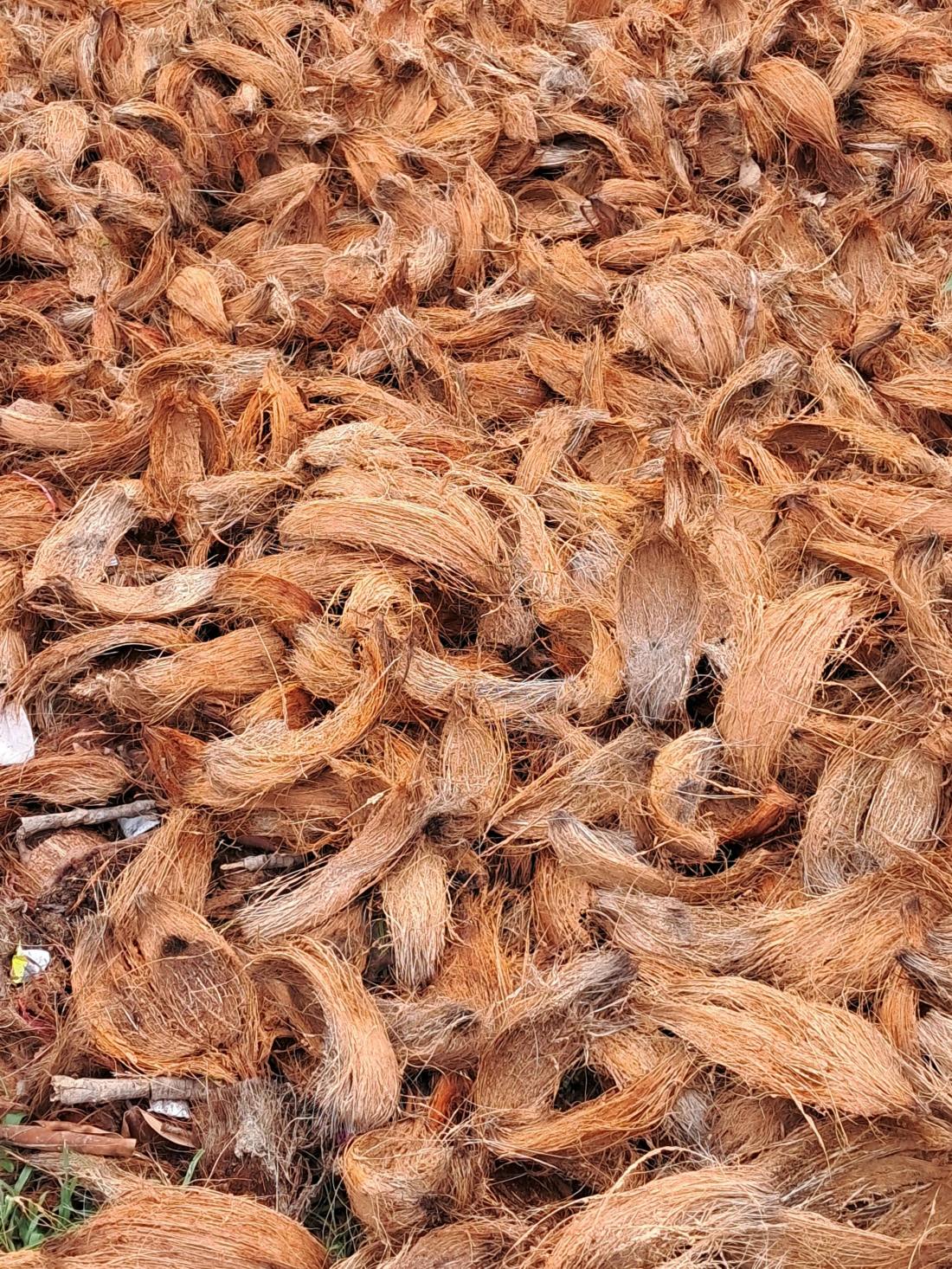
Coco peat is derived from the fibrous husk of coconuts. After the long fibers are extracted for products like ropes and mats, the remaining material is processed to produce coco peat. It is a spongy, brown substance that has excellent water-retention properties, making it ideal for gardening. Available in various forms, such as bricks, blocks, and loose bags, coco peat is easy to use and store.

Why Use Coco Peat?

Coco peat has several advantages over traditional soil and other growing mediums. Its natural, eco-friendly properties make it an attractive option for gardeners looking to improve soil quality, enhance plant growth, and reduce their environmental footprint.

Benefits of Coco Peat in Gardening

Water Retention and Moisture Control

Coco peat can absorb up to 10 times its weight in water, making it an excellent medium for water retention. This characteristic helps maintain consistent moisture levels in the soil, preventing plants from drying out too quickly. It is especially useful for plants that require a steady water supply or in regions with dry climates.

Aeration and Root Development

Coco peat provides superior aeration to the roots of plants. Its porous structure allows for good airflow, which prevents soil compaction and promotes healthy root development. Proper aeration is essential for plants to absorb oxygen and nutrients, leading to stronger growth and higher yields.

Sustainable and Eco-Friendly

One of the biggest benefits of coco peat is its sustainability. It is a renewable resource, as coconuts are harvested multiple times a year. Unlike peat moss, which is harvested from non-renewable peat bogs, coco peat is an eco-friendly alternative that doesn’t deplete natural habitats. Using coco peat supports sustainable gardening practices and reduces your environmental impact.

Neutral pH Level

Coco peat has a near-neutral pH level, typically ranging between 5.5 and 6.5. This makes it suitable for a wide range of plants, as it doesn’t alter the pH of the soil significantly. It helps create an optimal growing environment without the need for chemical soil amendments.

Nutrient-Rich Amendments

While coco peat itself is low in nutrients, it acts as an excellent medium for mixing with fertilizers and organic matter. It enhances the nutrient-holding capacity of the soil, allowing plants to receive a steady supply of nutrients over time. This slow-release nature reduces the need for frequent fertilization, making it an efficient and cost-effective solution.

Improves Soil Structure

Coco peat is a natural soil conditioner. When mixed with garden soil, it improves the texture and structure, making the soil more friable and easier to work with. It loosens heavy clay soils and helps sandy soils retain water and nutrients, providing an ideal balance for plant growth.

Eco-Friendly Pest Control

Coco peat has natural antifungal properties, which can help protect plants from root diseases and fungal infections. Additionally, it doesn’t attract pests like some organic materials, reducing the need for chemical pest control in your garden.

Reusable and Long-Lasting

Coco peat can be reused multiple times before it begins to break down. After a growing season, it can be rehydrated and mixed with fresh materials for continued use. This longevity makes it a cost-effective option for gardeners who want to maximize the lifespan of their growing medium.


Similar Posts:


How to Use Coco Peat in Gardening

1. Hydrate the Coco Peat

Coco peat is typically sold in a compressed form, such as bricks or blocks. Before using it, you’ll need to hydrate it by soaking the block in water. A small brick of coco peat can expand up to several times its original size when soaked, creating a light and fluffy medium that’s easy to work with.

2. Mix with Soil or Compost

Coco peat can be used on its own or mixed with garden soil, compost, or other organic materials. For potting mixes, a common ratio is 50% coco peat and 50% compost or garden soil. This mixture provides the perfect balance of water retention, aeration, and nutrients for healthy plant growth.

3. Use as Mulch

Coco peat also works well as mulch. Spread a layer of coco peat on top of the soil around your plants to help retain moisture, regulate soil temperature, and suppress weeds. Unlike some other mulches, coco peat breaks down slowly and adds organic matter to the soil over time.

4. Seed Starting

Coco peat is an ideal medium for starting seeds. Its fine texture allows seeds to germinate easily, while its water-retaining properties ensure that seedlings receive adequate moisture during their early stages of growth. Once the seeds have sprouted, the coco peat can be transplanted directly into the soil without disrupting the delicate roots.

5. Hydroponics

Coco peat is widely used in hydroponic systems due to its excellent water-retention capacity and aeration properties. It can be combined with perlite or other inert materials to create a balanced growing medium for hydroponic plants. Since it doesn’t decompose quickly, coco peat provides a stable environment for plants in hydroponic systems.

Tips for Using Coco Peat Effectively

Monitor Watering Needs

While coco peat retains water exceptionally well, it’s important to monitor the moisture levels in your garden or pots. Overwatering can still lead to root rot, especially in plants that prefer drier conditions. Ensure that the soil is draining properly, and adjust your watering schedule accordingly.

Add Fertilizer

Since coco peat itself is low in nutrients, be sure to supplement it with organic fertilizers or compost. Regularly feed your plants with a balanced fertilizer to ensure they receive the nutrients they need for optimal growth.

Reuse Wisely

Coco peat can be reused, but after each growing season, it’s a good idea to refresh the medium by mixing it with new compost or organic matter. This will ensure that your plants continue to receive adequate nutrition and support.

Conclusion

Coco peat is an incredibly versatile and sustainable growing medium that offers numerous benefits to gardeners. From its excellent water-retention properties to its eco-friendly nature, coco peat can enhance the health and productivity of your garden. Whether you’re starting seeds, growing vegetables, or improving your garden soil, coco peat is a reliable and effective choice that helps create a thriving, low-maintenance garden. By incorporating coco peat into your gardening routine, you’ll not only promote plant growth but also contribute to a more sustainable and eco-conscious approach to gardening.

Happy Gardening!

Cow Dung Fertilizer: A Traditional and Highly Beneficial Organic Option!

cow dung fertilizer0

Introduction

Cow dung has long been a staple fertilizer in rural areas, prized for its availability and organic nature. Cow dung is rich in nutrients and has a 3-2-1 NPK ratio, making it suitable for almost all types of plants. It’s also environmentally friendly because it produces very few greenhouse gases. As a natural resource, cow dung is often used to enrich the soil and promote plant growth. Its dried form, known as cow dung cakes, offers several advantages that make it safer and more effective for gardening.

What is a Cow Dung Cake and How is It Made?

Cow dung is simply the waste material excreted by cows. When fresh, it contains high levels of nitrogen, which can generate excessive heat and potentially harm plants. However, when the dung is dried, it loses some of its nitrogen content, making it safer to use as a fertilizer. This dried form, known as cow dung cake, is created by simply spreading fresh cow dung in the sun until it dries completely. Once dried, it can be used as a nutrient-rich fertilizer for your garden.

Benefits of Using Cow Dung Cakes

Using cow dung cakes as fertilizer comes with several benefits that can greatly enhance your gardening experience:

  • Organic and Environmentally Friendly

Cow dung is a completely organic fertilizer, making it an environmentally friendly choice for gardening and farming. Unlike synthetic fertilizers, which can introduce harmful chemicals into the soil and water supply, cow dung enriches the soil naturally without any negative environmental impact. Using cow dung as a fertilizer helps maintain the ecological balance, promotes soil health, and supports sustainable agricultural practices. It’s a great way to nourish your plants while being kind to the planet.

  • Reduced Nitrogen Content

One of the primary advantages of cow dung fertilizer is its reduced nitrogen content. Fresh cow dung contains high nitrogen levels, which can cause root burn if applied directly. The drying process of cow dung cakes lowers this nitrogen content, making it safer and less likely to damage your plants. The main goal of creating cow dung compost is to reduce the heat generated by nitrogen, and dried cow dung cakes achieve this effectively.

  • Improved Absorption

Cow dung cakes have a better absorption rate when applied to the roots of plants. The nutrients from the cake mix with water, allowing them to be more easily absorbed by the plant roots. When applied correctly, cow dung cakes can provide nutrients more effectively than fresh cow dung.

  • Slow Release of Nutrients

Another significant benefit of cow dung cakes is their slow-release nature. As the nutrients in the cake gradually break down in the soil, they provide a consistent supply of nourishment to the plants over time. This steady release helps ensure that the plants receive the nutrients they need for sustained growth.

  • Enhanced Foliar Growth

Cow dung cakes are rich in nitrogen, which is essential for promoting healthy foliar growth. Nitrogen is a key nutrient responsible for the development of leaves, making cow dung fertilizer particularly beneficial for leafy plants.

  • Trace Elements

In addition to nitrogen, cow dung contains a variety of trace elements that are essential for plant health. These microelements help prevent leaf problems, promote better overall growth, and contribute to larger, healthier fruits, flowers, and vegetables. Without these trace elements, plants may struggle to thrive.


Similar Posts:


Tips for Using Cow Dung Cakes

To get the most out of cow dung cakes, it’s important to apply them correctly and in the right amounts. Proper usage can maximize the benefits while minimizing any potential side effects.

  • Using Cow Dung Cakes for Potted Plants

For potted plants, start by crushing the cow dung cakes into a fine powder. The ideal amount is 4 tablespoons for a 10-inch pot, adjusting the dosage based on the size of the pot. Once you’ve measured the appropriate amount, mix the powder thoroughly with the soil. You can apply this cow dung powder every two weeks during the winter months. However, it’s best to avoid using it during hot summers, as the heat can intensify the effects. After applying the powder, water the plant frequently to help the nutrients absorb into the soil. The best time to apply cow dung is in the cool evening.

  • Making Cow Dung Liquid Fertilizer

Another effective way to use cow dung cakes is to create a liquid fertilizer. This method is even safer, as it allows for better absorption and reduces the risk of nitrogen-related heat damage. To make liquid fertilizer, simply soak the cow dung cakes in a liter of water for at least 1-2 nights. Once the cakes have settled in the water, the liquid is ready to use. Dilute this liquid with 8 parts of water, and apply 100ml of the diluted mixture to a 5-inch pot, doubling the dose for larger pots. The best time to apply this liquid fertilizer is in the evening or early morning. It’s safe to use throughout the year, providing consistent nourishment for your plants.

  • Making Panchagavya

Panchagavya, also known as Panchakavyam, is a traditional mixture used in Hindu rituals and Ayurvedic medicine. It’s also widely used in gardening. It is made from five cow-derived products: cow dung, cow urine, milk, curd, and ghee12. These ingredients are mixed and allowed to ferment.

Here’s a recipe for making panchagavya, a mixture that’s used for farming:

Mix 7 kg of cow dung and 1 kg of cow ghee in a wide-mouthed container. Stir in the morning and evening for three days. Mix 10 liters of cow urine and 10 liters of water in a separate container. Stir in the morning and evening for 15 days. After 15 days, mix in 3 liters of cow milk, 2 liters of cow curd, 3 liters of tender coconut water, and 3 kg of jaggery. Add all the ingredients to a wide-mouthed container, like a mud pot, concrete tank, or plastic can. Keep the container open in the shade and stir twice a day.

You can use panchagavya as a liquid fertilizer or foliar spray:

Liquid fertilizer: Dilute panchagavya with 30 parts water. Apply this fertilizer once in a week.

Foliar spray: Filter the liquid with a cotton cloth and spray on plants weekly.

Can Cow Dung Cakes Be Used for All Plants?

Cow dung cakes can be used on a wide variety of plants, including flowering plants, fruiting trees, seasonal vegetables, leafy houseplants, cacti, and succulents. However, it’s crucial to follow the correct dosage and application methods to avoid any adverse effects.

Preventive Measures When Using Cow Dung

While cow dung is a valuable fertilizer, there are a few precautions to keep in mind:

Avoid Using on Seedlings: Never apply cow dung to seedlings that are less than a month old, as they are too delicate to handle the nutrients.

Avoid in Hot Summers: Do not use cow dung during hot summers or on sunny days. The best time to apply is during cool evenings.

Monitor Usage: Overuse of cow dung fertilizer can lead to leaf burn, so it’s essential to use it sparingly.

Remove Weeds: Sometimes cow dung contains seeds of grass or other weeds. Keep a watch, and if weeds start to grow, remove them immediately; otherwise, they will absorb all the nutrients from the soil.

For the safest and most effective results, consider decomposing cow dung cakes into compost before using them. This composted form can be applied to any plant at any time without the risk of damage.

Cow dung cakes offer a traditional, organic way to enrich your garden, providing essential nutrients while being safe and easy to use.

Conclusion

Cow dung is a powerful and versatile natural fertilizer that has been used for centuries. Its many benefits, such as being low in nitrogen, improving nutrient absorption, promoting steady growth, encouraging foliar development, and providing essential trace elements, make it an excellent choice for healthy plant growth. Furthermore, as an organic and eco-friendly option, cow dung helps support sustainable gardening practices while enriching the soil without harmful chemicals. By using cow dung cakes or compost correctly, you can boost the health and productivity of your plants, making your garden flourish naturally.

Happy Gardening!

12 Vegetables to Grow During the Rainy Season!

Introduction

The rainy season brings life to gardens, making it an ideal time to cultivate a variety of vegetables. With the right selection, you can take full advantage of the consistent moisture and mild temperatures. Here’s a guide to 12 vegetables that thrive in rainy conditions, helping you make the most of your rainy season garden.

1. Spinach (Spinacia oleracea)

Spinach is a leafy green that thrives in cooler, moist conditions. The consistent rainfall of the rainy season provides the perfect environment for spinach to grow lush and tender. Spinach can be harvested multiple times, making it a versatile choice for a continuous harvest throughout the season. Make sure the soil is well-drained to prevent waterlogging and root rot.

2. Kale (Brassica oleracea var. sabellica)

Kale is another leafy green that performs well in the rainy season. It is rich in vitamins and can be used in a variety of dishes. Kale requires moderate watering, which is naturally provided by the rain, and the cooler temperatures help reduce pest infestations. Plant kale in well-drained soil with good organic matter to enhance growth.

3. Okra (Abelmoschus esculentus)

Okra, also known as ladyfinger, is a hardy vegetable that flourishes in warm, wet climates. It grows quickly and can be harvested multiple times during the rainy season. Okra prefers well-drained soil and benefits from the humid environment that rain provides. Regular harvesting promotes further growth, so keep picking the pods when they are young and tender.

4. Eggplant (Solanum melongena)

Eggplant, or brinjal, is well-suited for the rainy season. This vegetable thrives in warm temperatures and benefits from the increased moisture levels in the soil. Eggplants should be planted in well-drained soil to avoid waterlogging. The rain helps in keeping the soil consistently moist, which is crucial for the development of healthy fruit.

5. Cucumber (Cucumis sativus)

Cucumbers are fast-growing vines that do exceptionally well during the rainy season. The frequent rain helps keep the soil consistently moist, which cucumbers need to grow crisp and flavorful fruits. Ensure the vines have plenty of space to spread out and consider using a trellis to support their growth, preventing the fruits from rotting on wet ground.

6. Bitter Gourd (Momordica charantia)

Bitter gourd, also known as bitter melon, is another vine vegetable that loves the rainy season. The warm, moist conditions promote vigorous growth and fruit production. Plant bitter gourd in well-drained soil and provide a trellis or support structure for the vines. Regular pruning and harvesting help to maximize yield.


Similar Posts:


7. Beans (Phaseolus vulgaris)

Beans, particularly varieties like green beans and bush beans, are excellent choices for the rainy season. They are easy to grow and have a quick turnaround time from planting to harvest. Beans fix nitrogen in the soil, which helps improve soil fertility for subsequent crops. Ensure they are planted in soil that drains well to prevent root rot.

8. Zucchini (Cucurbita pepo)

Zucchini is a summer squash that thrives in warm, wet conditions. The plant produces abundantly in the rainy season and benefits from the consistent moisture. Zucchini plants are prolific, and regular harvesting encourages more fruit to set. Plant zucchini in rich, well-drained soil and ensure adequate spacing to prevent fungal diseases.

9. Radish (Raphanus sativus)

Radishes are fast-growing root vegetables that are perfect for the rainy season. They mature quickly, often within 3-4 weeks, making them an ideal crop for continuous planting. Radishes prefer cooler temperatures and moist soil, both of which are provided by the rainy season. Make sure the soil is loose and well-drained to allow the roots to develop properly.

10. Lettuce (Lactuca sativa)

Lettuce is a cool-season crop that does well in the mild, wet conditions of the rainy season. There are many varieties of lettuce, from loose-leaf to head lettuce, all of which can be harvested in succession. Lettuce prefers well-drained, fertile soil and needs consistent moisture to develop crisp leaves. Too much water, however, can lead to rot, so ensure adequate drainage.

11. Turnip (Brassica rapa subsp. rapa)

Turnips are root vegetables that thrive in the cooler temperatures and moist soil conditions of the rainy season. Both the roots and leaves are edible, offering a versatile harvest. Turnips require well-drained soil and consistent moisture to develop sweet, tender roots. Avoid waterlogged conditions by planting in raised beds or well-drained soil.

12. Carrots (Daucus carota subsp. sativus)

Carrots are a popular root vegetable that grows well in the rainy season due to the cool, moist conditions. Carrots prefer loose, sandy soil that is well-drained to allow the roots to expand freely. Regular watering, naturally provided by rain, helps in developing sweet, crisp carrots. Thin the seedlings to prevent overcrowding and ensure proper root development.

Tips for Growing Vegetables in the Rainy Season

To ensure a successful harvest during the rainy season, consider these tips:

Soil Preparation: Make sure your soil has good drainage to avoid waterlogging.. Raised beds or adding organic matter can help improve drainage and soil structure.

Pest Management: Increased humidity can lead to a rise in pests. Regularly inspect plants for signs of pests and use organic pesticides when necessary.

Plant Spacing: Adequate spacing between plants ensures good air circulation, reducing the risk of fungal infections and other diseases.

Support Structures: Use trellises or supports for vine vegetables to keep them off the wet ground and prevent rotting.

Conclusion

By selecting the right vegetables and following proper gardening practices, you can enjoy a bountiful harvest throughout the rainy season. These vegetables not only thrive in wet conditions but also provide a variety of flavors and nutrients to your diet.

Happy gardening!

How to Hydrate Your Vandas and Rhynchostylis: Tips for Thriving Orchids!

Introduction

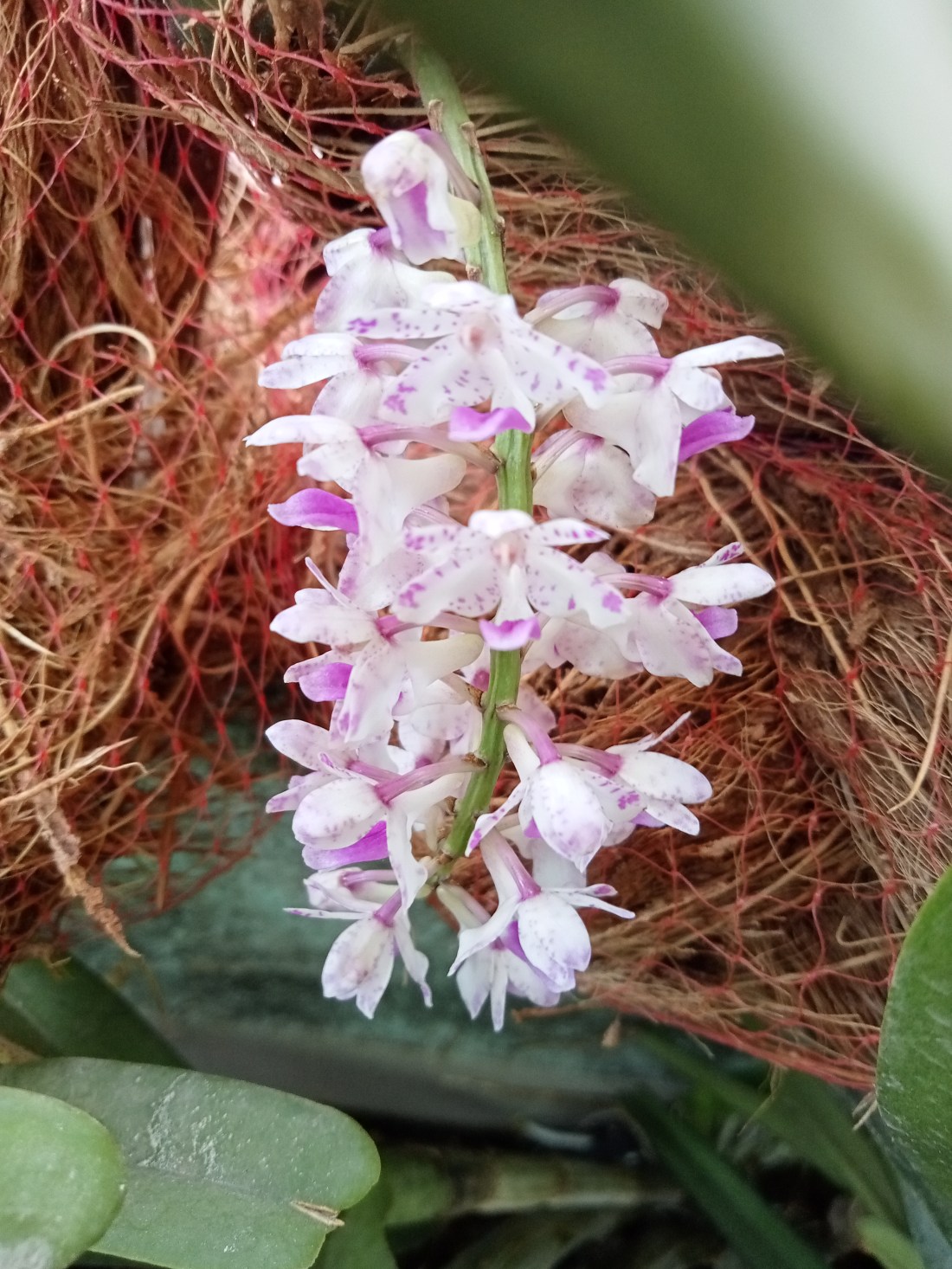
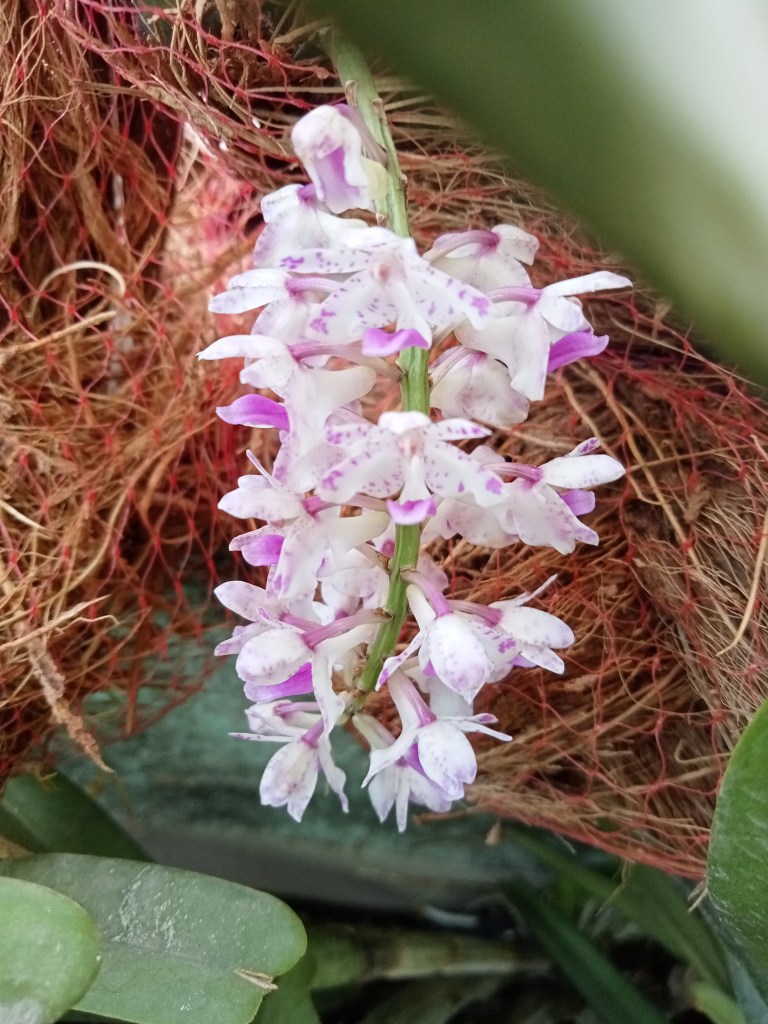
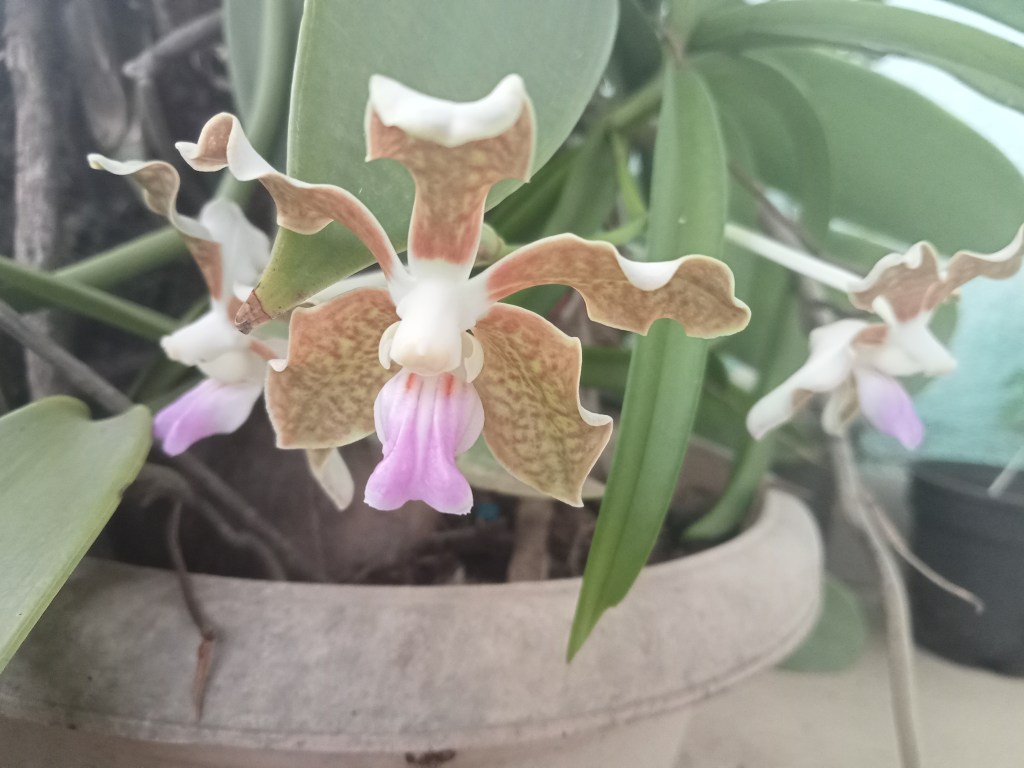
Vandas and Rhynchostylis are two stunning orchid genera that, when properly cared for, can be the showstoppers of any plant collection. One of the key aspects of their care is maintaining proper hydration. These epiphytic orchids thrive in high humidity and require specific watering techniques to stay healthy and vibrant. This guide will cover everything you need to know about hydrating your Vandas and Rhynchostylis to ensure they flourish.

Understanding Vandas and Rhynchostylis

Vandas and Rhynchostylis orchids are known for their striking flowers and robust growth habits. They typically grow in medium light and require frequent watering, especially when in bloom. Unlike many other orchids, they can be grown in open baskets without any potting medium, relying on frequent watering and high humidity to meet their hydration needs.

Essential Hydration Tips

1. Watering Frequency

For Vandas and Rhynchostylis, it’s crucial to maintain a consistent watering schedule. Since these orchids are often grown without any potting medium, their roots are exposed and can dry out quickly. Here’s how to manage their watering needs effectively:

Daily Watering: During the warmer months or active growth periods, water your orchids daily. This frequent watering ensures the roots remain hydrated without becoming waterlogged.

Increased Watering During Blooming: When your orchids are in bloom, they require slightly more moisture. Ensure the roots and leaves are kept slightly more moist than usual to support the flowers’ development and longevity.

2. Humidity Maintenance

Maintaining adequate humidity is vital for the health of Vandas and Rhynchostylis. These orchids thrive in environments with high humidity levels, which helps prevent their exposed roots from drying out too quickly.

Ideal Humidity Levels: Aim for 80% humidity for most of the year. During winter and early spring, you can reduce humidity slightly to 70-75%.

Humidity Trays: Place your orchids on a tray filled with gravel and partially filled with water. As the water evaporates, the humidity around the plants increases.

3. Light and Placement

Light is another critical factor for the health of your orchids. Vandas and Rhynchostylis need medium light to thrive but should be protected from direct sunlight, which can scorch their leaves.

Indirect Sunlight: Hang your orchids in an area where they receive bright, indirect light. An east or west-facing window is ideal, or you can place them under a shade cloth outdoors.

Air Circulation: Ensure there is good air circulation around your plants. This helps prevent fungal infections and keeps the roots healthy.


Similar Posts


4. Watering Techniques

Proper watering techniques can make a significant difference in the health of your orchids. Here are some simple steps to keep your orchids moist:

Soaking Method: When watering, ensure that water thoroughly soaks the roots. You can submerge the entire root system in water for a few minutes and then let it drain completely.

Spraying Method: Use a spray bottle to mist the roots and leaves daily. This method is particularly effective for orchids grown in open baskets or mounted on slabs.

Avoid Standing Water: Ensure that the roots dry quickly after watering to prevent rot. Orchids should not sit in standing water for extended periods.

5. Fertilization

Regular fertilization supports healthy growth and blooming. Use a balanced orchid fertilizer to provide the necessary nutrients.

Year-Round Fertilization: Fertilize your Vandas and Rhynchostylis year-round. During the active growth period, use a higher nitrogen fertilizer. Switch to a balanced or bloom-boosting fertilizer when the plants are in bloom.

Diluted Solutions: Always use diluted fertilizer solutions to avoid burning the roots. A weak weekly solution or a more concentrated monthly application works well.

Simple Self Tips for Orchid Care

To summarize, here are some simple self-care tips to keep your Vandas and Rhynchostylis healthy and blooming:

Daily Watering: Ensure daily watering, especially in the absence of a potting medium. This keeps the roots hydrated and healthy.

Indirect Sunlight:Hang your orchids in an area with indirect sunlight to prevent leaf burn and promote healthy growth.

Humidity Control: Maintain high humidity levels around your plants. Use humidity trays or place them above water containers to provide the necessary moisture.

Proper Air Circulation: Good air circulation is crucial to prevent fungal diseases and support overall plant health.

Regular Fertilization: Fertilize consistently to provide the nutrients needed for robust growth and beautiful blooms.

Conclusion

Hydrating your Vandas and Rhynchostylis properly is essential for their health and vitality. By maintaining a consistent watering schedule, ensuring high humidity levels, providing adequate light, and using proper fertilization techniques, you can enjoy these stunning orchids’ lush growth and vibrant blooms. Remember to adapt your care routine based on the season and your specific growing conditions to keep your orchids thriving year-round. Happy growing!

Happy Gardening!

Creating a Thriving Understory Garden: 25 Plants That Flourish Under Trees!

Gardening

Introduction:

Gardening under trees can present unique challenges due to limited sunlight, competition for nutrients, and varying moisture levels. However, selecting the right plants can transform these shady spots into lush, vibrant gardens. Here are 25 plants that can thrive under trees, providing a variety of textures, colors, and growth habits to enhance your garden’s understory.

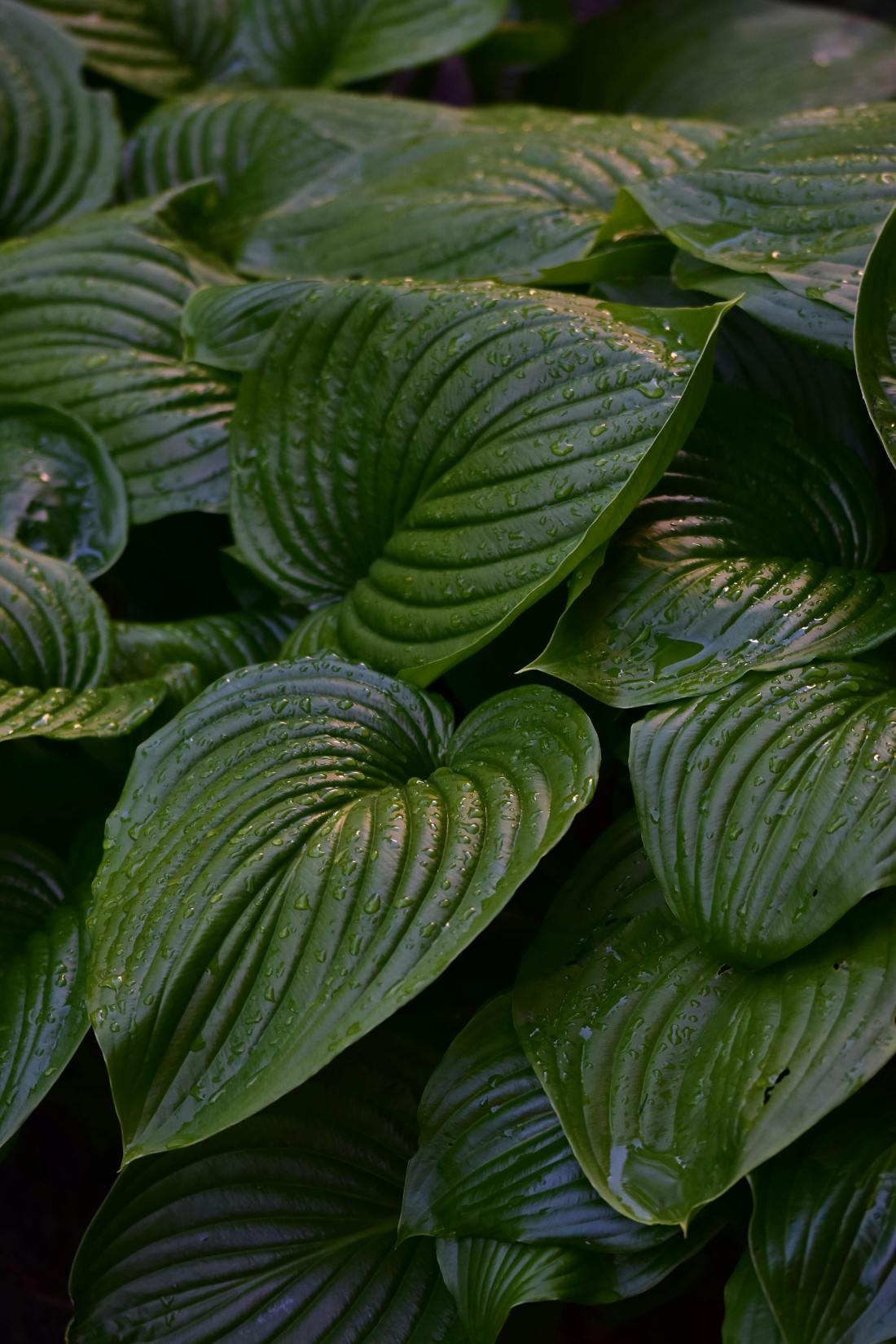
1. Hostas

Hostas are a staple for shaded gardens, known for their diverse foliage colors and sizes. They add a lush, tropical feel with their broad, variegated leaves and can thrive in deep to partial shade.

2. Ferns

Ferns offer a range of varieties suitable for different levels of shade. Their delicate, feathery fronds add a soft texture to the garden. Popular varieties include Maidenhair Fern and Japanese Painted Fern.

3. Astilbe

Astilbes are prized for their feathery, plume-like flowers that come in shades of pink, red, and white. They thrive in partial to full shade and prefer consistently moist soil.

4. Lily of the Valley

Lily of the Valley is a low-growing plant with fragrant, bell-shaped white flowers. It spreads easily, forming a dense ground cover in shaded areas.

5. Heuchera (Coral Bells)

Heucheras, or Coral Bells, are known for their vibrant, colorful foliage ranging from deep purples to bright greens. They tolerate shade well and add year-round interest to the garden.

6. Brunnera

Brunnera, with its heart-shaped leaves and striking blue spring flowers, is a standout in shady gardens. It thrives in partial to full shade and requires moist, well-drained soil.

7. Epimedium

Epimediums are tough ground covers with delicate flowers that bloom in spring. Their heart-shaped leaves provide a dense, attractive cover for shaded areas.

8. Solomon’s Seal

Solomon’s Seal features arching stems with white, bell-shaped flowers that dangle beneath the foliage. It thrives in moist, shady spots and adds graceful movement to the garden.

9. Lamium (Dead Nettle)

Lamium is known for its silver-patterned leaves and small, colorful flowers. It’s an excellent ground cover for shady areas, adding both texture and color.

10. Wild Ginger

Wild Ginger offers heart-shaped leaves and inconspicuous flowers. It forms a dense ground cover in shaded areas, helping to suppress weeds and retain moisture.

11. Pachysandra

Pachysandra is a type of evergreen ground cover that grows well in deep shade. Its glossy leaves and small, white flowers make it a reliable choice for year-round coverage.

12. Tiarella (Foamflower)

Tiarellas are known for their attractive foliage and delicate spring flowers. They thrive in partial to full shade and add a soft, airy texture to the garden.

13. Pulmonaria (Lungwort)

Pulmonarias have speckled leaves and early spring flowers in shades of blue, pink, and white. They prefer shady, moist conditions and add a splash of color early in the season.

14. Trillium

Trilliums are native wildflowers with three-petaled blooms. They thrive in woodland settings, preferring moist, shaded areas with rich soil.

15. Bleeding Heart

Bleeding Hearts are known for their heart-shaped flowers that dangle from arching stems. They prefer moist, shady spots and add a romantic touch to the garden.

16. Bergenia

Bergenias have large, bold leaves and clusters of pink flowers. They are tough and adaptable, thriving in both shade and sun with minimal care.

17. Helleborus (Lenten Rose)

Hellebores are evergreen perennials that bloom in winter or early spring. Their nodding flowers come in various colors, providing winter interest in the garden.


Similar Posts:


18. Ajuga (Bugleweed)

Ajugas are low-growing plants with colorful foliage and spring flowers. They form dense mats that are excellent for ground cover in shaded areas.

19. Japanese Forest Grass (Hakonechloa)

Japanese Forest Grass has graceful, arching foliage that adds movement to the garden. It grows well in regions that are partially shaded and have moist, well-drained soil.

20. Sweet Woodruff

Sweet Woodruff is a ground cover with fragrant, star-shaped flowers. It thrives in shaded areas and adds a sweet, fresh scent to the garden.

21. Corydalis

Corydalis features delicate, fern-like foliage and tubular flowers. It prefers shady, moist conditions and adds a touch of elegance to the garden.

22. Anemone (Windflower)

Anemones have early spring blooms and delicate foliage. They thrive in partial shade and well-drained soil, adding early-season color to the garden.

23. Cyclamen

Cyclamens have variegated leaves and winter or spring flowers. They prefer shaded areas with well-drained soil and add interest during the cooler months.

24. Vinca minor (Periwinkle)

Vinca minor is an evergreen ground cover with blue flowers. It thrives in shade and forms dense mats, making it ideal for covering large areas.

25. Carex (Sedge)

Carex, or sedges, have grass-like foliage and come in many varieties suitable for shade. They add texture and movement to the garden, thriving in a range of conditions.

Conclusion

Creating a lush and diverse understory garden under trees is possible with the right selection of plants. These 25 plants offer a variety of textures, colors, and growth habits that thrive in shady conditions. By incorporating these plants into your garden, you can transform shady spots into beautiful, thriving spaces.

Happy Gardening!

Mastering Scale Bug Control: A Comprehensive Guide for Gardeners!

Introduction:

Scale bugs, with their small size and cryptic appearance, can wreak havoc on your garden plants if left unchecked. These pesky pests feed on plant sap, causing yellowing leaves, stunted growth, and overall decline in plant health. However, with the right strategies and diligent monitoring, you can effectively combat scale infestations and restore your garden to its former glory. In this comprehensive guide, we’ll explore everything you need to know about identifying, preventing, and eradicating scale bugs from your garden.

Identifying Scale Bugs

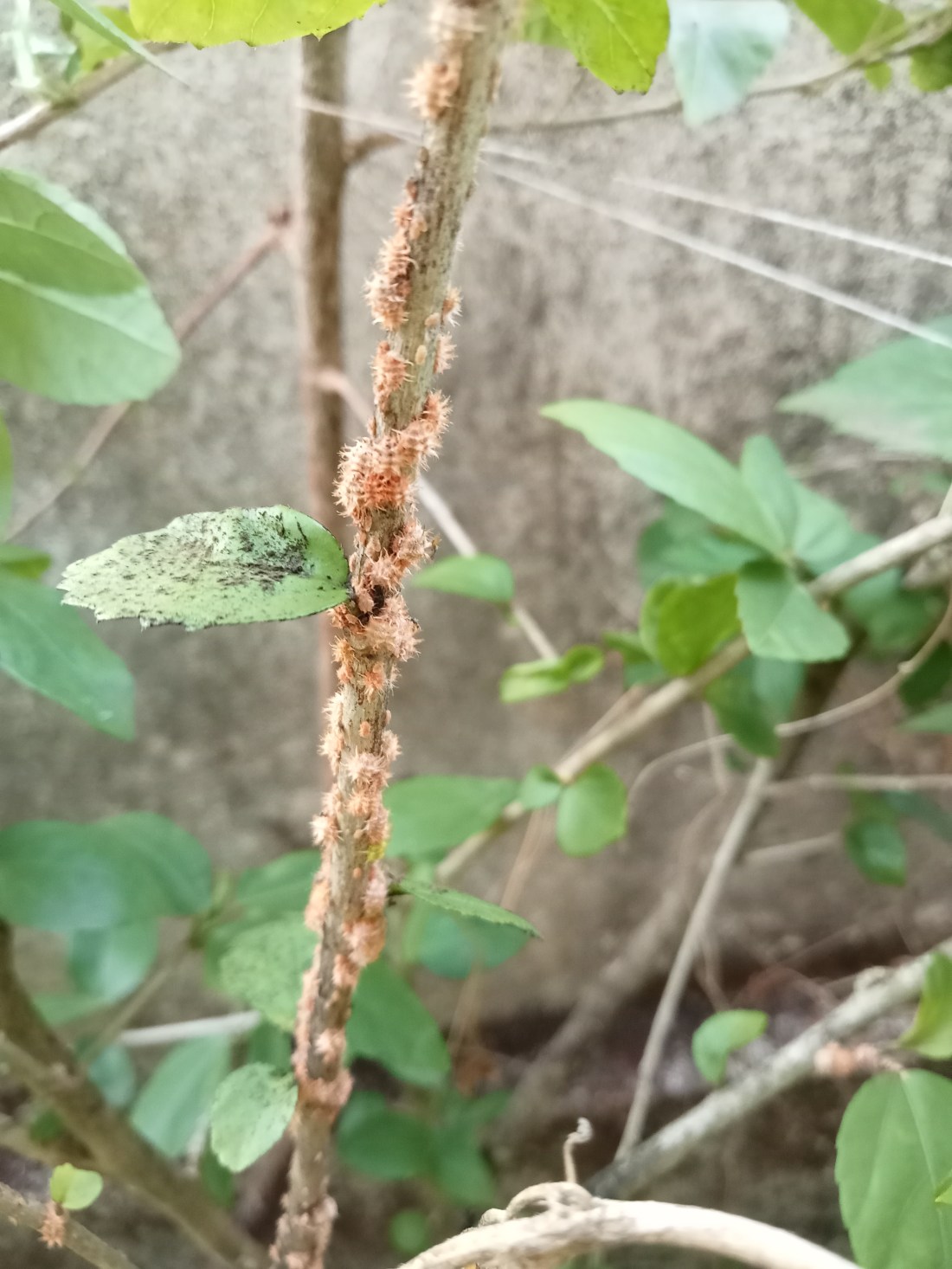
Before you can tackle a scale bug infestation, it’s essential to accurately identify these sneaky pests. Scale bugs are small, oval-shaped insects that attach themselves to plant stems and leaves. They often resemble tiny bumps or scales, hence their name. Scale bugs come in various colors, including white, brown, black, and even pink, depending on the species and life stage.

Signs of Scale Infestation

Keep a close eye on your garden plants for signs of scale infestation, including:

Sticky Residue: Scale insects secrete honeydew, a sugary substance that attracts ants and promotes sooty mold growth.

Yellowing Leaves: Plants infested with scale bugs may exhibit yellowing or wilting leaves, as the pests drain the plant’s sap and nutrients.

Stunted Growth: Severe scale infestations can cause stunted growth and overall decline in plant vigor.

Visible Insects: Look for clusters of scale bugs on the undersides of leaves, along stems, or in the crevices of plant joints.


Similar Posts:


Preventing Scale Infestations

Prevention is key when it comes to managing scale bugs in your garden. Here are some proactive measures you can take to minimize the risk of infestation:

Inspect New Plants: Before introducing new plants to your garden, thoroughly inspect them for signs of scale bugs or other pests. Quarantine new additions for a few weeks to monitor for any potential infestations.

Prune Infested Branches: Promptly prune and dispose of any plant branches or leaves infested with scale bugs to prevent the spread of the infestation to healthy plants.

Maintain Plant Health: Healthy, vigorously growing plants are less susceptible to scale infestations. Provide your plants with proper care, including adequate water, sunlight, and nutrients, to boost their natural defenses against pests.

Encourage Natural Predators: Introduce beneficial insects, such as ladybugs, lacewings, and parasitic wasps, to your garden to help control scale bug populations naturally.

Eradicating Scale Bugs

If you discover scale bugs in your garden, it’s essential to take swift action to prevent the infestation from spreading. Here are some effective methods for eradicating scale bugs:

Manual Removal: Use a soft brush or cloth dipped in rubbing alcohol to gently scrub scale bugs off plant surfaces. Be sure to target both adult insects and their eggs for thorough removal.

Horticultural Oils: Apply horticultural oils, such as neem oil or insecticidal soap, to affected plant parts to suffocate and kill scale bugs. For safe and effective application, it is important to carefully follow the instructions on the product label.

Systemic Insecticides: For severe infestations, consider using systemic insecticides that are absorbed by the plant and ingested by feeding scale bugs. Be sure to choose a product labeled for scale bug control and follow the manufacturer’s recommendations for application.

Monitoring and Maintenance

After treating your plants for scale bugs, continue to monitor them regularly for signs of reinfestation. Inspect plant surfaces for any lingering pests or new infestations, and take immediate action to address them. Additionally, maintain good garden hygiene by removing fallen leaves, weeds, and debris that can harbor scale bugs and other pests.

Conclusion:

By staying vigilant and implementing proactive pest management strategies, you can effectively control scale bugs and protect your garden plants from harm. Remember to regularly inspect your plants, practice good gardening practices, and take swift action at the first sign of infestation. With these tips and techniques, you’ll be well-equipped to keep your garden healthy, thriving, and free from scale bugs.

Happy Gardening!

Unveiling the Secrets of Successful Chilli Plant Cultivation: A Comprehensive Guide!

Introduction:

Chilli plants, with their vibrant colors and fiery flavors, are a staple in many gardens and kitchens around the world. Whether you’re a seasoned gardener or a novice enthusiast, growing chillies can be a rewarding and enjoyable experience. From selecting the right varieties to providing optimal growing conditions, there are several key factors to consider when cultivating these spicy delights. In this comprehensive guide, we’ll delve into everything you need to know to successfully grow and care for chilli plants in your garden.

Choosing the Right Chilli Varieties

Before diving into chilli cultivation, it’s essential to choose the right varieties suited to your preferences and growing conditions. With countless cultivars available, ranging from mild to super-hot, there’s a chilli variety to suit every taste and skill level. Consider factors such as heat level, size, color, and growth habit when selecting chilli seeds or seedlings for your garden.

Providing Optimal Growing Conditions

Chilli plants thrive in warm, sunny environments with well-draining soil and ample airflow. Here are some tips for providing optimal growing conditions for your chillies:

Sunlight: Ensure your chilli plants receive at least 6-8 hours of direct sunlight each day to promote robust growth and fruit production. Position them in a sunny spot in your garden or use grow lights for indoor cultivation.

Soil: Plant chillies in well-draining soil with a slightly acidic to neutral pH (pH 6.0-7.0). Incorporate organic matter such as compost or aged manure into the soil to improve fertility and moisture retention.

Watering: Chili plants require more water during hot and dry periods to prevent flower drop and promote chilli production. Water chili plants deeply and evenly, allowing the soil to dry out slightly between waterings to prevent root rot.

Temperature: Chilli plants thrive in warm temperatures between 70°F to 85°F (21°C to 29°C) during the day and above 50°F (10°C) at night. Protect them from frost and cold temperatures, as chillies are sensitive to cold damage.

Planting and Transplanting

When planting chilli seeds or seedlings, follow these guidelines for successful establishment:

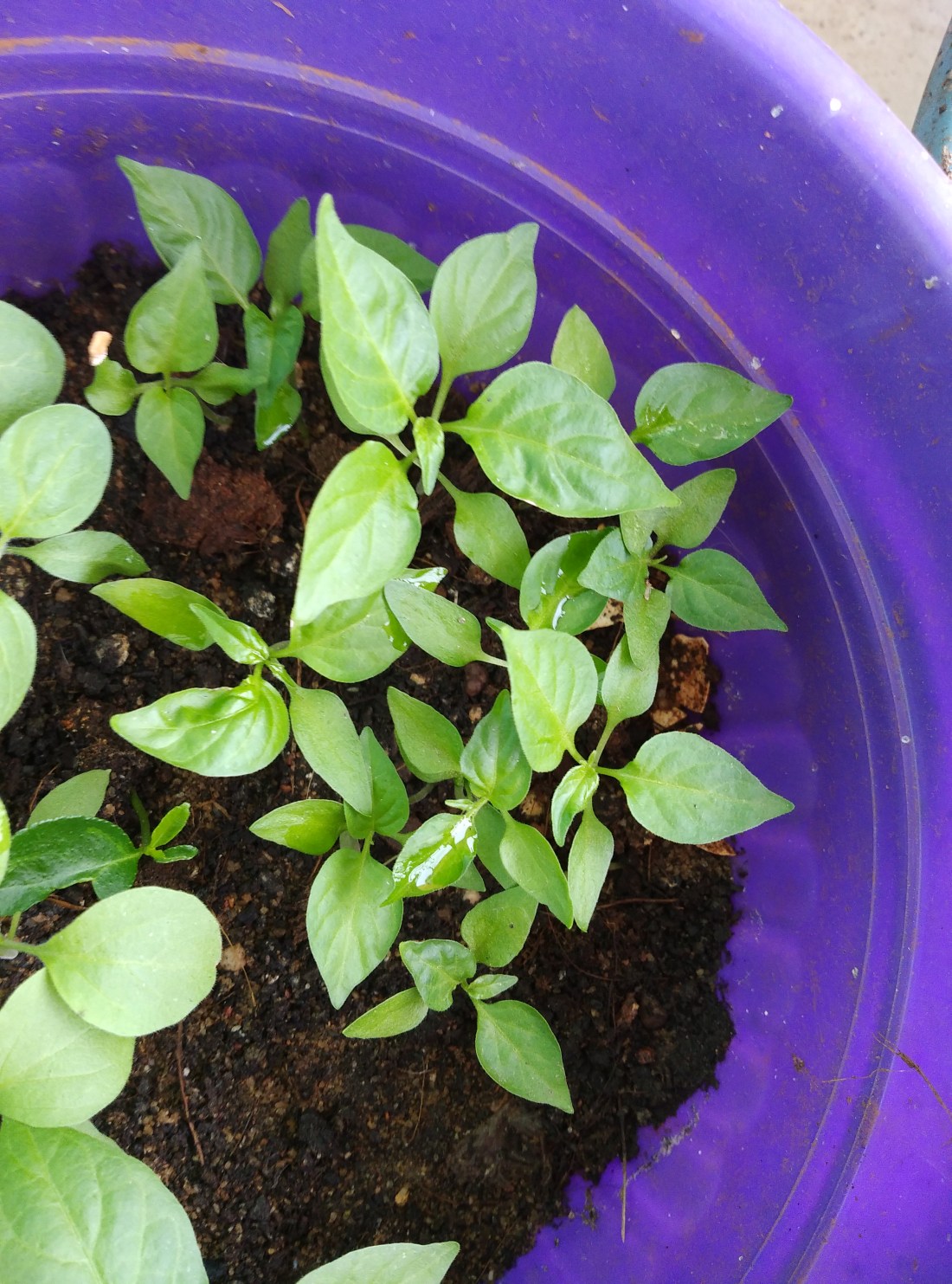
Seed Starting: Start chilli seeds indoors 6-8 weeks before the last frost date in your area. Sow seeds in seed trays or small pots filled with seed-starting mix, keeping them warm and moist until germination occurs.

Transplanting: Transplant chilli seedlings into larger containers or into the garden once they have developed 3-4 true leaves and the threat of frost has passed. Space plants 18-24 inches apart in rows or clusters to allow for adequate air circulation and sunlight penetration.


Similar Posts:


Fertilizing and Feeding

Chilli plants are heavy feeders and benefit from regular fertilization throughout the growing season. Here are some tips for feeding your chilli plants:

Organic Fertilizers: Use organic fertilizers such as compost, fish emulsion, or seaweed extract to provide a steady supply of nutrients to your chilli plants. Apply fertilizers according to package instructions, taking care not to over-fertilize, which can lead to salt buildup and nutrient imbalances.

Top-Dressing: Apply a layer of compost or well-aged manure around the base of chilli plants every 4-6 weeks to replenish soil nutrients and improve soil structure.

Foliar Feeding: Spray chilli plants with a dilute solution of liquid seaweed or fish emulsion every 2-4 weeks to provide a quick boost of nutrients and promote healthy growth.

Pest and Disease Management

Chilli plants are susceptible to a variety of pests and diseases, including aphids, thrips, whiteflies, and fungal infections. Here are some tips for managing common chilli plant pests and diseases:

Companion Planting: Plant insect-repellent herbs such as basil, mint, and marigolds near chilli plants to deter pests and attract beneficial insects that prey on garden pests.

Natural Predators: Introduce beneficial insects such as ladybugs, lacewings, and predatory mites to your garden to help control pest populations organically.

Cultural Practices: Practice good garden hygiene by removing weeds, fallen leaves, and debris that can harbor pests and diseases. Avoid overhead watering to minimize fungal infections, and prune overcrowded foliage to improve air circulation around plants.

Harvesting and Storage

Harvest chillies when they reach their mature size and color, typically 60-90 days after transplanting. Use clean, sharp scissors or pruning shears to snip chillies from the plant, taking care not to damage the stems or foliage. Store harvested chillies in a cool, dry place away from direct sunlight, or preserve them by drying, freezing, or pickling for long-term storage.

Conclusion:

With the right knowledge and care, growing chilli plants can be a rewarding and enjoyable experience for gardeners of all skill levels. By selecting the right varieties, providing optimal growing conditions, and implementing effective pest and disease management strategies, you can enjoy a bountiful harvest of spicy peppers to enhance your culinary creations. Follow the tips outlined in this guide, and embark on your journey to becoming a successful chilli gardener!

Happy Gardening!

Unveiling the Splendor: A Guide to Growing Summer Flower Bulbs!

Introduction:

Summer is a time of vibrant colors and blooming beauty, and what better way to adorn your garden than with a dazzling array of summer flower bulbs? From the elegant lilies to the cheerful dahlias, there’s a summer bulb for every garden style and preference. In this comprehensive guide, we’ll explore the fascinating world of summer flower bulbs and discover how to grow and care for these enchanting blooms in your garden.

Understanding Summer Flower Bulbs

Summer flower bulbs are underground storage structures that contain the embryonic plants and nutrients needed for growth. Unlike seeds, bulbs produce new shoots and roots from within themselves, giving them a head start on the growing season. Many popular summer flowers, such as Asiatic lilies, calla lilies, and dahlias, grow from bulbs and tubers.

Choosing the Right Bulbs

When selecting summer flower bulbs for your garden, consider factors such as bloom time, color, size, and growing conditions. Some popular types of summer flower bulbs to consider include:

Lilies: Known for their elegant, trumpet-shaped flowers and intoxicating fragrance, lilies are a classic addition to any summer garden. Choose from a variety of colors and sizes, including Asiatic, Oriental, and hybrid lilies.

Dahlias: With their showy, dinner-plate-sized blooms and vibrant colors, dahlias add drama and flair to summer gardens. From pompon to cactus varieties, there’s a dahlia to suit every taste and garden style.

Calla Lilies: Elegant and graceful, calla lilies are prized for their sculptural blooms and glossy, arrow-shaped foliage. Available in a range of colors, including white, pink, yellow, and purple, calla lilies add a touch of sophistication to summer gardens. Plant them in borders or containers for a stunning focal point that will dazzle throughout the season.

Cannas: Loved for their tropical foliage and bold, exotic flowers, cannas are a popular choice for summer gardens. Plant them in containers or along borders for a striking burst of color and texture.


Similar Posts:


Planting Summer Flower Bulbs

Plant summer flower bulbs in spring after the danger of frost has passed and the soil has warmed up. Follow these steps for successful bulb planting:

Choose a Location: Select a sunny spot with well-draining soil for planting summer flower bulbs. Avoid regions susceptible to waterlogging or inadequate drainage.

Prepare the Soil: Loosen the soil to a depth of 8-10 inches and incorporate organic matter such as compost or aged manure to improve soil structure and fertility. Add cocopeat to retain moisture in the soil.

Planting Depth: Follow the planting depth recommendations for each type of bulb, as planting depths can vary depending on the species. It is generally recommended to plant bulbs at a depth that is three times their diameter.

Spacing: Space bulbs according to the recommended spacing guidelines for each species, ensuring adequate room for growth and air circulation.

Watering: Water newly planted bulbs thoroughly to settle the soil and provide moisture for root establishment. Continue watering throughout the growing season for optimal growth and good blooms.

Caring for Summer Flower Bulbs

Once planted, summer flower bulbs require minimal maintenance to thrive. Here are some tips for caring for your summer bulb garden:

Mulching: Apply a layer of organic mulch such as shredded bark or straw around newly planted bulbs to conserve moisture, suppress weeds, and regulate soil temperature.

Fertilizing: Feed summer flower bulbs with a balanced fertilizer or bulb-specific fertilizer in spring as new growth emerges. Repeat applications every 4-6 weeks during the growing season to promote healthy foliage and abundant blooms.

Deadheading: Regularly removing spent flowers promotes continuous blooming and prevents seed pod formation. Deadheading also helps redirect energy back into bulb storage for the following year’s growth.

Staking: Stake tall or top-heavy varieties such as gladioli and dahlias to prevent them from flopping over in strong winds or heavy rain.

Conclusion:

With their stunning colors, diverse forms, and delightful fragrances, summer flower bulbs are a must-have addition to any garden. By selecting the right bulbs, providing optimal growing conditions, and practicing proper care and maintenance, you can enjoy a spectacular display of blooms all summer long. Follow the tips outlined in this guide, and let your garden come alive with the beauty of summer flower bulbs!

Happy Gardening!