Your Complete Handbook to Cultivating Daffodils!

Introduction

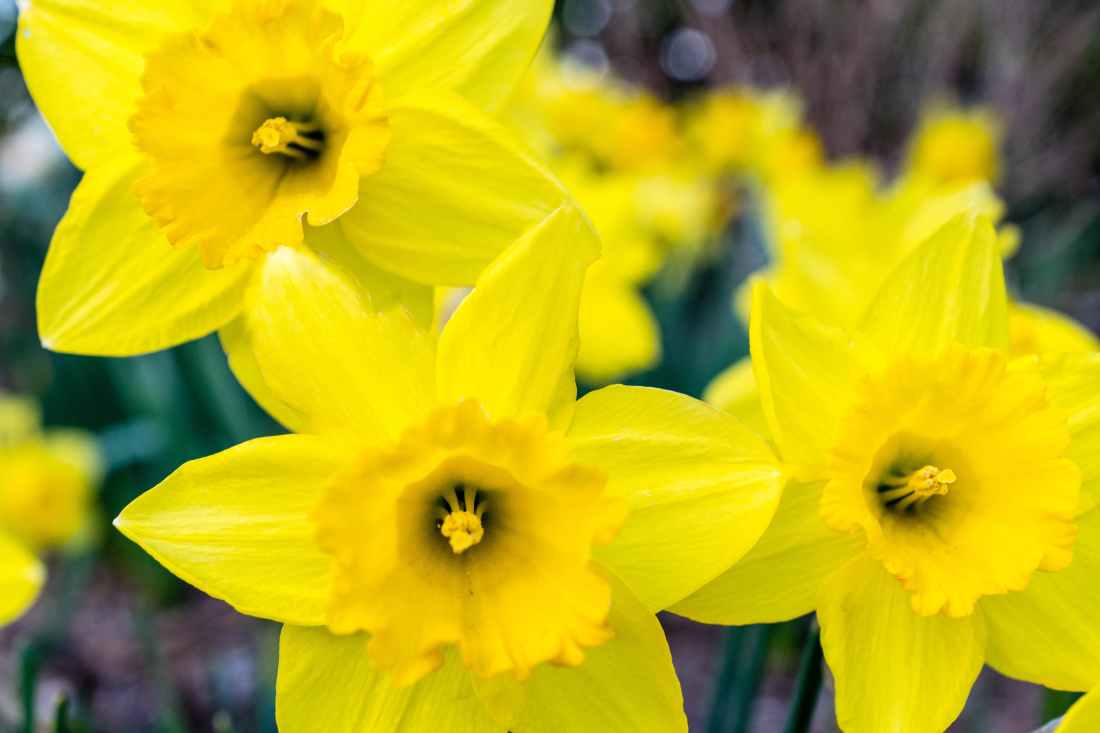
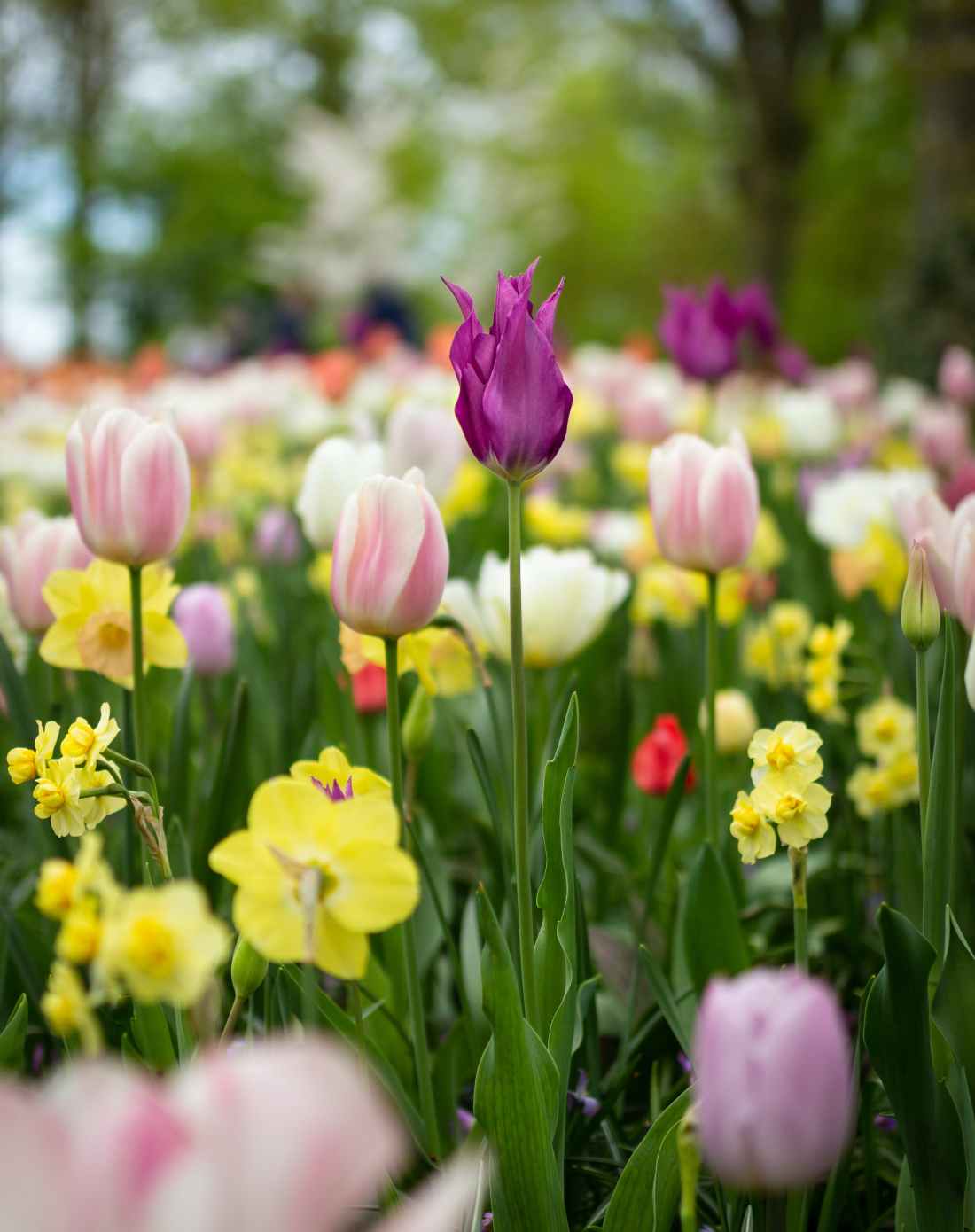
Daffodils, also referred to as Narcissus, are resilient flowering plants that grace gardens with their captivating blooms. These stunning flowers, primarily yellow but also available in white or blends, brighten up the spring landscape, offering a vibrant array of colors ranging from bright yellow to soft pinks and salmons. Their unique characteristics, delightful fragrance, and adaptability make them ideal for container gardening, balconies, and traditional garden beds.

Understanding Daffodils

Daffodils showcase six flower leaves, with sepals on the exterior and actual petals within. These blossoms can appear solitary or double, growing individually or in clusters on a stalk, varying in height from 6 to 20 inches. The sweet aroma emitted by daffodil blooms contributes to their widespread popularity among gardeners.

Selecting the Right Daffodil Varieties

Before embarking on your daffodil journey, consider the variety that suits your preferences. Compact types like ‘Tete-a-Tete’ thrive exceptionally well in containers, providing an enchanting touch to smaller gardening spaces.


Similar Posts


Steps for Planting and Nurturing Daffodils

Planting:

Planting daffodils is a straightforward process. These hardy plants thrive in a wide range of light conditions, from full sun to full shade, adapting well to various soil types, particularly loose and well-drained soil. Enhance the soil’s drainage in denser soils by incorporating ample organic matter before planting.

Care:

Post-planting, ensure adequate moisture until foliage turns yellow, especially in dry weather. During summer, daffodils typically do not require additional watering. After flowering, maintain foliage for at least 6 weeks for healthier bulbs and a tidier appearance in the garden.

Container Planting:

Opting for containers? Choose those with adequate drainage and sufficient depth for bulb growth. Leave a gap between the bulb and pot rim, using a well-draining potting mix enriched with fertilizer. Monitor the bulbs for top growth, usually visible after six to eight weeks, while providing them with cool temperatures they prefer.

Maintaining Daffodils:

In case of underperforming bulbs, consider using low-nitrogen, high-potash fertilizers post-flowering. Ensure watering for late-flowering daffodils in dry spring weather to prevent flower abortion. Additionally, lifting and dividing congested clumps can stimulate healthier growth.

Positioning Containers:

Proper container placement is crucial for daffodil health. Balancing light and temperature to prevent rapid development resulting in floppy shoots is key. ‘Daffodil blindness,’ where leaves grow without flowering, can be addressed by relocating bulbs to a more prominent location once they begin blooming.

Extending the Beauty of Daffodils

As daffodils fade after their blooming period, consider deadheading spent flowers to promote energy conservation within the bulb for the following season’s growth. Allow the foliage to wither naturally, aiding the bulb’s nutrient replenishment process. To support next year’s blooms, consider adding bone meal to the soil after the daffodils have fully faded, ensuring a spectacular floral display year after year.

Embracing Daffodil Magic

Incorporating daffodils into your gardening repertoire brings forth not just vibrant colors but also an enduring sense of joy and natural beauty. Their resilience, coupled with their effortless charm, makes them a perennial favorite among gardeners worldwide. As you delve into the art of daffodil cultivation, revel in the magic they bring to your garden and the promise of spring they herald.

By adhering to these comprehensive steps and care instructions, you’ll ensure the continuity of daffodil cheer in your garden. So, embrace the joy of gardening and witness the beauty of daffodils as they bloom!

Happy Gardening!
Winter Blooming Bulbs: Infusing Your Garden with Springtime Colors!

Introduction

As winter wraps the world in its chilly embrace, your garden need not succumb to the season’s sleepy spell. With thoughtful planning and strategic planting, you can transform your outdoor haven into a vibrant tapestry of colors come spring. Discover ten delightful flower bulbs that, when planted in winter, ensure a spectacle of beauty and fragrance, bringing life to your garden even amidst the cold days.

1) Daffodil: The Herald of Renewal

Daffodils, with their iconic yellow or white blooms, symbolize hope and rejuvenation. Plant these hardy bulbs during winter, and as spring approaches, they’ll bloom, infusing your garden with warmth and vibrant colors, a perfect promise of the coming season.

2) Iris: Elegance Personified

Embrace elegance with the winter planting of irises. These classic beauties boast sword-shaped leaves and delicate flowers, adding sophistication to any garden. Their presence elevates the aesthetic charm, whether adorning a garden bed or gracing a balcony.

3) Freesia: Fragrant Marvels

Perennial freesias enchant with their vibrant hues, long-lasting blooms, and sweet fragrance. Adorn your garden with these stunning flowers by planting them in a pot or grow bag during winter, ready to delight you with their aromatic presence in late winter or early spring.

4) Crocus: Delicate Winter Charms

Crocuses, grown from corms, captivate with their delicate, cup-shaped flowers. Thriving in well-drained soil and partial shade, these resilient bloomers spread their beauty, making them a delightful addition to a winter garden.

5) Gladiolus: Towering Elegance

Known for their trumpet-shaped blooms and tall spikes in varied hues, gladiolus bulbs bring vibrant colors to gardens. With proper care in well-drained, nutrient-rich soil, these flowers extend their display well into summer, a testament to their lasting allure.


Similar Posts


6) Ixia: Diversity in Bloom

Ixias, also called African corn lilies, present an array of star-shaped flowers in different colors and patterns. Their unique varieties thrive when planted in winter, requiring the cool climate to flourish and grace your garden with their diverse beauty.

7) Hyacinth: Intense Fragrance, Vibrant Colors

Renowned for their intense fragrance and vivid spikes of color, hyacinths bloom from early to mid-spring. Plant these bulbs in well-drained soil during winter, ensuring their best display when the new season dawns.

8) Ranunculus: Soft Elegance

Ranunculus, resembling soft rose blooms, add a touch of grace to gardens with their diverse color palette. Plant them in winter, allowing these bulbs to experience the cool period required for their spectacular spring blossoms.

9) Tulip: Iconic Brilliance

Tulips, iconic for their vivid hues and beautiful shapes, thrive when planted in winter. Requiring well-drained soil and abundant sunlight, these bulbs set the stage for a breathtaking spring display.

10) Allium: Dramatic Spheres

Allium bulbs, often known as ornamental onions, adorn gardens with their spherical clusters of small, star-shaped flowers. With proper sunlight and watering, these plants flourish, adding a dramatic and structured appeal to your garden.

Conclusion

As winter settles in, seize the opportunity to infuse your garden with a burst of colors and fragrances. With these ten flower bulbs planted during winter, you’re poised to witness nature’s artistry unfold, transforming your outdoor sanctuary into a captivating display of springtime beauty.

Happy Gardening!

Protecting Your Garden During Parties: Keeping it Safe from Damage!

Introduction

Gardens are serene sanctuaries, a blend of nature’s beauty meticulously crafted by your hands. However, when hosting a party or any function in your garden, ensuring its protection from potential damage becomes crucial. While celebrations bring joy, they can also inadvertently cause harm to your precious garden. With thoughtful planning and a few precautions, you can safeguard your garden from potential harm during gatherings. Here’s how:

1. Define Boundaries:

Establish clear boundaries to guide guests and prevent accidental trampling or damage to delicate plants. Use fencing, subtle barriers, or decorative elements to demarcate sensitive areas and paths. This not only protects your garden but also enhances its aesthetic appeal.

2. Choose Durable Furniture:

Opt for sturdy, weather-resistant furniture that won’t damage your garden beds or lawn. Avoid sharp-edged furniture that might scrape against plants or tear the grass. Providing ample seating and designated areas for gathering can help direct foot traffic away from delicate areas.

3. Light it Right:

Illuminate the garden strategically to avoid mishaps. Place lighting fixtures strategically along paths, near flower beds, and around delicate areas. This not only ensures safety for guests but also safeguards your garden by preventing accidental trampling or damage.

4. Select Garden-Friendly Decor:

Be mindful of the decorations you choose. Avoid decorations that could potentially harm plants or lawns. Opt for potted plants, lanterns, or non-invasive decorations that complement your garden without causing damage.

5. Offer Guided Paths:

Create clear pathways for guests to follow, guiding them through the garden while protecting the plants. Use gravel, stepping stones, or designated walkways to direct foot traffic and discourage guests from wandering into off-limits areas.


Similar Posts


6. Say No to Firecrackers

Firecrackers can be dazzling and exciting during celebrations, but they pose a significant threat to our environment, especially to our cherished plants. The loud noises and harmful chemicals emitted by fireworks can wreak havoc on delicate plants, causing stress, damage, and sometimes even death.

Here are a few ways to shield your plants from the harmful effects of firecrackers:

  • Covering: Use cloth or protective coverings to shield plants from debris and chemicals released by fireworks. This simple step can significantly reduce the impact of pollutants on your green companions.
  • Watering: Before the festivities begin, water your plants thoroughly. Moist soil can help mitigate the effects of heat or sparks that might come in contact with the ground.
  • Pruning: Trim any overhanging branches or foliage near areas where fireworks might be set off. This reduces the risk of direct contact and potential damage.
  • Indoor Placement: If possible, temporarily move potted plants indoors or to a safer location away from the festivities. This offers them a reprieve from the noise and pollution.

7. Communicate Carefully:

Communicate with your guests about the garden’s significance and the need to preserve its beauty. Politely inform them about sensitive areas and request their cooperation in keeping the garden pristine.

8. Prepare for Weather Changes:

Be ready for unexpected weather changes. Have a backup plan or shelters in place to protect both your guests and the garden from sudden rain, wind, or excessive sunlight.

9. Supervise and Monitor:

Assign a few individuals to supervise the garden during the event. They can gently guide guests, ensure compliance with garden rules, and take quick action in case of any potential mishaps.

10. Cleanup and Restoration:

After the event, conduct a thorough check of the garden. Attend to any damages immediately, replant or repair as needed, and restore the garden to its original state. Prompt action can often mitigate any potential long-term harm.

Conclusion:

Your garden represents your dedication and love for nature’s beauty. Protecting it during gatherings requires thoughtful planning and communication. By implementing these precautions, you can enjoy hosting events in your garden while preserving its beauty and tranquility for many more gatherings to come.

Remember, while we celebrate, it’s equally important to safeguard the natural world around us. By taking a few precautions, we can ensure that our plants remain healthy and undisturbed during times of festivity. Remember, a little care goes a long way in safeguarding your green haven.

Happy Gardening!

Enchanting Night-Blooming Plants: Adding Magic to Twilight Gardens!

Night-blooming plants have an enchanting allure, adding a touch of mystique and beauty to gardens. These fascinating floras unfold their petals and release captivating scents as dusk settles, creating an ethereal experience under the moonlit sky.

The Enigmatic Charm

Night-blooming plants, as the name suggests, unveil their blooms after sundown, making evenings a magical time in the garden. These plants often have vibrant, fragrant flowers that open during the night, offering a sensory treat to those fortunate enough to witness their beauty.

Mystical Traditions and Symbolism

Throughout history, night-blooming plants have been linked to mystical beliefs and cultural significance. Some cultures view them as symbols of secrets, mystery, or transformation due to their tendency to bloom under the cover of darkness.

A Symphony for the Senses

Night-blooming plants aren’t just a visual spectacle; they engage multiple senses. Many emit enticing fragrances that attract night-flying pollinators like moths and bats, adding an auditory dimension to the garden’s nocturnal orchestra.

Encouraging Biodiversity

Night-blooming plants aren’t just captivating for humans; they attract an array of nighttime pollinators, contributing to biodiversity. By fostering these plants, gardeners indirectly support the ecosystem by providing sustenance for nocturnal insects and animals.

The Timeless Magic

Night-blooming plants offer an intimate connection with nature, revealing their beauty under the cover of darkness. Their brief yet captivating display reminds us of the fleeting yet profound moments that nature gifts us.

Some Examples Of Night Blooming Plants

1. Moonflower (Ipomoea alba):

These large, white blossoms unfurl their petals in the evening, emitting a sweet fragrance that entices nocturnal pollinators like moths.

2. Night-Blooming Jasmine (Cestrum nocturnum):

Tiny, greenish-white flowers that release an intoxicating fragrance after sunset, filling the air with a sweet aroma.

3. Evening Primrose (Oenothera biennis):

Bright yellow flowers that bloom in the late afternoon and remain open until morning, attracting night-flying insects with their mild scent.

4. Night-Blooming Cereus (Epiphyllum oxypetalum):

Known as the ‘Queen of the Night,’ this orchid cactus produces large, fragrant white flowers that bloom exclusively at night, usually lasting just one night.


Similar Posts


5. Night Phlox (Zaluzianskya ovata):

Delicate, white flowers that release a sweet, jasmine-like fragrance at night, attracting moths and other nighttime pollinators.

6. Night Gladiolus (Gladiolus tristis):

Pale yellow blossoms that exude a rich fragrance in the evening, offering a delightful olfactory experience after dark.

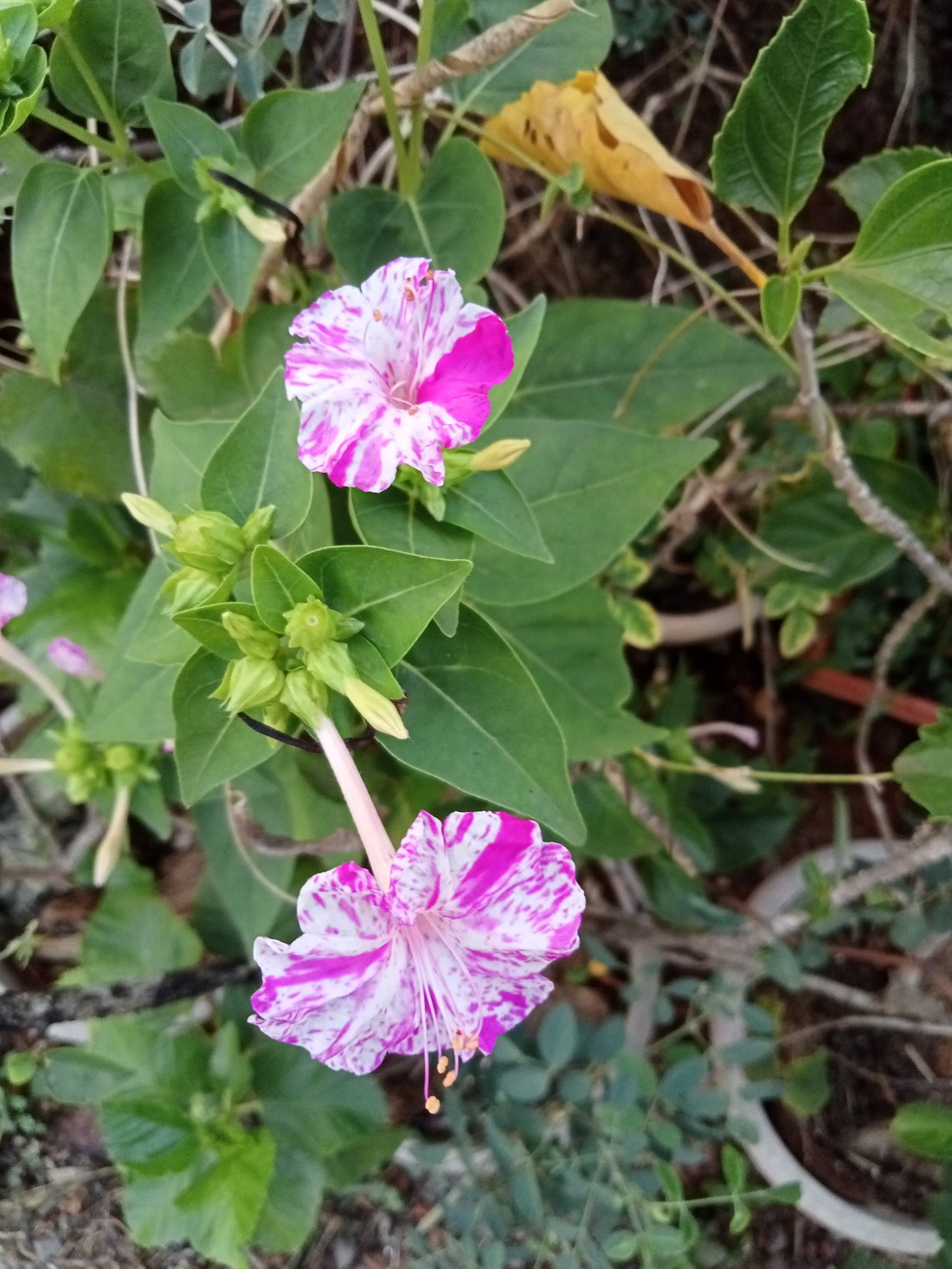
7. Four O’Clocks (Mirabilis jalapa):

Colorful flowers that open in the late afternoon and emit a delightful, sweet fragrance in the evening hours.

8. Brahma Kamal (Saussurea obvallata):

A Himalayan flower that blooms only at night, emitting an exquisite fragrance, often considered divine.

9. Night-Blooming Water Lily (Nymphaea odorata):

Elegant white and pink flowers that bloom at night, perfuming the air around ponds and water gardens.

10. Nicotiana (Nicotiana alata):

Tubular, trumpet-shaped flowers that release a sweet, pleasant fragrance in the evening, attracting night-pollinating moths.

11. Angel’s Trumpet (Brugmansia suaveolens):

Large, pendulous flowers with an intoxicating fragrance that intensifies in the evening, attracting night pollinators.

12. Night-Scented Stock (Matthiola longipetala):

Tiny, delicate flowers that emit a rich, spicy fragrance in the evening, making them ideal for fragrant borders or containers.

13. Night-Blooming Orchid (Brassavola nodosa):

Fragrant white flowers that bloom exclusively at night, offer a captivating aroma.

14. Dragon Fruit (Hylocereus spp.):

These cactus flowers bloom at night, showcasing large, stunning blossoms that give way to delicious, edible fruits.

15. Night-Blooming Cactus (Selenicereus grandiflorus):

Large, showy flowers that bloom spectacularly at night, often filling the garden with their sweet fragrance.

Conclusion

As the sun sets and the night garden awakens, it’s a time of wonder and discovery. Night-blooming plants, with their mysterious allure, beckon us to slow down, appreciate nature’s secrets, and revel in the ephemeral beauty that adorns the darkness.

Night-blooming plants offer a symphony of colors, shapes, and fragrances, creating a magical ambiance in gardens after twilight. Whether for their captivating scents or captivating blooms, they truly shine when the sun sets, making them a delightful addition to nocturnal landscapes. Their delicate blossoms, intoxicating scents, and elusive beauty create an ethereal experience, inviting us to appreciate nature’s magic under the moonlit sky.

Happy Gardening!

Enchant Your Garden: Magical Christmas Decor Ideas!

As the festive spirit fills the air, extending the celebrations to your garden can bring an enchanting touch to your home. Decorating your outdoor space for Christmas isn’t just about trimming the tree indoors; it’s about transforming your garden into a magical wonderland that spreads joy to all who visit.

1. Festive Lighting Extravaganza

Illuminate your garden with a spectacular light show that captivates the neighborhood. Adorn trees, shrubs, and fences with strings of twinkling lights. Opt for classic warm white, vibrant multicolor, or even themed lights to add a whimsical touch. Consider solar-powered lights for an eco-friendly display that shimmers through the night.

2. Welcoming Entrance

Start the festive journey right from the gate or entrance. Adorn the pathway or gateposts with lush garlands, festooned with ornaments, pinecones, and ribbons. Hang a beautifully decorated wreath on the front door to warmly greet your guests.

3. Glittering Ornaments and Decor

Deck the bushes and trees with oversized baubles, shimmering ornaments, and glittering tinsel. Hang dazzling outdoor-safe decorations from branches or pergolas to create a winter wonderland effect.

4. Festive Foliage

Use the greenery from your garden creatively. Evergreen branches, holly, and mistletoe can be fashioned into stunning outdoor arrangements. Create charming displays in pots or urns filled with seasonal plants like poinsettias, holly bushes, or miniature Christmas trees.

5. Cozy Seating Area

Transform your outdoor seating area into a cozy haven. Drape warm blankets over chairs, and add festive cushions and pillows for comfort. Install outdoor heaters or a fire pit to keep the space warm and inviting for gathering around with loved ones.

6. Enchanting Centerpieces

Craft a striking centerpiece for your garden table or patio. Arrange a beautiful display of candles, pine cones, evergreen branches, and seasonal fruits in a decorative bowl or basket to bring the holiday cheer to your al fresco dining area.


Similar Posts


7. Illuminated Sculptures

Introduce illuminated figures or sculptures like reindeer, snowmen, or even Santa and his sleigh to your garden. These charming additions can be placed strategically to create delightful scenes that evoke the holiday spirit.

8. Festive Soundscapes

Enhance the ambiance with seasonal music or the gentle chimes of festive wind chimes. Create a playlist of classic holiday tunes that softly waft through the garden, adding a touch of magic to the atmosphere.

9. Snowy Accents

Even without snow, you can create a wintry scene. Sprinkle faux snow on surfaces, arrange artificial snowflakes on bushes, or hang icicle lights for a frosty effect that transports everyone into a magical Christmas world.

10. Themed Displays

Embrace a specific theme to tie your outdoor decorations together. Whether it’s a traditional red-and-green color scheme, a winter wonderland with icy blue and silver hues, or even a whimsical Santa’s workshop, a cohesive theme can elevate your garden decor.

11. Twinkling Starry Nights

Add a celestial touch with star-shaped lanterns or illuminated stars hanging from trees or adorning pergolas. Create a mesmerizing sky full of stars in your garden to evoke the wonder of the season.

12. Nativity Scenes and Symbols

Incorporate elements of the nativity story by setting up a beautiful outdoor nativity scene or displaying symbols like angels, the Star of Bethlehem, or the Three Wise Men. These pieces can add a spiritual and meaningful touch to your garden decorations.

With these delightful ideas, your garden can become a magical, festive retreat, spreading joy and holiday cheer to all who visit during this merry season. Happy decorating and Merry Christmas!

Happy Gardening!

Winter Plant Care and Protection: Safeguarding Your Garden Against Frost and Cold Weather!

Introduction

As winter descends, ensuring the health and vitality of your garden demands strategic plant care and protective measures. The plummeting temperatures and frosty conditions pose threats like frost damage, frozen roots, and winter scald, leaving plants vulnerable. Understanding the unique needs of different plants and employing various protective methods are crucial to safeguarding your garden’s greenery during the cold season.

Diverse Cold Tolerance in Plants

Not all plants weather winter in the same way. Understanding the varying levels of cold tolerance is essential. Some resilient plants, such as carrots, kale, broccoli, spinach, lettuce, chard, cilantro, cress, leeks, onions, and radicchio, thrive in colder temperatures. They require specific methods of protection to endure the winter months and continue flourishing once the cold subsides.

Methods of Winter Plant Protection

A range of protective measures can shield your plants from the harsh winter elements. Mulching stands out as a vital technique, effectively insulating the soil and roots against extreme cold. Covering plants acts as a barrier, trapping essential heat and moisture around them. Wrapping vulnerable stems and foliage shields them from biting cold winds. Moving delicate plants to sheltered or warmer locations can be a simple yet effective method. Adequate watering prevents dehydration and elevates soil temperature, contributing to the plants’ resilience.

Materials for Winter Plant Protection

Selecting the right materials is crucial in safeguarding your plants without causing harm. Leaves, straw, wood chips, burlap, frost cloth, plastic, bubble wrap, cardboard, and newspaper are commonly used protective coverings. Applying these materials with care is essential to avoid suffocating or overheating the plants. It’s crucial to remove them when the weather improves to prevent any adverse effects on plant health.


Similar Posts


Essential Winterizing Practices for Your Garden

Preparing your garden for winter involves a series of vital practices to ensure its well-being. Pruning, a fundamental step, involves removing dead or diseased branches to maintain plant health. Fertilizing replenishes vital nutrients, fortifying plants against the rigors of the cold season. Weeding helps minimize competition for resources, allowing plants to thrive. Cleaning the garden beds and surrounding areas prevents pests and diseases from proliferating. Harvesting remaining produce not only ensures freshness but also prevents rotting, fostering a healthy environment.

Vigilance in Monitoring and Early Intervention

Amidst the cold and frost, it’s crucial to maintain a proactive stance in observing your garden. Regularly monitor the conditions and the health of your plants. Keep an eye out for signs of stress or damage caused by the winter elements. Look for wilting, discoloration, or browning of foliage, which can signal potential issues. Early detection of problems enables swift action, preventing further damage and ensuring a better chance of plant recovery.

Building a Winter Gardening Community: Sharing Knowledge and Experiences

Additionally, fostering a sense of community and knowledge-sharing among fellow gardeners can be invaluable. Engage with local gardening groups or online forums where experiences and insights are exchanged. Learning from others’ experiences, especially those gardening in similar climates, can provide valuable tips and guidance for winter plant care and protection. Sharing knowledge fosters a sense of solidarity and can offer unique perspectives on dealing with winter challenges in gardening.

Conclusion

Maintaining a thriving garden through winter entails diligent care and vigilance. Employing suitable protective methods and understanding the individual needs of your plants are pivotal in ensuring their survival and prosperity through the cold months. As the temperatures drop, investing time and effort in winter plant care and protection ensures a robust and vibrant garden when the frost fades away.

Winter might be a dormant period for many plants, but it’s an active time for gardeners. By staying attuned to your garden’s needs and employing effective protective measures, you’re not just preserving your garden’s health; you’re nurturing a resilient and thriving ecosystem that will reward your efforts when the warmer seasons return.

Happy Gardening!

Sustainable Gardening Practices: Cultivating a Greener Tomorrow!

Introduction

Gardening is more than nurturing plants; it’s a harmonious dance with nature. Embracing sustainable practices not only nurtures your garden but also contributes positively to the environment. Here’s a comprehensive guide to sustainable gardening practices that promote eco-friendly and regenerative habits.

Understanding Sustainability in Gardening:

Sustainable gardening prioritizes the health of the ecosystem, aiming for a balanced and self-sustaining garden that minimizes negative impacts on the environment. It involves reducing waste, conserving resources, and fostering biodiversity.

Soil Health and Fertility:

Healthy soil is the backbone of a sustainable garden. Practice no-till or low-till methods to preserve soil structure and microbial life. Add compost, organic matter, or mulch to improve fertility, retain moisture, and reduce erosion. Consider cover cropping to prevent nutrient leaching and improve soil health.

Avoid using chemical fertilizers, instead use vermicompost or kitchen wastes. Follow practices like companion planting to make good use of soil and space. Plant legumes to increase the nitrogen in the soil.

Water Conservation:

Efficient water use is critical in sustainable gardening. Install drip irrigation systems or use soaker hoses to minimize water wastage. Collect rainwater in barrels or cisterns for irrigation purposes. Mulching is an effective method to help the soil retain moisture, which in turn reduces the need for frequent watering.

Native Plants and Biodiversity:

When choosing plants for your garden or landscape, it’s a good idea to select native species that are well-suited to the climate and soil conditions in your region. These plants will be better adapted to the local environment, which means they’ll require less maintenance and be more resistant to pests and diseases. So, before you start planting, do a little research to find out which native plants will thrive in your area. They require less water and maintenance while supporting local wildlife. Create diverse habitats by incorporating a variety of plants to attract pollinators, beneficial insects, and birds, fostering a healthy ecosystem.

Chemical-Free Gardening:

Avoid synthetic pesticides and chemical fertilizers that can harm beneficial insects, soil organisms, and waterways. Embrace organic pest control methods like companion planting, crop rotation, and using natural predators or homemade remedies to manage pests.

Use plant-friendly insects like ladybugs. They mainly feed on aphids, scales and their eggs, and other pests like mealybugs and whiteflies.

Finally remember the quote “If something is not eating your plants, then your garden is not part of the ecosystem”.


Similar Posts


Sustainable Garden Design:

Plan your garden layout to maximize space and resource efficiency. Utilize companion planting, intercropping, or vertical gardening to optimize growing areas. Incorporate hardscaping elements like rain gardens or bioswales to manage water runoff effectively.

Recycling and Waste Reduction:

Practice composting to recycle garden and kitchen waste into nutrient-rich soil amendments. Use biodegradable or reusable materials for garden beds, pots, and other gardening supplies to reduce waste.

Energy-Efficient Practices:

Optimize energy use by choosing manual tools over power tools whenever possible. Utilize solar-powered lighting for pathways or garden features. Composting and mulching also aid in reducing energy use by minimizing the need for mechanical processes.

Seasonal Gardening and Planting:

Adapt your garden to seasonal changes. Plant cool-season crops in spring and fall, and warm-season crops in summer. Embrace crop rotation to improve soil fertility and minimize pests and diseases.

Community and Education:

Engage in community gardening efforts or join local gardening groups to share knowledge and resources. Educate yourself on sustainable practices through workshops, books, or online resources to continuously improve your gardening methods.

Conclusion:

Sustainable gardening isn’t just a trend; it’s a responsibility towards the planet. By implementing these practices, you’re nurturing not just your garden but the larger ecosystem. Embrace the role of a steward of the earth, cultivating a garden that thrives harmoniously with nature. Small steps in sustainable gardening can yield significant positive impacts on the environment. Happy gardening, and here’s to a greener tomorrow!

Happy Gardening!

Birdwatching in your Garden: A Delightful Journey into Avian Realms!

Introduction

Birdwatching isn’t just a hobby; it’s an exquisite window into the captivating world of feathered creatures. And what better place to start this journey than your own garden? Transforming your outdoor space into a haven for birds brings about a symphony of colors, sounds, and movements, creating a paradise for both the birds and the observer.

The Magic of Birdwatching

The allure of birdwatching lies in its simplicity and the sheer diversity of bird species that may grace your garden. From the elegant flutter of a sparrow’s wings to the vibrant plumage of a cardinal, each bird brings its unique charm. The sheer variety of behaviors, calls, and interactions amongst these creatures offer an enchanting spectacle.

Creating a Welcoming Habitat

Attracting birds to your garden requires thoughtful planning. Start by planting a variety of native plants and trees, providing natural food sources like seeds, fruits, and nectar. Different species have varied preferences, so a mix of flowering plants, shrubs, and trees caters to diverse tastes. Incorporating water features such as bird baths or shallow dishes filled with water adds to the appeal, serving as a vital drinking and bathing spot for visiting birds.

Strategic Placement of Feeders and Houses

Strategically positioned bird feeders offer a supplementary food source, particularly in harsher weather conditions. Opt for feeders that accommodate different types of bird food—seeds, suet, or mealworms—to attract various species. Birdhouses or nesting boxes provide safe spaces for nesting and raising young ones. Place these feeders and houses at different heights and locations across your garden to cater to various birds’ preferences.

Observation and Patience

Birdwatching requires patience. Find a comfortable spot, equipped with binoculars and a bird guidebook, and observe from a distance. Move slowly and avoid sudden movements that may startle the birds. Over time, patience rewards you with closer encounters, allowing for better observation and appreciation of bird behaviors.

Identifying and Recording

Learning to identify birds by sight and sound is part of the joy of birdwatching. Keep a journal to record the birds you observe, noting their features, behaviors, and any distinct calls. There are numerous field guides and smartphone apps available to aid in bird identification, making the process easier and more informative.


Similar Posts


Enjoying the Diversity

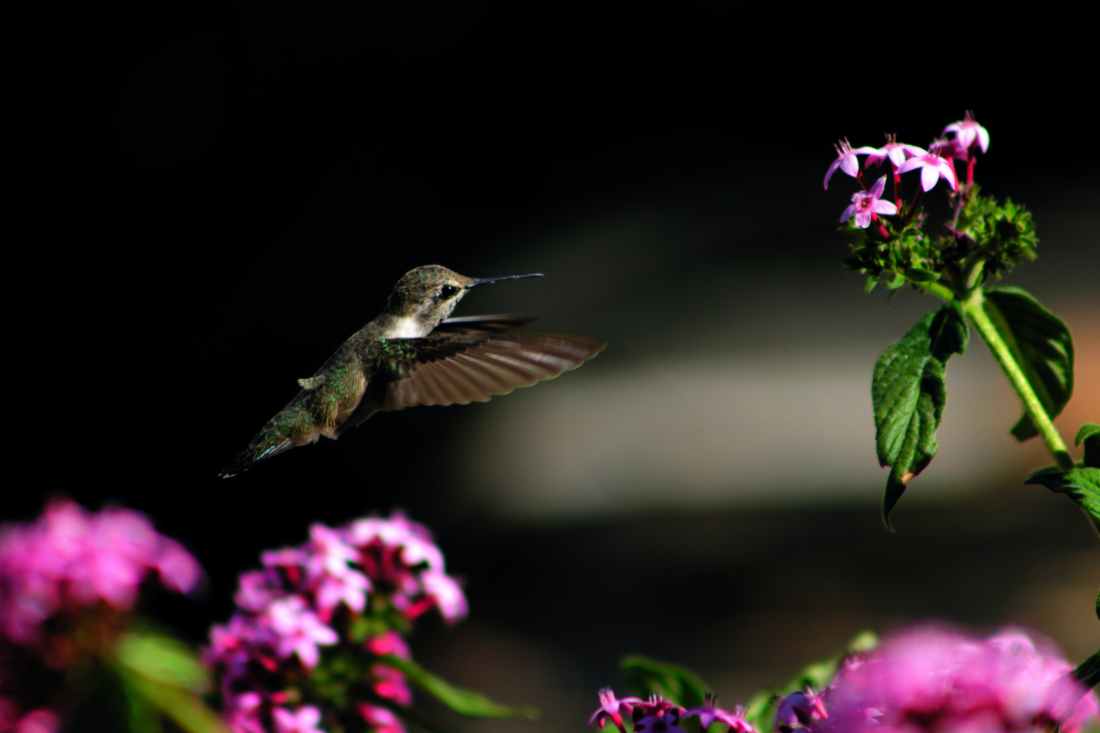
Gardens attract a rich assortment of birds throughout the year. From the buzzing activity of hummingbirds in the warmer months to the serene presence of winter visitors like juncos and finches, every season offers a new cast of characters. Embrace the transient nature of birdwatching and relish the diversity each season brings.

Responsible Birdwatching

While birdwatching can be immensely rewarding, it’s crucial to practice responsible habits. Avoid disturbing nesting birds or overcrowding feeders, as this may stress the birds or interfere with their natural behaviors. Minimize the use of pesticides and chemicals in your garden to ensure a safe and healthy environment for birds.

Sharing the Joy

Birdwatching isn’t just a solitary pursuit; it’s an opportunity to share a love for nature. Involve family members or friends in the activity, especially younger ones, to instill a sense of appreciation for wildlife and conservation. Consider participating in birdwatching clubs or community projects focused on bird conservation to contribute to larger conservation efforts.

The Beauty of Connection

Ultimately, birdwatching isn’t merely about observing; it’s about forging a deeper connection with nature. It’s about finding solace in the simple yet profound beauty of a bird’s flight or song. By welcoming birds into your garden, you invite a sense of harmony and wonder into your life, fostering a deeper understanding and respect for the natural world.

Conclusion

Birdwatching in your garden isn’t just about observing birds; it’s a gateway to a deeper connection with the natural world. As you transform your garden into a haven for feathered friends, you embark on a journey of discovery and appreciation for the beauty and diversity of avian life. With patience, observation, and a touch of wonder, you invite the magic of birds into your life, creating a harmonious space where you’re not just a spectator but a participant in the intricate dance of nature. So, relish the moments, cherish the encounters, and let the joy of birdwatching in your garden continue to inspire a profound love for the captivating world of birds.

Happy Birdwatching!

Creating and Sustaining a Flourishing Kitchen Garden!

Introduction

Planning a kitchen garden is more than just choosing your favorite herbs or vegetables; it’s a blueprint for sustainable, homegrown produce. Here’s a comprehensive guide on how to craft and maintain a thriving kitchen garden.

Choose Your Plot:

Begin by selecting the ideal location for your kitchen garden. Pick a spot that receives ample sunlight and has good drainage. If space is limited, consider container gardening or vertical setups.

Select Your Plants Wisely:

Assess your culinary preferences and climate conditions before choosing the plants. Opt for a mix of vegetables, herbs, and fruits that thrive in your region and suit your cooking needs.

The ideal plants for a kitchen garden are those that not only fit your culinary preferences but also thrive in your local climate. Here are some popular choices:

  • Herbs: Herbs like basil, parsley, cilantro, thyme, rosemary, and mint are kitchen staples. They’re versatile, require minimal space, and can flourish in pots or directly in the ground.
  • Leafy Greens: Lettuce, spinach, kale, and Swiss chard are fast-growing leafy greens perfect for salads and smoothies. They’re relatively easy to grow and provide a continuous harvest.
  • Tomatoes: A favorite among gardeners, tomatoes come in various sizes and colors. They need ample sunlight and support for their vines but reward with abundant fruits.
  • Peppers: Bell peppers, chili peppers, and sweet peppers add zest to meals. They grow well in warm climates and containers, providing a vibrant splash of color to your garden.
  • Cucumbers: These vine-growing vegetables thrive in warm weather and offer a bounty of fresh, crisp cucumbers for salads and pickling.
  • Carrots and Radishes: Root vegetables like carrots and radishes are easy to grow and do well in loose, well-drained soil. They’re perfect for beginners due to their low maintenance.
  • Green Onions: These versatile onions are easy to grow from scraps and are a constant source of fresh flavors for various dishes.
  • Strawberries: Compact and versatile, strawberries can be grown in containers or hanging baskets, providing a sweet, juicy treat during the growing season.
  • Bush Beans: Beans are prolific growers and offer a harvest in a relatively short time. Bush beans, like green beans or snap beans, don’t require trellises and can be grown in limited space.
  • Zucchini and Squash: These prolific growers are perfect for larger spaces. They produce abundant fruits that can be used in various dishes.

Choose plants that suit your taste, available space, and local climate conditions for a successful and bountiful kitchen garden.


Similar Posts


Design and Layout:

Plan the layout of your garden, considering the growth patterns and space requirements of each plant.

  • Companion Planting: Pair plants that benefit each other when grown nearby which can maximize space and yield. For instance, planting basil near tomatoes can deter pests and improve the flavor of tomatoes.
  • Succession Planting: Plan your garden to ensure continuous harvests. As one crop finishes, replant that space with another crop suitable for the upcoming season.
  • Vertical Gardening: Utilize vertical space by growing climbers like peas, beans, or cucumbers on trellises or vertical supports. This maximizes space and promotes healthier plants.

Prepare the Soil:

Well-draining, nutrient-rich soil is the backbone of a successful kitchen garden. Invest time in preparing the soil by adding compost or organic matter to boost fertility.

Planting Techniques:

Follow planting guidelines specific to each crop. Some plants prefer direct sowing while others thrive better as seedlings. Pay attention to spacing and depth requirements.

Watering and Maintenance:

Regular watering is crucial, especially during the initial growth phase. Mulching helps retain moisture and suppresses weeds. Prune, weed, and monitor for pests to ensure healthy growth.

Harvest and Rotate:

Harvest crops at their peak to enjoy the freshest produce. Rotate crops annually to prevent nutrient depletion and minimize pest problems.

Seasonal Considerations:

Adjust your garden according to seasonal changes. Plant cool-season crops in spring and fall, and warm-season crops during the summer. Consider coverings or cold frames to extend the growing season.

Compost and Sustainability:

Implement composting to recycle kitchen scraps and garden waste. This sustainable approach enriches the soil and reduces waste, promoting eco-friendly gardening practices.

Continuous Learning:

Gardening is a continuous learning process. Stay updated on best practices, watch for plant-specific issues, and be open to adapting and improving your gardening methods.

By meticulously planning and nurturing your kitchen garden, you’re not only cultivating fresh produce but also fostering a deeper connection with nature and a sustainable way of living.

 Happy gardening!

Crafting and Sustaining Stunning Ponds and Water Features in Your Garden!

Introduction

Introducing ponds and water features into your garden elevates its charm, creating serene, nature-inspired spaces. From initial construction to ongoing maintenance, here’s a comprehensive guide to building and preserving these aquatic delights.

Designing Your Water Haven

Constructing a water feature commences with thoughtful planning. Assess your garden’s layout, determining the ideal location and size for the pond or water element. Factor in sunlight exposure, proximity to utilities, and accessibility for maintenance.

Building a Serene Oasis

Excavation marks the inception of your water feature. Dig the desired pond shape, ensuring varied depths for aquatic flora and fauna. Install a sturdy liner to retain water, and incorporate filtration systems or pumps for circulation and cleanliness.

Aquatic Plant Selection and Arrangement

Select aquatic plants suiting your water feature’s depth and purpose. Include oxygenators, floaters, and marginal plants to enhance biodiversity and oxygenate the water. Arrange them strategically, ensuring harmony between aesthetics and functionality.

If your pond receives ample sunlight, it’s recommended to plant some floating aquatic plants to prevent the growth of algae. Alternatively, you can plant water lilies and lotuses, which will not only add to the aesthetics of your pond but also help control algae growth. Incorporating aquatic plants like water lilies or lotuses adds vibrant colors and texture to your pond while offering shade and shelter for aquatic life. On the other hand, if your pond is located in a shady area or receives partial sunlight, it is advisable to go for non-flowering plants such as American eelgrass, parrot feather watermilfoil, water lettuce, etc. These plants will thrive in low-light conditions and will still be able to provide the necessary oxygen and nutrients to your pond.

Accentuating with Features and Décor

Enhance your water feature with embellishments like rocks, stones, or driftwood, mimicking natural water environments. Integrate waterfalls, fountains, or cascades to introduce soothing sounds and elevate visual appeal.

Consider installing lighting around the water feature to create stunning visual effects during evenings, transforming your garden into a magical oasis. Lastly, introduce seating areas or cozy corners near the water feature, inviting moments of relaxation and contemplation amidst the tranquil ambiance.


Similar Posts


Sustaining Water Quality and Health

Regular maintenance preserves the ecosystem’s equilibrium. Monitor water quality parameters, perform occasional cleanings, and tend to plant growth to sustain a balanced and thriving aquatic environment.

Consider installing a filtration system to sustain a healthy aquatic environment. Use fish such as guppies and mollies to control mosquito larvae. For larger ponds, consider introducing a small tortoise.

Winter Preparation and Seasonal Care

Shield your water feature from harsh winter conditions by installing heaters or ensuring adequate depth to prevent freezing. Adjust maintenance routines according to seasonal shifts, supporting plant health and preserving water quality year-round.

Safety and Considerations

Implement safety measures, especially if you have children or pets. Erect barriers or coverings to prevent accidents and ensure proper supervision around water features. Additionally, check local regulations or consult professionals to ensure compliance with safety standards when building and maintaining water features.

Conclusion

Embrace the tranquility of nature with skillfully crafted ponds and water features in your garden. From meticulous design and construction to routine maintenance and seasonal care, these aquatic marvels infuse serenity and visual allure, enriching your outdoor haven. Whether it’s the soothing sound of flowing water or the vibrant life thriving within, water features bring an enchanting dimension to your garden’s landscape.

Happy Gardening!