Is Rice Water the Secret to a Thriving Garden? Explore Its Incredible Benefits Now!

Introduction

Garden enthusiasts continually seek natural and effective solutions to boost plant growth and health. One such age-old remedy that has gained attention is rice water. Often discarded after cooking rice, this nutrient-rich liquid is brimming with benefits that can significantly contribute to your garden’s well-being. Let’s delve into the multifaceted uses of rice water in gardening, alongside its advantages and potential drawbacks.

The Nutrient Profile of Rice Water

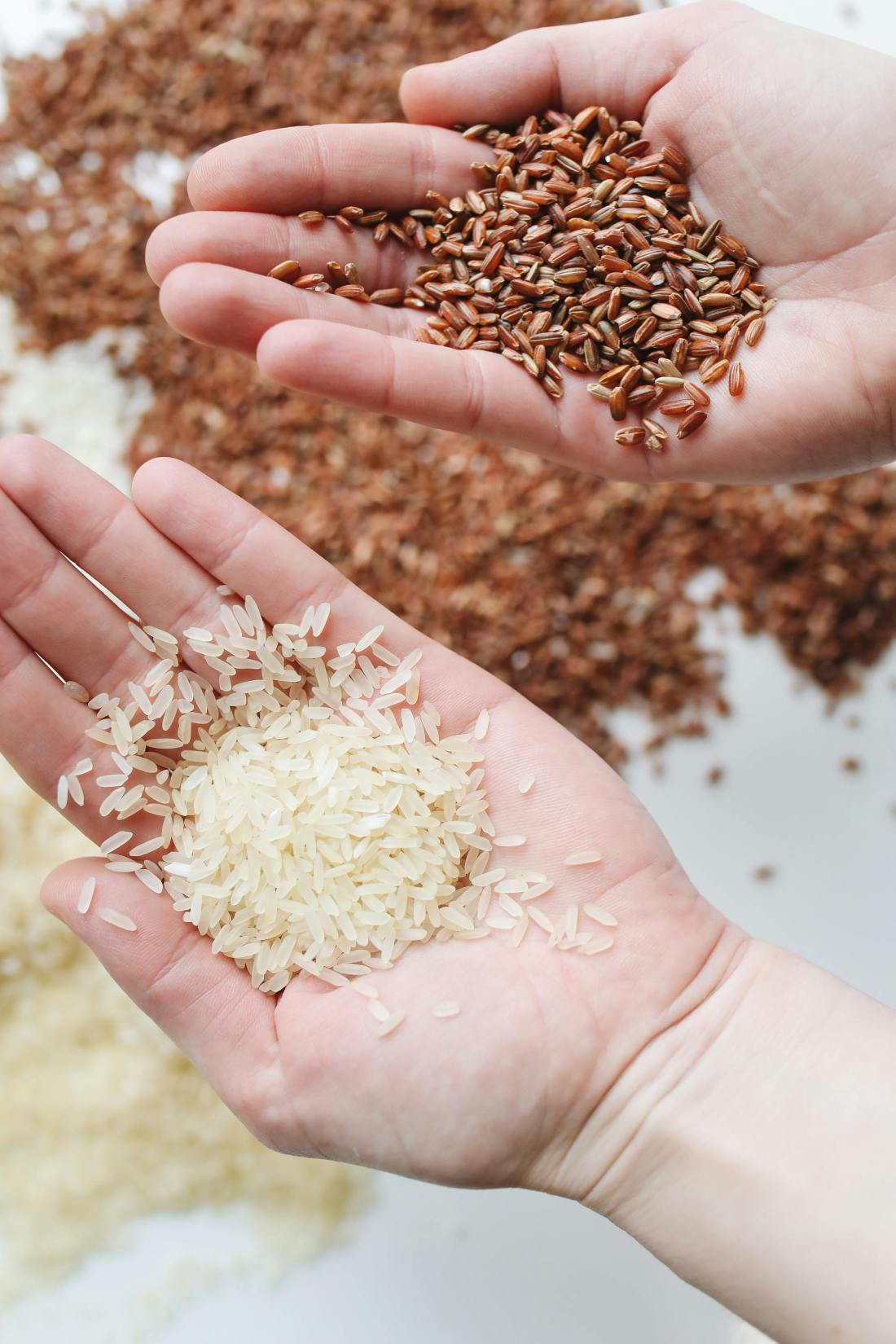
Rice water, the starchy liquid left behind after rinsing or boiling rice, is packed with essential nutrients that are beneficial for plants. It contains:

  • Vitamins such as B1 (thiamine), B2 (riboflavin), B6 (pyridoxine), and vitamin E.
  • Amino acids: are crucial for plant growth.
  • Minerals like phosphorus and potassium that aid in root development and flowering.
  • Carbohydrates: provide an immediate energy source for plants.

Using Rice Water in Gardening

Soil Conditioner

Rice water serves as an excellent soil conditioner. The nutrients present in the water improve soil fertility, promoting the growth of beneficial microorganisms that aid in breaking down organic matter. This, in turn, enhances nutrient availability for plants, leading to healthier and more vigorous growth.

Fertilizer

One of the primary uses of rice water in gardening is as a fertilizer. Its nutrient content helps in the overall development of plants. Regular application can result in lush foliage, robust root systems, and improved flowering and fruiting. To use rice water as a fertilizer, simply dilute it with an equal amount of water and apply it to the base of your plants.

Pest Deterrent

The starch in rice water can create a protective barrier on plant leaves, making them less appealing to pests. While it may not completely eliminate pests, it can reduce their presence and prevent minor infestations from becoming major problems. Spray diluted rice water on the leaves to create this protective coating.

Seed Soaking Solution

Soaking seeds in rice water before planting can enhance germination rates. The nutrients in the water provide the seeds with a nutrient boost, giving them a head start in their growth journey. Simply soak the seeds in rice water for 12-24 hours before planting them in the soil.

Compost Booster

Adding rice water to your compost pile can speed up the decomposition process. The microorganisms in the compost benefit from the additional nutrients, breaking down organic matter more efficiently. This results in rich, nutrient-dense compost that can be used to nourish your garden.


Similar Posts:


Pros of Using Rice Water in Gardening

Cost-Effective

Using rice water is a cost-effective way to improve your garden’s health. Instead of discarding the water after cooking rice, you can repurpose it, reducing waste and saving money on commercial fertilizers and soil conditioners.

Eco-Friendly

Rice water is an eco-friendly solution that promotes sustainable gardening practices. It reduces the need for chemical fertilizers and pesticides, which can harm the environment and disrupt the balance of your garden ecosystem.

Nutrient-Rich

The nutrient profile of rice water makes it a valuable addition to your gardening routine. It provides essential vitamins, minerals, and amino acids that support plant growth and development.

Enhances Soil Health

Regular application of rice water improves soil health by promoting the growth of beneficial microorganisms. This leads to better nutrient availability and improved soil structure, resulting in healthier plants.

Versatile

Rice water can be used in various ways in the garden, from fertilizing and conditioning the soil to deterring pests and enhancing seed germination. Its versatility makes rice water a valuable asset for a gardener.

Cons of Using Rice Water in Gardening

Potential for Overuse

While rice water is beneficial, overusing it can lead to nutrient imbalances in the soil. Too much starch can create an environment conducive to the growth of harmful microorganisms, which can negatively affect plant health. It’s essential to use rice water in moderation and dilute it before application.

Odor

Rice water can develop an unpleasant odor if left to sit for too long. This can be off-putting for some gardeners and may attract unwanted pests. To avoid this, use fresh rice water or store it in the refrigerator for no more than a week.

Attracts Pests

While rice water can deter some pests, it may attract others, especially if it starts to ferment. Fermented rice water can attract flies and other insects that can become a nuisance in the garden. It’s crucial to monitor its usage and ensure it doesn’t become a pest attractant.

Limited Nutrient Spectrum

Although rice water is nutrient-rich, it doesn’t provide all the essential nutrients that plants need. Relying solely on rice water may result in nutrient deficiencies over time. It’s important to use it as part of a balanced gardening regimen, complementing it with other fertilizers and soil amendments.

Risk of Pathogens

If not properly prepared or stored, rice water can harbor pathogens that can harm plants. It’s vital to ensure that the water is clean and hasn’t been left to sit at room temperature for extended periods. Using boiled rice water can mitigate this risk, as the heat kills potential pathogens.

Conclusion

In conclusion, rice water is a valuable resource for gardeners looking to enhance their plant’s health and promote sustainable gardening practices. Its nutrient-rich profile and versatility make it an excellent addition to your gardening toolkit. However, it’s essential to use it in moderation and be mindful of potential drawbacks to ensure the best results for your garden. By incorporating rice water into a balanced gardening regimen, you can enjoy the benefits of this natural remedy while maintaining the health and vitality of your plants.

Happy Gardening!
Unveiling the Splendor: A Guide to Growing Summer Flower Bulbs!

Introduction:

Summer is a time of vibrant colors and blooming beauty, and what better way to adorn your garden than with a dazzling array of summer flower bulbs? From the elegant lilies to the cheerful dahlias, there’s a summer bulb for every garden style and preference. In this comprehensive guide, we’ll explore the fascinating world of summer flower bulbs and discover how to grow and care for these enchanting blooms in your garden.

Understanding Summer Flower Bulbs

Summer flower bulbs are underground storage structures that contain the embryonic plants and nutrients needed for growth. Unlike seeds, bulbs produce new shoots and roots from within themselves, giving them a head start on the growing season. Many popular summer flowers, such as Asiatic lilies, calla lilies, and dahlias, grow from bulbs and tubers.

Choosing the Right Bulbs

When selecting summer flower bulbs for your garden, consider factors such as bloom time, color, size, and growing conditions. Some popular types of summer flower bulbs to consider include:

Lilies: Known for their elegant, trumpet-shaped flowers and intoxicating fragrance, lilies are a classic addition to any summer garden. Choose from a variety of colors and sizes, including Asiatic, Oriental, and hybrid lilies.

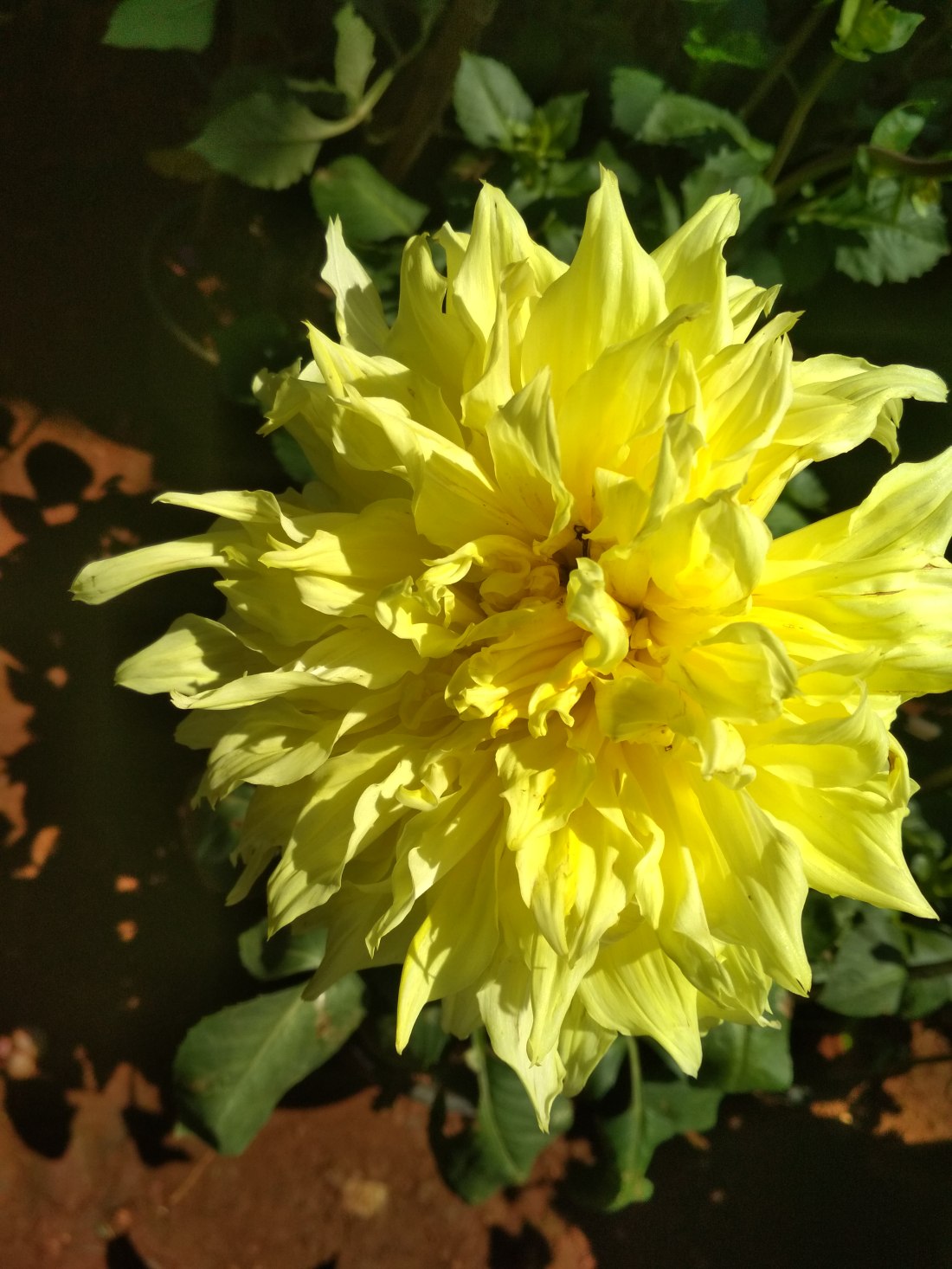
Dahlias: With their showy, dinner-plate-sized blooms and vibrant colors, dahlias add drama and flair to summer gardens. From pompon to cactus varieties, there’s a dahlia to suit every taste and garden style.

Calla Lilies: Elegant and graceful, calla lilies are prized for their sculptural blooms and glossy, arrow-shaped foliage. Available in a range of colors, including white, pink, yellow, and purple, calla lilies add a touch of sophistication to summer gardens. Plant them in borders or containers for a stunning focal point that will dazzle throughout the season.

Cannas: Loved for their tropical foliage and bold, exotic flowers, cannas are a popular choice for summer gardens. Plant them in containers or along borders for a striking burst of color and texture.


Similar Posts:


Planting Summer Flower Bulbs

Plant summer flower bulbs in spring after the danger of frost has passed and the soil has warmed up. Follow these steps for successful bulb planting:

Choose a Location: Select a sunny spot with well-draining soil for planting summer flower bulbs. Avoid regions susceptible to waterlogging or inadequate drainage.

Prepare the Soil: Loosen the soil to a depth of 8-10 inches and incorporate organic matter such as compost or aged manure to improve soil structure and fertility. Add cocopeat to retain moisture in the soil.

Planting Depth: Follow the planting depth recommendations for each type of bulb, as planting depths can vary depending on the species. It is generally recommended to plant bulbs at a depth that is three times their diameter.

Spacing: Space bulbs according to the recommended spacing guidelines for each species, ensuring adequate room for growth and air circulation.

Watering: Water newly planted bulbs thoroughly to settle the soil and provide moisture for root establishment. Continue watering throughout the growing season for optimal growth and good blooms.

Caring for Summer Flower Bulbs

Once planted, summer flower bulbs require minimal maintenance to thrive. Here are some tips for caring for your summer bulb garden:

Mulching: Apply a layer of organic mulch such as shredded bark or straw around newly planted bulbs to conserve moisture, suppress weeds, and regulate soil temperature.

Fertilizing: Feed summer flower bulbs with a balanced fertilizer or bulb-specific fertilizer in spring as new growth emerges. Repeat applications every 4-6 weeks during the growing season to promote healthy foliage and abundant blooms.

Deadheading: Regularly removing spent flowers promotes continuous blooming and prevents seed pod formation. Deadheading also helps redirect energy back into bulb storage for the following year’s growth.

Staking: Stake tall or top-heavy varieties such as gladioli and dahlias to prevent them from flopping over in strong winds or heavy rain.

Conclusion:

With their stunning colors, diverse forms, and delightful fragrances, summer flower bulbs are a must-have addition to any garden. By selecting the right bulbs, providing optimal growing conditions, and practicing proper care and maintenance, you can enjoy a spectacular display of blooms all summer long. Follow the tips outlined in this guide, and let your garden come alive with the beauty of summer flower bulbs!

Happy Gardening!

Growing Bleeding Heart Plant: A Guide to Heartwarming Beauty!

Introduction:

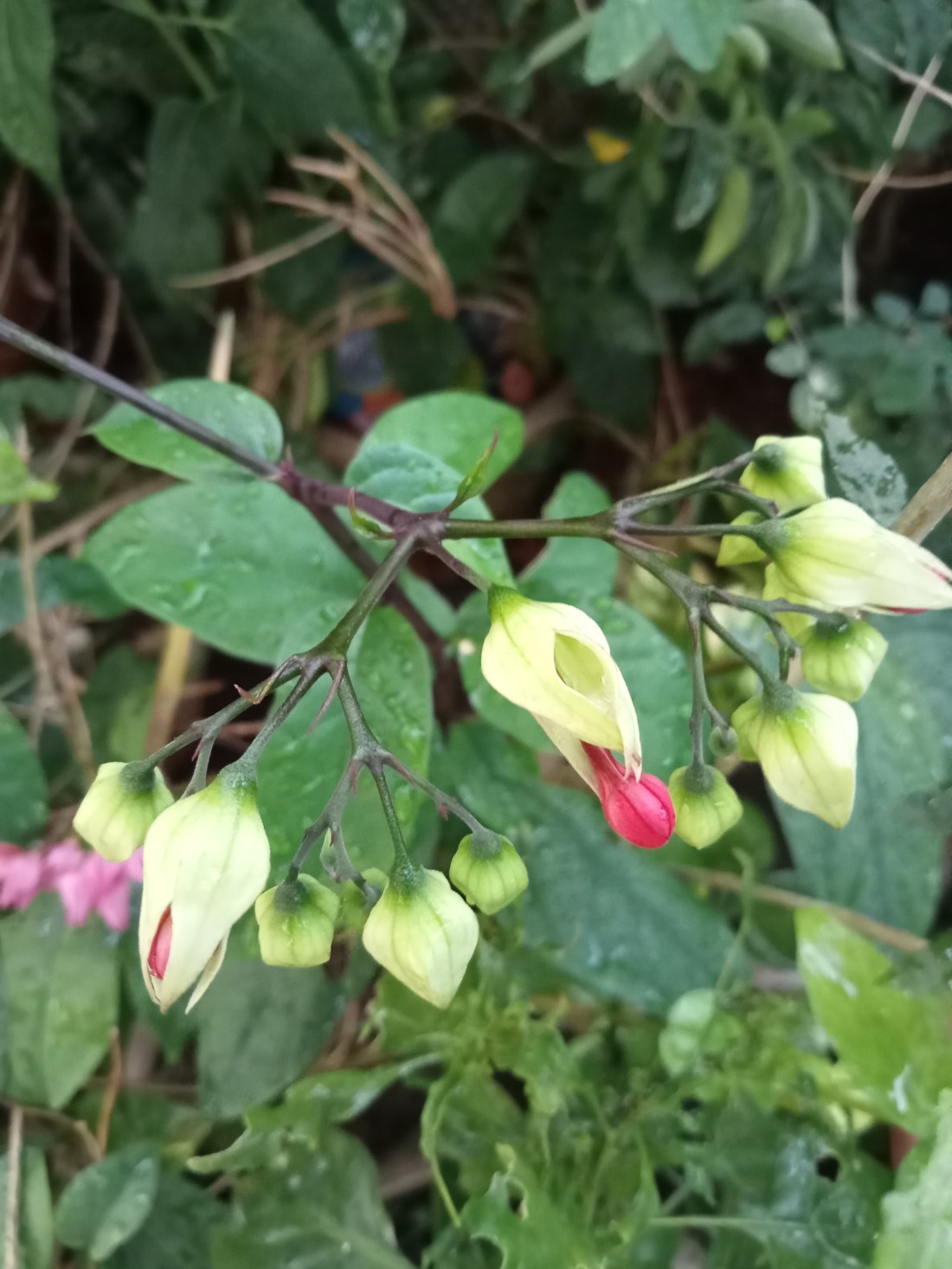
The Bleeding Heart plant, known for its heart-shaped flowers that dangle gracefully from arching stems, is a romantic and nostalgic addition to any garden. This enchanting perennial, scientifically known as Dicentra spectabilis, captures the hearts of gardeners with its unique blooms and fern-like foliage. If you’re looking to add a touch of whimsy and elegance to your garden, read on to discover our comprehensive guide on growing and caring for the Bleeding Heart plant.

1. Understanding the Bleeding Heart Plant

Botanical Background

The Bleeding Heart plant is native to Siberia, Northern China, Korea, and Japan. It belongs to the Fumariaceae family and is renowned for its distinctive heart-shaped flowers, which come in shades of pink, red, and white. The flowers typically appear in spring, adding a burst of color to the garden landscape.

Ideal Growing Conditions

Bleeding Hearts thrive in cool, moist conditions and prefer partial shade to full shade. They are typically grown as perennials in USDA hardiness zones 3-9, depending on the variety. While they can tolerate some sunlight, too much direct sun can scorch their delicate foliage, making them more suitable for shaded areas or dappled sunlight.

2. Planting the Bleeding Heart Plant

Soil Requirements

Well-draining soil rich in organic matter is essential for the Bleeding Heart’s health. An ideal soil pH level ranges from 6.0 to 7.0. Incorporating compost or well-rotted manure into the planting area can help improve soil structure and fertility.

Planting Depth and Spacing

Plant Bleeding Hearts at the same depth as they were in their nursery pots, typically around 1-2 inches deep. Space them approximately 18-24 inches apart to allow room for mature growth and optimal air circulation.


Similar Posts:


3. Watering and Feeding

Watering

Consistent moisture is key to the Bleeding Heart’s success. Ensure regular watering, particularly during periods of drought, to maintain even soil moisture without causing waterlogging. Applying mulch around the plant’s base aids in preserving soil moisture and controlling weed growth.

Fertilization

In the early spring, apply a balanced fertilizer following the manufacturer’s guidelines. Avoid over-fertilizing, as excessive nutrients can lead to lush foliage at the expense of flower production.

4. Maintenance and Care

Pruning and Deadheading

Deadheading spent flowers promotes ongoing blooms and helps keep a neat appearance. After the plant has finished blooming for the season, you can cut it back to ground level to promote fresh growth and rejuvenate the plant.

Winter Care

Apply mulch around the plant’s base in late fall to insulate the roots against freezing temperatures. In colder climates, additional winter protection such as covering with burlap or a layer of straw may be necessary.

5. Pests and Diseases

Common Pests

Aphids, slugs, and snails can occasionally be a problem for Bleeding Heart plants. Monitor your plants regularly and treat any infestations promptly using insecticidal soap or other organic pest control methods.

Disease Prevention

Powdery mildew and root rot are potential concerns for Bleeding Hearts. Ensuring proper spacing, facilitating adequate air flow, and refraining from overhead watering are effective strategies to prevent these problems. If signs of disease appear, treat the plant with fungicides or other appropriate treatments as recommended.

Conclusion:

The Bleeding Heart plant, with its heartwarming beauty and easy-care nature, is a delightful addition to any garden. By providing the right growing conditions, regular watering, and minimal maintenance, you can enjoy the charm of these romantic blooms year after year. Whether planted in borders, woodland gardens, or containers, the Bleeding Heart’s unique flowers and elegant foliage are sure to captivate and enchant all who behold them.

Happy Gardening!

Growing Night Queen (Epiphyllum) – A Guide to Enchanting Blooms!

Introduction:

The Night Queen, scientifically known as Epiphyllum, is a captivating plant known for its stunning nocturnal blooms and easy-care nature. Originating from the tropical regions of Central and South America, this epiphytic cactus has gained popularity among plant enthusiasts for its enchanting beauty and unique flowering habits. In this article, we’ll delve into the world of growing and caring for the Night Queen, unlocking the secrets to cultivating these mesmerizing plants in your own garden or indoor space.

1. Understanding the Night Queen (Epiphyllum)

Botanical Background

Epiphyllum, commonly known as the Night Queen or Orchid Cactus, belongs to the cactus family but lacks the typical spines associated with cacti. Instead, it features flat, leaf-like stems that provide a striking backdrop for its magnificent blooms. These blooms, which appear primarily at night, are often fragrant and come in a range of colors, including white, pink, red, and orange.

Light Requirements

Being a tropical plant, the Night Queen thrives in bright, indirect light. Place it near a window where it can receive ample sunlight but avoid direct exposure to intense midday sun, which can scorch its leaves. If grown indoors, artificial grow lights can also be used to supplement natural light.

2. Planting the Night Queen

Soil Mix

A well-draining soil mix is essential for the Night Queen’s health. A combination of peat moss, perlite, and orchid bark works well, providing the plant with the moisture retention it needs while ensuring excess water drains away efficiently.

Potting

Choose a pot with proper drainage holes to prevent waterlogging, which can cause root rot. Repotting is generally recommended every two to three years or when a plant has outgrown its existing pot. Use a pot that allows room for the plant to grow and expand its root system.

3. Watering and Feeding

Watering

Moderate watering is key to the Night Queen’s well-being. Water the plant thoroughly once the top inch of soil is dry to the touch, ensuring any excess water can drain off. In the winter, decrease the frequency of watering to reflect its natural period of dormancy.

Fertilization

Fertilize monthly during the growing season, which includes spring and summer,using a balanced liquid fertilizer at half strength. This will provide the Night Queen with the nutrients it needs to produce healthy foliage and vibrant blooms.

4. Temperature and Humidity

Temperature

Maintain a consistent temperature between 65-85°F (18-29°C) for optimal growth. The Night Queen is sensitive to cold temperatures, so avoid exposing it to drafts or sudden temperature drops, which can cause leaf damage.

Humidity

Being a tropical plant, the Night Queen appreciates higher humidity levels. If grown indoors, consider placing the plant on a humidity tray filled with pebbles and water or use a room humidifier to increase moisture levels around the plant.

5. Pruning and Propagation

Pruning

Regular pruning helps maintain the Night Queen’s shape and promotes new growth. Remove any dead, damaged, or overgrown stems using sharp, sterile pruning shears. While pruning can be performed as necessary throughout the year, it is generally best to prune plants during their dormant season to promote healthy growth and blooming.

Propagation

Propagating the Night Queen is relatively straightforward and can be done using stem cuttings. Choose a healthy stem and cut a section that is at least 6 inches long. Allow the cut end to dry and callous for a few days before planting it in a well-draining soil mix. Maintain moist soil and ensure exposure to bright, indirect sunlight until signs of new growth are evident.

Conclusion

The Night Queen, with its mesmerizing blooms and easy-care nature, is a delightful addition to any garden or indoor space. By understanding its light, water, and temperature requirements, as well as proper planting, feeding, and care techniques, you can enjoy the beauty of this enchanting plant year-round. Whether you’re a seasoned gardener or a beginner, growing the Night Queen is a rewarding experience that will captivate your senses and bring joy with its stunning displays.

Maximizing Garden Space: Organizing Plants for Optimal Growth and Yield!

Introduction:

One of the joys of gardening is watching your plants thrive and flourish. However, space can often be a limiting factor, especially for those with smaller gardens or urban spaces. The good news? With careful planning and organization, you can make the most out of your garden’s space, allowing you to grow more plants and enhance your garden’s beauty. In this article, we’ll explore practical tips and strategies for organizing plants in your garden to maximize space and yield.

1. Utilize Vertical Space

Vertical gardening is a game-changer for gardeners looking to maximize space. Utilize trellises, arbors, and wall-mounted planters to grow climbing plants like peas, beans, and cucumbers vertically. This not only saves ground space but also adds visual interest to your garden.

Don’t: Avoid neglecting vertical spaces in your garden. With the right support structures, you can transform walls, fences, and even posts into productive growing areas.

2. Plan Companion Plantings

Companion planting involves grouping plants together that benefit each other. For example, planting marigolds alongside tomatoes can deter pests, while basil can enhance the flavor and growth of tomatoes. Research companion planting guides to find combinations that work best for your garden.

Don’t: Avoid planting incompatible plants together, as this can lead to competition for resources or increased susceptibility to pests and diseases.

3. Opt for Raised Beds and Containers

Raised beds and containers are excellent options for maximizing garden space. They allow you to control soil quality, improve drainage, and concentrate plants in specific areas. Plus, they can be placed in sunny spots, patios, or even rooftops, expanding your growing space.

Don’t: Avoid neglecting proper drainage in raised beds or containers. Ensure adequate drainage holes and use quality potting mix to promote healthy plant growth.

4. Practice Intensive Planting

Intensive planting involves planting crops closer together than traditional methods. This technique can significantly increase yields by maximizing space and reducing weed growth. Research spacing requirements for your plants and adjust based on your garden’s size and layout.

Don’t: Avoid overcrowding plants to the point where they compete for light, nutrients, or space. Balance is key to successful intensive planting.


Similar Posts:


5. Implement Succession Planting

Succession planting involves planting new crops as soon as one harvest is finished. This continuous planting ensures a steady supply of fresh produce throughout the growing season and maximizes the use of garden space. Plan your planting schedule to include early, mid, and late-season crops.

Don’t: Avoid neglecting crop rotation or planting the same crops in the same location year after year. Rotate crops to prevent soil depletion and reduce pest and disease problems.

6. Utilize Corners and Odd Spaces

Corners and odd spaces in your garden can often be overlooked, but they offer valuable growing space. Plant vining plants, herbs, or compact vegetables in these areas to make use of every inch of your garden.

Don’t: Avoid leaving corners or odd spaces unused. With a bit of creativity, you can turn these overlooked areas into productive growing spaces.

7. Design Efficient Paths and Walkways

Efficiently designed paths and walkways can help you navigate your garden while maximizing planting space. Consider using gravel, stepping stones, or mulch for paths that allow water to penetrate the soil and reduce runoff.

Don’t: Avoid creating paths that are too wide or winding, as they can consume valuable planting space. Opt for narrow, straight paths that allow easy access without sacrificing growing areas.

8. Combine Multiple Plants in one container

Plants that require similar conditions, such as adequate sunlight, water, and nutrients from the soil can be grown together. When you mix different types of potted plants in a container, you create a small garden with a range of colors and textures.

Don’t: Avoid planting large plants or plants with different needs in the same container as it can lead to their growth being stunted or even cause them to die.

Conclusion:

Maximizing garden space is all about thoughtful planning, organization, and creativity. By implementing these tips and strategies, you can make the most out of your garden’s space, allowing you to grow more plants and enjoy a bountiful harvest. Whether you’re a seasoned gardener or just starting, these practices can help you create a productive and beautiful garden that makes the most of every square inch.

Happy Gardening!

Essential First Aid Kit for Gardeners: Must-Have Medicines for Gardening Emergencies!

Introduction:

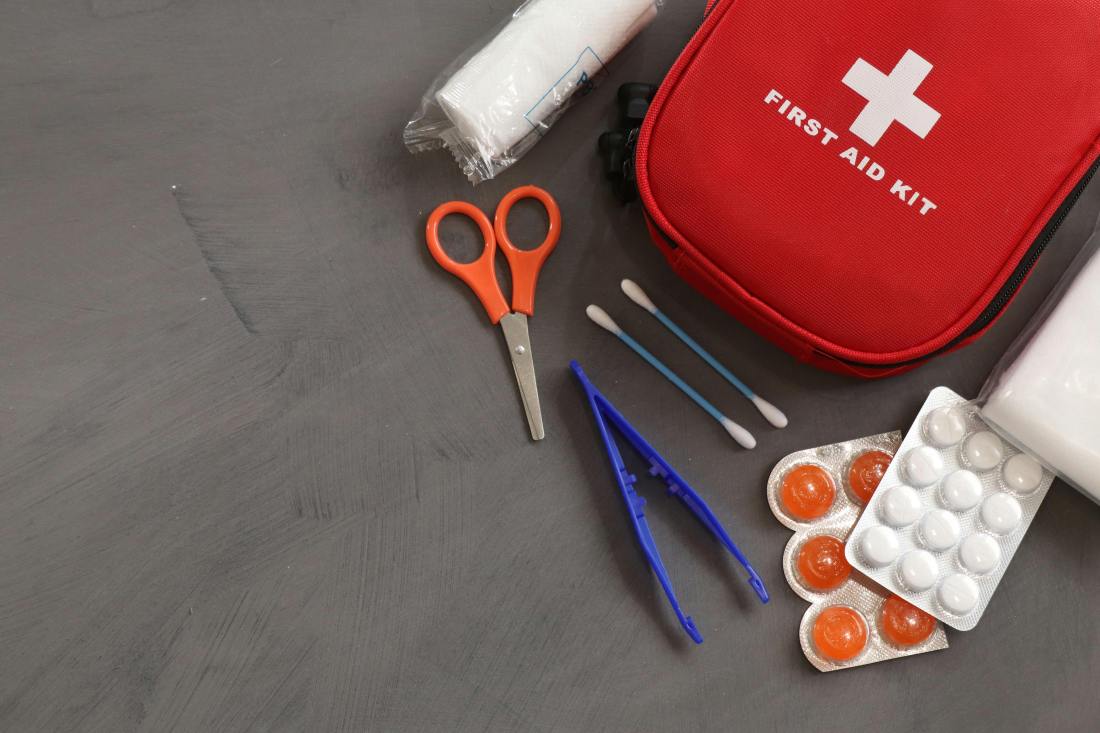
Gardening is a fulfilling hobby, but it comes with its fair share of risks. From minor cuts and scrapes to insect bites and allergic reactions, gardeners are exposed to various hazards while tending to their plants. Having a well-equipped first aid kit is essential for addressing injuries and emergencies that may occur in the garden. In this article, we’ll explore the types of medicines that should be kept in a gardener’s first aid kit to ensure safety and preparedness.

Antiseptic Wipes or Solution:

One of the most common injuries in the garden is minor cuts and scrapes from handling tools or pruning plants. Antiseptic wipes or solution are essential for cleaning wounds to prevent infection. They help remove dirt and debris from the affected area, reducing the risk of bacterial contamination.

Adhesive Bandages:

Adhesive bandages, also known as band-aids, are indispensable for covering small cuts and abrasions. They provide a protective barrier against dirt and germs while promoting healing. It’s advisable to keep a variety of sizes and shapes of adhesive bandages to accommodate different types of wounds.

Sterile Gauze Pads and Tape:

For larger wounds or injuries that require more extensive dressing, sterile gauze pads and medical tape are essential. Gauze pads can be used to cover and absorb blood from wounds, while medical tape secures the gauze in place. These items are crucial for controlling bleeding and protecting the wound from further contamination.

Pain Relievers:

Gardening activities can sometimes lead to muscle strains, sprains, or headaches due to prolonged sun exposure or physical exertion. Over-the-counter pain relievers such as ibuprofen or acetaminophen (with a doctor’s consultation) can provide relief from minor aches and pains. However, it’s essential to follow the recommended dosage and precautions when using pain relievers.


Similar Posts:


Allergy Medications:

Many gardeners may experience allergies to pollen, plants, or insect bites while working in the garden. Antihistamines such as diphenhydramine or loratadine (with a doctor’s consultation) can help alleviate symptoms such as sneezing, itching, or hives caused by allergies. It’s advisable to keep allergy medications on hand, especially for individuals prone to allergic reactions.

Insect Sting Relief:

Insect bites and stings are common occurrences in the garden, particularly during the warmer months. Insect sting relief products containing ingredients like hydrocortisone or antihistamines can help reduce itching, swelling, and discomfort caused by insect bites. It’s essential to address insect stings promptly to prevent allergic reactions or secondary infections.

Sunburn Relief:

Prolonged exposure to the sun while gardening can lead to sunburn, especially on exposed skin areas. Aloe vera gel or calamine lotion can provide soothing relief for sunburned skin. Additionally, wearing protective clothing, such as wide-brimmed hats and long sleeves, and applying sunscreen with a high SPF can help prevent sunburns while gardening.

Poison Ivy/Oak Treatment:

Contact with poisonous plants like poison ivy or poison oak can cause allergic skin reactions in some individuals. Calamine lotion or hydrocortisone cream can help alleviate itching and inflammation associated with poison ivy/oak exposure. It’s essential to wash the affected area thoroughly with soap and water to remove plant oils and prevent further spread of the rash.

Conclusion:

A well-stocked first aid kit is essential for every gardener to handle minor injuries and emergencies that may occur while gardening. By including essential medicines such as antiseptics, bandages, pain relievers, allergy medications, and insect sting relief in the first aid kit, gardeners can ensure their safety and preparedness in the garden. Remember to regularly check and replenish the first aid kit to maintain its effectiveness in addressing gardening-related injuries.

Happy Gardening!

Essential Safety Measures for Gardening: Protecting Yourself While Cultivating Your Garden Oasis!

Introduction:

Gardening is a rewarding and enjoyable hobby that allows us to connect with nature and create beautiful outdoor spaces. However, it’s essential to prioritize safety while tending to our gardens to prevent accidents and injuries. In this guide, we’ll explore important safety measures and precautions that every gardener should take to ensure a safe and enjoyable gardening experience.

Dress Appropriately:

Before you start gardening, it’s crucial to wear appropriate attire to protect yourself from potential hazards. This includes wearing sturdy, closed-toe shoes to prevent injuries from sharp tools or falling objects. Additionally, wearing long pants and sleeves can protect your skin from scratches, bites, and exposure to harmful plants or chemicals.

Use Protective Gear:

When handling gardening tools and equipment, wearing appropriate protective gear can minimize the risk of injuries. Always wear gloves to protect your hands from blisters, cuts, and thorns while pruning, weeding, or handling soil. If you’re working with power tools or machinery, such as lawn mowers or hedge trimmers, wear safety goggles and ear protection to prevent eye and ear injuries.

Handle Chemicals Safely:

Many gardeners use fertilizers, pesticides, and herbicides to maintain their gardens, but these chemicals can pose health risks if not handled properly. Always read and follow the instructions on chemical labels carefully, and wear protective clothing, gloves, and a mask when applying chemicals. Store chemicals in a secure location out of reach of children and pets, and never mix or transfer chemicals in food containers.

Lift Heavy Objects Safely:

Gardening often involves lifting and carrying heavy objects, such as bags of soil, pots, or gardening equipment. To prevent back strain and injuries, use proper lifting techniques. Bend your knees, keep your back straight, and lift with your legs rather than your back. If an object is too heavy to lift safely, ask for assistance or use a wheelbarrow or gardening cart to transport it.


Similar Posts:


Be Mindful of Sun Exposure:

Spending time outdoors in the garden exposes you to sunlight, which can lead to sunburn and skin damage if proper precautions are not taken. Wear sunscreen with a high SPF rating, even on cloudy days, and reapply it every few hours, especially if you’re sweating or swimming. Additionally, wear a wide-brimmed hat and lightweight, breathable clothing to protect your skin from harmful UV rays.

Stay Hydrated:

Gardening can be physically demanding, especially on hot and humid days, so it’s essential to stay hydrated to prevent dehydration and heat-related illnesses. Drink plenty of water before, during, and after gardening, and take frequent breaks in the shade to rest and cool off. Avoid working in the garden during the hottest part of the day, and schedule tasks for early morning or late afternoon when temperatures are cooler.

Watch Out for Wildlife:

While gardening, you may encounter various wildlife, including insects, spiders, snakes, and other creatures. Be cautious when reaching into dark or hidden areas, such as under bushes or in dense vegetation, where animals may be hiding. Wear gloves and protective clothing to minimize the risk of bites or stings and familiarize yourself with common pests and how to safely remove them from your garden.

Maintain Garden Tools and Equipment:

Regularly inspect and maintain your gardening tools and equipment to ensure they are in good working condition and safe to use. Sharpen dull blades on pruners, shears, and other cutting tools to prevent accidents and make clean, precise cuts. Replace worn or damaged tools and repair any defects or malfunctions promptly to prevent injuries during use.

Conclusion:

By following these safety measures and precautions, you can minimize the risk of accidents and injuries while enjoying your gardening hobby. Remember to prioritize safety at all times and be mindful of potential hazards in your garden environment. With proper precautions and responsible gardening practices, you can create a safe and enjoyable outdoor space to relax, unwind, and connect with nature.

Happy Gardening!

Growing and Maintaining Gerbera Plants: A Complete Guide to Vibrant Blooms!

Introduction:

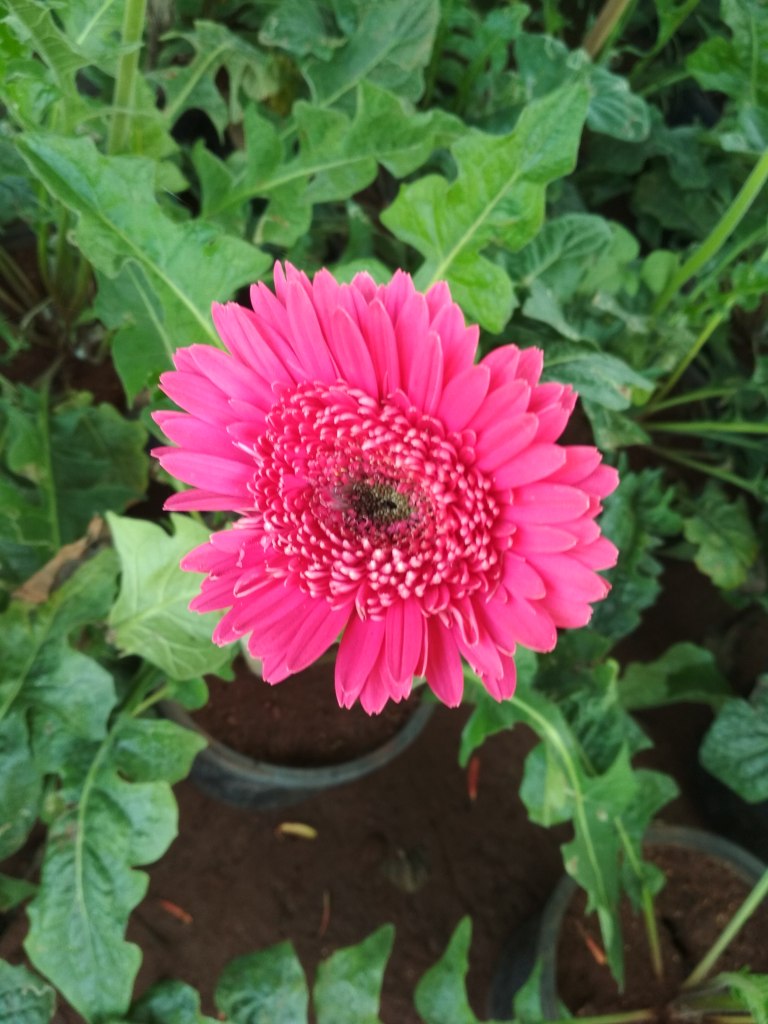
Gerbera plants, with their vibrant and colorful blooms, are a delightful addition to any garden or indoor space. Known for their daisy-like flowers and long-lasting blossoms, gerberas are relatively easy to grow with proper care and maintenance. In this comprehensive guide, we’ll explore everything you need to know about cultivating and nurturing gerbera plants for continuous and vibrant flowering.

Understanding Gerbera Plants:

Gerbera (Gerbera jamesonii) is a genus of ornamental plants native to South Africa, belonging to the Asteraceae family. These perennial flowering plants are cherished for their large, showy flowers, which come in a variety of colors, including red, yellow, orange, pink, and white. Gerberas thrive in moderate climates and are commonly grown as outdoor bedding plants, container plants, or cut flowers for floral arrangements.

Growing Conditions:

To ensure optimal growth and blooming, it’s essential to provide gerbera plants with the right growing conditions:

Sunlight: Gerberas prefer bright, indirect sunlight or partial shade. In hotter climates, they benefit from some protection from the intense afternoon sun to prevent scorching of the leaves and flowers.

Temperature: Gerberas thrive in moderate temperatures ranging from 65°F to 75°F (18°C to 24°C). Protect them from frost and extreme cold, as prolonged exposure can damage the foliage and flowers.

Soil: Well-draining, fertile soil with a slightly acidic to neutral pH (around 6.0 to 6.5) is ideal for gerbera plants. Add organic matter to your soil, such as compost or peat moss, to help with fertility and soil structure.

Watering: Make sure the soil is constantly damp but not soggy. Water gerberas thoroughly when the top inch of soil feels dry to the touch, and avoid overhead watering to prevent fungal diseases.

Planting and Propagation:

Gerberas can be propagated from seeds, division, or tissue culture. Here’s how to plant and propagate gerbera plants effectively:

Seed Propagation: Sow gerbera seeds in seed-starting trays filled with a well-draining potting mix. Keep the seeds moist and lightly cover with soil until germination takes place. Transplant the seedlings into individual pots once they develop true leaves.

Division: Mature gerbera plants can be divided during the dormant season or early spring. Carefully separate the clumps of rhizomes, ensuring each division has healthy roots and foliage. Plant the divisions in separate containers or directly in the garden bed.


Similar Posts:


Care and Maintenance:

Proper care and maintenance are essential for promoting healthy growth and continuous blooming of gerbera plants. Follow these tips to ensure your gerberas thrive:

Deadheading: Remove spent flowers regularly to encourage the production of new blooms and prevent the plant from diverting energy into seed production.

Fertilization: Feed gerbera plants with a balanced, water-soluble fertilizer every two to four weeks during the growing season. High-nitrogen fertilizers should be avoided as they may encourage the growth of foliage at the expense of flowers.

Pest and Disease Control: Monitor gerbera plants for common pests such as aphids, spider mites, and whiteflies. Use neem oil or insecticidal soap to quickly treat infestations. Furthermore, keep fungal diseases at bay by avoiding overhead watering and maintaining adequate air circulation.

Support: Tall varieties of gerbera plants may require staking or support to prevent the flower stems from bending or breaking. Use bamboo stakes or plant supports to provide structural support as needed.

Pruning and Deadheading:

Regular pruning and deadheading are essential for maintaining the health and appearance of gerbera plants. Follow these guidelines for pruning and deadheading gerberas:

Pruning: Remove any dead, damaged, or yellowing leaves and stems as needed throughout the growing season. To make precise cuts and stop spreading of diseases, use sharp, clean pruning shears.

Deadheading: Pinch or cut off spent flowers as soon as they fade to promote continuous blooming. Trim the flower stems back to the base of the plant or to a healthy set of leaves to encourage new flower buds to develop.

Conclusion:

Growing and maintaining gerbera plants can be a rewarding experience for gardeners of all skill levels. By providing the right growing conditions, proper care, and regular maintenance, you can enjoy a profusion of vibrant blooms throughout the growing season. Whether grown in garden beds, containers, or as cut flowers, gerberas add a splash of color and beauty to any landscape or indoor space. Incorporate these tips and techniques into your gardening routine to cultivate healthy, thriving gerbera plants and enjoy their stunning flowers year after year.

Happy Gardening!

Exploring Vertical Gardening: Growing Up for More Space and Beauty

Hey there, green thumbs and plant enthusiasts! If you’re looking to maximize your gardening space without compromising on beauty, it’s time to set your sights skyward with vertical gardening. This innovative technique has been taking root all across the world, offering a fantastic solution for urban dwellers and anyone seeking to transform walls, balconies, and even tiny corners into lush and vibrant green spaces. Let’s delve into the world of vertical gardening and discover how to create your own captivating vertical oasis.

Why Go Vertical?

In a country as diverse as India, where space is often at a premium, vertical gardening is a game-changer. It allows you to utilize both indoor and outdoor vertical surfaces, turning them into living, breathing pieces of art. From apartments to bungalows, vertical gardens offer a creative way to add personality and greenery to your surroundings.

Choosing the Right Plants

Before you dive into vertical gardening, consider the types of plants that thrive in your local climate. As a gardener, you’re spoiled for choice – from vibrant flowers like bougainvillea and morning glories to culinary herbs like basil and mint. Opt for plants with lightweight growth habits that won’t weigh down the structure and enjoy the freedom of experimenting with a variety of species.

Creating the Framework

A successful vertical garden begins with a sturdy framework. You can choose from various options like trellises, grids, hanging planters, and even repurposed materials like pallets. Make sure your chosen framework can support the weight of the plants and the soil they’ll be growing in. As you set up your framework, ensure that it’s securely attached to the wall or surface for stability.

Choosing the Right Soil and Planters

Using the right soil and planters is crucial for your vertical garden’s success. Opt for lightweight potting mixtures that provide proper drainage and aeration. Additionally, consider using planters with built-in reservoirs to ensure consistent moisture levels, especially in India’s varying weather conditions.


Similar Posts


Planting Techniques

Planting in vertical gardens requires a bit of finesse. For potted plants, make sure to pack the soil firmly to prevent it from settling and leaving gaps. Plant smaller plants near the top and larger ones toward the bottom to create a balanced and visually appealing composition. Regularly water your garden, keeping in mind that vertical gardens may dry out more quickly than traditional beds.

Vertical Gardens Indoors

Vertical gardening isn’t limited to outdoor spaces – it can also breathe life into your indoor environment. Choose indoor-friendly plants like pothos, spider plants, and air plants. Hanging planters or wall-mounted pockets can add a touch of nature to your living room, kitchen, or even your office space.

Maintenance and Care

Vertical gardens require consistent care to thrive. Regularly check for signs of pests, disease, and nutrient deficiencies. Prune plants as needed to maintain their shape and encourage healthy growth. Keep in mind that plants may need more frequent watering in warmer months, so be attentive to their moisture needs.

Benefits Beyond Beauty

Vertical gardening isn’t just about aesthetics – it offers various other benefits. It can improve air quality, insulate buildings, and even provide food in the form of fresh herbs and vegetables. Plus, nurturing your vertical garden can be a therapeutic and rewarding experience.

Conclusion

Vertical gardening is a fantastic way to add greenery and charm to your living spaces, whether you’re in a bustling city or a cozy town in India. With careful planning, the right plant choices, and a touch of creativity, you can transform any vertical surface into a captivating garden that’s a testament to the power of nature’s beauty. So, reach for the sky and embark on your vertical gardening journey today – your walls are waiting to be adorned with the splendor of lush foliage!

Happy Gardening!

A Year-Round Guide to Seasonal Gardening: Planting and Caring for Each Season!!

Introduction:

Gardening isn’t just a spring and summer affair; it’s a year-round journey filled with possibilities and rewards. Whether you’re a seasoned gardener or a newbie with a green thumb yearning to flourish, this comprehensive guide will walk you through the ins and outs of seasonal gardening. From the vibrant blooms of spring to the cozy joys of winter, each season presents unique opportunities to nurture your garden and watch it thrive.

Winter Season:

Indian winters can be mild to cold, depending on the region. It’s a period of rest and renewal. The development rate of plants substantially slows down, and many go dormant throughout the winter, so they require extra care. Here are some tips to help you care for your plants during the winter:

  • Protect from Cold:

Cover tender plants with frost cloth or burlap during frosty nights to shield them from the cold.

  • Watering:

While plants require less water in winter, don’t let them dry out completely. Water deeply but less frequently to avoid waterlogged roots.

  • Sunlight:

Ensure that plants receive sufficient sunlight, as winter days can be shorter. Trim overgrown branches that might be blocking sunlight.

  • Pruning:

Prune your plants to remove dead or diseased branches. This encourages new growth in the spring.

  • Use Windbreaks:

 For areas that experience cold winds, create windbreaks using cloth or screens to protect plants from windburn.

  • Reduce Fertilization:

Plants are usually in a state of dormancy during winter, so avoid heavy fertilization. Make only occasional use of a balanced, slow-release fertilizer.

  • Indoor Plants:

If you have potted plants, consider bringing sensitive ones indoors to protect them from the cold.

  • Plant Cover Crops:

If you have a vegetable garden, consider planting cover crops like mustard or clover to protect and enrich the soil during winter.


Similar Posts


Rainy Season:

Taking care of your plants during the rainy season is all about finding that balance. While the extra water from the rain is great, it is crucial to take care of plants during the rainy season to ensure their healthy development, avoid water-related problems, and maintain ideal moisture levels. Here are some tips to help you care for your plants during the rainy season:

  • Ensure Proper Drainage:

To prevent waterlogging, make sure your pots and garden beds have proper drainage. Elevate pots on bricks or blocks to allow excess water to drain away.

  • Control Fungal Diseases:

Rainy seasons can lead to fungal growth. Apply preventive fungicides to your plants and avoid overwatering. Water indoor plants in the morning so that leaves have time to dry before evening.

  • Prune and Trim:

Remove any dead or diseased branches or leaves to discourage the growth of fungi and pests. Proper air circulation is important.

  • Pest Control:

Rain can bring out pests. Regularly inspect your plants for signs of infestations and treat them promptly with natural remedies or appropriate pesticides.

  • Avoid Overwatering:

While plants (indoor plants) need water, be cautious not to overwater them. Check the soil moisture before watering to prevent root rot.

  • Use Mulch:

Apply a layer of organic mulch around plants to prevent soil erosion, reduce splashing, and regulate soil temperature and moisture.

Summer Season

Caring for plants during the hot and often challenging summer season requires attention to watering, protection from intense sunlight, and overall plant health. Here’s a guide to help you care for your plants during the summer:

  • Watering:

Water deeply and less frequently to encourage plants to develop strong root systems. This helps them access water from deeper into the soil. Water early in the morning or late in the evening to minimize water loss due to evaporation. Avoid wetting the foliage to prevent fungal diseases. Water at the base of the plant. Monitor your plants’ water needs closely; the heat can cause them to dry out more quickly.

  • Mulching:

Apply a layer of organic mulch (such as straw, wood chips, or compost) around the base of your plants. This helps retain soil moisture, regulate soil temperature, and prevent weed growth.

  • Shade and Sun Protection:

Provide shade to delicate plants during the hottest part of the day, especially in regions with scorching temperatures. Use shade cloth, row covers, or plant taller plants to create natural shade.

  • Pruning:

Regularly prune dead or yellowing leaves to improve air circulation and prevent the growth of diseases. Trim back overgrown branches to promote better growth and shape.

  • Fertilization:

Use a balanced, slow-release fertilizer to provide essential nutrients to your plants. Avoid excessive fertilization, as it can kill the plants especially if you are using chemical fertilizer. To prevent excess heat, fertilize the plants in the evening after watering.

  • Potted Plants:

Potted plants can heat up quickly in the summer. Move them to a slightly shaded area to protect them from intense sunlight. Water potted plants more frequently since they tend to dry out faster than plants in the ground.

  • Heat-Tolerant Plants:

Opt for heat-tolerant and drought-resistant plant varieties that are better suited for the Indian summer. Succulents, cacti, adenium, and native plants are good options.

  • Pest Management:

Regularly inspect your plants for signs of pests and disease. The most frequent pests that attack plants in the summer are aphids and mealybugs. Use natural remedies or appropriate pesticides if necessary. Healthy plants are more resistant to pests and diseases, so maintaining proper care is essential.

  • Wind Protection:

Strong winds can increase water evaporation and stress on plants. Use windbreaks or plant taller plants as barriers to reduce wind impact.

  • Watering Techniques:

Use a soaker hose or drip irrigation system to water plants directly at the soil level. This minimizes water waste and avoids wetting foliage.

  • Consistent Care:

Consistency is key. Regularly care for your plants and observe their condition. Adjust your care routine based on their needs.

  • Shade-loving Plants:

If you have areas with limited sunlight, consider growing shade-loving plants to create a cooler and more comfortable environment.

By following these tips and tailoring them to the specific needs of your plants, you can help them thrive and survive the challenges posed by the hot summer.

Remember that the specific care required can vary depending on the types of plants you have and the microclimate of your region. Observing your plants closely and adjusting your care routine accordingly is key to successful gardening during each season.

Conclusion:

Embarking on a year-round journey of seasonal gardening is an enriching experience that connects you with the rhythm of nature. Each season brings its own magic, challenges, and rewards. By understanding the unique demands of each period and tailoring your efforts accordingly, you’ll cultivate a garden that’s not only a testament to your dedication but also a haven for nature’s beauty. So, roll up your sleeves, grab your gardening tools, and let the enchanting cycle of seasonal gardening begin!

Happy Gardening!