
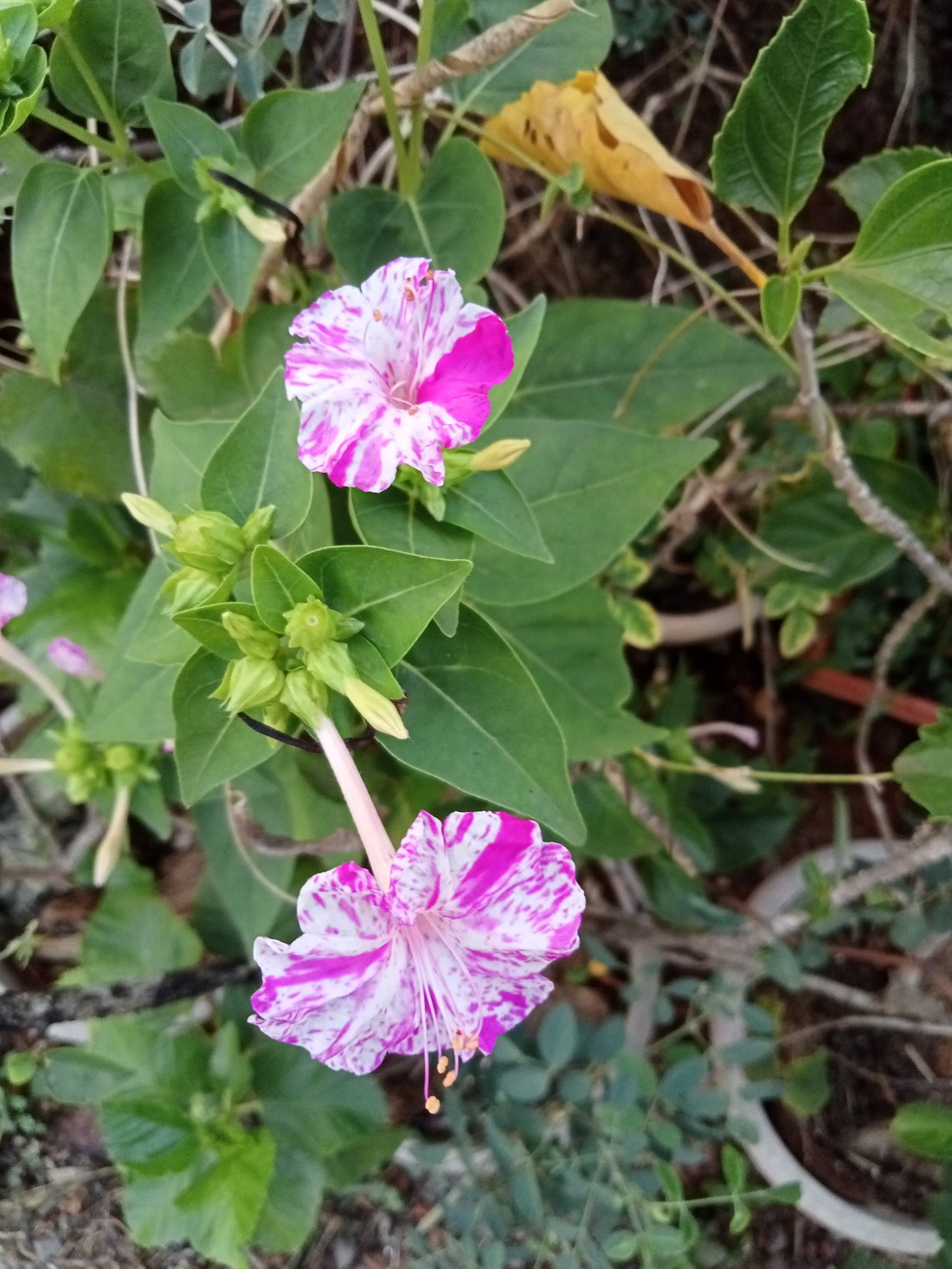
Night-blooming plants have an enchanting allure, adding a touch of mystique and beauty to gardens. These fascinating floras unfold their petals and release captivating scents as dusk settles, creating an ethereal experience under the moonlit sky.
The Enigmatic Charm
Night-blooming plants, as the name suggests, unveil their blooms after sundown, making evenings a magical time in the garden. These plants often have vibrant, fragrant flowers that open during the night, offering a sensory treat to those fortunate enough to witness their beauty.
Mystical Traditions and Symbolism
Throughout history, night-blooming plants have been linked to mystical beliefs and cultural significance. Some cultures view them as symbols of secrets, mystery, or transformation due to their tendency to bloom under the cover of darkness.
A Symphony for the Senses
Night-blooming plants aren’t just a visual spectacle; they engage multiple senses. Many emit enticing fragrances that attract night-flying pollinators like moths and bats, adding an auditory dimension to the garden’s nocturnal orchestra.
Encouraging Biodiversity
Night-blooming plants aren’t just captivating for humans; they attract an array of nighttime pollinators, contributing to biodiversity. By fostering these plants, gardeners indirectly support the ecosystem by providing sustenance for nocturnal insects and animals.
The Timeless Magic
Night-blooming plants offer an intimate connection with nature, revealing their beauty under the cover of darkness. Their brief yet captivating display reminds us of the fleeting yet profound moments that nature gifts us.
Some Examples Of Night Blooming Plants
1. Moonflower (Ipomoea alba):
These large, white blossoms unfurl their petals in the evening, emitting a sweet fragrance that entices nocturnal pollinators like moths.
2. Night-Blooming Jasmine (Cestrum nocturnum):
Tiny, greenish-white flowers that release an intoxicating fragrance after sunset, filling the air with a sweet aroma.
3. Evening Primrose (Oenothera biennis):
Bright yellow flowers that bloom in the late afternoon and remain open until morning, attracting night-flying insects with their mild scent.
4. Night-Blooming Cereus (Epiphyllum oxypetalum):
Known as the ‘Queen of the Night,’ this orchid cactus produces large, fragrant white flowers that bloom exclusively at night, usually lasting just one night.
Similar Posts
5. Night Phlox (Zaluzianskya ovata):
Delicate, white flowers that release a sweet, jasmine-like fragrance at night, attracting moths and other nighttime pollinators.
6. Night Gladiolus (Gladiolus tristis):
Pale yellow blossoms that exude a rich fragrance in the evening, offering a delightful olfactory experience after dark.
7. Four O’Clocks (Mirabilis jalapa):
Colorful flowers that open in the late afternoon and emit a delightful, sweet fragrance in the evening hours.
8. Brahma Kamal (Saussurea obvallata):
A Himalayan flower that blooms only at night, emitting an exquisite fragrance, often considered divine.
9. Night-Blooming Water Lily (Nymphaea odorata):
Elegant white and pink flowers that bloom at night, perfuming the air around ponds and water gardens.
10. Nicotiana (Nicotiana alata):
Tubular, trumpet-shaped flowers that release a sweet, pleasant fragrance in the evening, attracting night-pollinating moths.
11. Angel’s Trumpet (Brugmansia suaveolens):
Large, pendulous flowers with an intoxicating fragrance that intensifies in the evening, attracting night pollinators.
12. Night-Scented Stock (Matthiola longipetala):
Tiny, delicate flowers that emit a rich, spicy fragrance in the evening, making them ideal for fragrant borders or containers.
13. Night-Blooming Orchid (Brassavola nodosa):
Fragrant white flowers that bloom exclusively at night, offer a captivating aroma.
14. Dragon Fruit (Hylocereus spp.):
These cactus flowers bloom at night, showcasing large, stunning blossoms that give way to delicious, edible fruits.
15. Night-Blooming Cactus (Selenicereus grandiflorus):
Large, showy flowers that bloom spectacularly at night, often filling the garden with their sweet fragrance.
Conclusion
As the sun sets and the night garden awakens, it’s a time of wonder and discovery. Night-blooming plants, with their mysterious allure, beckon us to slow down, appreciate nature’s secrets, and revel in the ephemeral beauty that adorns the darkness.
Night-blooming plants offer a symphony of colors, shapes, and fragrances, creating a magical ambiance in gardens after twilight. Whether for their captivating scents or captivating blooms, they truly shine when the sun sets, making them a delightful addition to nocturnal landscapes. Their delicate blossoms, intoxicating scents, and elusive beauty create an ethereal experience, inviting us to appreciate nature’s magic under the moonlit sky.
Happy Gardening!
 ILoveGardening