Intensive Planting: Maximizing Yield in Your Garden!

Introduction:

Intensive planting, also known as close planting or square foot gardening, is a gardening technique that focuses on planting crops more densely than in traditional gardening methods. This approach allows gardeners to make the most out of limited space, increase yields, and reduce maintenance efforts. In this article, we’ll delve into the benefits of intensive planting, how to implement it, and tips for success.

Benefits of Intensive Planting

1. Maximizes Space

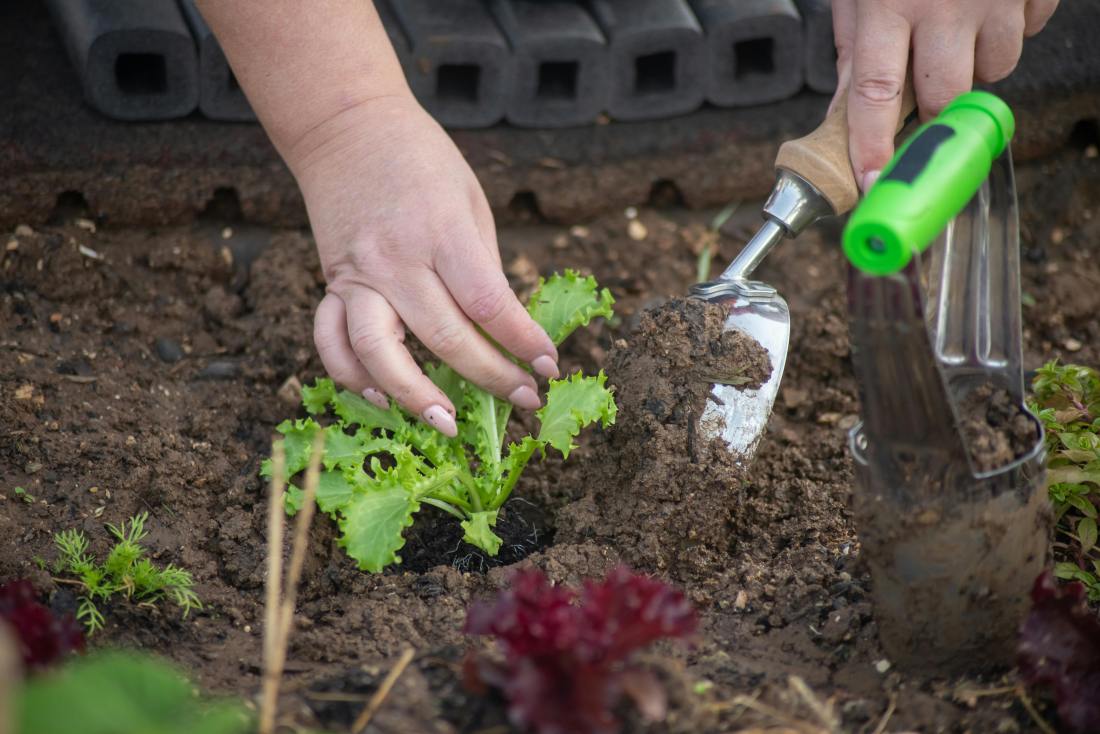
Intensive planting is all about making the most of your garden’s space. By planting crops closer together, you can grow more in the same area, making it ideal for small gardens, urban spaces, or even container gardening.

2. Increases Yields

Higher planting density can lead to increased yields. When plants are grown closely together, they create a microclimate that helps retain moisture, reduce weed growth, and maximize nutrient uptake, resulting in healthier and more productive plants.

3. Reduces Weeds

The dense foliage created by intensive planting shades the soil, reducing weed growth and competition. This you will get more time enjoying your garden and less time on weeding.

4. Improves Soil Health

Intensive planting encourages strong root development, which helps aerate the soil and improve its structure. The close proximity of plants also leads to a faster canopy cover, reducing soil erosion and improving moisture retention.

How to Implement Intensive Planting

1. Plan Your Garden Layout

It’s crucial to thoroughly plan your garden’s layout before you start planting. Consider the mature size of your plants and their spacing requirements. Research companion planting to find combinations that work well together and maximize space.

2. Prepare the Soil

Healthy soil is essential for a successful garden. Increasing the number of plants in an area will result in more competition for essential resources such as water and nutrients. So before planting, amend your soil with organic matter like vermicompost or aged cow manure to improve its overall structure and fertility. Make sure there is adequate drainage to avoid waterlogging. Waterlogging can cause root rot, which can harm your plants.

3. Use Raised Beds or Containers

Raised beds and containers are excellent options for intensive planting. They allow you to control soil quality, improve drainage, and concentrate plants in specific areas. Plus, they can be placed in sunny spots, patios, or even rooftops, expanding your growing space.

4. Plant Closely, But Not Too Close

While the goal is to plant densely, it’s essential not to overcrowd plants. Follow spacing recommendations on seed packets or plant labels, adjusting based on your garden’s size and layout. Consider staggered or offset planting for rows to maximize space further. Consider planting symbiotic plants that can mutually benefit each other in growth and fruit production.


Similar Posts:


Tips for Successful Intensive Planting

1. Rotate Crops

Crop rotation is essential in intensive planting to prevent soil depletion and reduce pest and disease problems. Plan your planting schedule to rotate crops annually, ensuring a balanced nutrient profile and healthier plants.

2. Mulch

Mulching is beneficial in intensive planting as it helps retain moisture, suppress weeds, and regulate soil temperature. Use organic mulches like straw, wood chips, or leaves to create a protective layer around your plants.

3. Monitor and Maintain

Regular monitoring is crucial in intensive planting to ensure plants are thriving and address any issues promptly. Check for signs of nutrient deficiencies, pest or disease problems, and adjust watering and fertilization as needed.

4. Harvest Promptly

Harvesting promptly encourages continuous production and prevents overcrowding. Regular harvesting also ensures plants have enough space to grow and reduces competition for nutrients and sunlight.

Conclusion:

Intensive planting offers a practical and efficient approach to gardening, allowing you to make the most out of your garden’s space while increasing yields and reducing maintenance. By carefully planning your garden layout, preparing the soil, and following these tips and strategies, you can create a productive and thriving garden that provides a bountiful harvest throughout the growing season.

Happy Gardening!
The Ultimate Guide to Gardening: Do’s and Don’ts for a Flourishing Garden!

Introduction

Gardening is a delightful hobby that allows you to connect with nature, beautify your surroundings, and even produce your own fruits and vegetables. However, like any other endeavor, gardening requires knowledge and care to be successful. In this article, we’ll go over the key dos and don’ts in this in-depth guide to assist you in creating a successful garden.

The Do’s of Gardening

1. Do Plan Before Planting

Do: Research the plants suitable for your climate, soil type, and sunlight conditions. Plan the layout of your garden to ensure adequate spacing between plants and easy access for maintenance.

2. Do Prepare the Soil

Do: Invest in good quality soil or amend your existing soil with compost and organic matter to improve its fertility and structure. Healthy soil is the first step and the basis of a successful garden.

3. Do Water Wisely

Do: Water your plants deeply but infrequently to encourage deep root growth. Use a soaker hose or drip irrigation system to deliver water directly to the root zone and minimize water waste.

4. Do Mulch

Do: Apply a layer of organic mulch like straw, wood chips, or compost to help retain moisture, suppress weeds, and regulate soil temperature. Mulching is an excellent way to conserve water and improve soil health.

5. Do Regular Maintenance

Do: Regularly check for weeds, pests, and diseases and take prompt action to address any issues. Prune dead or damaged branches, and fertilize your plants as needed to promote healthy growth.

6. Do Rotate Crops

Do: Practice crop rotation to prevent soil depletion and reduce the risk of pests and diseases. Rotate plants from different families to maintain soil fertility and overall garden health.

7. Do Compost

Do: Start a compost pile or bin to recycle kitchen scraps, yard waste, and other organic materials into nutrient-rich compost for your garden. Composting is an eco-friendly way to improve soil fertility and reduce waste.


Similar Posts:


The Don’ts of Gardening

1. Don’t Overwater

Don’t: Avoid overwatering your plants as it can lead to root rot and other moisture-related problems. To determine when to water, use a moisture meter or feel the soil with your finger.

2. Don’t Plant Invasive Species

Don’t: Avoid planting invasive species that can outcompete native plants and harm local ecosystems. Research the plants you choose to ensure they are not considered invasive in your area.

3. Don’t Use Chemical Pesticides

Don’t: Resist the temptation to use chemical pesticides and herbicides as they can harm beneficial insects, pollinators, and even your plants. Whenever possible choose natural and organic pest control techniques.

4. Don’t Neglect Pest Control

Don’t: Ignoring pest and disease issues can quickly escalate and cause widespread damage to your garden. Keep a close eye on your plants and take preventative action to keep pests and diseases under control.

5. Don’t Plant Too Deep

Don’t: Avoid planting your seeds or seedlings too deep as it can hinder germination and root development. Follow the planting instructions provided for each plant to ensure proper depth.

6. Don’t Overfertilize

Don’t: Overfertilizing can lead to nutrient imbalances, burn your plants’ roots, and harm beneficial soil organisms. Use fertilizers sparingly and follow the manufacturer’s instructions for application rates.

7. Don’t Ignore Sunlight Requirements

Don’t: Ignoring the sunlight requirements of your plants can result in poor growth and reduced yields. Plant sun-loving plants in sunny spots and shade-loving plants in shaded areas to ensure they thrive.

Conclusion

Gardening is a fulfilling and rewarding activity that offers numerous benefits for your physical and mental well-being. By following these do’s and don’ts, you can create a flourishing garden that brings joy and beauty to your outdoor space while respecting nature and the environment.

Remember, gardening is a learning process, and it’s okay to make mistakes along the way. The key is to observe, adapt, and enjoy the journey as you nurture your garden to its fullest potential.

Happy Gardening!

Essential Safety Measures for Gardening: Protecting Yourself While Cultivating Your Garden Oasis!

Introduction:

Gardening is a rewarding and enjoyable hobby that allows us to connect with nature and create beautiful outdoor spaces. However, it’s essential to prioritize safety while tending to our gardens to prevent accidents and injuries. In this guide, we’ll explore important safety measures and precautions that every gardener should take to ensure a safe and enjoyable gardening experience.

Dress Appropriately:

Before you start gardening, it’s crucial to wear appropriate attire to protect yourself from potential hazards. This includes wearing sturdy, closed-toe shoes to prevent injuries from sharp tools or falling objects. Additionally, wearing long pants and sleeves can protect your skin from scratches, bites, and exposure to harmful plants or chemicals.

Use Protective Gear:

When handling gardening tools and equipment, wearing appropriate protective gear can minimize the risk of injuries. Always wear gloves to protect your hands from blisters, cuts, and thorns while pruning, weeding, or handling soil. If you’re working with power tools or machinery, such as lawn mowers or hedge trimmers, wear safety goggles and ear protection to prevent eye and ear injuries.

Handle Chemicals Safely:

Many gardeners use fertilizers, pesticides, and herbicides to maintain their gardens, but these chemicals can pose health risks if not handled properly. Always read and follow the instructions on chemical labels carefully, and wear protective clothing, gloves, and a mask when applying chemicals. Store chemicals in a secure location out of reach of children and pets, and never mix or transfer chemicals in food containers.

Lift Heavy Objects Safely:

Gardening often involves lifting and carrying heavy objects, such as bags of soil, pots, or gardening equipment. To prevent back strain and injuries, use proper lifting techniques. Bend your knees, keep your back straight, and lift with your legs rather than your back. If an object is too heavy to lift safely, ask for assistance or use a wheelbarrow or gardening cart to transport it.


Similar Posts:


Be Mindful of Sun Exposure:

Spending time outdoors in the garden exposes you to sunlight, which can lead to sunburn and skin damage if proper precautions are not taken. Wear sunscreen with a high SPF rating, even on cloudy days, and reapply it every few hours, especially if you’re sweating or swimming. Additionally, wear a wide-brimmed hat and lightweight, breathable clothing to protect your skin from harmful UV rays.

Stay Hydrated:

Gardening can be physically demanding, especially on hot and humid days, so it’s essential to stay hydrated to prevent dehydration and heat-related illnesses. Drink plenty of water before, during, and after gardening, and take frequent breaks in the shade to rest and cool off. Avoid working in the garden during the hottest part of the day, and schedule tasks for early morning or late afternoon when temperatures are cooler.

Watch Out for Wildlife:

While gardening, you may encounter various wildlife, including insects, spiders, snakes, and other creatures. Be cautious when reaching into dark or hidden areas, such as under bushes or in dense vegetation, where animals may be hiding. Wear gloves and protective clothing to minimize the risk of bites or stings and familiarize yourself with common pests and how to safely remove them from your garden.

Maintain Garden Tools and Equipment:

Regularly inspect and maintain your gardening tools and equipment to ensure they are in good working condition and safe to use. Sharpen dull blades on pruners, shears, and other cutting tools to prevent accidents and make clean, precise cuts. Replace worn or damaged tools and repair any defects or malfunctions promptly to prevent injuries during use.

Conclusion:

By following these safety measures and precautions, you can minimize the risk of accidents and injuries while enjoying your gardening hobby. Remember to prioritize safety at all times and be mindful of potential hazards in your garden environment. With proper precautions and responsible gardening practices, you can create a safe and enjoyable outdoor space to relax, unwind, and connect with nature.

Happy Gardening!

Growing Green: New Year’s Resolutions for Your Flourishing Garden!

Introduction:

A new year brings opportunities for growth and renewal, not just for us but also for our gardens. As you step into the fresh canvas of a brand-new year, consider setting gardening resolutions that will nurture and elevate your green spaces. Here are some resolutions to inspire a thriving garden in the coming year.

Plan with Purpose:

Begin the year by mapping out a gardening plan. Assess your garden’s strengths and weaknesses, identify spaces for improvement, and set clear goals. Whether it’s expanding the variety of plants, creating dedicated zones, or enhancing sustainability, a well-thought-out plan sets the stage for a successful garden.

Embrace Sustainability:

Pledge to adopt eco-friendly practices in your garden. Explore composting, rainwater harvesting, and organic pest control methods. Incorporate native plants that thrive in your climate, reducing the need for excessive water and chemical interventions. Commit to reducing waste and recycling materials within your garden projects.

Learn and Experiment:

Cultivate a thirst for knowledge and experimentation. Dedicate time to learn about new plants, gardening techniques, or landscaping methods. Experiment with companion planting, vertical gardening, or different soil compositions. Expand your gardening horizons by trying new varieties or introducing a different style of gardening.

Prioritize Soil Health:

Make a resolution to care for your soil. To have a healthy garden, it is crucial to have good quality soil as it serves as the foundation. Commit to enriching the soil with organic matter, regularly testing its pH levels, and ensuring proper drainage. Focus on soil amendments and mulching to improve fertility and structure, fostering a nurturing environment for plant growth.

Create Biodiversity:

Aim to foster biodiversity within your garden. Encourage a variety of flora to attract pollinators, beneficial insects, and birds. Designate spaces for native plants, herb gardens, or wildlife habitats. Create a harmonious balance that supports the ecosystem and increases resilience against pests and diseases.


Similar Posts


Regular Maintenance:

Dedicate time for consistent garden care. Develop a routine for watering, weeding, pruning, and pest control. Regular maintenance not only keeps your garden aesthetically pleasing but also promotes plant health and productivity.

Grow Your Own Food:

Resolve to cultivate a more sustainable lifestyle by growing your own produce. Set a goal to grow a specific percentage of your food supply. Start small if you’re a beginner, with easy-to-grow herbs or salad greens in containers. Gradually expand to include vegetables and fruits that suit your climate and gardening space.

Share the Bounty:

Share the joy of gardening by involving friends, family, or the community. Consider starting a community garden project or sharing your surplus produce with neighbors. Engage in gardening forums or social media groups to exchange ideas, tips, and seeds.

Embrace Garden Therapy:

Recognize the mental and physical benefits of spending time in the garden. Make a resolution to dedicate moments in the garden for mindfulness, relaxation, and rejuvenation. Incorporate garden elements that foster a peaceful ambiance, such as a meditation corner or a tranquil water feature.

Celebrate Progress:

Lastly, celebrate every success and learn from setbacks. Keep a garden journal to document milestones, observations, and ideas. Embrace the journey of nurturing your garden, knowing that each season offers new lessons and growth opportunities.

As you step into the New Year, let your garden be a canvas for growth, learning, and joy. With these resolutions, embark on a gardening journey that nurtures not just your plants but also your soul.

Happy Gardening!

Protecting Your Garden During Parties: Keeping it Safe from Damage!

Introduction

Gardens are serene sanctuaries, a blend of nature’s beauty meticulously crafted by your hands. However, when hosting a party or any function in your garden, ensuring its protection from potential damage becomes crucial. While celebrations bring joy, they can also inadvertently cause harm to your precious garden. With thoughtful planning and a few precautions, you can safeguard your garden from potential harm during gatherings. Here’s how:

1. Define Boundaries:

Establish clear boundaries to guide guests and prevent accidental trampling or damage to delicate plants. Use fencing, subtle barriers, or decorative elements to demarcate sensitive areas and paths. This not only protects your garden but also enhances its aesthetic appeal.

2. Choose Durable Furniture:

Opt for sturdy, weather-resistant furniture that won’t damage your garden beds or lawn. Avoid sharp-edged furniture that might scrape against plants or tear the grass. Providing ample seating and designated areas for gathering can help direct foot traffic away from delicate areas.

3. Light it Right:

Illuminate the garden strategically to avoid mishaps. Place lighting fixtures strategically along paths, near flower beds, and around delicate areas. This not only ensures safety for guests but also safeguards your garden by preventing accidental trampling or damage.

4. Select Garden-Friendly Decor:

Be mindful of the decorations you choose. Avoid decorations that could potentially harm plants or lawns. Opt for potted plants, lanterns, or non-invasive decorations that complement your garden without causing damage.

5. Offer Guided Paths:

Create clear pathways for guests to follow, guiding them through the garden while protecting the plants. Use gravel, stepping stones, or designated walkways to direct foot traffic and discourage guests from wandering into off-limits areas.


Similar Posts


6. Say No to Firecrackers

Firecrackers can be dazzling and exciting during celebrations, but they pose a significant threat to our environment, especially to our cherished plants. The loud noises and harmful chemicals emitted by fireworks can wreak havoc on delicate plants, causing stress, damage, and sometimes even death.

Here are a few ways to shield your plants from the harmful effects of firecrackers:

  • Covering: Use cloth or protective coverings to shield plants from debris and chemicals released by fireworks. This simple step can significantly reduce the impact of pollutants on your green companions.
  • Watering: Before the festivities begin, water your plants thoroughly. Moist soil can help mitigate the effects of heat or sparks that might come in contact with the ground.
  • Pruning: Trim any overhanging branches or foliage near areas where fireworks might be set off. This reduces the risk of direct contact and potential damage.
  • Indoor Placement: If possible, temporarily move potted plants indoors or to a safer location away from the festivities. This offers them a reprieve from the noise and pollution.

7. Communicate Carefully:

Communicate with your guests about the garden’s significance and the need to preserve its beauty. Politely inform them about sensitive areas and request their cooperation in keeping the garden pristine.

8. Prepare for Weather Changes:

Be ready for unexpected weather changes. Have a backup plan or shelters in place to protect both your guests and the garden from sudden rain, wind, or excessive sunlight.

9. Supervise and Monitor:

Assign a few individuals to supervise the garden during the event. They can gently guide guests, ensure compliance with garden rules, and take quick action in case of any potential mishaps.

10. Cleanup and Restoration:

After the event, conduct a thorough check of the garden. Attend to any damages immediately, replant or repair as needed, and restore the garden to its original state. Prompt action can often mitigate any potential long-term harm.

Conclusion:

Your garden represents your dedication and love for nature’s beauty. Protecting it during gatherings requires thoughtful planning and communication. By implementing these precautions, you can enjoy hosting events in your garden while preserving its beauty and tranquility for many more gatherings to come.

Remember, while we celebrate, it’s equally important to safeguard the natural world around us. By taking a few precautions, we can ensure that our plants remain healthy and undisturbed during times of festivity. Remember, a little care goes a long way in safeguarding your green haven.

Happy Gardening!

Winter Plant Care and Protection: Safeguarding Your Garden Against Frost and Cold Weather!

Introduction

As winter descends, ensuring the health and vitality of your garden demands strategic plant care and protective measures. The plummeting temperatures and frosty conditions pose threats like frost damage, frozen roots, and winter scald, leaving plants vulnerable. Understanding the unique needs of different plants and employing various protective methods are crucial to safeguarding your garden’s greenery during the cold season.

Diverse Cold Tolerance in Plants

Not all plants weather winter in the same way. Understanding the varying levels of cold tolerance is essential. Some resilient plants, such as carrots, kale, broccoli, spinach, lettuce, chard, cilantro, cress, leeks, onions, and radicchio, thrive in colder temperatures. They require specific methods of protection to endure the winter months and continue flourishing once the cold subsides.

Methods of Winter Plant Protection

A range of protective measures can shield your plants from the harsh winter elements. Mulching stands out as a vital technique, effectively insulating the soil and roots against extreme cold. Covering plants acts as a barrier, trapping essential heat and moisture around them. Wrapping vulnerable stems and foliage shields them from biting cold winds. Moving delicate plants to sheltered or warmer locations can be a simple yet effective method. Adequate watering prevents dehydration and elevates soil temperature, contributing to the plants’ resilience.

Materials for Winter Plant Protection

Selecting the right materials is crucial in safeguarding your plants without causing harm. Leaves, straw, wood chips, burlap, frost cloth, plastic, bubble wrap, cardboard, and newspaper are commonly used protective coverings. Applying these materials with care is essential to avoid suffocating or overheating the plants. It’s crucial to remove them when the weather improves to prevent any adverse effects on plant health.


Similar Posts


Essential Winterizing Practices for Your Garden

Preparing your garden for winter involves a series of vital practices to ensure its well-being. Pruning, a fundamental step, involves removing dead or diseased branches to maintain plant health. Fertilizing replenishes vital nutrients, fortifying plants against the rigors of the cold season. Weeding helps minimize competition for resources, allowing plants to thrive. Cleaning the garden beds and surrounding areas prevents pests and diseases from proliferating. Harvesting remaining produce not only ensures freshness but also prevents rotting, fostering a healthy environment.

Vigilance in Monitoring and Early Intervention

Amidst the cold and frost, it’s crucial to maintain a proactive stance in observing your garden. Regularly monitor the conditions and the health of your plants. Keep an eye out for signs of stress or damage caused by the winter elements. Look for wilting, discoloration, or browning of foliage, which can signal potential issues. Early detection of problems enables swift action, preventing further damage and ensuring a better chance of plant recovery.

Building a Winter Gardening Community: Sharing Knowledge and Experiences

Additionally, fostering a sense of community and knowledge-sharing among fellow gardeners can be invaluable. Engage with local gardening groups or online forums where experiences and insights are exchanged. Learning from others’ experiences, especially those gardening in similar climates, can provide valuable tips and guidance for winter plant care and protection. Sharing knowledge fosters a sense of solidarity and can offer unique perspectives on dealing with winter challenges in gardening.

Conclusion

Maintaining a thriving garden through winter entails diligent care and vigilance. Employing suitable protective methods and understanding the individual needs of your plants are pivotal in ensuring their survival and prosperity through the cold months. As the temperatures drop, investing time and effort in winter plant care and protection ensures a robust and vibrant garden when the frost fades away.

Winter might be a dormant period for many plants, but it’s an active time for gardeners. By staying attuned to your garden’s needs and employing effective protective measures, you’re not just preserving your garden’s health; you’re nurturing a resilient and thriving ecosystem that will reward your efforts when the warmer seasons return.

Happy Gardening!

Blooming Brilliance: A Comprehensive Guide to Growing Crossandra Flowers in Your Garden!

Introduction

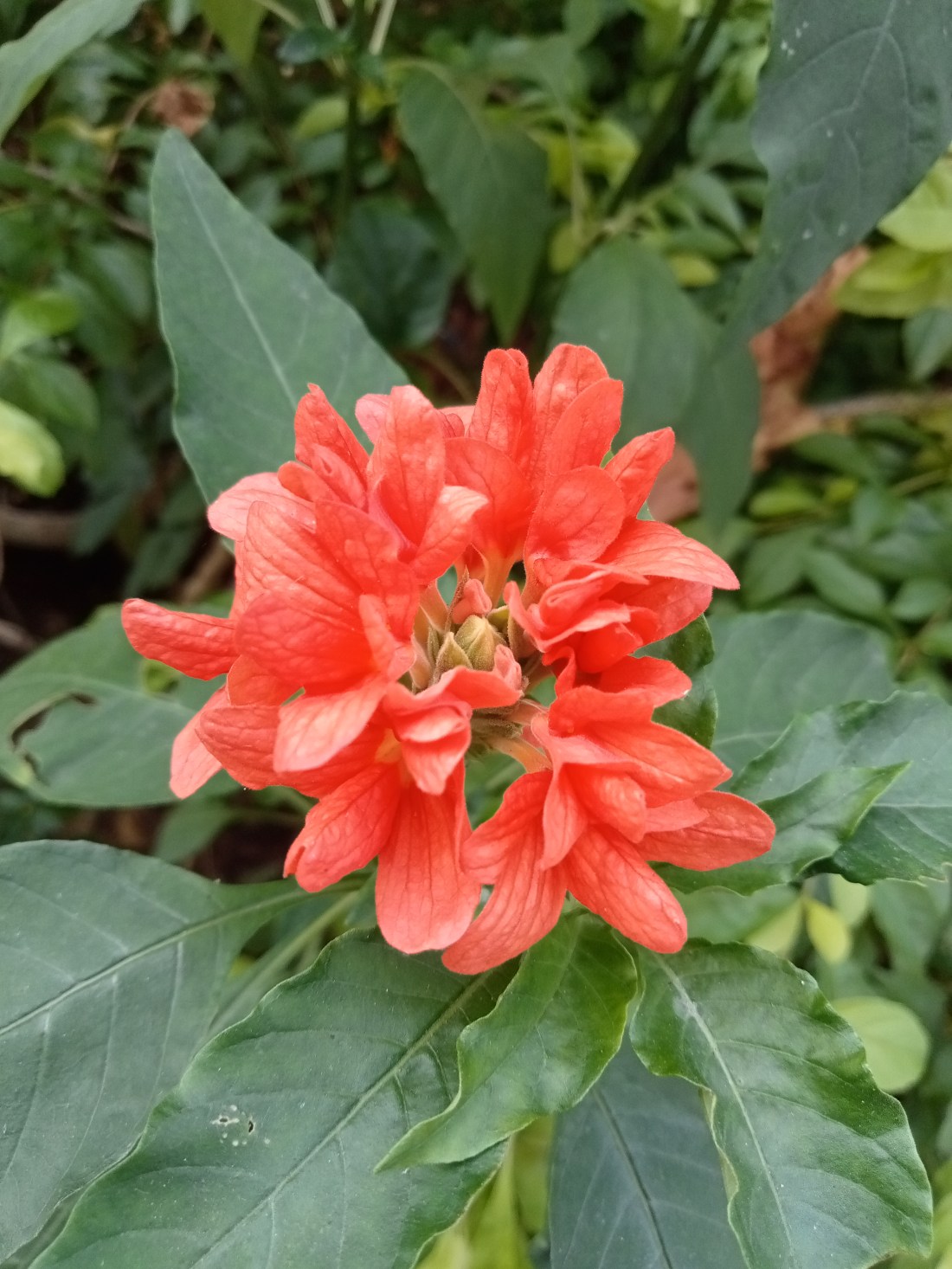
Crossandra flowers, also known as firecracker flowers or Crossandra infundibuliformis, are tropical delights that can bring vibrant splashes of color to your garden. Known for their striking blooms and easy maintenance, cultivating Crossandras can add an exotic touch to your outdoor space. Here’s a detailed guide to growing these stunning flowers in your garden.

1. Choosing the Right Location:

Select a spot in your garden that receives partial shade to full sun, providing adequate warmth and sunlight for Crossandra growth. Ensure the area has well-draining soil, as these flowers thrive in moist but not waterlogged conditions.

2. Planting Crossandra Flowers:

Crossandras can be grown from cuttings or from seeds or you can buy a rooted plant from nursery. When planting Crossandras, space them out accordingly, allowing enough room for growth. Dig a hole slightly larger than the root ball, gently place the plant, and cover the roots with soil. After planting, it is important to water the area thoroughly to help the roots establish properly.

3. Soil and Watering Needs:

Crossandra plants prefer slightly acidic to neutral soil. Regular watering is essential, especially during dry spells, but be cautious not to overwater as it can lead to root rot. Mulching is an effective way to trap moisture in soil and keep soil temperature stable.

4. Fertilization and Maintenance:

Use a balanced fertilizer or one specifically formulated for flowering plants during the growing season to encourage robust blooms. Prune the plants after flowering to maintain their shape and remove any dead or damaged growth.

5. Protecting from Pests and Diseases:

Monitor for common pests like aphids or whiteflies and treat them promptly to prevent infestations. Crossandras are generally resilient but keeping an eye out for signs of diseases such as root rot or fungal infections is crucial for their health.

6. Propagation and Division:

You can propagate Crossandras by taking stem cuttings or dividing mature plants. Root the cuttings in a well-draining potting mix and keep them in a warm, humid environment until they develop roots. While planting cuttings, ensure that at least two nodes of the plants are properly covered with soil, as the roots develop from these nodes. You can also keep the mature cuttings in water for a few days to allow the roots to grow before planting them in soil.

7. Enjoying the Blooms:

With proper care, Crossandra plants will reward you with stunning clusters of fiery-colored flowers throughout the growing season. These blooms not only add visual appeal but also attract pollinators like butterflies and bees to your garden.

8. Winter Care:

In colder climates, consider bringing potted Crossandras indoors during winter or providing a protective covering for outdoor plants to shield them from frost damage.


Similar Posts


Benefits Of Growing Crossandra

Crossandra are tropical wonders with multifaceted importance. Their significance transcends horticulture, culture, and traditional medicine, making them intriguing plants worth exploring.Here are some benefits of growing crossandra.

1. Ornamental Marvels:

Renowned for their vibrant hues of red, orange, and yellow, Crossandras are prized for their striking flowers. They’re coveted additions to landscapes and potted arrangements, elevating gardens and indoor spaces with their vivid beauty.

2. Cultural and Religious Ties:

In various cultures, Crossandras are entwined with rituals and ceremonies. For instance, they hold significance in Hindu religious practices and are offered in worship to deities.

3. Medicinal Properties:

Certain parts of the Crossandra plant, notably the leaves, have been historically used in traditional medicine. They’re believed to possess medicinal properties, aiding in treating skin disorders and digestive issues.

4. Pollinator Magnets:

These flowers act as nectar sources, drawing in vital pollinators like butterflies and bees. Their role in plant pollination supports the health of ecosystems.

5. Landscape Versatility:

Valued for their resilience in diverse climates, Crossandras are favored in landscape design. They’re utilized to craft vibrant, low-maintenance garden beds and borders.

6. Symbolic Significance:

Crossandras are often associated with traits like warmth, vibrancy, and passion due to their fiery blooms. This symbolism makes them ideal for expressing specific emotions in floral arrangements.

7. Botanical Intrigue:

Of botanical interest, Crossandras captivate scientists for their unique flower structure and classification within the Acanthaceae family. Their genetic diversity and adaptability to different environments make them subjects of scientific study.

Crossandra flowers are a tapestry of cultural, medicinal, and horticultural significance. Their diverse roles in various contexts showcase their multifaceted nature, making them fascinating subjects that weave through the realms of art, tradition, and science.

Conclusion

Growing Crossandra flowers can be a rewarding experience, adding tropical allure and vibrant colors to your garden. With the right care and attention, these resilient plants can thrive, bringing joy and beauty to your outdoor space throughout the year.

Happy Gardening!