
Introduction
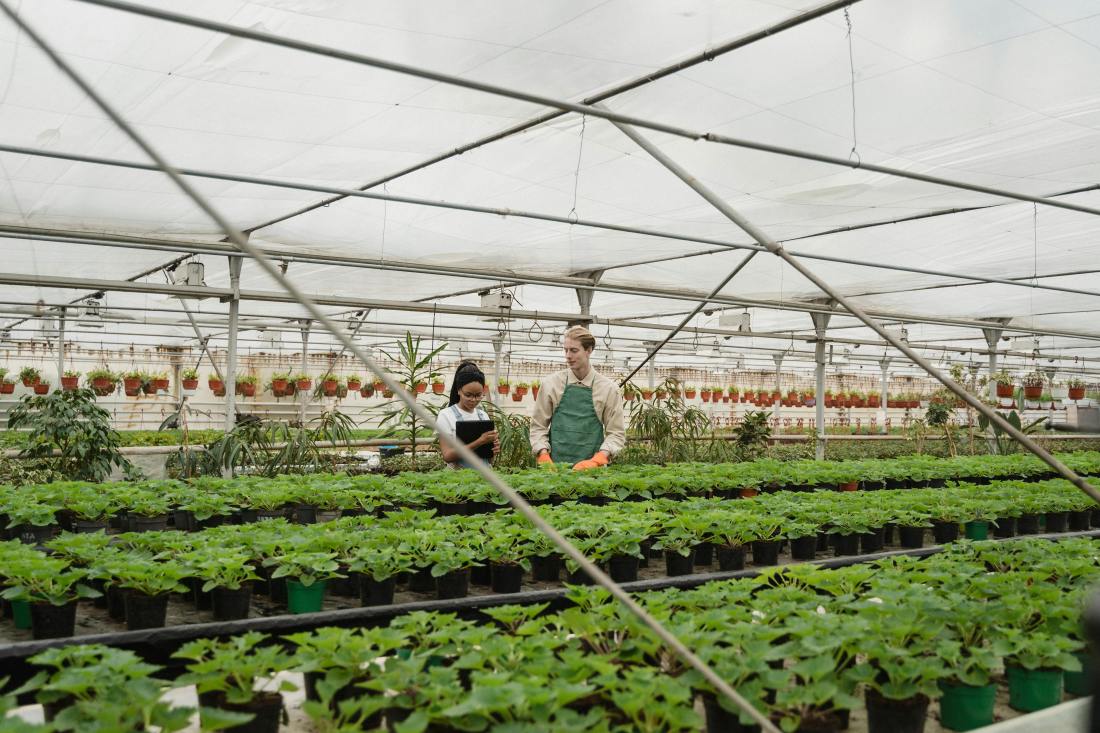
Greenhouses are invaluable structures for gardeners and farmers alike, offering a controlled environment that can significantly enhance plant growth and productivity. These versatile buildings provide numerous benefits, from extending the growing season to protecting plants from pests and harsh weather. This article delves into the various advantages of greenhouses and provides a step-by-step guide to building your own.
Benefits of Greenhouses
1. Extended Growing Season
Extending the growing season is one of the main advantages of a greenhouse. By trapping heat from the sun, greenhouses create a warmer environment that allows plants to thrive even during colder months. This means you can start planting earlier in the spring and continue growing crops later into the fall, maximizing your yield.
2. Protection from Pests and Diseases
Greenhouses serve as a protective barrier against many common garden pests and diseases. The enclosed structure prevents insects, rodents, and other animals from accessing your plants. Additionally, the controlled environment reduces the likelihood of fungal infections and other diseases, leading to healthier crops.
3. Controlled Environment
Greenhouses provide the ability to control various environmental factors such as temperature, humidity, and light. This control allows you to create the optimal conditions for different types of plants, ensuring they receive the right amount of sunlight, water, and nutrients. As a result, you can grow a wider variety of plants, including those that may not typically thrive in your region’s climate.
4. Water Efficiency
Greenhouses can help conserve water by reducing evaporation and allowing for more efficient irrigation systems. Drip irrigation and soaker hoses can be used within a greenhouse to deliver water directly to the plants’ roots, minimizing waste. This not only saves water but also ensures that your plants receive consistent moisture levels.
5. Increased Yield and Quality
The controlled environment of a greenhouse often leads to higher crop yields and better-quality produce. Plants can grow faster and healthier due to the optimized conditions, resulting in more abundant and robust harvests. Additionally, you can grow multiple cycles of crops in a year, further increasing your productivity.
6. Year-Round Gardening
With a greenhouse, you can enjoy gardening year-round, regardless of the external weather conditions. This is particularly beneficial for avid gardeners who want to continue their hobby even during winter. The ability to grow fresh produce throughout the year also contributes to food security and self-sufficiency.
7. Learning and Experimentation
Greenhouses provide an excellent opportunity for learning and experimentation. Gardeners can test different growing techniques, plant varieties, and soil mixes in a controlled setting. This hands-on experience is invaluable for both novice and experienced gardeners looking to expand their knowledge and skills.
Similar Posts:
How to Build a Greenhouse
1. Planning and Design
Before you start building your greenhouse, it’s essential to plan and design it according to your needs and available space. Consider the following factors:
Size: Determine the size of the greenhouse based on the number of plants you want to grow and the available space in your garden.
Location: Select an area that is exposed to direct sunshine all day long. Avoid placing the greenhouse in shaded areas or near large trees that may block sunlight.
Type: Decide on the type of greenhouse structure you want to build. Common types include hoop houses, lean-to greenhouses, and freestanding greenhouses.
2. Materials and Tools
Gather all the necessary materials and tools for your greenhouse project. The materials you need will depend on the type of greenhouse you choose to build, but common items include:
Frame: Wood, PVC pipes, or metal
Covering: Polyethylene film, polycarbonate panels, or glass
Foundation: Treated wood, concrete blocks, or gravel
Fasteners: Screws, nails, brackets, and clamps
Tools: Saw, drill, hammer, measuring tape, level, and utility knife
3. Building the Foundation
Having a solid foundation is essential for ensuring the stability and longevity of your greenhouse. Follow these steps to build a sturdy foundation:
Clear the Area: Clear the selected area of any debris, rocks, or vegetation.
Level the Ground: Ensure the ground is level to provide a stable base for the greenhouse.
Lay the Foundation: Depending on your chosen foundation material, lay treated wood, concrete blocks, or gravel to create a base for the greenhouse frame.
4. Constructing the Frame
The next step is to construct the frame of the greenhouse. Here’s how to do it:
Measure and Cut: Measure and cut the framing materials to the specified dimensions.
Assemble the Frame: Assemble the frame pieces using screws, nails, or brackets. Make sure the frame is both square and level.
Install Vertical Supports: Install vertical supports at regular intervals along the frame to provide additional stability.
5. Adding the Covering
Once the frame is complete, it’s time to add the covering material. Follow these steps:
Cut the Covering: Cut the polyethylene film, polycarbonate panels, or glass to the appropriate size.
Attach the Covering: Secure the covering material to the frame using clamps, clips, or fasteners. Verify that there are no loose areas or gaps.
Seal the Edges: Use weatherproof tape or sealant to seal the edges and joints to prevent drafts and moisture infiltration.
6. Ventilation and Irrigation
Proper ventilation and irrigation are essential for maintaining a healthy greenhouse environment. Install vents or fans to regulate temperature and humidity levels. Set up an irrigation system, such as drip irrigation or soaker hoses, to ensure consistent and efficient watering.
7. Finishing Touches
Finally, add any finishing touches to your greenhouse, such as shelving, benches, or pathways. These additions will make it easier to organize and care for your plants.
Conclusion
Building a greenhouse is a rewarding project that offers numerous benefits for gardeners. From extending the growing season to protecting plants from pests, a greenhouse provides a controlled environment that enhances plant growth and productivity. By following the steps outlined in this guide, you can create your own greenhouse and enjoy year-round gardening success.
Happy Gardening! 🌿🌞

 ILoveGardening