The Ultimate List Of 15 Drought-Tolerant Plants Perfect for Your Low-Maintenance Garden!

Are you tired of constantly watering your garden and watching your plants wilt under the scorching sun? Well, we’ve got some good news for you! Creating a vibrant and lush garden doesn’t have to be a water-intensive chore. By choosing drought-tolerant plants, you can have a stunning garden that thrives even in the hottest and driest conditions. Let’s explore some fantastic options that will transform your outdoor space into a low-maintenance heaven.

  1. Bougainvillea: Burst of Color Bougainvillea, with its vibrant hues, is a showstopper in any garden. These hardy plants are well-suited for India’s arid climate. Once they are established, they need very little watering. Their paper-like bracts come in various shades, bringing an explosion of color to your garden without demanding constant attention.
  2. Succulents: Beauty in Diversity Succulents are all the rage in gardening and for a good reason. With an array of shapes and sizes, these water-storing plants thrive in summer dry spells. From the iconic aloe vera to the charming echeverias, succulents add texture and intrigue to your garden while needing only occasional watering.
  3. Zinnias: Sun-Kissed Delight Zinnias are a go-to choose for those seeking a burst of color without the fuss. These cheerful flowers come in various warm shades and can handle India’s heat with grace. Zinnias are not picky about soil types and can bloom all season long, making them a perfect low-maintenance addition to your garden.
  4. Curry Leaf Plant: Fragrant and Useful The curry leaf plant not only brings an aromatic touch to your garden but also holds culinary significance. These hardy plants thrive in hot climate and require infrequent watering once established. With proper care, they can flourish for years, providing you with a steady supply of fresh curry leaves.
  5. Portulaca: Beauty in Simplicity If you’re looking for a plant that can withstand neglect and still thrive, portulaca is your answer. These colorful little blooms are drought-resistant and can tolerate poor soil conditions. Their low-growing nature makes them perfect for ground cover, adding a carpet of vibrant hues to your garden.
  6. Agave: Majestic Elegance For a touch of desert beauty, consider planting agaves. These architectural wonders require very little water and can add a dramatic focal point to your garden. Their unique shapes and sizes create an eye-catching display that’s sure to impress.
  7. Cacti: Endearing and Resilient No list of drought-tolerant plants would be complete without cacti. These iconic plants are built to withstand the toughest conditions. From prickly pears to barrel cacti, they come in various forms and sizes, adding a touch of the wild to your garden.
  8. Aloe Vera: Nature’s Healer Aloe vera is not just a skincare gem; it’s a low-maintenance superstar. Its fleshy leaves store water, keeping it fresh even during India’s hottest days.
  9. Vinca: Effortless Enchantment Vinca’s charming blooms thrive in the face of water scarcity. Their adaptability and resilience ensure a colorful garden all season long.
  10. Snake Plant: Stylish and Sturdy Bring some contemporary flair with snake plants. Their striking vertical leaves and minimal water needs make them ideal for modern Indian gardens.
  11. Sedum: Beauty in Simplicity Sedums come in various shades and shapes, adding elegance to your garden. These low-maintenance succulents can handle dry spells with ease.
  12. Gazania: Sunshine on Display Gazanias open their vibrant petals to the sun, thriving in its warmth. These dazzling blooms require minimal care, giving you maximum beauty.
  13. Oleander: Graceful and Stalwart Oleander’s beauty is matched by its ability to withstand dry conditions. This evergreen shrub adds a touch of elegance to your low-maintenance oasis.
  14. Yucca: Drama and Durability Yuccas bring a touch of drama to your garden with their sword-like leaves. Their water-storing capabilities make them a perfect fit for Indian summers.
  15. Dusty Miller: Silver Elegance Dusty Miller’s silver foliage is a standout in any garden. Its tolerance to dry conditions adds a touch of sophistication to your low-maintenance haven.

Incorporating drought-tolerant plants into your garden not only saves water but also reduces the need for constant maintenance. With the right choices, you can enjoy a lush and vibrant outdoor space that flourishes even in the driest spells. So, go ahead and transform your garden into a low-maintenance oasis of beauty and resilience.

Happy Gardening!

A Year-Round Guide to Seasonal Gardening: Planting and Caring for Each Season!!

Introduction:

Gardening isn’t just a spring and summer affair; it’s a year-round journey filled with possibilities and rewards. Whether you’re a seasoned gardener or a newbie with a green thumb yearning to flourish, this comprehensive guide will walk you through the ins and outs of seasonal gardening. From the vibrant blooms of spring to the cozy joys of winter, each season presents unique opportunities to nurture your garden and watch it thrive.

Winter Season:

Indian winters can be mild to cold, depending on the region. It’s a period of rest and renewal. The development rate of plants substantially slows down, and many go dormant throughout the winter, so they require extra care. Here are some tips to help you care for your plants during the winter:

  • Protect from Cold:

Cover tender plants with frost cloth or burlap during frosty nights to shield them from the cold.

  • Watering:

While plants require less water in winter, don’t let them dry out completely. Water deeply but less frequently to avoid waterlogged roots.

  • Sunlight:

Ensure that plants receive sufficient sunlight, as winter days can be shorter. Trim overgrown branches that might be blocking sunlight.

  • Pruning:

Prune your plants to remove dead or diseased branches. This encourages new growth in the spring.

  • Use Windbreaks:

 For areas that experience cold winds, create windbreaks using cloth or screens to protect plants from windburn.

  • Reduce Fertilization:

Plants are usually in a state of dormancy during winter, so avoid heavy fertilization. Make only occasional use of a balanced, slow-release fertilizer.

  • Indoor Plants:

If you have potted plants, consider bringing sensitive ones indoors to protect them from the cold.

  • Plant Cover Crops:

If you have a vegetable garden, consider planting cover crops like mustard or clover to protect and enrich the soil during winter.


Similar Posts


Rainy Season:

Taking care of your plants during the rainy season is all about finding that balance. While the extra water from the rain is great, it is crucial to take care of plants during the rainy season to ensure their healthy development, avoid water-related problems, and maintain ideal moisture levels. Here are some tips to help you care for your plants during the rainy season:

  • Ensure Proper Drainage:

To prevent waterlogging, make sure your pots and garden beds have proper drainage. Elevate pots on bricks or blocks to allow excess water to drain away.

  • Control Fungal Diseases:

Rainy seasons can lead to fungal growth. Apply preventive fungicides to your plants and avoid overwatering. Water indoor plants in the morning so that leaves have time to dry before evening.

  • Prune and Trim:

Remove any dead or diseased branches or leaves to discourage the growth of fungi and pests. Proper air circulation is important.

  • Pest Control:

Rain can bring out pests. Regularly inspect your plants for signs of infestations and treat them promptly with natural remedies or appropriate pesticides.

  • Avoid Overwatering:

While plants (indoor plants) need water, be cautious not to overwater them. Check the soil moisture before watering to prevent root rot.

  • Use Mulch:

Apply a layer of organic mulch around plants to prevent soil erosion, reduce splashing, and regulate soil temperature and moisture.

Summer Season

Caring for plants during the hot and often challenging summer season requires attention to watering, protection from intense sunlight, and overall plant health. Here’s a guide to help you care for your plants during the summer:

  • Watering:

Water deeply and less frequently to encourage plants to develop strong root systems. This helps them access water from deeper into the soil. Water early in the morning or late in the evening to minimize water loss due to evaporation. Avoid wetting the foliage to prevent fungal diseases. Water at the base of the plant. Monitor your plants’ water needs closely; the heat can cause them to dry out more quickly.

  • Mulching:

Apply a layer of organic mulch (such as straw, wood chips, or compost) around the base of your plants. This helps retain soil moisture, regulate soil temperature, and prevent weed growth.

  • Shade and Sun Protection:

Provide shade to delicate plants during the hottest part of the day, especially in regions with scorching temperatures. Use shade cloth, row covers, or plant taller plants to create natural shade.

  • Pruning:

Regularly prune dead or yellowing leaves to improve air circulation and prevent the growth of diseases. Trim back overgrown branches to promote better growth and shape.

  • Fertilization:

Use a balanced, slow-release fertilizer to provide essential nutrients to your plants. Avoid excessive fertilization, as it can kill the plants especially if you are using chemical fertilizer. To prevent excess heat, fertilize the plants in the evening after watering.

  • Potted Plants:

Potted plants can heat up quickly in the summer. Move them to a slightly shaded area to protect them from intense sunlight. Water potted plants more frequently since they tend to dry out faster than plants in the ground.

  • Heat-Tolerant Plants:

Opt for heat-tolerant and drought-resistant plant varieties that are better suited for the Indian summer. Succulents, cacti, adenium, and native plants are good options.

  • Pest Management:

Regularly inspect your plants for signs of pests and disease. The most frequent pests that attack plants in the summer are aphids and mealybugs. Use natural remedies or appropriate pesticides if necessary. Healthy plants are more resistant to pests and diseases, so maintaining proper care is essential.

  • Wind Protection:

Strong winds can increase water evaporation and stress on plants. Use windbreaks or plant taller plants as barriers to reduce wind impact.

  • Watering Techniques:

Use a soaker hose or drip irrigation system to water plants directly at the soil level. This minimizes water waste and avoids wetting foliage.

  • Consistent Care:

Consistency is key. Regularly care for your plants and observe their condition. Adjust your care routine based on their needs.

  • Shade-loving Plants:

If you have areas with limited sunlight, consider growing shade-loving plants to create a cooler and more comfortable environment.

By following these tips and tailoring them to the specific needs of your plants, you can help them thrive and survive the challenges posed by the hot summer.

Remember that the specific care required can vary depending on the types of plants you have and the microclimate of your region. Observing your plants closely and adjusting your care routine accordingly is key to successful gardening during each season.

Conclusion:

Embarking on a year-round journey of seasonal gardening is an enriching experience that connects you with the rhythm of nature. Each season brings its own magic, challenges, and rewards. By understanding the unique demands of each period and tailoring your efforts accordingly, you’ll cultivate a garden that’s not only a testament to your dedication but also a haven for nature’s beauty. So, roll up your sleeves, grab your gardening tools, and let the enchanting cycle of seasonal gardening begin!

Happy Gardening!

How to begin with Gardening: 5 easy steps for beginners!

Everyone loves to go for a walk in a garden, but how about making your own garden and enjoy its beauty every day. This modern life has made us so busy that we have forgotten to enjoy the little things in our life. But the corona pandemic made us realize the actual meaning of life. When the lockdown was imposed everyone has stayed in their home and enjoyed their family life. Some people started with their hobbies which they have left long before because of a busy life. People who have never entered the kitchen started to cook. And some of them started with gardening.

I have seen many posts by people on Facebook who have started gardening but are having many troubles in maintaining their plants. Many were posting their plants which are either dead or on the verge of dying. As a novice, they forgot to follow some basic rules. So here I am giving you 5 easy steps especially for the beginners who have just started or want to start Gardening.

Step:1 Start with the basics

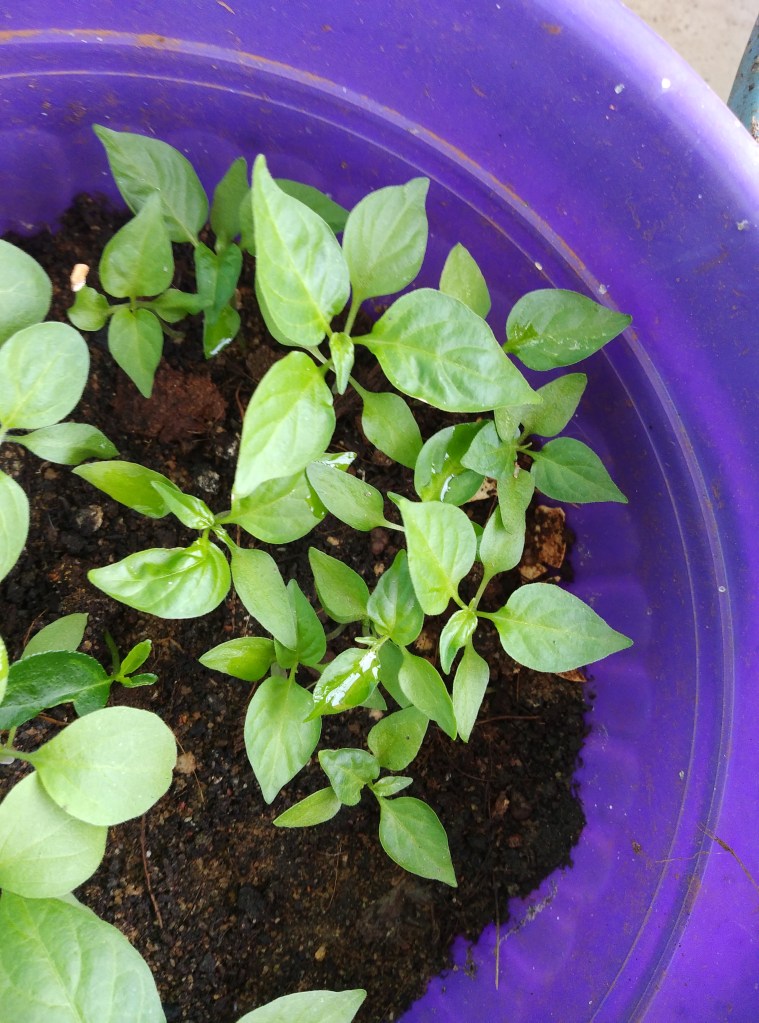
Chilli saplings

If you are a beginner, then avoid making common beginner’s mistakes. People tend to buy plants that look beautiful and different nursery sites make this task easier. If you have just started gardening, then my advice is to start from your home first. In your home, there are many vegetables or spices which can be easily grown without much effort. It saves your time as well as money. For example, chili, tomato, coriander, cumin can be easily grown and give good yield too. Apart from that, you can also grow ginger and potato by cutting their tip(ginger)/eye(potato). You can regrow mint after using the leaves and planting its stem either in soil or just putting it in water. As these are frequently used in your kitchen you can start with these instead of buying seeds and plants from nurseries or online websites which will save your money as well as time. After gaining some expertise, you can start buying plants that are easy to maintain like a spider plant, pothos, wandering jew, aparajita, etc. After that, you will be fully ready to grow any of your desired plants.

Step 2:Know your weather

This is a very important step that many beginners ignore. You should remember that all plants cannot be grown in all regions. Different plants have different requirements. You cannot grow cactus in heavy rainfall regions the same way as spices cannot be grown in the desert. If you are buying any plants especially online make sure the weather condition in your place is suitable for the growth of that plant. So before buying any costly plants on the net just check the description which will mention the average temperature for the growth of that plant.


Similar Posts:


Step 3: Always use organic fertilizer

Fertilizer is very important for the growth and fruiting of any plant. If you browse on the net you will get 100 s of fertilizers sold by different websites. Avoid buying these as there are chances that they may kill your plants if not used in proper proportions especially if those fertilizers turn out to be chemical ones. You will also get organic fertilizers online but as a beginner, it’s better to use homemade fertilizers like kitchen wastes which include used vegetables, fish water, rice water. If cow dung(dry) is available in your area you can use that too. Always cover this waste with a layer of soil to avoid rot and smell. If you feel you can’t use these then buy only organic fertilizer from your local nurseries or online websites.

Step 4: Remember there is a big difference between theory and practical

On YouTube, there are many videos on growing plants. Many of them don’t show the results. I have tried many of them like growing cardamom plants from seeds or growing rose cutting using potatoes and failed miserably. Before following any YouTube video check the comment section. See what other people are saying. Even if you follow these instructions there are chances that you may not get the desired result. The reason is mentioned in step no 3. The videos which are shown are from places which have different weather conditions than yours. And many videos are just made by beginners who just want to earn money from google ads. Don’t blindly follow these videos.

Step 5: Check the progress

Planting is not enough. The plant should be properly taken care of. You should check the progress of your plants regularly. Check whether the plant is growing properly. If not try to find the causes. Water it properly, give fertilizers after some period, check whether the plant has any bugs or the leaves are yellow or curled or dry, and take care accordingly.

If you follow the above steps soon you will become a successful gardener. So what you are waiting for? Start now, Happy Gardening!!!