12 Vegetables to Grow During the Rainy Season!

Introduction

The rainy season brings life to gardens, making it an ideal time to cultivate a variety of vegetables. With the right selection, you can take full advantage of the consistent moisture and mild temperatures. Here’s a guide to 12 vegetables that thrive in rainy conditions, helping you make the most of your rainy season garden.

1. Spinach (Spinacia oleracea)

Spinach is a leafy green that thrives in cooler, moist conditions. The consistent rainfall of the rainy season provides the perfect environment for spinach to grow lush and tender. Spinach can be harvested multiple times, making it a versatile choice for a continuous harvest throughout the season. Make sure the soil is well-drained to prevent waterlogging and root rot.

2. Kale (Brassica oleracea var. sabellica)

Kale is another leafy green that performs well in the rainy season. It is rich in vitamins and can be used in a variety of dishes. Kale requires moderate watering, which is naturally provided by the rain, and the cooler temperatures help reduce pest infestations. Plant kale in well-drained soil with good organic matter to enhance growth.

3. Okra (Abelmoschus esculentus)

Okra, also known as ladyfinger, is a hardy vegetable that flourishes in warm, wet climates. It grows quickly and can be harvested multiple times during the rainy season. Okra prefers well-drained soil and benefits from the humid environment that rain provides. Regular harvesting promotes further growth, so keep picking the pods when they are young and tender.

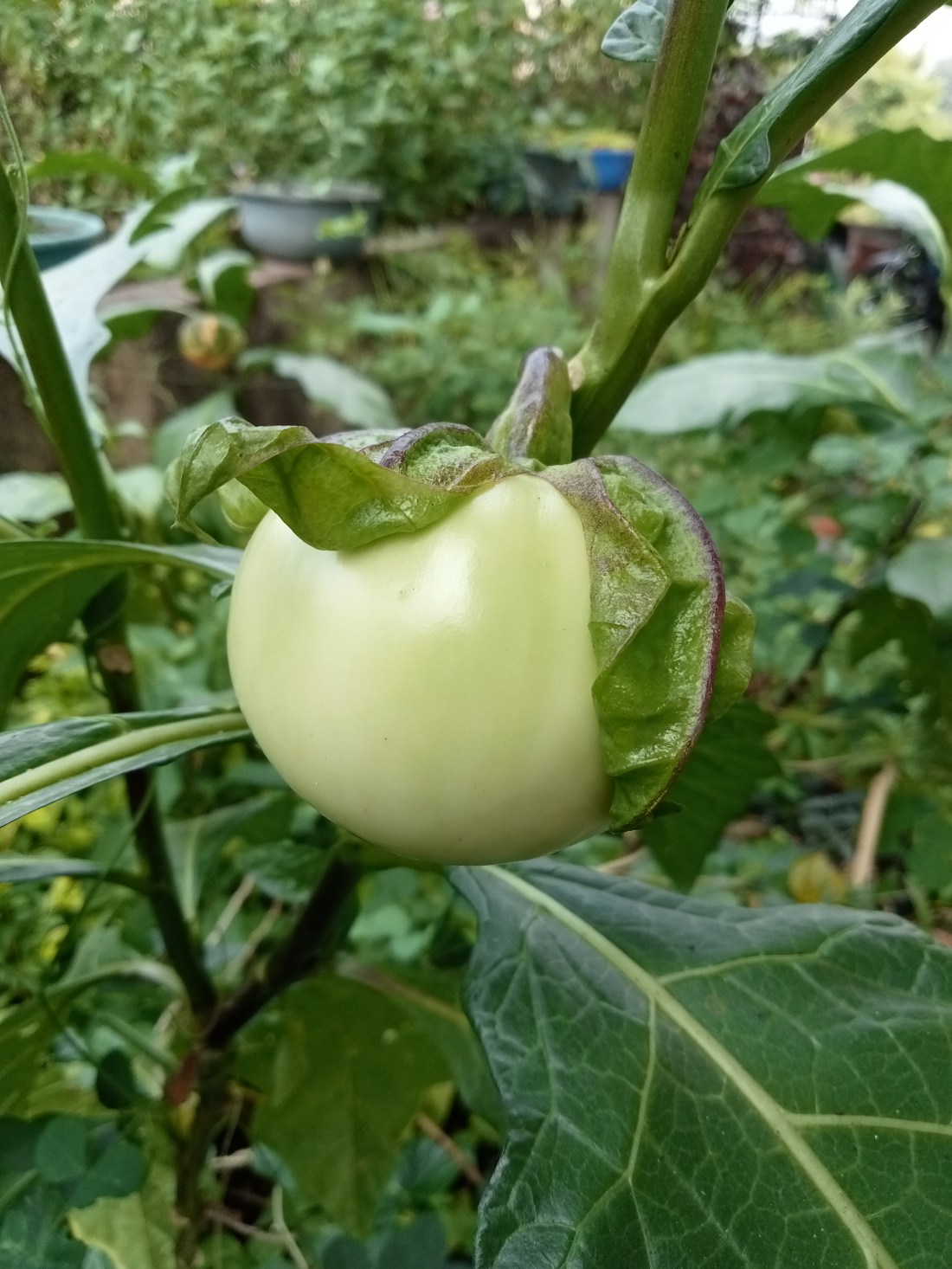
4. Eggplant (Solanum melongena)

Eggplant, or brinjal, is well-suited for the rainy season. This vegetable thrives in warm temperatures and benefits from the increased moisture levels in the soil. Eggplants should be planted in well-drained soil to avoid waterlogging. The rain helps in keeping the soil consistently moist, which is crucial for the development of healthy fruit.

5. Cucumber (Cucumis sativus)

Cucumbers are fast-growing vines that do exceptionally well during the rainy season. The frequent rain helps keep the soil consistently moist, which cucumbers need to grow crisp and flavorful fruits. Ensure the vines have plenty of space to spread out and consider using a trellis to support their growth, preventing the fruits from rotting on wet ground.

6. Bitter Gourd (Momordica charantia)

Bitter gourd, also known as bitter melon, is another vine vegetable that loves the rainy season. The warm, moist conditions promote vigorous growth and fruit production. Plant bitter gourd in well-drained soil and provide a trellis or support structure for the vines. Regular pruning and harvesting help to maximize yield.


Similar Posts:


7. Beans (Phaseolus vulgaris)

Beans, particularly varieties like green beans and bush beans, are excellent choices for the rainy season. They are easy to grow and have a quick turnaround time from planting to harvest. Beans fix nitrogen in the soil, which helps improve soil fertility for subsequent crops. Ensure they are planted in soil that drains well to prevent root rot.

8. Zucchini (Cucurbita pepo)

Zucchini is a summer squash that thrives in warm, wet conditions. The plant produces abundantly in the rainy season and benefits from the consistent moisture. Zucchini plants are prolific, and regular harvesting encourages more fruit to set. Plant zucchini in rich, well-drained soil and ensure adequate spacing to prevent fungal diseases.

9. Radish (Raphanus sativus)

Radishes are fast-growing root vegetables that are perfect for the rainy season. They mature quickly, often within 3-4 weeks, making them an ideal crop for continuous planting. Radishes prefer cooler temperatures and moist soil, both of which are provided by the rainy season. Make sure the soil is loose and well-drained to allow the roots to develop properly.

10. Lettuce (Lactuca sativa)

Lettuce is a cool-season crop that does well in the mild, wet conditions of the rainy season. There are many varieties of lettuce, from loose-leaf to head lettuce, all of which can be harvested in succession. Lettuce prefers well-drained, fertile soil and needs consistent moisture to develop crisp leaves. Too much water, however, can lead to rot, so ensure adequate drainage.

11. Turnip (Brassica rapa subsp. rapa)

Turnips are root vegetables that thrive in the cooler temperatures and moist soil conditions of the rainy season. Both the roots and leaves are edible, offering a versatile harvest. Turnips require well-drained soil and consistent moisture to develop sweet, tender roots. Avoid waterlogged conditions by planting in raised beds or well-drained soil.

12. Carrots (Daucus carota subsp. sativus)

Carrots are a popular root vegetable that grows well in the rainy season due to the cool, moist conditions. Carrots prefer loose, sandy soil that is well-drained to allow the roots to expand freely. Regular watering, naturally provided by rain, helps in developing sweet, crisp carrots. Thin the seedlings to prevent overcrowding and ensure proper root development.

Tips for Growing Vegetables in the Rainy Season

To ensure a successful harvest during the rainy season, consider these tips:

Soil Preparation: Make sure your soil has good drainage to avoid waterlogging.. Raised beds or adding organic matter can help improve drainage and soil structure.

Pest Management: Increased humidity can lead to a rise in pests. Regularly inspect plants for signs of pests and use organic pesticides when necessary.

Plant Spacing: Adequate spacing between plants ensures good air circulation, reducing the risk of fungal infections and other diseases.

Support Structures: Use trellises or supports for vine vegetables to keep them off the wet ground and prevent rotting.

Conclusion

By selecting the right vegetables and following proper gardening practices, you can enjoy a bountiful harvest throughout the rainy season. These vegetables not only thrive in wet conditions but also provide a variety of flavors and nutrients to your diet.

Happy gardening!
Unveiling the Secrets of Successful Chilli Plant Cultivation: A Comprehensive Guide!

Introduction:

Chilli plants, with their vibrant colors and fiery flavors, are a staple in many gardens and kitchens around the world. Whether you’re a seasoned gardener or a novice enthusiast, growing chillies can be a rewarding and enjoyable experience. From selecting the right varieties to providing optimal growing conditions, there are several key factors to consider when cultivating these spicy delights. In this comprehensive guide, we’ll delve into everything you need to know to successfully grow and care for chilli plants in your garden.

Choosing the Right Chilli Varieties

Before diving into chilli cultivation, it’s essential to choose the right varieties suited to your preferences and growing conditions. With countless cultivars available, ranging from mild to super-hot, there’s a chilli variety to suit every taste and skill level. Consider factors such as heat level, size, color, and growth habit when selecting chilli seeds or seedlings for your garden.

Providing Optimal Growing Conditions

Chilli plants thrive in warm, sunny environments with well-draining soil and ample airflow. Here are some tips for providing optimal growing conditions for your chillies:

Sunlight: Ensure your chilli plants receive at least 6-8 hours of direct sunlight each day to promote robust growth and fruit production. Position them in a sunny spot in your garden or use grow lights for indoor cultivation.

Soil: Plant chillies in well-draining soil with a slightly acidic to neutral pH (pH 6.0-7.0). Incorporate organic matter such as compost or aged manure into the soil to improve fertility and moisture retention.

Watering: Chili plants require more water during hot and dry periods to prevent flower drop and promote chilli production. Water chili plants deeply and evenly, allowing the soil to dry out slightly between waterings to prevent root rot.

Temperature: Chilli plants thrive in warm temperatures between 70°F to 85°F (21°C to 29°C) during the day and above 50°F (10°C) at night. Protect them from frost and cold temperatures, as chillies are sensitive to cold damage.

Planting and Transplanting

When planting chilli seeds or seedlings, follow these guidelines for successful establishment:

Seed Starting: Start chilli seeds indoors 6-8 weeks before the last frost date in your area. Sow seeds in seed trays or small pots filled with seed-starting mix, keeping them warm and moist until germination occurs.

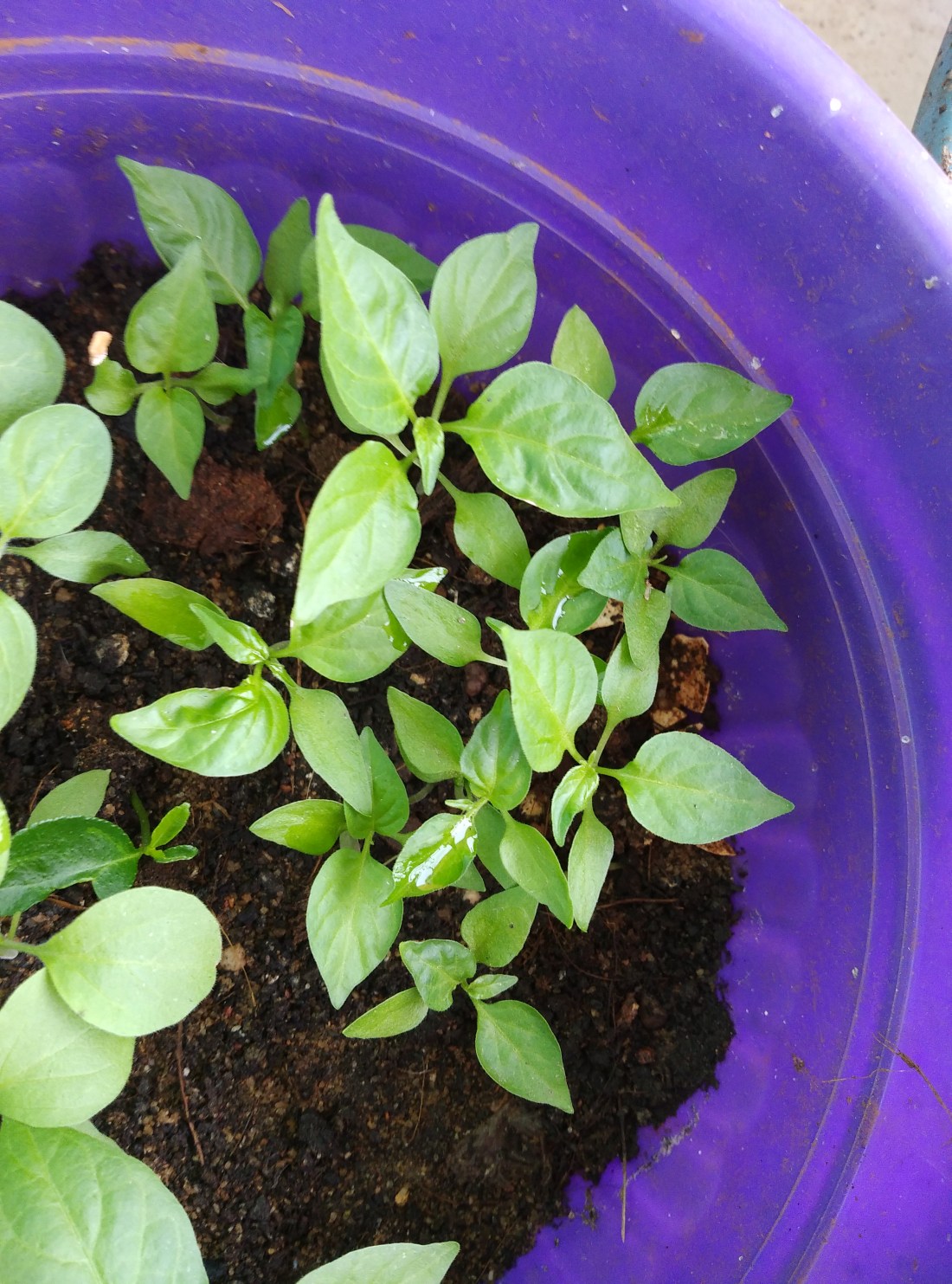
Transplanting: Transplant chilli seedlings into larger containers or into the garden once they have developed 3-4 true leaves and the threat of frost has passed. Space plants 18-24 inches apart in rows or clusters to allow for adequate air circulation and sunlight penetration.


Similar Posts:


Fertilizing and Feeding

Chilli plants are heavy feeders and benefit from regular fertilization throughout the growing season. Here are some tips for feeding your chilli plants:

Organic Fertilizers: Use organic fertilizers such as compost, fish emulsion, or seaweed extract to provide a steady supply of nutrients to your chilli plants. Apply fertilizers according to package instructions, taking care not to over-fertilize, which can lead to salt buildup and nutrient imbalances.

Top-Dressing: Apply a layer of compost or well-aged manure around the base of chilli plants every 4-6 weeks to replenish soil nutrients and improve soil structure.

Foliar Feeding: Spray chilli plants with a dilute solution of liquid seaweed or fish emulsion every 2-4 weeks to provide a quick boost of nutrients and promote healthy growth.

Pest and Disease Management

Chilli plants are susceptible to a variety of pests and diseases, including aphids, thrips, whiteflies, and fungal infections. Here are some tips for managing common chilli plant pests and diseases:

Companion Planting: Plant insect-repellent herbs such as basil, mint, and marigolds near chilli plants to deter pests and attract beneficial insects that prey on garden pests.

Natural Predators: Introduce beneficial insects such as ladybugs, lacewings, and predatory mites to your garden to help control pest populations organically.

Cultural Practices: Practice good garden hygiene by removing weeds, fallen leaves, and debris that can harbor pests and diseases. Avoid overhead watering to minimize fungal infections, and prune overcrowded foliage to improve air circulation around plants.

Harvesting and Storage

Harvest chillies when they reach their mature size and color, typically 60-90 days after transplanting. Use clean, sharp scissors or pruning shears to snip chillies from the plant, taking care not to damage the stems or foliage. Store harvested chillies in a cool, dry place away from direct sunlight, or preserve them by drying, freezing, or pickling for long-term storage.

Conclusion:

With the right knowledge and care, growing chilli plants can be a rewarding and enjoyable experience for gardeners of all skill levels. By selecting the right varieties, providing optimal growing conditions, and implementing effective pest and disease management strategies, you can enjoy a bountiful harvest of spicy peppers to enhance your culinary creations. Follow the tips outlined in this guide, and embark on your journey to becoming a successful chilli gardener!

Happy Gardening!

Creating and Sustaining a Flourishing Kitchen Garden!

Introduction

Planning a kitchen garden is more than just choosing your favorite herbs or vegetables; it’s a blueprint for sustainable, homegrown produce. Here’s a comprehensive guide on how to craft and maintain a thriving kitchen garden.

Choose Your Plot:

Begin by selecting the ideal location for your kitchen garden. Pick a spot that receives ample sunlight and has good drainage. If space is limited, consider container gardening or vertical setups.

Select Your Plants Wisely:

Assess your culinary preferences and climate conditions before choosing the plants. Opt for a mix of vegetables, herbs, and fruits that thrive in your region and suit your cooking needs.

The ideal plants for a kitchen garden are those that not only fit your culinary preferences but also thrive in your local climate. Here are some popular choices:

  • Herbs: Herbs like basil, parsley, cilantro, thyme, rosemary, and mint are kitchen staples. They’re versatile, require minimal space, and can flourish in pots or directly in the ground.
  • Leafy Greens: Lettuce, spinach, kale, and Swiss chard are fast-growing leafy greens perfect for salads and smoothies. They’re relatively easy to grow and provide a continuous harvest.
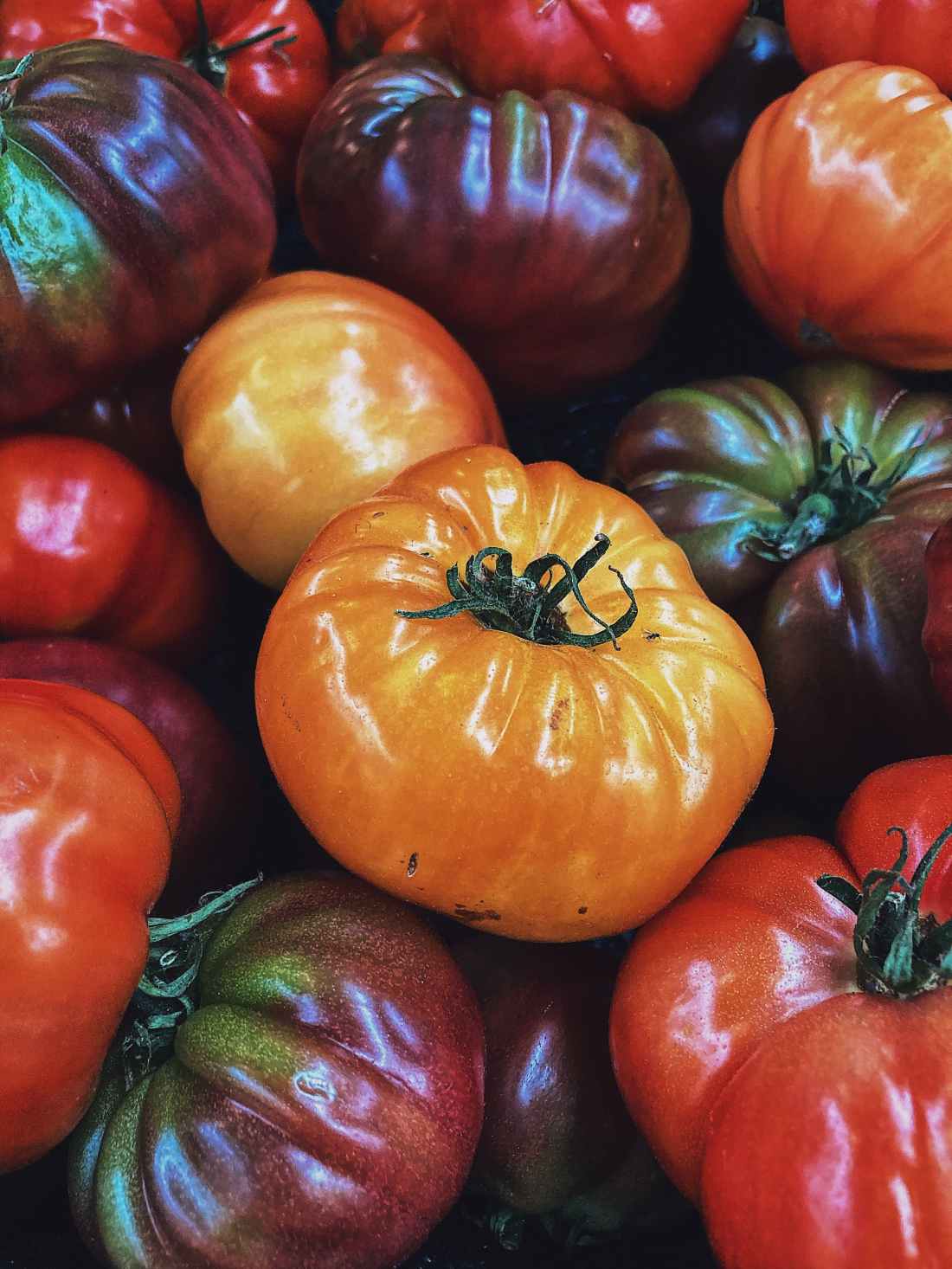
  • Tomatoes: A favorite among gardeners, tomatoes come in various sizes and colors. They need ample sunlight and support for their vines but reward with abundant fruits.
  • Peppers: Bell peppers, chili peppers, and sweet peppers add zest to meals. They grow well in warm climates and containers, providing a vibrant splash of color to your garden.
  • Cucumbers: These vine-growing vegetables thrive in warm weather and offer a bounty of fresh, crisp cucumbers for salads and pickling.
  • Carrots and Radishes: Root vegetables like carrots and radishes are easy to grow and do well in loose, well-drained soil. They’re perfect for beginners due to their low maintenance.
  • Green Onions: These versatile onions are easy to grow from scraps and are a constant source of fresh flavors for various dishes.
  • Strawberries: Compact and versatile, strawberries can be grown in containers or hanging baskets, providing a sweet, juicy treat during the growing season.
  • Bush Beans: Beans are prolific growers and offer a harvest in a relatively short time. Bush beans, like green beans or snap beans, don’t require trellises and can be grown in limited space.
  • Zucchini and Squash: These prolific growers are perfect for larger spaces. They produce abundant fruits that can be used in various dishes.

Choose plants that suit your taste, available space, and local climate conditions for a successful and bountiful kitchen garden.


Similar Posts


Design and Layout:

Plan the layout of your garden, considering the growth patterns and space requirements of each plant.

  • Companion Planting: Pair plants that benefit each other when grown nearby which can maximize space and yield. For instance, planting basil near tomatoes can deter pests and improve the flavor of tomatoes.
  • Succession Planting: Plan your garden to ensure continuous harvests. As one crop finishes, replant that space with another crop suitable for the upcoming season.
  • Vertical Gardening: Utilize vertical space by growing climbers like peas, beans, or cucumbers on trellises or vertical supports. This maximizes space and promotes healthier plants.

Prepare the Soil:

Well-draining, nutrient-rich soil is the backbone of a successful kitchen garden. Invest time in preparing the soil by adding compost or organic matter to boost fertility.

Planting Techniques:

Follow planting guidelines specific to each crop. Some plants prefer direct sowing while others thrive better as seedlings. Pay attention to spacing and depth requirements.

Watering and Maintenance:

Regular watering is crucial, especially during the initial growth phase. Mulching helps retain moisture and suppresses weeds. Prune, weed, and monitor for pests to ensure healthy growth.

Harvest and Rotate:

Harvest crops at their peak to enjoy the freshest produce. Rotate crops annually to prevent nutrient depletion and minimize pest problems.

Seasonal Considerations:

Adjust your garden according to seasonal changes. Plant cool-season crops in spring and fall, and warm-season crops during the summer. Consider coverings or cold frames to extend the growing season.

Compost and Sustainability:

Implement composting to recycle kitchen scraps and garden waste. This sustainable approach enriches the soil and reduces waste, promoting eco-friendly gardening practices.

Continuous Learning:

Gardening is a continuous learning process. Stay updated on best practices, watch for plant-specific issues, and be open to adapting and improving your gardening methods.

By meticulously planning and nurturing your kitchen garden, you’re not only cultivating fresh produce but also fostering a deeper connection with nature and a sustainable way of living.

 Happy gardening!

Exploring Heirloom Plant Varieties: Timeless Treasures in the Garden!

Introduction

As the gardening world evolves, a captivating trend has emerged, captivating gardeners far and wide: the fascination with heirloom and unique plant varieties. This surge in interest is a testament to a collective desire among gardening enthusiasts to explore the rich tapestry of diverse, rare, and often forgotten species, particularly in the realm of vegetables and herbs.

Embracing Diversity

Gardeners, seasoned and novice alike, are venturing beyond conventional garden centers in search of these rare gems. Heirloom varieties, with their historical significance and distinct traits, offer a unique and flavorful twist to gardens. The allure lies not only in their extraordinary appearance but also in their ability to infuse diversity into homegrown produce, contributing to a more vibrant culinary experience.

Rediscovering Forgotten Treasures

Heirloom plants, often passed down through generations, tell stories of bygone eras. Their resurgence represents a rekindled appreciation for traditional farming practices and a dedication to preserving biodiversity. Gardeners are meticulously seeking out these forgotten treasures, cherishing their unique characteristics and the cultural heritage they embody.

Nurturing Uniqueness in Gardens

The appeal of unique plant varieties goes beyond aesthetics; it’s a movement towards sustainable and environmentally conscious gardening. By cultivating these rare species, gardeners actively participate in preserving genetic diversity and safeguarding plants that might otherwise vanish from our agricultural landscape.

Cultivating Your Collection

Curating a garden brimming with heirloom and unique varieties requires a bit of research and dedication. From vibrant heirloom tomatoes to fragrant heritage herbs, the journey to assembling a diverse garden tapestry is both rewarding and educational. Communities are forming around the sharing and exchanging of seeds, fostering a sense of camaraderie among enthusiasts passionate about preserving these botanical treasures.


Similar Posts


Examples Of Heirloom Varieties Plants

Heirloom varieties refer to plants that have been cultivated and passed down through generations due to their valued characteristics, unique flavors, or historical significance. These varieties are often open-pollinated, meaning they’ve been grown naturally and haven’t been hybridized for specific traits. Here are a few examples across different plant types:

Tomatoes:

Brandywine Tomato: Known for its rich, sweet flavor, this tomato variety has been around for over 100 years. It offers large, pinkish fruits and is beloved by many gardeners for its taste.

Cherokee Purple Tomato: A deep, dusky rose-colored tomato with a complex, smoky flavor, often considered one of the best-tasting heirloom varieties.

Peppers:

Jimmy Nardello’s Italian Sweet Pepper: A long, thin-skinned pepper with a sweet flavor, perfect for frying or fresh eating.

Hungarian Black Pepper: Ripening from green to dark brown, this pepper has a slightly spicy flavor and is great for drying.

Lettuce:

Flashy Trout’s Back Lettuce: An heirloom variety with unique leaves resembling a trout’s back, offering a delicate texture and mild flavor.

Buttercrunch Lettuce: Known for its sweet, buttery taste and compact heads, making it ideal for small gardens or containers.

Beans:

Scarlet Runner Beans: Not just for their beans, but also for their beautiful red flowers, these beans are popular for their ornamental and edible qualities.

Rattlesnake Pole Beans: Characterized by their stringless pods with purple streaks, they have a rich, nutty flavor.

Carrots:

Cosmic Purple Carrot: This carrot variety has deep purple skin and a bright orange core, packed with antioxidants.

Dragon Carrot: Featuring an intense red-orange color, these carrots are sweet and crispy.

Herbs:

Genovese Basil: Known for its intense flavor and aromatic leaves, this basil variety is perfect for pesto and Italian dishes.

Lemon Verbena: A fragrant herb with citrus-scented leaves, used for teas and flavoring desserts.

These heirloom varieties are cherished not only for their unique flavors but also for their historical importance and biodiversity preservation.

Conclusion

The growing interest in heirloom and unique plant varieties signifies a profound shift in gardening culture. It reflects a longing for connection to our agricultural past, a celebration of diversity, and a commitment to sustainable gardening practices. As gardeners continue to seek out these extraordinary species, they not only enrich their gardens but also contribute to a larger movement aimed at conserving the invaluable heritage of our plant kingdom.

Cultivating heirloom and unique plant varieties is not merely a hobby; it’s a commitment to preserving our botanical heritage. By embracing these diverse species, gardeners foster biodiversity and ensure that the legacy of these plants endures for generations to come.

Let your garden tell a story, one filled with the richness of heritage plants and the diverse tapestry they weave into the world of gardening.

Happy Gardening!