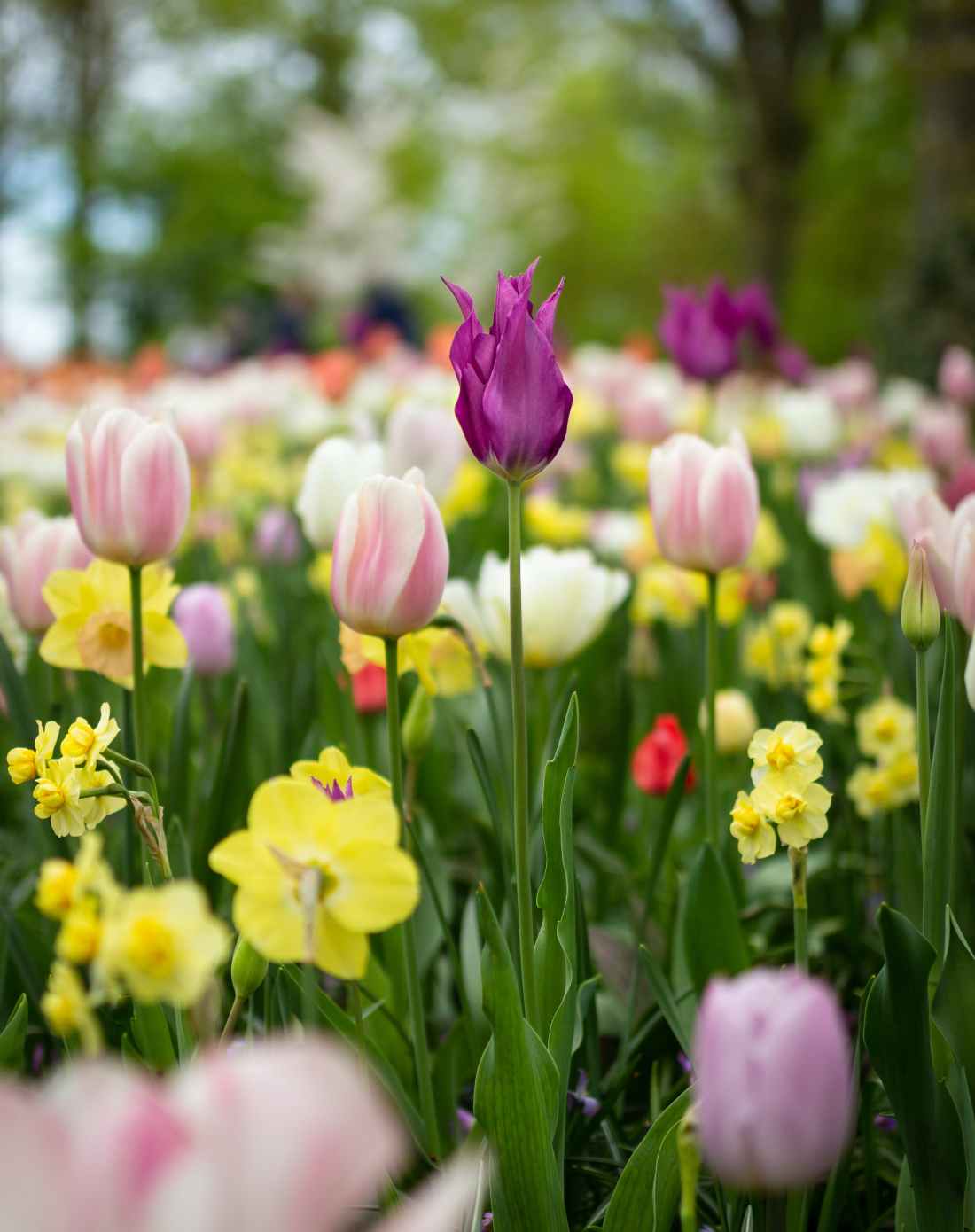
Winter Blooming Bulbs: Infusing Your Garden with Springtime Colors!

Introduction

As winter wraps the world in its chilly embrace, your garden need not succumb to the season’s sleepy spell. With thoughtful planning and strategic planting, you can transform your outdoor haven into a vibrant tapestry of colors come spring. Discover ten delightful flower bulbs that, when planted in winter, ensure a spectacle of beauty and fragrance, bringing life to your garden even amidst the cold days.

1) Daffodil: The Herald of Renewal

Daffodils, with their iconic yellow or white blooms, symbolize hope and rejuvenation. Plant these hardy bulbs during winter, and as spring approaches, they’ll bloom, infusing your garden with warmth and vibrant colors, a perfect promise of the coming season.

2) Iris: Elegance Personified

Embrace elegance with the winter planting of irises. These classic beauties boast sword-shaped leaves and delicate flowers, adding sophistication to any garden. Their presence elevates the aesthetic charm, whether adorning a garden bed or gracing a balcony.

3) Freesia: Fragrant Marvels

Perennial freesias enchant with their vibrant hues, long-lasting blooms, and sweet fragrance. Adorn your garden with these stunning flowers by planting them in a pot or grow bag during winter, ready to delight you with their aromatic presence in late winter or early spring.

4) Crocus: Delicate Winter Charms

Crocuses, grown from corms, captivate with their delicate, cup-shaped flowers. Thriving in well-drained soil and partial shade, these resilient bloomers spread their beauty, making them a delightful addition to a winter garden.

5) Gladiolus: Towering Elegance

Known for their trumpet-shaped blooms and tall spikes in varied hues, gladiolus bulbs bring vibrant colors to gardens. With proper care in well-drained, nutrient-rich soil, these flowers extend their display well into summer, a testament to their lasting allure.


Similar Posts


6) Ixia: Diversity in Bloom

Ixias, also called African corn lilies, present an array of star-shaped flowers in different colors and patterns. Their unique varieties thrive when planted in winter, requiring the cool climate to flourish and grace your garden with their diverse beauty.

7) Hyacinth: Intense Fragrance, Vibrant Colors

Renowned for their intense fragrance and vivid spikes of color, hyacinths bloom from early to mid-spring. Plant these bulbs in well-drained soil during winter, ensuring their best display when the new season dawns.

8) Ranunculus: Soft Elegance

Ranunculus, resembling soft rose blooms, add a touch of grace to gardens with their diverse color palette. Plant them in winter, allowing these bulbs to experience the cool period required for their spectacular spring blossoms.

9) Tulip: Iconic Brilliance

Tulips, iconic for their vivid hues and beautiful shapes, thrive when planted in winter. Requiring well-drained soil and abundant sunlight, these bulbs set the stage for a breathtaking spring display.

10) Allium: Dramatic Spheres

Allium bulbs, often known as ornamental onions, adorn gardens with their spherical clusters of small, star-shaped flowers. With proper sunlight and watering, these plants flourish, adding a dramatic and structured appeal to your garden.

Conclusion

As winter settles in, seize the opportunity to infuse your garden with a burst of colors and fragrances. With these ten flower bulbs planted during winter, you’re poised to witness nature’s artistry unfold, transforming your outdoor sanctuary into a captivating display of springtime beauty.

Happy Gardening!

Winter Plant Care and Protection: Safeguarding Your Garden Against Frost and Cold Weather!

Introduction

As winter descends, ensuring the health and vitality of your garden demands strategic plant care and protective measures. The plummeting temperatures and frosty conditions pose threats like frost damage, frozen roots, and winter scald, leaving plants vulnerable. Understanding the unique needs of different plants and employing various protective methods are crucial to safeguarding your garden’s greenery during the cold season.

Diverse Cold Tolerance in Plants

Not all plants weather winter in the same way. Understanding the varying levels of cold tolerance is essential. Some resilient plants, such as carrots, kale, broccoli, spinach, lettuce, chard, cilantro, cress, leeks, onions, and radicchio, thrive in colder temperatures. They require specific methods of protection to endure the winter months and continue flourishing once the cold subsides.

Methods of Winter Plant Protection

A range of protective measures can shield your plants from the harsh winter elements. Mulching stands out as a vital technique, effectively insulating the soil and roots against extreme cold. Covering plants acts as a barrier, trapping essential heat and moisture around them. Wrapping vulnerable stems and foliage shields them from biting cold winds. Moving delicate plants to sheltered or warmer locations can be a simple yet effective method. Adequate watering prevents dehydration and elevates soil temperature, contributing to the plants’ resilience.

Materials for Winter Plant Protection

Selecting the right materials is crucial in safeguarding your plants without causing harm. Leaves, straw, wood chips, burlap, frost cloth, plastic, bubble wrap, cardboard, and newspaper are commonly used protective coverings. Applying these materials with care is essential to avoid suffocating or overheating the plants. It’s crucial to remove them when the weather improves to prevent any adverse effects on plant health.


Similar Posts


Essential Winterizing Practices for Your Garden

Preparing your garden for winter involves a series of vital practices to ensure its well-being. Pruning, a fundamental step, involves removing dead or diseased branches to maintain plant health. Fertilizing replenishes vital nutrients, fortifying plants against the rigors of the cold season. Weeding helps minimize competition for resources, allowing plants to thrive. Cleaning the garden beds and surrounding areas prevents pests and diseases from proliferating. Harvesting remaining produce not only ensures freshness but also prevents rotting, fostering a healthy environment.

Vigilance in Monitoring and Early Intervention

Amidst the cold and frost, it’s crucial to maintain a proactive stance in observing your garden. Regularly monitor the conditions and the health of your plants. Keep an eye out for signs of stress or damage caused by the winter elements. Look for wilting, discoloration, or browning of foliage, which can signal potential issues. Early detection of problems enables swift action, preventing further damage and ensuring a better chance of plant recovery.

Building a Winter Gardening Community: Sharing Knowledge and Experiences

Additionally, fostering a sense of community and knowledge-sharing among fellow gardeners can be invaluable. Engage with local gardening groups or online forums where experiences and insights are exchanged. Learning from others’ experiences, especially those gardening in similar climates, can provide valuable tips and guidance for winter plant care and protection. Sharing knowledge fosters a sense of solidarity and can offer unique perspectives on dealing with winter challenges in gardening.

Conclusion

Maintaining a thriving garden through winter entails diligent care and vigilance. Employing suitable protective methods and understanding the individual needs of your plants are pivotal in ensuring their survival and prosperity through the cold months. As the temperatures drop, investing time and effort in winter plant care and protection ensures a robust and vibrant garden when the frost fades away.

Winter might be a dormant period for many plants, but it’s an active time for gardeners. By staying attuned to your garden’s needs and employing effective protective measures, you’re not just preserving your garden’s health; you’re nurturing a resilient and thriving ecosystem that will reward your efforts when the warmer seasons return.

Happy Gardening!